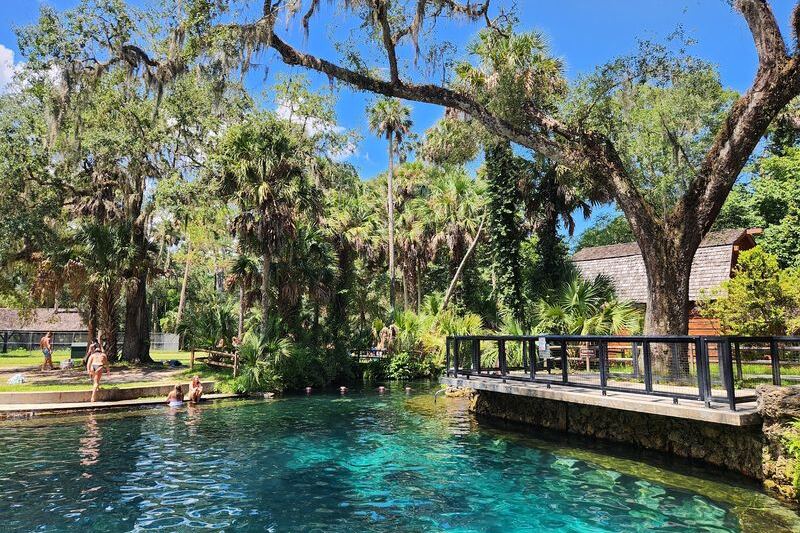
South Florida is known for its beaches and nightlife, but there is a place tucked along a canopy-lined road where time genuinely slows down. Towering palms, rare orchids, and free-roaming crocodiles share the same 83-acre property, and the whole experience feels less like a day trip and more like a journey to another continent.
The butterfly house alone is worth the drive, and that is just one corner of what waits inside. Whether you are a plant lover, a photographer, or simply someone who needs a break from the ordinary, this South Florida destination delivers something quietly extraordinary at every turn.
Finding the Garden: Address, Location, and First Impressions
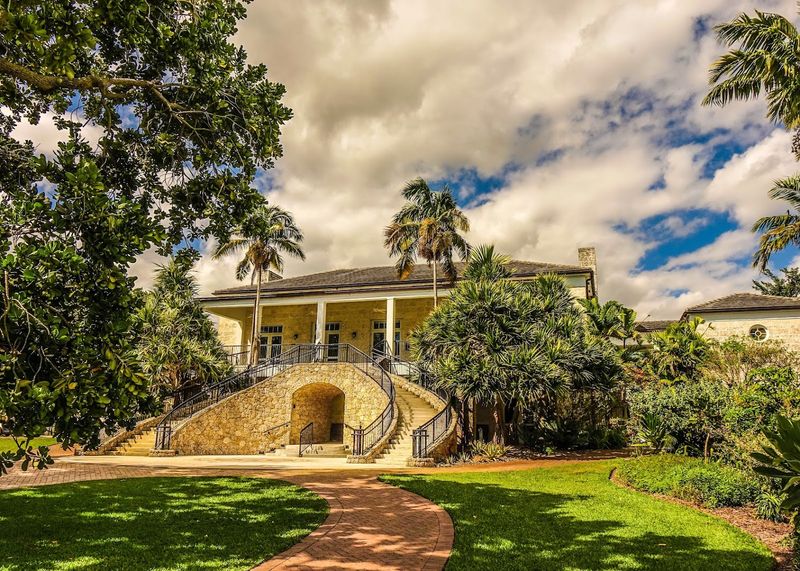
The approach alone sets the mood before you even park the car. Fairchild Tropical Botanic Garden sits at 10901 Old Cutler Road, Coral Gables, and the drive in takes you beneath a dramatic canopy of massive banyan trees that arch over the road like a natural tunnel.
Parking is free, which is a welcome surprise for a destination of this caliber. A smaller paved lot sits right next to the main entrance building, and an overflow lot is just about 20 yards away.
The entrance itself is a coral stone mansion that looks more like a private estate than a ticket booth. Inside, you will find a gift shop, a small counter selling coffee drinks and pastries, and the ticket counter at the back.
Adult admission runs $24.95, with discounts available for military veterans, SNAP recipients, and others.
The Layout: West Side vs. East Side
Once you grab your map at the ticket counter, you quickly realize this place has a clear personality split. The garden is divided into a West section and an East section, and each one offers a completely different experience.
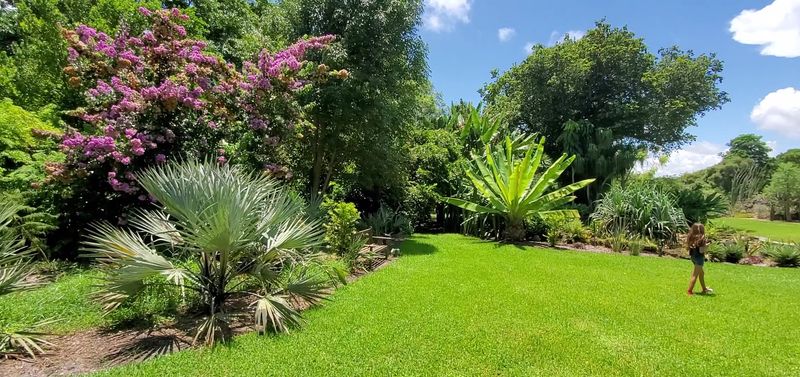
The West side is where the curated sub-gardens live, dense with rare tropical plants, covered walkways, and the signature glass-roofed butterfly conservatory. It feels lush and layered, like every step reveals something new hiding behind the last plant.
Cross over to the East section, and the atmosphere opens up dramatically. Large ponds, sprawling coconut groves, and rare palm collections spread out under open sky.
This is also where you are most likely to spot the garden’s resident Florida crocodile sunning himself near the water’s edge.
Plan your route before you start walking, because four to six hours goes by faster than you would expect here.
Wings of the Tropics: The Butterfly Conservatory
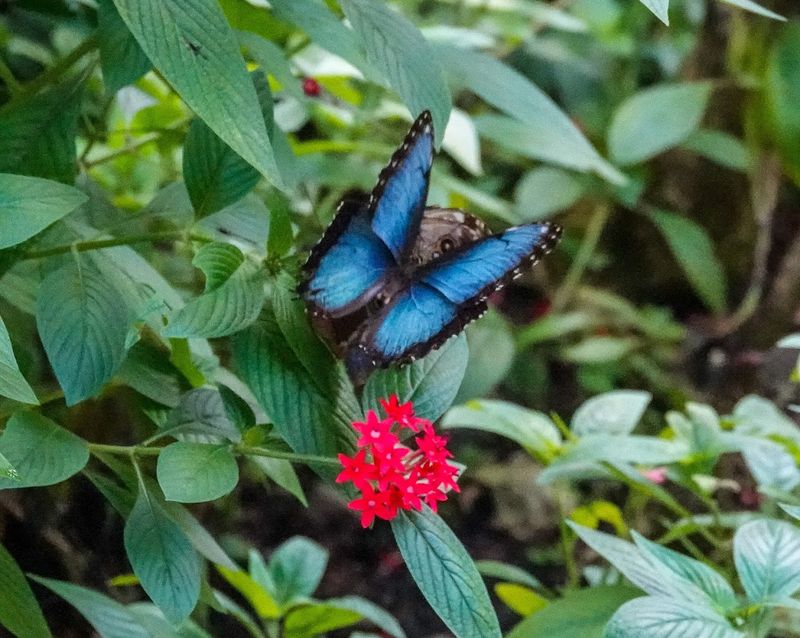
Few experiences at this garden land as memorably as stepping inside the butterfly conservatory. The glass-roofed Wings of the Tropics exhibit houses hundreds of tropical butterfly species, and they drift around you freely as you walk through the space.
The care that goes into maintaining this environment is obvious the moment you enter. The temperature, humidity, and plant selection are all calibrated to keep the butterflies thriving, and the result is an atmosphere that feels genuinely otherworldly.
Visitors consistently call this their favorite part of the garden, and it is easy to understand why. Watching a vivid blue morpho land on a leaf inches from your face is the kind of moment that does not translate well to photos but stays with you long after you leave.
Get there early in your visit rather than saving it for the end, because you will want plenty of time to linger without rushing.
The Rare Tropical Plant House and the Ghost Orchid
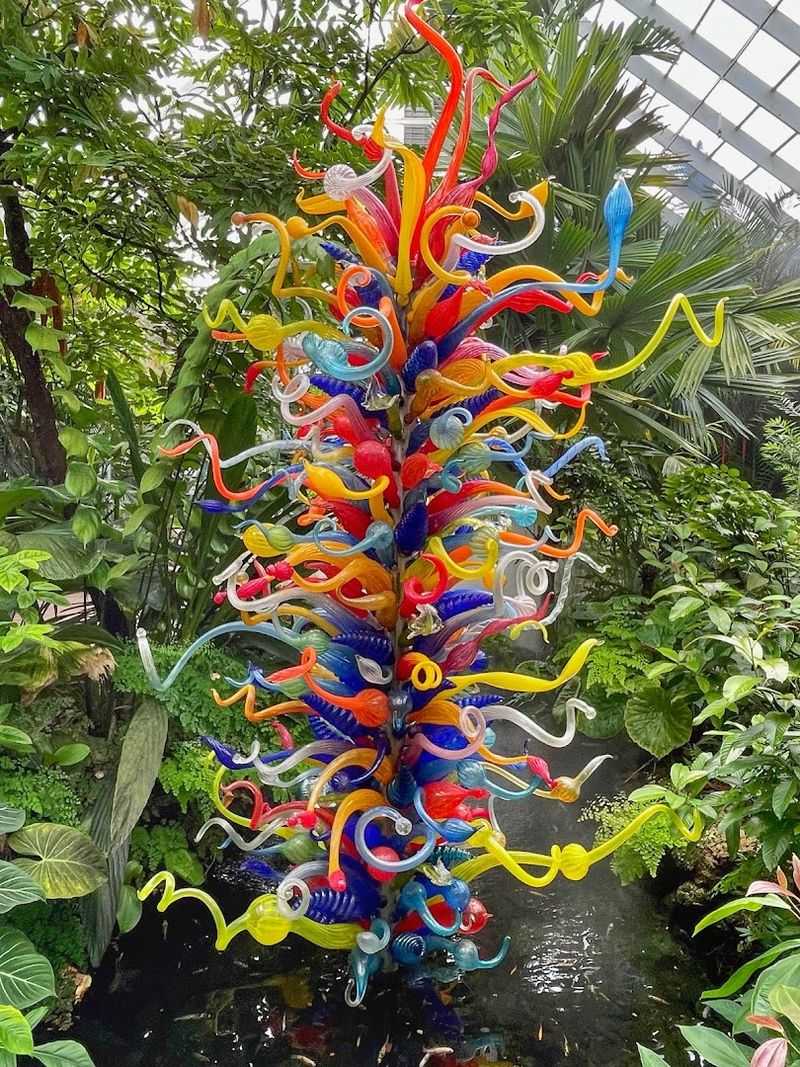
Plant enthusiasts tend to go a little quiet when they walk into the rare tropical plant house, and for good reason. This section of the garden houses some of the most unusual botanical specimens in the world, including the famously elusive Ghost Orchid.
The Ghost Orchid is one of the rarest flowering plants in existence, typically found only in remote swamps. Seeing one up close, properly displayed and cared for, feels like a privilege rather than a casual garden stop.
Beyond the Ghost Orchid, the collection includes dozens of rare species that most visitors have never encountered before, each one labeled with enough context to make the experience educational without feeling like a lecture.
If you have any interest in unusual plants or botanical history, this section deserves a generous chunk of your visit time. It rewards slow, attentive walking far more than a quick pass-through.
The Tropical Rainforest Section
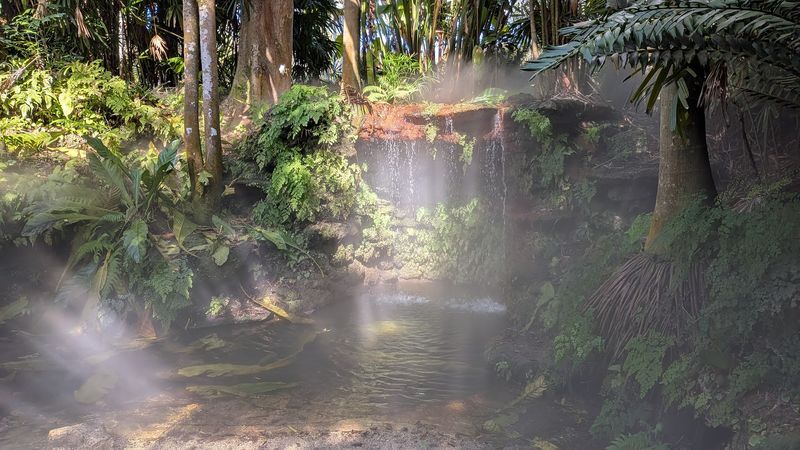
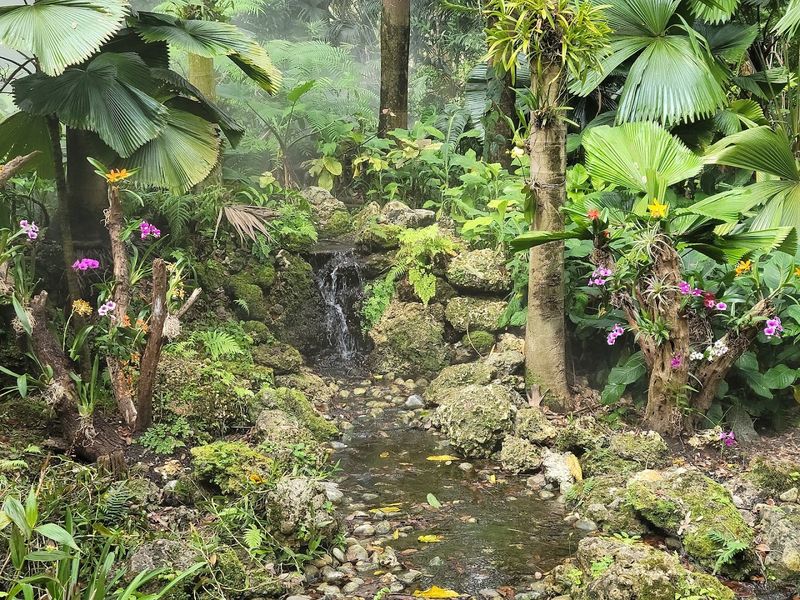
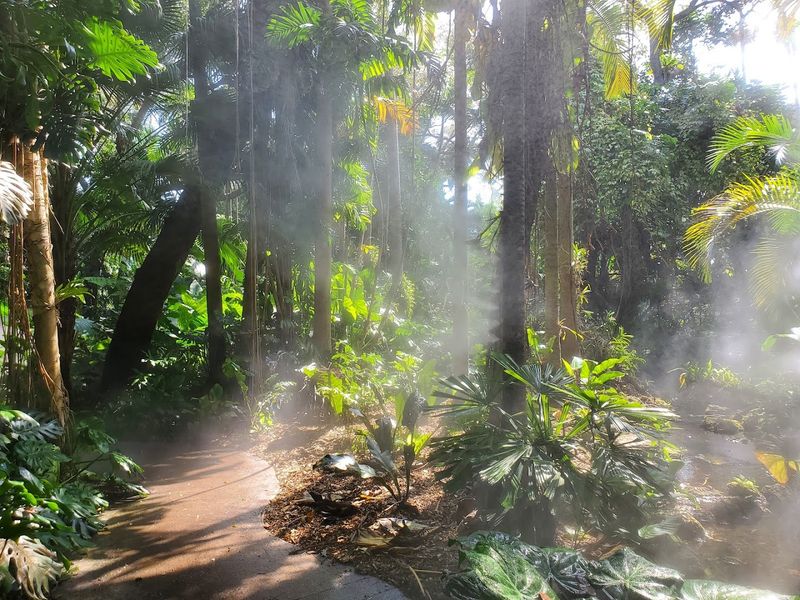
There is a section of the garden that regular visitors return to again and again, and it is the tropical rainforest area. The canopy overhead shuts out a surprising amount of sunlight, and the temperature drops noticeably as you step beneath the trees.
Covered pathways wind through the space, offering shade that makes the Florida heat genuinely manageable even in warmer months. The layering of plants here, from ground ferns up through mid-story palms to the full canopy above, creates a sense of depth that is hard to find anywhere else in South Florida.
One visitor who returned to the garden twice during a single trip specifically named this as their favorite spot. That kind of repeat enthusiasm says something real about the atmosphere this section creates.
Benches are scattered throughout, and taking a few minutes to simply sit and listen to the sounds around you is an underrated part of the whole experience.
The Sunken Garden and the Vine Pergola Wish Tree
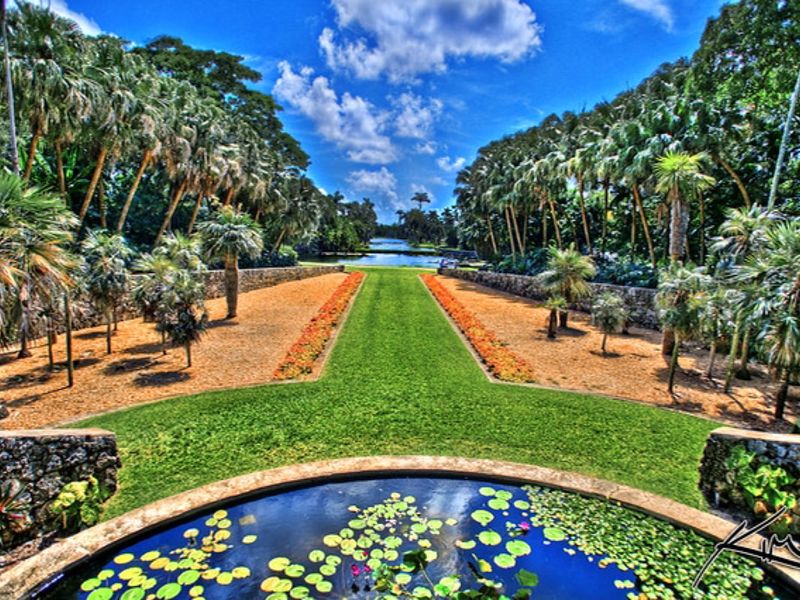
Two of the garden’s quieter highlights tend to catch visitors off guard with how meaningful they feel. The sunken garden is a beautifully composed space that sits slightly below grade, giving it an enclosed, almost private atmosphere that the open paths elsewhere do not replicate.
Nearby, the vine pergola houses something genuinely unexpected: a wish tree. Visitors can write a wish on a small piece of paper and hang it among the vines, and the accumulated collection of wishes gives the whole structure a warm, human quality that stands apart from the botanical displays around it.
Starting a visit here, as some guests recommend, sets a reflective tone that carries through the rest of the day. The garden moves quickly if you let it, but these two spots have a way of slowing everything down in the best possible way.
Both are worth finding on your map before you start exploring.
Wildlife Encounters: The Resident Florida Crocodile
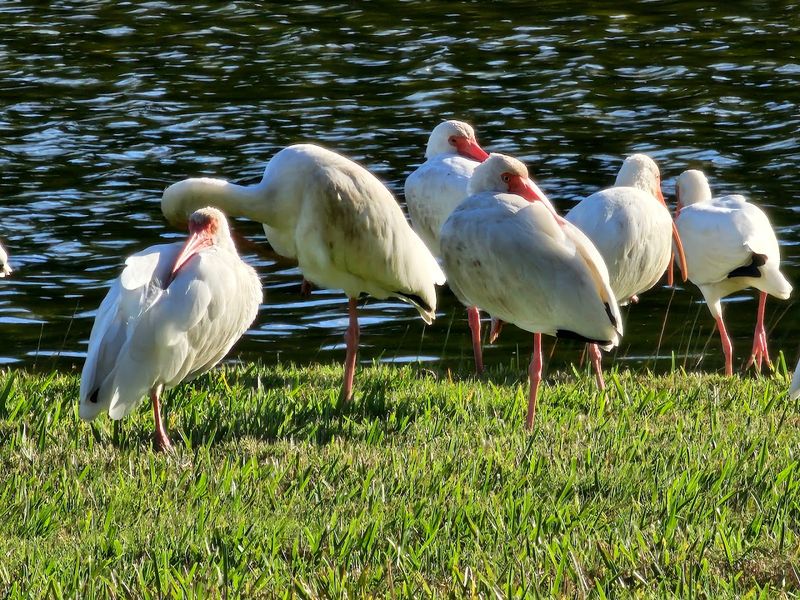
Not every botanical garden comes with a resident crocodile, but this one does. The East section of the property borders large ponds where a Florida crocodile has made itself quite at home, and it is not shy about being photographed.
Multiple visitors have reported getting within about ten feet of the animal before it showed any sign of awareness, which is both thrilling and a useful reminder to keep small children close in that area. The crocodile is a real wild animal, not a managed exhibit, so the encounter carries a genuine edge of the unexpected.
Beyond the crocodile, the East section also hosts a variety of wading birds, ducks, and other wildlife that move freely through the coconut groves and along the water’s edge.
For anyone who enjoys wildlife photography, this corner of the garden offers a completely different kind of shot than the curated plant displays on the West side.
The Glass House Cafe: Fuel for the Journey
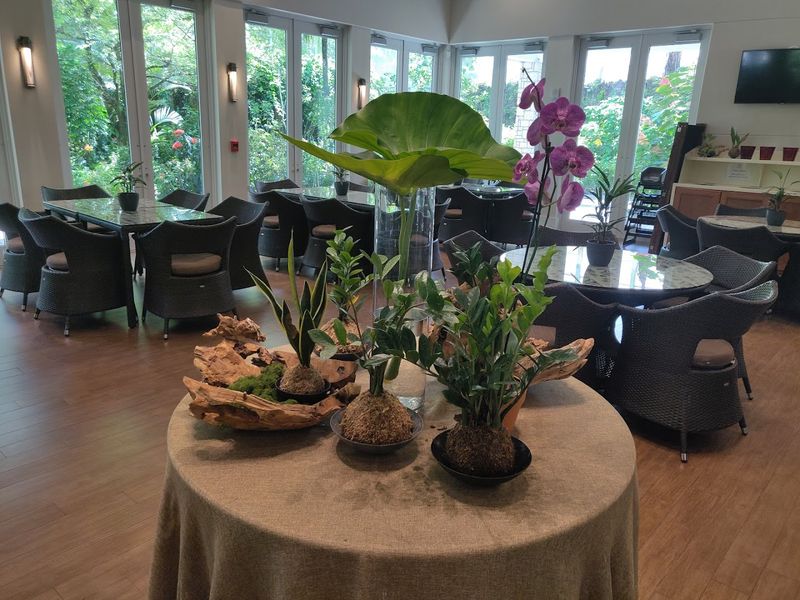
After a few hours of walking through 83 acres of tropical landscape, the Glass House Cafe in the southwest corner of the property becomes a very welcome sight. The cafe is more than just a pit stop; it sits inside a beautifully designed glass structure surrounded by the garden itself.
The menu covers the basics well, with coffee drinks, sandwiches, and pastries available at the entrance counter near the ticket area, and the Glass House itself offers a fuller sit-down experience. Stopping here mid-visit rather than at the very end gives you a chance to recharge before tackling the East section.
Annual members often name the cafe as part of their regular routine when they visit on weekends, treating it as a relaxed anchor point between sections of the garden.
Bringing a picnic basket is also allowed on the grounds, so packing your own food is a perfectly reasonable option if you prefer.
Special Events: Concerts, Light Shows, and Weddings
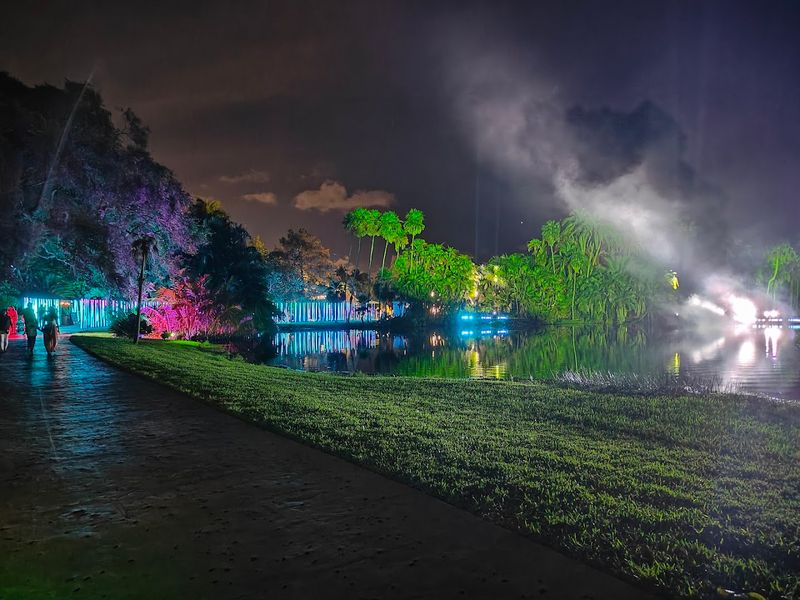
The garden is not just a daytime destination. Throughout the year, Fairchild hosts a rotating calendar of special events that transform the space into something entirely different after hours.
The annual Valentine’s Day concert has become a tradition for many South Florida couples, with live music on the lawn, a romantic atmosphere, and the garden lit up beautifully around the audience. The setup is relaxed enough that guests can bring their own chairs and settle in comfortably for the evening.
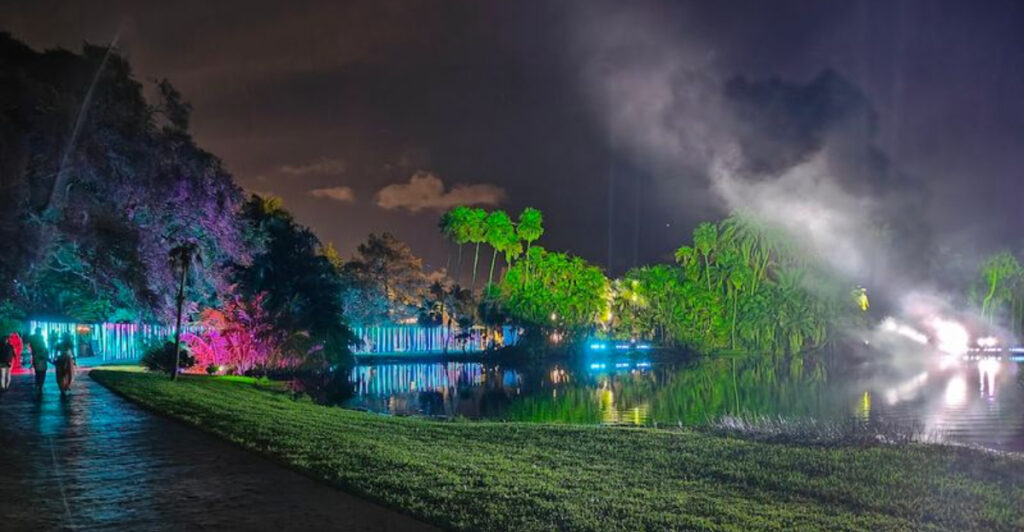
The holiday light show is another standout event, drawing families who want something more immersive than a typical night out. Glowing installations line every pathway, and the color and music combination creates an atmosphere that children find completely captivating.
The garden also hosts weddings on its grounds, and the combination of lush scenery, thoughtful event coordination, and natural beauty makes it a genuinely stunning venue for that kind of celebration.
Accessibility and Practical Tips for Your Visit
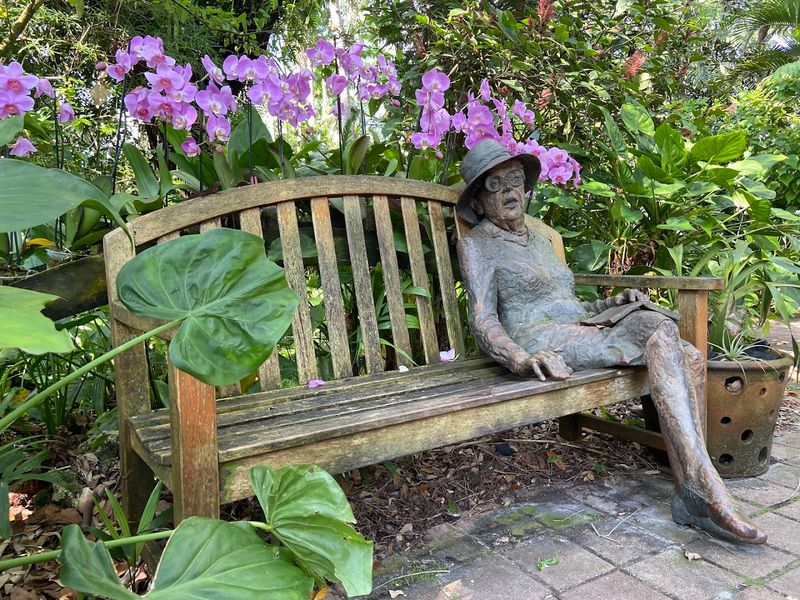
Getting around the garden is easier than the size of the property might suggest. Most of the pathways are paved, concrete, or hard-packed crushed shell, which makes the whole property ADA-friendly and navigable for visitors who need stable footing.
Benches appear at regular intervals throughout the grounds, so taking a break whenever you need one is never a problem. Restrooms are available at the main entrance building and at the Glass House Cafe, though the East section does not currently have facilities, so plan accordingly before heading that way.
The garden opens at 10 AM every day of the week and closes at 5 PM, so arriving early gives you the best shot at tram tickets and a full exploration without feeling rushed. Download the Fairchild app before your visit for an in-app map that tracks your location and helps you navigate the property.
Rare Palms, Coconut Groves, and the Botanical Collections
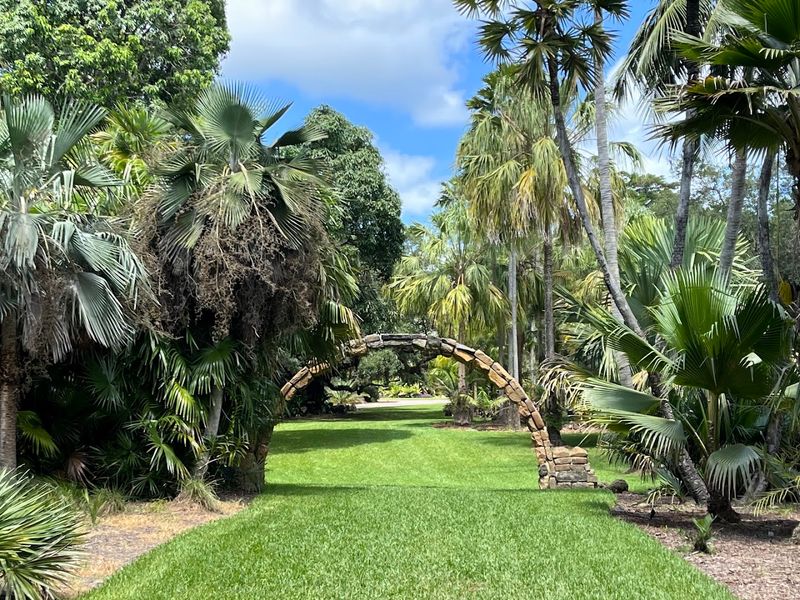
The East section of the garden holds something that serious plant enthusiasts specifically seek out: one of the most significant collections of rare palm species in the country. These are not the familiar fan palms you see lining every Florida highway; these are unusual, slow-growing specimens from remote corners of the tropics.
Coconut groves add a different texture to the landscape, and walking through them on a breezy afternoon has a rhythm that feels nothing like the denser West side gardens. The open sky and wider spacing between plants give this area a more expansive, almost meditative quality.
For home gardeners looking for rare plant inspiration, this section functions almost like a living catalog. The labeling throughout the collection is thorough enough to make identification easy, and the scale of what has been assembled here over decades of conservation work is genuinely impressive.
Memberships, Discounts, and Getting the Most from Your Visit
Many local South Florida residents have discovered that a Fairchild membership pays for itself quickly. Annual members can visit as many times as they like throughout the year, and because the garden shifts with the seasons, each visit genuinely feels a little different from the last.
For first-time visitors, the standard adult admission is $24.95, but several discount categories apply. Military veterans receive free admission, SNAP recipients get reduced pricing, and children and seniors have their own pricing tiers.
It is worth asking at the ticket counter about what applies to your group.
Plan for at least three to four hours on your first visit, and consider five or more if you want to cover both sections thoroughly, catch the tram, spend time in the butterfly house, and stop at the cafe. The garden rewards visitors who are not in a hurry, and rushing through it means leaving the best parts half-explored.
Why This Garden Stays With You Long After You Leave
Some places are enjoyable while you are there and forgettable by the time you reach the parking lot. This garden is not one of them.
There is something about the combination of scale, quiet, and biological richness that tends to linger in the mind for days afterward.
Part of it is the sensory detail: the smell of the rainforest section, the sound of water features tucked between plant beds, the unexpected weight of standing next to a plant that exists almost nowhere else on earth. These are not things a photo captures particularly well.
Regular visitors describe returning in different seasons specifically to see what has changed, and the garden does reward that kind of attention. Orchids bloom on their own schedule, migratory birds pass through, and seasonal events reshape the atmosphere entirely.
Fairchild Tropical Botanic Garden is the kind of place that makes South Florida feel larger and stranger and more alive than most people realize it is.
Share this story