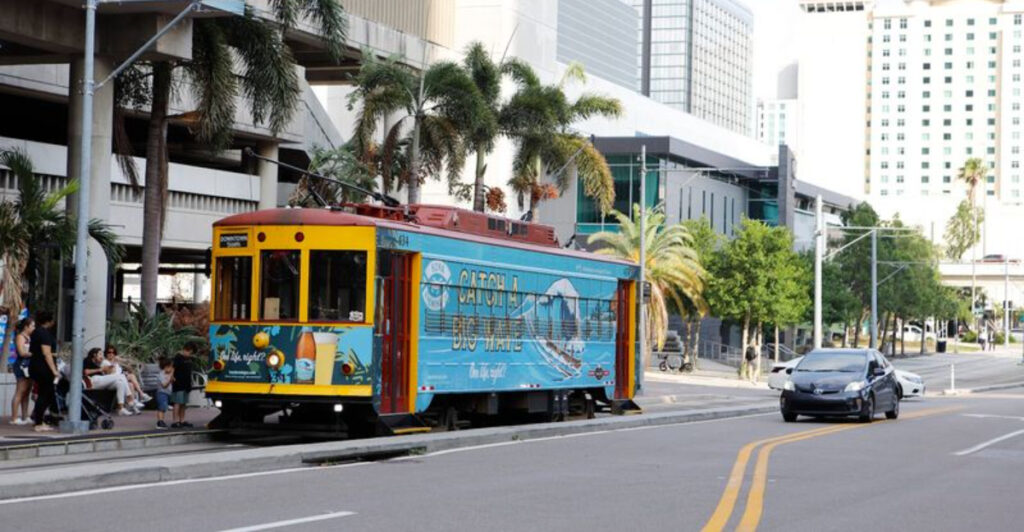
There is something quietly thrilling about boarding a vintage streetcar in the middle of a modern city. The wooden interiors, the gentle sway of the car, the conductor in a crisp uniform, and the neighborhoods rolling past the windows all combine into something that feels both nostalgic and genuinely useful.
Tampa has quietly built one of the most charming free transit experiences in all of Florida, and most visitors stumble onto it by accident. This feature takes you through every angle of the TECO Line Streetcar System, from its fascinating history to practical tips that will make your visit smoother, so you can enjoy every single stop along the way.
Where the Journey Begins: Address and Location
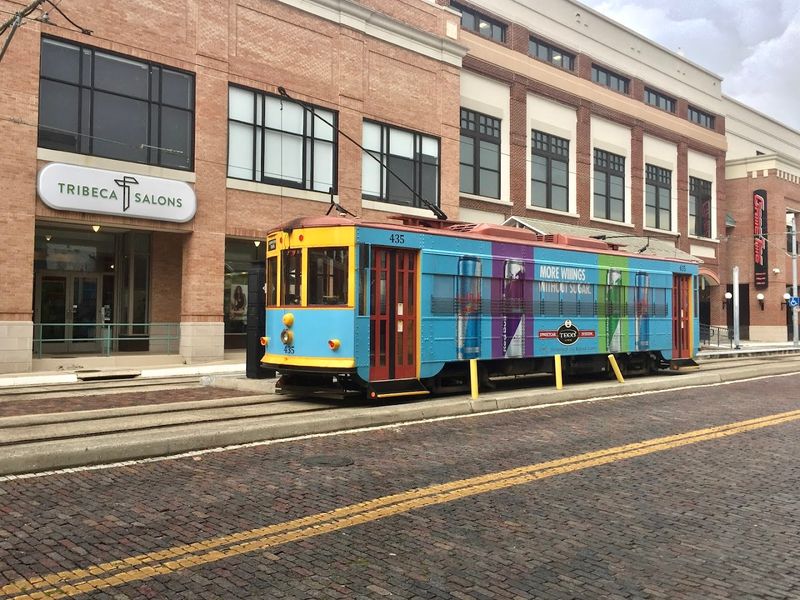
The main boarding point for the TECO Line Streetcar System sits at 603-611 Channelside Dr, Tampa, right in the heart of the Channelside district.
That address alone tells you something important: you are placed squarely between downtown Tampa and the waterfront, with easy walking access to Port Tampa Bay, the Florida Aquarium, and the Tampa Convention Center.
When I arrived, the station was clean, clearly signed, and easy to navigate even without a map. The platform has ramps for wheelchair users and stroller-friendly boarding, which makes it genuinely accessible for families.
Parking nearby can get pricey around stops 7 and 8, so I found it smarter to park closer to the lower-numbered stops and ride from there. That one tip alone saved me both money and stress on my first visit.
A Brief History of Tampa’s Beloved Trolley
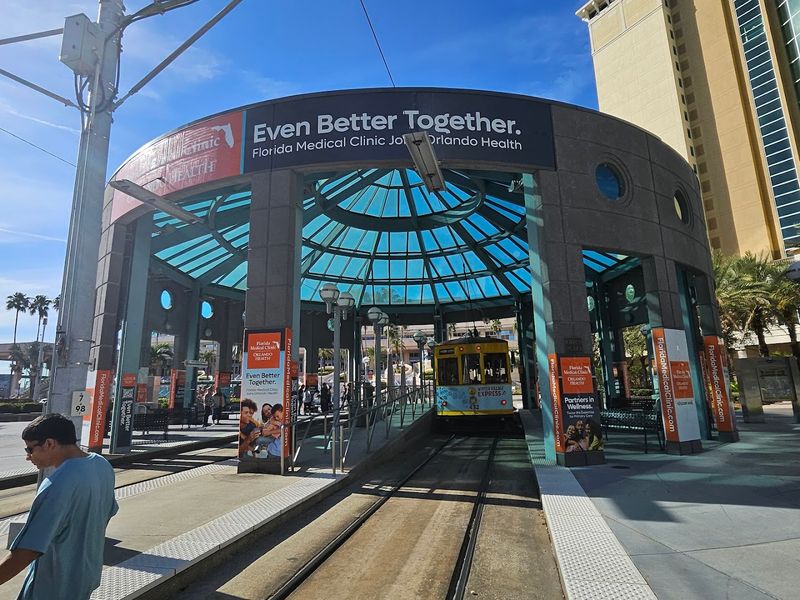
Tampa actually had a functioning streetcar network back in the late 1800s, making it one of the earliest cities in Florida to embrace electric transit. The original system was eventually shut down as cars took over, but the city never quite forgot its trolley roots.
The TECO Line was reborn in 2002 as a modern tribute to that earlier era, using beautifully restored vintage-style cars that echo the look and feel of the originals. TECO Energy provided funding support, which is how the system got its name.
What makes the history especially satisfying is that the revival was not just decorative. The streetcar genuinely serves commuters, tourists, and event-goers moving between Ybor City and downtown.
The past and the present run on the same track here, and that combination gives the whole ride a character that newer transit systems simply cannot manufacture.
The Route: 11 Stops, One Great City
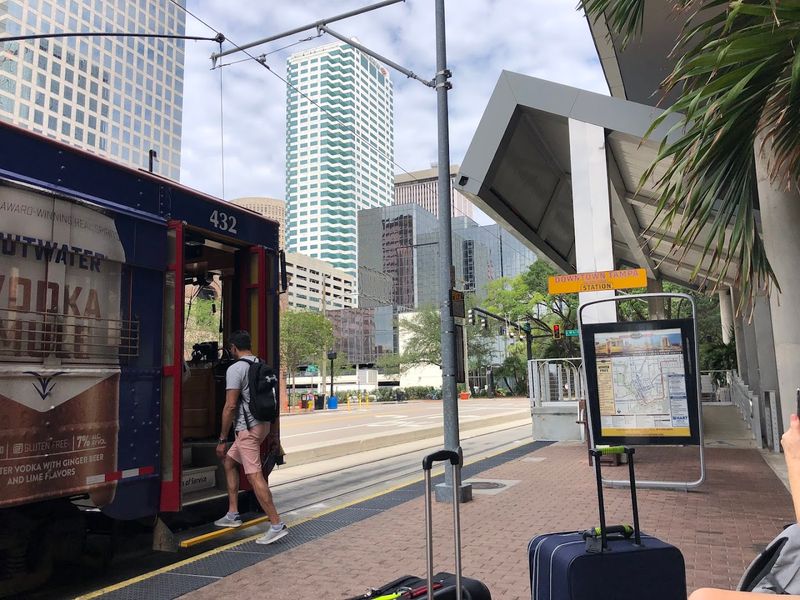
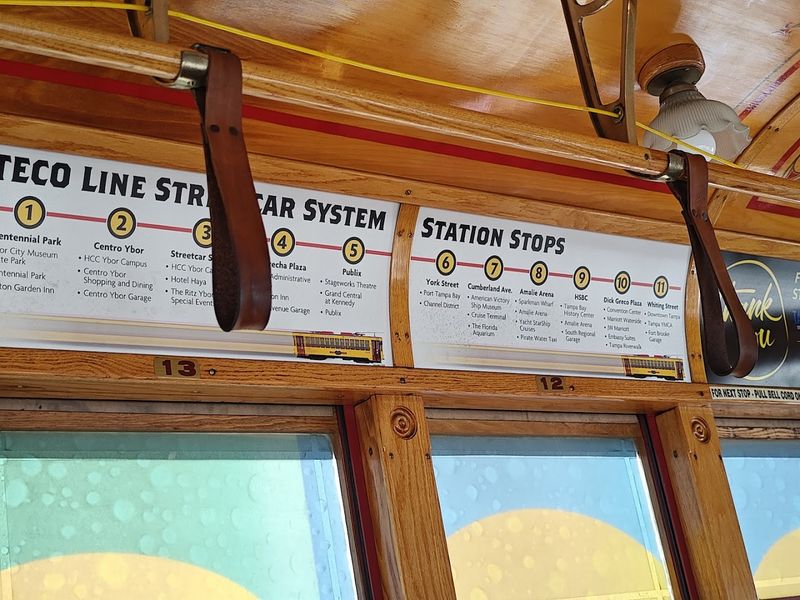
Eleven stops connect two of Tampa’s most vibrant neighborhoods, running from the Centennial Park area in Ybor City all the way through downtown and into the Channelside district. Each stop drops you somewhere worth exploring.
On my first full ride from stop 1 to stop 11, the whole journey took roughly 25 minutes end to end. I rode it straight through just to get a feel for the city, then hopped off at spots that caught my eye on the return trip.
The stops near Amalie Arena are especially convenient on game or concert nights, though the cars do fill up quickly around those events. Stops near the Riverwalk and the Florida Aquarium are perfect for a slower, more scenic afternoon.
Having 11 well-placed stops means you can genuinely build a full day of exploring around the streetcar without ever needing a rideshare or rental car.
The Best Part: It Costs You Nothing
Free public transit in an American city is rare enough to feel like a small miracle, and the TECO Line delivers exactly that. Every ride on every car at every stop costs nothing, which makes it one of the most generous perks in Tampa for both locals and visitors.
When I first heard it was free, I assumed there would be a catch, maybe limited hours or restricted stops. There was no catch.
You simply board, find a seat, and enjoy the ride.
Many riders leave a tip for the driver as a thank-you gesture, and given how professional and friendly the operators are, that feels like a natural response rather than an obligation.
For families watching their travel budget, the savings add up fast over a multi-day visit. Skipping parking fees and rideshare costs while still moving comfortably around the city is a genuinely smart way to travel.
The Cars Themselves: Vintage Style with Modern Comfort
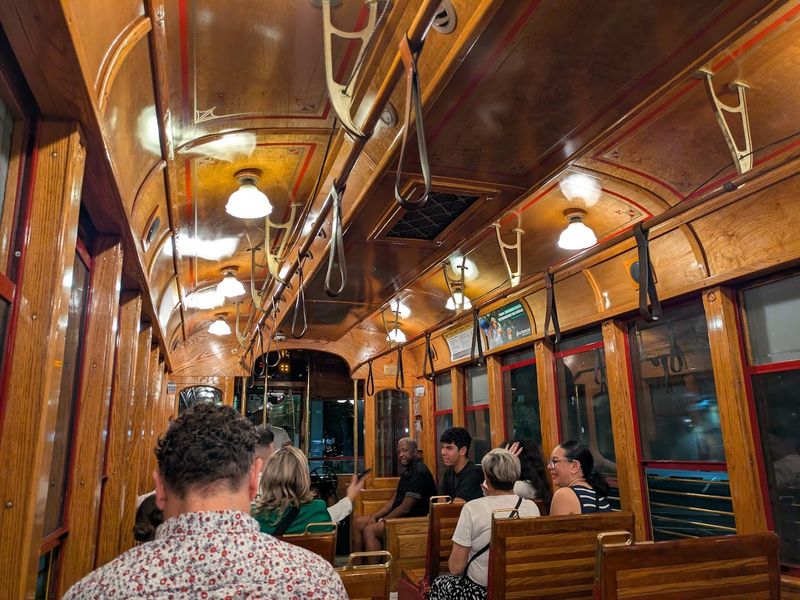
The streetcars look like they rolled straight out of a 1920s postcard, but ride like something built with modern comfort in mind. The interiors are clean, the seats are well maintained, and the air conditioning works reliably, which matters a great deal in Tampa’s summer heat.
Each car has a smooth, steady ride that feels more refined than most city buses. The gentle rocking motion as the trolley moves through traffic is oddly relaxing, and the large windows give you a clear view of everything passing by outside.
The cars are also spacious enough to accommodate strollers and wheelchairs without making other passengers feel crowded. During my visit, the car was about half full on a weekday afternoon, which felt comfortable and unhurried.
Every detail, from the polished wood accents to the neatly uniformed operators, signals that someone genuinely cares about the condition of this system.
Operating Hours and the Best Times to Ride
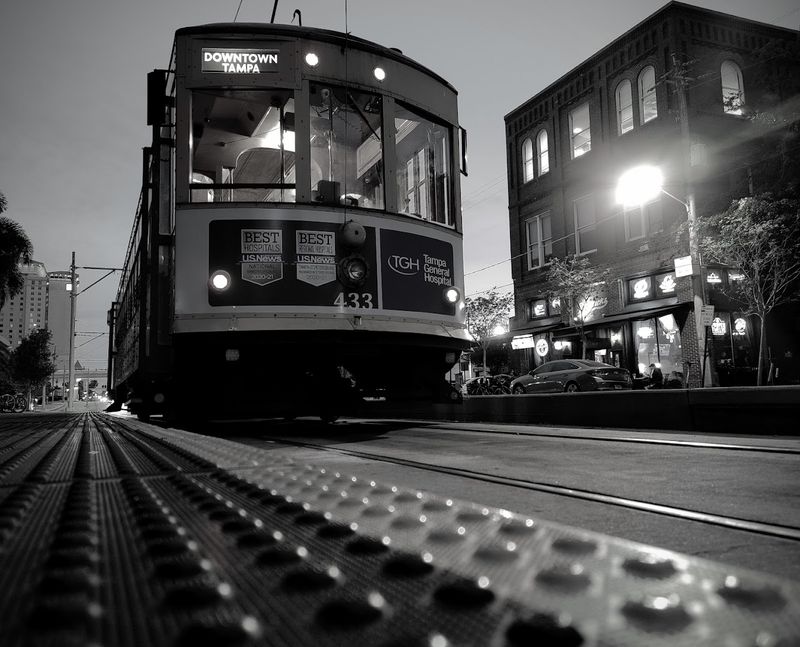
The TECO Line keeps surprisingly generous hours, especially on weekends. On Fridays, service runs from 11 AM all the way to 1:30 AM, and on Saturdays the cars start rolling at 8:30 AM and keep going until 2 AM.
Sundays run from 8:30 AM to 11 PM.
Weekday hours are a bit shorter, with service running from noon to 10 PM Monday through Thursday. That mid-morning start means weekend mornings are actually the best window for a quieter, more relaxed ride.
I personally recommend an early Saturday trip when the city is still waking up and the cars are nearly empty. The late-night weekend service is popular with people heading to and from Ybor City’s entertainment district, so those cars tend to be livelier and more crowded.
Checking the TECO app before you head out is the smartest move, since it shows live car locations and helps you avoid unnecessary waiting at the platform.
Exploring Ybor City from the Streetcar
Ybor City is one of Tampa’s most historically rich neighborhoods, and the streetcar connects you to it effortlessly. The area was founded in the 1880s by Cuban, Spanish, and Italian immigrants who built a cigar-manufacturing empire that once supplied the entire United States.
The streetcar drops you near Centennial Park and the Columbia Restaurant, which has been serving Cuban food since 1905 and is a landmark in its own right. The brick streets, wrought-iron balconies, and preserved storefronts give Ybor a texture that feels genuinely different from the rest of the city.
On my visit, I spent an hour wandering the main strip before hopping back on the trolley. The combination of walking and riding let me cover far more ground than I would have managed on foot alone.
Ybor City rewards slow exploration, and the streetcar makes that kind of unhurried pace easy to maintain throughout the day.
Downtown Tampa and the Riverwalk Connection
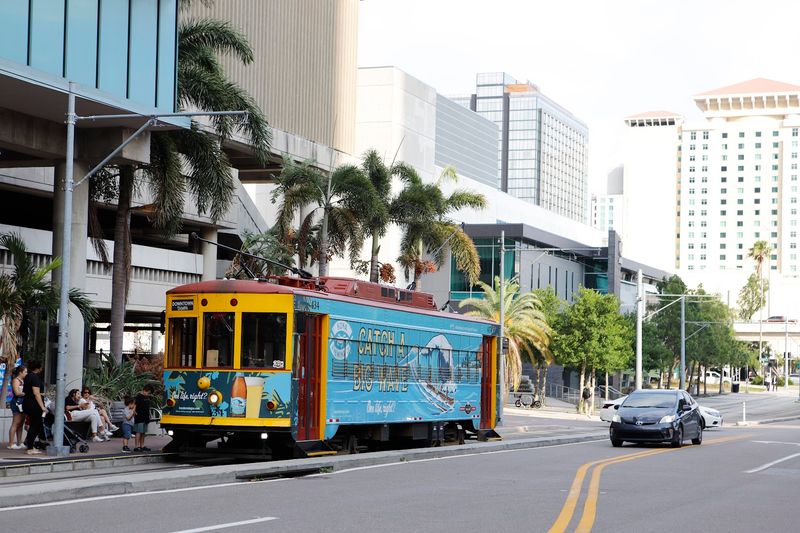
Several streetcar stops place you within easy walking distance of the Tampa Riverwalk, a 2.6-mile waterfront path that runs along the Hillsborough River through the heart of downtown. The combination of the two creates a genuinely satisfying day-trip loop.
I got off near the downtown stops, walked over to the Riverwalk, and spent a relaxed hour taking in the water views, public art installations, and the general energy of the city before reboarding. The whole sequence felt effortless.
The Riverwalk connects to Curtis Hixon Waterfront Park, the Tampa Museum of Art, and several outdoor dining spots, so there is no shortage of things to do once you step off the trolley. It also offers a completely different visual experience from the streetcar itself, trading urban streets for open waterfront scenery.
Together, the streetcar and the Riverwalk form one of the most satisfying free activity pairings anywhere in Florida.
The Florida Aquarium Stop
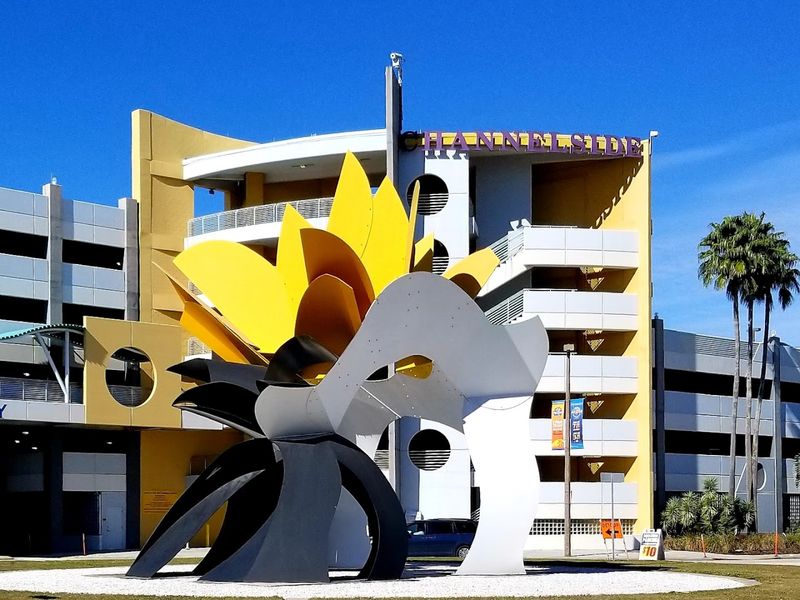
One of the most family-friendly stops along the entire route is the one closest to the Florida Aquarium, located in the Channelside area near the southern end of the line. The aquarium is home to more than 20,000 aquatic plants and animals, making it one of the top attractions in Tampa.
Riding the streetcar to the aquarium rather than driving means you skip the parking scramble entirely, which anyone who has visited on a busy weekend will tell you is worth a great deal. You simply board, ride, and walk in.
One visitor I spoke with at the stop had traveled from Ybor City to the aquarium and back entirely on the trolley, spending the afternoon at the exhibits and then returning for a late dinner in the historic district. That kind of flexible, car-free itinerary is exactly what the TECO Line makes possible.
It is a surprisingly smooth way to build a full family day.
The Operators: Friendly Faces Behind the Controls
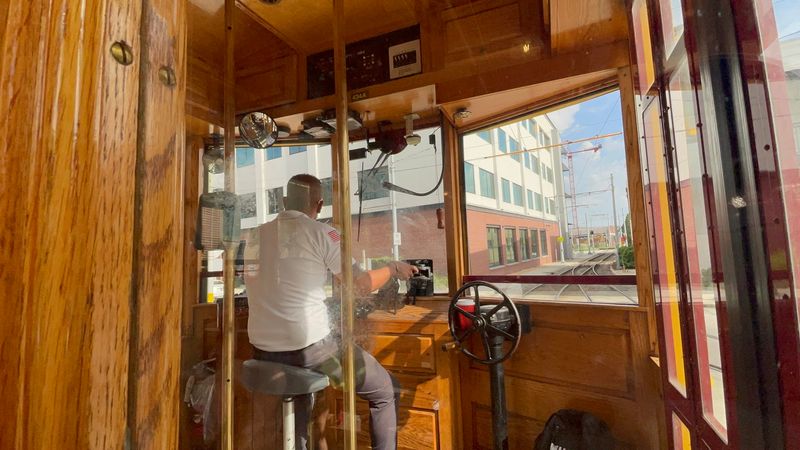
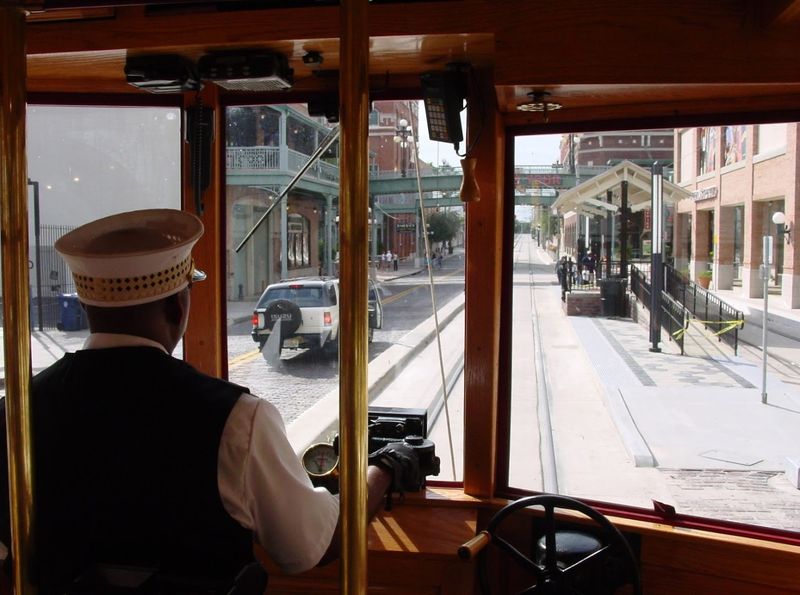
The people operating the TECO streetcars deserve their own mention, because they genuinely elevate the experience. Every operator I encountered during my visit was professionally dressed, approachable, and happy to answer questions about stops, timing, and nearby attractions.
One operator on my Saturday morning ride had clearly been doing the job long enough to know every regular by name. She greeted boarding passengers warmly and offered a few unsolicited tips about the best spots to get off for food, which I found both helpful and refreshing.
The level of professionalism extends to the appearance of the uniforms. The shoes alone, polished to a high shine, signal that the TECO system takes pride in how it presents itself to the public.
That kind of attentiveness from transit staff is not something you always find, and it makes the ride feel like a curated experience rather than just a functional way to get from one place to another.
Accessibility and Family-Friendly Features
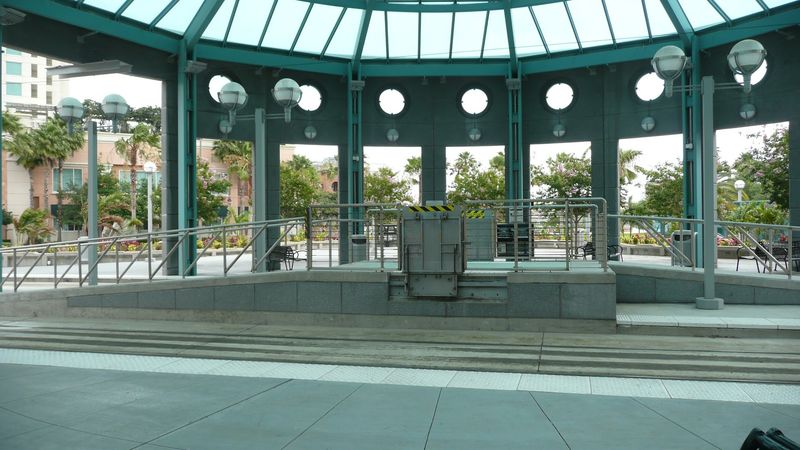
The TECO Line was designed with accessibility in mind from the start. Every station along the route includes a ramp, which means wheelchair users and families with strollers can board and exit without assistance or awkward maneuvering.
The interiors of the cars are spacious enough to accommodate mobility equipment comfortably, and the boarding process is smooth and quick. During my visit, I watched a family with a double stroller board and settle in within about thirty seconds, which speaks to how well the system handles real-world family travel.
Children seem to love the ride for its novelty alone. The vintage styling, the bell sounds, and the window views all combine into something that holds a young traveler’s attention far better than a standard bus or rideshare.
For parents planning a day out in Tampa, the streetcar is one of those rare amenities that actually makes the logistics of traveling with kids noticeably simpler.
Port Tampa Bay Views Along the Route
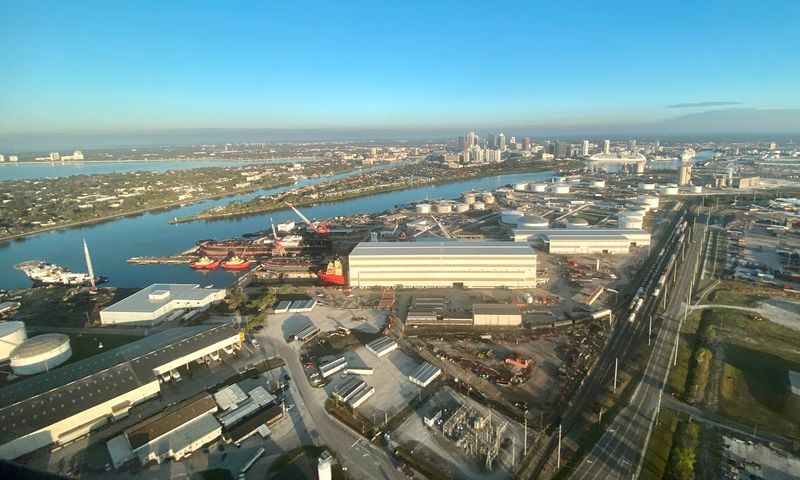
Parts of the TECO Line route pass close enough to Port Tampa Bay that you get genuine waterfront views from the streetcar window without ever needing to detour. On a clear day, the sight of massive cruise ships docked at the port is one of those unexpected visual rewards that makes the ride feel like more than just transit.
The port is one of the busiest in the southeastern United States, and watching the scale of those vessels up close from a slow-moving vintage trolley creates a striking contrast that stays with you. It is the kind of view that city residents probably take for granted but that first-time visitors find genuinely impressive.
The convention center and waterfront areas visible from the route add further context to Tampa’s identity as a working port city with serious tourism infrastructure.
That layered view of commerce and leisure, all from a single streetcar window, captures something true about what Tampa actually is.
Tips for Getting the Most Out of Your Ride
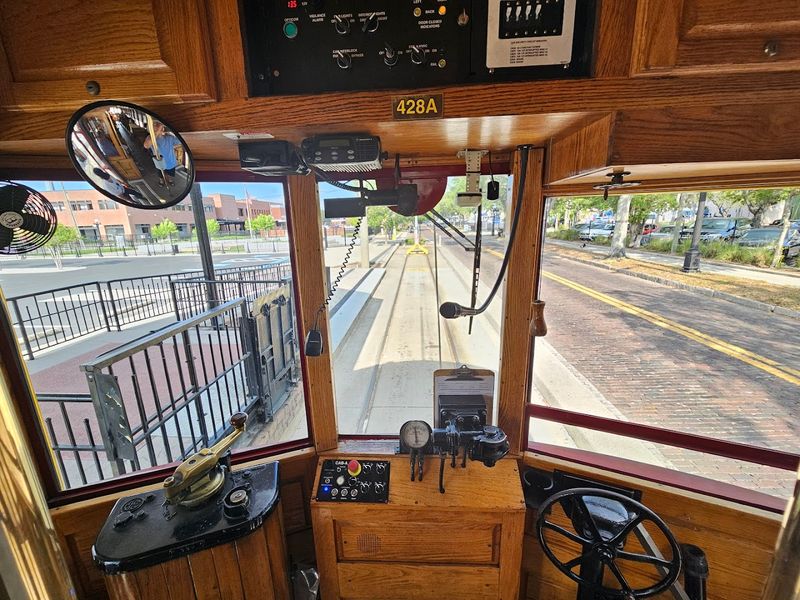
A few practical notes can make your TECO Line experience noticeably smoother. First, download the app before you arrive so you are not scrambling to find it at the platform.
Second, park near the lower-numbered stops to avoid the higher-priced garages clustered around stops 7 and 8.
If you are visiting during a busy event at Amalie Arena, give yourself a buffer of ten minutes after the event ends before heading to the platform. That small delay tends to spare you the biggest crowd surge.
Hold onto a grab bar if you are standing, since the car can stop abruptly when traffic blocks the tracks. It happens occasionally and is worth keeping in mind, especially with children nearby.
Finally, treat the ride itself as part of your Tampa experience rather than just a way to get somewhere. The vintage cars, the city views, and the friendly operators make every trip genuinely worth savoring from start to finish.
Share this story