Some trips change you in ways you never expected. Whether it’s standing on the edge of a glacier, floating above ancient valleys, or watching wildlife roam free across open plains, the world is packed with experiences that feel almost too good to be true.
The adventures on this list are the kind that make you wonder why you waited so long. Buckle up, because your bucket list is about to get a serious upgrade.
Trek to Machu Picchu, Peru
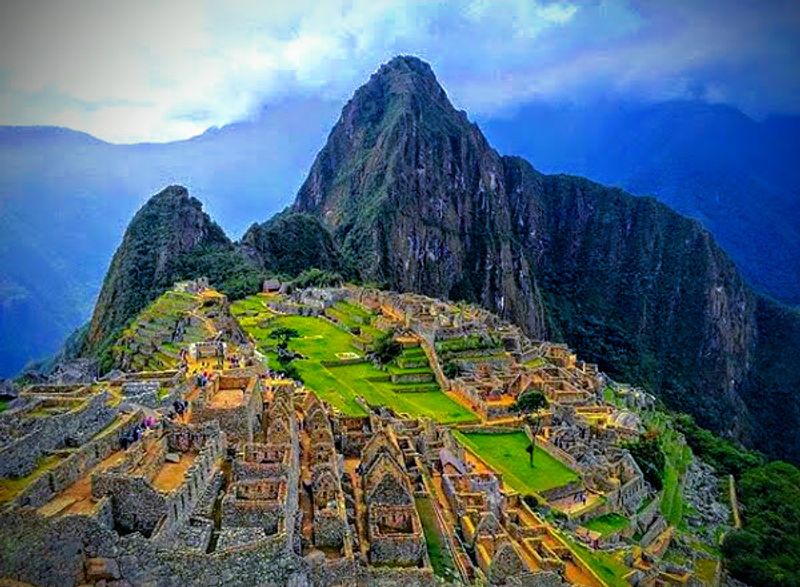
Reaching Machu Picchu feels like unlocking a secret the world has been keeping from you. The ancient Incan city sits high in the Andes Mountains, wrapped in clouds and mystery.
Built over 500 years ago without modern tools, it remains one of history’s greatest architectural puzzles.
The classic Inca Trail takes hikers through dense cloud forests, high mountain passes, and crumbling ruins before delivering them to the Sun Gate at dawn. That first glimpse of the citadel below is the kind of moment people describe for the rest of their lives.
Even the train route delivers jaw-dropping scenery the whole way.
Machu Picchu rewards curious visitors with llamas wandering freely among the ruins, terraced hillsides that seem to defy gravity, and views that stretch endlessly into the mountains. Hiring a local guide makes the experience richer, since every stone wall and temple has a story worth hearing.
Book permits early because spots sell out months in advance. This is one adventure that absolutely lives up to the hype.
See the Northern Lights in Iceland or Norway
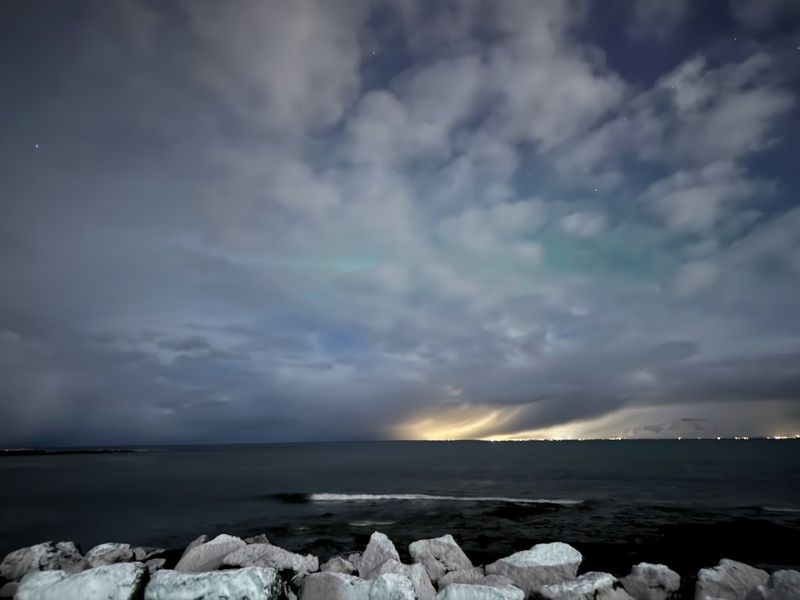
No photograph has ever truly captured what it feels like to watch the Northern Lights ripple across a pitch-black sky. The colors shift from soft green to electric violet in seconds, moving like something alive.
People who see them for the first time often go completely silent.
Iceland and Norway are two of the best places on Earth to catch the aurora borealis. Iceland offers dramatic lava fields and hot springs as a backdrop, while Norway’s Arctic fjords add towering cliffs to the light show.
The best viewing months run from September through March, when nights are long and dark enough for the lights to perform.
Chasing the Northern Lights requires some patience since clouds can block the view on certain nights. Booking a guided tour improves your chances because local experts know the clearest spots.
Dressing in serious winter layers is non-negotiable. Some travelers even book glass-roofed cabins so they can watch from the warmth of their beds.
Whether you see them for five minutes or two hours, the Northern Lights deliver a memory that stays with you forever.
Safari in the Serengeti, Tanzania
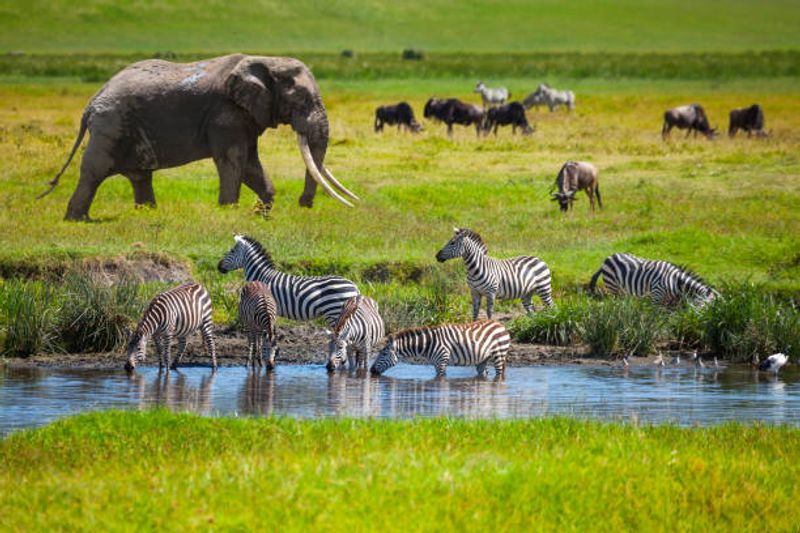
Nothing quite prepares you for the sheer scale of the Great Migration. Over two million wildebeest, zebras, and gazelles move across the Serengeti in a massive circular journey that has been happening for thousands of years.
Watching it unfold from a safari jeep feels almost prehistoric.
Tanzania’s Serengeti National Park offers wildlife encounters that rival anything you have ever seen on a nature documentary. Lions sprawl lazily under acacia trees.
Elephants lumber across open plains. Cheetahs sprint in short, explosive bursts that leave everyone in the vehicle breathless.
The park covers nearly 5,700 square miles, meaning there is always something happening somewhere.
The best time to visit depends on what you want to see. River crossings, where wildebeest brave crocodile-filled waters, happen between July and October.
Calving season from January to March brings thousands of newborns and the predators that follow them. Staying in a tented camp puts you right in the middle of the action with surprisingly comfortable amenities.
A Serengeti safari is not just a vacation. It is a reminder of how wild and wonderful this planet really is.
Explore Petra, Jordan
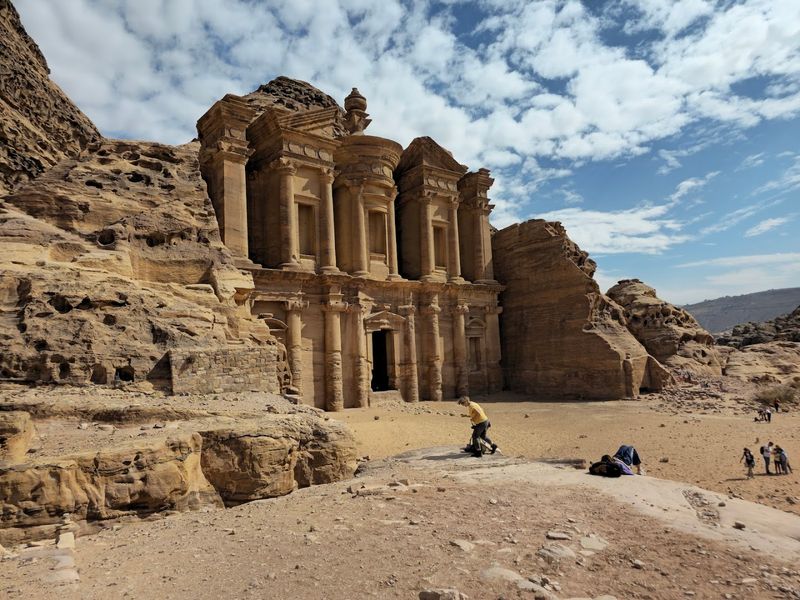
Carved directly into rose-red cliffs by the Nabataean people over 2,000 years ago, Petra is the kind of place that makes your jaw drop before your brain catches up. The city was completely hidden from the Western world until 1812, when a Swiss explorer disguised himself as a local to find it.
That backstory alone makes every step through the ancient site feel thrilling.
The entrance through the Siq is a narrow canyon that winds for nearly a mile between towering sandstone walls. Then, without warning, the canyon opens up to reveal the Treasury, Petra’s most famous facade, carved with incredible detail into the cliff face.
Seeing it for the first time is a genuine wow moment that photos simply cannot replicate.
Beyond the Treasury, Petra stretches for miles with tombs, temples, a colonnaded street, and a massive monastery perched high on a hillside. Visiting at night, when candles light the path to the Treasury, adds an entirely different kind of magic.
Comfortable walking shoes are essential because the site covers a lot of ground. Petra is proof that ancient civilizations were capable of breathtaking artistry.
Hot Air Balloon Ride in Cappadocia, Turkey
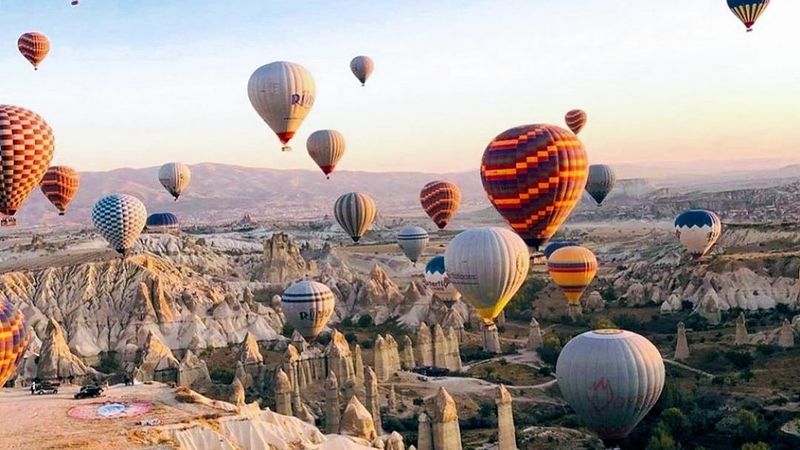
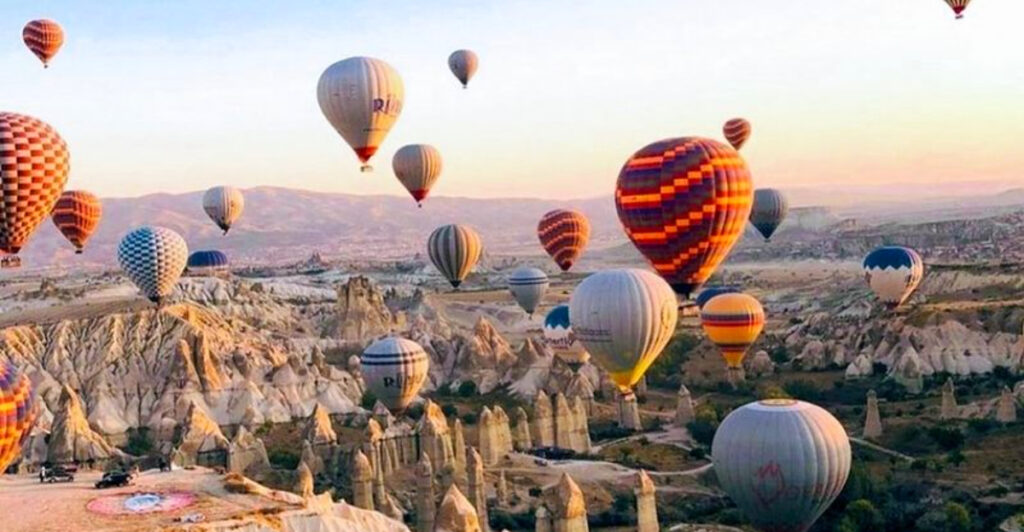
Floating silently hundreds of feet above Cappadocia’s alien-looking landscape at sunrise is the kind of experience that makes you forget everything else. The region’s famous fairy chimneys, carved valleys, and ancient cave dwellings look completely different from above.
It is one of those rare moments where the real thing is actually better than the pictures.
Turkey’s Cappadocia region hosts over 100 balloon flights every clear morning, filling the sky with a rainbow of colorful balloons. Flights typically last about an hour and cover several miles of terrain as the pilot follows the wind.
The silence up there is remarkable, broken only by the occasional burst of the burner keeping the balloon aloft.
Cappadocia itself is worth exploring for several days beyond the balloon ride. The underground cities of Derinkuyu and Kaymakli once sheltered thousands of people from invaders and stretch multiple stories underground.
Cave hotels carved into the soft volcanic rock offer a cozy and genuinely unique place to sleep. The region also produces excellent local wine from volcanic soil vineyards.
Book your balloon flight at least a few weeks ahead, especially during peak spring and fall seasons.
Snorkel the Great Barrier Reef, Australia
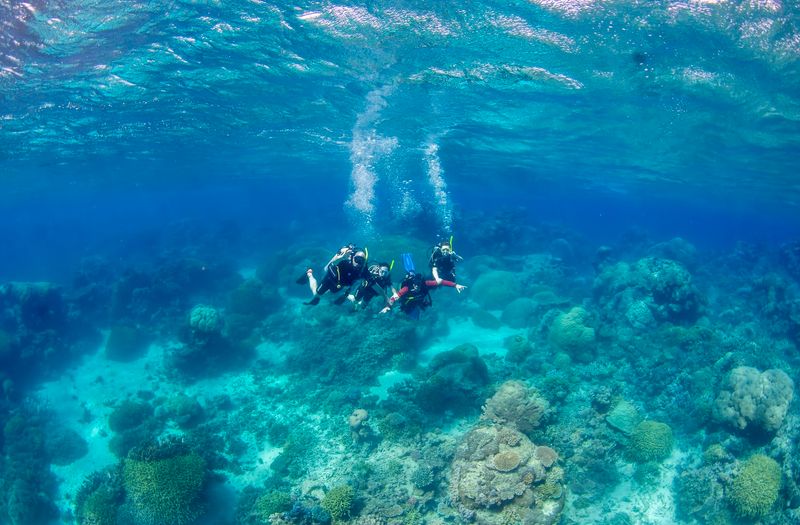
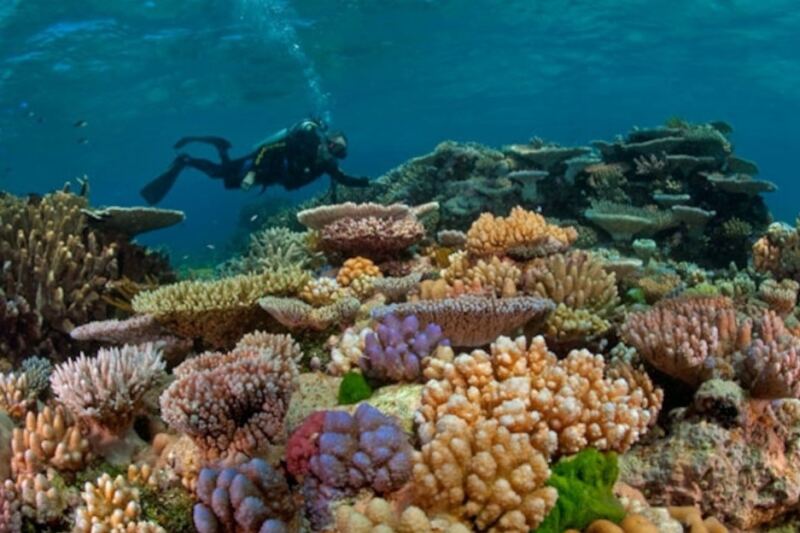
Stretching over 1,400 miles along Australia’s Queensland coast, the Great Barrier Reef is so large it can be seen from space. Below the surface, it hosts over 1,500 species of fish, 4,000 types of mollusk, and coral formations that look like they were designed by the world’s most creative artist.
Snorkeling here is like stepping into a living aquarium.
You do not need to be an experienced diver to enjoy the reef. Snorkeling from a boat or a low pontoon platform lets visitors see spectacular marine life in shallow water.
Sea turtles glide past with total calm, reef sharks cruise the sandy bottom, and clownfish dart in and out of anemones in a scene that feels straight out of a movie.
The reef faces real environmental pressure from warming ocean temperatures, making a visit feel both joyful and meaningful. Many tour operators actively participate in reef conservation efforts and are happy to share what they are doing to protect it.
Cairns and the Whitsunday Islands serve as the most popular departure points for reef tours. Going early in the day means calmer water and better visibility.
The Great Barrier Reef is a treasure worth protecting and visiting while it is still thriving.
Hot Air Balloon Safari Over Kenya
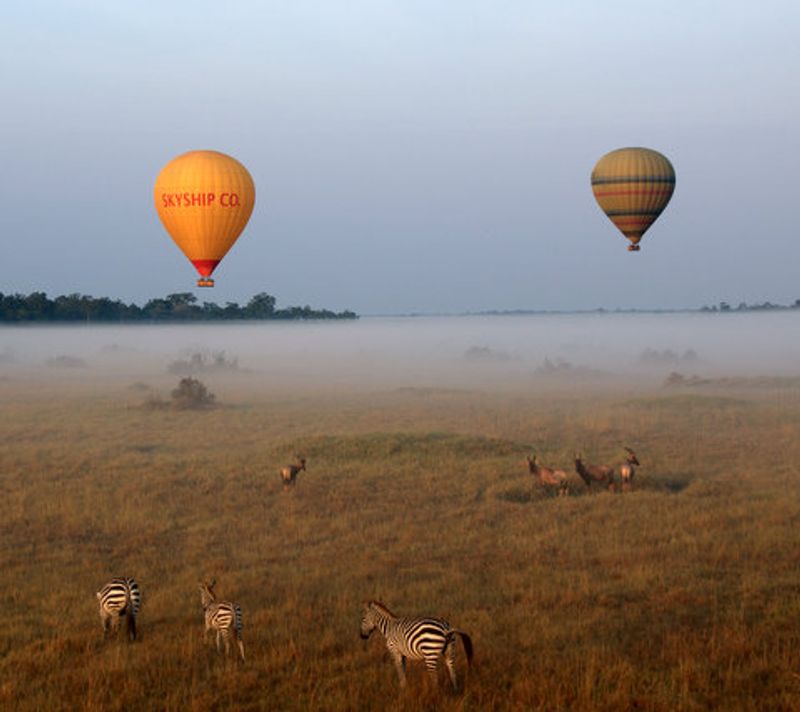
Imagine watching a herd of elephants move across golden savanna while you drift silently overhead in a balloon basket at sunrise. That is exactly what a hot air balloon safari over Kenya’s Masai Mara delivers, and it is every bit as spectacular as it sounds.
No engine noise, no crowds, just the wind and the wildlife below.
Balloon safaris typically launch just before sunrise and float for about an hour over the reserve. Pilots navigate low enough to spot lions, hippos, giraffes, and buffalo moving through the landscape below.
The Mara River, famous for its crocodile population, winds through the terrain like a silver ribbon from above.
Most balloon safari packages include a champagne breakfast served in the bush after landing, which adds a wonderfully absurd touch of luxury to the wild surroundings. The Masai Mara is best visited between July and October when the Great Migration brings massive herds across the border from Tanzania.
Ground safaris combined with a balloon flight give travelers the most complete view of the reserve. Prices are higher than standard game drives, but the perspective from above is completely unlike anything experienced on the ground.
Cruise Through Antarctica
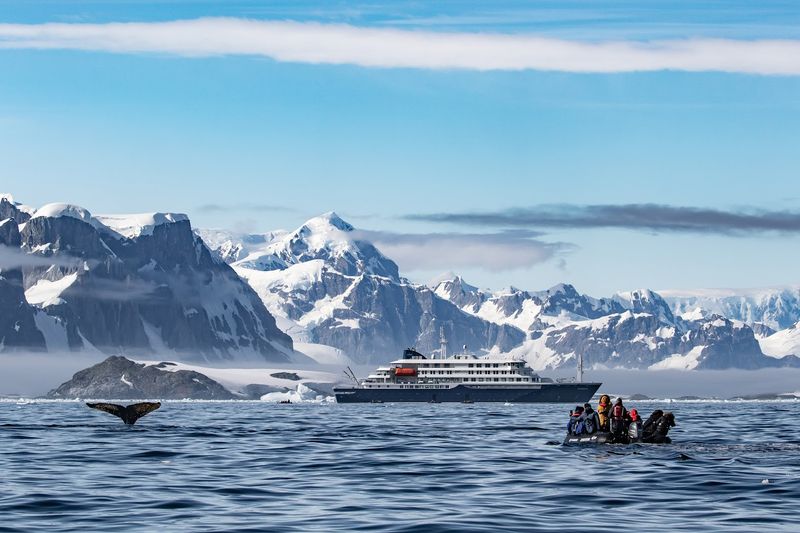
Antarctica is the only continent with no permanent human population, no countries, no cities, and no traffic jams. What it does have is the most otherworldly scenery on the planet, including icebergs the size of skyscrapers, glaciers that glow electric blue, and penguin colonies so enormous they stretch as far as the eye can see.
Most travelers reach Antarctica by ship from Ushuaia, Argentina, crossing the notoriously choppy Drake Passage. The crossing takes about two days and is considered something of a rite of passage among expedition travelers.
Once through, the landscape transforms into something that feels genuinely extraterrestrial.
Expedition cruises typically include Zodiac boat rides to shore where passengers can walk among penguin colonies, observe leopard seals lounging on ice floes, and watch humpback whales surface just meters from the boat. Onboard naturalists and scientists give daily lectures that make every sighting more meaningful.
Antarctica operates under strict environmental rules to protect its fragile ecosystem, so visitor numbers are carefully controlled. Booking a trip here is a logistical commitment that requires planning a year or more in advance.
Those who make the effort consistently describe it as the most extraordinary journey of their lives.
Road Trip Through New Zealand
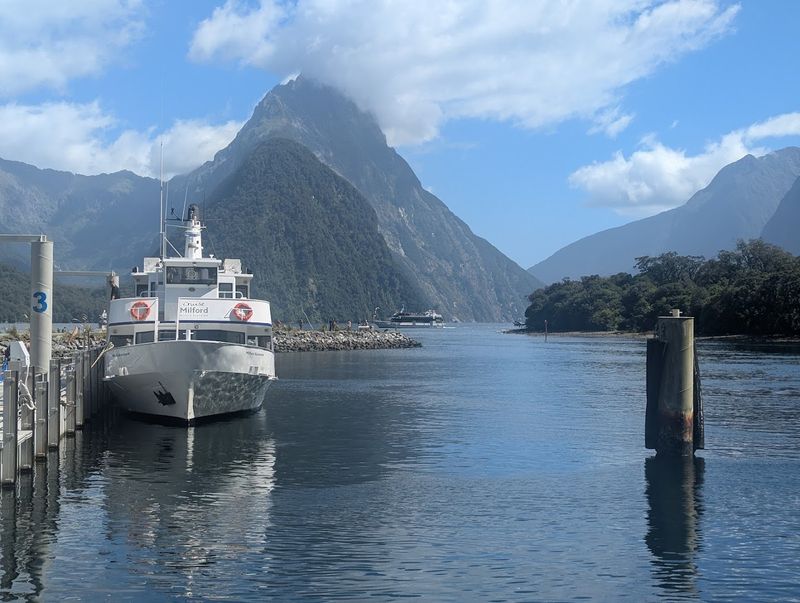
New Zealand’s South Island looks like the set of an epic fantasy film, which is no coincidence since it literally was one. The country served as the backdrop for the Lord of the Rings trilogy, and driving through it makes those scenes feel entirely believable.
Fjords, glaciers, volcanic peaks, and turquoise lakes appear around almost every corner.
A classic South Island road trip runs from Christchurch down through Queenstown, Milford Sound, and the West Coast glaciers before looping back. The entire circuit takes about two weeks to enjoy properly, though rushing through it in ten days is possible.
Campervans are a popular option because freedom camping spots across the island let travelers wake up to stunning views for next to nothing.
Queenstown earns its reputation as the adventure capital of the world with bungee jumping, skydiving, and white-water rafting all available within a short drive. Milford Sound rewards visitors with waterfalls that cascade directly into the fjord from impossibly steep cliffs.
The North Island adds geothermal wonders, Maori cultural experiences, and the famous Hobbiton movie set to the mix. New Zealand packs an astonishing variety of landscapes into a country about the size of Colorado.
Hike the Grand Canyon, USA
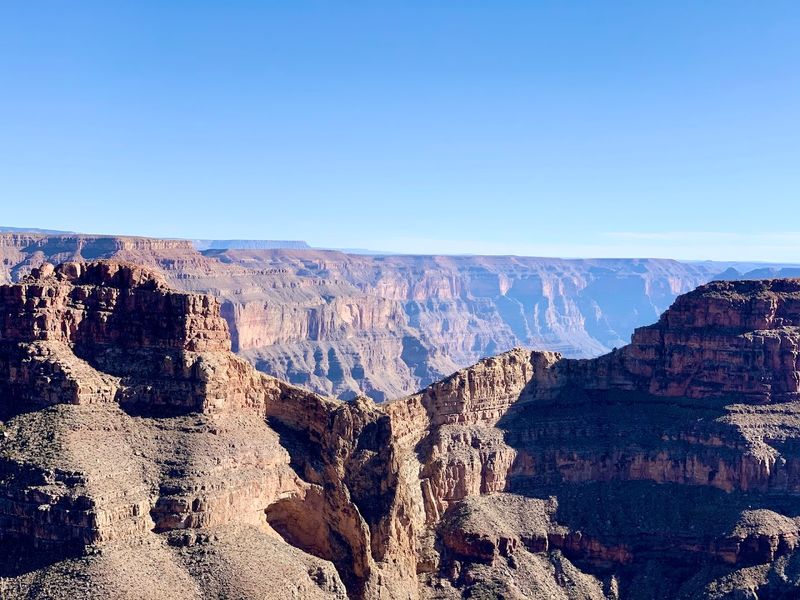
Standing at the rim of the Grand Canyon for the first time, most people go quiet. The scale of it simply does not compute at first glance.
The canyon stretches 277 miles long, up to 18 miles wide, and reaches depths of over a mile, revealing nearly two billion years of Earth’s geological history in its layered walls.
Hiking down into the canyon is a completely different experience from standing at the top. The temperature rises, the crowds thin out, and the colors of the rock deepen from pale tan to rich red and purple.
The popular Bright Angel Trail is well-maintained and offers water stations, making it accessible for hikers of various experience levels.
Reaching the Colorado River at the canyon’s floor is a genuine accomplishment that rewards hikers with cool water, dramatic cliff views, and a real sense of just how deep this place actually goes. Camping overnight inside the canyon requires a permit that should be secured months ahead.
Rim-to-rim hiking, crossing the entire canyon in two or three days, is considered one of America’s great hiking achievements. Sunrise and sunset paint the canyon walls in colors that shift every few minutes and never look exactly the same twice.
Explore the Temples of Angkor Wat, Cambodia
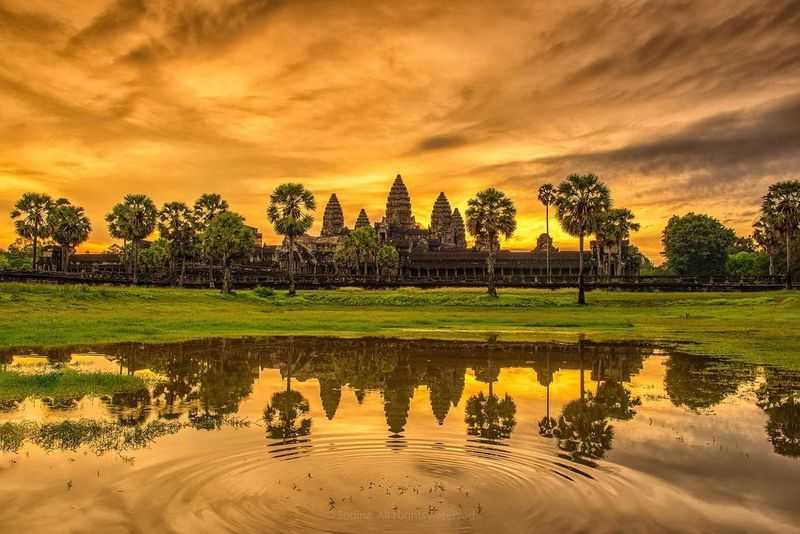
Built in the 12th century as a Hindu temple and later converted to Buddhism, Angkor Wat covers over 400 acres and holds the title of the largest religious monument ever constructed. The sheer ambition of its builders, who moved millions of tons of sandstone without modern machinery, is staggering.
Walking its corridors feels like time travel.
The classic Angkor Wat sunrise is one of travel’s most beloved rituals. Visitors arrive before dawn, position themselves at the reflecting pool, and watch the temple’s towers slowly appear as the sky turns from black to deep orange.
The moment is unhurried and genuinely moving, even when shared with hundreds of other early risers.
The Angkor Archaeological Park contains dozens of temples beyond the main complex. Ta Prohm, where massive tree roots have grown directly through the stone walls over centuries, is particularly haunting and memorable.
Bayon temple features nearly 200 enormous stone faces carved into its towers, each one wearing the same serene smile. Renting a tuk-tuk with a local driver for the day is the most efficient and enjoyable way to cover the site.
Siem Reap, the nearby city, offers excellent food and comfortable accommodations at very reasonable prices.
Glacier Hiking in Patagonia, Argentina
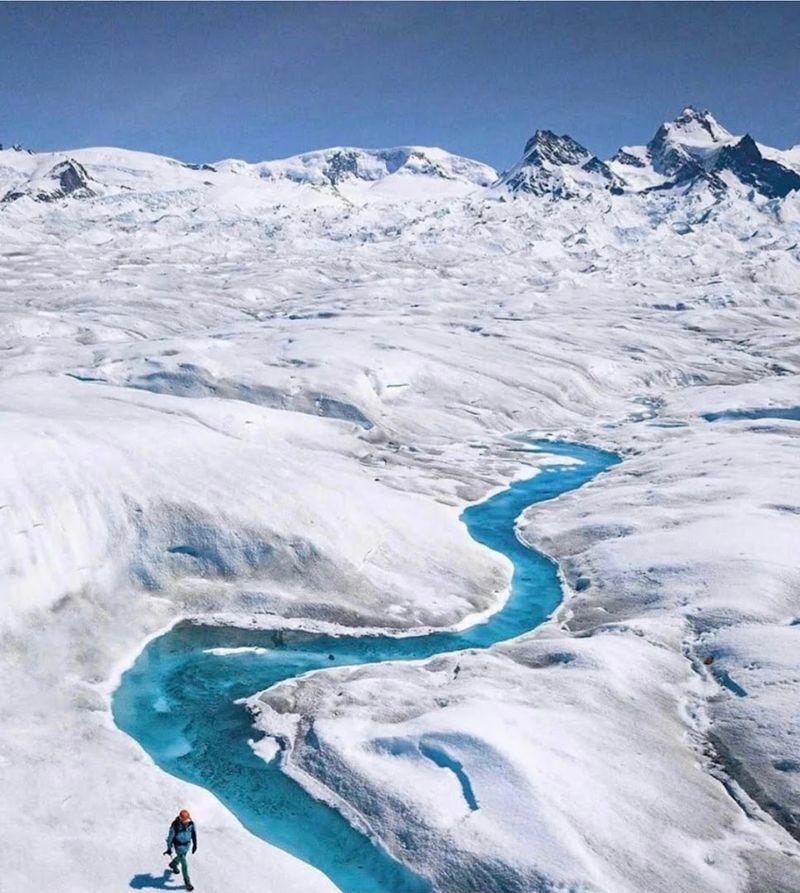
The Perito Moreno Glacier in Argentina’s Los Glaciares National Park is one of the few glaciers in the world that is still actively advancing rather than retreating. It creaks, groans, and occasionally thunders as massive chunks of ice calve off its face and crash into the lake below.
Standing near it feels like being next to something genuinely alive.
Strapping on crampons and walking directly across the glacier’s surface is the highlight of any Patagonia trip. Guided ice hikes take visitors across crevasses, past electric-blue ice caves, and up to viewpoints where the scale of the glacier becomes truly apparent.
The ice itself ranges from pure white to deep cerulean depending on how compressed it is.
Patagonia’s scenery extends well beyond the glacier. Torres del Paine National Park in neighboring Chile offers some of the most dramatic mountain trekking on the continent, with granite towers rising sharply above turquoise lakes.
Wind is a constant companion in Patagonia and can be powerful enough to knock a person sideways on exposed trails. Layering clothing and carrying waterproof gear is essential regardless of the forecast.
The region rewards adventurous travelers with landscapes so raw and beautiful they feel almost unreal.
Sail Through Norway’s Fjords
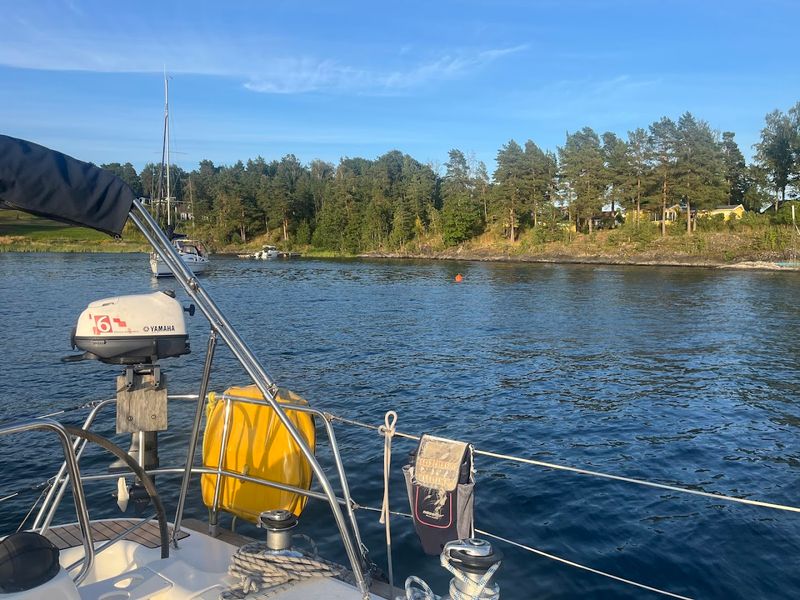
Norway’s fjords were carved by glaciers over millions of years, and the result is some of the most dramatic coastal scenery on the planet. Cliffs rise hundreds of meters straight out of dark, still water.
Waterfalls drop in long silver threads from clifftops so high they seem to belong to a different world. Seeing it from the water is the only way to truly appreciate the scale.
The Geirangerfjord and Nærøyfjord are both UNESCO World Heritage Sites and among the most visited fjords in the country. Cruise ships, ferries, and private kayaks all navigate these waterways, offering very different ways to experience the same landscape.
Kayaking is particularly rewarding because it puts you directly at water level with the cliffs towering above.
The famous Flam Railway adds an extra dimension to a fjord trip, descending through steep mountain terrain in one of the world’s most scenic train rides. Small fjordside villages like Flam and Balestrand offer cozy places to stop, eat fresh seafood, and take in the view at a slower pace.
Norway is not a budget destination, but the combination of natural beauty and thoughtful infrastructure makes it worth every krone. Visiting in summer means nearly 24 hours of daylight, which feels wonderfully disorienting.
Walk the Great Wall of China
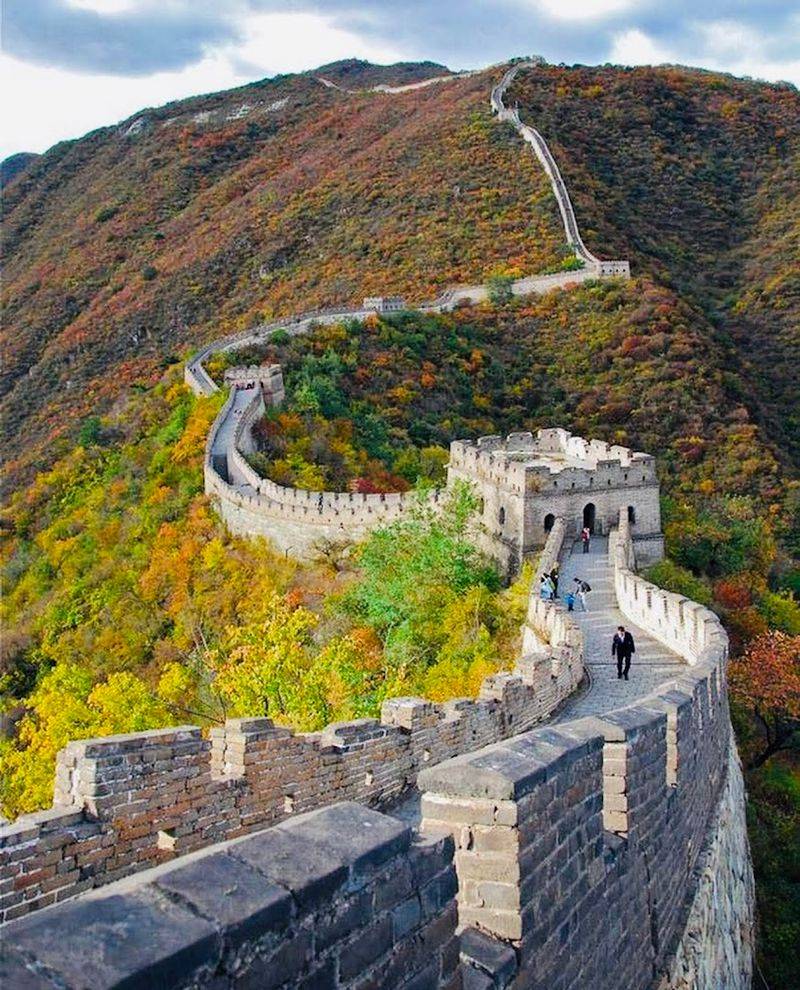
The Great Wall of China stretches over 13,000 miles across mountains, deserts, and plains, making it one of the largest construction projects in human history. It was built and rebuilt over many centuries, with most of the iconic stone sections dating from the Ming Dynasty between the 14th and 17th centuries.
Walking along its ramparts puts you directly in contact with that extraordinary human story.
The Mutianyu section near Beijing is popular for good reason. It is well-restored, relatively uncrowded compared to the famous Badaling section, and runs along a dramatic ridgeline with watchtowers spaced at regular intervals.
A cable car gets visitors to the top, and a toboggan slide offers a genuinely fun way back down.
For a more adventurous experience, the crumbling, unrestored sections of the wall near Jinshanling or Simatai feel completely different. These stretches are overgrown, uneven, and steep in places, but they offer a raw, atmospheric connection to the wall’s age that polished tourist sections cannot match.
Visiting in autumn when the surrounding hillsides turn red and gold adds extra visual drama to an already spectacular scene. The Great Wall is one of those rare landmarks that actually exceeds expectations in person.
Visit the Taj Mahal at Sunrise, India
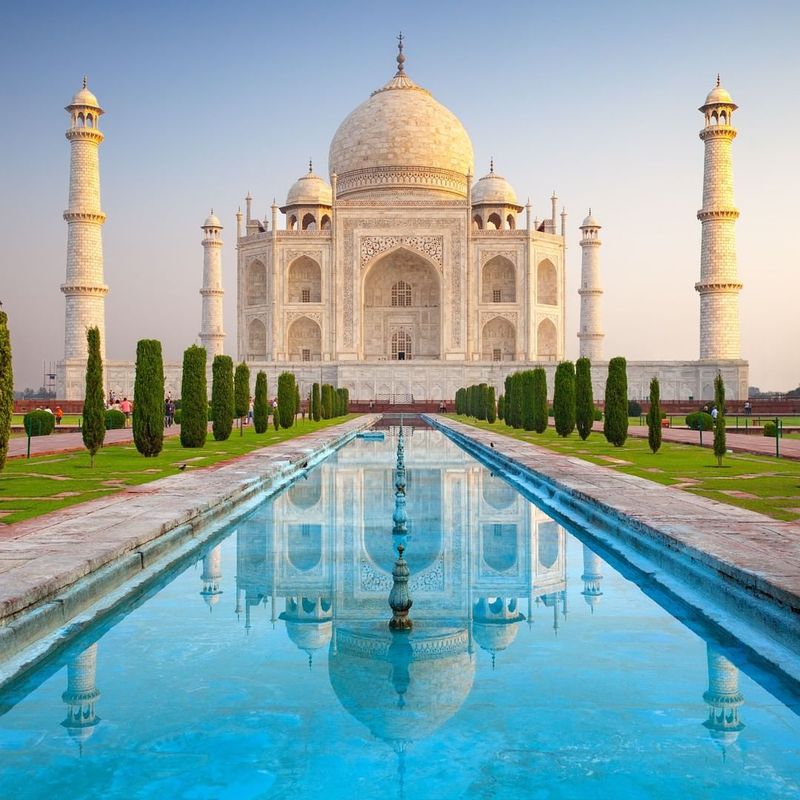
Emperor Shah Jahan built the Taj Mahal between 1632 and 1653 as a mausoleum for his beloved wife Mumtaz Mahal, who died during childbirth. Over 20,000 artisans worked for more than two decades to complete it.
That level of devotion is visible in every carved marble panel, every inlaid gemstone, and every perfectly proportioned arch.
Sunrise is the undisputed best time to visit. The white marble catches the early light and shifts through shades of pink, gold, and soft orange as the sun climbs.
The long reflecting pool doubles the image, creating a symmetrical view that photographers and non-photographers alike find impossible to put down their cameras for.
Arriving early also means beating the crowds that begin to arrive in earnest by mid-morning. Removing shoes before entering the main mausoleum is required, and the cool marble underfoot adds a sensory detail that somehow makes the experience feel more intimate.
Agra itself is a busy, chaotic city, but the Taj Mahal exists in its own serene bubble. Booking a reputable guide makes a significant difference because the history and symbolism embedded in every corner of the complex are far richer than they first appear.
It genuinely earns its place among the world’s greatest monuments.
Trek to Everest Base Camp, Nepal
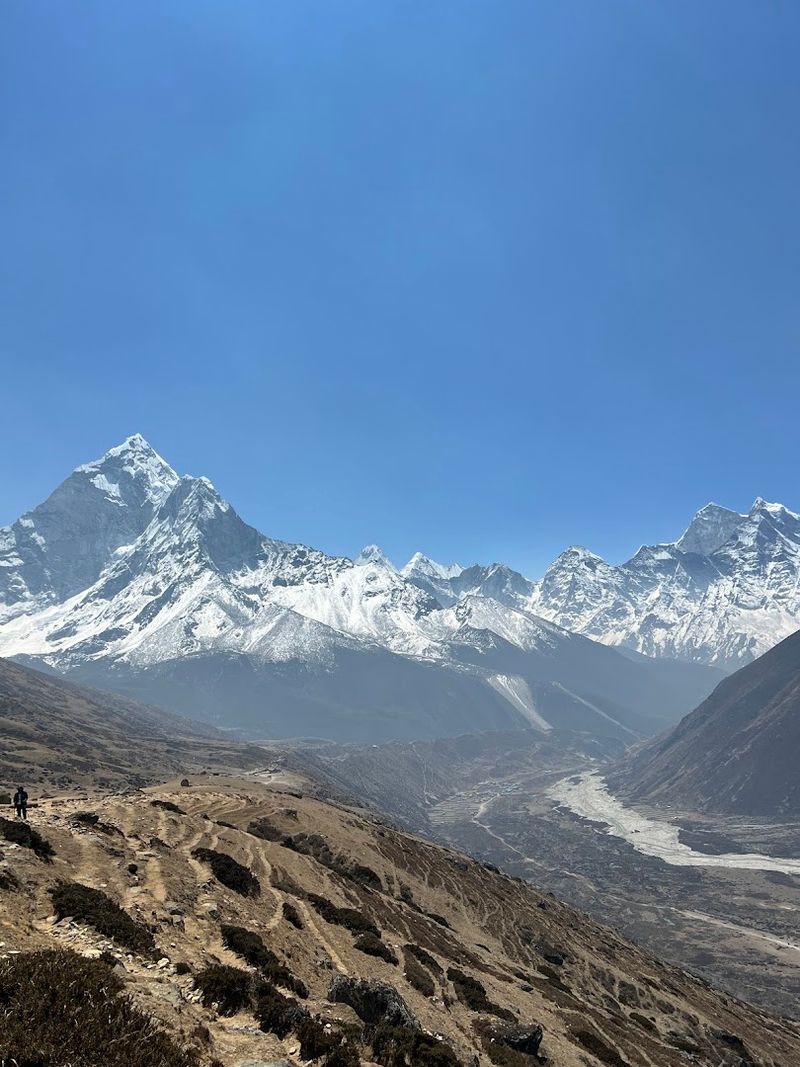
You do not need to be a mountaineer to stand at the foot of the world’s highest mountain. The Everest Base Camp trek is one of the most celebrated hiking routes on Earth, and thousands of ordinary adventurers complete it every year.
At 17,598 feet above sea level, Base Camp sits far above the clouds and well above the tree line, in a landscape of rock, ice, and raw Himalayan beauty.
The classic route begins in Lukla, a tiny mountain airport with one of the most dramatic runway approaches in aviation. From there, the trail winds through Sherpa villages, Buddhist monasteries, and rhododendron forests before climbing steadily into the high alpine zone.
The village of Namche Bazaar serves as an acclimatization stop and offers surprisingly good coffee and gear shops at altitude.
Altitude sickness is the biggest challenge on the trek and should be taken seriously. The golden rule is to climb high and sleep low, allowing the body time to adjust gradually.
Most trekkers complete the round trip in about 12 to 14 days. Teahouses along the route provide simple but warm meals and beds, making heavy camping gear unnecessary.
Reaching Base Camp and seeing the Khumbu Icefall up close is a moment of quiet triumph that every trekker carries home with them.
Swim With Whale Sharks in Mexico or the Philippines
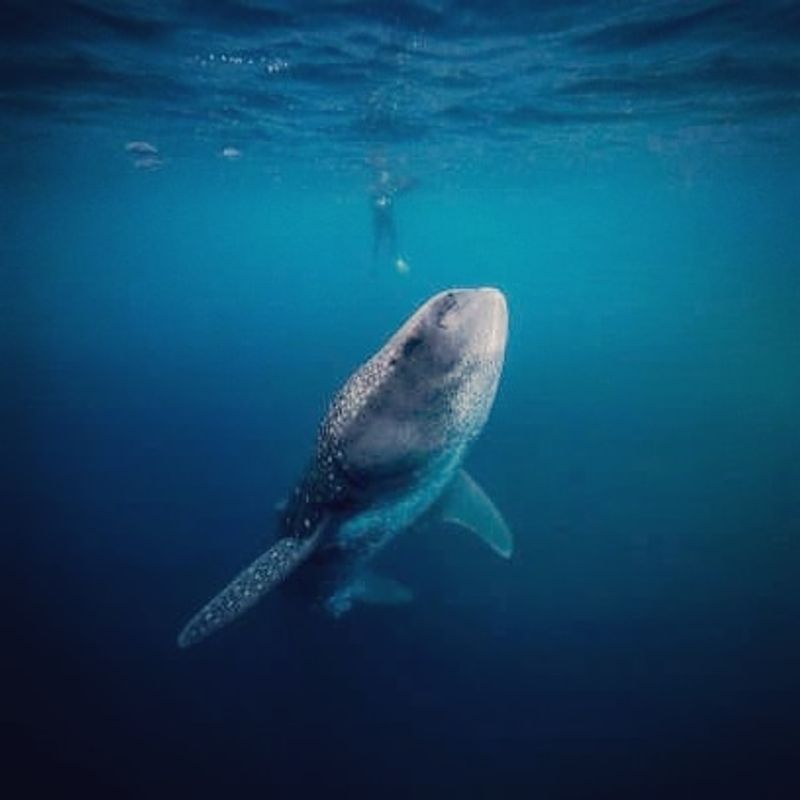
The whale shark is the largest fish in the ocean, reaching lengths of up to 40 feet, and yet swimming alongside one is surprisingly calm rather than terrifying. These enormous creatures cruise slowly through the water with their mouths open, filtering tiny plankton.
They have no interest in humans whatsoever, which makes the whole encounter feel oddly peaceful.
Mexico’s Isla Holbox and the Yucatan coast offer some of the best whale shark encounters in the world between June and September. The Philippines, particularly around Oslob in Cebu, provides year-round sightings, though the ethical practices of individual operators vary and are worth researching before booking.
Choosing responsible tour operators who maintain proper distance guidelines protects both the animals and the experience.
No scuba certification is needed since whale sharks feed near the surface, making snorkeling the standard method of getting close. The guides who lead these tours are usually experienced and excellent at positioning swimmers for the best views without disturbing the animals.
Seeing a whale shark glide past with effortless grace, its spotted skin catching the filtered sunlight, is the kind of wildlife encounter that rewires your sense of what is possible in the natural world. It is humbling in the best possible way.
Take a Nile River Cruise, Egypt
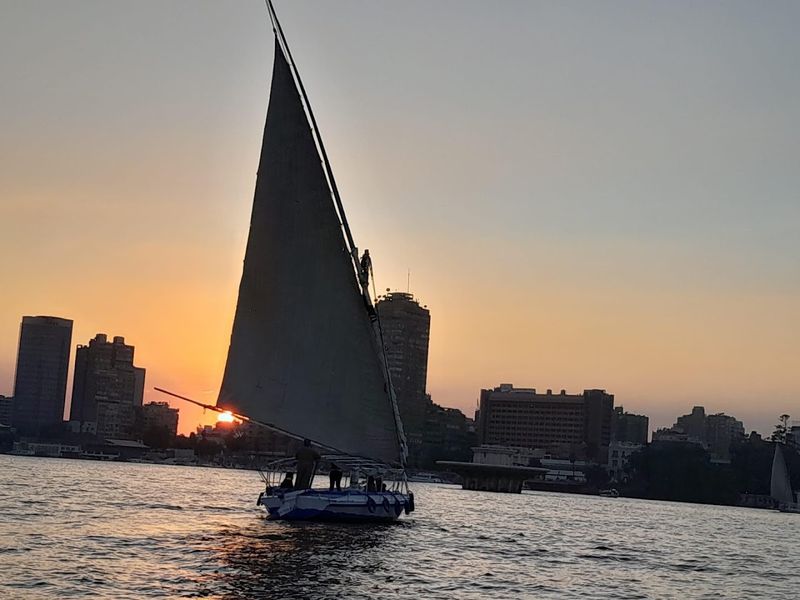
The Nile River is 4,135 miles long and has sustained Egyptian civilization for over 5,000 years. Cruising along it between Luxor and Aswan puts ancient history on both sides of the boat for the entire journey.
Temples, tombs, and riverside villages scroll past like pages of a history book that never gets boring.
The Valley of the Kings near Luxor contains the decorated tombs of pharaohs including the famous burial site of Tutankhamun. Karnak Temple, one of the largest religious complexes ever built, covers over 200 acres and took 2,000 years to complete.
Stopping at these sites as part of a cruise itinerary means history is never more than a short walk from the gangplank.
Traditional felucca sailboats offer a slower and more intimate way to experience short sections of the river. These wooden vessels have been in use on the Nile for centuries and provide a quiet, wind-powered contrast to the larger cruise ships.
Sunsets over the Nile are spectacular, painting the water in shades of amber and rose while egrets perch in the papyrus along the banks. Egypt can feel overwhelming to first-time visitors, but the river provides a natural, unhurried structure that makes navigating the country’s incredible history feel entirely manageable.
Explore the Amazon Rainforest, Brazil or Peru
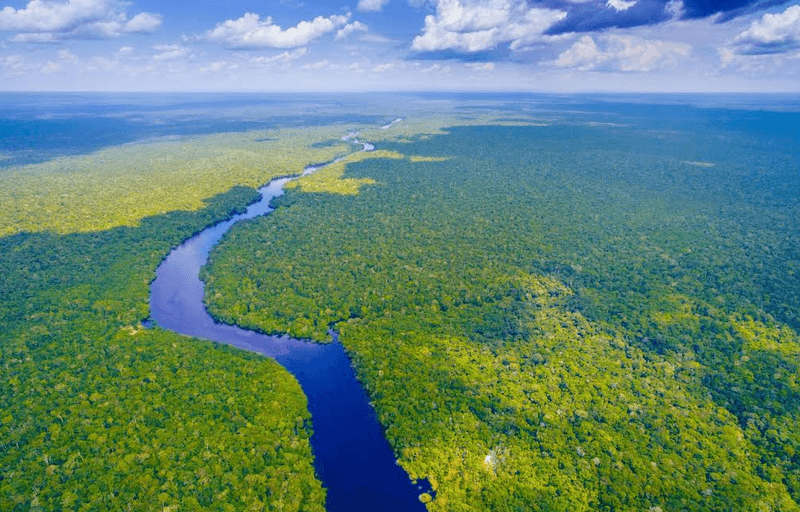
The Amazon Rainforest covers over 2.7 million square miles and produces about 20 percent of the world’s oxygen. It is home to an estimated 10 percent of all species on Earth, many of which science has not yet formally identified.
Spending even a few days inside it is like visiting a planet within a planet.
River canoes and small motorized boats serve as the main form of transportation in the jungle, threading through waterways where caimans bask on muddy banks and pink river dolphins surface without warning. Guided night walks reveal a completely different cast of creatures including tarantulas, poison dart frogs, and insects that glow in the dark.
The sounds alone, a constant layered symphony of frogs, birds, and insects, are unlike anything in the outside world.
Peru’s Iquitos region and Brazil’s Manaus serve as the main gateways to deep Amazon experiences. Staying in a jungle lodge for three or more nights allows enough time to adjust to the pace and actually absorb what surrounds you.
Responsible ecotourism operators work directly with indigenous communities and contribute to conservation efforts. Bring strong insect repellent, waterproof everything, and leave expectations of Wi-Fi at the city hotel.
The Amazon rewards those who arrive ready to be completely unplugged and entirely present.
Experience Kyoto During Cherry Blossom Season, Japan
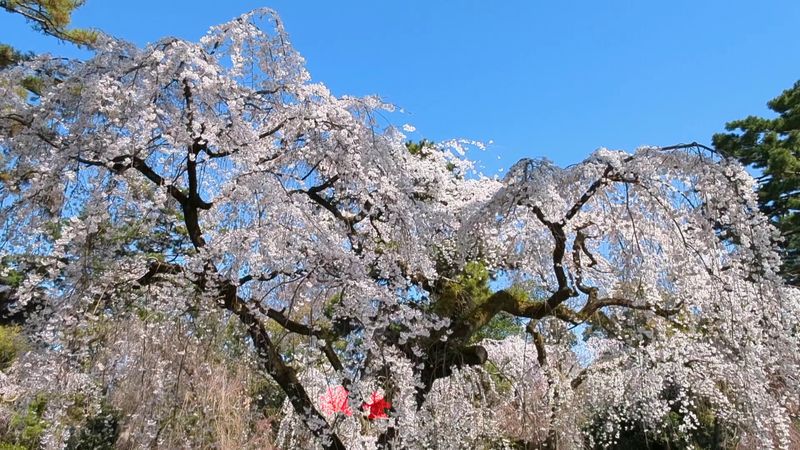
For roughly two weeks each spring, Kyoto transforms into something that looks like it was painted rather than photographed. Cherry blossom trees, known in Japan as sakura, burst into soft pink bloom along temple paths, canal banks, and castle grounds.
The Japanese have celebrated this fleeting seasonal event for over a thousand years, and experiencing it in person explains exactly why.
The Philosopher’s Path is a stone walkway that follows a canal lined with hundreds of cherry trees and connects several important temples in the eastern part of the city. Walking it during peak bloom, with petals drifting through the air like fragrant pink snow, is one of those travel moments that feels genuinely poetic.
Maruyama Park fills with picnicking locals beneath illuminated trees after dark, creating a warm, festive atmosphere that welcomes visitors.
Kyoto’s appeal extends well beyond cherry blossoms. The city holds over 1,600 Buddhist temples, 400 Shinto shrines, and some of Japan’s finest traditional cuisine.
Geisha districts like Gion offer glimpses of a cultural world that has remained largely unchanged for centuries. The peak bloom window is narrow and varies by a week or two each year depending on winter temperatures.
Checking the Japan Meteorological Corporation’s annual forecast helps with planning. Kyoto during sakura season is proof that some things in this world are worth timing your entire trip around.
Share this story