Mexico is one of those countries that makes it nearly impossible to pick just one favorite spot. From ancient pyramids rising above jungle canopies to turquoise Caribbean beaches that look almost too perfect to be real, this country has something for every type of traveler.
Whether you love history, food, nature, or just soaking up the sun, Mexico delivers in a big way. Get ready to add some serious destinations to your travel bucket list.
Chichén Itzá, Yucatán
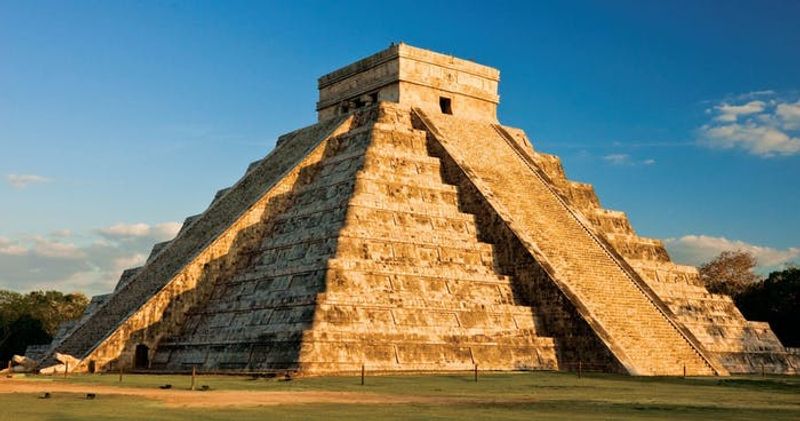
Standing in front of El Castillo pyramid for the first time genuinely stops people in their tracks. This ancient Mayan city in the Yucatán Peninsula is one of the New Seven Wonders of the World, and it earns that title every single day.
The pyramid was engineered so precisely that twice a year, during the spring and fall equinoxes, a shadow shaped like a serpent appears to slither down its steps.
Beyond El Castillo, the site is enormous. Visitors can explore the Great Ball Court, the Temple of the Warriors, and the Platform of the Skulls, each with its own fascinating story.
Chichén Itzá dates back more than 1,000 years and was once home to tens of thousands of people. The scale of what the Maya built here, without modern tools, is genuinely mind-blowing.
Arrive as early as possible because crowds grow quickly once tour buses arrive. Wearing light clothing and bringing plenty of water makes a big difference in the heat.
Hiring a local guide unlocks layers of history that signs alone cannot convey. This is not just a photo stop.
It is a full-on encounter with one of the greatest civilizations in human history.
Mexico City, Cultural Powerhouse
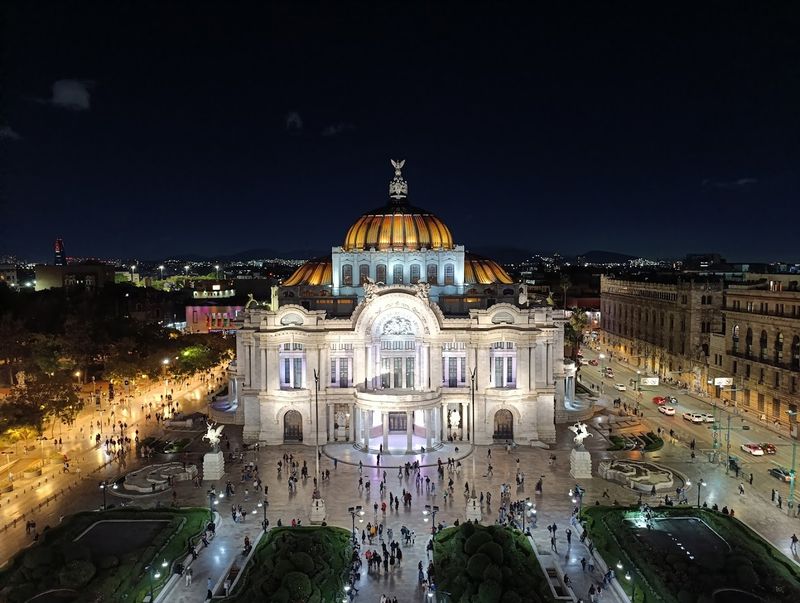
Few cities on Earth pack as much into one place as Mexico City does. With a population of over 20 million, it is one of the largest cities in the world, yet its neighborhoods feel surprisingly personal and walkable.
From the ancient ruins of Tlatelolco to the floating gardens of Xochimilco, history is literally built into the ground beneath your feet.
Food lovers will feel like they have hit the jackpot. Street tacos, mole negro, tamales, and churros dipped in chocolate are just the beginning.
The city’s restaurant scene has earned international recognition, with several spots regularly appearing on global best-restaurant lists. Mercado de la Merced and Mercado Roma are excellent places to eat your way through local flavors.
The museums here are world-class. The National Museum of Anthropology houses an extraordinary collection of pre-Columbian artifacts, including the famous Aztec Sun Stone.
The neighborhood of Coyoacán offers a charming, bohemian atmosphere and was home to artist Frida Kahlo. Exploring her famous Blue House, now a museum, gives a deeply personal look into her life and work.
Mexico City rewards curious travelers who take their time discovering its countless layers.
Tulum, Caribbean Ruins by the Sea
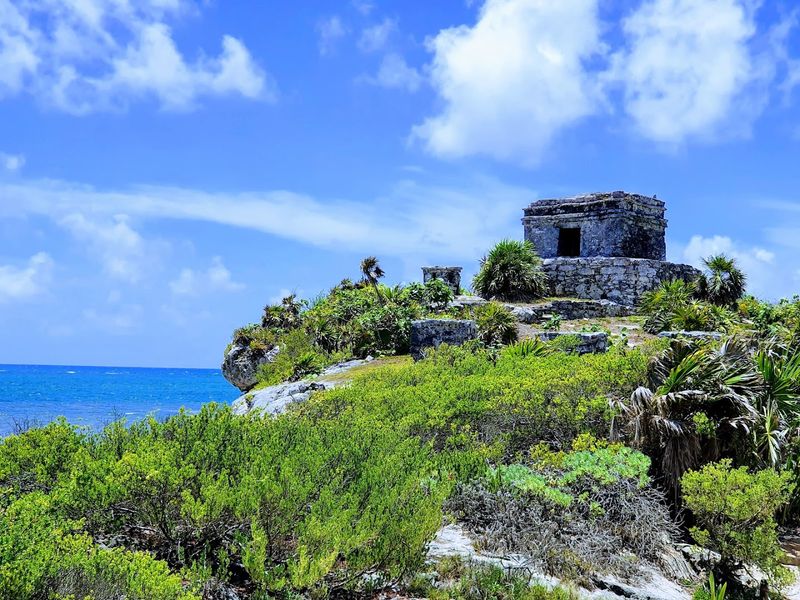
Somewhere between a history lesson and a beach vacation, Tulum manages to be both at the same time. The Mayan ruins here are perched dramatically on limestone cliffs overlooking the Caribbean Sea, creating one of the most jaw-dropping views in all of Mexico.
Watching the waves crash against the rocks below while exploring 800-year-old temples is an experience that sticks with you long after you leave.
The ruins themselves are smaller than Chichén Itzá but far more scenic in terms of setting. The Temple of the Frescoes features some of the best-preserved Mayan murals in the region.
Early morning visits reward travelers with golden light and fewer tourists crowding the narrow pathways. A short walk down a wooden staircase leads directly to a small beach right below the ruins.
Beyond the archaeological zone, Tulum’s surrounding area is full of natural wonders. The cenotes near town, including Gran Cenote and Dos Ojos, offer crystal-clear freshwater swimming in underground cave systems.
The Sian Ka’an Biosphere Reserve, a UNESCO World Heritage Site, sits just south of town. Tulum also has a trendy hotel and restaurant strip, though the town itself offers more affordable and authentic options for staying and eating.
Cancún and the Riviera Maya, Tropical Paradise
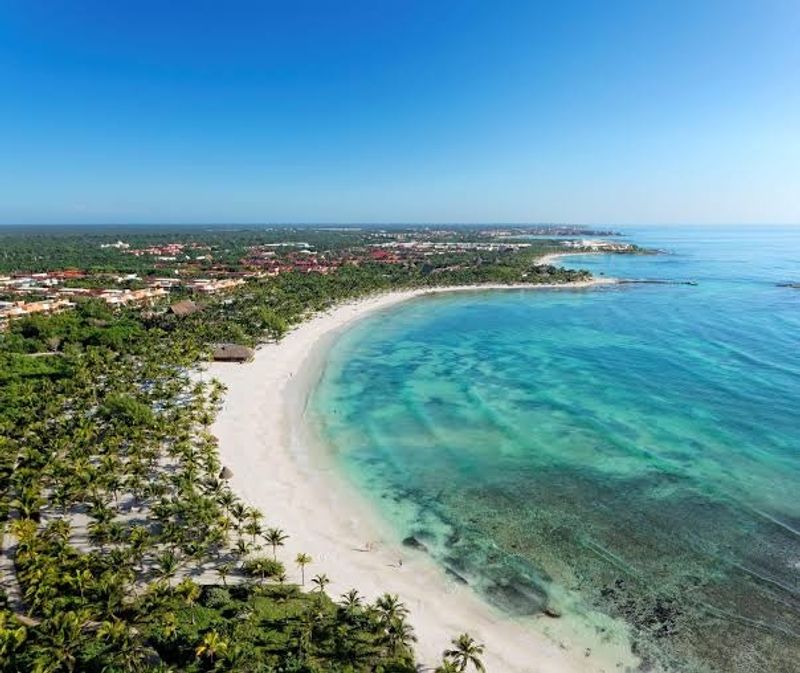
White sand so fine it squeaks under your feet, water so clear you can see your toes from ten feet down. Cancún and the Riviera Maya have built their reputation on those beaches, and the reality absolutely lives up to the hype.
This stretch of Caribbean coastline running south from Cancún to Tulum is one of the most visited tourist corridors in the entire world.
Resorts dominate the Hotel Zone, but the region has much more to offer than poolside lounging. Xcaret and Xel-Há are popular eco-parks where visitors can snorkel, swim through underground rivers, and learn about local wildlife.
The nearby town of Playa del Carmen has a lively pedestrian street called Quinta Avenida, lined with restaurants, shops, and live music.
Nature lovers should not miss the cenotes scattered throughout the jungle just inland from the coast. These natural sinkholes filled with freshwater were sacred to the ancient Maya and are now popular swimming and snorkeling spots.
The island of Cozumel, reachable by ferry from Playa del Carmen, is considered one of the world’s top scuba diving destinations. Whether you want full resort luxury or adventurous exploration, this region has the flexibility to give you exactly the trip you want.
Oaxaca City, Mexico’s Culinary Heart
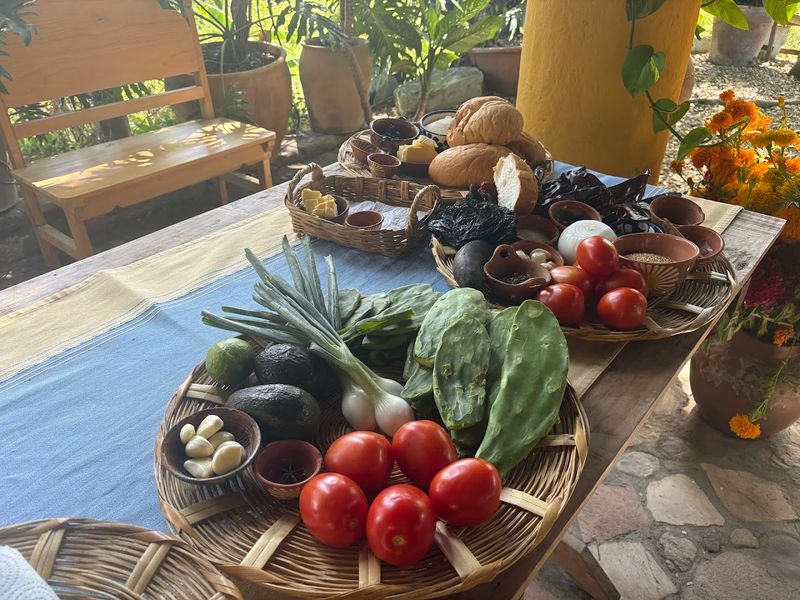
If you have ever eaten a really good mole and wondered where it came from, the answer is probably Oaxaca. This southern Mexican city is widely regarded as the culinary capital of the country, which is saying a lot in a nation where food is practically a religion.
The markets here overflow with ingredients, spices, and prepared dishes that have been passed down through generations of indigenous cooking traditions.
Oaxaca produces seven distinct varieties of mole, each with its own complex flavor profile. The local chocolate, made from cacao grown in the region, is used in drinks, sauces, and desserts.
Mezcal, the smoky cousin of tequila, originates here, and visiting a local distillery called a palenque offers a fascinating look at how it is made using traditional methods.
The city itself is beautiful, with well-preserved colonial architecture surrounding a lively central square called the Zócalo. The nearby ruins of Monte Albán, a hilltop Zapotec city dating back 2,500 years, are absolutely worth a half-day trip.
During the Day of the Dead celebrations in late October and early November, Oaxaca transforms into one of the most atmospheric and culturally rich places imaginable. Booking accommodations months in advance for that period is highly recommended.
Copper Canyon, Chihuahua
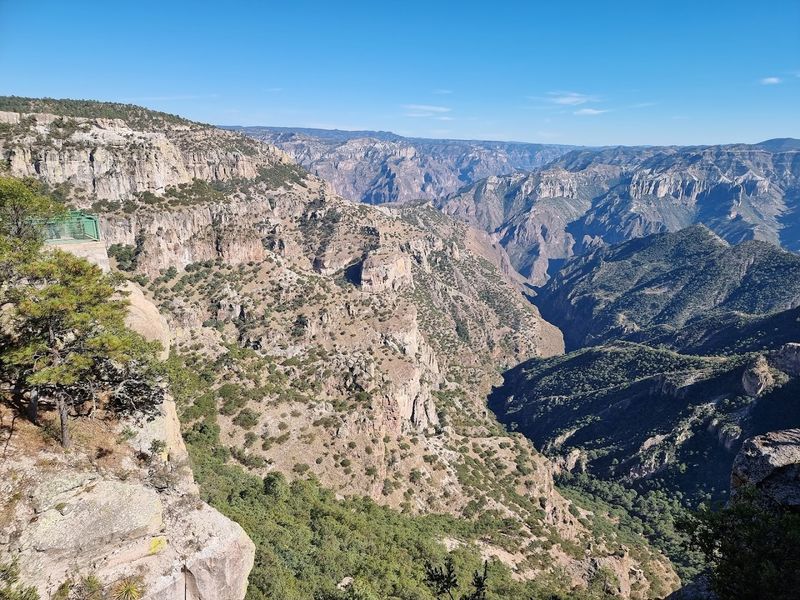
Bigger than the Grand Canyon and far less crowded, Copper Canyon is one of Mexico’s most spectacular and underrated natural wonders. Located in the Sierra Tarahumara mountains of Chihuahua, this system of six interconnected canyons stretches over 25,000 square miles.
The canyon walls glow copper and green in the afternoon light, which is exactly where the name comes from.
The most memorable way to experience Copper Canyon is aboard El Chepe, a legendary train that winds through the mountains on one of the most scenic rail routes in North America. The journey passes through tunnels, over bridges, and past remote villages that have existed largely unchanged for centuries.
First-class cars offer panoramic windows that make every mile feel like a moving painting.
The indigenous Rarámuri people have called this region home for thousands of years and are famous for their long-distance running ability. Visitors to the canyon towns of Creel and Batopilas can learn about Rarámuri culture, hike rugged canyon trails, and stay in small local guesthouses.
Temperatures vary dramatically between the canyon rim and the canyon floor, so packing layers is a smart move. This is a destination for travelers who want raw, untouched landscapes and a genuine sense of adventure away from tourist crowds.
San Miguel de Allende, Colonial Beauty
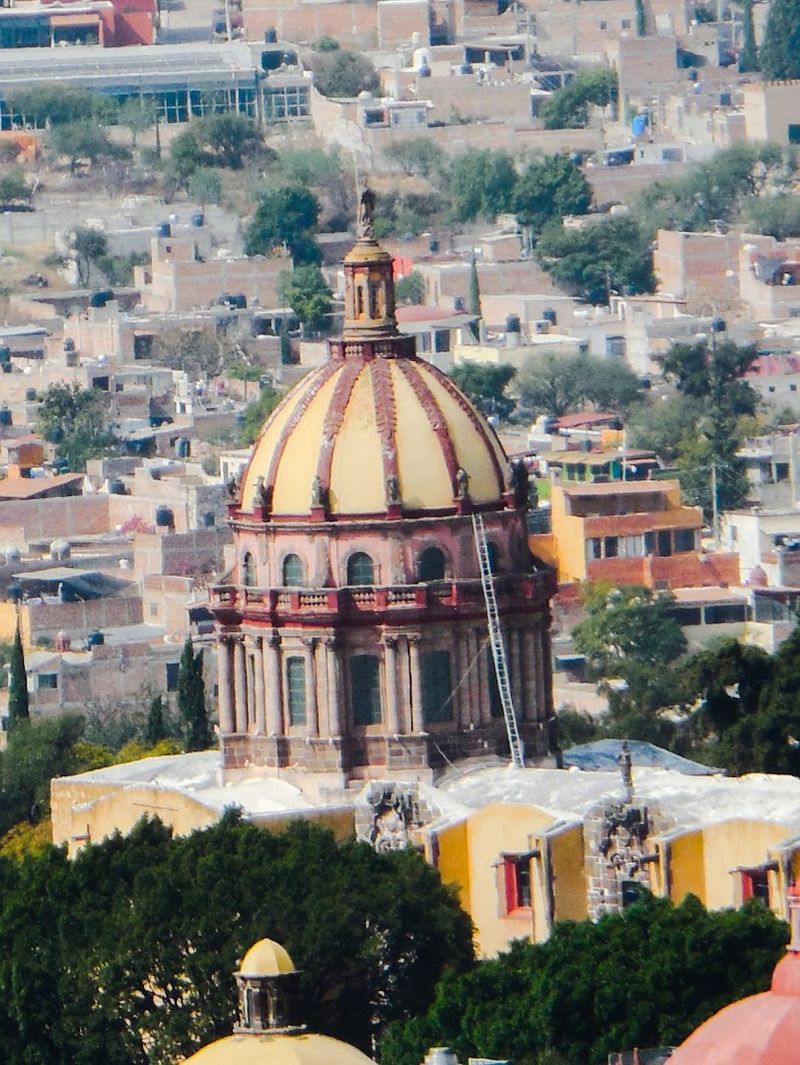
Painted in shades of terracotta, mustard yellow, and dusty rose, San Miguel de Allende looks like it was designed by an artist with an unlimited paint budget. This colonial city in central Mexico has been a magnet for painters, writers, and creative types for decades, and its streets genuinely feel like living art.
The famous La Parroquia church, with its Gothic-inspired pink stone towers, dominates the skyline and appears in more Instagram posts than almost any other building in Mexico.
The city earned UNESCO World Heritage status in 2008, recognizing its beautifully preserved 18th-century architecture and its cultural significance. Every weekend, the Jardín Allende central garden fills with locals and visitors enjoying live music, street food, and the easy rhythm of life in a place that never seems to be in a hurry.
The local art scene is thriving, with galleries, studios, and craft markets tucked into nearly every block.
San Miguel also has a surprisingly lively food scene, with everything from traditional Mexican cooking to international restaurants run by chefs who moved here for the quality of life. The nearby hot springs at La Gruta offer a relaxing soak in natural thermal pools carved into a hillside.
This city rewards slow travel, the kind where you wander without a plan and end up somewhere wonderful.
Teotihuacán, City of the Gods
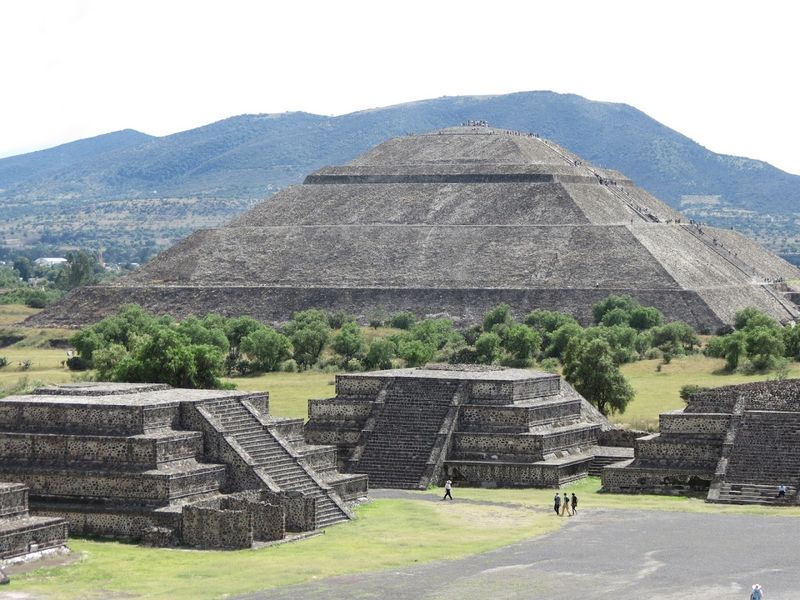
Long before the Aztecs arrived, someone built two of the largest pyramids ever constructed in the Americas, and nobody is entirely sure who. Teotihuacán, located about 30 miles northeast of Mexico City, was once one of the largest cities in the ancient world, home to an estimated 125,000 people at its peak around 500 AD.
The mystery surrounding who built it and why it was eventually abandoned makes every visit feel like stepping into an unsolved puzzle.
The Pyramid of the Sun is the third-largest pyramid on Earth, and climbing its 248 steps rewards visitors with a panoramic view across the entire ancient city. The Pyramid of the Moon sits at the northern end of the Avenue of the Dead, a wide ceremonial boulevard that once connected the city’s most important structures.
Both pyramids are aligned with astronomical precision that continues to impress researchers today.
Visiting on a weekday morning helps avoid the largest crowds. The on-site Teotihuacán Museum offers excellent context for what you are seeing throughout the ruins.
Vendors at the site sell obsidian carvings, which is historically appropriate since the city was once a major trading center for this volcanic glass. Teotihuacán pairs perfectly with a Mexico City trip since the drive is short and the experience is completely different from anything the capital offers.
Puerto Vallarta, Pacific Coast Favorite
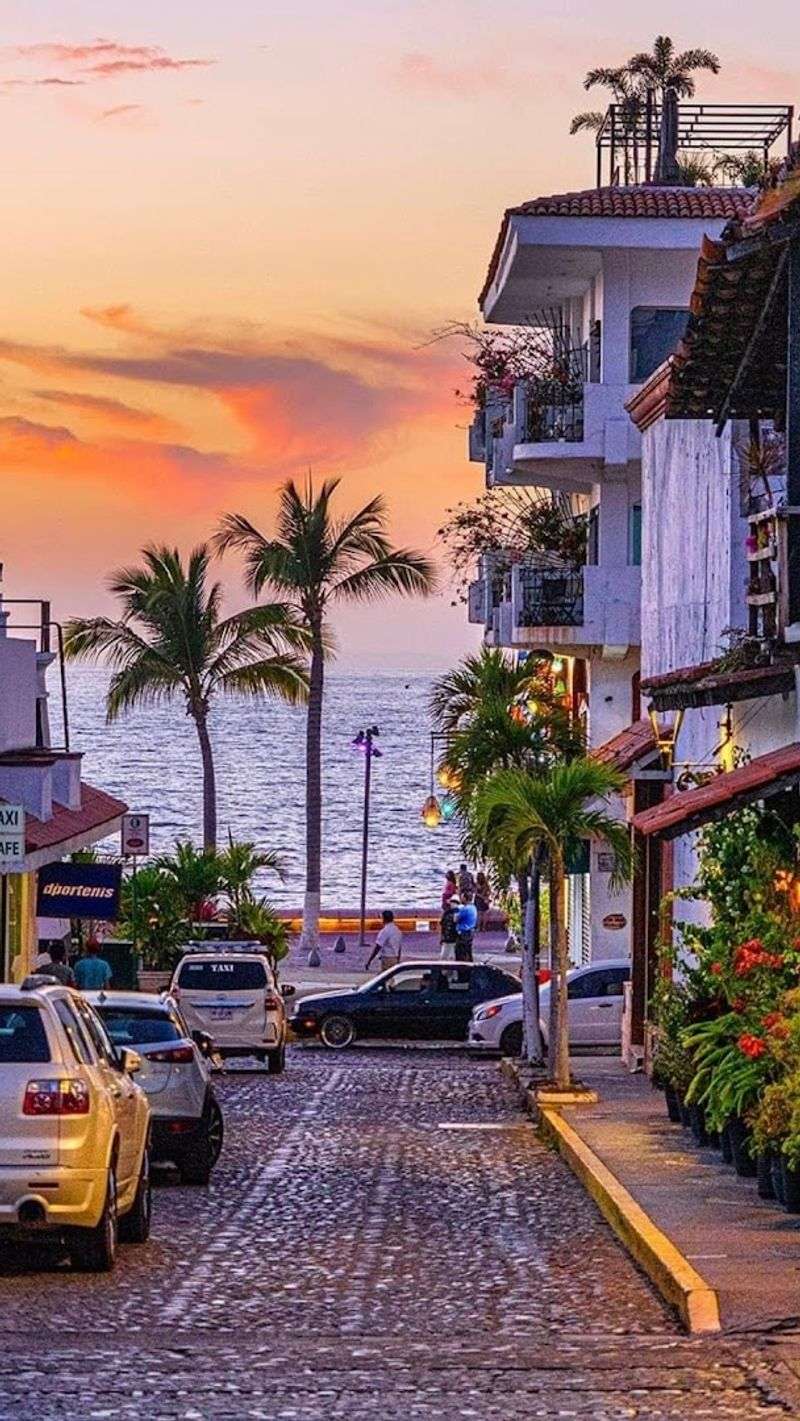
Puerto Vallarta has a personality that other beach destinations simply cannot copy. Nestled between the Sierra Madre mountains and the sparkling Banderas Bay, this Pacific coast city manages to feel like a traditional Mexican town and a world-class resort destination at the same time.
The cobblestone streets of the Romantic Zone neighborhood are lined with bougainvillea, art galleries, and some of the best restaurants on Mexico’s Pacific coast.
The bay itself is enormous, and water activities here are exceptional. Whale watching from December through March brings humpback whales right into the bay.
Snorkeling and diving around Los Arcos, a group of rocky islands just south of town, reveals colorful marine life in clear Pacific water. Sailing tours at sunset are a popular way to end a beach day with a cold drink in hand.
The Malecón boardwalk stretches along the waterfront and is one of the best evening strolls in Mexico, lined with bronze sculptures, street performers, and open-air restaurants. Day trips to the nearby village of Sayulita offer a funkier, surfer-town vibe that contrasts nicely with Puerto Vallarta’s more polished feel.
The city also has a welcoming and well-established LGBTQ+ scene centered in the Romantic Zone. Puerto Vallarta rewards repeat visitors who keep discovering new corners of its coastal charm.
Mérida, Cultural Capital of Yucatán
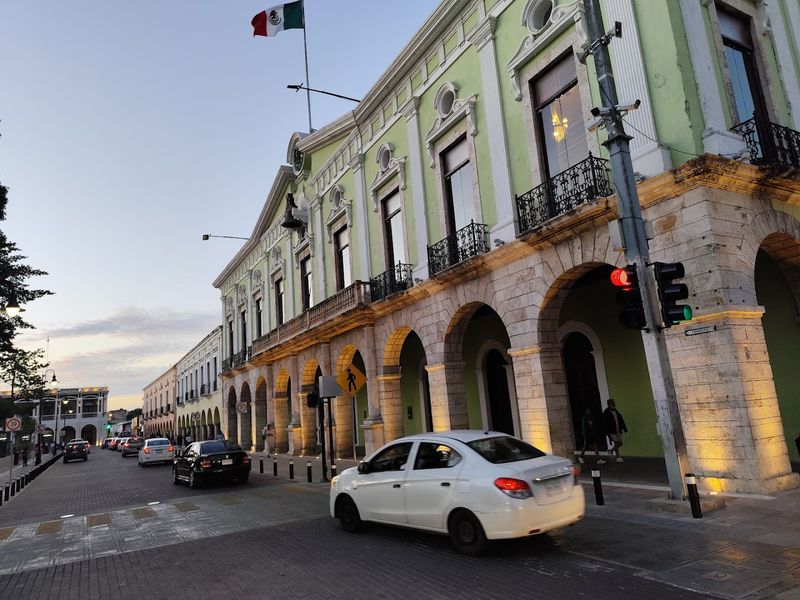
Consistently ranked as one of the safest cities in Mexico, Mérida also happens to be one of the most culturally rich. The capital of Yucatán state is a city of grand colonial mansions, lively weekend markets, and a creative energy that has been building for years as artists and entrepreneurs move in from across the country.
The pastel-painted historic center feels polished but never pretentious.
Sunday mornings in Mérida are something special. The main streets close to traffic, and the city transforms into an outdoor festival of music, dancing, and food stalls.
Traditional Jarana dancing, the regional folk dance of Yucatán, is performed in the main plaza by dancers in embroidered white costumes. It is completely free to watch and genuinely joyful to experience.
Mérida also serves as the perfect base for exploring the wider Yucatán Peninsula. The cenotes of Cuzamá, reachable by horse-drawn cart through henequen fields, are unlike any swimming experience elsewhere in Mexico.
The ancient Mayan city of Uxmal, with its rounded Pyramid of the Magician, is a short drive south and tends to attract far fewer visitors than Chichén Itzá. Flamingo colonies at Celestún and Río Lagartos are accessible on day trips.
Mérida earns its reputation as a destination that delivers far more than first-time visitors expect.
Isla Holbox, Relaxed Island Escape
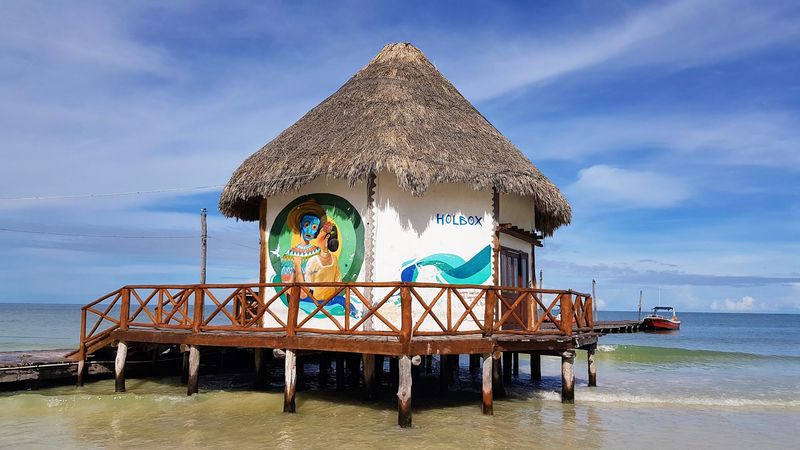
There are no cars on Isla Holbox. Getting around means walking, renting a golf cart, or hopping on a bicycle, and that single fact sets the tone for everything this little island delivers.
Located off the northern tip of the Yucatán Peninsula, Holbox sits where the Gulf of Mexico and the Caribbean Sea meet, producing a shallow, warm lagoon with water the color of a swimming pool and a depth that barely reaches your waist in many spots.
From June through September, whale sharks gather in the waters around Holbox to feed on plankton, making this one of the best places in the world to swim alongside the largest fish on the planet. It is a bucket-list experience that draws visitors from around the world, yet the island somehow maintains its unhurried atmosphere.
Bioluminescent plankton lights up the water on dark nights, turning a late-night swim into something genuinely magical.
The town itself is wonderfully low-key. Sand streets, open-air restaurants, and colorful murals painted on wooden buildings give it a relaxed Caribbean charm that feels nothing like the resort-heavy coast to the south.
Fresh seafood, especially the local lobster pizza, is a must-try. Holbox rewards travelers who are happy to slow down, unplug, and simply enjoy the beauty of a place that has not yet been over-developed.
Guadalajara, Birthplace of Mariachi and Tequila
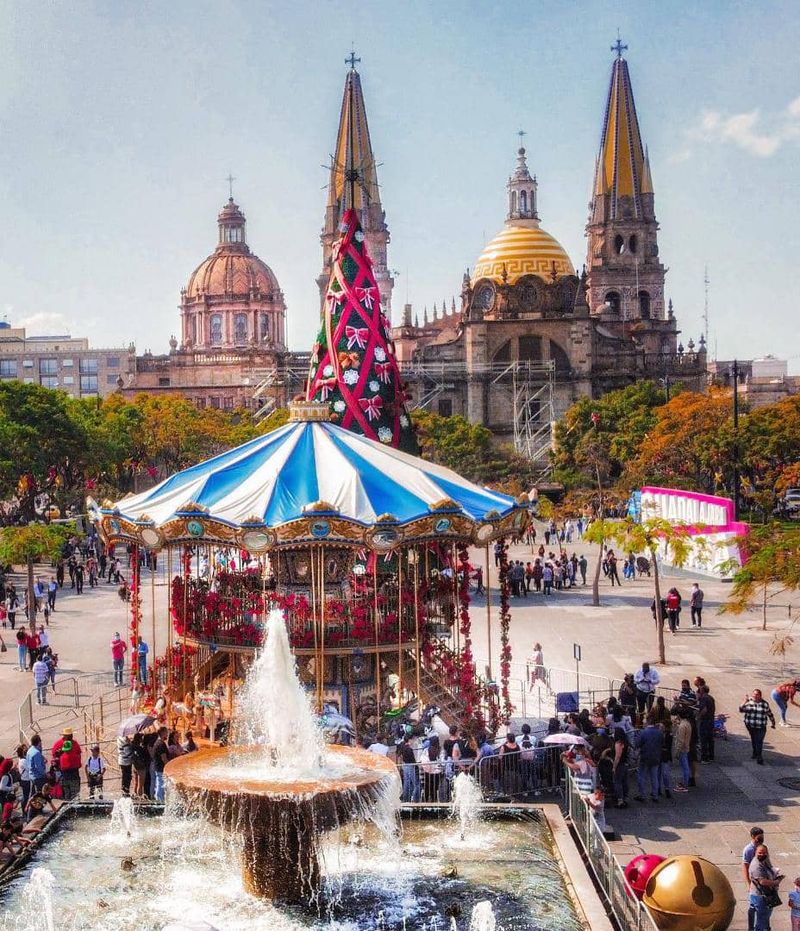
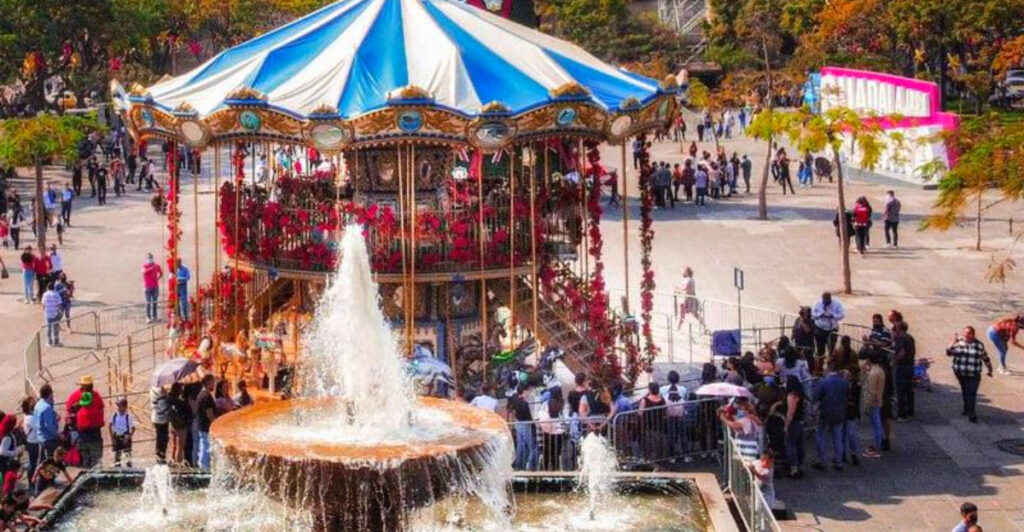
Two things that define Mexican culture worldwide were born right here: mariachi music and tequila. Guadalajara, Mexico’s second-largest city, wears that legacy proudly without turning it into a theme park.
The music spills out of plazas and restaurants naturally, not as a performance for tourists but as part of how the city simply lives. Plaza Garibaldi in the Tlaquepaque neighborhood is the place to hear mariachi at its most authentic.
The historic center of Guadalajara is anchored by a stunning 16th-century cathedral flanked by four public plazas, a layout unique in all of Mexico. The Hospicio Cabañas, a UNESCO World Heritage Site, houses some of the most powerful murals ever painted by José Clemente Orozco, including the famous Man of Fire ceiling fresco that visitors have to lie on the floor to fully appreciate.
The nearby town of Tequila, about an hour’s drive away, is where the famous spirit gets its name and where most of the world’s supply is produced. Distillery tours at brands like Jose Cuervo and Herradura offer an entertaining look at how blue agave plants are harvested and transformed into tequila.
The Guadalajara metropolitan area also includes Tlaquepaque and Tonalá, two towns famous for artisan crafts, ceramics, and blown glass that make for excellent shopping and afternoon wandering.
Valle de Guadalupe, Mexico’s Wine Country
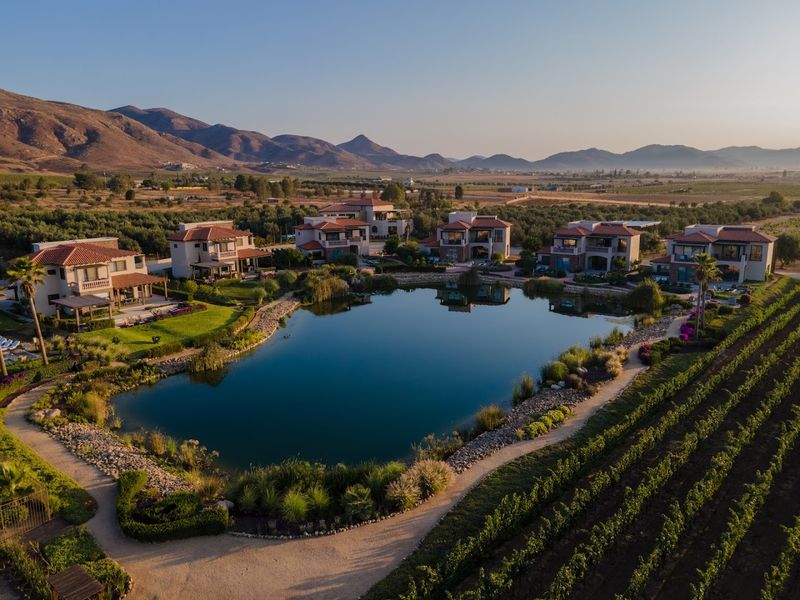
Most people do not immediately think of Mexico when wine comes up, but Valle de Guadalupe has been quietly changing that conversation for years. Located in Baja California just 20 miles from the coastal city of Ensenada, this valley produces some genuinely impressive wines, and the food scene that has grown up around the wineries is equally extraordinary.
The combination of cool ocean breezes and warm sunny days creates ideal growing conditions for grapes.
Over 150 wineries operate in the valley, ranging from large established estates to tiny family-run boutique producers. Many offer tastings directly from the barrel in rustic outdoor settings where you sit among the vines with a glass of Nebbiolo or Grenache and wonder why you did not come here sooner.
The restaurant scene is equally impressive, with chefs like Jair Téllez of Laja earning international recognition for cuisine that pairs local ingredients with the valley’s wines.
The best time to visit is between July and October during harvest season, when the valley buzzes with energy and festivals celebrate the grape harvest. Ensenada itself is worth exploring for its fish tacos, fresh seafood market, and the famous La Bufadora blowhole.
Valle de Guadalupe attracts food and wine enthusiasts from across North America who leave surprised by how sophisticated and satisfying this corner of Mexico truly is.
San Cristóbal de las Casas, Highland Charm
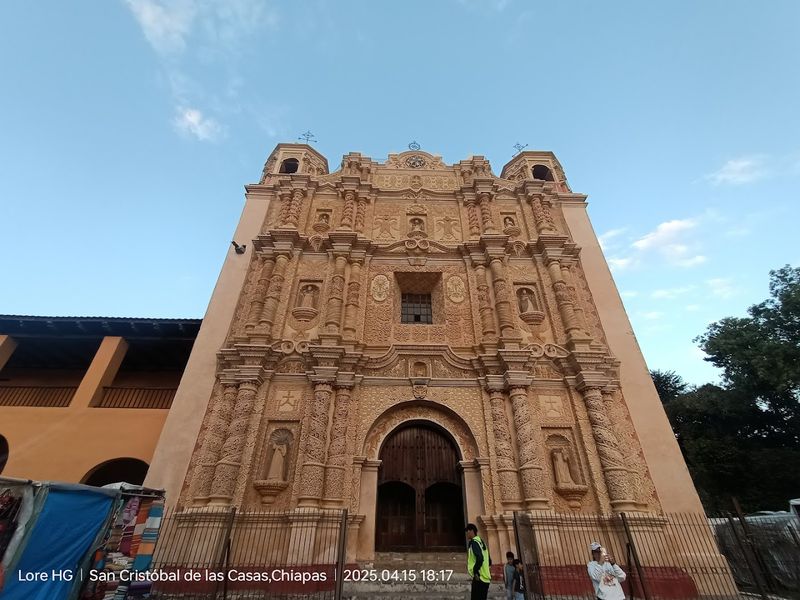
At 7,200 feet above sea level, San Cristóbal de las Casas brings a cool mountain chill that catches many Mexico-bound travelers completely off guard. This highland city in Chiapas feels like a different country compared to the beach resorts a few hundred miles away.
The streets are cobblestoned and painted in deep reds, yellows, and greens, and the air carries the faint smell of wood smoke from cooking fires in the surrounding villages.
The indigenous Tzotzil and Tzeltal Maya communities around San Cristóbal have maintained their traditions with remarkable strength. The nearby village of San Juan Chamula is famous for its syncretistic church, where Catholic imagery blends with ancient Maya rituals in ways that are unlike anything else in Mexico.
Visitors are welcome but should approach respectfully and follow local guidelines about photography inside the church.
The city itself has a lively café and arts scene fueled by a mix of local students, indigenous artisans, and travelers who came for a weekend and stayed for months. The Mercado de Artesanías is an excellent place to find hand-woven textiles, amber jewelry, and carved wooden masks made by local craftspeople.
Day trips to the turquoise waterfalls of Agua Azul and the towering Sumidero Canyon are among the most visually spectacular excursions available anywhere in southern Mexico.
Cabo San Lucas, Desert Meets Ocean
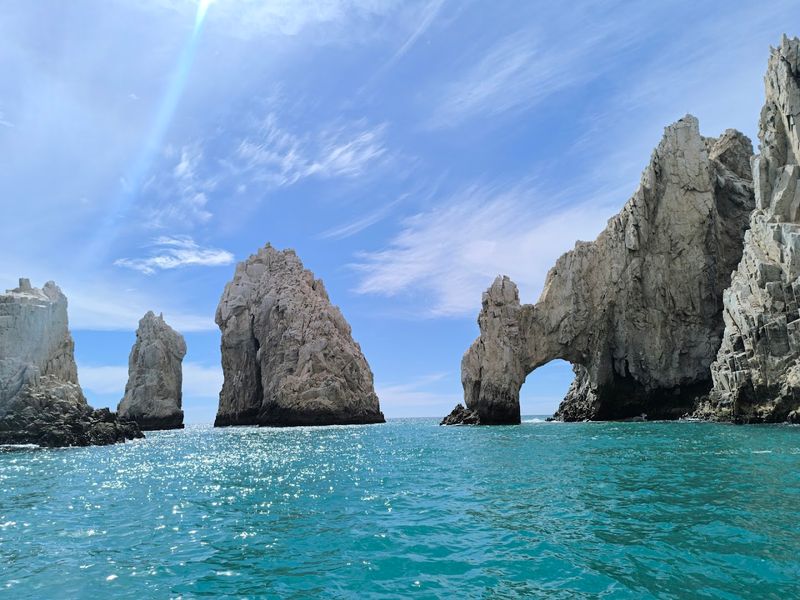
At the very tip of the Baja California Peninsula, the Pacific Ocean and the Sea of Cortez crash into each other right next to a dramatic rock arch rising from the sea. El Arco, the natural stone arch at Land’s End, is the defining image of Cabo San Lucas and one of the most photographed rock formations in all of Mexico.
You can only reach it by water taxi or glass-bottom boat, which makes the approach feel like a proper adventure.
Jacques Cousteau once called the Sea of Cortez the aquarium of the world, and the waters around Cabo back that claim up convincingly. Whale watching, sport fishing, snorkeling with sea lions, and surfing are all available within a short distance of the marina.
The famous Medano Beach is the most swimmable stretch in town, with calm water and plenty of beachside restaurants serving cold drinks and fresh ceviche.
Cabo has a well-deserved reputation for lively nightlife centered on the marina strip, but the surrounding area offers a completely different experience. The East Cape, stretching north from Cabo along the Sea of Cortez, is rugged, quiet, and beloved by serious anglers and kitesurfers.
The charming town of San José del Cabo, just 20 miles away, has a quieter art district and colonial square that provides a welcome contrast to Cabo’s high-energy atmosphere.
Share this story