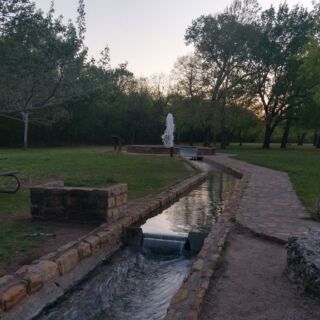
Most people who visit Princeton, New Jersey head straight for the university campus, the historic streets, and the well-known landmarks. But just south of all that activity, there is a 589-acre stretch of woods, wetlands, and farmland that quietly holds some of the most rewarding trails in the entire region.
The place does not advertise itself loudly, and that is part of what makes it so worth knowing about. From a wooden suspension bridge that sways above a stream to wide, flat paths that wind through towering trees, this hidden landscape rewards anyone willing to look past the obvious.
The trails here have a history tied to Albert Einstein himself, a Revolutionary War battlefield, and the Delaware and Raritan Canal. Keep reading to find out what makes this tucked-away preserve one of the most underrated outdoor spots in all of New Jersey.
Where to Find This Hidden Preserve
Most nature preserves in New Jersey come with big signs and busy parking lots, but this one keeps things refreshingly low-key. Institute Woods is located at Princeton Pike, Princeton, NJ 08540, sitting quietly on the southern edge of Princeton Township.
The preserve is managed by the Institute for Advanced Study, the same organization that once counted Albert Einstein as a faculty member. That connection alone gives this place an unusual backstory before you even set foot on a trail.
The main entrance is accessible from the Princeton Battlefield State Park parking area, which makes it easy to combine both sites in a single outing. The preserve is open Monday through Friday from 9 AM to 5 PM, so planning around those hours is important before making the trip.
Weekend closures catch a lot of first-time visitors off guard, so checking the schedule ahead of time saves a wasted drive. Arriving early on a weekday gives the best chance of having the trails mostly to yourself.
589 Acres of Trails, Trees, and Open Sky
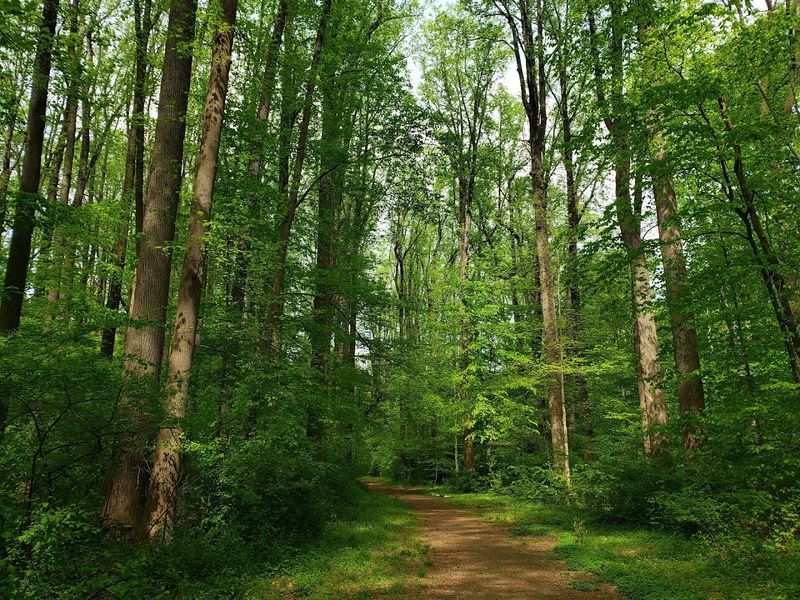
Five hundred and eighty-nine acres sounds like a big number on paper, and walking through the preserve confirms that the scale is very real. The landscape shifts from dense woodland to open meadow to wetland areas as you move deeper into the trails.
The flat terrain is one of the most talked-about features of this preserve. Unlike many New Jersey hikes that involve steep climbs and rocky descents, the paths here stay almost entirely level, making the experience accessible to a wide range of ages and fitness levels.
Wide, well-traveled main paths cut through the forest, and narrower side trails branch off toward quieter corners of the preserve. The recommended 3.2-mile loop covers most of the highlights and takes roughly an hour and a half at a relaxed pace with a few stops along the way.
Farmland views open up in certain sections, giving the walk a varied character that keeps things interesting from start to finish.
The Swinging Bridge That Steals the Show
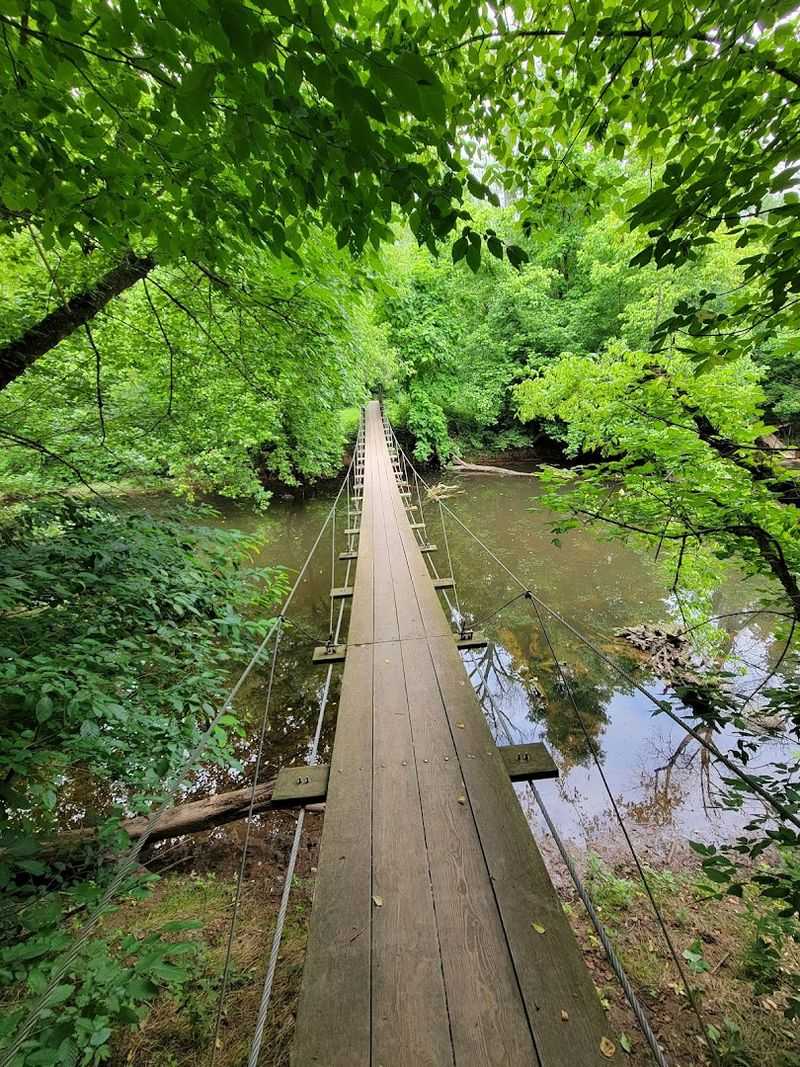
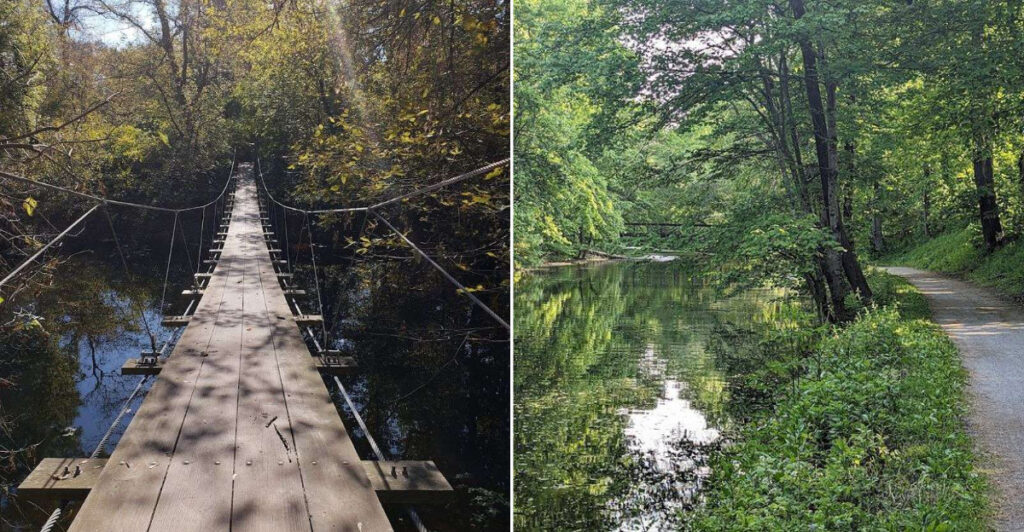
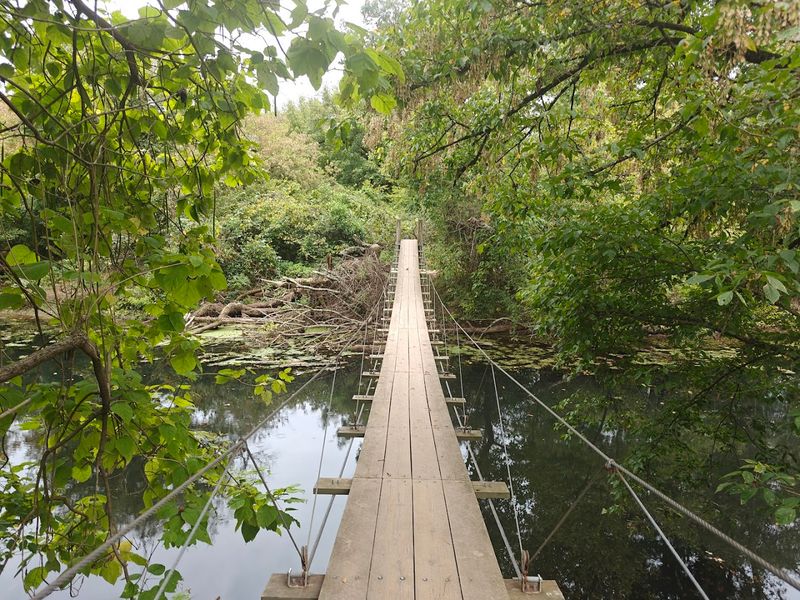
About a mile and a half into the trail system, something unexpected appears through the trees. A wire suspension bridge stretches across the stream that runs through the preserve, and it moves underfoot in a way that surprises most first-time crossers.
The bridge is in good structural condition and is wide enough to cross comfortably, but the slight sway it produces gets a strong reaction from kids and adults alike. It has become the most talked-about feature of the entire preserve, and many people make the whole hike specifically to reach it.
On the other side of the bridge, the Delaware and Raritan Canal trail connects directly, offering a flat, paved path that runs alongside the river. That connection turns a simple woods walk into a much longer adventure if the energy is there for it.
Taking a photo of the trail map at the parking lot before heading in is a smart move, since the bridge is not always easy to find without some navigation help.
Einstein Walked These Paths
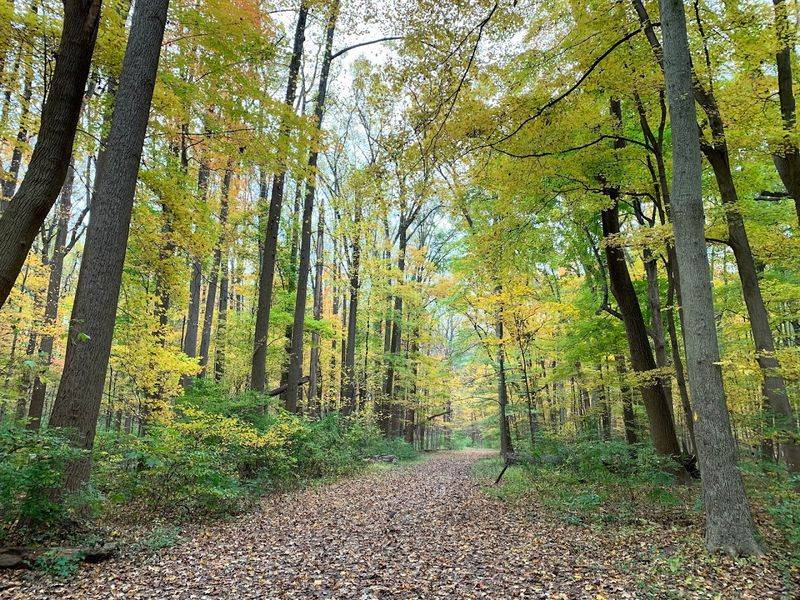
There is a well-known local story that Albert Einstein used to walk the trails of this preserve while working through ideas at the Institute for Advanced Study nearby. Whether every detail of that story is perfectly documented or not, the connection between the preserve and the Institute is completely real.
The Institute for Advanced Study, which owns and manages the land, was founded in 1930 and has hosted some of the most important scientific and mathematical thinkers of the twentieth century. Einstein joined the faculty in 1933 and remained there until his passing in 1955.
The trails were reportedly designed and maintained partly to give scholars a place to walk and think, which explains why they are wide, flat, and unhurried in character. That original purpose gives the whole preserve a contemplative quality that is hard to put into words but easy to notice once you start walking.
The woods carry a certain quiet weight that feels different from an ordinary park.
A Revolutionary War Battlefield Next Door
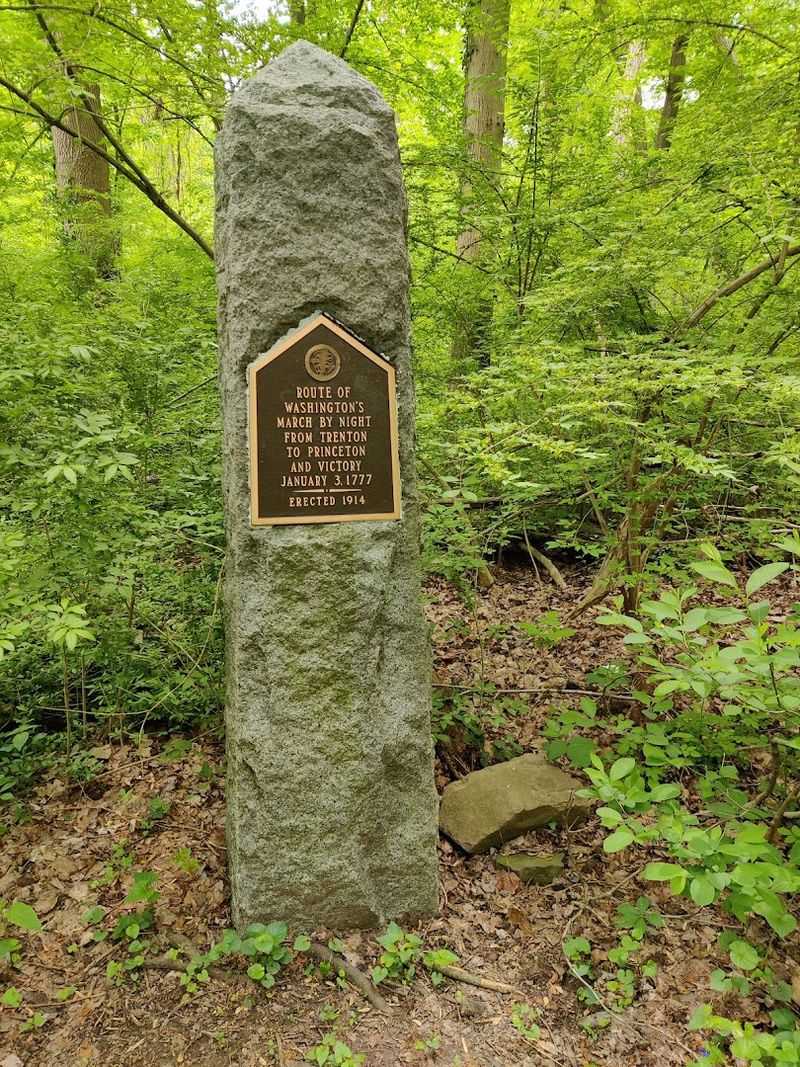
The preserve does not exist in isolation. Right next to the Institute Woods trailhead sits Princeton Battlefield State Park, which marks the site of the Battle of Princeton fought on January 3, 1777.
General George Washington led his forces to a key victory here during the Revolutionary War, and the park preserves the ground where that battle took place. The Clarke House, a historic farmhouse on the battlefield grounds, is open for tours and contains exhibits about the battle and the period.
Colonial reenactments have taken place at the site, including demonstrations of musket and cannon firing that give a concrete picture of what eighteenth-century combat looked like. The combination of a nature preserve and an active historic site in the same location makes this corner of Princeton genuinely unusual.
Parking at the battlefield lot and then walking into the woods creates a full afternoon that covers both natural and historical ground without needing to move the car at all.
Wildlife Along the Way
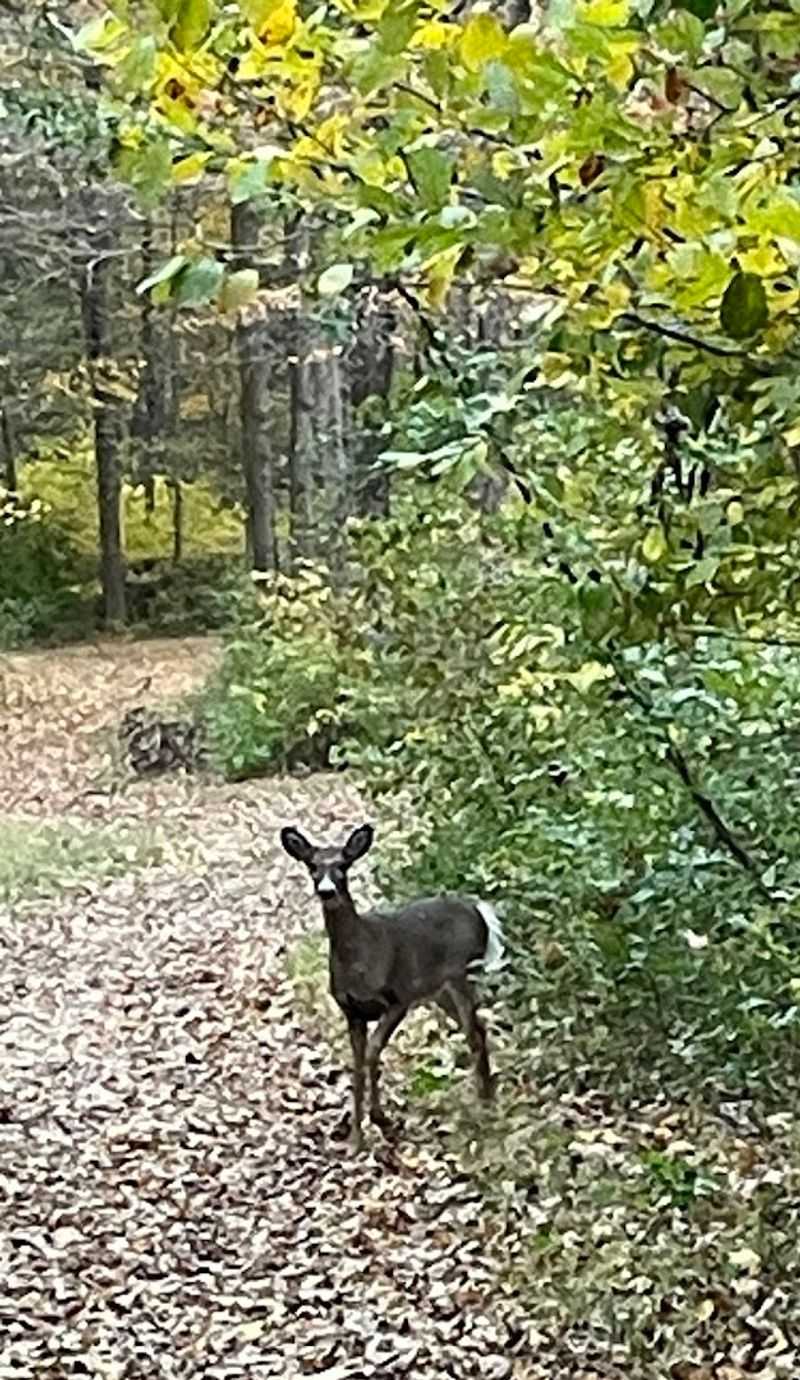
The preserve sits within a larger ecological corridor in central New Jersey, and that position makes it a reliable spot for encountering wildlife. White-tailed deer are commonly spotted moving through the trees, and various bird species use the wetland and woodland edges throughout the year.
The mix of habitats within the 589 acres, including forest, meadow, and wetland, supports a broader range of animal life than a single-habitat park typically would. Turtles, frogs, and other wetland creatures appear near the stream and bridge area, especially in warmer months.
Spring and early summer bring the most active wildlife activity, but fall visits offer the bonus of deer moving more visibly through the thinning foliage. Those who walk quietly and stay on the main paths tend to spot more animals than those moving quickly or in large groups.
Bringing binoculars adds a useful dimension to the outing, particularly for birdwatching along the canal-side trail that connects at the suspension bridge.
The Delaware and Raritan Canal Connection
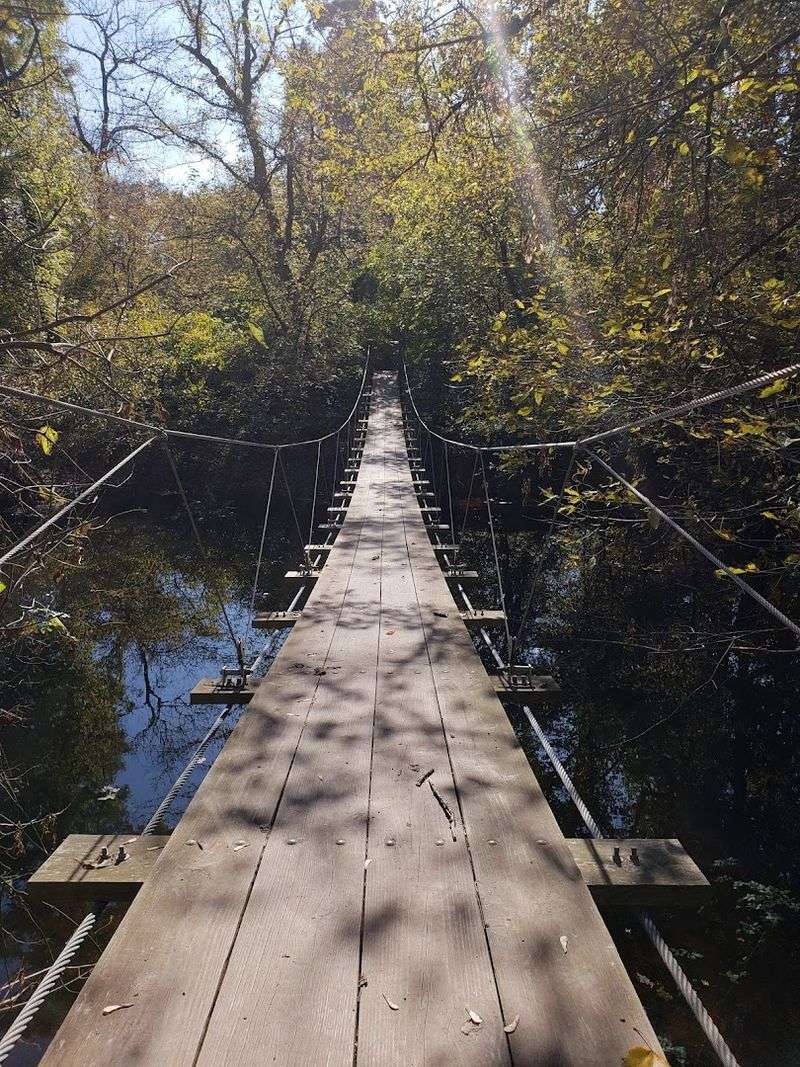
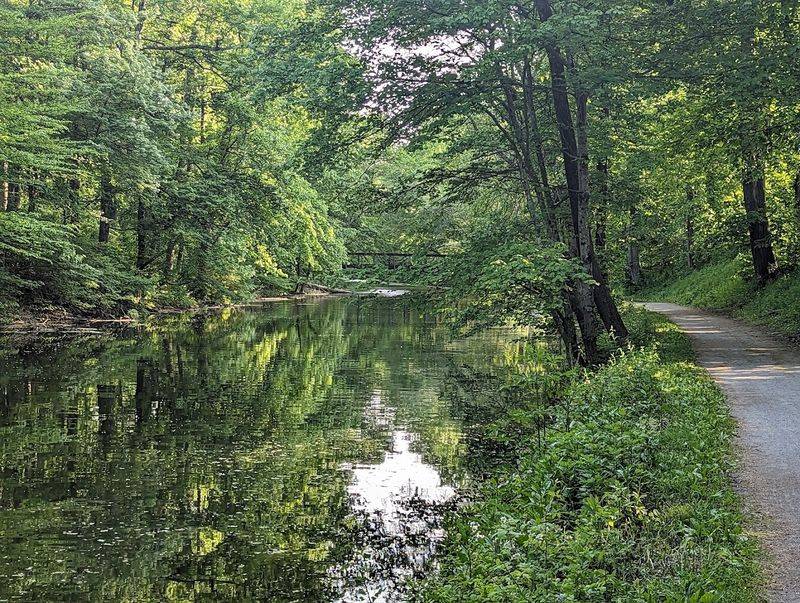
Cross the suspension bridge inside the preserve and a completely different kind of trail opens up on the other side. The Delaware and Raritan Canal State Park trail runs as a flat, maintained path directly alongside the historic canal waterway.
The D&R Canal was completed in 1834 and originally served as a commercial waterway linking the Delaware River to the Raritan River, cutting across the width of New Jersey. Today, the towpath that once guided mule-drawn boats has been converted into a multi-use trail that stretches for miles in both directions.
Cyclists, runners, and walkers all use the canal trail regularly, and the combination of the wooded Institute Woods paths with the open canal corridor creates a genuinely varied outing. The two trail systems complement each other well, and the transition between them at the suspension bridge is one of the more satisfying moments the area has to offer.
The canal path stays flat and wide, making it easy to cover significant distance without much effort.
Trail Navigation Tips Worth Knowing
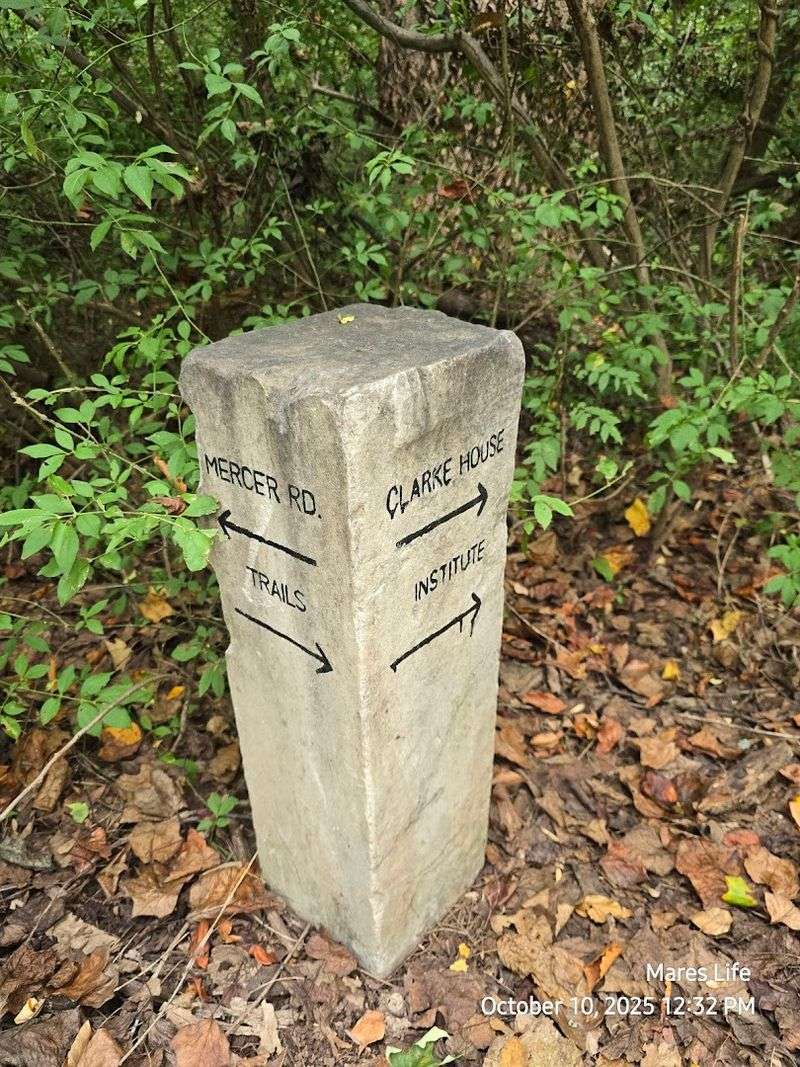
The trails inside Institute Woods have a reputation for being tricky to navigate, and that reputation is earned. Markers appear at the start of the trail system but become sparse deeper into the preserve, leaving walkers to make judgment calls at unmarked intersections.
The most practical approach is to take a clear photo of the trail map posted at the parking area before heading in. Cell service generally works throughout the preserve, and Google Maps has been used successfully by many walkers to stay on the recommended 3.2-mile loop.
The trails are interconnected enough that a wrong turn rarely leads to serious trouble, but it can add unexpected distance to the walk. Those specifically trying to reach the suspension bridge should stay alert, since it is one of the spots most commonly missed by first-timers who skip the map.
Wearing sturdy shoes is a practical choice year-round, as certain sections hold mud well after rain. The main loop stays in better condition than the lesser-used side trails.
What to Bring and When to Go
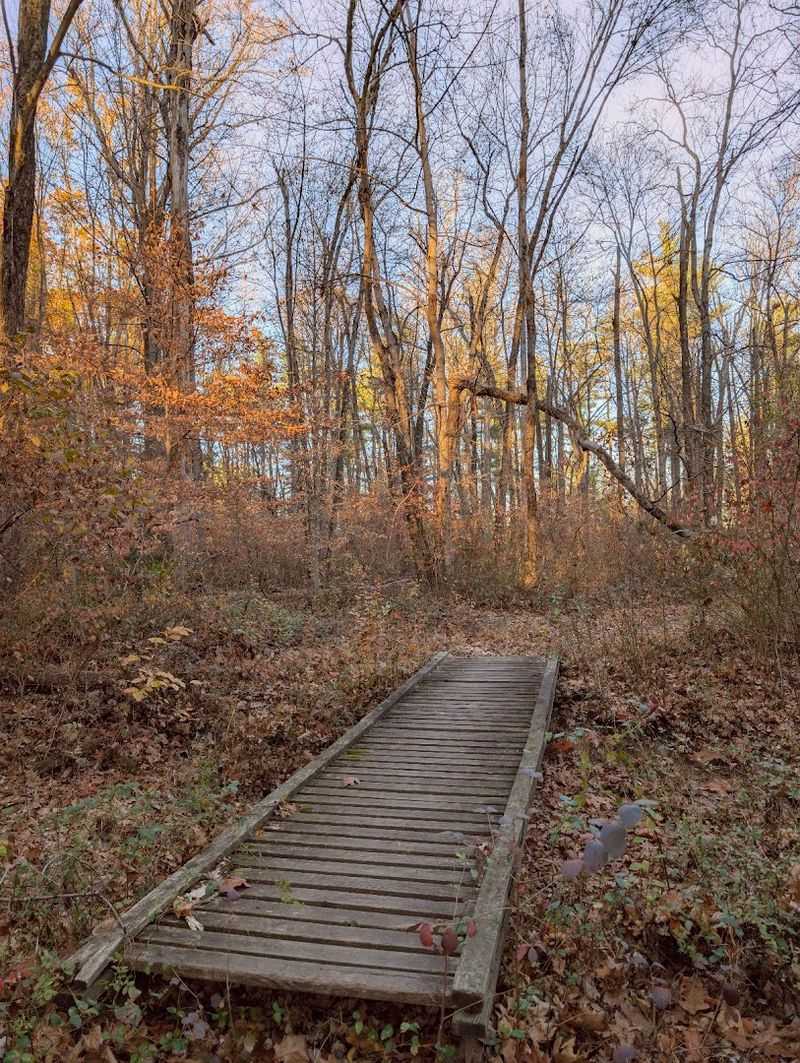
A few simple preparations make a visit to Institute Woods noticeably more comfortable. Water is the obvious starting point, since there are no facilities along the trails and the 3.2-mile loop takes around 90 minutes at a relaxed pace.
Bug spray becomes important from late spring through early fall, particularly at dusk and dawn when mosquitoes are most active near the wetland areas. Tick prevention is equally worth taking seriously, and checking for ticks after the walk is a standard precaution in this part of New Jersey.
Fall is widely considered the most rewarding season for a visit, with foliage color transforming the tree canopy and cooler temperatures making longer walks more comfortable. Winter visits are quieter and offer clearer sightlines through the bare trees, though the trails can get slick in wet conditions.
The preserve is open Monday through Friday, 9 AM to 5 PM, so timing the visit accordingly avoids an unnecessary trip. Arriving close to opening keeps the trails uncrowded.
Bringing Dogs and Kids Along

The flat, wide trails make Institute Woods a reasonable choice for families with younger children. The absence of steep terrain removes one of the main barriers that can make woodland hikes difficult for kids, and the suspension bridge provides a built-in highlight that holds their attention well.
Dogs are welcome on leashes, and the wide main paths give plenty of room for a dog to walk comfortably alongside its owner. That said, tick activity in the preserve is notably high, and those who bring dogs should plan for a thorough tick check after the outing.
The trail length and flat character make the recommended loop manageable for most school-age children without requiring a lot of coaxing. The wildlife sightings, particularly deer, add an element of natural discovery that keeps younger walkers engaged.
There are no restroom facilities anywhere along the trails, which is worth factoring into the planning process, especially for families with young children who may need a break mid-walk.
The Seasonal Character of the Woods
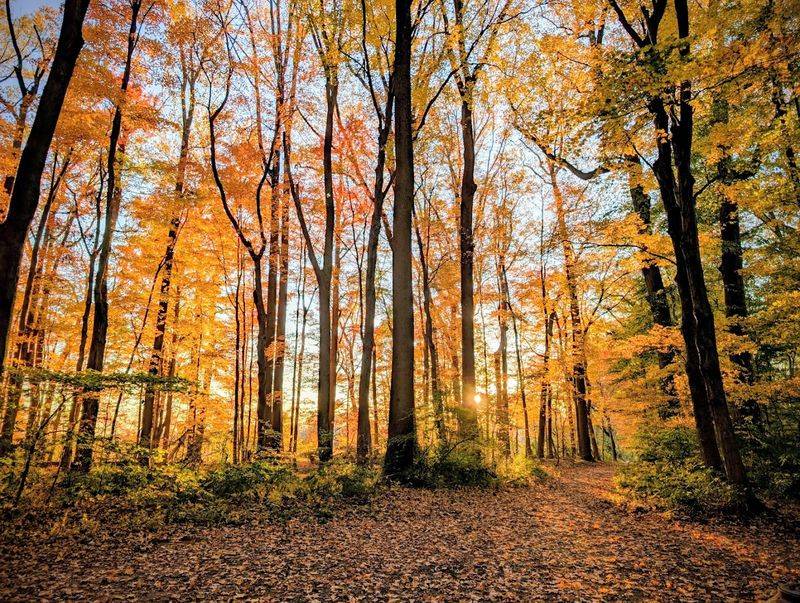
Each season brings a different version of Institute Woods, and regulars often have a strong opinion about which time of year shows the preserve at its best. Fall draws the most attention, with the tree canopy shifting through yellows, oranges, and deep reds as October progresses.
Spring brings renewed ground cover and increased bird activity, and the wetland areas become especially active as temperatures rise. Summer visits require more preparation due to heat and insects, but the full leaf canopy creates a dense, green tunnel effect along the main trail corridors.
Winter strips the trees bare and changes the character of the walk entirely, opening up longer sightlines through the forest and giving the landscape a more stark, architectural quality. The preservation of the land in its natural state means the seasonal shifts are genuine and pronounced, rather than softened by heavy landscaping.
Planning a return visit in a different season from the first trip is a good way to experience the preserve from a genuinely fresh angle.
Cycling Through the Preserve
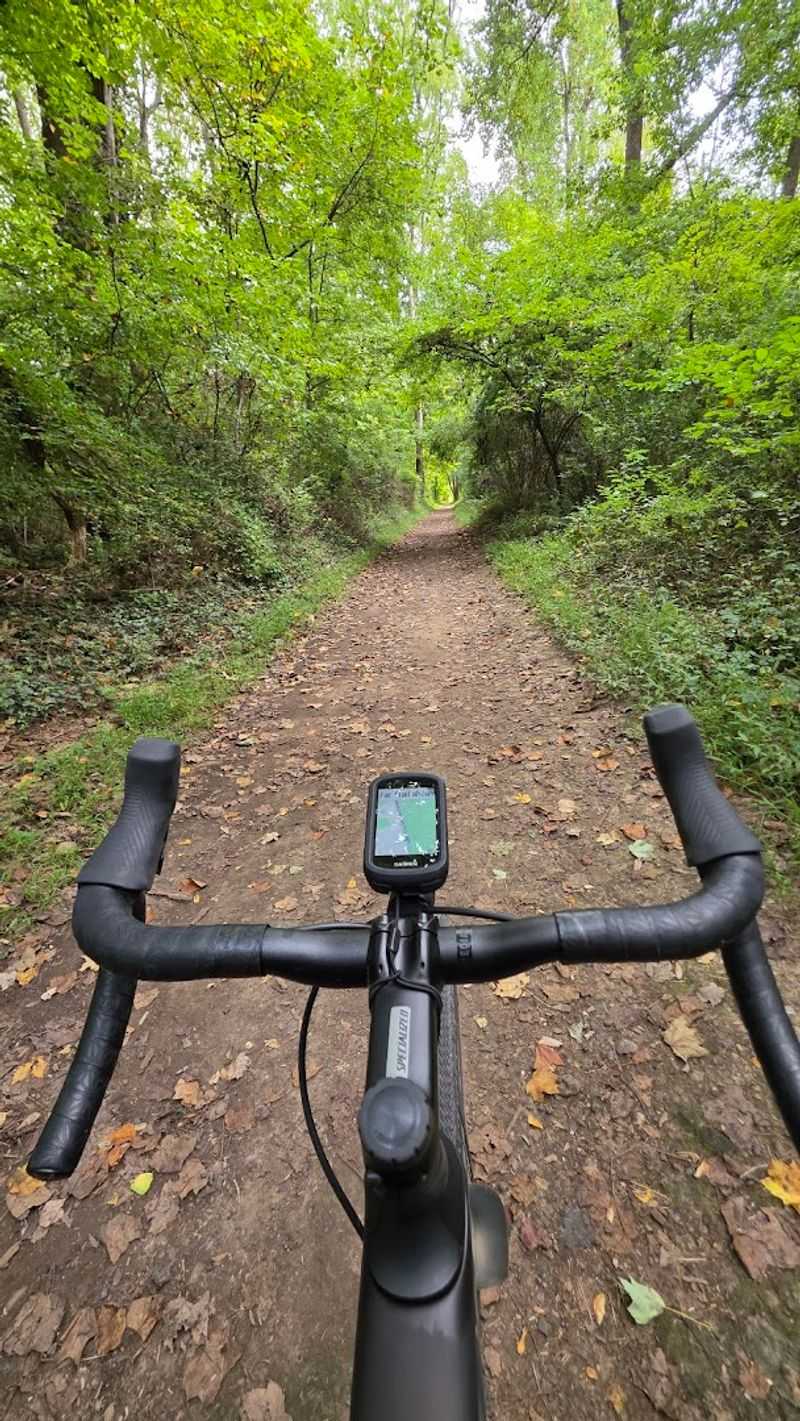
The flat terrain and wide main paths make Institute Woods a genuinely good option for cyclists, not just walkers. Bikes are permitted on the trails, and the level ground means the ride stays comfortable without requiring a mountain bike or specialized gear.
The connection to the Delaware and Raritan Canal trail at the suspension bridge extends the cycling route significantly, since the canal towpath runs for miles in both directions and stays consistently flat and well-maintained. That combination makes it possible to turn a short preserve ride into a much longer outing along the canal corridor.
The narrower, lesser-used side trails within the preserve are better suited to walking than cycling, and sticking to the main loop keeps the ride smooth. Mud can be a factor after heavy rain, so checking conditions before heading out with a bike saves a messy surprise.
Cycling to the preserve from central Princeton is feasible for those comfortable with a short road stretch, making it accessible without a car.
The Quiet That Sets This Place Apart
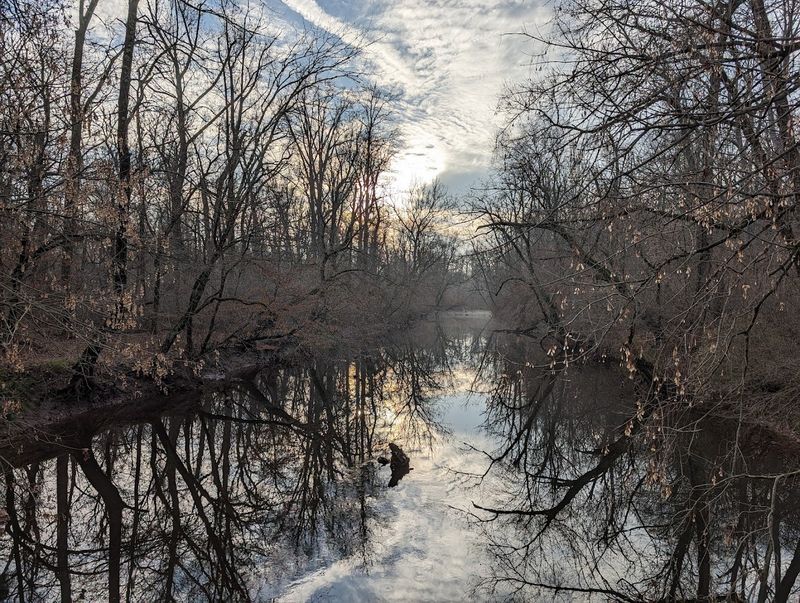
For a preserve this close to a busy university town, the level of quiet inside Institute Woods is genuinely striking. The combination of weekday-only access, limited signage, and the preserve’s off-the-radar reputation keeps foot traffic low compared to more publicized parks in the region.
That quietness is a significant part of the appeal. Wide trails with no elevation change and no crowds create an environment where it is easy to slow down and pay attention to the details of the landscape rather than rushing through a checklist of highlights.
The preserve does not have a visitor center, gift shop, or any commercial presence of any kind. What it has is 589 acres of undeveloped land maintained in a natural state, which in central New Jersey is a rarer thing than it might seem.
That restraint, the absence of amenities and noise, is not a shortcoming. It is the whole point, and it is what keeps the people who discover this place coming back with quiet regularity.
Why This Place Deserves More Attention
Princeton draws visitors for its university, its history, and its architecture, but the natural landscape just south of town rarely makes the itinerary. That oversight is easy to understand and easy to correct.
Institute Woods offers 589 acres of flat, accessible trails, a one-of-a-kind suspension bridge, direct access to the D&R Canal trail, and a historical connection to both the Revolutionary War and one of the twentieth century’s greatest scientific minds. That combination of features in a single, free, publicly accessible location is hard to match anywhere in New Jersey.
The weekday-only schedule limits access for some, but for those who can arrange a visit during open hours, the preserve delivers a genuinely rewarding experience without any entrance fee or advance reservation. Flat trails, wide paths, wildlife, history, and a swinging bridge over a forest stream add up to something worth going out of the way for.
The people who already know about this place tend to return. That pattern says everything.
Share this story