Some restaurants are so good they deserve their own line in your travel itinerary. Across the U.S., a handful of spots are serving food rooted in global traditions so thoughtfully that skipping them would be a genuine loss.
From Haitian cooking in Portland to Southern Indian cuisine in New York, these places are redefining what it means to eat well while traveling. If your next trip could use a seriously delicious reason to exist, this list is a great place to start.
Atomix – New York City, New York
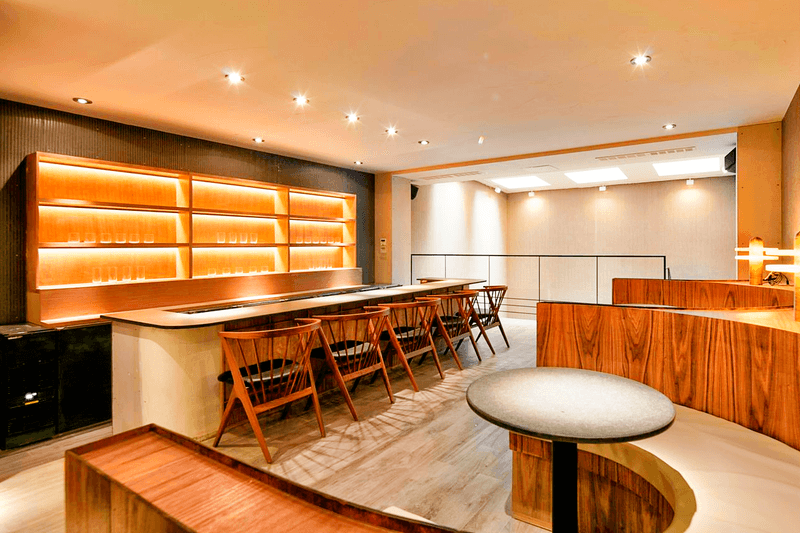
Atomix is the kind of place that makes you rethink what a dinner reservation can actually be. Located in Midtown Manhattan, this two-Michelin-starred restaurant offers a chef’s-counter experience built entirely around new Korean cuisine.
The dishes arrive with hand-written cards explaining each course, making every bite feel like a little lesson.
Chef Junghyun Park and his team treat Korean culinary traditions not as a fixed script but as a living conversation. Fermented ingredients, seasonal produce, and deeply considered techniques come together in ways that feel surprising without being gimmicky.
I walked in curious and left genuinely moved.
Dinner runs several courses and requires advance reservations, so planning ahead is non-negotiable. Atomix operates seven nights a week, which gives you some flexibility when booking.
If you are visiting New York and want one meal that earns its own travel story, this is the one to choose.
Kasama – Chicago, Illinois
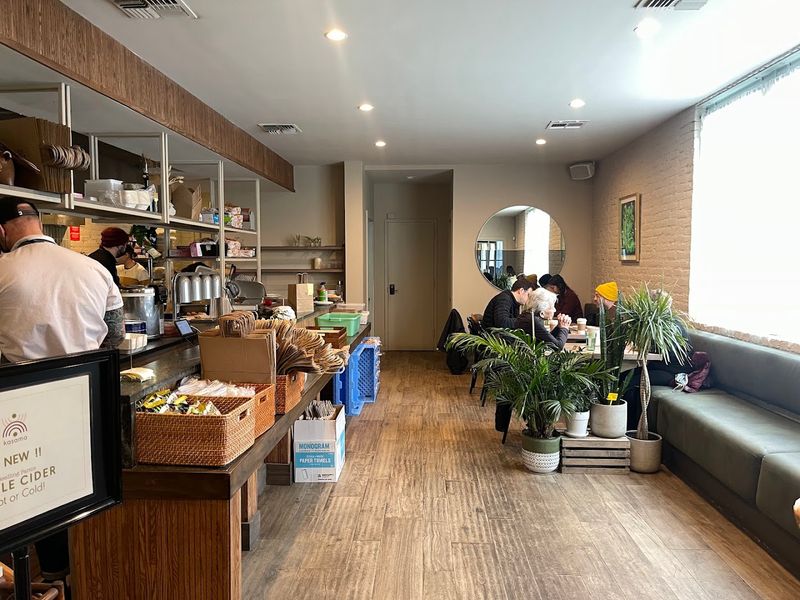
Kasama pulls off something most restaurants only dream about: it is two completely different and equally excellent experiences depending on what time you show up. During the day, it runs as a Filipino bakery and cafe, drawing long lines for pastries that sell out embarrassingly fast.
At night, it flips into a reservation-only tasting menu experience that earned Chicago’s first Filipino Michelin star.
Chefs Tim Flores and Genie Kwon built Kasama as a deeply personal project, drawing on Filipino flavors and family cooking in ways that feel genuine rather than performed. The tasting menu changes with the seasons, so repeat visits are never redundant.
Booking the dinner service requires planning since seats go quickly. The daytime bakery is more spontaneous, making it a solid backup if the tasting menu is fully booked.
Either way, Kasama gives you two strong reasons to put Chicago on your food travel map without any hesitation.
Kann – Portland, Oregon
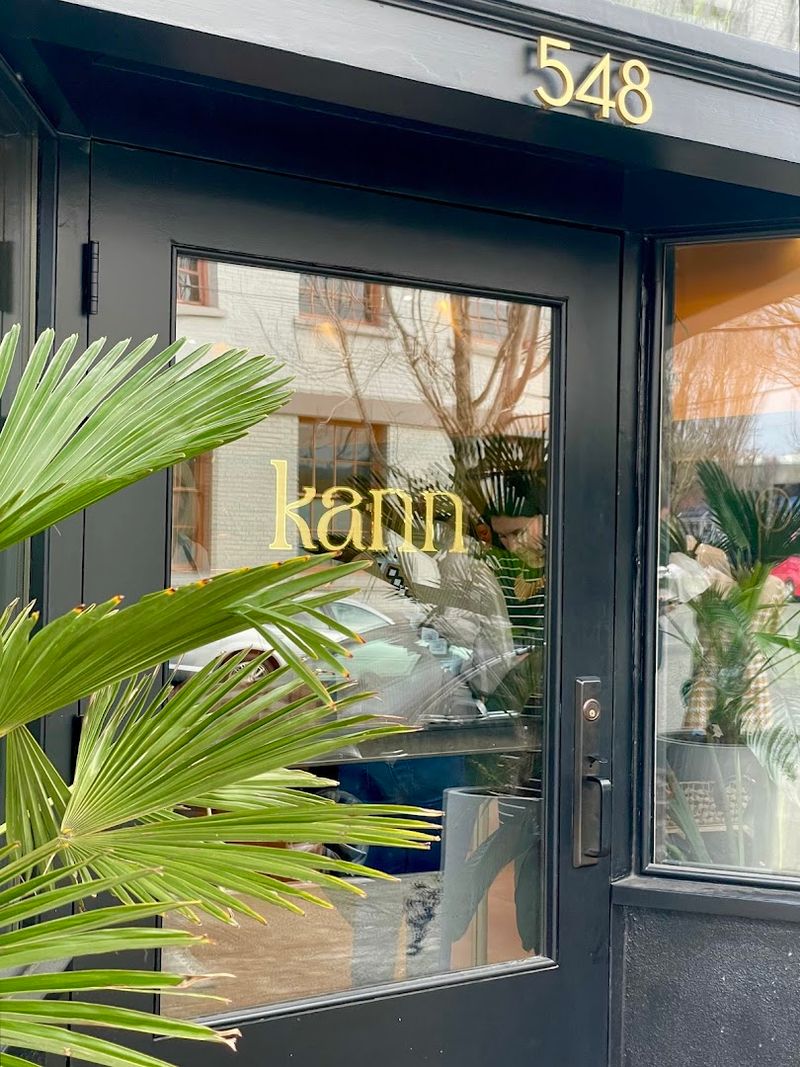
Portland already had plenty of reasons to visit, but Gregory Gourdet went ahead and added one more. Kann opened in 2022 as the city’s first major Haitian restaurant, and it immediately became a destination for food travelers who track where the most exciting cooking in America is actually happening.
Gourdet, a James Beard Award winner, brings serious technique to a cuisine that deserves far more attention than it typically gets.
The menu draws on Haiti’s layered food culture, using ingredients and cooking methods rooted in the island’s history. Dishes are bold and layered, grounded in tradition but not frozen in it.
The beverage program leans into Caribbean spirits, which makes the whole experience feel cohesive.
Kann is located in Northeast Portland and accepts reservations through its official site. The restaurant is not a novelty act chasing trends.
It is a serious, thoughtful place that happens to be doing something genuinely rare in American dining right now.
Bavel – Los Angeles, California
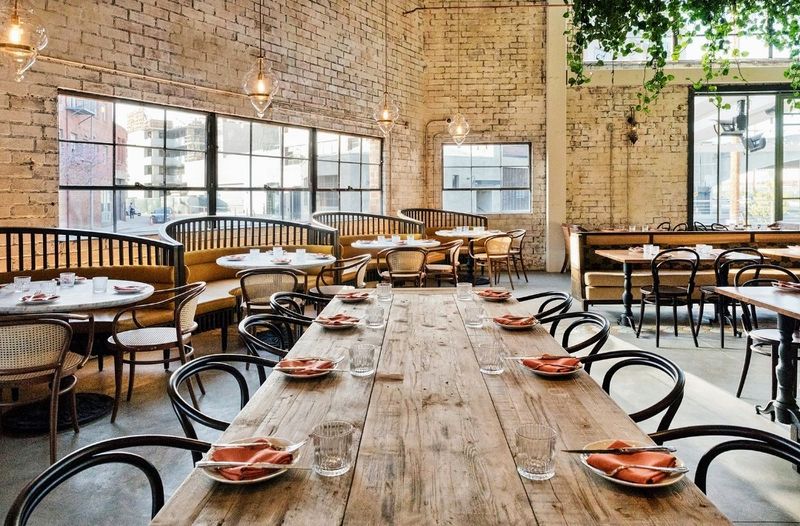
Bavel has been one of the best arguments for making a trip to downtown L.A. since it opened in the Arts District back in 2018. Chefs Ori Menashe and Genevieve Gergis, the duo behind the beloved Bestia, channeled their personal histories into a Middle Eastern menu that feels both deeply rooted and completely alive.
The hummus alone has a fan club.
The space itself is a converted warehouse with a retractable roof, which means the vibe shifts depending on the weather and the hour. Long-fermented breads, house-made pastas inspired by regional traditions, and slow-cooked meats make the menu worth reading slowly before ordering.
Everything connects to something.
Reservations are competitive, especially on weekends, so booking early through their site is strongly recommended. Bavel sits in a neighborhood full of galleries and design studios, making it easy to build a full day around the visit.
The food gives you every reason to stay longer than planned.
Albi – Washington, D.C.
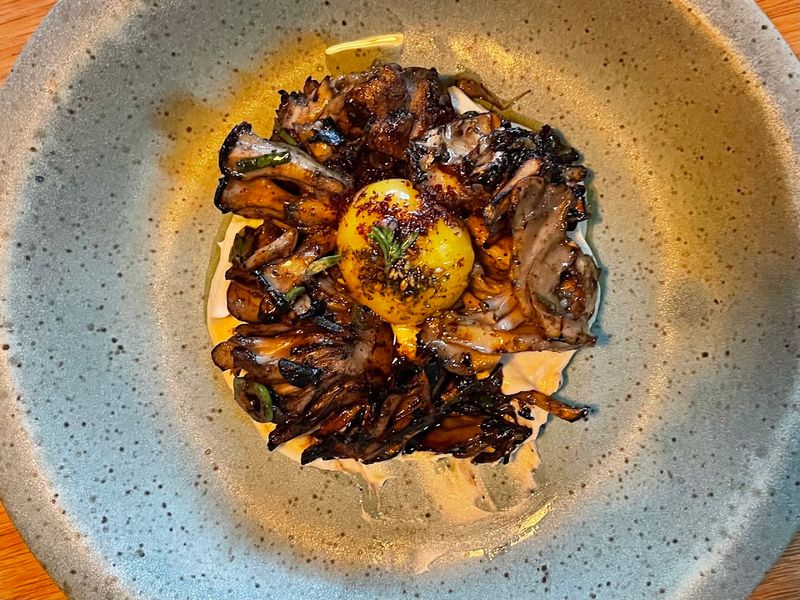
Chef Michael Rafidi built Albi as a tribute to his Arab-American heritage, and the result is one of the most emotionally resonant restaurants currently operating in the country. The menu is rooted in Levantine cooking traditions, pulling from Palestinian, Lebanese, and broader regional influences with precision and real affection.
Michelin recognized it with a star, and the James Beard Foundation has taken notice of Rafidi as well.
The restaurant sits in the Navy Yard neighborhood of D.C. and has a design that feels considered without being cold. Wood fire plays a central role in the cooking, giving many dishes a depth that lingers well past the last bite.
Albi operates dinner service Wednesday through Sunday, so plan your D.C. visit around those days if this is a priority. And it should be a priority.
Rafidi is one of the most interesting chefs working in American restaurants right now, and Albi is where that talent shows up most clearly.
Kato – Los Angeles, California
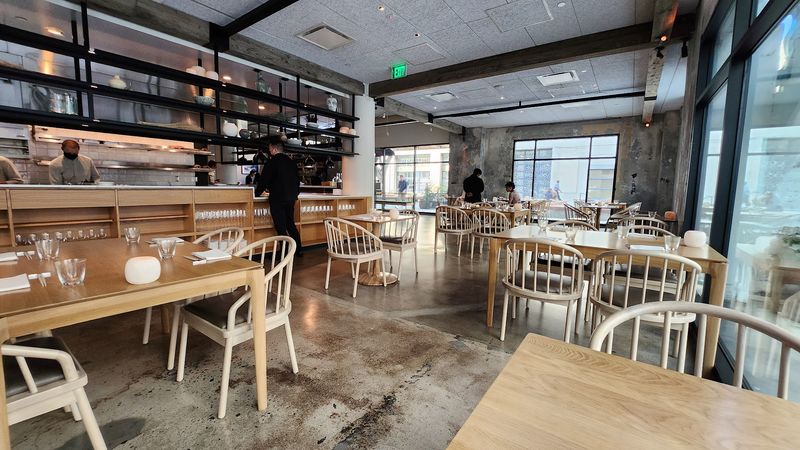
Kato is proof that a tasting menu can feel personal rather than performative. Chef Jon Yao built this restaurant around his Taiwanese-American background, and the result is a menu that moves through flavors and textures in a way that feels both deliberate and genuinely surprising.
Michelin has awarded it two stars, which tells you the industry agrees.
Located at ROW DTLA, Kato sits inside a thoughtfully renovated space that matches the cooking in its attention to detail. The menu rotates with the seasons, meaning each visit delivers something different from the last.
That alone makes return trips easy to justify.
Reservations are available through the restaurant’s own booking page and tend to fill up well in advance. If you are already planning a trip to Los Angeles, adding Kato to the itinerary takes almost no extra effort since it sits in a neighborhood worth exploring on its own.
The food, though, is reason enough to show up.
Dhamaka – New York City, New York
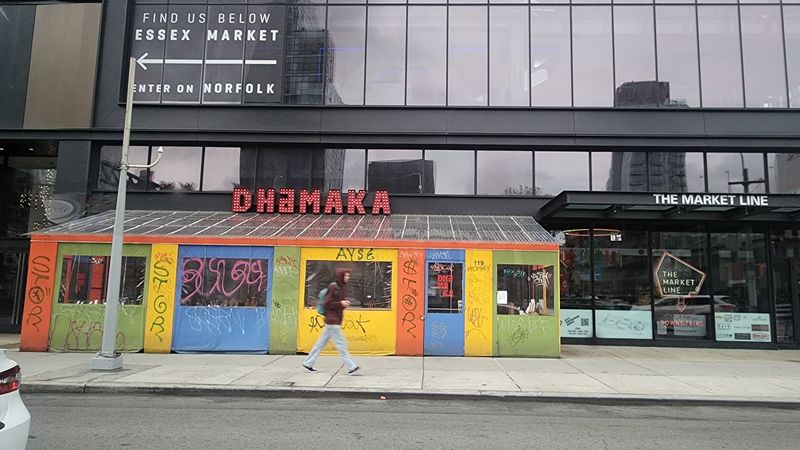
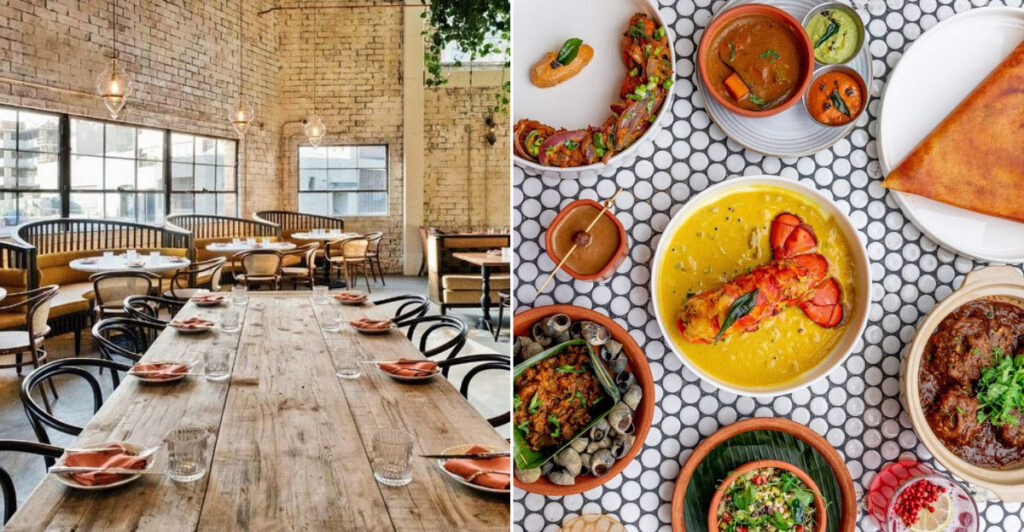
Most Indian restaurants in America play it safe, leaning on familiar dishes that travel well across audiences. Dhamaka does the opposite on purpose.
The restaurant is devoted to regional Indian cooking from parts of the country that rarely appear on menus outside India, and chef Chintan Pandya treats that mission with serious conviction. The official site calls it “the forgotten side of India,” and that framing is accurate.
Dishes come from regions like Rajasthan, Bihar, and the tribal cooking traditions of Central India. Spice levels are not adjusted for comfort.
The cooking is direct, confident, and occasionally challenging in the best possible way.
Dhamaka operates lunch and dinner service in Manhattan and is listed as open on Michelin’s current guide. Getting a table can take some advance planning, but walk-in spots at the bar sometimes open up on weeknights.
Either way, this is the kind of restaurant that changes how you think about an entire cuisine.
Semma – New York City, New York
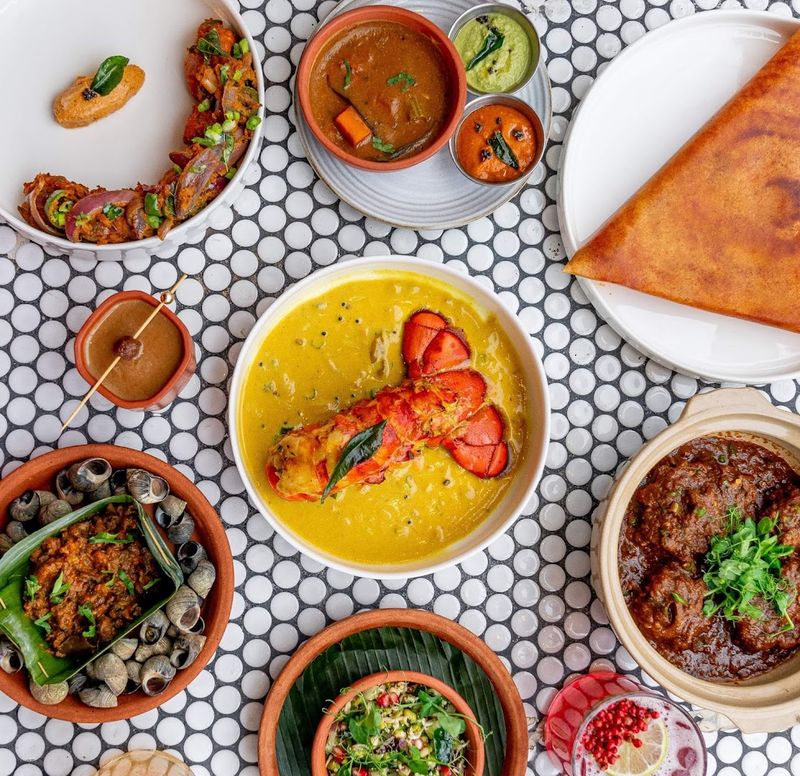
Southern Indian food has always deserved its own spotlight, and Semma finally gave it one. The restaurant, tucked into Greenwich Village, focuses entirely on the cooking of Tamil Nadu, presenting dishes that most New Yorkers had never encountered before it opened in 2021.
Chef Vijay Kumar grew up eating this food, and that background shows in every detail on the plate.
The menu features dishes like kari dosai, wild boar kuzhambu, and country chicken preparations that draw on deep regional tradition. Nothing here is watered down or simplified for a broader audience, which is exactly what makes it so worth the trip.
Michelin lists it as open and the restaurant continues to earn serious critical praise.
Semma operates in the West Village and takes reservations through Resy. Tables book up fast, especially on weekends.
If you are someone who has eaten plenty of North Indian food in the U.S. and want to understand just how vast and varied the cuisine really is, Semma is the clearest answer available.
Musang – Seattle, Washington
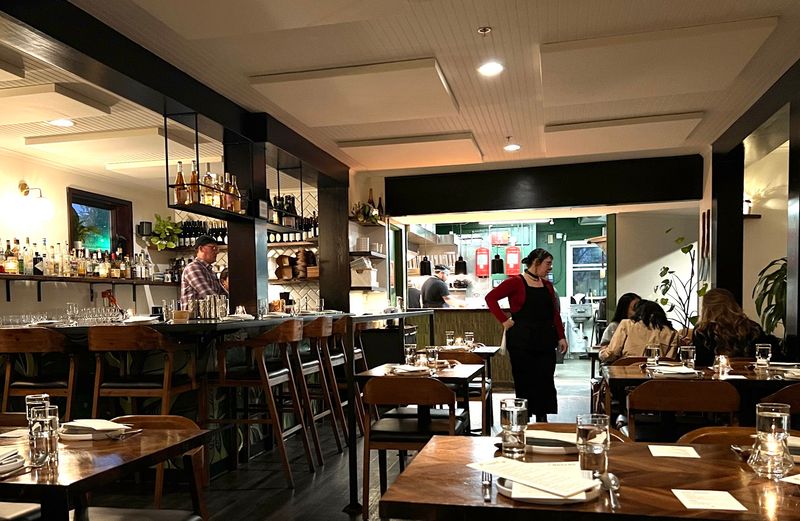
Musang is not trying to be the fanciest restaurant in Seattle. It is trying to be the most meaningful one, at least for a specific community and cuisine.
Chef Melissa Miranda opened the restaurant as a love letter to Filipinx cooking and culture, and the whole operation, from the food to the events it hosts, reflects that intention clearly. The dining room feels like someone’s home, in the best way.
The menu covers brunch and dinner, which gives you two windows to visit without needing back-to-back reservations. Dishes draw on Filipino home cooking traditions, featuring rice-forward plates, vinegar-based braises, and deeply savory preparations that reflect the breadth of the cuisine.
Nothing feels like a compromise.
Musang sits in the Beacon Hill neighborhood of Seattle and confirms active service through its official site. For travelers who want Filipino food that goes beyond the basics and carries genuine cultural weight, Musang is one of the strongest options currently operating in the Pacific Northwest.
Tatiana – New York City, New York
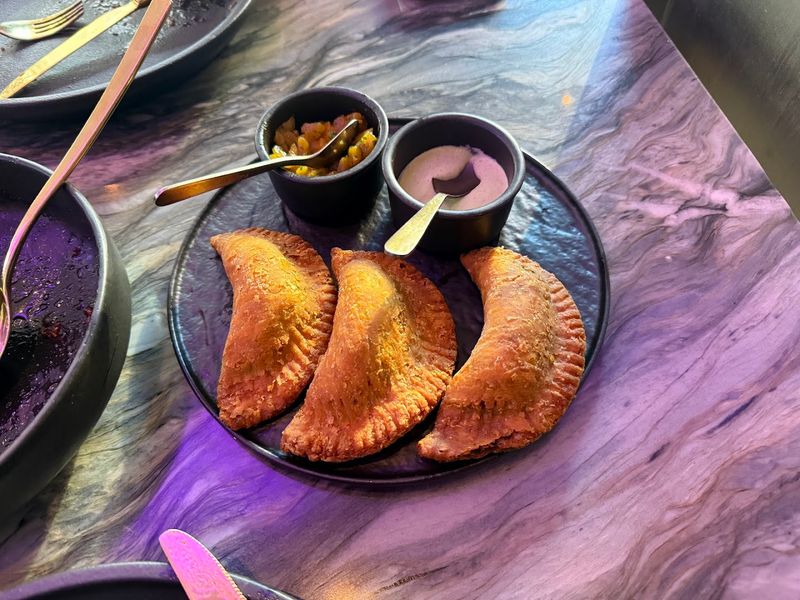
Chef Kwame Onwuachi has one of the most compelling personal stories in American food, and Tatiana is where that story tastes the best. Located at Lincoln Center, the restaurant draws on Afro-Caribbean and New York culinary traditions in a way that feels celebratory rather than academic.
The dishes are joyful, layered, and deeply rooted in the chef’s own background.
The menu features items like jerk lamb ribs, oxtail dumplings, and crab fat pasta that read like a greatest-hits album of a life spent between cultures. Michelin has recognized the restaurant, and Resy consistently shows it as one of the harder tables to land in the city.
That reputation is earned.
Tatiana operates dinner service at Lincoln Center, which means you can pair the meal with a performance for a full evening out. Reservations open up periodically, so checking Resy regularly is your best strategy.
Few restaurants in New York right now offer this combination of personal narrative, technical skill, and sheer fun on the plate.
Cabra – Chicago, Illinois
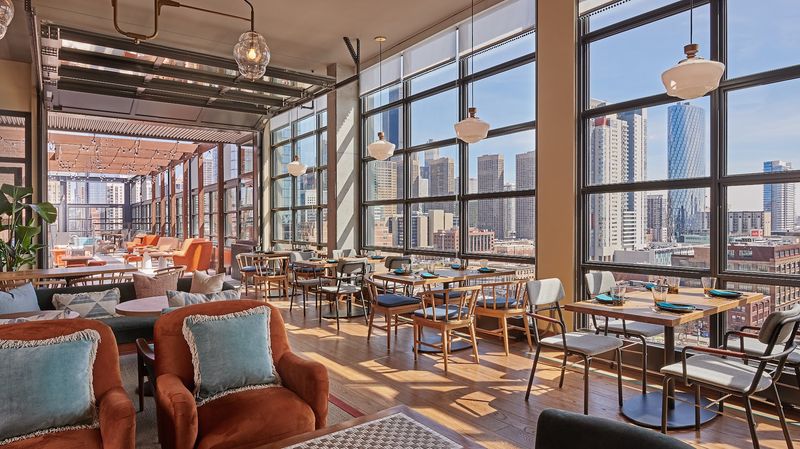
A rooftop Peruvian restaurant run by one of Chicago’s most celebrated chefs sounds like a concept someone pitched on a dare, but Stephanie Izard made it work spectacularly. Cabra sits on top of the Hoxton Hotel in the West Loop, giving you city views alongside a menu that pulls from Peruvian flavors with real confidence.
The ceviche has been talked about since day one.
Izard is best known for Girl and the Goat, but Cabra shows a different side of her cooking range. The menu features tiraditos, causa, and grilled proteins seasoned with aji amarillo and other Peruvian staples that feel at home in this setting.
The cocktail list leans into pisco, which pairs well with almost everything on the menu.
Cabra takes reservations through its official booking page and recent reviews confirm it is actively operating. The rooftop setting makes it a strong choice for a celebratory meal or a memorable dinner with visiting friends.
Either way, the food holds its own regardless of the view.
Delbar – Atlanta, Georgia
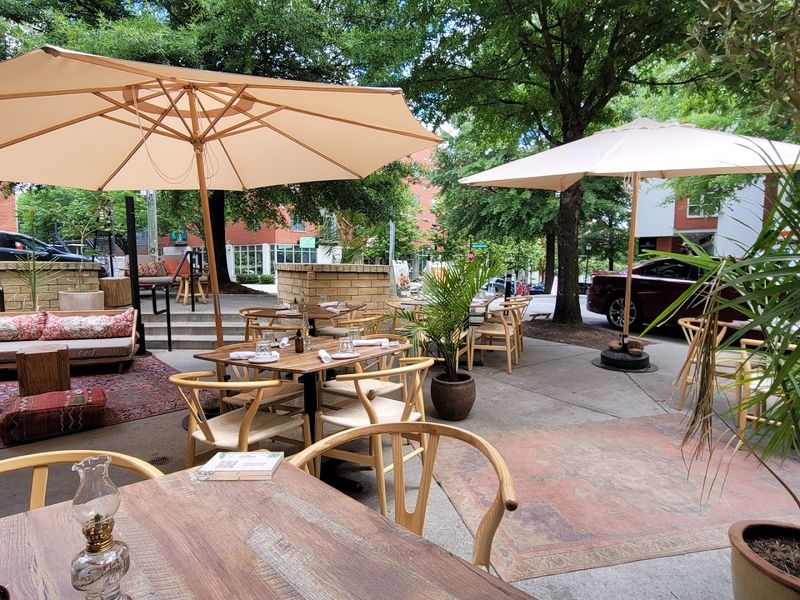
Persian food does not get nearly enough credit in the American restaurant landscape, and Delbar is quietly correcting that in Atlanta. Owner Fares Kargar describes the restaurant as a love letter to the dishes of his childhood, and the menu reflects that personal investment at every turn.
The food covers Persian classics alongside broader Middle Eastern preparations, all executed with care and consistency.
Dishes like ghormeh sabzi, tahdig, and various kebab preparations appear alongside less familiar options that reward adventurous ordering. The dining room is warm and richly decorated, making the meal feel like a full cultural experience rather than just dinner.
Michelin currently lists Delbar in its Atlanta guide, which is a solid endorsement for a city still building its fine-dining reputation.
Atlanta does not always make the top-ten food city lists, but restaurants like Delbar are changing that conversation. If your travels take you through Georgia, this is the kind of place that justifies a longer layover or an extra night in the city.
HaiSous Vietnamese Kitchen – Chicago, Illinois
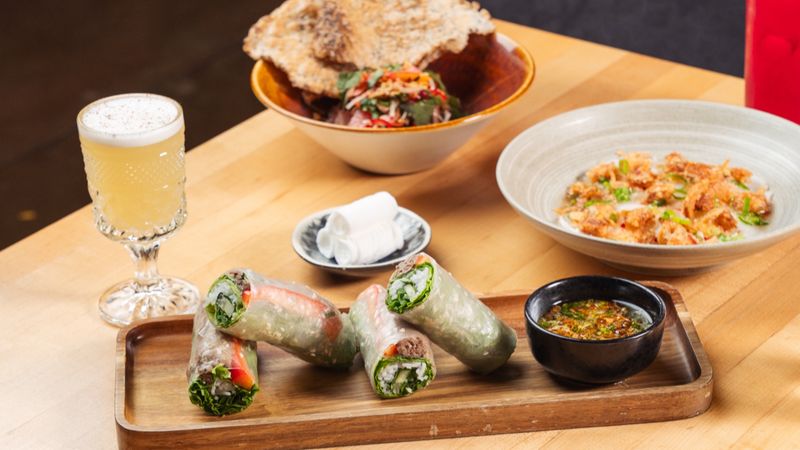
HaiSous sits in Pilsen, one of Chicago’s most culturally layered neighborhoods, and it fits right in. Chef Thai Dang built the restaurant around Vietnamese cooking that goes well beyond pho and spring rolls, exploring the full regional range of a cuisine that is far more complex than its American reputation suggests.
The Michelin Bib Gourmand designation confirms the quality without requiring you to spend a fortune.
The menu features dishes rooted in both Northern and Southern Vietnamese traditions, with house-made ingredients and careful sourcing that elevate familiar preparations. The cocktail and wine program is thoughtfully curated and pairs well with the food’s balance of brightness and depth.
The room itself feels intimate and unhurried.
HaiSous posts its current service hours on its official site and Michelin lists it as actively open. For Chicago visitors looking for a Vietnamese meal that respects the full scope of the cuisine, this is the clearest and most rewarding option in the city right now.
Worth every extra mile.
Xochi – Houston, Texas
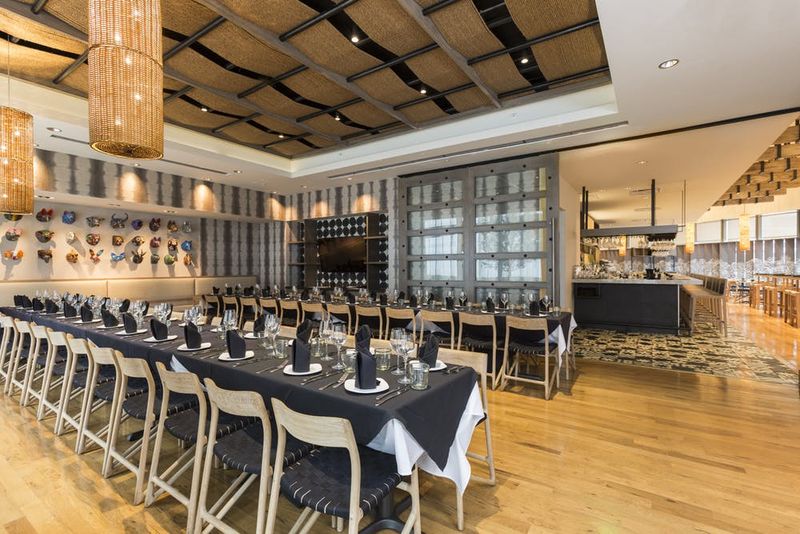
Houston already has one of the most diverse food scenes in the country, but Xochi still manages to stand out. Chef Hugo Ortega dedicated this downtown restaurant entirely to Oaxacan-inspired Mexican cuisine, a regional tradition famous for its complex moles, tlayudas, and mezcal culture.
Ortega grew up in Mexico and has spent decades cooking its food in Texas, and that depth of knowledge shows clearly on the menu.
The mole negro alone is worth the trip. Ortega’s version reportedly takes days to prepare and layers dozens of ingredients into something that tastes like it has been cooking forever.
The mezcal selection is extensive, making this a strong choice for spirits enthusiasts as well as food lovers.
Xochi operates in the Marriott Marquis downtown and posts current hours and reservation availability through local destination listings. Houston is often underrated as a food travel destination, but restaurants like this one make a compelling case that it belongs in the conversation with the country’s best eating cities.
Maydan – Washington, D.C.
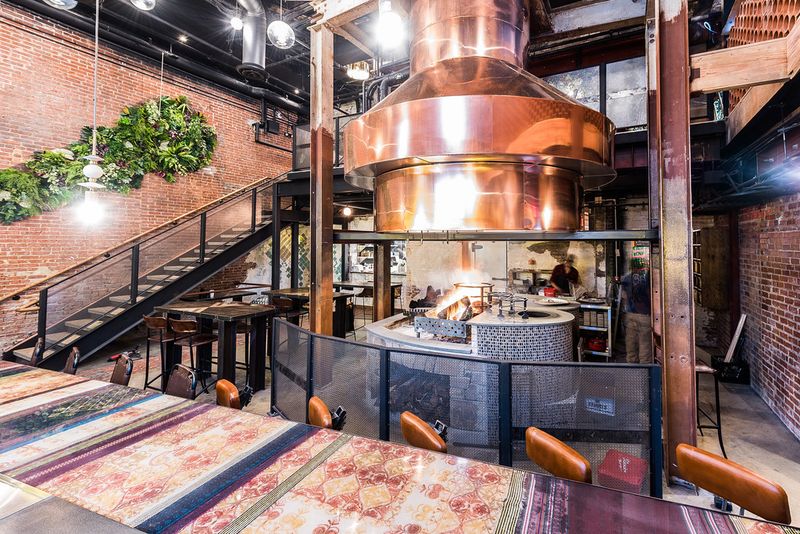
The centerpiece of Maydan is a massive wood-burning hearth that sits in the middle of the dining room, and everything on the menu answers to it. The restaurant draws cooking inspiration from the Middle East, North Africa, and the Caucasus, pulling together a menu that is diverse in origin but unified by fire.
It is one of the more dramatic dining rooms in Washington, D.C., and the food matches the spectacle.
Chef Gerald Addison and his team use the live-fire setup to produce dishes with a depth of char and smoke that other cooking methods simply cannot replicate. Whole roasted meats, flatbreads baked directly in the hearth, and dips served with house-made bread make sharing the table a genuine pleasure.
Michelin and current booking platforms confirm the restaurant is operating actively.
Maydan is located on 14th Street NW, a corridor packed with bars and restaurants that makes it easy to extend the evening well past dessert. Few restaurants in D.C. deliver this level of atmosphere and culinary range in a single sitting.
Share this story