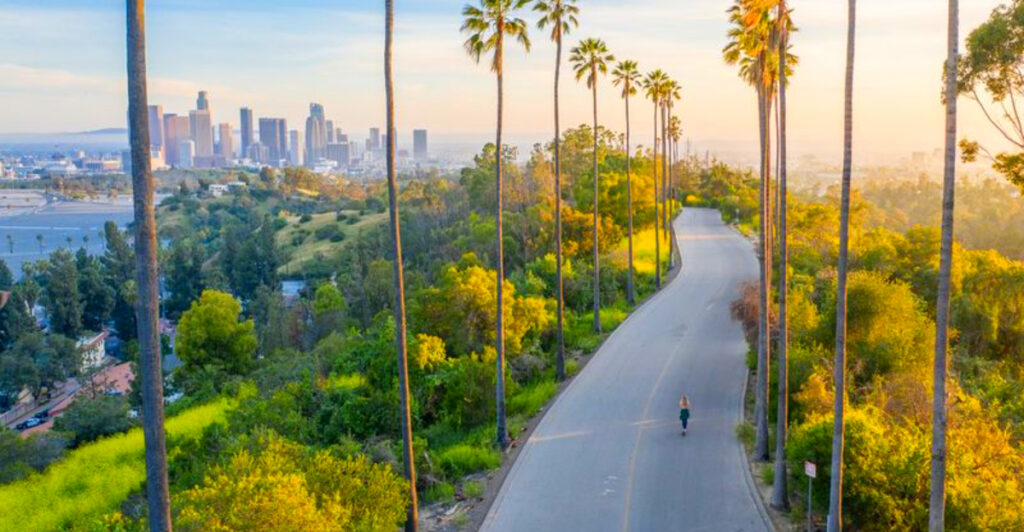
Most people accept bad weather as a fact of life, but a lucky few have figured out that some U.S. destinations barely know what a miserable winter feels like. No shoveling driveways, no sweating through a humidity wave that makes you question every life choice, and no hiding indoors for months at a time.
These 15 places enjoy mild temperatures, generous sunshine, and outdoor-friendly conditions throughout the year. Some sit along the Pacific coast, others bask in desert warmth, and a few surprise visitors with mountain-cooled comfort.
The variety is real, and so are the benefits of living or traveling in a place where the forecast almost never ruins your plans. Read on to find out which U.S. destinations have cracked the code on great weather, and which one might just convince you to start packing your bags.
1. San Diego, California
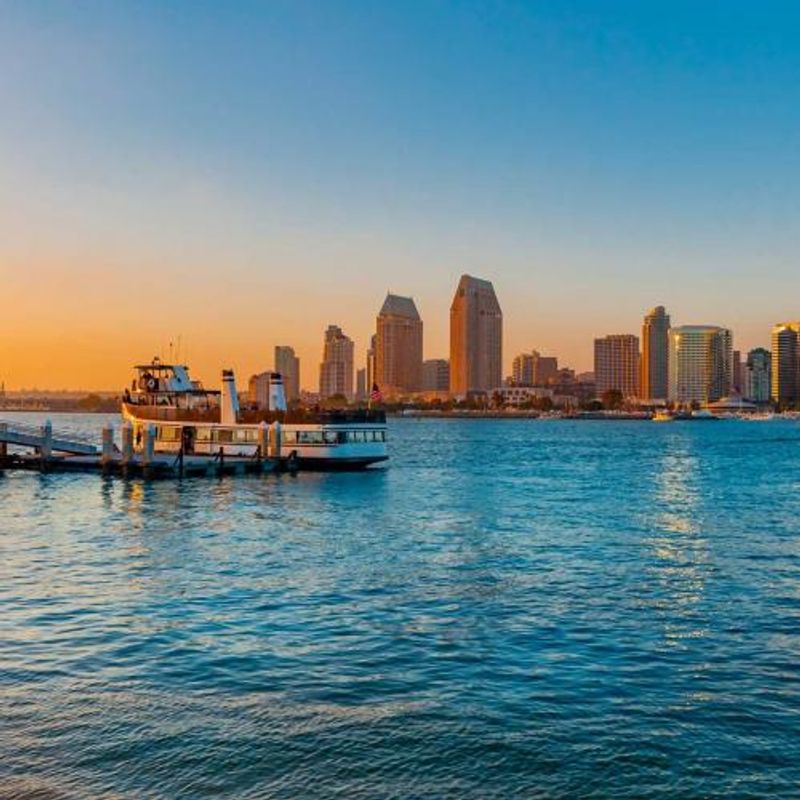
Few cities in the country can match San Diego’s record of consistent, crowd-pleasing weather. With 266 sunny days per year and temperatures that rarely stray outside the 65 to 77 degree range, the city has built an entire outdoor lifestyle around its reliable forecast.
Ocean breezes from the Pacific keep summer from getting oppressive, and winters are so mild that locals barely bother with a heavy jacket. The geography helps too, as the coastal location acts as a natural buffer against extreme heat and cold.
Surfers, hikers, and cyclists treat the calendar like an open invitation rather than a seasonal limitation. San Diego does not just have good weather occasionally.
It has good weather as a personality trait, and the city leans into it completely.
2. Honolulu, Hawaii
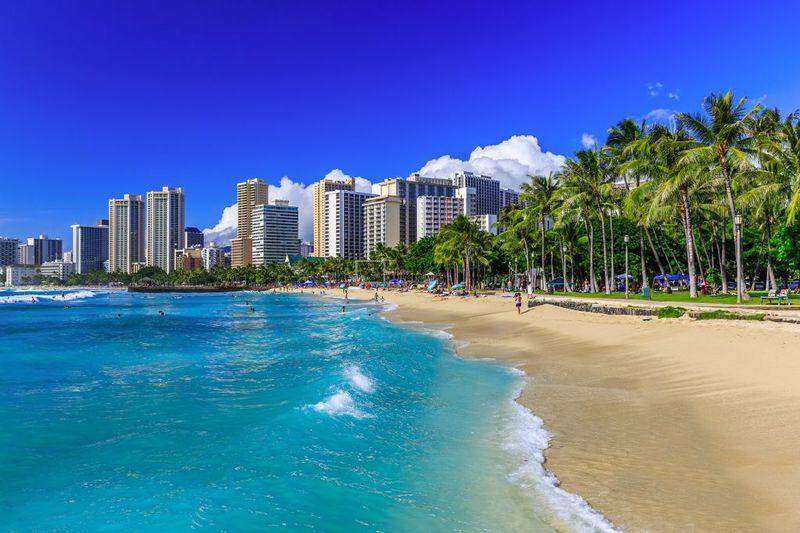
Trade winds are the unsung heroes of Honolulu’s legendary climate. While the city sits firmly in the tropics, those steady breezes keep average highs in the mid-80s from feeling unbearable, and lows rarely dip below the mid-60s even on the coolest nights.
Snow and freezing temperatures are essentially myths here. Visitors arrive in January wearing shorts and leave wondering why they ever agreed to live somewhere with a February.
The Pacific Ocean provides both a scenic backdrop and a natural temperature regulator, keeping conditions stable across all twelve months. Honolulu is not just warm.
It is consistently warm in a way that makes planning outdoor activities feel almost too easy.
Beaches, hiking trails, and open-air markets stay active year-round, making the city a practical choice for anyone who treats sunshine as a non-negotiable.
3. Santa Barbara, California
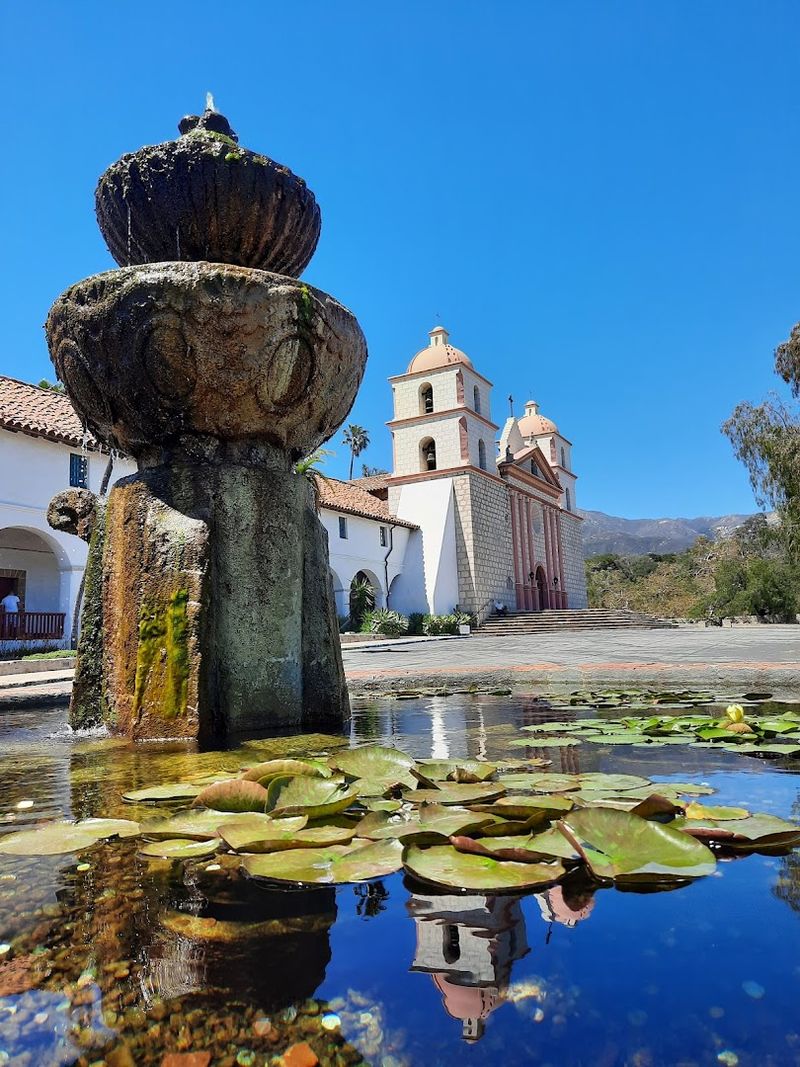
California has plenty of beach towns, but Santa Barbara plays in its own league when it comes to climate consistency. The surrounding mountains block harsh inland weather systems, leaving the city with a Mediterranean pattern that delivers warm days, cool evenings, and very little humidity.
Summer temperatures are comfortable rather than punishing, and winter rarely gets cold enough to slow anyone down. The city averages temperatures between 50 and 65 degrees in its coolest months, which most of the country would celebrate as a spring holiday.
Outdoor dining is not a seasonal novelty here. It is the standard operating procedure.
The nickname “American Riviera” was not invented by accident. Santa Barbara earned it through decades of reliable sunshine and a lifestyle built around being outside as much as possible.
4. Maui, Hawaii

Maui has a trick up its sleeve that most tropical destinations cannot match: geographic diversity within a single island. The western and southern shores stay drier and sunnier, while the lush interior and northern coastlines catch more rain, giving visitors the freedom to choose their own weather experience.
Average temperatures hover in the low to mid-80s throughout the year, and the ocean stays warm enough for swimming in every season. Even during the wetter months, showers tend to be brief and localized rather than day-long events.
Snorkeling, road trips to Haleakala, and beach lounging are year-round activities rather than summer-only events. For travelers who want tropical warmth without the anxiety of unpredictable weather swings, Maui delivers a remarkably stable and beautiful climate from January through December.
5. Scottsdale, Arizona
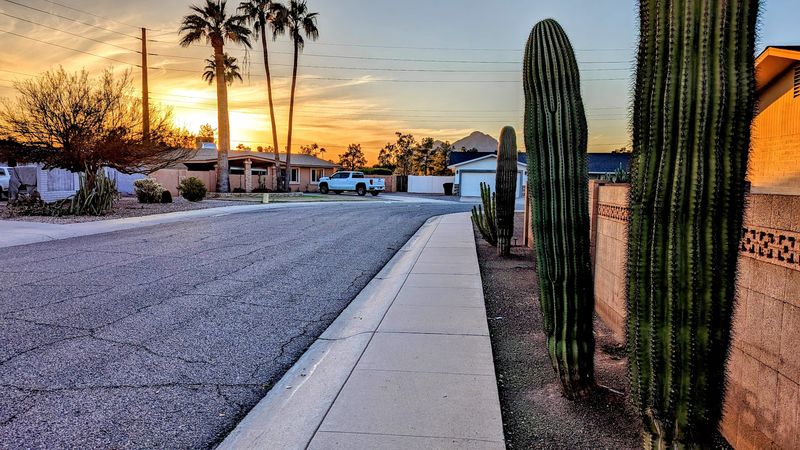
Over 300 sunny days per year is not a boast in Scottsdale. It is just a Tuesday.
The desert city thrives on its dry, sun-drenched climate, and the mild fall, winter, and spring months are genuinely ideal for outdoor activity of almost every kind.
Golf courses, hiking trails, and resort pools stay packed well into November and start filling again by February. Summer is the one honest caveat, as temperatures regularly push past 100 degrees.
However, low humidity makes the heat more manageable than coastal climates where 85 degrees can feel stifling.
Snowbirds have known about Scottsdale’s winter appeal for decades, and the city has built a hospitality industry that caters directly to visitors escaping colder climates. Annual average highs sit around 85 degrees, which tells you most of what you need to know.
6. Miami, Florida

Miami winters have a habit of making people from the Northeast rethink their entire housing situation. While Chicago and Boston are buried under snow, Miami sits comfortably in the 70s, with low humidity and clear skies that feel almost theatrical in their perfection.
The city’s tropical climate keeps temperatures warm throughout the year, with summer bringing more humidity and afternoon rain showers. Those showers are typically brief, and the rest of the day more than compensates.
Beaches, outdoor markets, and waterfront parks stay active in every month. Miami’s appeal has never been just about nightlife or architecture.
The weather is a genuine draw, and the numbers back it up. The city averages around 248 sunny days annually, which is well above the national average and a strong argument for keeping your flip-flops accessible year-round.
7. Charleston, South Carolina
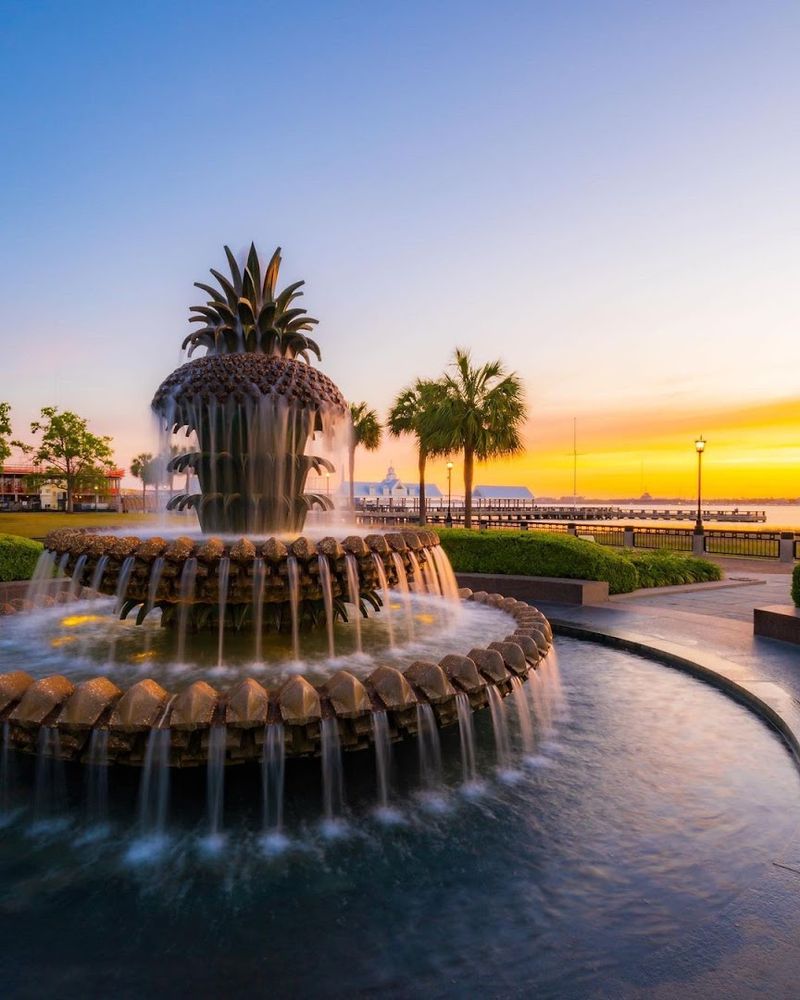
Charleston does not shout about its climate the way some Sun Belt cities do, but it probably should. The city enjoys four distinct seasons without any of them turning truly brutal, and its waterfront setting keeps temperatures from swinging to extremes in either direction.
Spring and fall are particularly beautiful, with warm days and comfortable evenings that make outdoor dining and walking tours genuinely enjoyable. Winters stay mild enough that a light jacket usually handles the job.
Summers are warm and can bring humidity, but the city’s coastal breezes and shaded historic streets help offset that. Rainfall is moderate and spread fairly evenly across the year.
Charleston’s climate is not flashy, but it is remarkably livable, and that consistent comfort is exactly why so many visitors end up seriously considering a permanent move.
8. Key West, Florida
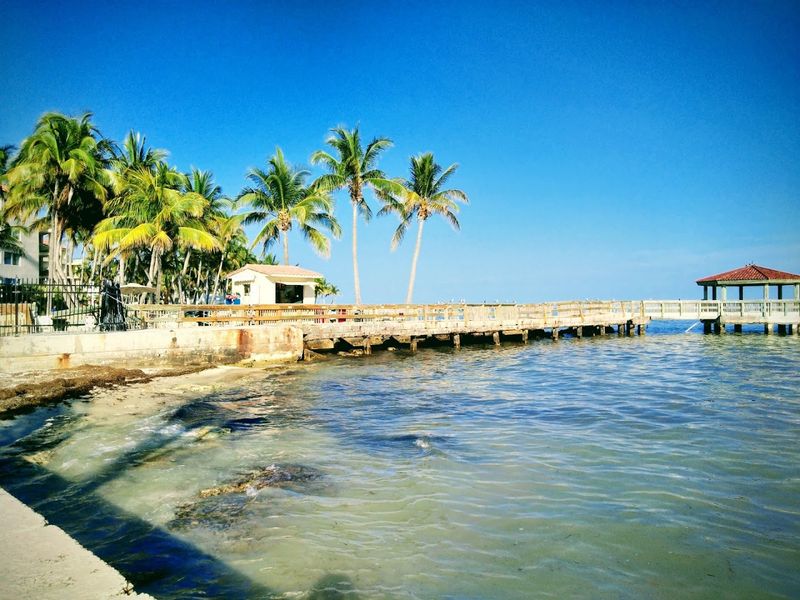
The southernmost city in the continental U.S. takes its tropical identity seriously. Key West records an average high of 86 degrees and an average low of 70 degrees, and temperatures have never dropped below 41 degrees in recorded history.
That is a remarkable climate resume.
Trade winds keep the summer heat from becoming overwhelming, and the island’s small size means ocean air reaches every corner of the city. Rain does pass through, particularly in the warmer months, but Key West gets far fewer hurricanes than most of Florida’s coastline.
The outdoor lifestyle here is not optional. It is the whole point.
Fishing charters, sunset cruises, waterfront restaurants, and open-air bars operate throughout the year. Key West treats every month like peak season, and with weather like this, it is hard to argue with that logic.
9. Ventura, California
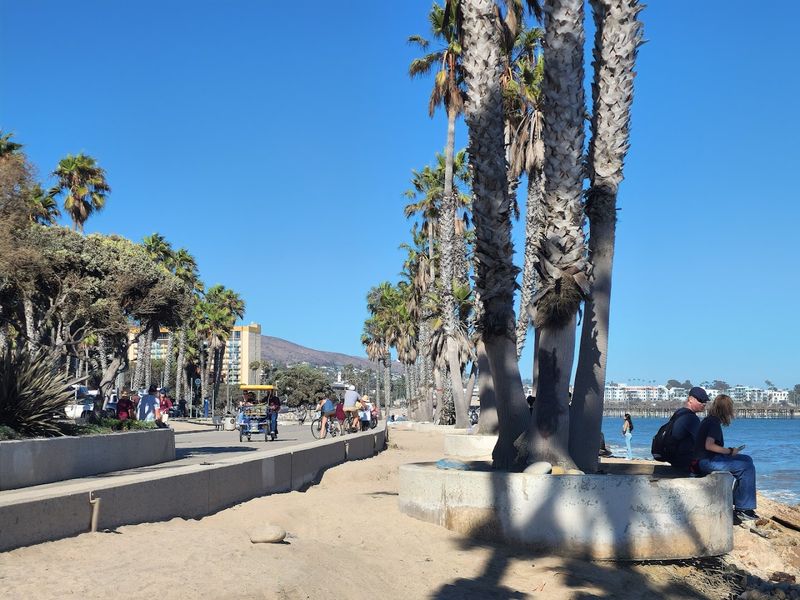
Ventura quietly wins the California coastal weather contest that nobody officially runs. Tucked between Los Angeles and Santa Barbara, this laid-back beach city benefits from a microclimate that keeps temperatures remarkably stable, with highs in the mid-60s to low 70s for most of the year.
Crowds are thinner than in bigger neighboring cities, but the sunshine and ocean breezes are just as reliable. The Channel Islands sit just offshore, providing a natural windbreak that keeps conditions along the coast especially pleasant.
Hiking in the nearby mountains, surfing at Surfer’s Point, and cycling along the beachfront promenade are activities that locals enjoy in January with the same ease as in July. Ventura does not make many national weather rankings, but residents seem perfectly happy keeping this mild-mannered coastal gem to themselves.
10. St. Petersburg, Florida
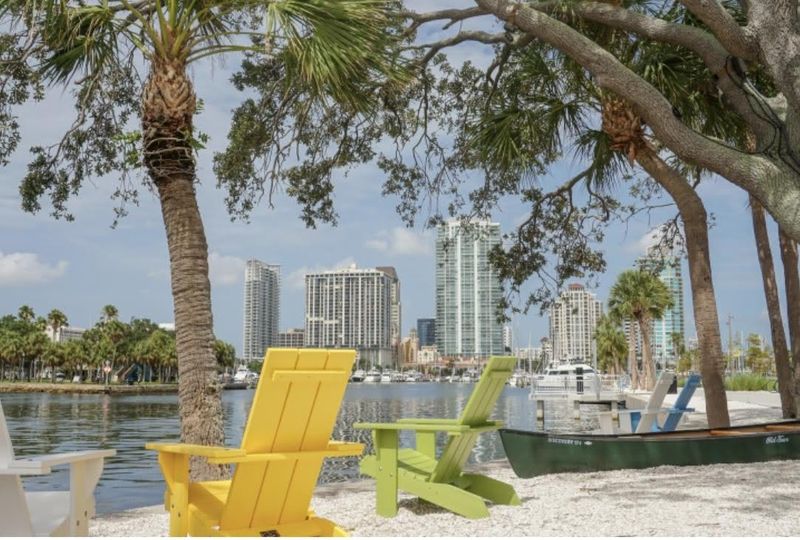
“The Sunshine City” is not a nickname St. Petersburg picked at random. The city holds a Guinness World Record for consecutive days of sunshine, and its annual tally of sunny days is one of the highest in the entire country.
Gulf Coast temperatures stay warm throughout the year, with winters averaging around 70 degrees and summers in the upper 80s. The Gulf of Mexico provides calm, warm water that makes beach days comfortable well into autumn and sometimes beyond.
Downtown St. Petersburg has grown into a vibrant outdoor destination with waterfront parks, open-air markets, and a thriving arts district that benefits directly from the city’s reliable weather. Boating, paddleboarding, and fishing remain popular activities in every season.
The sunshine is not just a selling point here. It is a way of life that shapes how the entire city operates.
11. Palm Springs, California
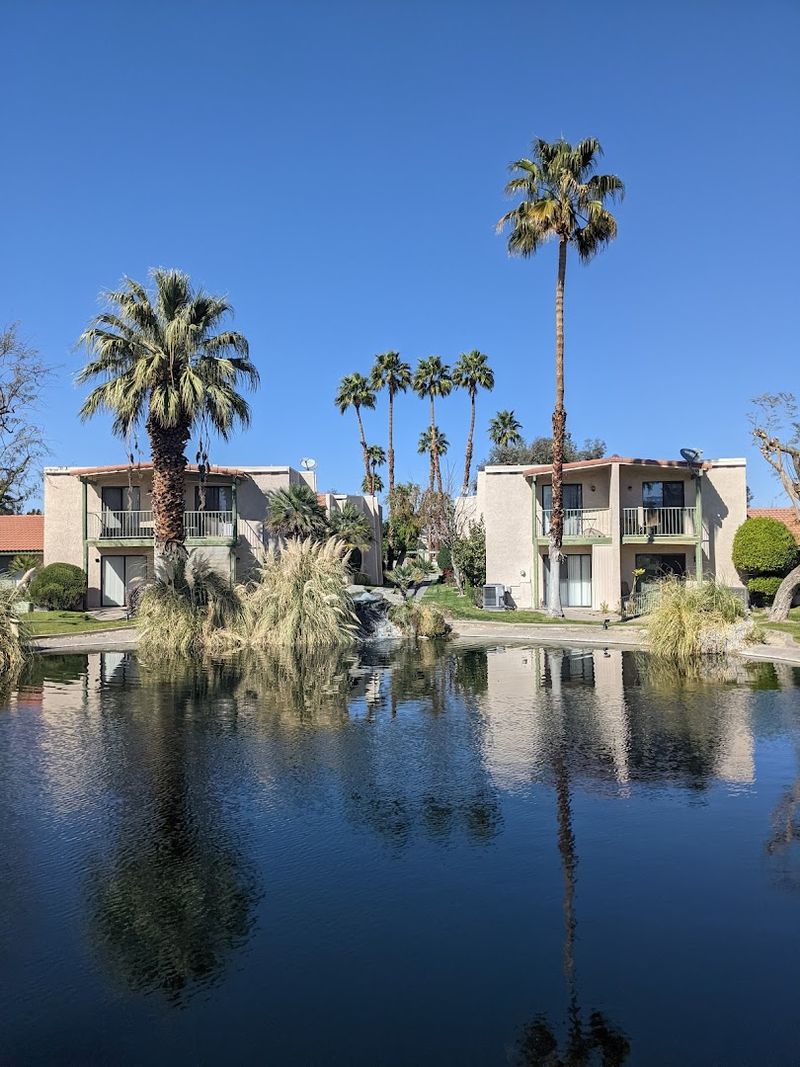
Palm Springs has turned its desert climate into a full personality. The city averages around 354 sunny days per year, which leaves very little room for disappointment on the weather front.
Winters are the headline attraction, with clear skies and daytime temperatures that comfortably sit in the 70s.
Summer brings intense heat, with July averages pushing past 107 degrees. However, the city is completely honest about this and has built a resort culture designed around staying poolside when the temperature climbs.
The surrounding San Jacinto Mountains frame the valley dramatically and contribute to the dry air that defines the Palm Springs experience. Fall and spring are arguably the best seasons, with warm days and cool nights creating conditions that outdoor enthusiasts and architecture fans both appreciate equally.
The city’s mid-century modern aesthetic pairs well with year-round sunshine.
12. Savannah, Georgia
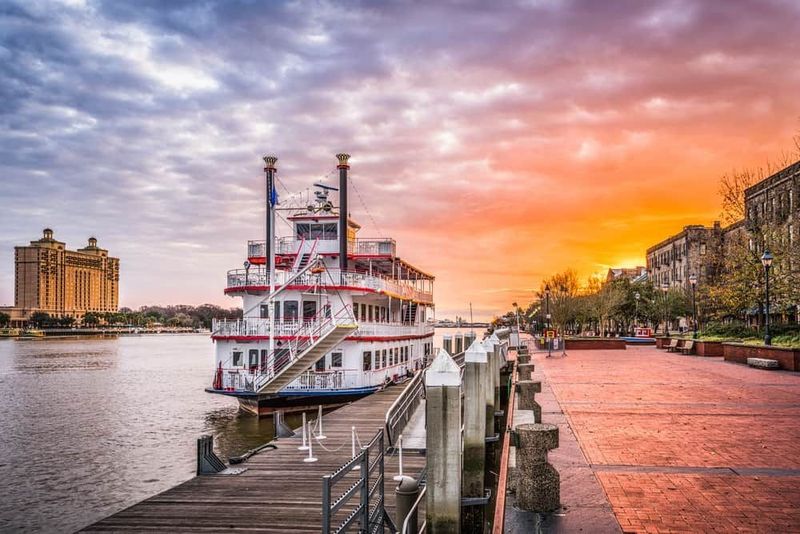
Savannah’s Spanish moss and cobblestone streets look good in every season, and the city’s climate cooperates with that aesthetic more than most places would dare hope. Mild winters, long springs, and warm summers keep the outdoor spaces active and the tourism calendar full.
January averages around 60 degrees during the day, which puts Savannah well ahead of most Southern cities in terms of winter liveability. Summer brings warmth and some humidity, but the city’s tree-lined squares provide natural shade that makes afternoon walks genuinely manageable.
Rainfall is moderate and fairly evenly distributed across the year, meaning prolonged dry spells are rare and so are weeks of nonstop rain. Savannah’s historic district, waterfront, and park squares are all designed for outdoor enjoyment, and the climate supports that design philosophy with admirable consistency throughout all four seasons.
13. Los Angeles, California
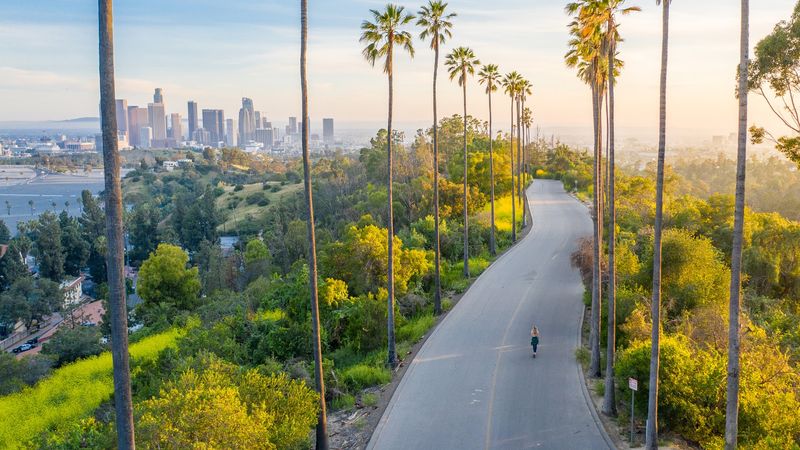
Los Angeles averages between 250 and 290 sunny days per year, and the city has built an entire cultural identity around that number. The Mediterranean climate keeps average highs around 72 degrees and lows around 57, creating conditions that support outdoor activity almost every single day.
Winters are mild enough that beach days in December are not unusual, and summers stay below 85 degrees along the coast even when inland valleys push higher. The sheer size of the city means microclimates vary significantly by neighborhood, with coastal areas staying cooler than the San Fernando Valley.
Hiking in Griffith Park, cycling along the beach path, and outdoor dining in every neighborhood are year-round activities rather than seasonal novelties. Los Angeles did not become the most visited city in California by accident.
The weather is a core part of its appeal.
14. Puerto Rico

Puerto Rico operates on a different weather calendar than most of the continental United States. Average temperatures sit in the low to mid-80s throughout the year, and the island sees very little variation between its warmest and coolest months.
The northeast trade winds provide consistent airflow that keeps coastal areas comfortable even during the hottest parts of the year. The island’s diverse geography means rainforest conditions in El Yunque can exist just an hour’s drive from dry, sunny beaches on the southwest coast.
Travelers who visit in January find the same warm swimming conditions they would enjoy in August. The tourism infrastructure is well developed, with beaches, historic sites in Old San Juan, and outdoor adventure activities available throughout the entire year.
As a U.S. territory, Puerto Rico requires no passport for American citizens, which makes its tropical climate remarkably accessible.
15. Asheville, North Carolina
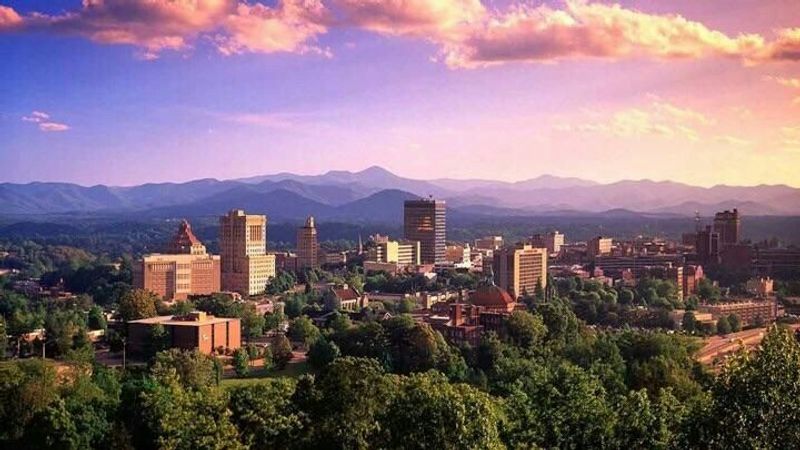
Asheville proves that great year-round weather does not have to mean relentless heat. Perched in the Blue Ridge Mountains at around 2,134 feet above sea level, the city enjoys a temperate climate that takes the edge off summer without turning winter into an endurance test.
Summer highs hover around 82 degrees, which is genuinely refreshing compared to the scorching temperatures found at lower elevations across the South. Winters are cool and occasionally snowy, but rarely severe enough to shut the city down for extended periods.
Spring brings early blooms to the surrounding mountains, and fall delivers some of the most dramatic foliage in the eastern United States. Outdoor recreation, from hiking the Appalachian Trail to cycling on the Blue Ridge Parkway, stays accessible across most of the year.
Asheville offers four real seasons without any of them overstaying their welcome.
Share this story