Denver sits at exactly 5,280 feet above sea level, and the city has a personality just as elevated as its altitude. Sandwiched between a buzzing urban core and the dramatic backdrop of the Rocky Mountains, it pulls off a rare trick: being a world-class city that never takes itself too seriously.
You can spend a morning at a world-renowned art museum, grab lunch in a neighborhood covered wall-to-wall in murals, and end your afternoon staring at snowcapped peaks from a park bench. First-time visitors often arrive expecting a mid-size western city and leave completely surprised by how much there is to do, see, and explore.
This guide covers 13 experiences that capture the real spirit of Denver, from historic landmarks and outdoor escapes to creative districts and cultural institutions. Whether you have two days or a full week, these stops will make sure your first visit to the Mile High City is one worth remembering.
1. Explore Union Station
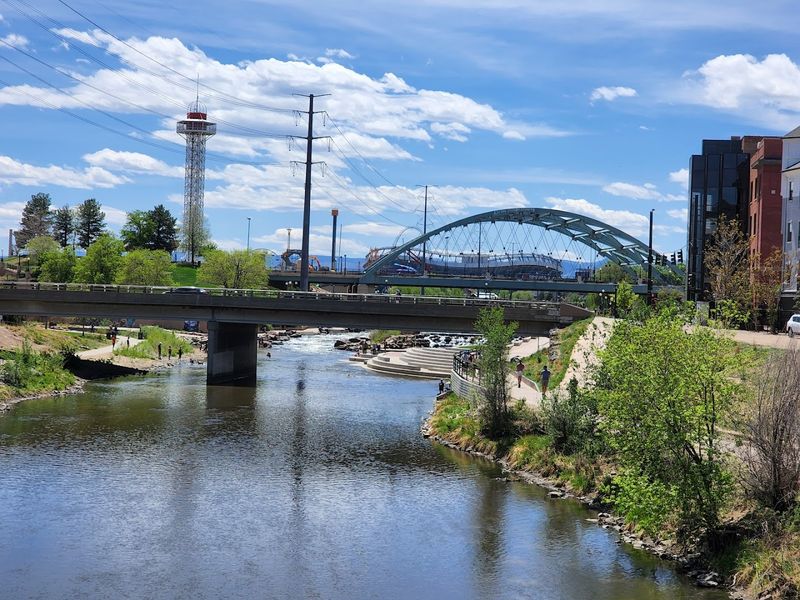
Denver Union Station is the kind of place that makes you forget you were originally just looking for a coffee shop. Built in 1881 and fully restored in 2014, this landmark anchors the Lower Downtown neighborhood with a mix of history and modern energy that few buildings in the city can match.
The main hall, known as the Great Hall, is lined with long wooden tables, lounge chairs, and a full-service bar at the center. Restaurants, specialty coffee counters, and a boutique hotel occupy the surrounding spaces, so there is genuinely no reason to rush out.
On weekends, the outdoor plaza fills with food trucks, local vendors, and families. The station also connects to the city’s light rail and commuter rail lines, making it a practical starting point for exploring Denver’s neighborhoods.
Even if you never board a train, Union Station earns its spot on the itinerary.
2. Visit Red Rocks Amphitheatre
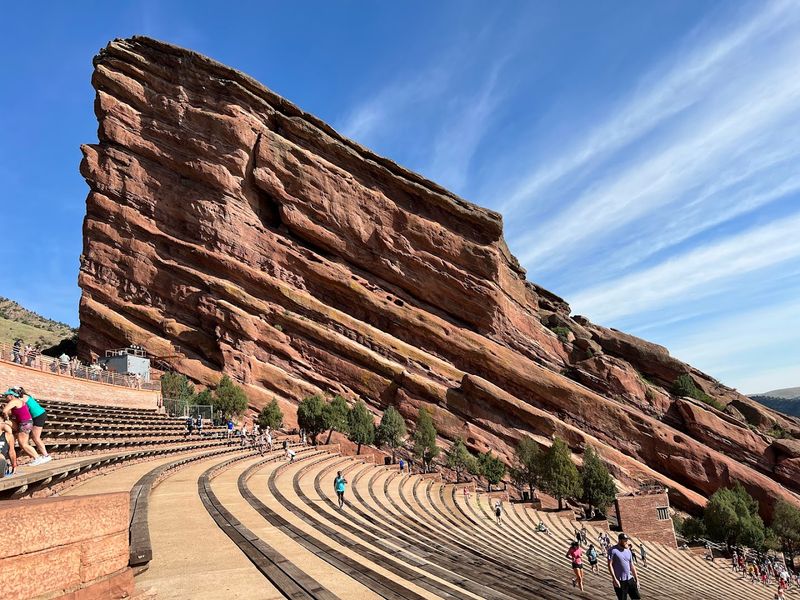
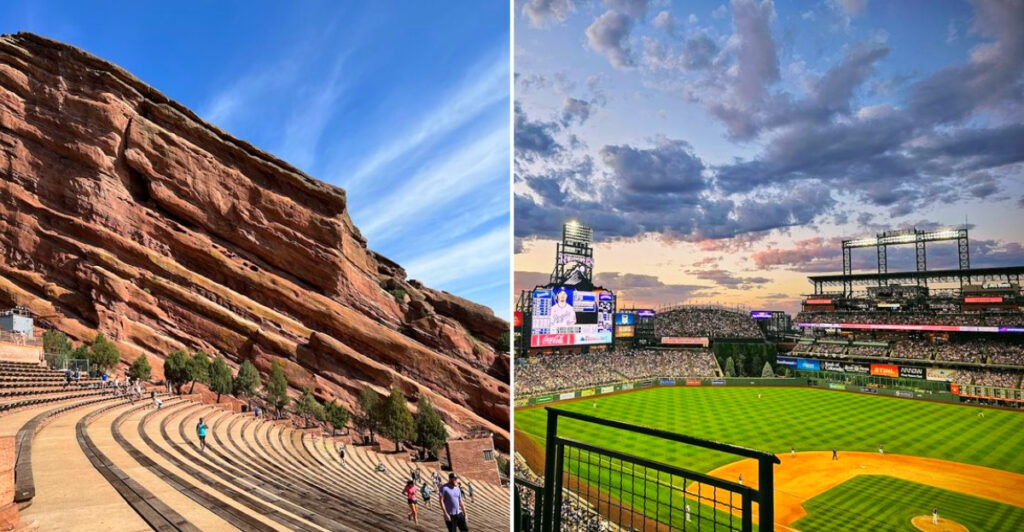
About 15 miles west of downtown Denver, two 300-foot red sandstone monoliths frame one of the most famous outdoor venues on the planet. Red Rocks Amphitheatre has hosted everyone from The Beatles to Radiohead, and its natural stone seating area holds nearly 10,000 people with unobstructed views of both the stage and the Front Range mountains beyond.
Concert season typically runs from May through October, but the park itself is open year-round. Hikers and fitness enthusiasts regularly climb the venue’s steps as a workout, and the surrounding trails offer excellent walks through the unique geological landscape.
The onsite Colorado Music Hall of Fame museum is free to enter and documents the venue’s remarkable concert history through photos, memorabilia, and interactive displays. Even on a quiet Tuesday with no event scheduled, Red Rocks delivers a visual experience that feels genuinely hard to believe until you are standing in it.
3. Walk Around Larimer Square
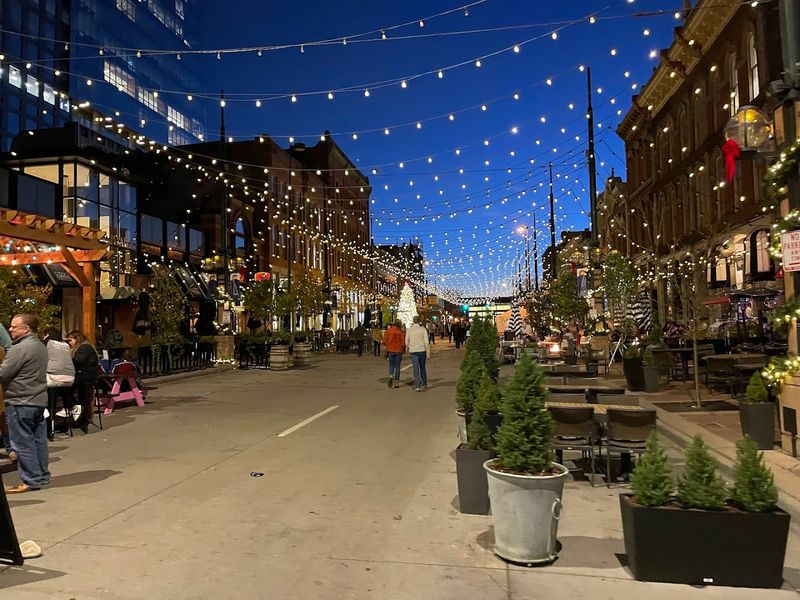
Denver’s oldest city block has been around since 1858, and Larimer Square has spent the years since figuring out exactly how to make the most of its historic bones. The one-block stretch on Larimer Street between 14th and 15th avenues is lined with beautifully preserved Victorian-era brick buildings that now house upscale restaurants, cocktail lounges, and independent boutiques.
String lights crisscross above the street, giving the block a distinctive look that works just as well during a sunny afternoon lunch as it does during a Friday night out. The restaurants here represent some of Denver’s most respected dining, with menus ranging from elevated American cuisine to international flavors.
Larimer Square also hosts seasonal events throughout the year, including outdoor markets and holiday celebrations. It sits just a short walk from Union Station, making the two an easy pairing for a downtown afternoon.
Parking is available in nearby garages, and the area is very walkable.
4. Tour the Denver Art Museum
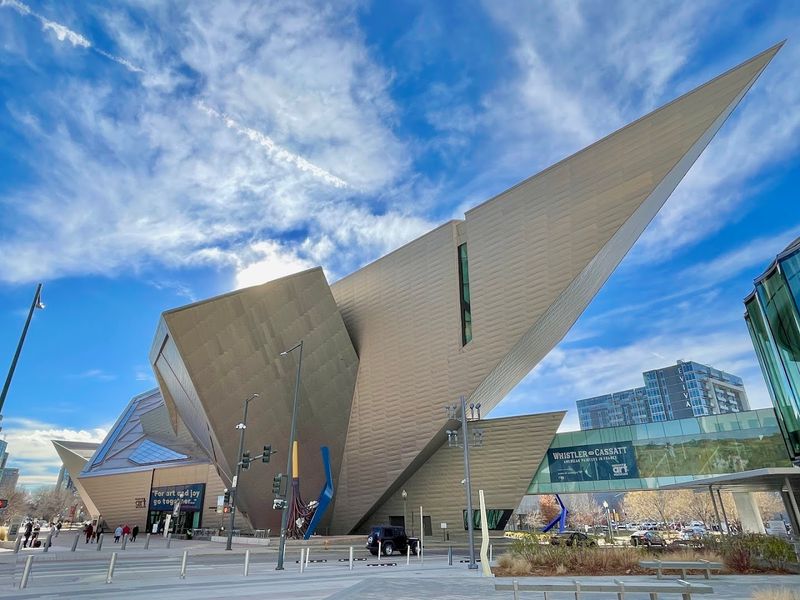
The building alone is worth the trip. Designed by architect Daniel Libeskind, the Denver Art Museum’s Frederic C.
Hamilton Building is a jagged, titanium-clad structure that looks like it landed from somewhere far more dramatic than Colorado. It opened in 2006 and immediately became one of the most talked-about pieces of architecture in the American West.
Inside, the collection spans more than 70,000 works across multiple floors and wings. The Native American art collection is one of the largest and most respected in the country.
Other highlights include European paintings, pre-Columbian art, modern and contemporary works, and a strong collection of American Western art.
The museum offers free admission on certain days throughout the year, so it is worth checking the schedule before you visit. Interactive exhibits are scattered throughout, making it accessible and engaging for visitors of all ages.
Plan for at least two to three hours to cover the major collections without rushing.
5. Catch the Views at City Park
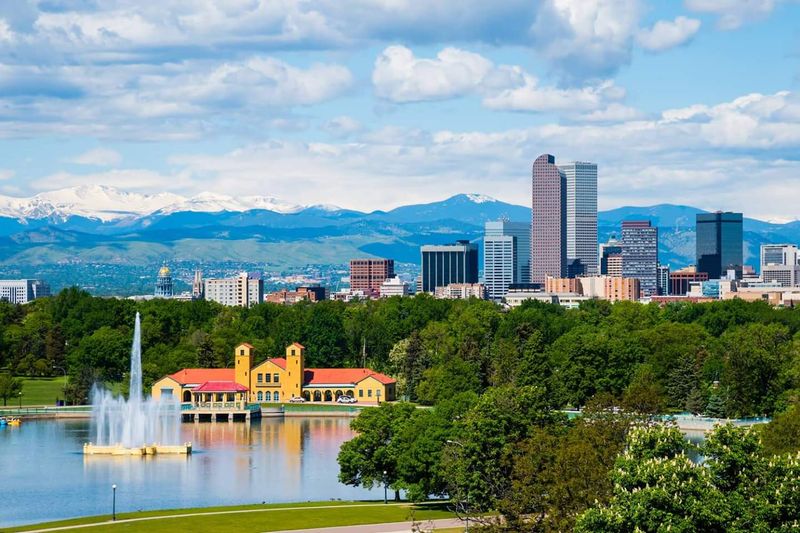
City Park covers 330 acres in central Denver and delivers one of the most photogenic views in the entire state. From the west side of Ferril Lake, you get an unobstructed panorama of the downtown skyline with the Rocky Mountains rising directly behind it, a combination that photographers and casual visitors alike find hard to stop staring at.
The park includes two lakes, walking and biking paths, open lawns, and a boathouse. It is a favorite spot for weekend picnics, morning jogs, and family outings.
On clear days, which Denver gets roughly 300 of per year, the mountain backdrop looks almost too perfect to be real.
Both the Denver Zoo and the Denver Museum of Nature and Science are located within the park’s boundaries, so you can combine a relaxed outdoor morning with a full museum visit in the afternoon. Free parking is available along the park’s perimeter streets, and the area is well-served by public transit.
6. Stroll Through the RiNo Art District
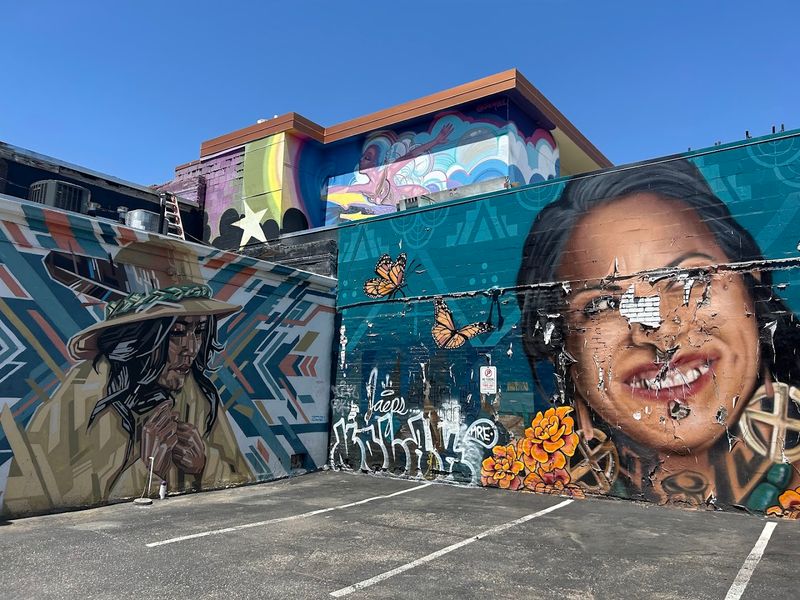
A decade ago, the River North neighborhood was a collection of warehouses and light industrial buildings with little foot traffic. Today, RiNo is one of the most visually striking urban districts in the country, where nearly every available wall has been transformed into a large-scale mural by artists from Denver and around the world.
The art is not confined to galleries. It covers building exteriors, alley walls, parking structures, and loading dock doors, turning an ordinary walk down Brighton Boulevard or Larimer Street into something closer to an outdoor museum visit.
New murals appear regularly, so the neighborhood looks slightly different every time you visit.
Beyond the street art, RiNo is packed with independent coffee shops, food halls, creative restaurants, and live music venues. The Source Hotel and Market Hall is a popular destination within the district, featuring a variety of food vendors under one roof.
Weekend mornings are a great time to explore before the crowds build up.
7. Experience the Denver Botanic Gardens
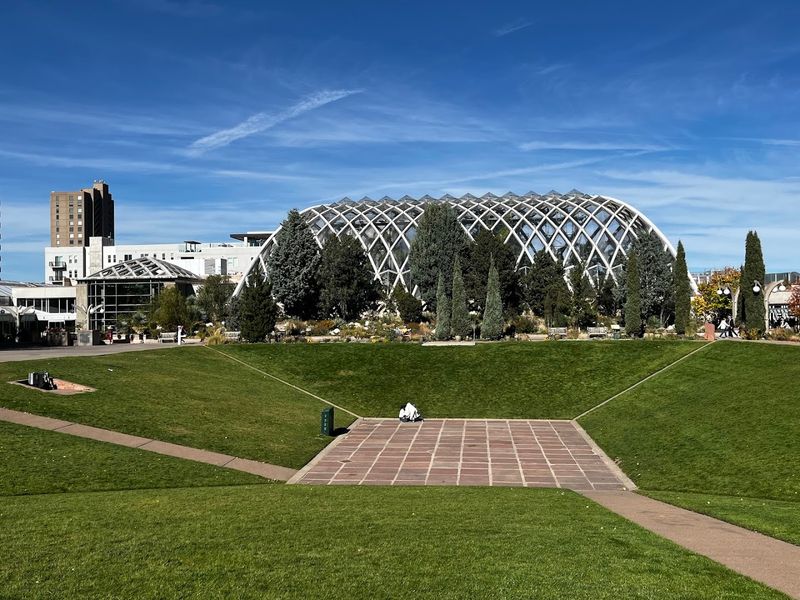
Tucked into the Capitol Hill neighborhood just east of downtown, the Denver Botanic Gardens pack a remarkable amount of variety into 23 acres. The gardens contain more than 45,000 plants representing species from every major climate zone, organized into themed sections that include a Japanese garden, a water garden, a rock alpine garden, and a tropical conservatory.
The layout is designed for leisurely exploration rather than a quick loop. Winding paths connect different garden sections, and benches are placed throughout so visitors can stop and take in the plantings without feeling rushed.
Seasonal displays change throughout the year, which gives repeat visitors a reason to come back in different months.
The gardens also host a popular summer concert series on the grounds, with performances ranging from jazz to folk to world music. Admission is required, and timed entry tickets are recommended during peak season.
The gardens are open daily, and a small cafe on the grounds handles lunch and light refreshments.
8. Visit the Colorado State Capitol
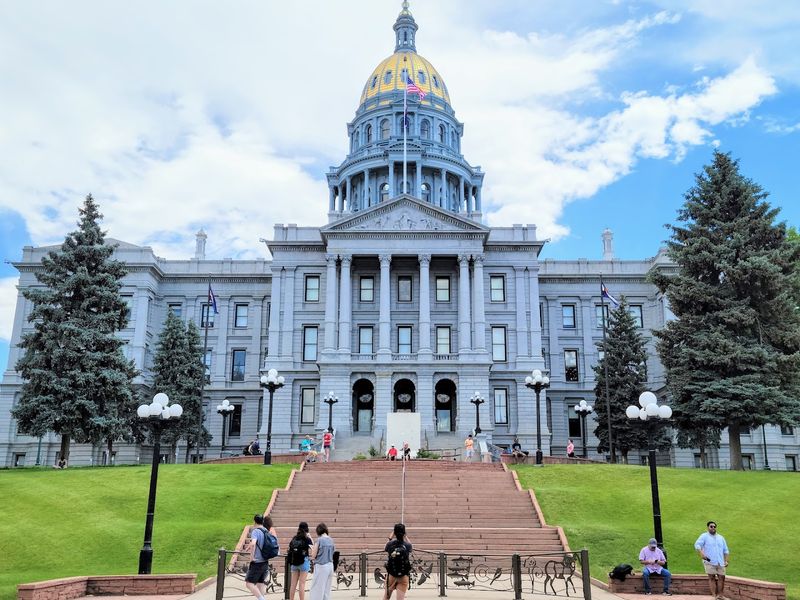
The gold dome of the Colorado State Capitol is one of the most recognizable shapes on the Denver skyline, and it earns that status for good reason. The dome is covered in 200 ounces of real gold leaf, a tribute to Colorado’s Gold Rush history, and it catches sunlight in a way that makes the building visible from miles away across the flat Front Range landscape.
Free guided tours of the interior are available on weekdays and take visitors through the ornate chambers, rotunda, and historical exhibits. The building’s interior features rare Colorado Rose Onyx marble, a material so scarce that the capitol used the entire known world supply during its construction in the 1890s.
The 13th step on the west entrance staircase is marked as exactly one mile above sea level, making it a popular photo spot for first-time visitors. From the dome’s observation area, the view of the mountains and the city grid below is genuinely impressive and completely free to access during tour hours.
9. Sample Denver’s Craft Beer Scene
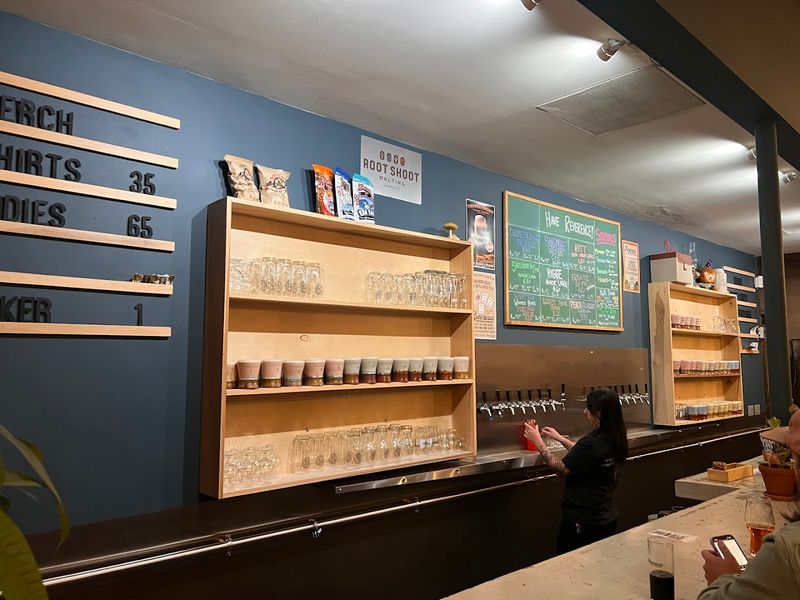
Denver has more craft breweries per capita than almost any other major city in the United States, and the locals treat this fact as a civic point of pride. The city’s brewing culture dates back to the 1800s, but the modern craft movement has turned neighborhoods like RiNo, Highland, and Baker into dense clusters of independent taprooms, each with its own identity and specialty lineup.
Great Divide Brewing, one of Denver’s most decorated breweries, operates a taproom in RiNo and offers tours of its production facility. Breckenridge Brewery’s Denver location, Ratio Beerworks, and Odell Brewing’s Denver taproom are other well-regarded stops that regulars recommend to first-time visitors.
A self-guided brewery crawl is one of the most popular ways to spend an afternoon in Denver. Many taprooms are within walking distance of each other in certain neighborhoods, making it easy to visit several in a single outing.
Most breweries also serve food or have food trucks parked outside on busy weekends.
10. Explore the Denver Museum of Nature & Science
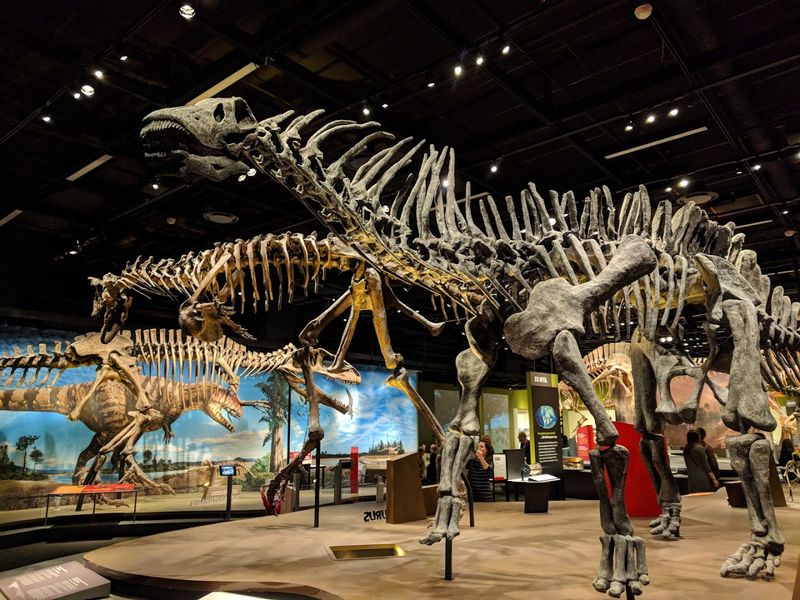
Few museums in the Rocky Mountain region can match the sheer scope of what the Denver Museum of Nature and Science puts on display. The building alone is massive, occupying a prime spot on the eastern edge of City Park, and the collection inside spans dinosaur paleontology, space science, ancient Egypt, gems and minerals, and North American wildlife.
The dinosaur hall features multiple full skeletons including a Triceratops and a Stegosaurus, both of which were discovered in Colorado. The museum’s gem and mineral collection is one of the finest in the country, with specimens that make even visitors who claim no interest in rocks stop and stare.
The facility also includes an IMAX theater and a digital planetarium, both of which require separate tickets but are well worth adding to the visit. Free admission days are offered several times per year, and advance online ticket purchase is strongly recommended during summer months and school holidays.
11. Shop and Dine on 16th Street Mall
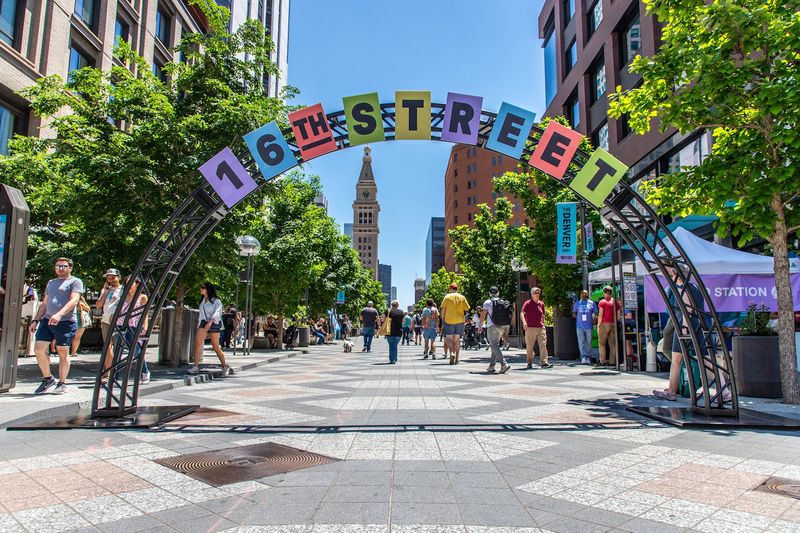
Running for exactly one mile through the heart of downtown Denver, the 16th Street Mall is the city’s main pedestrian corridor and one of its most democratic public spaces. Designed by architect I.M.
Pei and opened in 1982, the mall features a distinctive granite and marble paving pattern that runs its entire length, flanked by trees, benches, and a mix of retail and dining options.
A free shuttle bus runs the full length of the mall from early morning until late at night, making it easy to cover the whole stretch without walking. National retailers sit alongside local restaurants, street vendors, and entertainment spots, giving the mall a lively mix that appeals to shoppers and people-watchers equally.
The 16th Street Mall connects several of Denver’s most important neighborhoods, including LoDo, the Auraria campus area, and Civic Center. It serves as a practical navigation tool for first-time visitors trying to get their bearings in downtown.
Weekend afternoons bring out performers, food carts, and a noticeably larger crowd.
12. Take a Day Trip to the Rocky Mountains
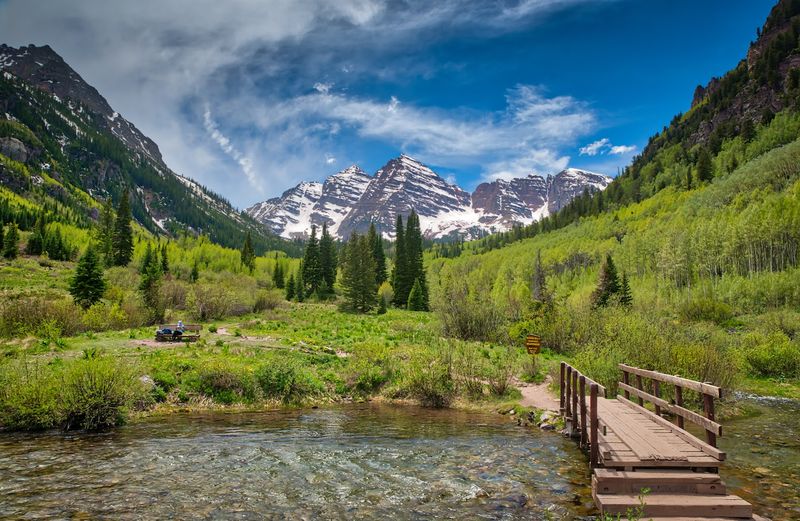
Denver’s location at the base of the Rockies is one of its most practical advantages as a travel destination. Within 45 minutes of downtown, you can reach mountain towns like Evergreen and Idaho Springs.
Within 90 minutes, you can be in Breckenridge, Vail, or Rocky Mountain National Park, all of which offer dramatically different scenery and activities depending on the season.
Rocky Mountain National Park is the most visited destination for day-trippers, with more than 300 miles of hiking trails ranging from flat lakeside walks to challenging summit routes. Trail Ridge Road, the park’s main scenic drive, reaches an elevation of 12,183 feet and is open from late May through October depending on snowfall.
Idaho Springs is a popular shorter option, sitting about 35 miles west of Denver along I-70. The historic mining town has good restaurants, a hot springs facility, and easy access to hiking trails.
Driving the scenic byways west of Denver is an experience that no amount of city exploration can fully replace.
13. Watch a Game at Coors Field
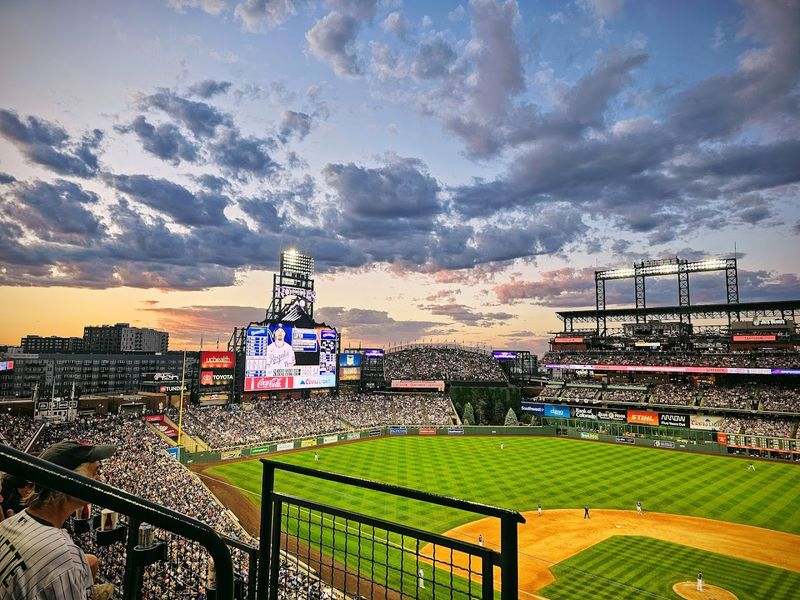
Coors Field opened in 1995 and immediately set a new standard for what a baseball stadium could look like. The brick exterior and classic design fit naturally into the Lower Downtown neighborhood, and the stadium has become one of the most beloved ballparks in Major League Baseball for both its aesthetics and its atmosphere.
The ballpark sits at 5,280 feet of elevation, which has a measurable effect on the game itself. The thin air causes baseballs to travel farther, making Coors Field one of the highest-scoring venues in the sport.
The Colorado Rockies have leaned into this quirk by installing a humidor to store game balls and reduce the effect of altitude on the ball’s flight.
Even for visitors with minimal interest in baseball, the stadium experience holds up. The rooftop area called The Rooftop offers panoramic views of the city and mountains.
Local food vendors inside the park serve Colorado-specific options, and the neighborhood around the stadium is full of restaurants and bars for pre or post-game dining.
Share this story