Most travelers who visit Japan stick to the well-worn path between Tokyo, Kyoto, and Osaka, and honestly, who can blame them? Those cities are incredible.
But northern Japan is quietly sitting there, holding some of the country’s most dramatic landscapes, deepest history, and most peaceful corners, all without the selfie sticks and tour bus traffic. We are talking about volcanic lakes, ancient samurai streets, remote islands covered in wildflowers, and mountain temples that require a real effort to reach but reward you in ways a crowded city never could.
The destinations on this list stretch across Hokkaido, Tohoku, and beyond, covering a region that most international tourists simply skip. That is a mistake worth fixing.
Whether you are planning a future trip or just love discovering places that feel genuinely off the beaten path, these 13 destinations will completely change how you think about Japan.
1. Oirase Gorge, Aomori
Few places in Japan stop visitors completely in their tracks the way this gorge does, and yet most travelers have never even heard of it.
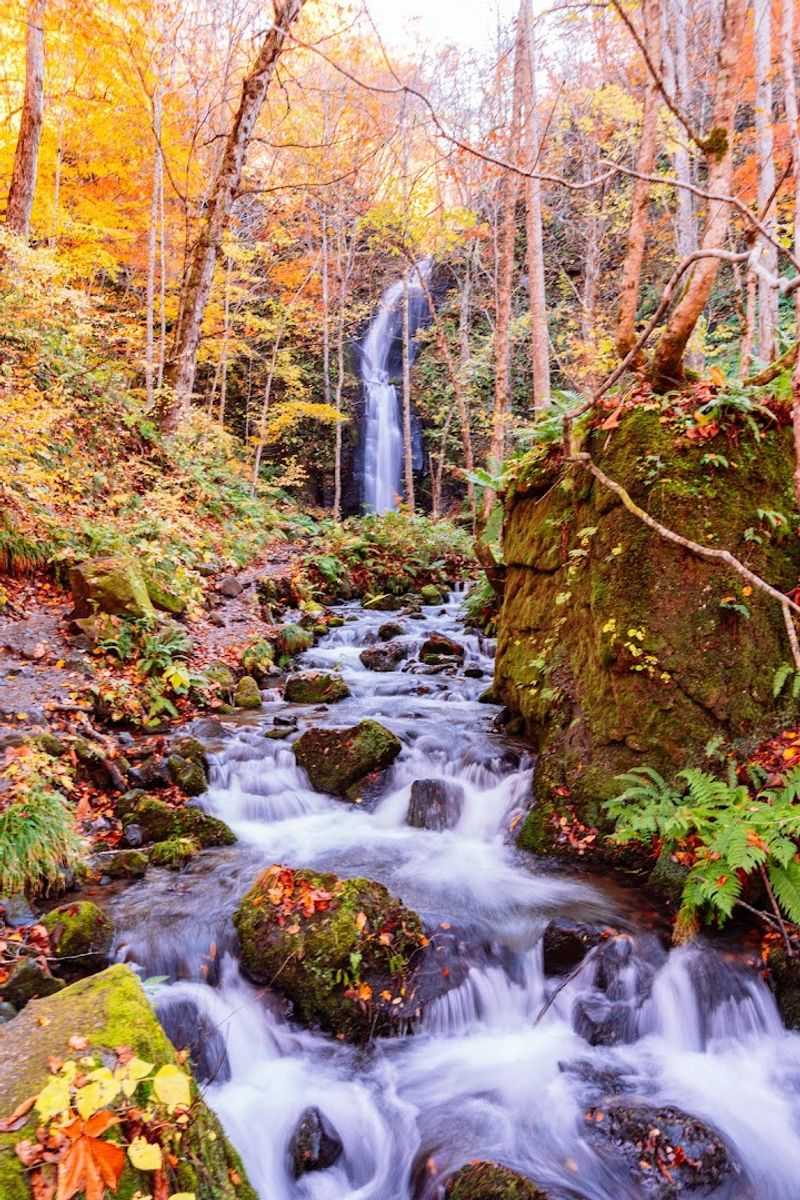
Oirase Gorge runs for about 14 kilometers through Towada-Hachimantai National Park in Aomori Prefecture, with a crystal-clear stream cutting through thick forest the entire way.
Waterfalls appear at regular intervals along the path, some dramatic and wide, others narrow and tucked between boulders.
A flat walking trail follows the stream closely, making the route accessible even for casual hikers who are not looking for a serious climb.
Autumn is the gorge’s most celebrated season, when the tree canopy turns into a full display of red, orange, and gold above the rushing water.
Spring and summer bring a different kind of beauty, with thick green moss blanketing every rock and tree root along the riverbank.
Access is straightforward by bus from the nearby Lake Towada area, and the walk itself takes around three to four hours at a comfortable pace.
2. Nyuto Onsen, Akita
Hidden deep in the mountains of Akita Prefecture, this cluster of traditional hot spring inns has been drawing visitors for centuries, though never in overwhelming numbers.
Nyuto Onsen is not a single inn but a collection of seven separate establishments, each with its own distinct water quality, ranging from milky white to clear and iron-rich.
The most famous of the seven is Tsurunoyu, a 350-year-old inn that still operates with rustic wooden interiors and thatched roofs that look lifted directly from old Japan.
In winter, the outdoor baths become especially popular, with snow piling up on surrounding trees while guests soak in the mineral-rich water.
A shuttle bus connects the inns during peak seasons, but the area retains a remote and unhurried atmosphere regardless of when you visit.
Day visitors are welcome at most of the inns, though staying overnight in one of the traditional guesthouses is the experience most worth planning around.
3. Lake Towada, Aomori
Japan has no shortage of beautiful lakes, but Lake Towada earns a special place on that list for reasons that go well beyond its size.
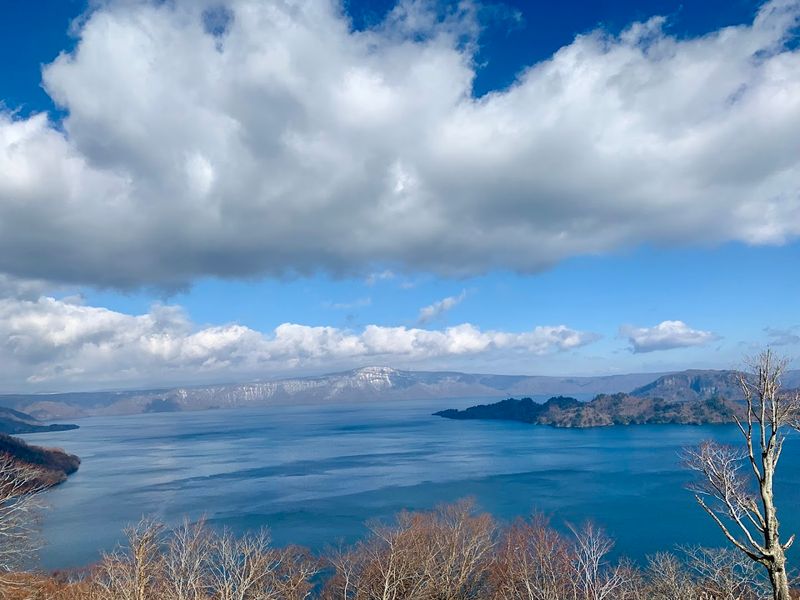
Formed inside a volcanic caldera, the lake sits at an elevation of about 400 meters and covers roughly 60 square kilometers, making it one of the largest crater lakes in the country.
The water is famously clear, and on calm days the surrounding forest reflects perfectly across the surface.
A 14-kilometer hiking trail circles part of the lake, passing through dense woodland and offering views that change completely with each season.
Boat cruises run between Yasumiya and Nenokuchi from late April through early November, giving visitors a relaxed way to take in the scenery without breaking a sweat.
The nearby Oirase Gorge connects naturally to a Lake Towada visit, making the two spots an easy and rewarding combination for anyone heading to Aomori.
The entire area sits within Towada-Hachimantai National Park, and the lack of major tourist infrastructure keeps the atmosphere refreshingly quiet.
4. Kakunodate, Akita
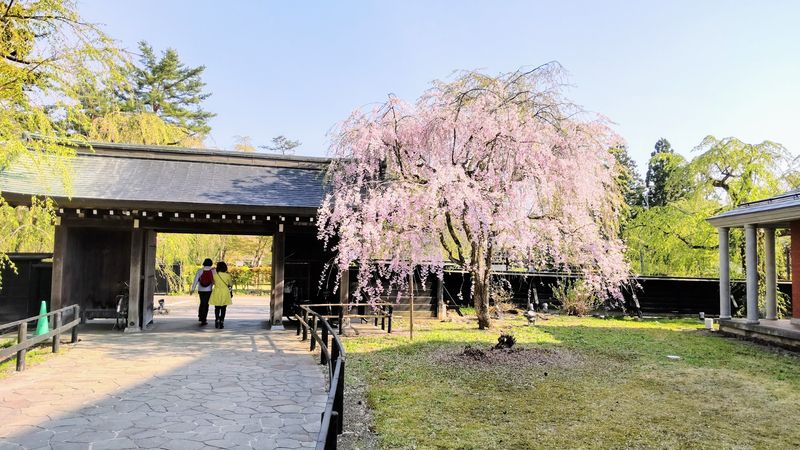
Kyoto gets all the credit for preserved historical districts, but Kakunodate in Akita Prefecture has been quietly doing the same thing for over 400 years with far fewer crowds and a fraction of the tourist infrastructure.
The town was established in 1620 and its samurai quarter, known as the Bukeyashiki district, has remained largely intact since the Edo period.
About 80 traditional samurai residences still stand along the main street, several of which are open to the public and display original furniture, armor, and household items.
The street itself is lined with weeping cherry trees, descendants of trees brought from Kyoto centuries ago, making spring visits particularly striking.
Outside cherry blossom season, the town draws far fewer visitors, which is actually an advantage for anyone who wants to explore the historic lanes without dodging tour groups.
Kakunodate sits on the Akita Shinkansen line, making it genuinely easy to reach from Tokyo in about three hours, which makes its low visitor numbers all the more surprising.
5. Shiretoko Peninsula, Hokkaido
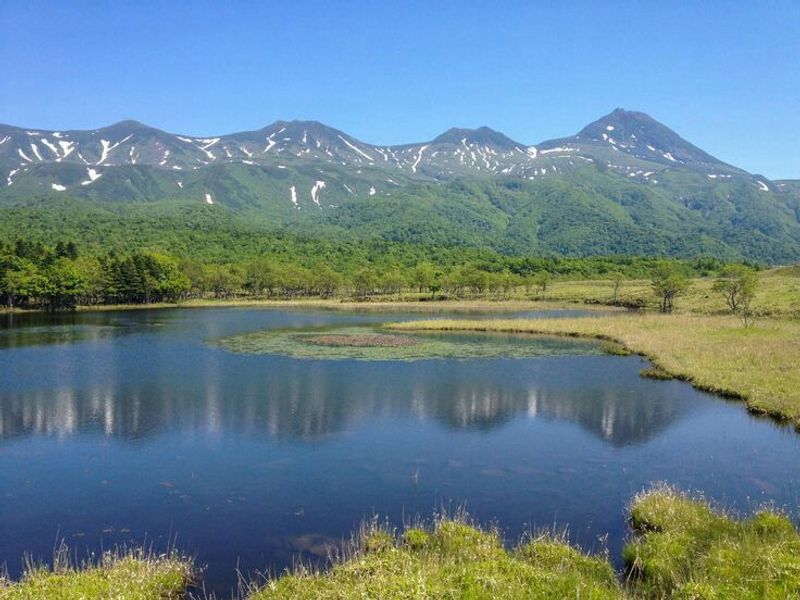
Japan’s reputation as a densely populated, ultra-modern country tends to make people forget that it also contains genuine wilderness, and Shiretoko is the best argument against that misconception.
The Shiretoko Peninsula in northeastern Hokkaido was designated a UNESCO World Heritage Site in 2005, recognized for its extraordinary ecosystem where land and sea environments interact in rare ways.
Brown bears are a common sight, and the peninsula also supports populations of Steller’s sea eagles, red foxes, and Ezo deer, along with numerous marine species including orca and sperm whales offshore.
Much of the interior is inaccessible without a licensed guide, which keeps the wilderness genuinely wild rather than managed for mass tourism.
The Five Lakes trail, known as Shiretoko Goko, offers one of the more accessible routes through old-growth forest with views of the lakes and mountains beyond.
Drift ice from the Sea of Okhotsk reaches the peninsula’s coast in winter, creating a completely different but equally dramatic landscape for those willing to visit in the cold months.
6. Ginzan Onsen, Yamagata
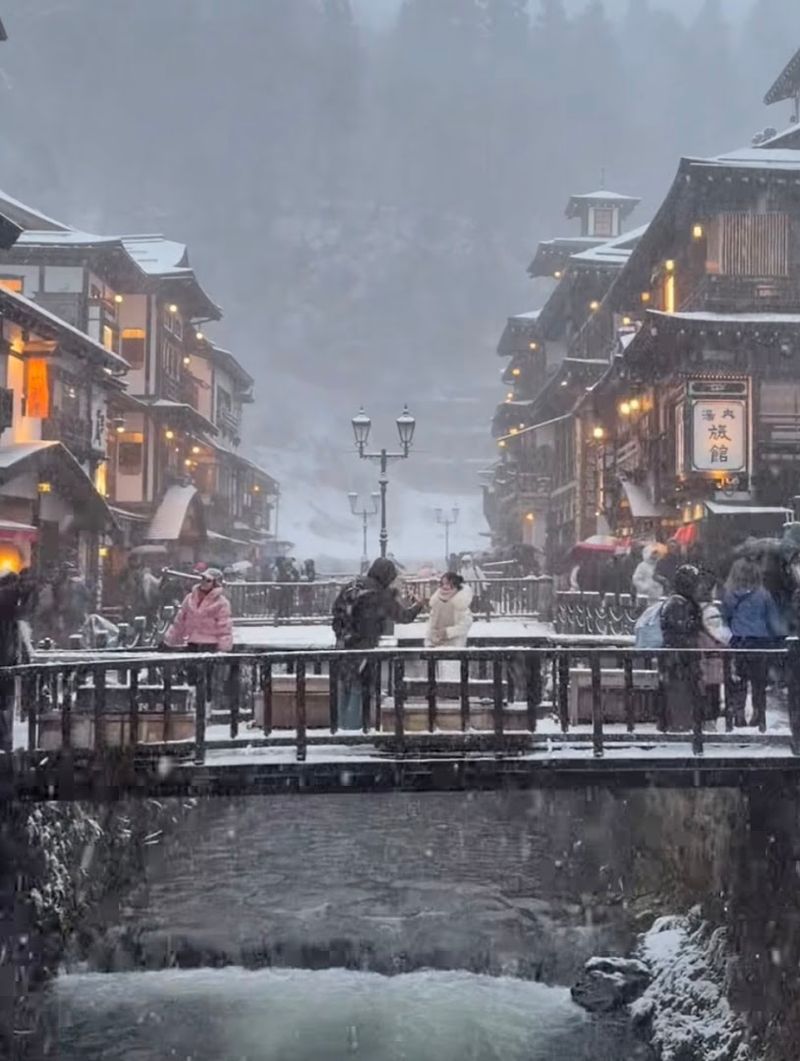
There are hot spring towns across Japan, but Ginzan Onsen operates on a different level of visual drama that has made it one of the most photographed spots in the Tohoku region, even if most international travelers have never heard of it.
The town was originally a silver mining settlement in the early 17th century, and the name Ginzan actually translates to silver mountain, a nod to that industrial past.
Today, a handful of tall, narrow wooden ryokan inns line both sides of a small river, and the entire scene is best appreciated in winter when snow covers every rooftop and balcony.
The town inspired the setting of the animated film Spirited Away, according to widely reported accounts, which has brought some additional visitors in recent years.
Ginzan Onsen is small enough to walk end to end in about ten minutes, which actually adds to its charm rather than limiting it.
The nearest train station is Oishida, from which a bus or taxi ride of roughly 40 minutes completes the journey into the valley.
7. Mount Osore, Aomori
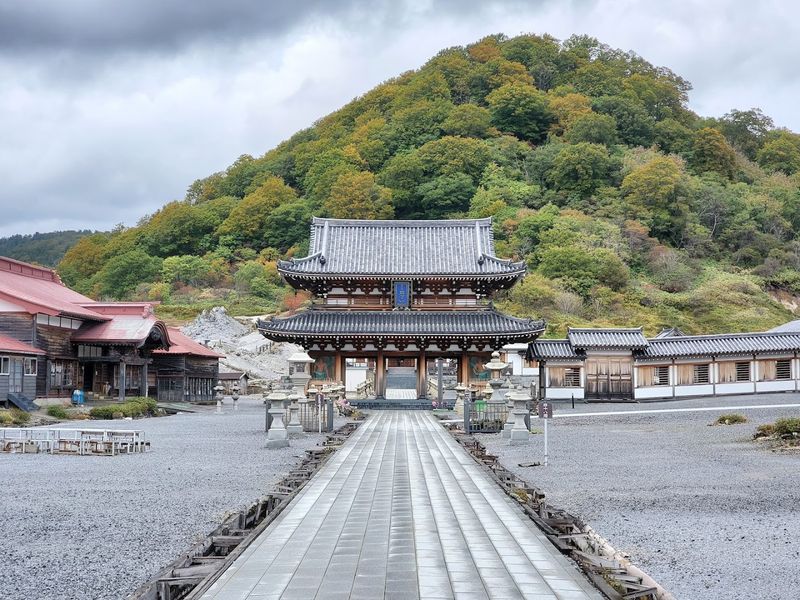
Japan has sacred mountains in nearly every prefecture, but Mount Osore earns a category of its own based on sheer strangeness and spiritual weight.
Located on the Shimokita Peninsula in Aomori, Osorezan sits at the center of a volcanic caldera and features a landscape that looks genuinely unlike anything else in the country.
Barren grey terrain, yellow sulfuric deposits, and a lake with near-zero biological activity combine to create an environment that Japanese Buddhist tradition has long associated with the boundary between the living world and the afterlife.
At the center of the site stands Entsuji Temple, founded in 862 by the monk Ennin, and the temple grounds include small stone figures dressed in red cloth placed by visitors to honor those who have passed.
The area is open to visitors from late May through October, with a major festival held each July that draws itako, traditional female mediums, to the site.
Despite its unusual reputation, Mount Osore is genuinely peaceful and historically fascinating, offering a perspective on Japanese spiritual culture that is hard to find anywhere else.
8. Hirosaki, Aomori
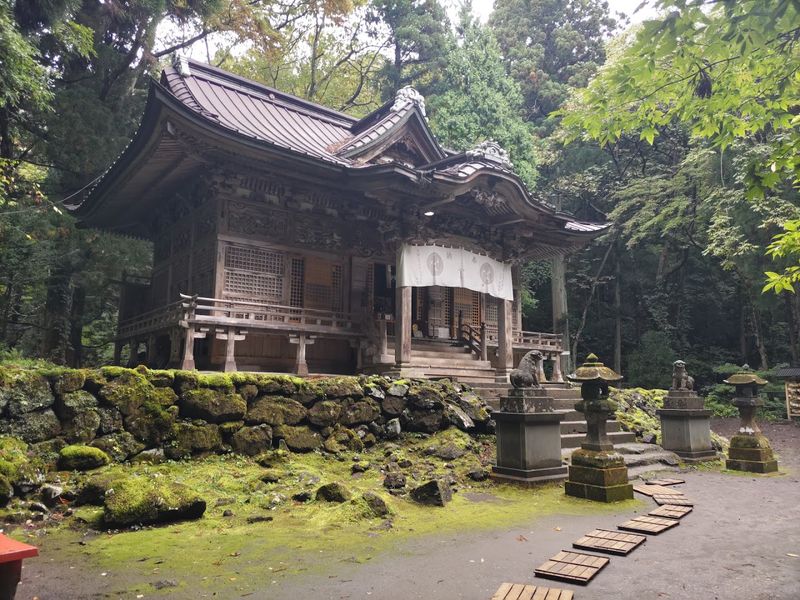
Every spring, Hirosaki pulls off one of Japan’s most spectacular cherry blossom displays, with over 2,600 trees blooming around the historic castle grounds, and yet the city still manages to stay well under the radar for most international visitors.
Hirosaki Castle, originally built in 1611, is one of only 12 original castle towers remaining in Japan, meaning it was never destroyed and rebuilt, which makes it genuinely rare.
The castle park covers about 49 hectares and includes three moats, the outer edges of which fill with fallen cherry blossom petals during peak bloom, creating a pink carpet on the water’s surface.
Outside of spring, the city offers a well-preserved Meiji-era Western-style district with brick buildings, historic churches, and museums that reflect the influence of early modernization in northern Japan.
Hirosaki is also one of Japan’s top apple-producing areas, and local products made from the fruit appear in shops and restaurants throughout the city year-round.
The city sits about 30 minutes by limited express train from Aomori Station, making it an easy addition to any northern Japan itinerary.
9. Rebun Island, Hokkaido
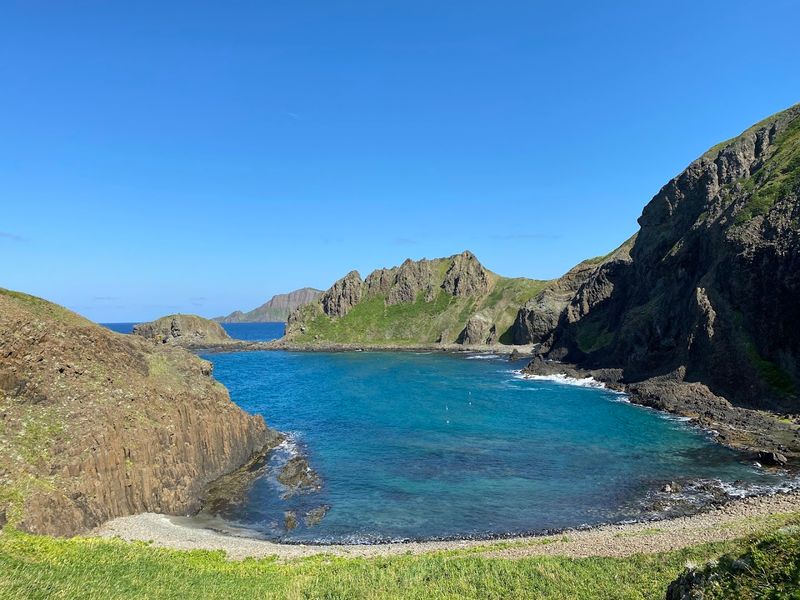
Most alpine flowers need significant elevation to thrive, but Rebun Island ignores that rule entirely, producing rare mountain plant species at nearly sea level thanks to its unusually cold northern climate.
Located off the northwestern tip of Hokkaido, Rebun sits about 60 kilometers west of Wakkanai, the northernmost city in Japan, and is reachable by ferry in roughly two hours.
The island is just 29 kilometers long and 8 kilometers wide, but it packs in over 300 plant species, including several found nowhere else in Japan.
Hiking is the main activity, with trails ranging from short coastal walks to a full-day eight-hour course that runs the length of the island along its western cliffs.
The cliffs themselves drop sharply into the Sea of Japan, and the combination of dramatic terrain and dense wildflower coverage makes the scenery unlike anything on the mainland.
Visitor numbers remain low partly because the island requires a deliberate effort to reach, but that same remoteness is exactly what keeps it in such pristine condition.
10. Tsurui Village, Hokkaido
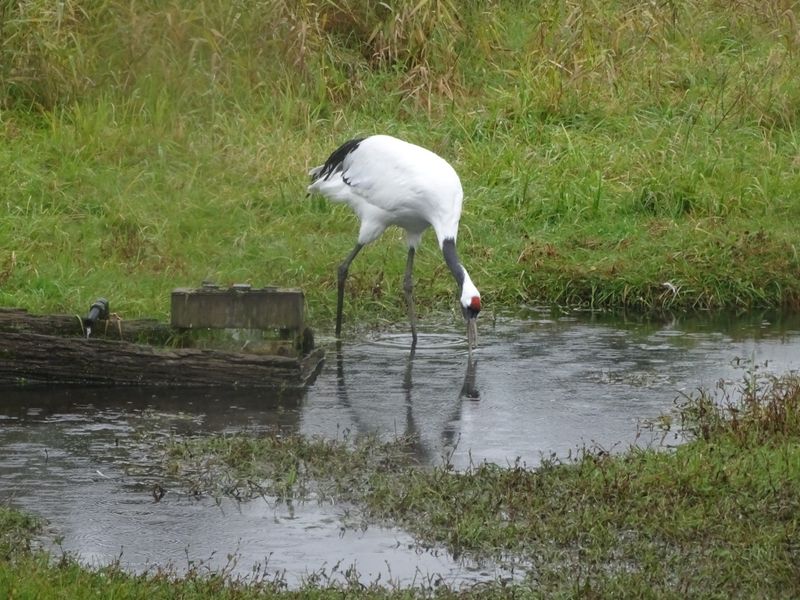
Tsurui Village has a population of just over 2,000 people, making it one of Hokkaido’s smallest communities, but during winter it attracts photographers from around the world who come for one very specific reason.
The Japanese red-crowned crane, known locally as tancho, is one of the rarest crane species on Earth, and Tsurui sits within the Kushiro Wetlands, which serves as the bird’s primary habitat in Japan.
During winter, the cranes gather in open snowy fields near feeding stations, where they perform elaborate courtship displays that involve synchronized jumping, wing spreading, and vocalizations.
The tancho holds deep cultural significance in Japan, appearing on the country’s 1,000-yen note and representing longevity and good fortune in traditional art and folklore.
Wildlife photography hides are set up near the feeding grounds, giving visitors a close and relatively undisturbed view of the birds in their natural behavior.
The village itself is simple and rural, with no major tourist infrastructure, which means the experience remains genuinely tied to the natural environment rather than packaged for convenience.
11. Goshogawara, Aomori
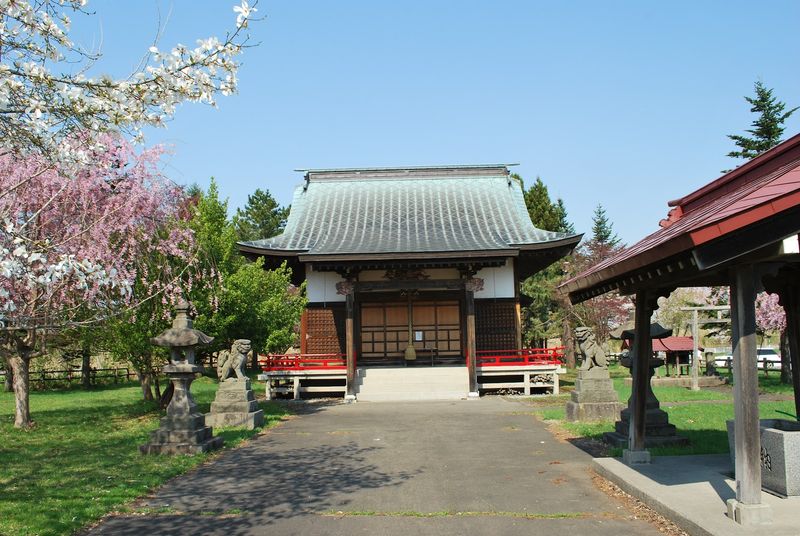
Aomori’s Nebuta Festival is world-famous, but just 40 kilometers away, Goshogawara runs its own version that many argue is even more visually impressive, and almost no international tourists show up to see it.
The Goshogawara Tachineputa Festival takes place each August and features floats that stand up to 23 meters tall, making them among the largest festival floats in Japan by height.
Unlike the horizontal floats of the Aomori Nebuta, these enormous structures are vertical towers depicting warriors, deities, and mythological figures, all internally lit and paraded through the city streets.
The festival runs for about five days, and the floats are stored year-round in a dedicated museum called the Tachineputa Museum, where visitors can see them up close outside of the festival period.
Goshogawara is also notable as the birthplace of writer Osamu Dazai, one of Japan’s most celebrated modern authors, and a small museum dedicated to his life and work sits in the city center.
The city is accessible by train from Aomori in under an hour, making it an easy and rewarding detour for anyone spending time in the prefecture.
12. Sado Island, Niigata
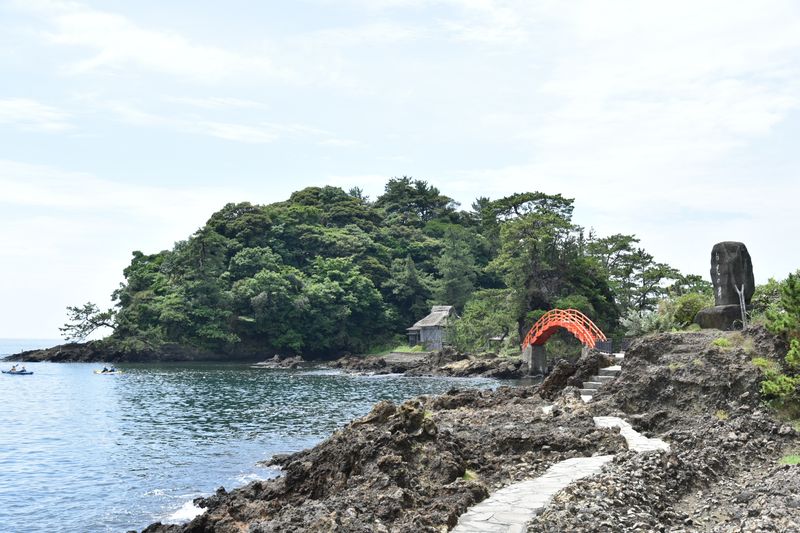
At roughly 855 square kilometers, Sado Island is the sixth-largest island in Japan, yet it remains one of the country’s least-visited destinations, which is a situation that genuinely defies explanation.
The island sits in the Sea of Japan off the coast of Niigata and is reachable by ferry in about two and a half hours, or by high-speed jet foil in about one hour.
Sado’s history is layered and complex, having served as a place of exile for political figures including Emperor Juntoku in 1221, and later becoming the site of one of Japan’s most productive gold mines during the Edo period.
The Sado Kinzan gold mine is open to visitors today and features tunnels, machinery displays, and animated figures that walk through the mine’s operational history in surprising detail.
The island is also the home of the Kodo taiko drumming group, which is internationally recognized and hosts the Earth Celebration festival each August on the island.
Traditional tub boats called taraibune, once used by fisherwomen to navigate rocky coastal waters, are still offered as a tourist experience in the Ogi area of the island.
13. Furano, Hokkaido
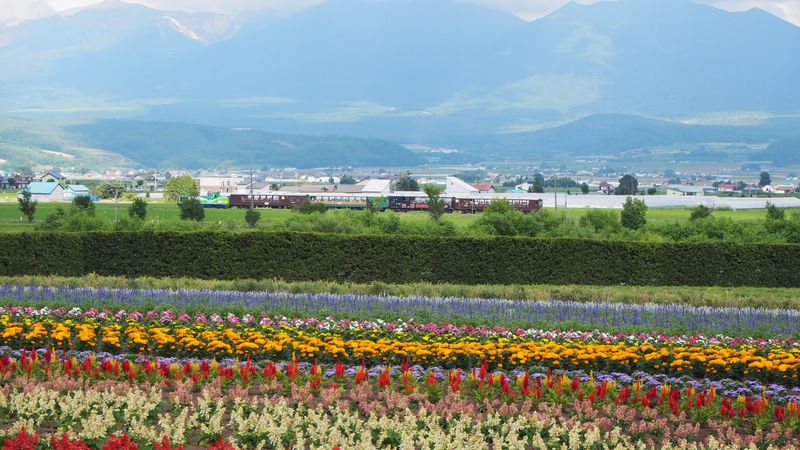
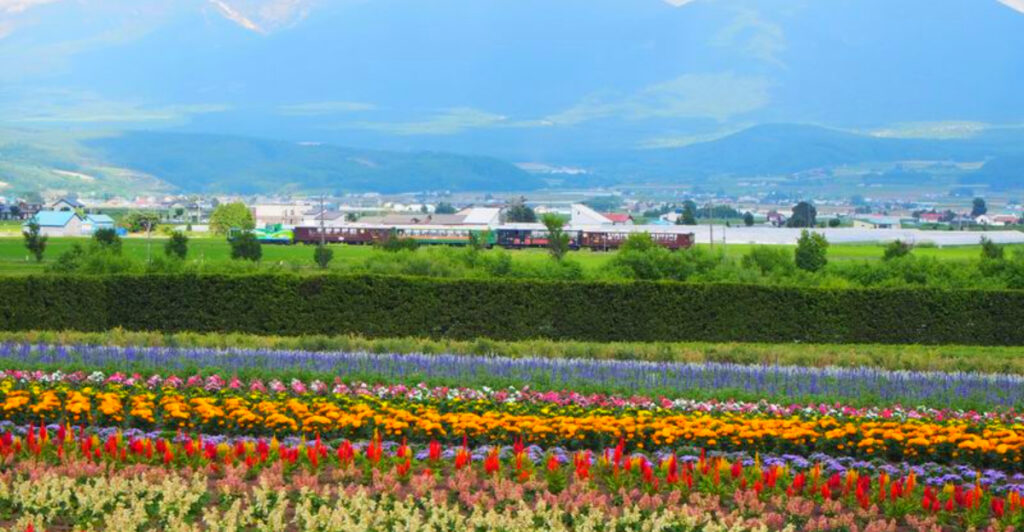
Furano’s lavender fields are the image that appears on roughly half of all Hokkaido travel posters, yet the town itself remains genuinely low-key compared to Japan’s major tourist destinations.
The lavender season peaks in mid-July, when Farm Tomita, the most photographed of the flower farms in the area, draws large day crowds, but the rest of the year the area returns to its quiet agricultural rhythm.
Furano sits in the center of Hokkaido, surrounded by mountains on three sides, and the landscape shifts dramatically across the seasons from flower-covered hills in summer to thick snow fields in winter.
The ski resort at Furano is considered one of Hokkaido’s best, with reliable powder snow and significantly shorter lift lines than the internationally famous Niseko resort to the west.
The town also produces a notable range of local dairy products, including fresh cheese and soft-serve ice cream made from local milk, sold at farm shops throughout the area.
Getting there by train from Sapporo takes about two hours on the Furano Line, passing through the scenic Sorachi region along the way.
Share this story