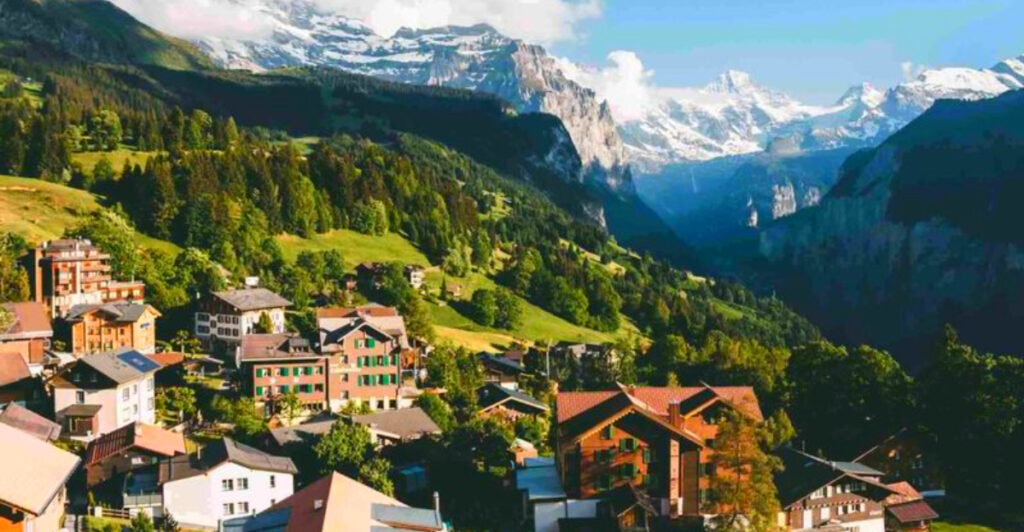
Switzerland is famous for its dramatic Alpine scenery, but some of its most unforgettable places are the tiny mountain villages tucked between towering peaks and crystal-clear valleys. In these quiet towns, wooden chalets, cobblestone streets, and centuries-old traditions still shape daily life much the way they did generations ago.
Far from busy cities and modern distractions, these villages feel wonderfully untouched by time. Some have been car-free for decades, others have barely changed since the 1600s, and a few look so picture-perfect you might check twice to make sure you haven’t wandered onto a movie set.
Whether you are a history lover, a nature enthusiast, or someone who simply needs a break from the noise of modern life, these twelve villages offer something genuinely rare: the feeling that time has politely agreed to slow down and wait for you to catch up. Pack your curiosity and comfortable shoes, because this list is worth reading all the way through.
1. Mürren
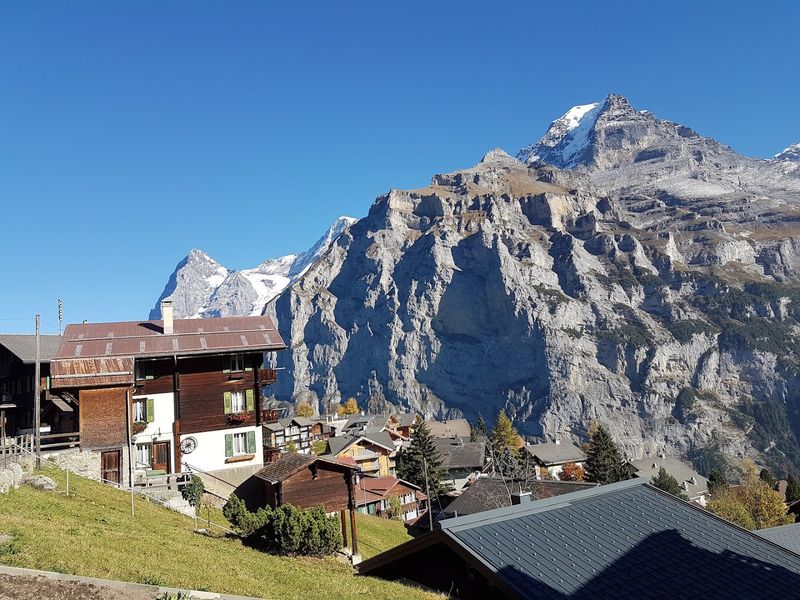
No roads lead to Mürren, and that is precisely the point. This car-free Walser village sits on a cliff ledge high above the Lauterbrunnen Valley, reachable only by cable car or mountain railway, which means the only traffic you will encounter is the occasional mountain goat with strong opinions about the path.
The Eiger, Mönch, and Jungfrau peaks form a jaw-dropping backdrop that dominates the horizon from almost every street corner. Traditional wooden chalets line the quiet lanes, and the village has managed to preserve its historic character despite being a popular destination among visitors from around the world.
Mürren sits at 1,638 meters above sea level, giving it reliable snow in winter and spectacular hiking conditions in summer. The Allmendhubel funicular takes visitors even higher for panoramic views across the Bernese Alps.
For anyone craving true Alpine stillness, Mürren delivers without compromise or crowds getting in the way.
2. Zermatt
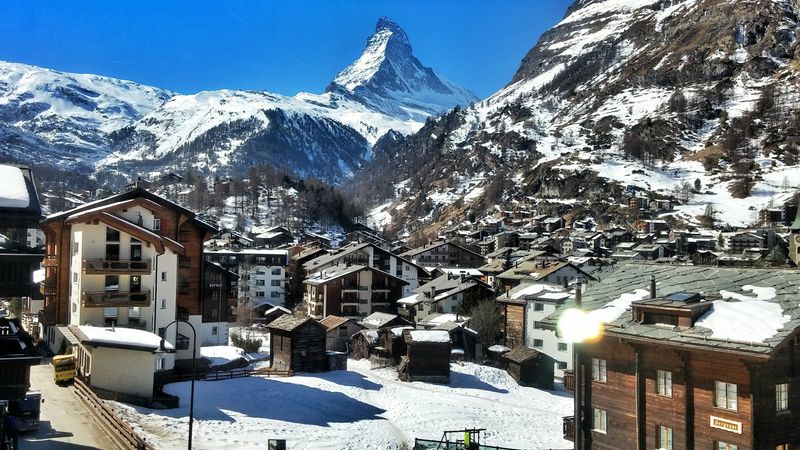
Few mountains on Earth are as instantly recognizable as the Matterhorn, and Zermatt has had the good fortune of sitting right at its feet for centuries. What makes this village remarkable is not just the famous peak overhead, but how much of the original Alpine character has survived despite Zermatt being one of Switzerland’s most visited destinations.
Cars have been banned from the village center for decades, so transport runs on electric vehicles and horse-drawn carriages. That policy alone keeps the historic streets feeling calm and livable rather than overrun.
Traditional wooden barns called mazots, some dating back several hundred years, still stand alongside newer buildings throughout the village.
The oldest quarter of Zermatt, known as Hinterdorf, is where you will find the most authentic historic structures, many of them carefully preserved and protected. Visitors who skip the ski slopes and simply walk these streets often say it is the most memorable part of their trip.
Zermatt earns its legendary reputation honestly.
3. Guarda
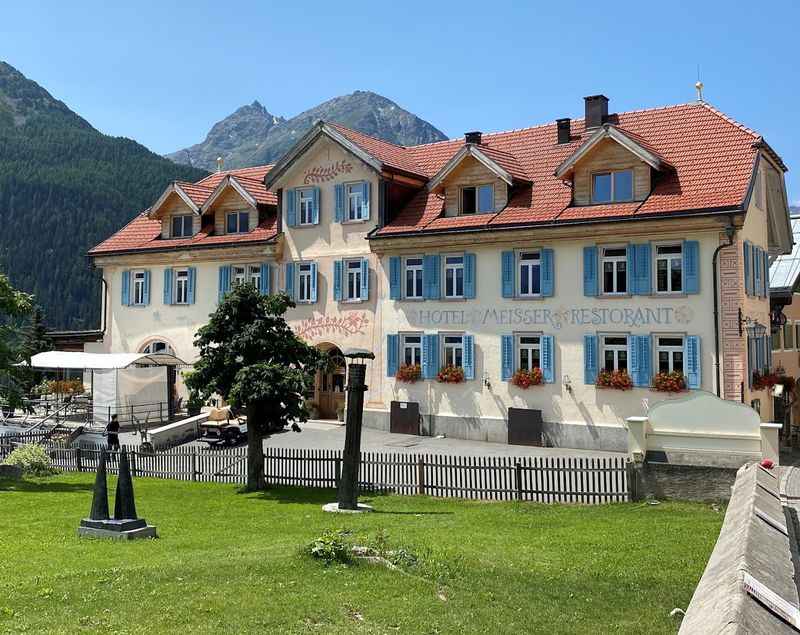
Guarda is the kind of village that makes you wonder if someone accidentally left a fairy tale running. Tucked into the Lower Engadine valley in the canton of Graubünden, this small community has earned a well-deserved reputation as one of the best-preserved historic settlements in all of Switzerland.
The houses here are decorated with a traditional art form called sgraffito, a technique where patterns and designs are carved into the plaster to reveal a contrasting layer underneath. The results are striking, covering entire building facades with geometric shapes, folk motifs, and ornamental borders that have been maintained for generations.
Guarda sits at around 1,650 meters elevation and overlooks a broad valley with dense forests and distant peaks. The cobblestone streets are narrow and unhurried, and the village has a population of just a few hundred people.
A children’s book called Schellenursli, beloved across Switzerland, was set here, which tells you everything about how magical this place feels to first-time visitors.
4. Wengen
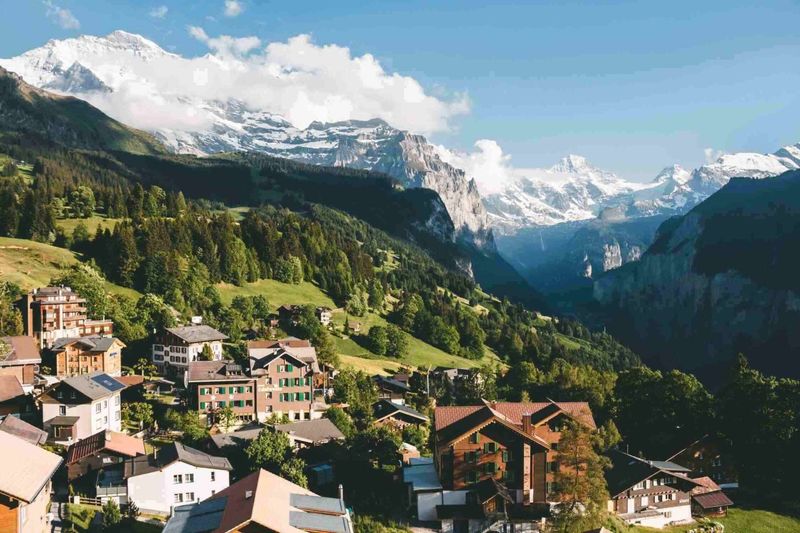
Getting to Wengen requires a cog railway ride from Lauterbrunnen, and that journey sets the tone perfectly for what awaits at the top. The village sits on a broad, sunny mountain terrace at 1,274 meters, with a front-row view of one of the most dramatic valleys in the entire Swiss Alps.
Cars are completely absent here, which gives Wengen a peaceful, almost suspended quality that is increasingly hard to find in popular tourist destinations. Traditional chalets and family-run hotels line the main street, and the whole village runs on foot traffic and mountain railways.
During winter, the famous Lauberhorn downhill ski race passes close by, drawing crowds from across Europe.
Summer brings hikers who use Wengen as a base for exploring the Jungfrau region, one of Switzerland’s most celebrated natural areas. The village has remained car-free since the early twentieth century, a decision that has protected its historic character remarkably well.
Wengen proves that sometimes the best improvements are the ones you decide not to make.
5. Grimentz
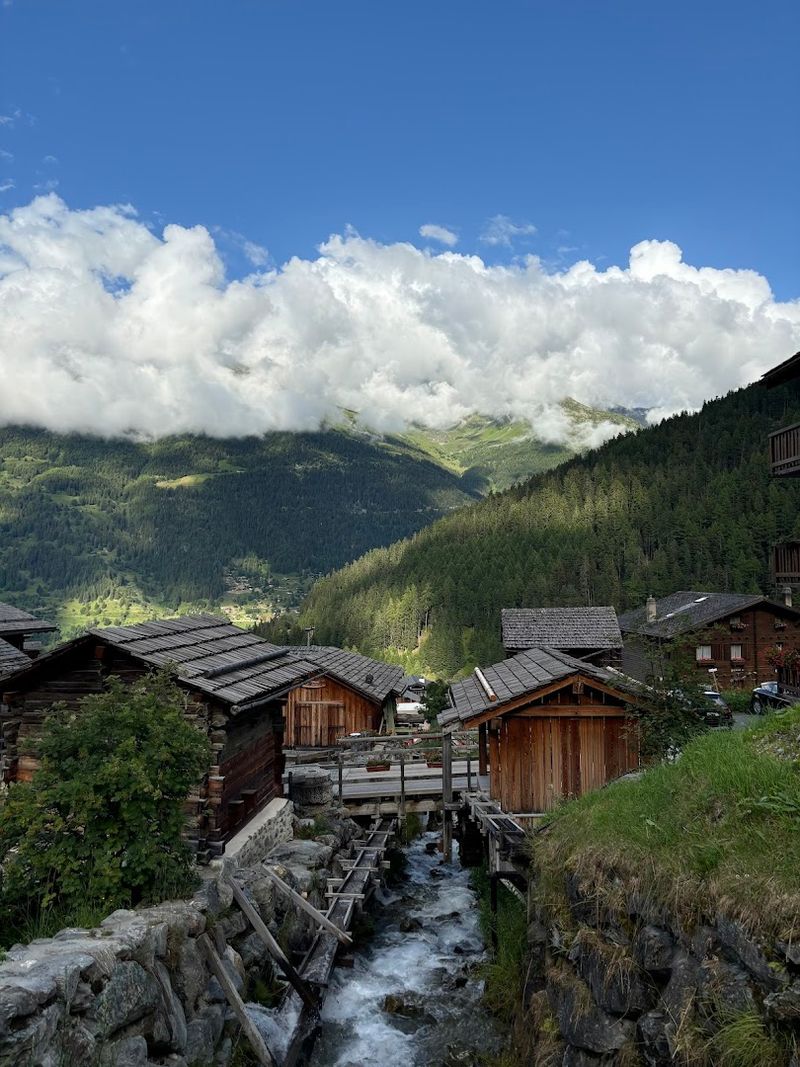
Red geraniums spilling from dark wooden window boxes is the first thing most visitors notice about Grimentz, and it is a detail that perfectly captures the village’s personality. Located in the remote Val d’Anniviers in the canton of Valais, Grimentz is considered one of the finest examples of a medieval farming village in the entire Swiss Alps.
The buildings here are genuinely old. Many of the dark, weathered wooden structures date back several centuries, and the village has resisted the kind of modernization that has changed the face of many other Alpine communities.
Some buildings still serve their original agricultural purposes, with hay storage and animal shelters built directly into the lower levels.
Grimentz sits at 1,572 meters and receives a healthy amount of sunshine throughout the year, which helps explain the flourishing flowers on nearly every building. The village has centuries-old wine cellars that have been used continuously by local families for generations.
It remains far less crowded than Switzerland’s bigger resort towns, which only adds to its quiet appeal.
6. Appenzell
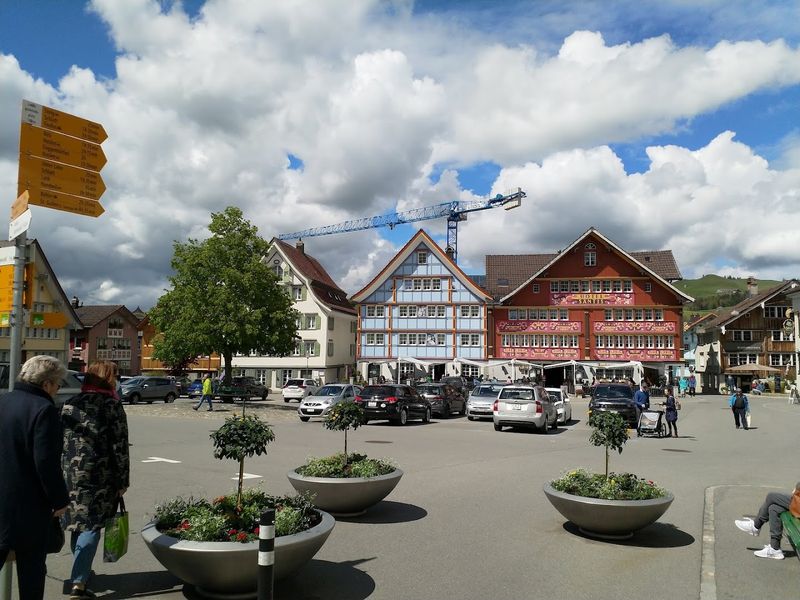
Appenzell breaks the mountain village mold in the best possible way. Rather than jagged peaks and vertical cliffs, this village sits among gentle rolling hills in northeastern Switzerland, and its buildings are painted in colors so cheerful they seem to compete with each other for attention.
The facades of buildings along the main street, Hauptgasse, are decorated with traditional folk paintings, carved woodwork, and ornate details that reflect the region’s strong craft heritage. Appenzell is also the capital of the canton of Appenzell Innerrhoden, one of Switzerland’s smallest cantons, and it still holds its annual open-air democratic assembly called Landsgemeinde in the village square.
Local cheese and embroidery traditions remain very much alive here, with artisan producers and workshops operating much as they have for generations. The village has a compact, walkable center with historic buildings that date back to the sixteenth century.
Appenzell offers a different but equally authentic slice of Swiss tradition, one rooted in craft, community, and a very particular kind of Alpine pride.
7. Andermatt
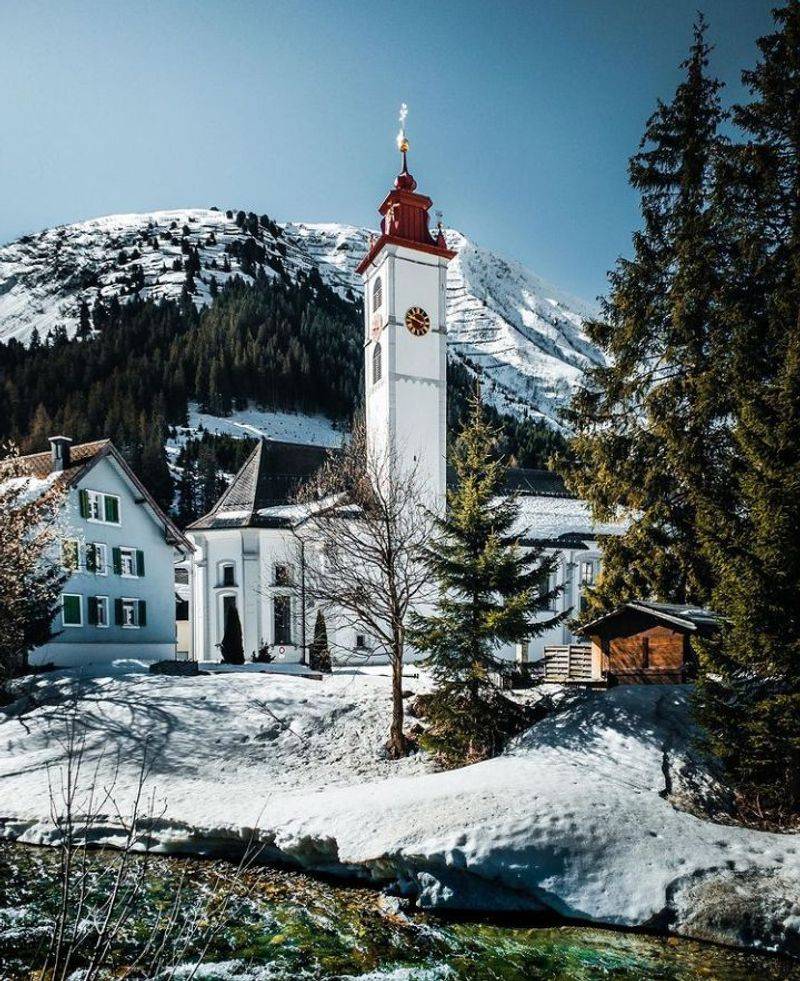
Andermatt has been a crossroads for centuries, and its location at the intersection of four major Alpine passes tells you a lot about why it developed the way it did. Traders, soldiers, and travelers have passed through this valley since Roman times, and the village still carries that layered sense of history in its stone buildings and narrow streets.
The Gotthard, Furka, Oberalp, and Susten passes all converge near Andermatt, making it one of the most strategically important Alpine locations in Switzerland. Despite recent luxury resort development on the outskirts, the historic core of the village retains much of its original character, with traditional architecture that predates the modern ski industry by several hundred years.
The local church of Saints Peter and Paul dates to the eighteenth century and anchors the village center with quiet authority. Andermatt sits at 1,444 meters elevation, and the surrounding landscape changes dramatically with the seasons.
Visitors who take time to explore beyond the ski lifts often find a genuinely historic community that rewards curiosity with real substance.
8. Lauterbrunnen
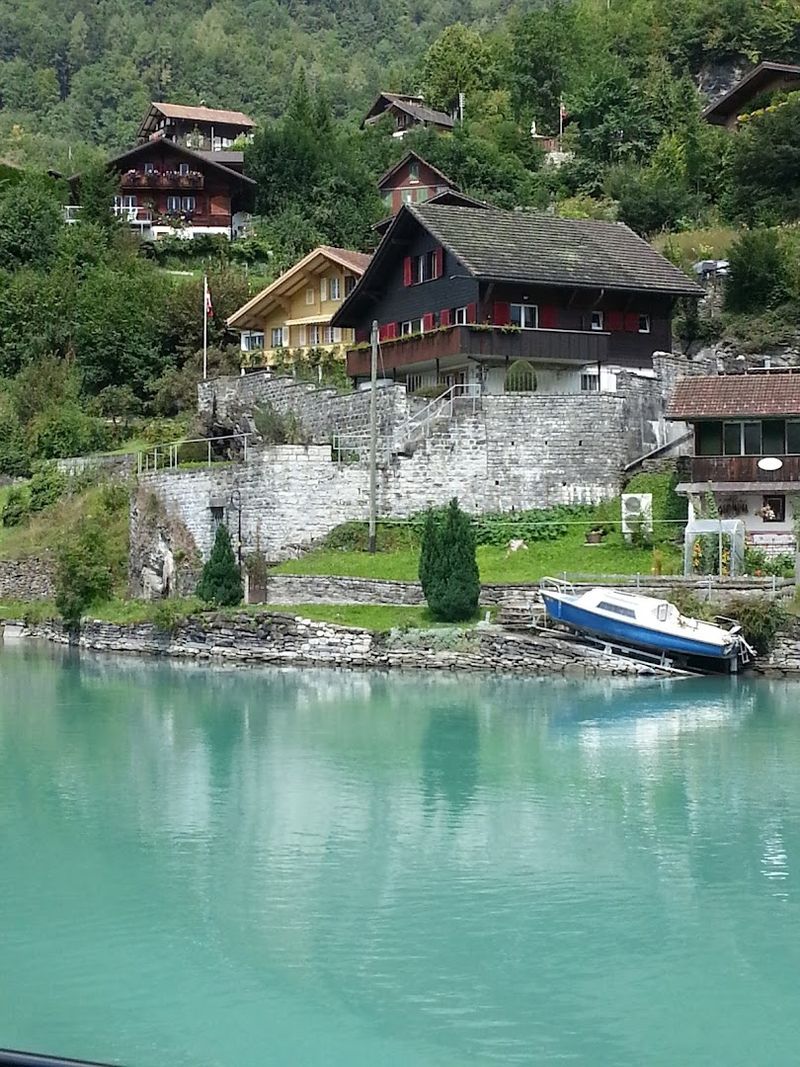
Seventy-two waterfalls tumble down the sheer cliff walls surrounding Lauterbrunnen, a fact that makes the village feel less like a real place and more like something designed to make jaws drop. The valley itself is a glacially carved U-shape, with vertical rock faces rising hundreds of meters on both sides, creating one of the most dramatic natural settings in all of Europe.
Traditional wooden chalets and a classic Swiss church with a white steeple sit on the valley floor, framed by those extraordinary walls of rock. The village has been drawing visitors since the nineteenth century, when Romantic-era artists and writers traveled here specifically to capture its extraordinary scenery.
J.R.R. Tolkien is said to have been inspired by this valley when imagining the Elven valley of Rivendell.
Lauterbrunnen serves as the gateway to several famous car-free villages above, including Mürren and Wengen. The valley floor is flat and walkable, making it easy to explore on foot.
Despite heavy visitor numbers, the village retains its traditional Swiss character with genuine warmth and historic buildings still very much in use.
9. Soglio
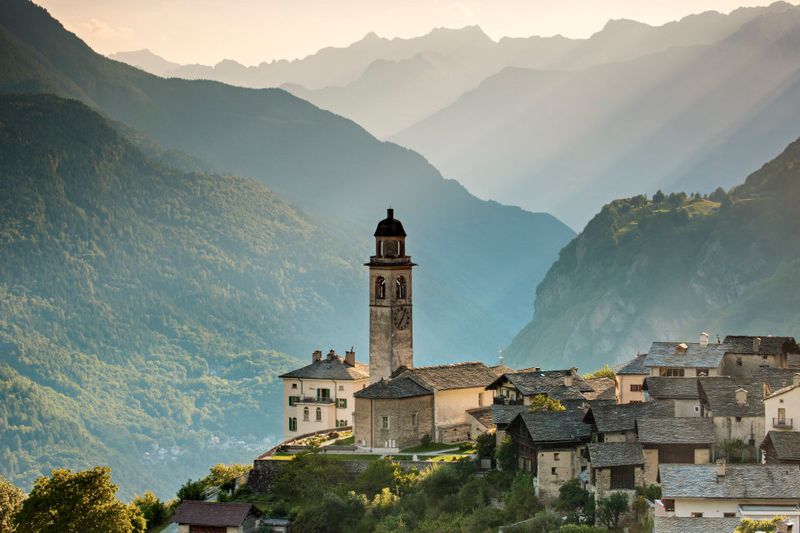
Giovanni Segantini, one of the most celebrated Alpine painters of the nineteenth century, called Soglio the gateway to paradise, and given the view from its sunny mountain terrace, it is difficult to argue with him. The village sits high above the Bregaglia Valley in the canton of Graubünden, just a short distance from the Italian border.
Stone houses line narrow cobblestone pathways that wind through the village in a way that feels entirely organic rather than planned. The Palazzo Salis, a historic manor house dating to the seventeenth century, anchors the village and still operates as a hotel, giving visitors the chance to stay inside a genuine piece of Swiss history.
Ancient chestnut forests surround Soglio, and the village has long attracted artists, writers, and poets seeking inspiration from its extraordinary setting. With a population of only around 200 people, it is one of the quieter entries on this list.
The combination of Italian and Swiss Alpine influences gives Soglio a character unlike anywhere else in the country.
10. Gimmelwald
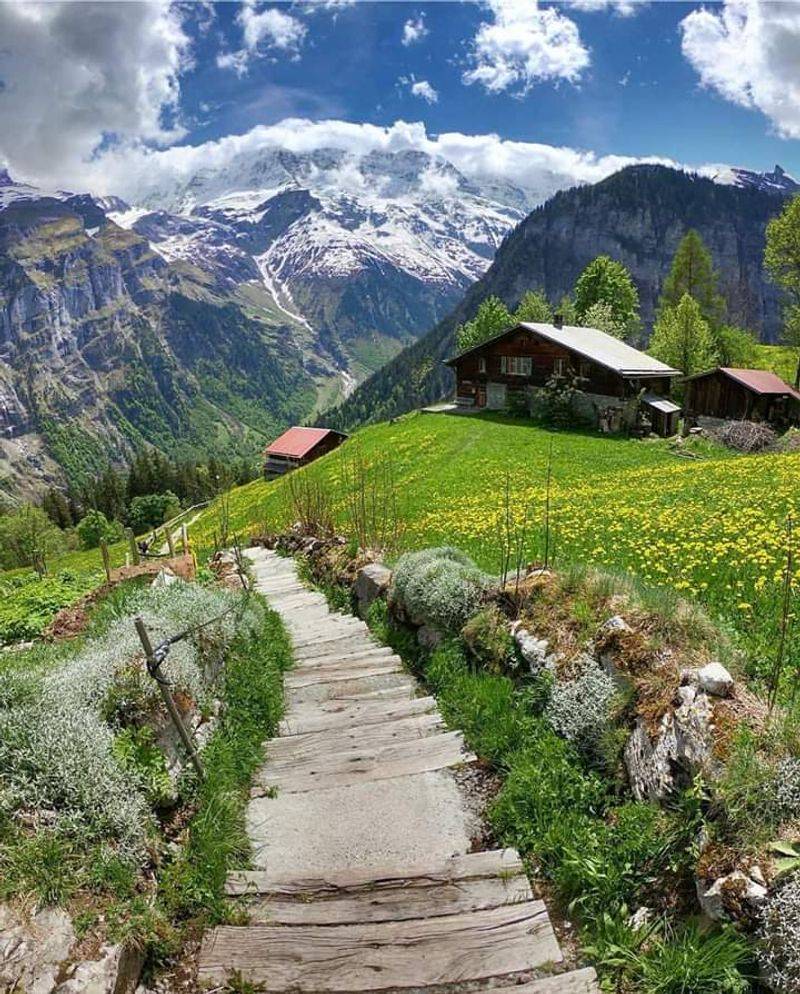
Rick Steves famously declared Gimmelwald one of the most authentic Alpine villages in Europe, and travelers who make the effort to reach it by cable car from Stechelberg tend to agree with unusual enthusiasm. The village sits on a cliff above the Lauterbrunnen Valley at 1,367 meters and has a population of just a few dozen permanent residents.
Gimmelwald was nearly converted into a ski resort in the 1960s, but residents successfully had it classified as an agricultural community, which legally restricted large-scale development. That decision preserved the village almost entirely in its original form.
Simple wooden farmhouses, steep meadows used for grazing, and a single small guesthouse define the settlement.
There are no banks, no supermarkets, and no chain restaurants here. What exists instead is a genuine working farm village where cows outnumber tourists on most days of the year.
Visitors come specifically for that rarity and tend to stay longer than planned. Gimmelwald is proof that the most powerful attraction a place can have is the courage to stay exactly as it is.
11. Evolène
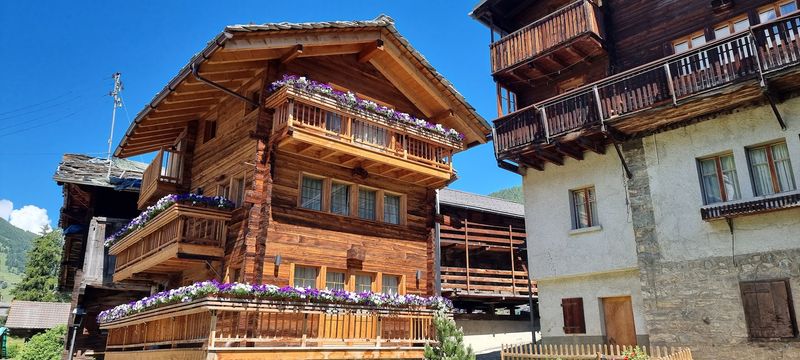
Evolène sits in the Val d’Hérens in the canton of Valais, and it is the kind of place where traditional Swiss customs are not just remembered but actively practiced. The village is particularly well known for its Herens cattle, a distinctive local breed that participates in traditional fighting competitions called combats de reines, a centuries-old custom that draws crowds from across the region.
The architecture here is striking in its consistency. Dark wooden houses, many of them several hundred years old, line the village streets in a way that looks almost unchanged from historic photographs taken in the early twentieth century.
Residents still wear traditional Evolène dress during festivals and important community events, keeping the visual heritage of the valley very much alive.
At 1,371 meters, the village is surrounded by some of the highest peaks in the Swiss Alps, including the Dent Blanche at 4,357 meters. Hiking trails connect Evolène to neighboring hamlets that are even smaller and more remote.
For visitors interested in living Swiss tradition rather than just museum-piece history, Evolène is a genuinely rewarding destination.
12. Bergün
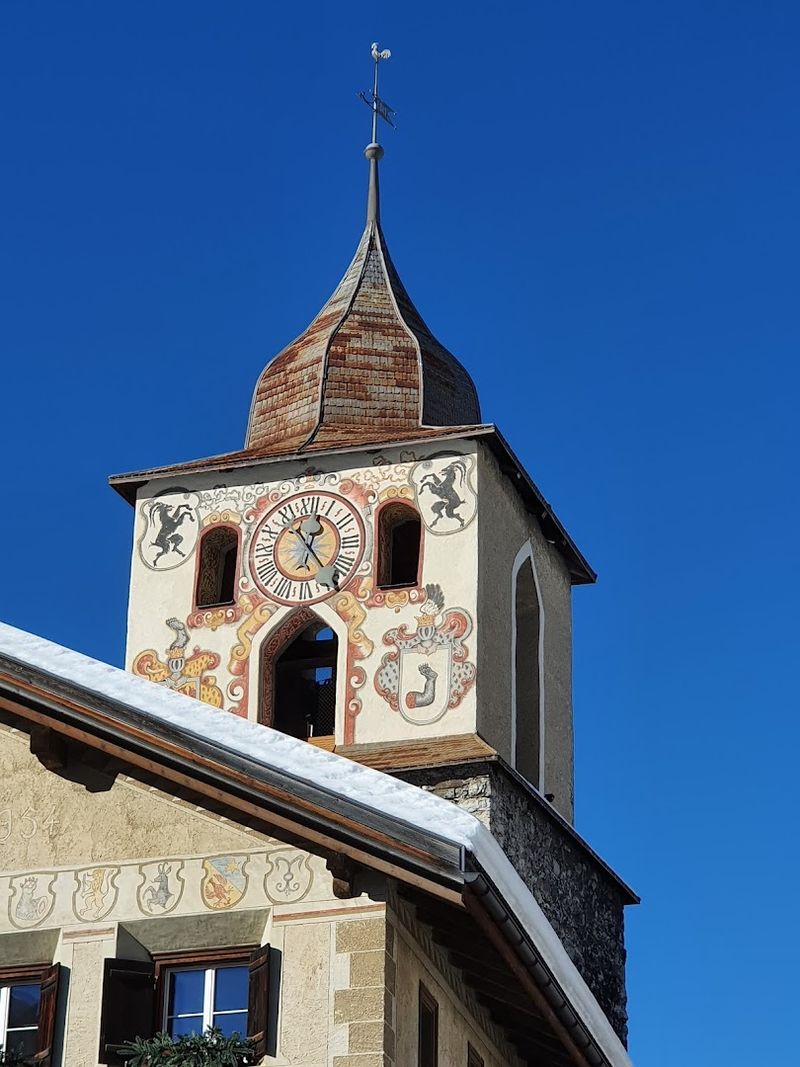
Bergün made international headlines in 2016 for the most wonderfully Swiss reason imaginable: the village officially banned photography of its landscape, not out of secrecy, but because local officials jokingly argued that the scenery was so beautiful it caused unhappiness in people who could not visit in person. The ban was later revealed as a clever tourism campaign, but the underlying point stands.
The village is genuinely stunning. Pastel-colored historic houses line winding cobblestone streets in the canton of Graubünden, and the surrounding mountains provide a backdrop that changes character with every season.
The Albula Railway, a UNESCO World Heritage Site, passes through the area via a series of spectacular viaducts and tunnels that took engineers years to complete.
Bergün sits at 1,367 meters and serves as a starting point for hiking and cross-country skiing routes that explore the surrounding Albula Valley. Despite its considerable beauty and the fame of the railway route, the village remains far quieter than comparable Swiss destinations.
That gap between quality and crowd size is exactly what makes Bergün worth seeking out.
Share this story