Germany is famous for Neuschwanstein Castle, the Brandenburg Gate, and the Oktoberfest crowds. But the country has so much more hiding just off the tourist trail.
I spent weeks digging into lesser-known corners of Germany, and what I found genuinely surprised me. From canal villages to sandstone cliffs, these 15 spots deserve a spot on every traveler’s radar.
Quedlinburg, Saxony-Anhalt
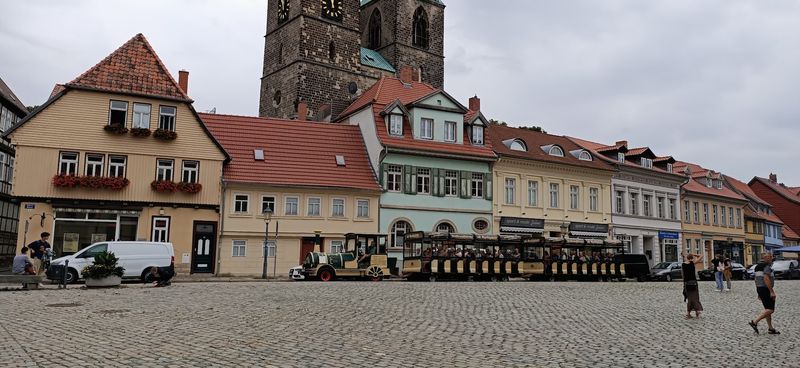
A town where every street corner looks like it belongs in a fairy tale, Quedlinburg has been standing for over 1,000 years and barely looks its age. The old center is a UNESCO World Heritage Site, packed with timber-framed houses leaning at cheerful angles above winding cobblestone lanes.
Unlike Rothenburg ob der Tauber, which draws enormous crowds, Quedlinburg stays refreshingly calm. You can actually hear your own footsteps here, which is a rare luxury in historic German towns.
The former royal palace sits on a hill above town and offers sweeping views worth every step of the climb.
Visit in spring when the flower boxes are bursting with color and the streets feel extra storybook. Pack comfortable shoes because the lanes are uneven but completely worth it.
Quedlinburg rewards slow travelers who are happy to wander without a strict agenda.
Spreewald, Brandenburg
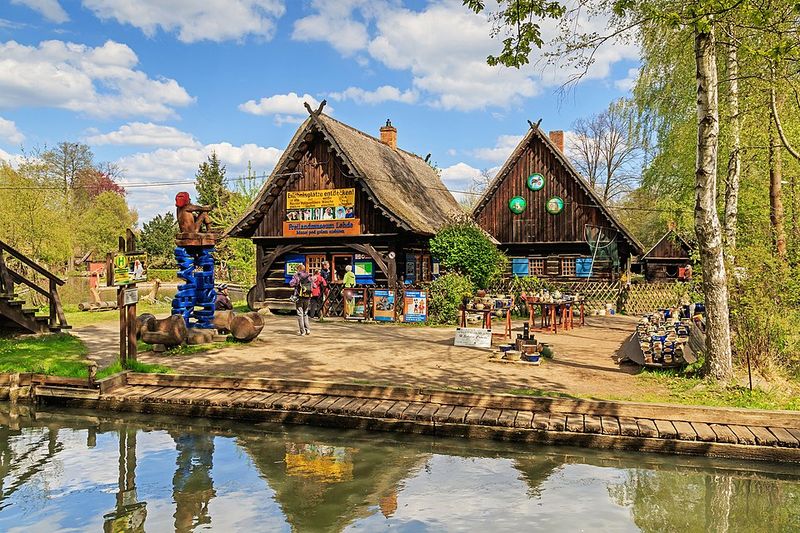
Forget the autobahn for a day. The Spreewald runs on a completely different speed, one measured in gentle paddle strokes and the occasional beaver sighting.
This UNESCO Biosphere Reserve is a maze of waterways, meadows, and forest villages that feels nothing like the Germany most tourists see.
I took a flat-bottomed punt boat through the channels on a quiet Tuesday and passed exactly three other boats. Otters, black storks, and beavers share the waterways with visitors, and wildlife sightings are genuinely common rather than just a hopeful rumor on a brochure.
Cycling is another brilliant way to explore, with flat paths winding through traditional Sorbian villages where locals still celebrate their own distinct culture and language. The Spreewald is also famous for its pickled gherkins, which sounds like a joke until you try one fresh from a roadside stand.
Seriously, do not skip the gherkins.
Monschau, North Rhine-Westphalia
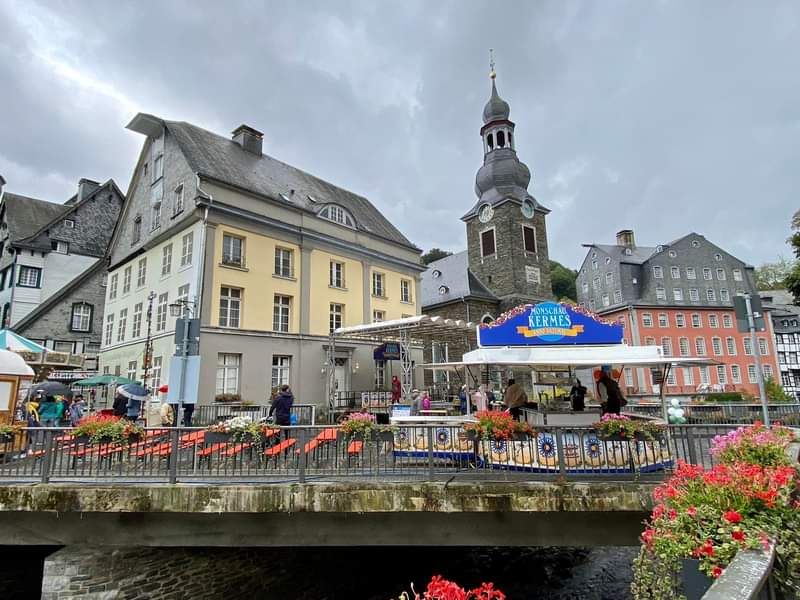
Monschau is the kind of town that makes you stop mid-step and just stare. Tucked into a steep river valley near the Belgian border, it packs half-timbered buildings, narrow cobblestone lanes, and dramatic hillside scenery into a very small but very satisfying package.
The town sits along both the Eifelsteig hiking trail and the Vennbahn cycling route, so active travelers can use it as a proper base rather than just a quick photo stop. That combination of old-town charm and outdoor access is rarer than you might think.
Monschau is also home to a famous mustard shop that has been operating since 1882, and yes, buying mustard as a souvenir is absolutely acceptable here. The Christmas market, held inside the historic Red House, has a cult following among German holiday market fans.
Come in summer for hiking or winter for festive magic, either way Monschau delivers.
Hainich National Park, Thuringia
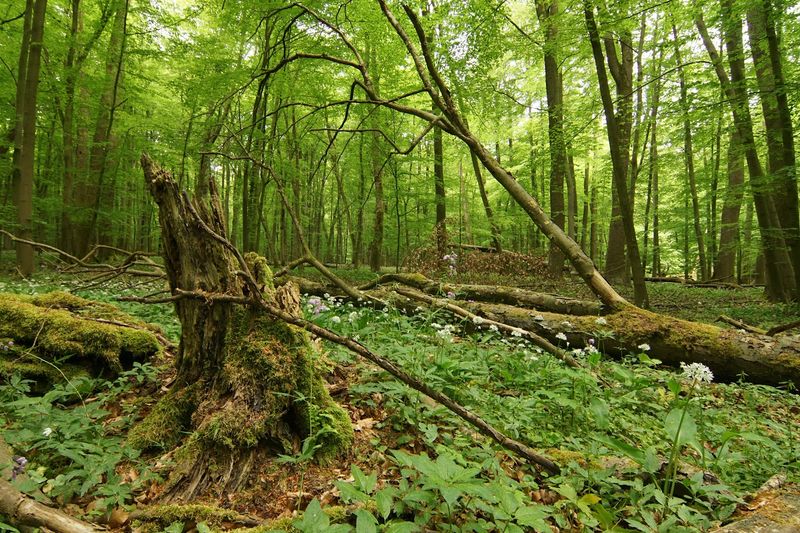
Most people visit Germany for castles and cities. Hainich National Park is here for the tree people, and honestly, the tree people are having more fun.
The park protects one of Germany’s largest continuous areas of ancient beech woodland, and it has been doing so quietly while the tourist buses roll past toward Neuschwanstein.
The star attraction is the treetop trail, a raised walkway that lifts you above the forest floor and into the canopy itself. Walking through the treetops at eye level with birds is a legitimately surreal experience that no photograph fully captures.
Hainich is part of the UNESCO World Heritage Ancient and Primeval Beech Forests site, which covers multiple countries. That is a fancy way of saying these trees are very old, very important, and very worth your time.
The park is low-key, low-crowd, and high-reward for anyone who prefers nature over noise.
Saxon Switzerland National Park, Saxony
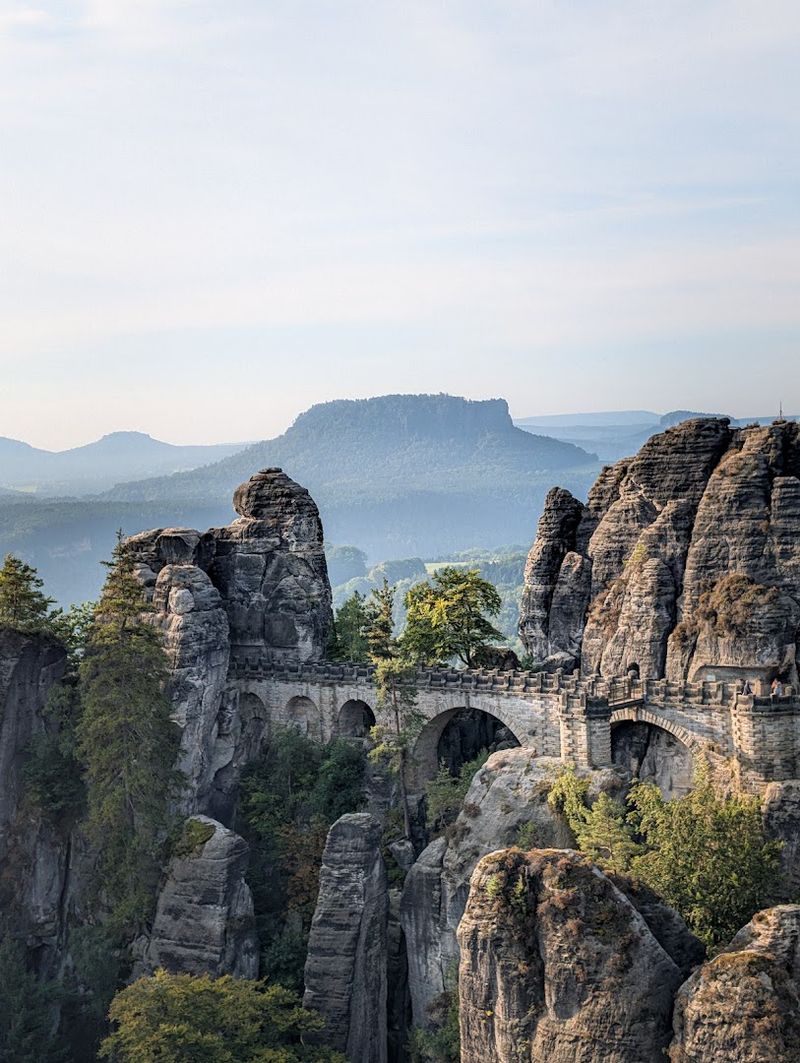
The name Saxon Switzerland has absolutely nothing to do with Switzerland, which is exactly the kind of fun geographical confusion that makes travel interesting. The park earned its name from two Swiss artists who thought the sandstone landscape reminded them of home, and they were not wrong to be impressed.
Over 1,000 freestanding sandstone peaks shoot up from the forested valleys, and more than 20,000 climbing routes have been mapped across them. Saxon Switzerland is widely recognized as the birthplace of free climbing, which means this park has serious credentials in the outdoor world.
Hikers who are not climbers still have an incredible time here. The Malerweg, or Painters’ Way, winds through the most spectacular scenery in the park and is one of Germany’s top-rated long-distance trails.
The Bastei Bridge viewpoint is the most photographed spot, and even on a busy weekend, the wider park feels open and wild.
Bamberg, Bavaria
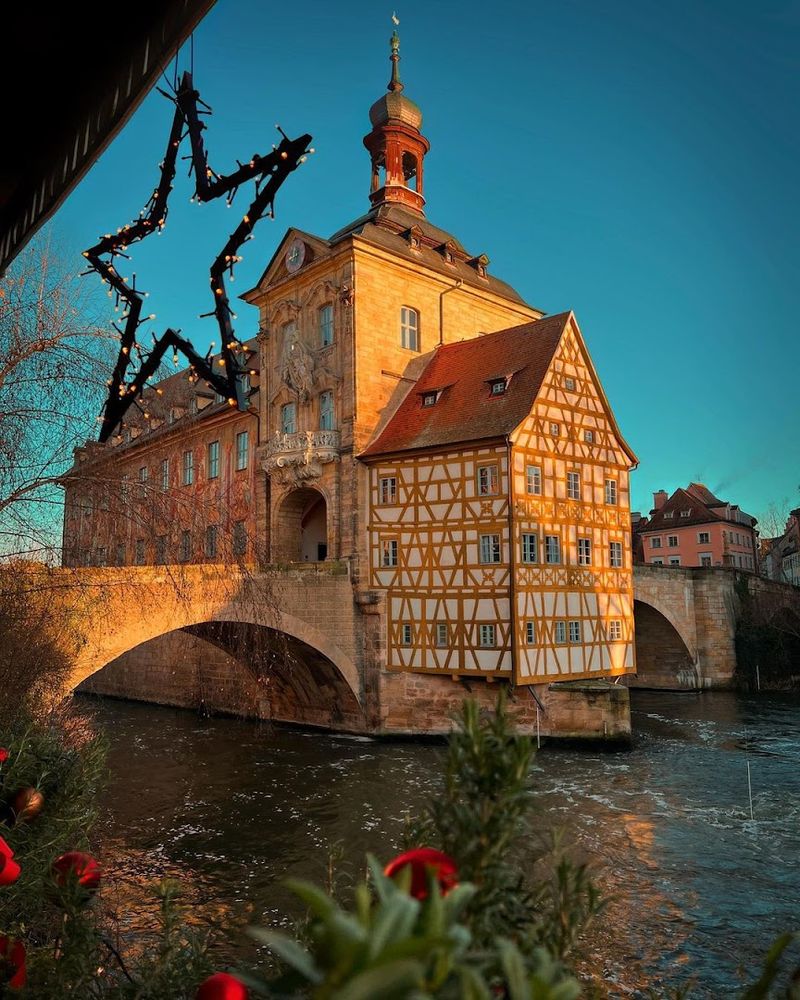
Called Franconian Rome by those who love a dramatic nickname, Bamberg sits on seven hills above the Regnitz River and takes its history extremely seriously. The UNESCO-listed old town is one of Germany’s best-preserved medieval city centers, and it somehow manages to feel lived-in rather than museum-like.
Little Venice is Bamberg’s most photographed quarter, a row of colorful fishermen’s houses built directly on the river that looks almost too picturesque to be real. The historic gardeners’ district adds another layer of character, with kitchen gardens still tended by local families much as they have been for centuries.
Bamberg is also the undisputed capital of Franconian beer culture, with more breweries per capita than almost anywhere else in Germany. Rauchbier, a smoked beer brewed only here, is either the most interesting thing you have ever tasted or a genuine shock to your expectations.
Either way, trying it is non-negotiable. Bamberg earns every visit.
Garden Kingdom of Dessau-Worlitz, Saxony-Anhalt
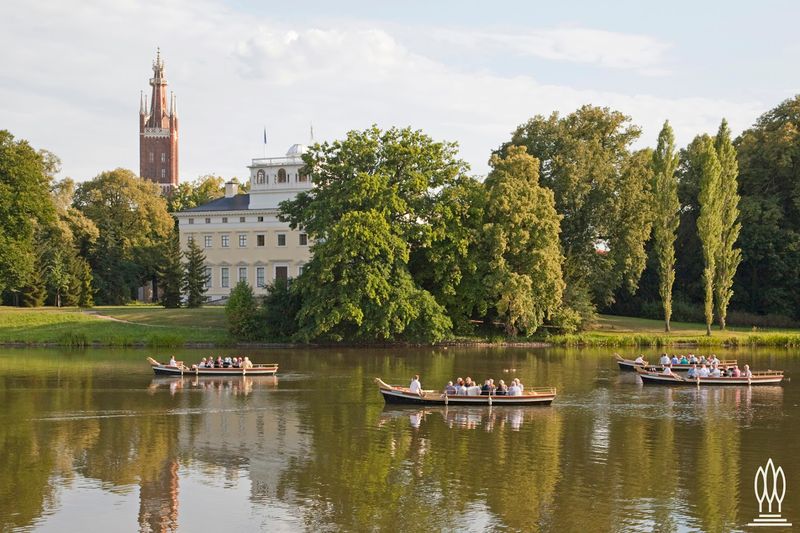
Not every great German attraction involves a castle on a cliff. The Garden Kingdom of Dessau-Worlitz proves that a thoughtfully designed landscape can be just as jaw-dropping as any fortress, and considerably more peaceful to walk around in.
Stretching across roughly 140 square kilometers, this UNESCO-listed cultural landscape blends English garden design, neoclassical architecture, and open countryside into something that feels genuinely ahead of its time. It was created in the late 18th century as a kind of living experiment in Enlightenment ideals, which sounds academic until you are actually strolling beside a glittering lake with a Roman temple on the far bank.
Gondola rides across the lakes are available and deeply charming. The area attracts far fewer visitors than Germany’s castle circuit, which means you get wide open paths and unobstructed views as a bonus.
Go in late spring when everything is green, blooming, and outrageously pretty. This place rewards slow walkers and curious minds equally.
Regensburg, Bavaria
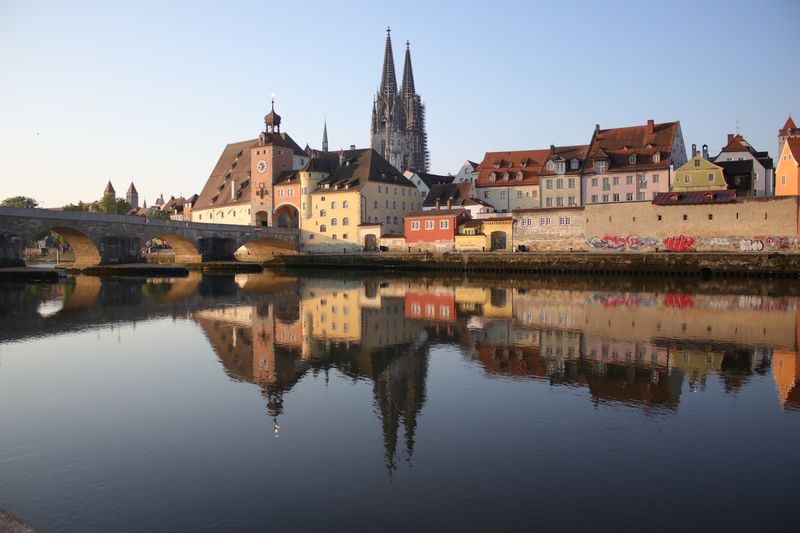
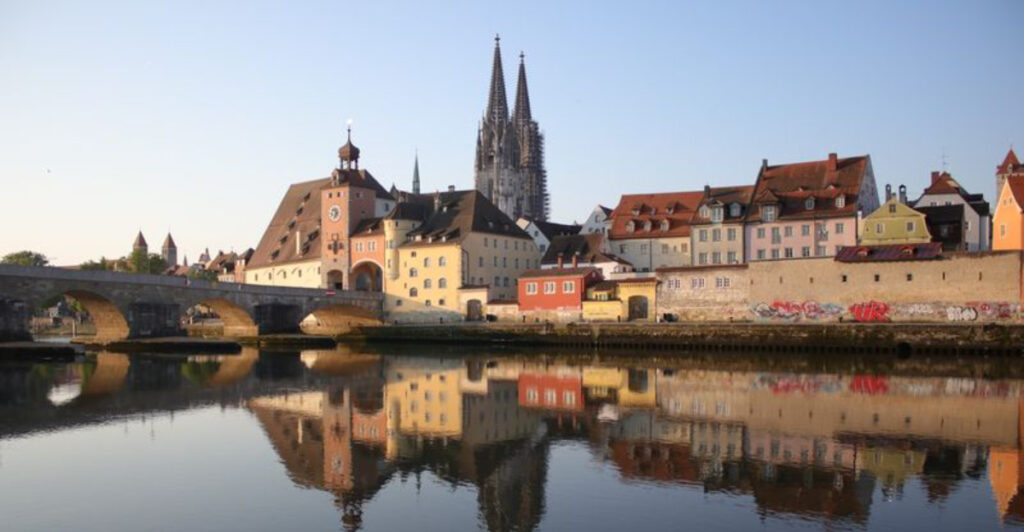
Regensburg has been around for over 2,000 years and still has not figured out why more tourists are not showing up. That is their loss and your gain.
This Bavarian city sits on the Danube and packs Roman ruins, medieval towers, and a buzzing student scene into a compact, walkable old town.
It holds not one but two World Heritage titles, which is the kind of overachieving behavior you have to respect. The Stone Bridge, built in the 12th century, is one of Germany’s oldest and still carries foot traffic across the river every single day.
The historic Wurst kitchen beside it has been serving sausages in the same spot since the 1100s.
Unlike Munich, Regensburg does not feel like it is performing for tourists. The bars are full of locals, the cathedral is genuinely awe-inspiring, and the streets have real character.
It is an easy train ride from Munich, making it a perfect day trip that often turns into an overnight stay.
Walhalla, near Regensburg
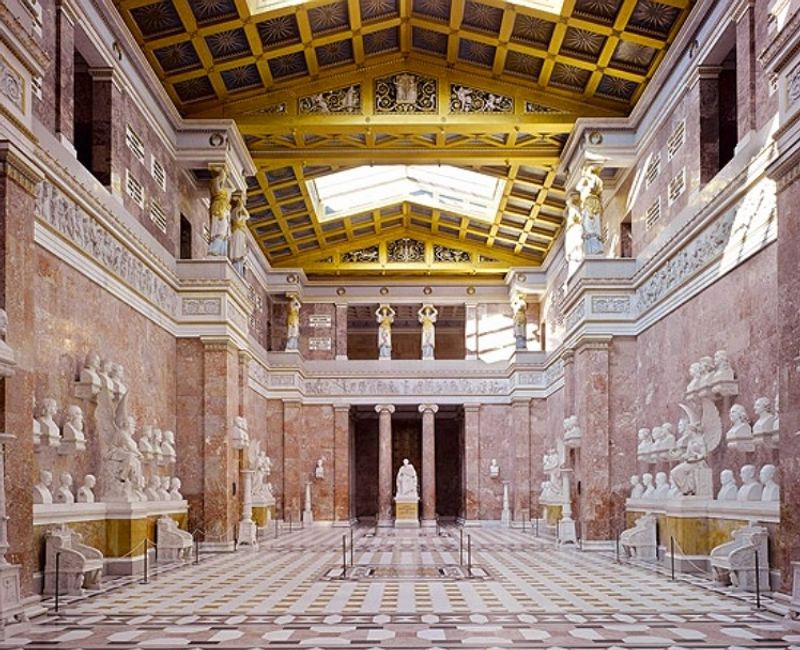
At some point in the 19th century, someone in Bavaria decided the region needed its own Greek temple on a hill above the Danube. That someone was King Ludwig I, and honestly, it worked out brilliantly.
Walhalla is a full-scale marble hall of fame dedicated to distinguished Germans throughout history, and it looks absolutely wild in the Bavarian countryside.
The building houses over 130 marble busts and plaques honoring figures from Charlemagne to Copernicus, because the definition of German was applied very broadly. The climb up the grand staircase is steep but the views over the Danube bend below are completely worth the effort.
Walhalla is only about 10 kilometers from Regensburg, making it the easiest side trip you can add to any Bavaria itinerary. Boats run from Regensburg in summer, and arriving by river gives the whole experience an extra layer of drama.
Admission is affordable, opening times are generous, and the whole thing feels genuinely unlike anything else in Germany.
Berchtesgaden National Park, Bavaria
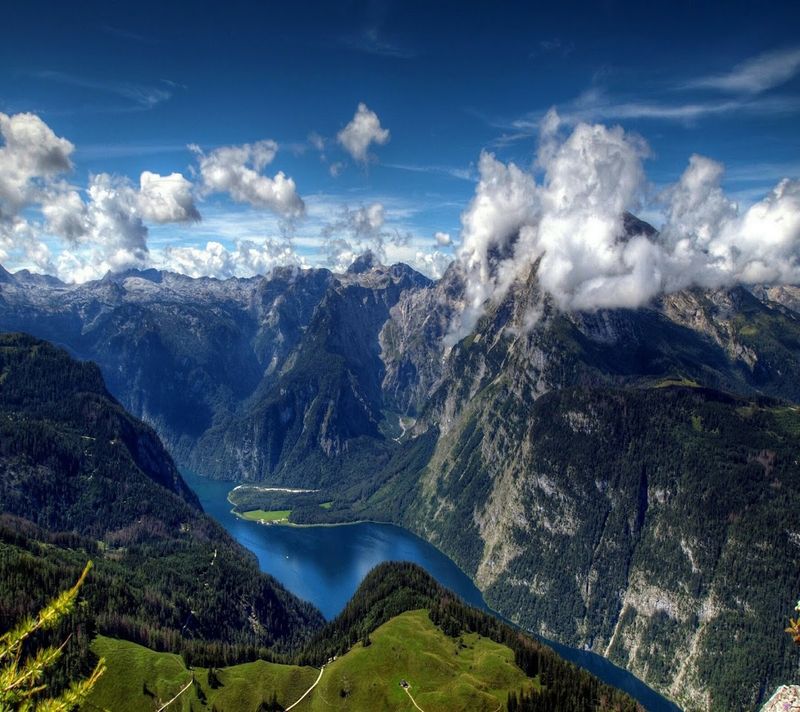
Bavaria has a lot of competition when it comes to scenery, but Berchtesgaden National Park sits at the top of the pile without breaking a sweat. It is Germany’s only national park located in the Alps, which already makes it unique, but the details are what really set it apart.
The Watzmann massif, Germany’s second-highest mountain, dominates the skyline and draws serious climbers from across Europe. For visitors who prefer their drama at a safer altitude, the Konigssee lake offers boat rides through water so clear it looks digitally enhanced.
The Wimbachklamm gorge is a short but spectacular walk through a narrow canyon that stays cool even in summer heat.
Many travelers drive through the wider Berchtesgaden area on their way to Salzburg and miss what the national park itself actually contains. Slow down, stay an extra night, and get into the trails.
The park rewards anyone willing to go beyond the car park viewpoints and actually explore on foot.
Burg in the Spreewald, Brandenburg
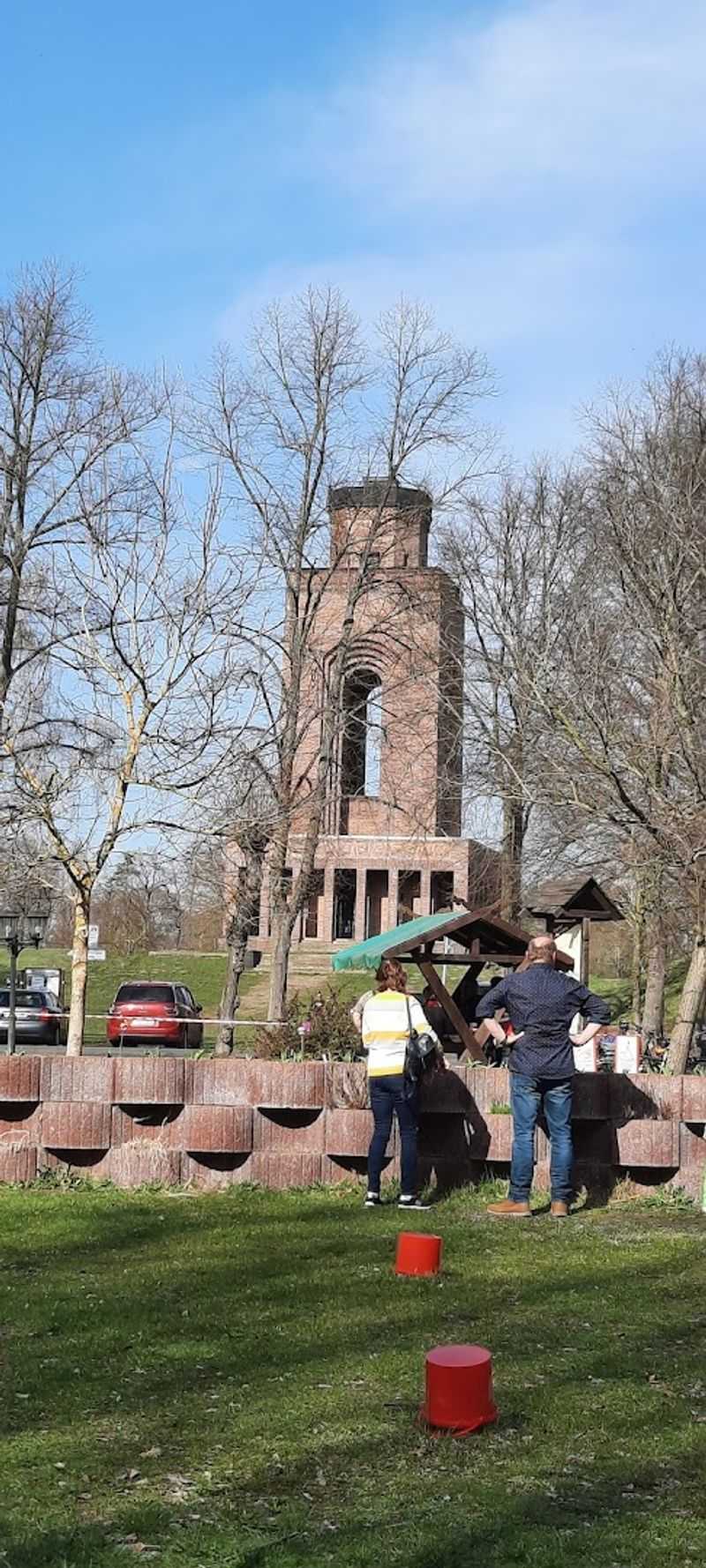
Burg is the Spreewald’s quieter, more laid-back cousin, and it wears that reputation like a badge of honor. While other destinations compete for attention with big landmarks and packed schedules, Burg simply offers forest, water, and a pace of life that feels genuinely restorative.
The town is known for its iodine brine thermal baths, which sounds wonderfully old-fashioned and is, in the best possible way. After a morning paddling through the canal network, an afternoon soak in the thermal waters hits differently.
It is the kind of combination that turns a one-night stop into a three-night stay without you even planning it.
The forest landscape around Burg is especially beautiful in autumn when the trees turn gold above the dark water channels. Cyclists and walkers have a network of flat, well-marked paths to explore.
Burg suits travelers who want to recharge rather than rush, and it does that job better than almost anywhere else in Brandenburg.
Wismar and Stralsund, Mecklenburg-Vorpommern
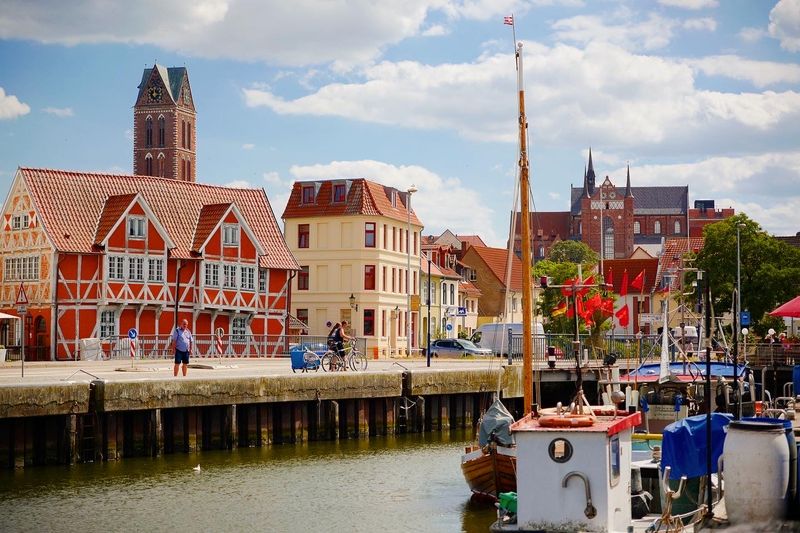
Two UNESCO-listed towns for the price of one Baltic road trip sounds like a solid deal, and Wismar and Stralsund absolutely deliver. Both sit on the northern German coast and share a Hanseatic heritage that shaped everything from their architecture to their attitude toward commerce and the sea.
The brick Gothic buildings in both old towns are distinctive and striking in a way that feels very northern European and very different from the half-timbered south. Stralsund’s old town sits on a narrow peninsula between the sea and two lakes, giving it a geography as dramatic as its skyline.
The Ozeaneum aquarium there is one of Germany’s best, a bonus that surprises most visitors.
Wismar’s harbor area still has working fishing boats alongside tourist restaurants, which keeps the atmosphere grounded and real. Neither town is overrun with visitors the way coastal resorts further east can get.
Together they make a fantastic two-day loop that most travelers flying into Hamburg or Berlin completely overlook.
Eifel National Park, North Rhine-Westphalia
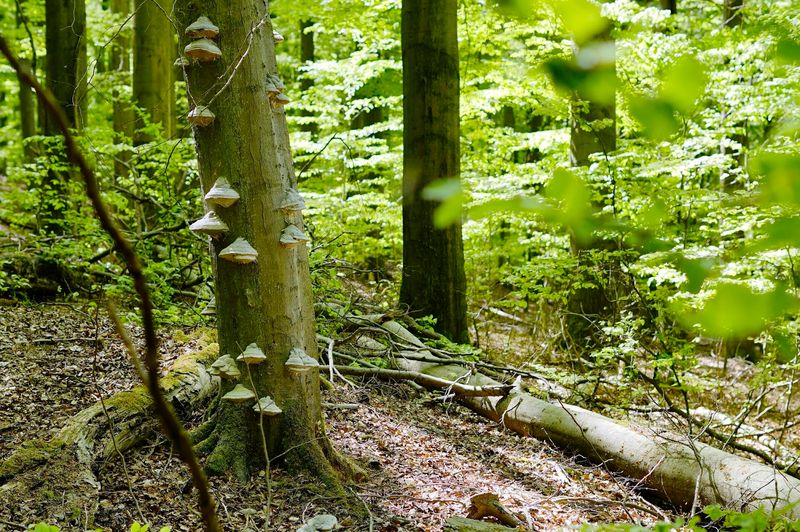
Germany’s western edge has a national park that most people outside North Rhine-Westphalia have never heard of, and Eifel National Park is perfectly fine keeping things that way. The park covers volcanic lakes, dense beech and oak forests, and wild meadows that feel genuinely remote despite being within easy reach of Cologne and Aachen.
The Wilderness Trail starts near Monschau and runs for about 240 kilometers through the park’s most spectacular sections. It is one of Germany’s designated wilderness routes, meaning the landscape is left largely unmanaged and nature does what it wants.
That translates to fallen trees, overgrown paths, and wildlife encounters that feel unscripted and exciting.
Red deer, wildcats, and black woodpeckers all call the park home, and patient hikers spot them regularly on quieter trails. The volcanic lakes, known as Maare, are strikingly blue and surrounded by walking paths that are easy enough for most fitness levels.
Eifel is not flashy, but its wildness is exactly the point.
The Painters’ Way, Saxony
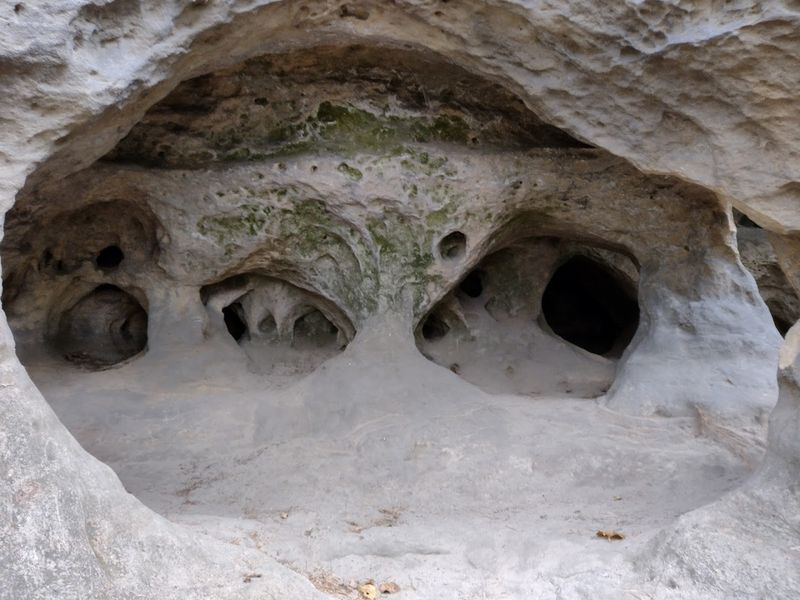
Germany has hundreds of hiking trails, but the Painters’ Way has something most of them do not: a genuine artistic legacy. The route through the Elbe Sandstone Mountains inspired generations of Romantic painters in the 19th century, including Caspar David Friedrich, whose moody landscapes became some of the most recognizable art in German history.
The trail runs for about 112 kilometers through Saxon Switzerland National Park, passing sandstone cliffs, river views, forested gorges, and table mountains that look almost theatrical from certain angles. It is divided into eight stages, making it manageable as a week-long trip with comfortable overnight stops in villages along the way.
What sets the Painters’ Way apart from other scenic routes is the variety. No two stages look alike.
One day you are scrambling up rock ladders to clifftop viewpoints, the next you are walking quietly through riverside meadows. It is a trail that keeps surprising you, which is the best thing any long walk can do.
Bad Langensalza and the Hainich Treetop Path, Thuringia
Bad Langensalza does not have the most exciting name in Germany, but do not let that fool you. This small spa town in Thuringia makes an excellent base for exploring Hainich National Park, and it comes with the bonus of actual thermal baths if your legs need a break from hiking.
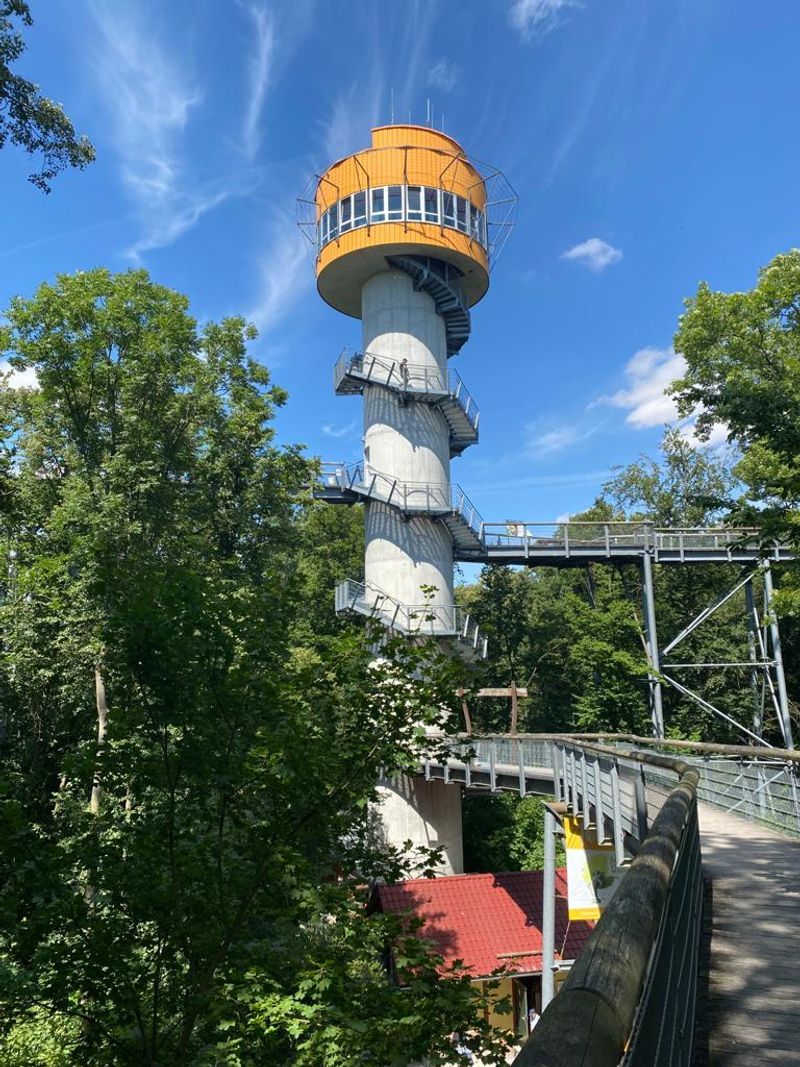
The Hainich Treetop Path is the main draw nearby, a raised wooden walkway that carries visitors up and through the canopy of ancient beech trees. The route includes a viewing tower that rises high above the forest and delivers views that stretch across the Thuringian landscape on clear days.
It is popular with families and genuinely enjoyable for all ages.
The combination of a quiet historic town and direct access to one of Germany’s most rewarding nature trails makes Bad Langensalza an underrated base that most itineraries completely skip. Accommodation is affordable, the town center has charm, and the forest is only minutes away.
That is a hard combination to beat anywhere in central Germany.
Share this story