Europe is packed with world-class art galleries and history museums, but some of its most memorable attractions are the ones nobody sees coming. Hidden beneath city streets, floating underwater, or spread across entire countrysides, these museums break every rule about what a museum should be.
Whether you love weird history, strange science, or just enjoy a good story, these places offer experiences you simply cannot find anywhere else. Get ready to discover 17 of the most unusual museums across Europe that will leave you genuinely amazed.
Museum of Broken Relationships – Zagreb, Croatia
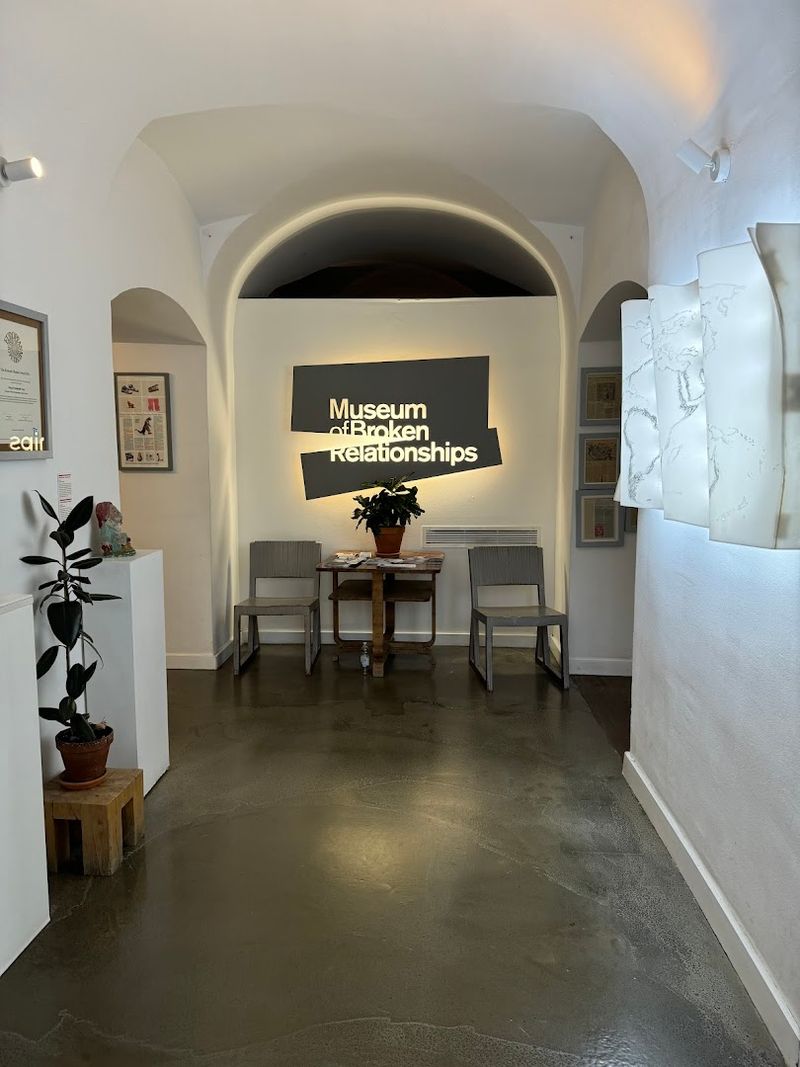
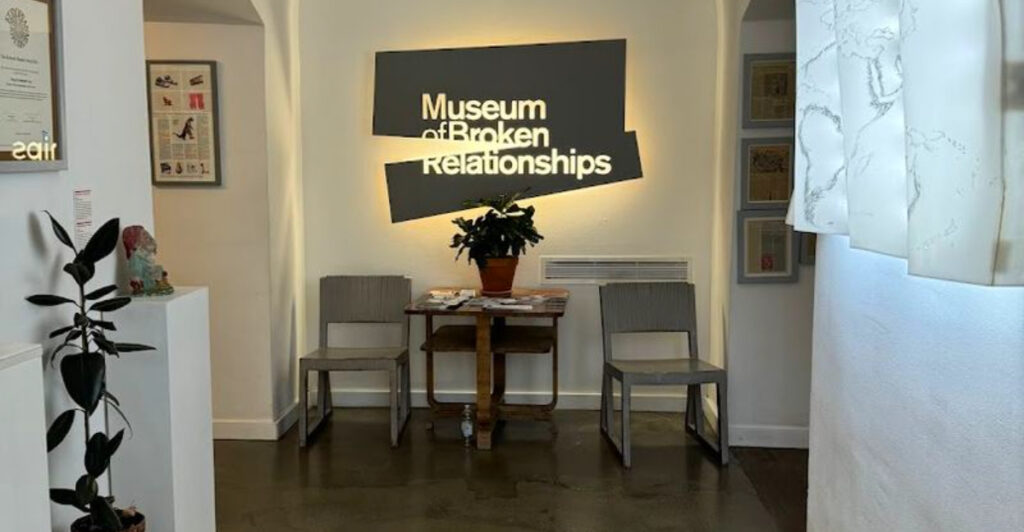
Heartbreak has never looked this beautiful. The Museum of Broken Relationships in Zagreb collects personal objects donated by people from all over the world, each one tied to a failed romance.
A toaster, a wedding dress, a rubber duck, these items sound ordinary until you read the anonymous stories attached to them.
What makes this museum genuinely special is how emotionally powerful everyday objects become when paired with raw, honest storytelling. Some stories are funny, some are devastating, and many are deeply relatable.
You might find yourself laughing at one exhibit and quietly tearing up at the next.
The museum received the European Museum Forum’s Kenneth Hudson Award for pushing the boundaries of what a museum can be. Founded by two Croatian artists who were themselves going through a breakup, the concept grew from a traveling exhibition into a permanent home in Zagreb’s Upper Town.
Millions of visitors have passed through its doors since it opened in 2010. Even if you have never had your heart broken, this museum will make you feel something real and lasting.
Icelandic Phallological Museum – Reykjavík, Iceland
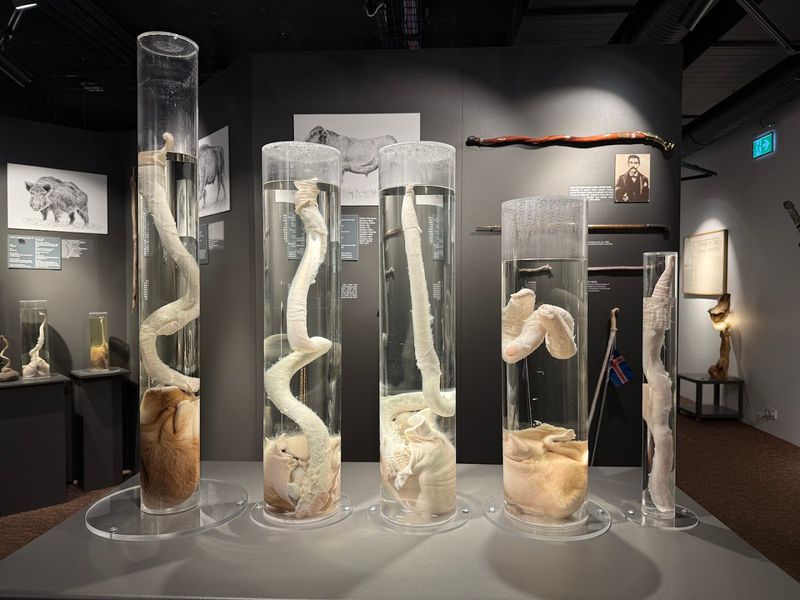
Only in Iceland would a museum dedicated entirely to the science of phallology become a major tourist attraction, and somehow it works brilliantly. The Icelandic Phallological Museum in Reykjavik houses one of the world’s most unusual collections, featuring hundreds of preserved specimens from dozens of different species.
Whales, seals, bears, and even a human specimen all have their place here.
Founder Sigurdur Hjartarson began collecting in 1974 after receiving a cattle whip as a joke gift. What started as a quirky hobby grew into a full-scale museum that now attracts curious visitors from around the globe.
The collection spans over 280 specimens representing 93 different animal species.
Beyond the shock factor, the museum is genuinely educational. It explores biological diversity, anatomy, and even folklore surrounding the subject.
Display labels are informative and surprisingly respectful in tone. The gift shop alone is worth the visit, offering some of the most memorable souvenirs you will ever bring home from a European trip.
Strange? Absolutely.
Worth visiting? Without question.
This is the kind of place that makes Iceland even more wonderfully weird than you already imagined it to be.
Froggyland – Split, Croatia
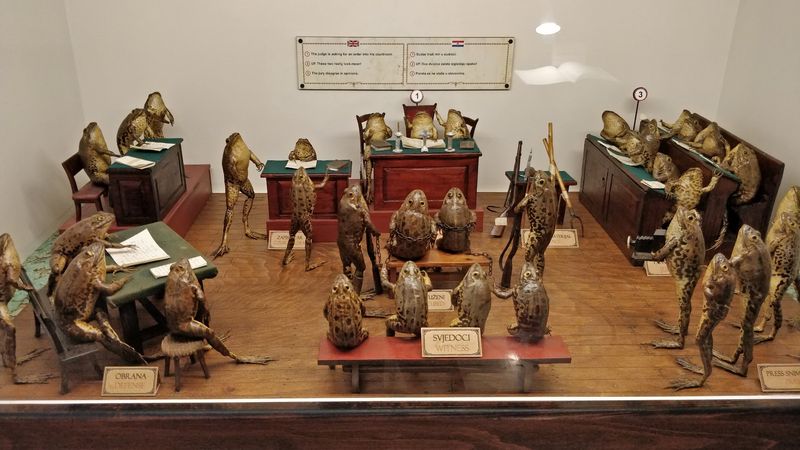
Somewhere in Split, Croatia, over 500 taxidermied frogs are living their best lives, attending school, performing in circuses, and playing musical instruments. Welcome to Froggyland, one of the most gloriously bizarre attractions in all of Europe.
It sounds like something from a fever dream, but it is very real and very worth visiting.
Hungarian taxidermist Ferenc Mere created this entire collection over a decade in the early 1900s. Using real frogs preserved and posed with extraordinary skill, he constructed miniature dioramas showing frogs engaged in human activities.
The craftsmanship is genuinely impressive once you get past the initial weirdness.
Visitors consistently describe the experience as equal parts hilarious and unsettling, which is honestly the perfect combination for a memorable museum. Children tend to love it, though some adults find the tiny frog faces a little too expressive for comfort.
The collection has survived over a century largely intact, making it a rare and remarkable piece of natural history artistry. If you are already visiting Dubrovnik or the Dalmatian Coast, Split is just a short trip away.
Do not miss it. You will be talking about Froggyland at dinner parties for years to come.
Paris Sewer Museum – Paris, France
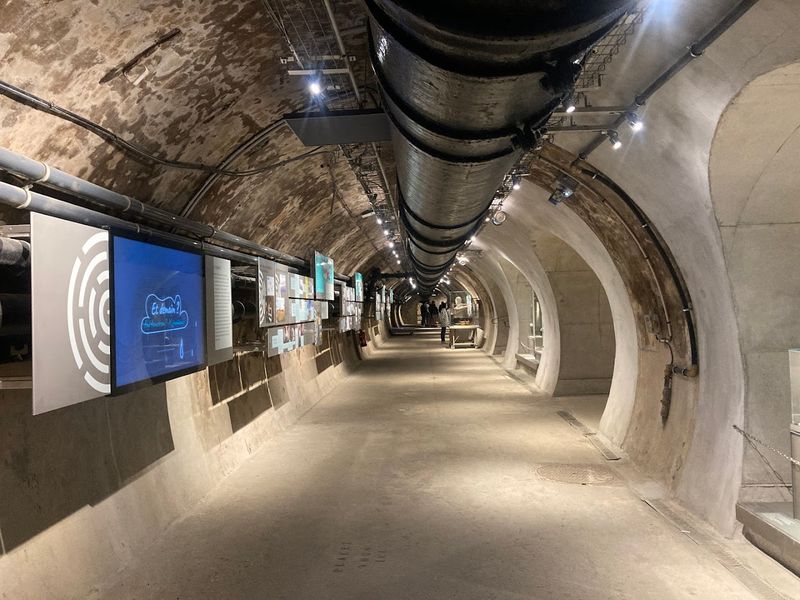
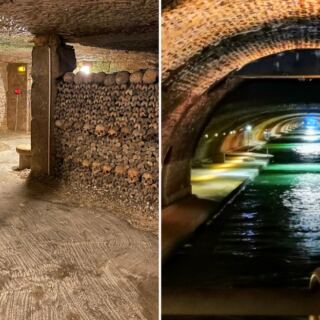
Forget the Louvre for a moment. Beneath the streets of Paris lies one of the city’s most unexpectedly fascinating attractions: a working sewer system you can actually walk through.
The Paris Sewer Museum, known in French as Le Musee des Egouts, has been welcoming curious visitors since 1867. Yes, it smells.
Yes, it is still worth it.
The tunnels stretch for thousands of kilometers beneath the city, and the museum takes you through a portion of them while explaining how Paris built one of the world’s most advanced sanitation systems. Before these sewers existed, waste was simply dumped into the streets, which caused devastating outbreaks of cholera and typhoid.
The engineering that replaced that system was genuinely revolutionary.
Interactive displays, old equipment, and historical photographs line the walkways, giving context to what you are seeing around you. The experience is surprisingly informative and atmospheric.
Victor Hugo famously used the Paris sewers as a dramatic setting in Les Miserables, and walking through them gives you a real sense of why. Guided tours are available in multiple languages.
It is one of those rare museums where the building itself is the exhibit, and that building happens to be underground and rather smelly.
KattenKabinet – Amsterdam, Netherlands
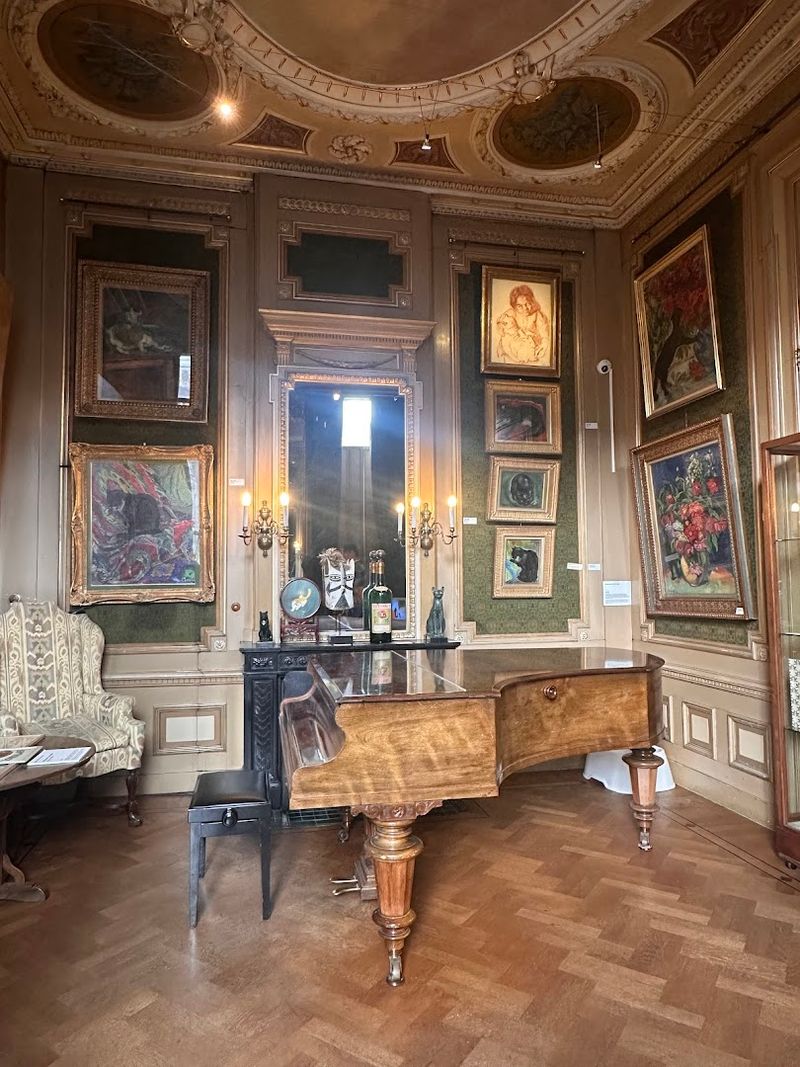
Cat lovers, your pilgrimage destination has been located. The KattenKabinet, or Cat Cabinet, sits inside a stunning seventeenth-century canal house in the heart of Amsterdam and is dedicated entirely to the cat as a subject of art and culture.
From floor to ceiling, every room is filled with paintings, sculptures, posters, and prints featuring cats across the centuries.
The museum was founded by businessman Bob Meijer in memory of his beloved orange tomcat, Tom Meijer, who passed away in 1994. That is genuinely one of the sweetest origin stories in museum history.
The collection spans several centuries and includes works by Picasso, Toulouse-Lautrec, and other major artists who happened to love or paint cats.
What makes the visit extra special is the building itself. The canal house is beautifully preserved, with high ceilings, wooden floors, and ornate details that give the whole experience a grand, old-world feel.
Real cats sometimes wander through the rooms, which adds a living, breathing charm to the experience. Admission is affordable, and the museum is small enough to explore in under an hour.
For anyone who appreciates both art history and animals, the KattenKabinet is a genuinely delightful surprise tucked into one of Amsterdam’s most scenic streets.
Disgusting Food Museum – Malmö, Sweden
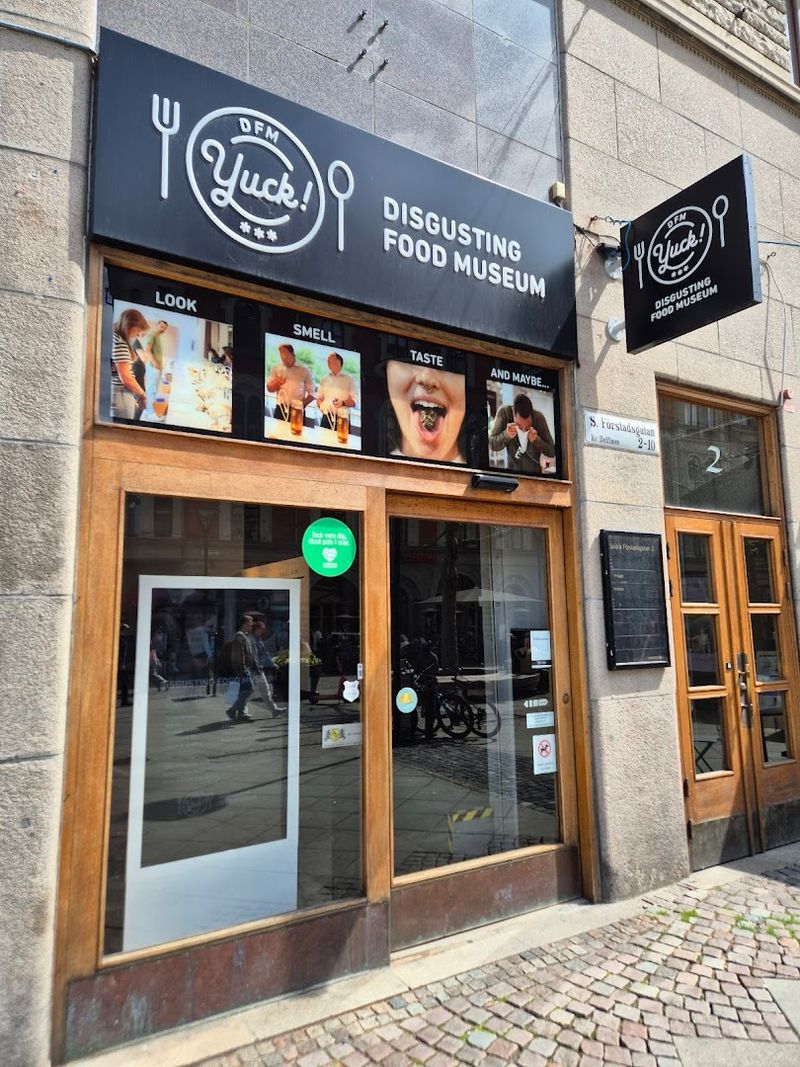
Before you judge, know this: what counts as disgusting is entirely a matter of where you grew up. The Disgusting Food Museum in Malmö, Sweden, makes that point brilliantly by gathering some of the world’s most controversial foods under one roof and daring you to reconsider your reactions.
Fermented Icelandic shark, casu marzu cheese containing live maggots, and century eggs are just a few of the highlights.
The museum opened in 2018 and quickly went viral for obvious reasons. But beyond the shock value, there is a genuinely thoughtful message at its core.
Disgust is a cultural construct, and what one society considers a delicacy, another finds revolting. The exhibits explore this idea through food science, anthropology, and sensory psychology.
Brave visitors can smell and taste some of the exhibits, which is either the best or worst idea depending on your stomach. The museum also raises questions about sustainability, pointing out that insect protein and fermented foods may actually be the future of global nutrition.
Entry includes a vomit bag, which is either a gimmick or a practical necessity. Probably both.
This is one of those rare museums that manages to be educational, provocative, and genuinely hilarious all at the same time.
Neon Museum – Warsaw, Poland
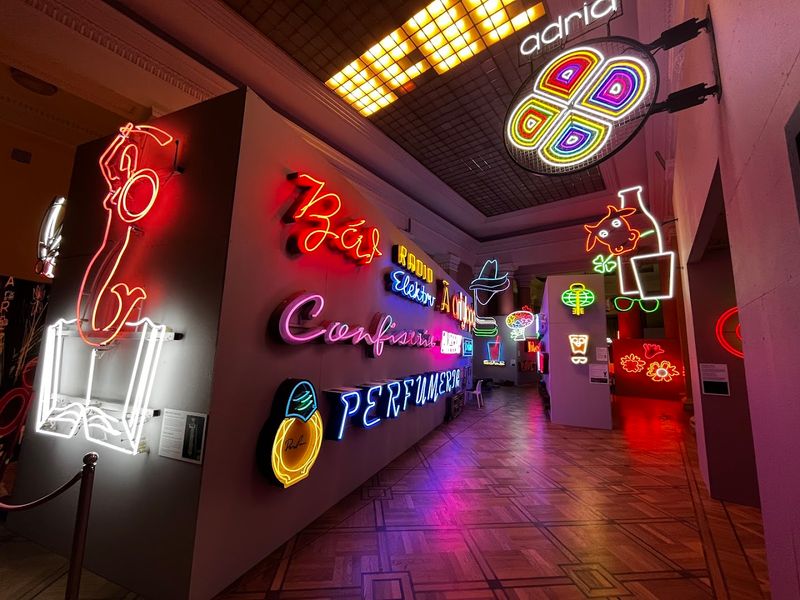
Tucked inside a former industrial complex in Warsaw’s Praga district, the Neon Museum glows like a time capsule from another era. Its collection of preserved neon signs from communist-era Poland is one of the most visually striking museum experiences in all of Europe.
The moment you step inside, you are surrounded by a buzzing, colorful world that feels equal parts nostalgic and cinematic.
During the communist period from roughly the 1950s through the 1980s, Poland actually produced some of the most creative neon signage in the world. The signs were used to advertise state-run businesses, hotels, and cultural venues.
When communism fell, many of these signs were simply taken down and left to decay. The Neon Museum was founded to rescue and restore them before they disappeared forever.
Today the collection includes over 200 restored signs, ranging from simple shop logos to large-scale artistic installations. Photography is encouraged, and the museum is a favorite spot for artists, designers, and anyone who appreciates bold visual culture.
Evening visits are particularly magical when the signs are glowing at full brightness. The museum also hosts events, workshops, and temporary exhibitions throughout the year.
It is one of Warsaw’s coolest hidden gems and an absolute must for design enthusiasts.
Museo Atlántico – Lanzarote, Spain
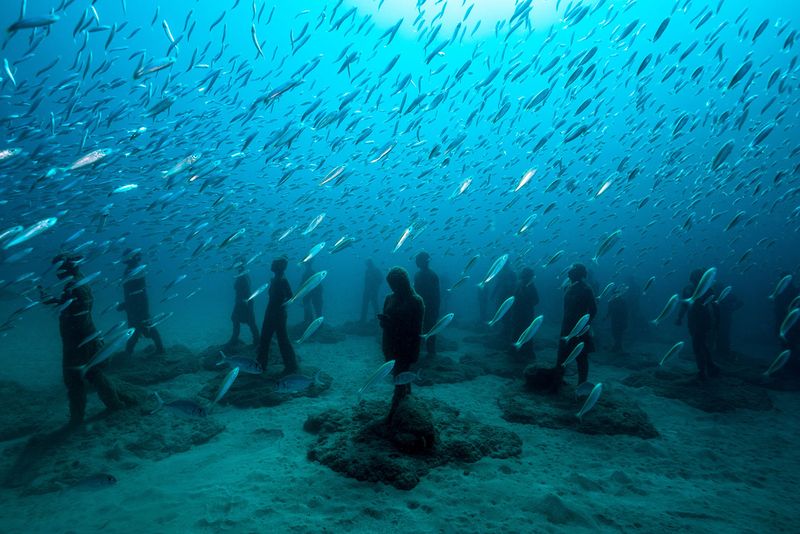
Strap on a snorkel or scuba tank, because this museum requires getting wet. Museo Atlantico off the coast of Lanzarote is Europe’s only underwater museum, and it is unlike anything else on the continent.
More than 300 large-scale sculptures sit on the ocean floor between 12 and 15 meters below the surface, creating a surreal gallery that blends art with marine conservation.
British sculptor Jason deCaires Taylor created the collection, which was submerged between 2016 and 2018. The sculptures are made from pH-neutral materials designed to encourage coral growth and marine life.
Over time, the figures become living reefs, covered in algae, barnacles, and sea creatures. The artwork literally grows and changes with the ocean around it.
Thematically, the pieces explore human relationships with nature and the environment. One of the most striking installations shows a group of figures sitting in a circle, completely still while the ocean moves around them.
Glass-bottomed boat tours are available for those who prefer to stay dry. The surrounding waters near Lanzarote are clear and warm, making visibility excellent for divers and snorkelers alike.
This is one of those experiences that stays with you long after you surface. No other museum in Europe asks you to hold your breath to see the exhibits.
Lund University Nose Collection – Sweden
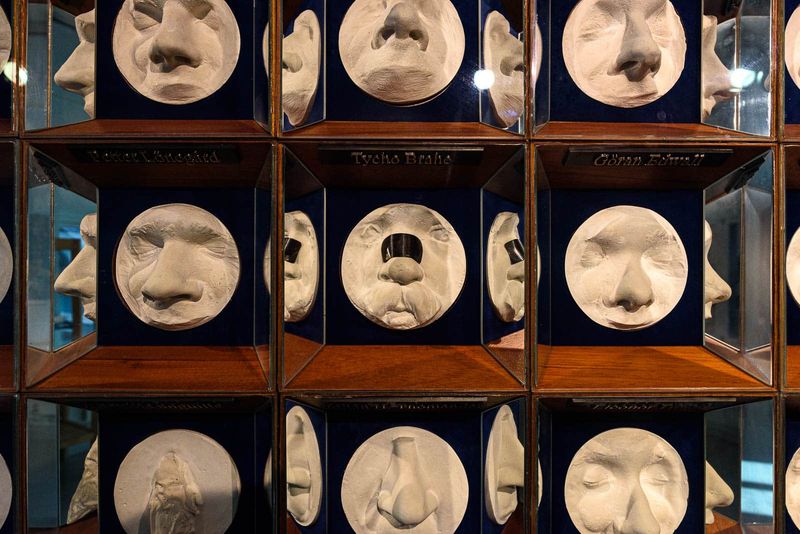
Few museum collections in the world require quite as much explanation as this one. Stored at Lund University in Sweden, the Nose Collection is exactly what its name suggests: a carefully preserved assembly of plaster cast noses belonging to famous Scandinavian figures.
Over 100 noses, all captured in detailed three-dimensional form, lined up for your quiet contemplation.
The collection dates back to the nineteenth century when creating plaster casts of notable people was a common scientific and artistic practice. Researchers and artists wanted to document the physical features of prominent individuals for posterity.
Noses, apparently, were considered particularly revealing of character and heritage at the time, reflecting the era’s interest in physiognomy.
Today the collection sits somewhere between medical history, art history, and pure absurdity. Academics occasionally reference it in studies of nineteenth-century anthropology, but most visitors simply enjoy the sheer strangeness of the whole enterprise.
It is not a large collection, and it is not flashy, but it has a quiet, deadpan humor that is hard to resist. If you are visiting Lund, which is a beautiful university city in southern Sweden worth exploring in its own right, the nose collection makes for a genuinely memorable detour.
Bring your curiosity and maybe a sense of humor about faces.
Senfladen Mustard Museum – Düsseldorf, Germany
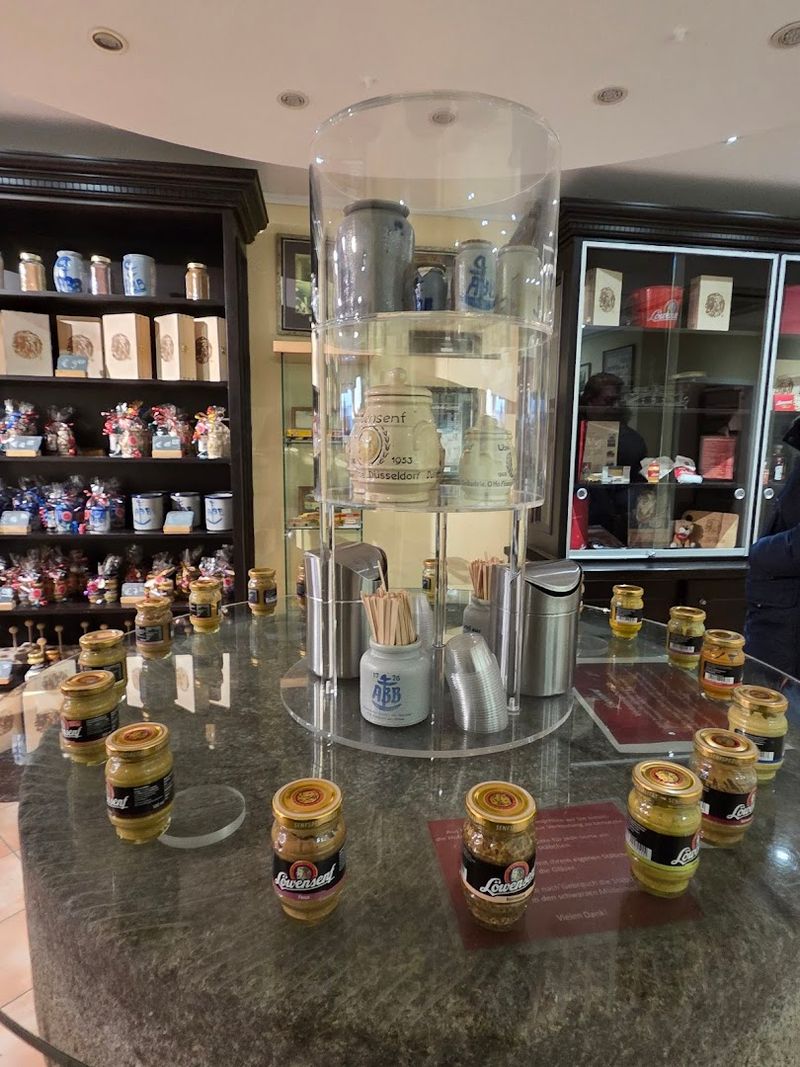
Most people never think twice about the yellow squirt of mustard on their hot dog. A visit to the Senfladen Mustard Museum in Dusseldorf, Germany, will change that forever.
This small but passionate museum is dedicated entirely to mustard, covering its history, production methods, regional varieties, and cultural significance across centuries and continents.
Mustard has actually been around for thousands of years, with evidence of its use dating back to ancient Rome and India. The museum walks visitors through this surprisingly rich history with displays, vintage packaging, and production equipment.
You learn about the difference between yellow, brown, and Dijon mustard, and why certain regions developed such distinct styles.
The real highlight, though, is the tasting station. Visitors can sample dozens of unusual mustard varieties including beer mustard, honey mustard, coconut curry mustard, and versions infused with fruits and spices you would never expect.
The shop stocks an enormous range of specialty mustards to take home. Staff are enthusiastic and genuinely knowledgeable, happy to guide you through the more adventurous flavors.
Dusseldorf is actually famous for its own local mustard style, which is coarser and sharper than most German varieties. This museum celebrates that local pride while also expanding your understanding of a condiment you thought you already knew completely.
Bubblecar Museum – Lincolnshire, England
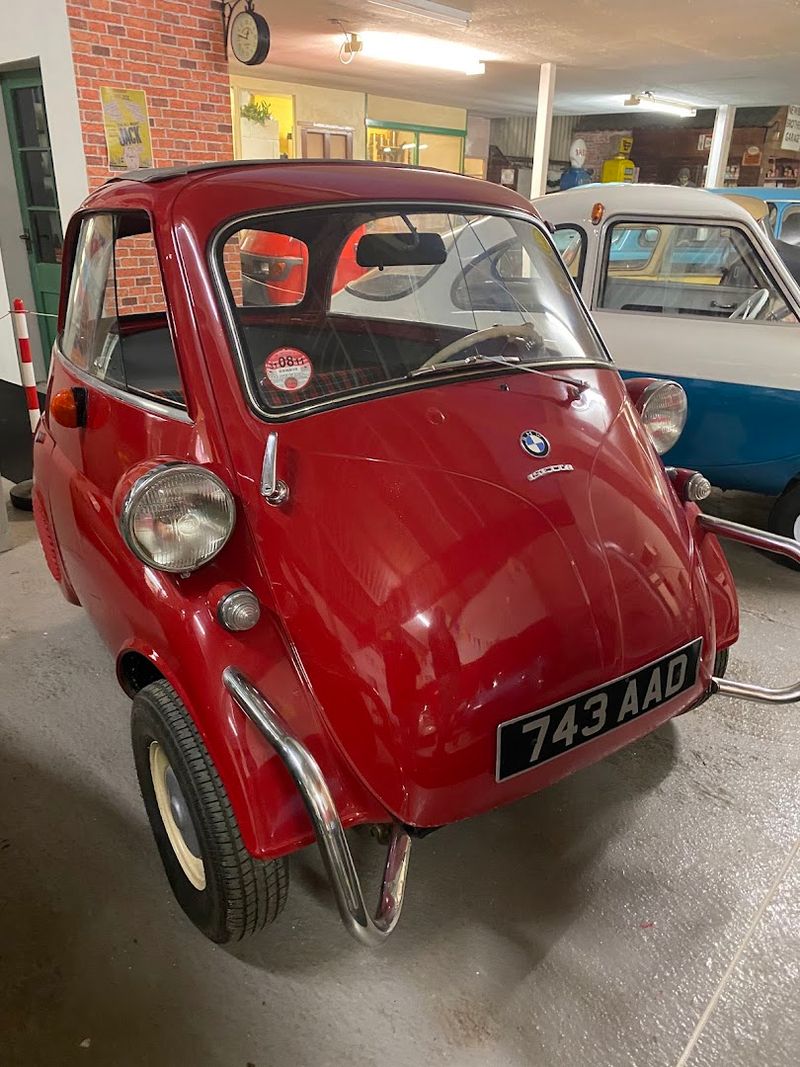
Picture a car so small it looks like someone shrunk a regular vehicle in the wash. That is essentially the premise of the Bubblecar Museum in Lincolnshire, England, which celebrates the gloriously tiny microcar trend that swept postwar Europe in the 1950s and 1960s.
These miniature vehicles were designed to be affordable, fuel-efficient, and just barely large enough for two people and a small bag of groceries.
The collection includes iconic models like the Isetta, the Messerschmitt KR200, and the Heinkel Kabine, all of which look more like cartoon cars than real transportation. Many of them had front-opening doors or unusual entry systems that made getting in and out an adventure in itself.
Despite their comic appearance, these vehicles genuinely solved a transportation problem for working-class Europeans rebuilding their lives after World War Two.
The museum is run with obvious love and enthusiasm by its founders, and the atmosphere feels warm and personal rather than stuffy or formal. Vintage photographs, original advertisements, and period memorabilia fill the spaces between the vehicles, giving the whole collection real historical context.
Kids adore the tiny cars, and adults find themselves unexpectedly charmed. The Bubblecar Museum is proof that the most joyful museums are sometimes the most specific ones.
Museum of Hunting and Nature – Paris, France
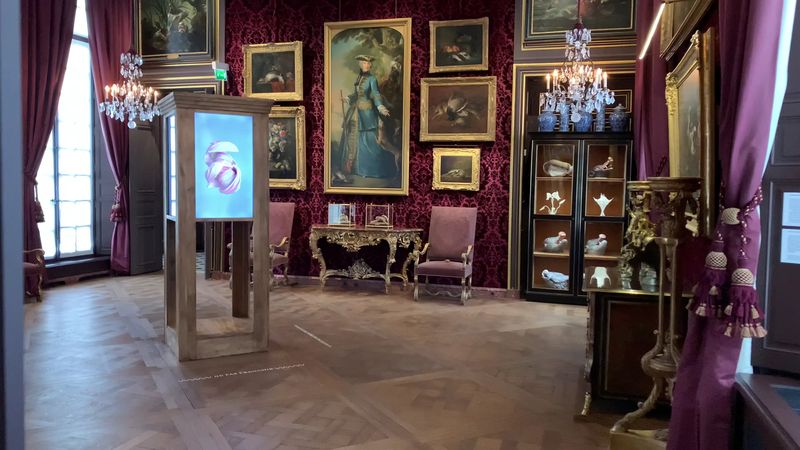
Walk through the doors expecting antlers and old rifles, and you will find something far stranger and more wonderful. The Museum of Hunting and Nature in Paris occupies two beautifully restored seventeenth-century mansions in the Marais district, and from the outside it looks like a perfectly respectable historical institution.
Inside, it is something else entirely.
Alongside traditional hunting artifacts, antique firearms, and impressive taxidermy, the museum weaves in contemporary art installations that make the whole experience feel deliberately dreamlike. A stuffed bear sits in a dark room lit only by a chandelier.
A unicorn horn is displayed alongside real narwhal specimens. The curators have clearly decided that the line between history and imagination is worth blurring.
French philosopher and art critic Jean-Hubert Martin helped reimagine the museum’s approach, and the result is an experience that feels more like walking through a carefully designed narrative than a traditional collection. Each room has its own mood and surprises.
The building itself is gorgeous, with painted ceilings, carved fireplaces, and parquet floors that feel centuries old. Admission is reasonable, and the museum is rarely overcrowded, making it a peaceful alternative to Paris’s busier attractions.
It rewards slow, curious visitors who enjoy not quite knowing what they will find around the next corner.
Scout Museum – Vienna, Austria
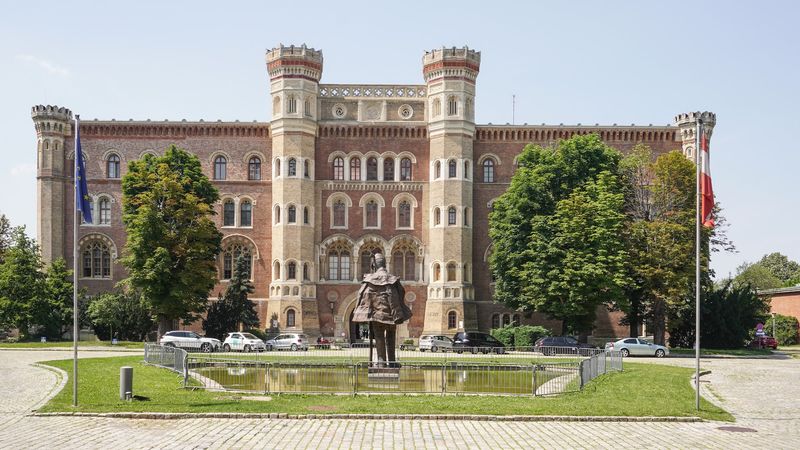
Vienna is famous for imperial palaces, classical music, and coffee houses, but tucked among its cultural treasures is one of the world’s most comprehensive collections dedicated to the global scouting movement. The Scout Museum in Vienna may not sound immediately thrilling, but spend twenty minutes inside and you will be surprised by how genuinely captivating it becomes.
The collection spans over a century of scouting history, featuring uniforms, badges, flags, handbooks, photographs, and memorabilia from dozens of countries around the world. Scouting began with Robert Baden-Powell in Britain in 1907 and quickly spread across the globe, adapting to different cultures and political contexts in fascinating ways.
The museum documents all of this with impressive depth and care.
What makes the Vienna Scout Museum particularly interesting is how it captures the social history of youth movements across the twentieth century. You see how scouting survived wars, adapted to changing societies, and maintained its core values across wildly different political environments.
The museum is small and unpretentious, staffed by volunteers who are passionate about the subject. It draws a mix of former scouts reconnecting with memories and curious visitors who stumble in expecting little and leave genuinely engaged.
Sometimes the most rewarding museum visits are the ones you least expected to enjoy.
Pile Dwelling Museum – Lake Constance, Germany
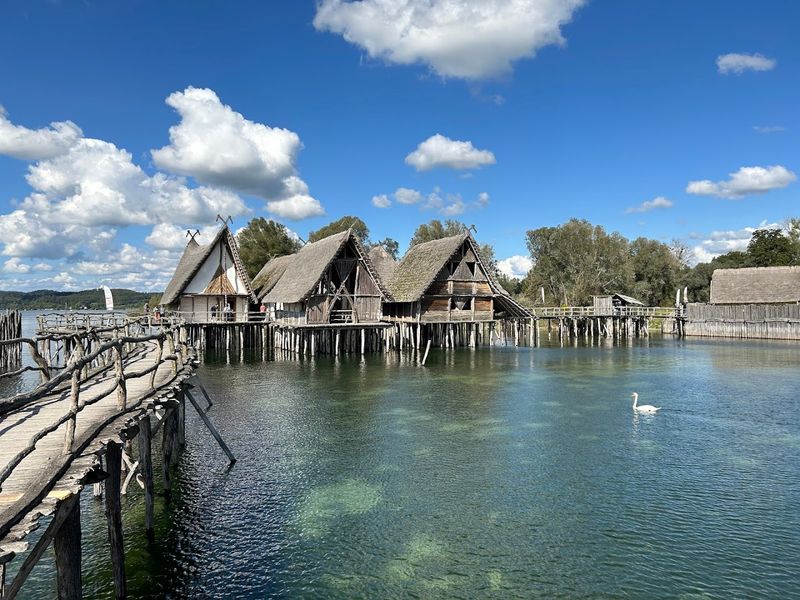
Standing on a wooden walkway above the shimmering waters of Lake Constance, it is genuinely easy to forget what century you are in. The Pile Dwelling Museum, or Pfahlbaumuseum, at Unteruhldingen on the shores of Lake Constance recreates prehistoric lake villages that existed in this region thousands of years ago.
The reconstructed homes sit on wooden stilts above the water, just as the originals did during the Stone and Bronze Ages.
The site is part of a UNESCO World Heritage designation covering prehistoric pile dwellings around the Alps, which gives the museum serious archaeological credibility. Researchers have spent decades studying the original remains preserved in the lake sediment, and the reconstructions are based on genuine scientific findings rather than guesswork.
Walking through the recreated houses, visitors see how these ancient communities lived, cooked, stored food, and organized their daily lives. The interiors are furnished with period-accurate tools, textiles, and pottery.
Guided tours bring the history to life with stories about the communities that called these lakeside villages home. Children love the hands-on elements and the dramatic setting above the water.
Adults appreciate the quiet beauty of the lake and the extraordinary sense of connection to a distant human past. Few museums manage to make prehistory feel this immediate and real.
Leprechaun Museum – Dublin, Ireland
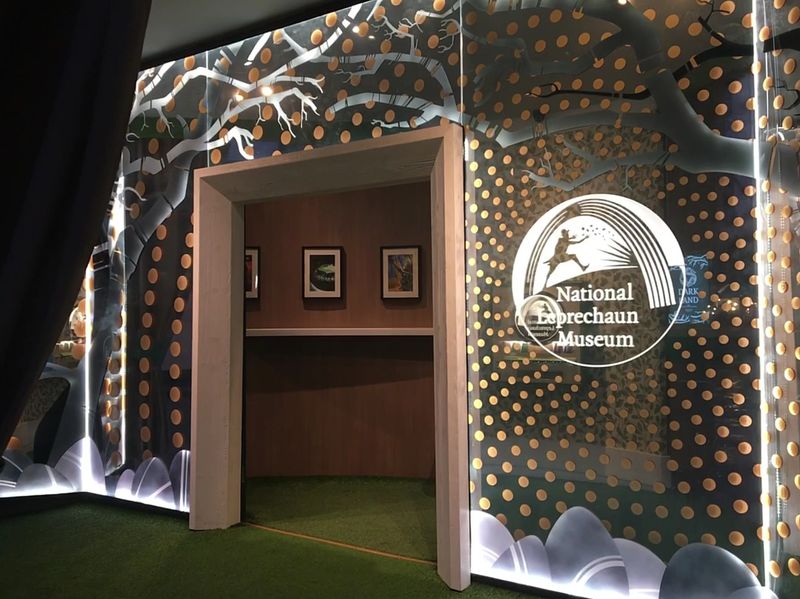
Ducking through a doorway into a room where the furniture is ten times your size is not something most museums offer, but Dublin’s Leprechaun Museum is not most museums. Located in the heart of the Irish capital, this immersive attraction explores Ireland’s rich tradition of fairy folklore, mythological creatures, and ancient storytelling in a way that is playful, theatrical, and genuinely enchanting.
The oversized furniture installations are designed to make visitors feel like they have shrunk to leprechaun size, which immediately shifts your perspective in a fun and disorienting way. Storytellers guide groups through the experience, weaving together Irish folklore, history, and mythology with humor and warmth.
The tales cover everything from the mischievous leprechaun to the darker side of fairy legend that many people are less familiar with.
Irish fairy folklore is actually far older and stranger than most people realize, rooted in pre-Christian beliefs about spirits, nature, and the invisible world alongside the human one. The museum treats this tradition with genuine respect while keeping the experience accessible and entertaining for all ages.
Evening adult tours are available for those who prefer their folklore on the darker, more atmospheric side. Whether you are traveling with children or exploring Dublin solo, the Leprechaun Museum offers something refreshingly original in a city already full of wonderful stories to discover.
Bunk’Art 2 – Tirana, Albania
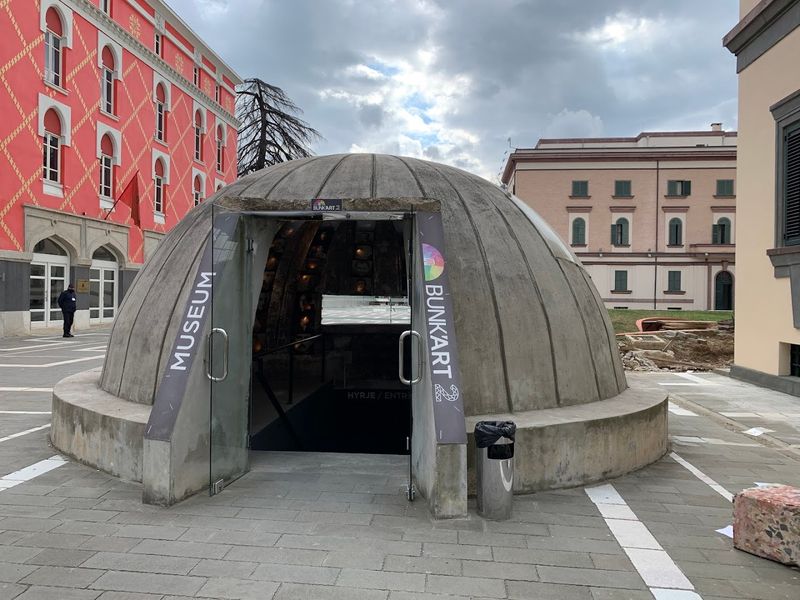
Few museum settings in the world are as immediately atmospheric as a Cold War nuclear bunker buried beneath a city street. Bunk’Art 2 in central Tirana, Albania, occupies exactly that kind of space, a real underground shelter built during the communist dictatorship of Enver Hoxha to protect government officials in the event of nuclear war.
Walking down into it, the air changes, the light dims, and history feels very close.
Albania under Hoxha from 1944 to 1985 was one of the most isolated and repressive regimes in twentieth-century Europe. The government built over 170,000 concrete bunkers across the tiny country during this period, a massive and paranoid construction project that consumed enormous national resources.
Bunk’Art 2 tells the story of this era through photographs, documents, personal testimonies, and carefully preserved artifacts from the period.
The underground rooms are arranged thematically, covering topics like state surveillance, political prisoners, propaganda, and everyday life under communism. The combination of the physical space and the historical content creates a powerful emotional effect that lingers well after you leave.
This is not a comfortable or cheerful museum, but it is an important and deeply moving one. Tirana itself is a fascinating, rapidly changing city worth exploring before or after your visit to the bunker below its streets.
Share this story