Just outside Ann Arbor, this botanical garden feels completely removed from the city around it. The property includes a tropical conservatory with jungle-like temperatures, more than three miles of wooded trails, a prairie labyrinth, and one of the oldest bonsai trees in the country, estimated to be over 1,000 years old.
What makes the experience stand out is how much variety fits into a single visit. You can move from rare bonsai collections to wildflower trails, quiet garden spaces, and interactive areas designed for families without ever feeling rushed or crowded.
For many visitors, it ends up being far more expansive and memorable than expected.
Where to Find This Botanical Treasure and What to Know Before You Go
Not every remarkable destination announces itself with a big sign or a crowded parking lot, and Matthaei Botanical Gardens is exactly that kind of understated surprise. The gardens are located at 1800 N Dixboro Rd, Ann Arbor, Michigan 48105, operated by the University of Michigan.
The outdoor gardens and nature trails are open daily from sunrise to sunset. The conservatory, garden shop, and lobby welcome visitors Tuesday through Sunday, with hours running from 10 AM to 4:30 PM most days and extended hours until 8 PM on Wednesdays.
The gardens are closed on Mondays.
Admission is completely free, which makes this one of the most generous public spaces in the state. Parking costs $2.50 per hour with a $6 daily maximum, and kiosks accept both coins and credit cards.
University of Michigan members park at no charge. Dogs are not permitted on the trails, so plan accordingly before you arrive.
The Conservatory That Feels Like Three Different Countries Under One Roof
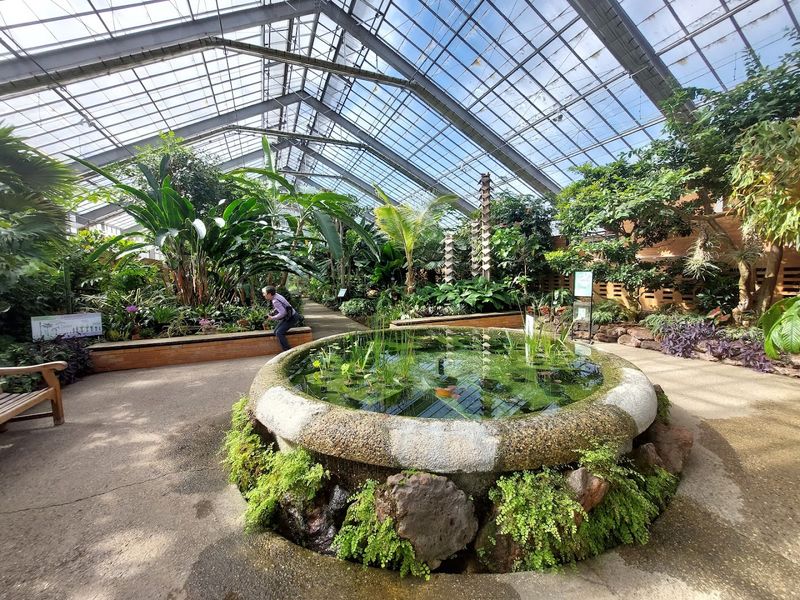
Few buildings in Michigan can genuinely transport you to three different climates within the span of a short walk, but the conservatory at Matthaei Botanical Gardens does exactly that. Designed by architect Alden Dow and completed in 1964, this 10,000-plus square-foot structure is believed to be the largest university-operated display greenhouse in the United States.
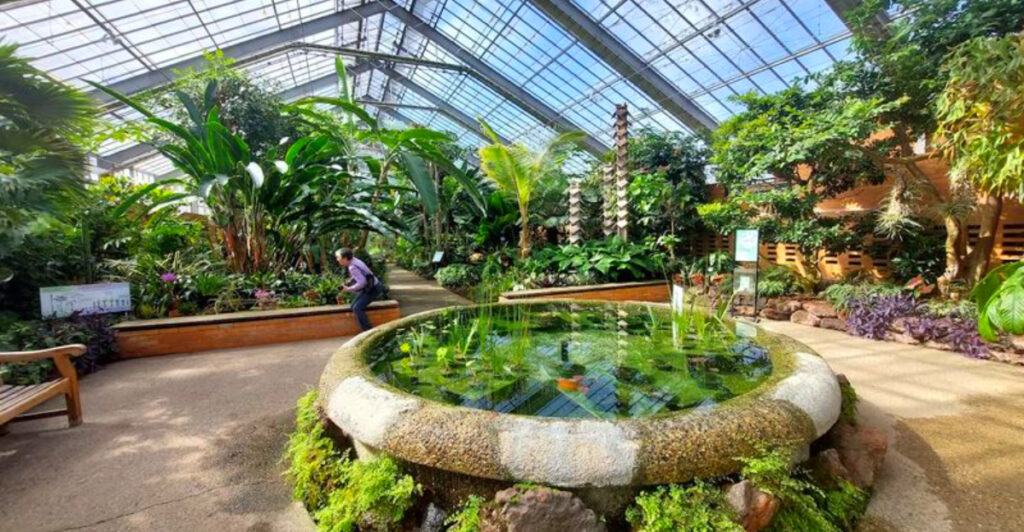
The Tropical House greets you with dense, leafy canopy plants, warm humidity, and the faint drip of water features. The Temperate House offers a cooler, more relaxed atmosphere filled with plants from moderate climates around the world.
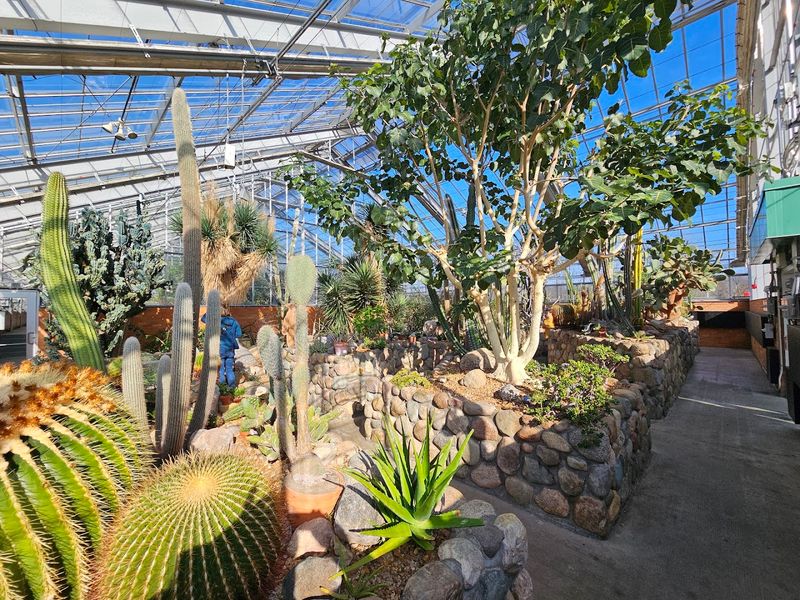
The Arid House is drier, quieter, and home to striking cacti and succulents that seem almost sculptural in their shapes.
Portable stools are provided throughout so you can simply sit, breathe, and take it all in. On a cold Michigan winter day, the conservatory becomes something close to a sanctuary, and the informational signage makes every visit genuinely educational rather than just pretty to look at.
A Bonsai Collection That Will Make Your Jaw Drop
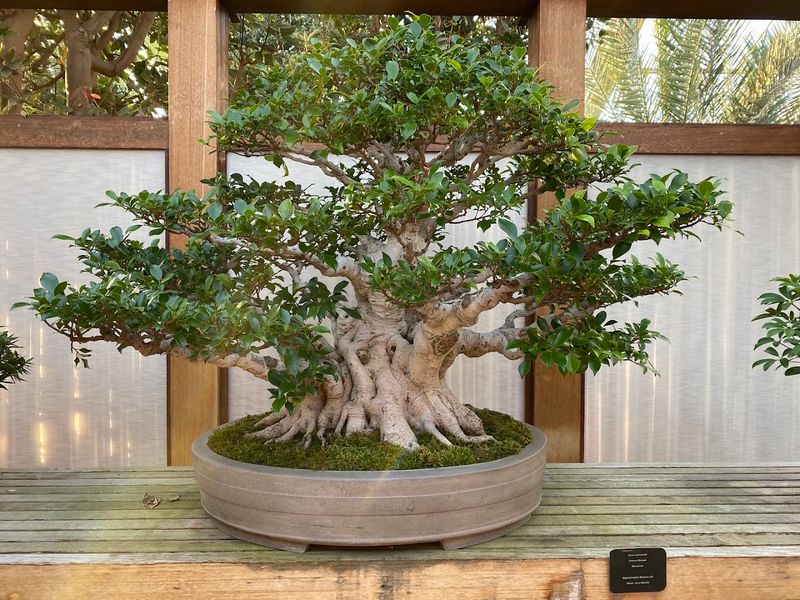
There is something quietly humbling about standing in front of a living tree that is over 1,000 years old. The Melvyn C.
Goldstein Bonsai Garden at Matthaei is home to nationally and internationally ranked specimens that represent decades, and in some cases centuries, of careful cultivation.
The garden showcases a wide range of bonsai styles and species, each one labeled so you can follow along even without prior knowledge of the art form. Staff and volunteers are often on-site trimming and tending to the trees, and they are genuinely happy to answer questions about care, soil, and technique.
Seeing a bonsai in a store is one thing, but standing beside a specimen that predates modern history by hundreds of years changes your whole sense of time. The collection is beautifully organized and kept in excellent condition year-round.
If you only have time to visit one outdoor section, this garden is the one that will stay with you the longest after you leave.
Over Three Miles of Trails Through Woodlands, Wetlands, and Prairie
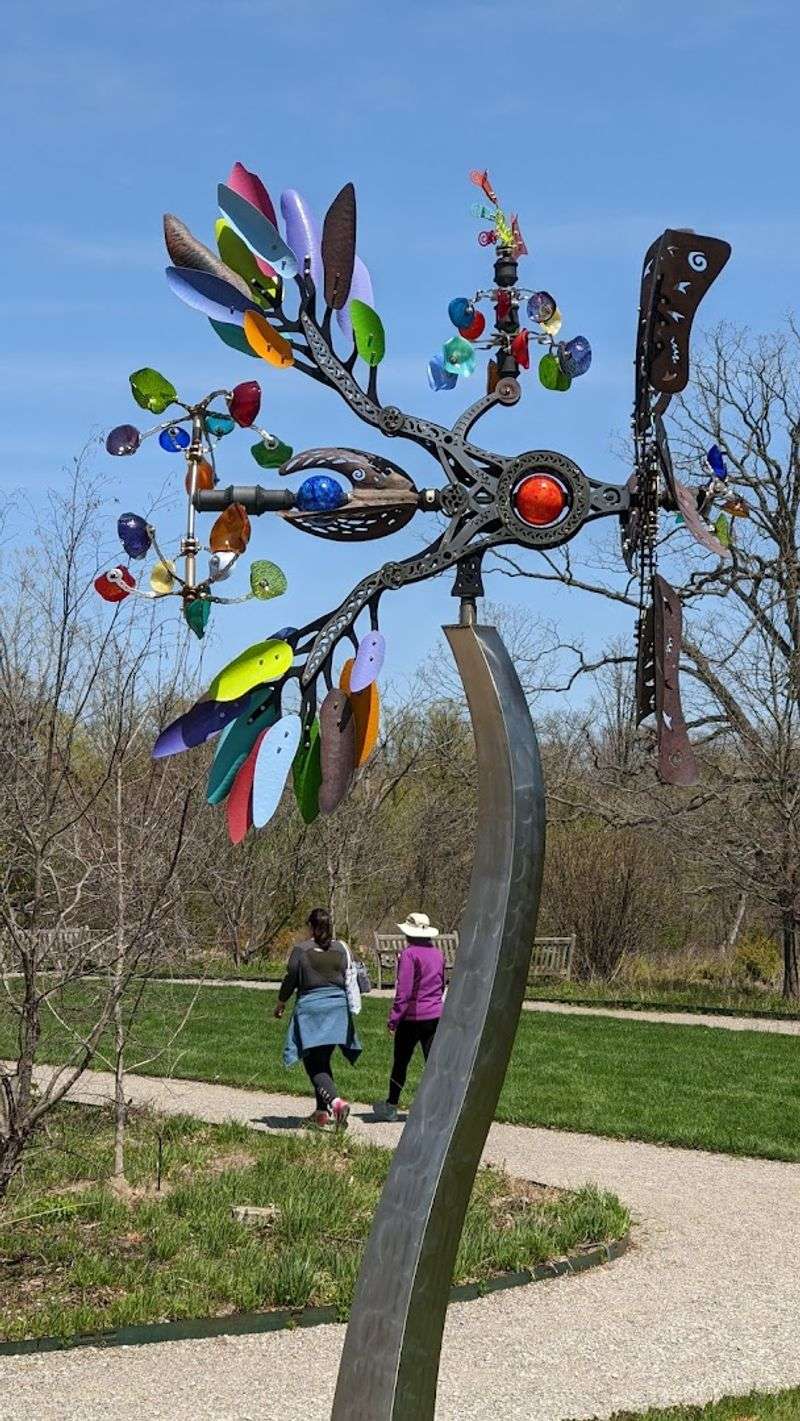
The 350-acre property at Matthaei Botanical Gardens is far larger than most visitors expect. Four nature trails stretch across more than three miles of terrain, cutting through mature woodlands, wetlands, ponds, and a restored tallgrass prairie that feels genuinely wild despite being just minutes from the city.
Each trail is well-maintained and clearly marked, with plaques and informational signs along the way that explain the ecology, history, and plant life around you. A pond with viewing binoculars sits atop a small hill, offering a surprisingly rewarding birdwatching spot.
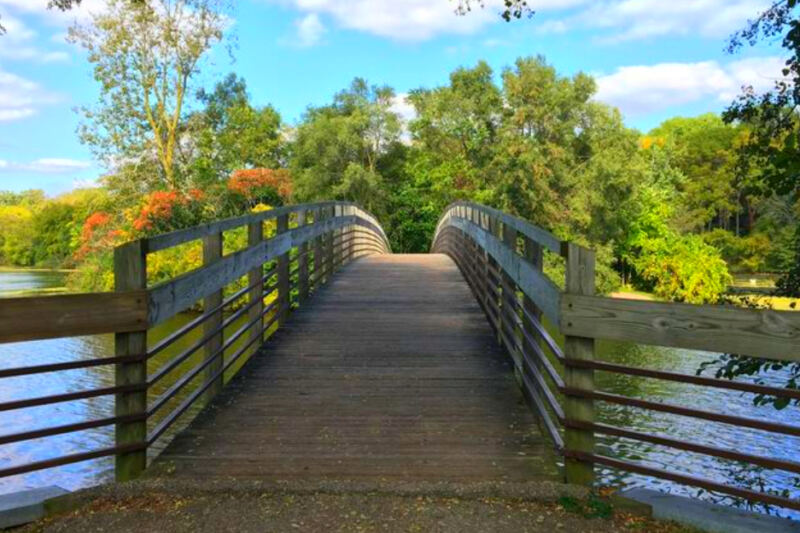
A bridge crosses a stream that feeds into the pond, and the occasional picnic table invites you to slow down and stay a while.
The trails connect directly from the parking lot area, making them easy to access without a long walk just to reach the starting point. Early morning visits reward you with birdsong and dew-covered leaves, while late afternoon light turns the prairie into something worth photographing from every angle.
The Gaffield Children’s Garden Is a World Built for Young Explorers
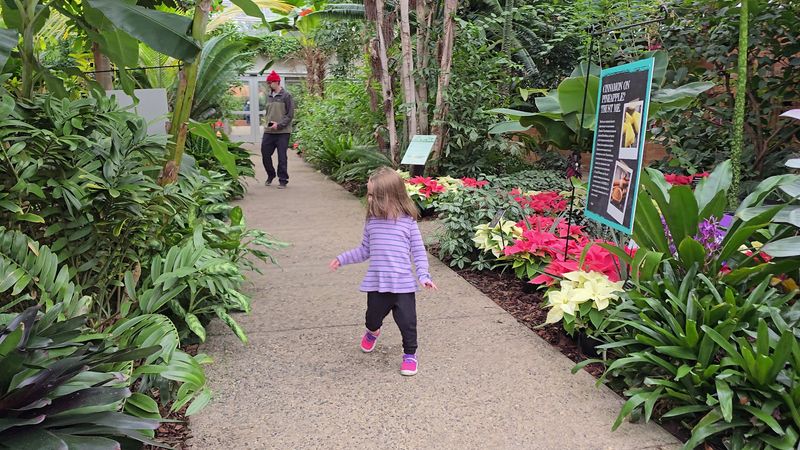
Most botanical gardens are the kind of place where children are told to look but not touch, which makes the Gaffield Children’s Garden such a welcome exception. This whimsical, hands-on space was designed specifically for young visitors who learn best by doing.
The garden includes a mud kitchen, a sand pit, a building area, a pollinator garden buzzing with real insects, a fairy and troll knoll that fires up the imagination, and a small amphitheater where programs and events occasionally take place. Every element is thoughtfully scaled for small hands and curious minds.
Parents often report that their kids spend far more time here than expected, which is a very good sign. The space encourages unstructured outdoor play in a natural setting, something increasingly rare in daily life.
Families with toddlers and young children will find this garden alone worth the trip, and the rest of the property gives adults plenty to enjoy while the little ones explore every corner of their own botanical world.
The Labyrinth Hidden Inside a Restored Prairie
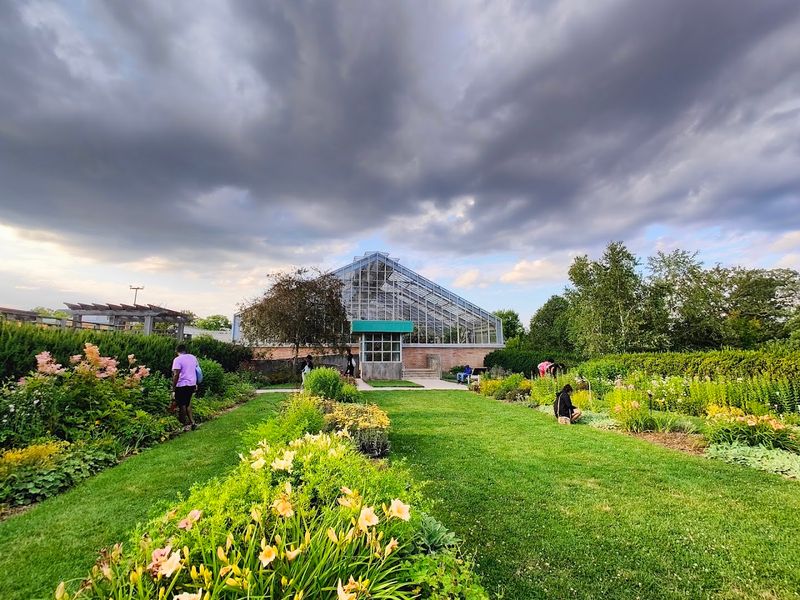
Tucked within a restored prairie on the property, the labyrinth at Matthaei Botanical Gardens is one of those discoveries that feels almost accidental, even when you are looking for it. Inspired by Baltic design traditions, it offers a secluded space for walking meditation and quiet reflection.
Unlike a maze, a labyrinth has a single winding path that leads you inward and then back out again. The act of walking it slowly, especially with prairie grasses swaying around you and open sky overhead, has a way of clearing mental clutter without requiring any particular effort on your part.
Visitors who stumble upon it often describe a sense of unexpected calm that is hard to put into words. The surrounding prairie restoration adds ecological value too, supporting native pollinators and plant species that once defined Michigan’s landscape.
The labyrinth is a small detail on the map but one of the most memorable experiences the property has to offer, especially if you visit on a quiet weekday morning.
The Helen V. Smith Woodland Wildflower Garden in Full Bloom
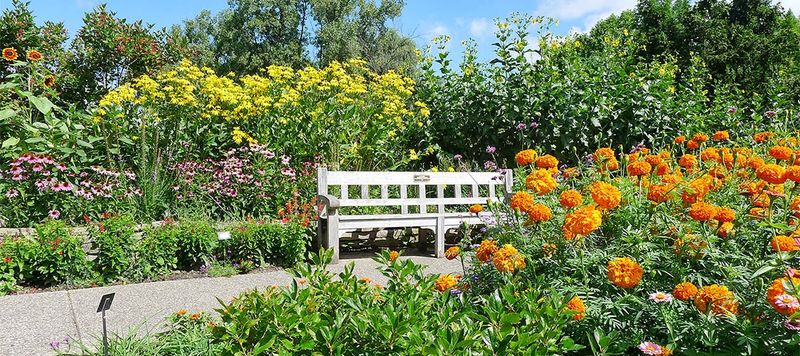
Spring at Matthaei Botanical Gardens brings one of the most visually rewarding seasonal displays in the region, and the Helen V. Smith Woodland Wildflower Garden is the heart of it.
The garden showcases over 100 native species of wildflowers, woody plants, and ferns representing the southern Great Lakes region.
Trilliums, bloodroot, Virginia bluebells, and dozens of other species emerge in waves throughout the season, creating a constantly changing palette of color on the forest floor. Each plant is labeled, which makes this space as educational as it is beautiful.
Photographers tend to arrive early in the morning when the light filters through the tree canopy at a low angle.
Even outside of peak bloom, the textural variety of ferns and woody understory plants keeps the garden interesting through summer and into fall. The garden feels intimate despite being part of a large property, and the quiet woodland setting makes it one of the most peaceful spots on the entire 350-acre grounds.
The Great Lakes Garden Celebrates Michigan’s Own Natural Heritage
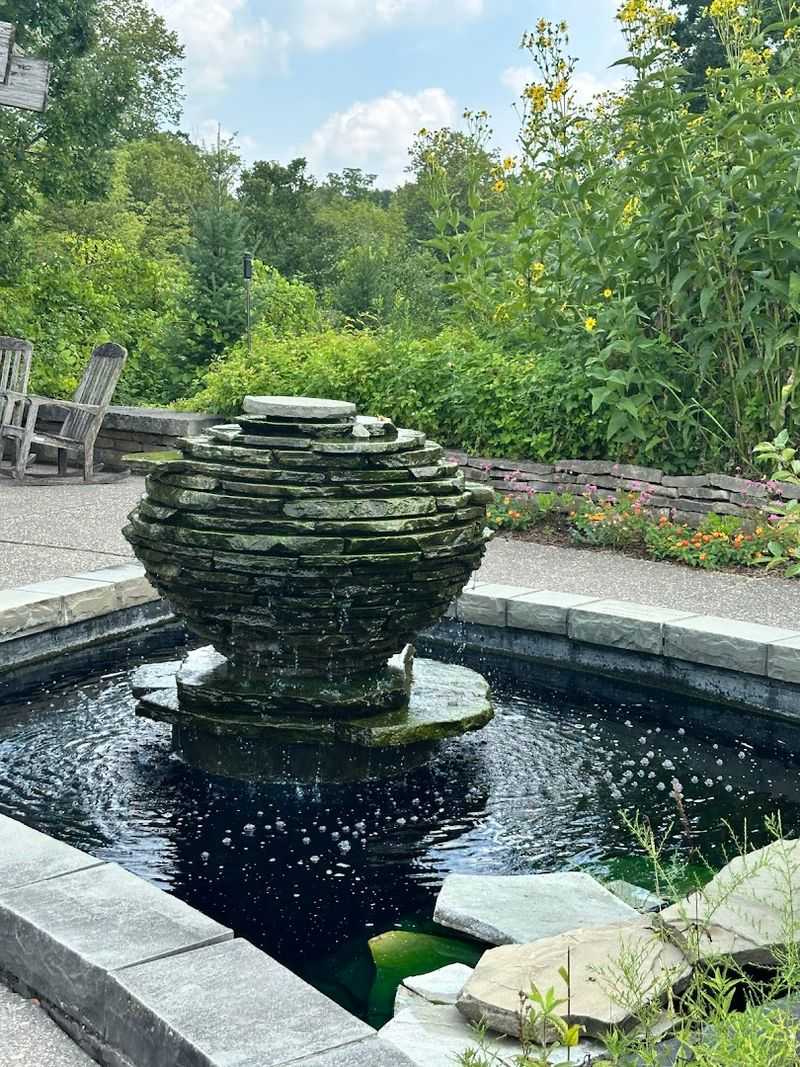
Michigan is a state defined by its relationship with water, and the Great Lakes Garden at Matthaei captures that regional identity in a beautifully curated outdoor space. The garden recreates several distinct natural habitats found across the Great Lakes region, including sand dunes, limestone plains, and native prairies.
Walking through it feels like a condensed tour of Michigan’s most distinctive ecosystems. Native grasses, wildflowers, and woody shrubs fill each section with authentic plant communities that would have been familiar to Indigenous peoples and early settlers alike.
The design is both educational and genuinely attractive, making it a strong destination for visitors interested in ecology or regional botany.
The garden also serves a conservation purpose by preserving and displaying plant species that face pressure in the wild. Pollinators thrive here throughout the warmer months, and the constant activity of bees, butterflies, and other insects adds a lively quality to what might otherwise feel like a static display.
The Great Lakes Garden is a quiet reminder of how rich Michigan’s natural landscape truly is.
The Alexandra Hicks Herb Knot Garden Is a Feast for the Senses
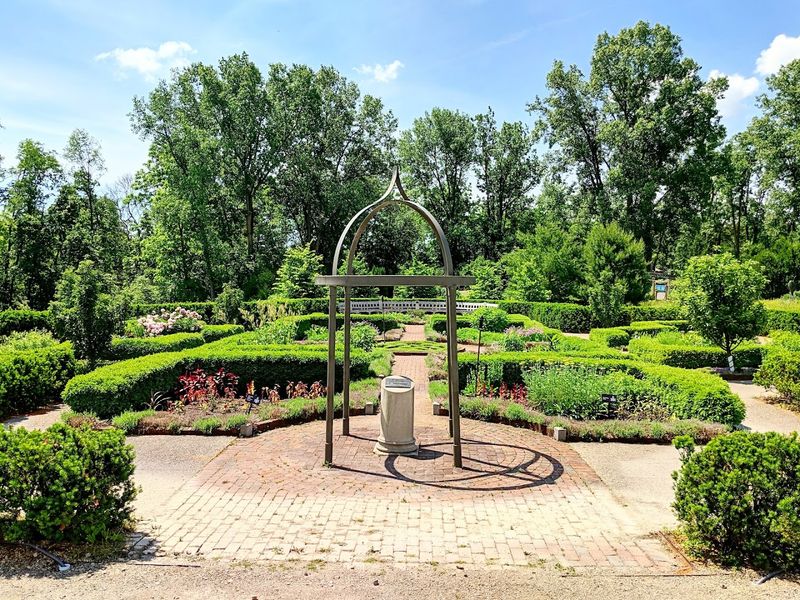
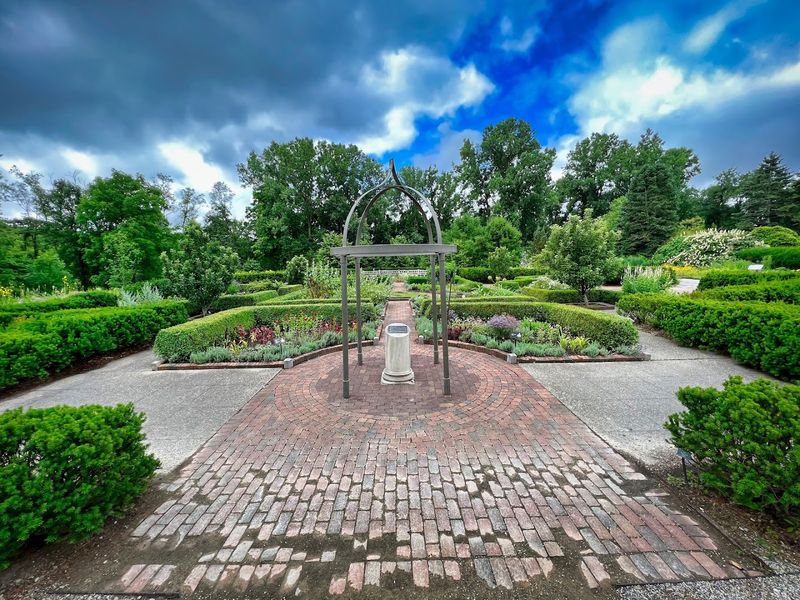
Geometric garden design has a long history in European horticulture, and the Alexandra Hicks Herb Knot Garden brings that tradition to Ann Arbor with real elegance. The garden is planted with medicinal, fragrant, everlasting, and culinary herbs arranged in interlocking patterns that are as visually satisfying as they are aromatic.
Brushing a hand lightly past lavender, rosemary, or lemon thyme releases a burst of scent that seems out of proportion to the size of the plant. The garden includes informational labels that identify each herb and note its traditional uses, which makes a slow walk through it feel like flipping through a well-illustrated reference book.
The knot garden is particularly photogenic from slightly elevated angles, where the interlocking planting patterns become fully visible. It sits near other themed garden sections, so it works well as part of a longer outdoor loop.
Visitors with an interest in cooking, herbal medicine, or garden design tend to linger here longer than they planned, and that is always a reliable sign of a well-designed space.
Photography Opportunities That Will Fill Your Camera Roll Fast
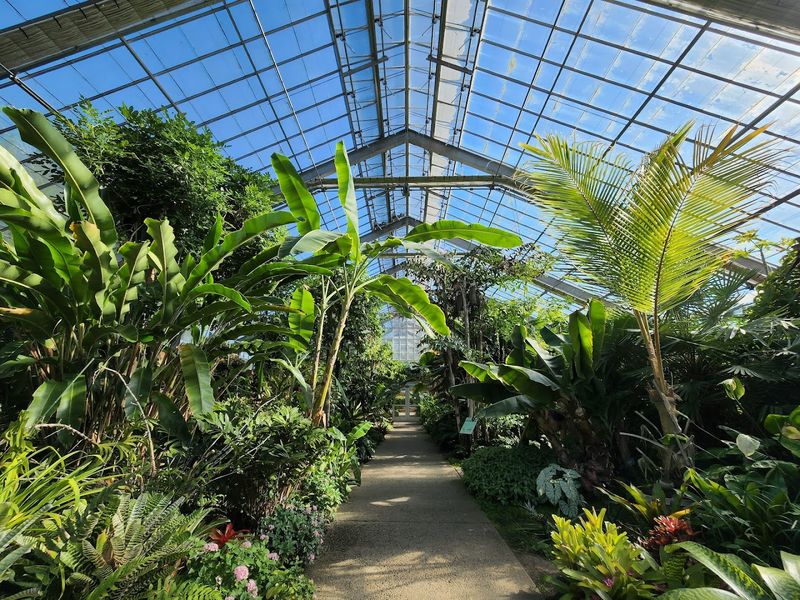
Matthaei Botanical Gardens has quietly earned a reputation as one of the best photography locations in southeastern Michigan, and it is easy to see why once you arrive. The conservatory alone offers dramatic contrasts of light, texture, and color that work in almost any season or weather condition.
Outside, the bonsai garden, wildflower sections, and prairie trails provide endlessly varied subjects across the year. Hummingbird moths have been spotted feeding in the flower gardens during summer, and the pond on the trail system draws waterfowl and other wildlife that add motion and life to landscape shots.
Wedding photographers and portrait photographers regularly use the property as a backdrop, and the results speak for themselves.
The conservatory is especially popular during winter months when outdoor natural light is flat and uninspiring everywhere else in Michigan. Bringing a macro lens for the indoor plants and a wider angle for the trails gives you the most flexibility.
The light inside the tropical house in the late morning is particularly flattering for plant photography.
Why This Garden Deserves a Spot on Your Michigan Bucket List
There are not many places in Michigan where you can walk through a tropical rainforest climate, stand beside a thousand-year-old tree, follow a wildflower trail through native woodland, and let your children play in a mud kitchen all on the same afternoon, for free.
Matthaei Botanical Gardens holds a 4.8-star rating across thousands of reviews, and the consistency of that praise across all seasons says something meaningful about the quality of the experience. The staff are knowledgeable and approachable, the grounds are meticulously maintained, and the combination of indoor and outdoor spaces means there is no bad time of year to visit.
The gardens are operated by the University of Michigan and serve as a genuine center for education, conservation, and botanical research, which gives every visit a sense of purpose beyond simple recreation. If you have been looking for a place that slows you down, resets your perspective, and reminds you how remarkable the natural world actually is, this is the address you have been searching for all along.
Share this story