Some bands never got the fame they deserved while they were around, yet their music kept spreading like wildfire long after they called it quits. I remember flipping through my older brother’s record collection as a kid and stumbling onto albums that felt like they were from another planet entirely.
These 15 acts changed the rules of rock, punk, art, and everything in between, and their influence is still heard in music made today. They may be gone, but their sound refuses to stay quiet.
The Velvet Underground
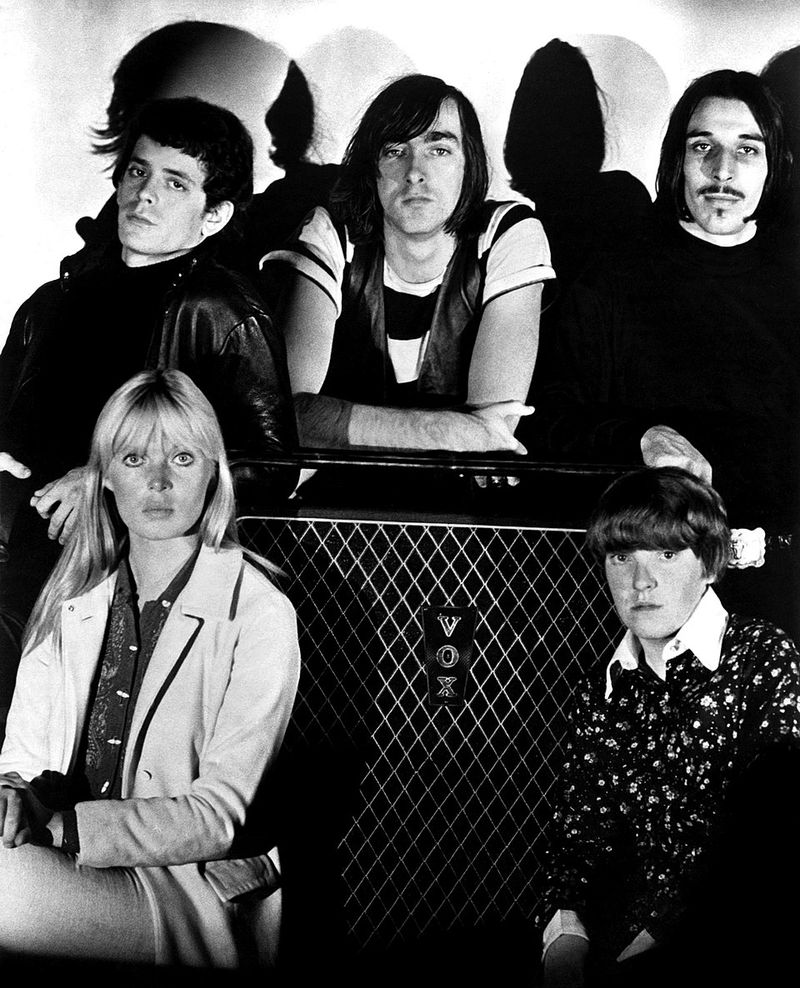
Nobody bought their records, but everybody who did started a band. That old saying fits The Velvet Underground perfectly.
They sold modest numbers in the late 1960s, yet their DNA is all over punk, indie, and alternative rock.
Lou Reed’s deadpan storytelling about drugs, street life, and outsiders was unlike anything else on the radio. John Cale’s viola scraping against distorted guitars created textures that still sound ahead of their time.
Nico’s icy vocals on the debut album added an eerie chill that no producer could have planned.
Reed died in 2013, and Sterling Morrison passed in 1995. The band’s classic run ended decades ago.
Yet artists from R.E.M. to Arcade Fire openly credit the Velvets as a turning point. Their influence did not grow slowly.
It exploded quietly, album by album, decade by decade, until half of modern rock owed them a serious thank-you note.
The Stooges
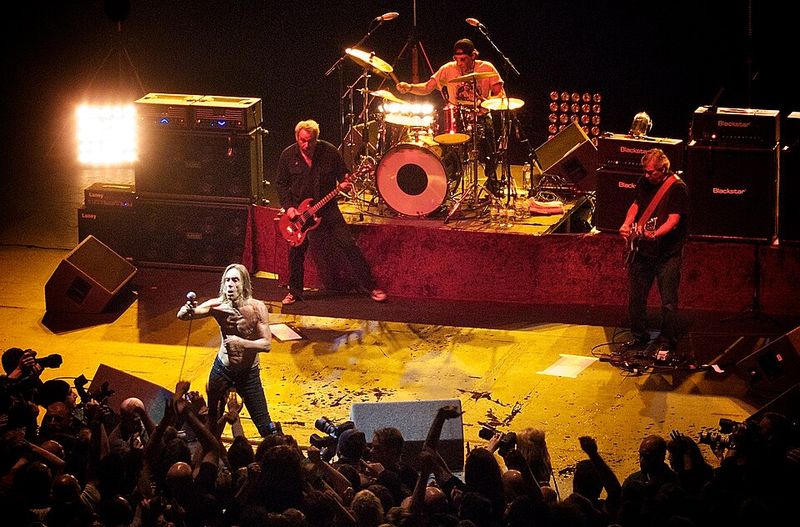
Before punk had a rulebook, The Stooges were already tearing one up. Iggy Pop threw himself into crowds, smeared peanut butter on his chest, and screamed like a man who had nothing left to lose.
The music matched every bit of that chaos.
Their 1969 debut and “Fun House” in 1970 were raw, loud, and completely misunderstood at the time. Critics were baffled.
Audiences were small. But those records planted seeds that grew into an entire genre.
The Stooges reunited in the 2000s with Mike Watt filling in on bass, but several core members have since died. Ron Asheton passed in 2009, and Scott Asheton in 2014.
Iggy carries the torch as a solo legend, but the original Stooges fire burned out long ago. Every garage band that cranks the amp to eleven owes a debt to these Detroit misfits who made noise feel necessary.
Big Star
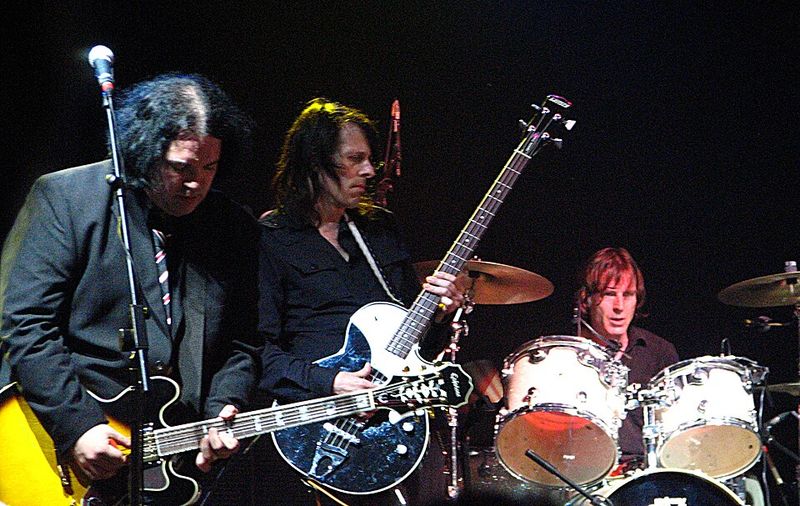
Big Star is proof that commercial failure and cultural greatness can live in the same band. Their albums barely sold when released in the early 1970s, yet “#1 Record” and “Radio City” are now considered power-pop masterpieces.
Alex Chilton had a gift for melodies that felt simultaneously joyful and heartbroken. That combination hit differently than anything else on the radio at the time.
Bands like R.E.M., The Replacements, and Teenage Fanclub have all pointed to Big Star as a major influence on their sound.
Chilton died in 2010, just days before a planned reunion performance at South by Southwest. The timing was devastating for fans worldwide.
Jody Stephens remains the only surviving original member. Big Star never chased trends or changed their sound to fit the market.
They just made brilliant, honest records that the world eventually caught up with, one generation of music fans at a time.
The Modern Lovers
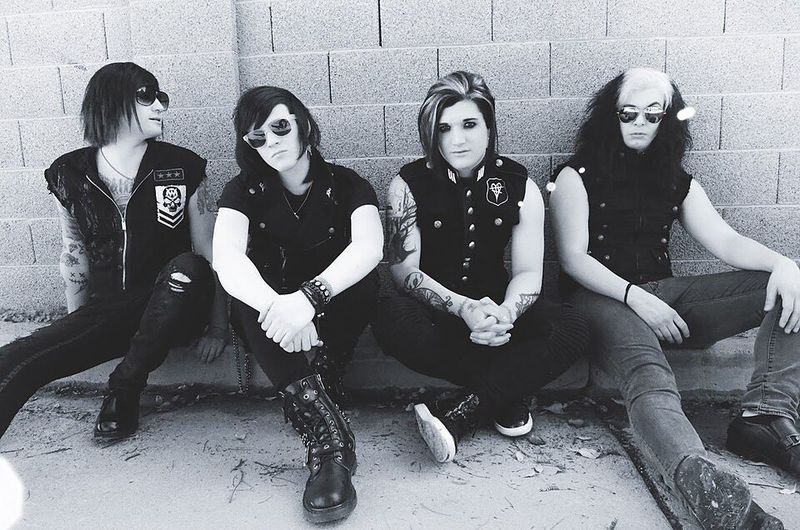
Their debut album was recorded in 1972 but not released until 1976, by which point the band had already broken up. That kind of timing would crush most acts, but The Modern Lovers were too good to stay buried.
“Roadrunner” is one of the greatest songs ever written about driving fast and loving rock and roll. Jonathan Richman sang it with a nerdy sincerity that somehow made it cooler than anything trying to be cool.
The raw, stripped-down production pointed directly toward punk before punk had a name.
David Robinson went on to drum for The Cars. Jerry Harrison joined Talking Heads.
The Modern Lovers essentially launched careers that shaped an entire era of new wave and alternative rock. Richman kept performing as a solo act with his own charming, oddball style.
The original band was a brief flash, but “Roadrunner” alone guarantees their place in rock history forever.
Can
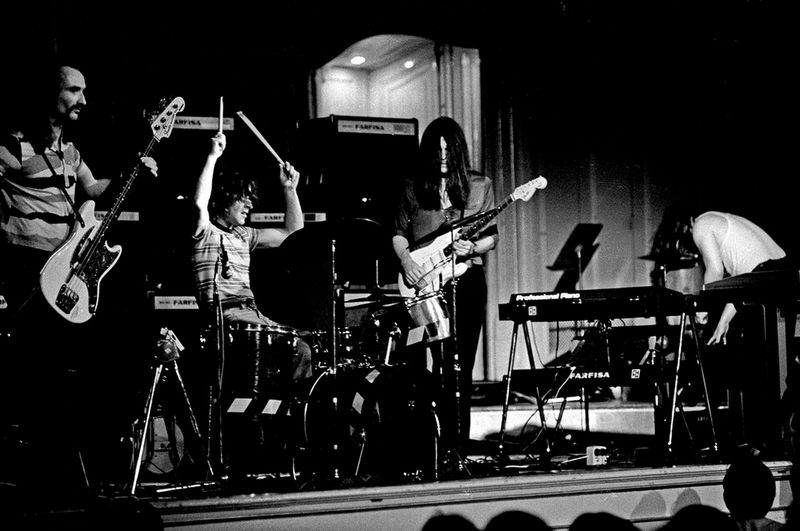
Can made music that felt like it was being invented in real time, right in front of you. Their hypnotic grooves locked into a rhythm and just kept going, pulling the listener along like a current.
Nothing else in early 1970s rock sounded remotely like it.
Drummer Jaki Liebefeld was the engine of the band, building grooves that influenced generations of dance music, post-punk, and electronic producers. Damo Suzuki’s stream-of-consciousness vocals added a human wildness that no studio trick could replicate.
Albums like “Tago Mago” and “Ege Bamyasi” still sound futuristic today.
The classic era of Can ended in the mid-1970s. Liebefeld died in 2014, and founding member Holger Czukay passed in 2017.
Their influence runs through Radiohead, LCD Soundsystem, and countless artists who discovered that rhythm could be the entire point of a song. Can did not follow trends.
They accidentally created several of them.
The 13th Floor Elevators
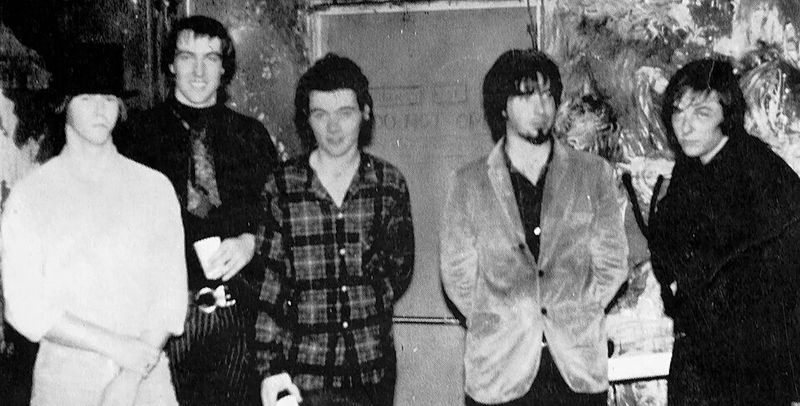
The 13th Floor Elevators did not just play psychedelic rock. They basically invented it.
In 1966, when most bands were still playing polished pop, these Texans were already taking music somewhere much weirder and wilder.
Roky Erickson’s voice was electric, urgent, and unlike anything coming out of the American south at the time. The jug player Tommy Hall added a bubbling, alien texture that made their sound instantly recognizable.
Their debut single “You’re Gonna Miss Me” remains one of the most ferocious rock recordings of the 1960s.
Legal trouble and Erickson’s forced hospitalization effectively ended the band in 1969. He spent years battling mental illness before a remarkable later-life creative recovery.
He died in 2019, leaving behind a legacy that influenced everyone from ZZ Top to The Black Angels. The 13th Floor Elevators burned bright, crashed hard, and left music permanently changed for the better.
MC5
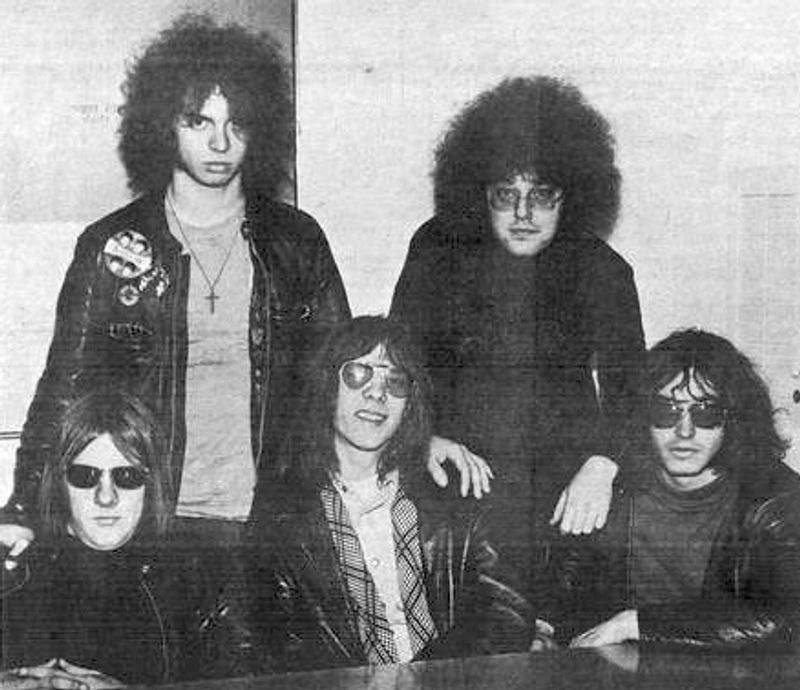
MC5 opened their live album with the words “Kick out the jams” and the crowd went absolutely berserk. That moment captured everything about what made this Detroit band so electric and essential.
They mixed hard rock distortion with radical politics and a stage presence that felt genuinely dangerous. Their 1969 debut “Kick Out the Jams” was recorded live and sounded like a revolution happening in real time.
Punk bands, metal bands, and noise rock artists all owe a measurable debt to MC5’s fearless volume and fury.
The band split in 1972 after record label troubles and internal tension. Guitarist Fred Smith died in 1994, and Rob Tyner passed even earlier in 1991.
The last surviving original member, drummer Dennis Thompson, died in 2024, closing the final chapter. MC5 never got rich or famous enough for their impact, but every band that plays loud and means it learned something from them.
Pere Ubu
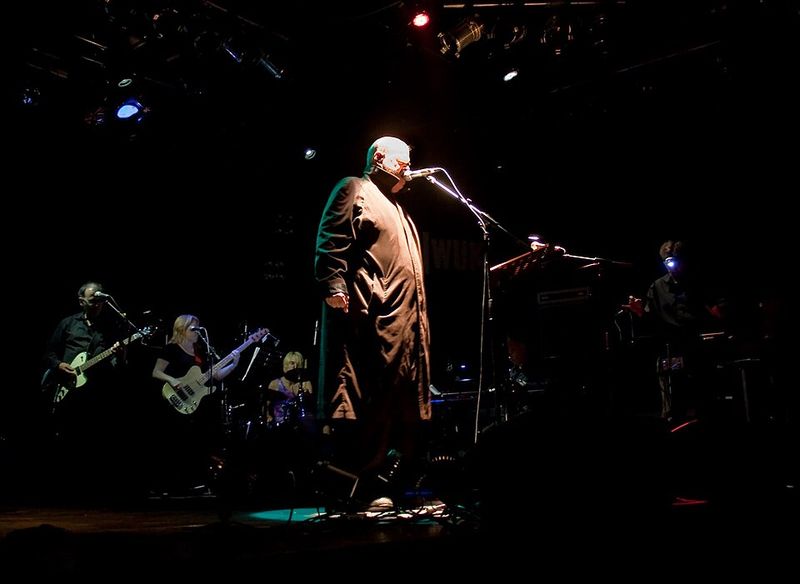
Pere Ubu made rock music feel like a city falling apart in slow motion, and somehow that was thrilling. David Thomas howled and muttered over jagged electronics and post-punk grooves that sounded like nothing coming out of Cleveland or anywhere else.
Their 1978 debut “The Modern Dance” is one of the strangest and most brilliant albums of the entire post-punk era. Synth squalls, found sounds, and dissonant guitars built a world that was unsettling but impossible to stop listening to.
Bands like Radiohead and The National have acknowledged Pere Ubu’s experimental courage as a genuine influence.
Thomas died in April 2025, leaving behind final recordings planned for posthumous release. He was Pere Ubu’s only constant member across decades of shifting lineups.
His passing marked a true ending for a band that had outlasted almost every trend it ever ignored. Pere Ubu never fit in.
That was entirely the point, and it still is.
The Replacements
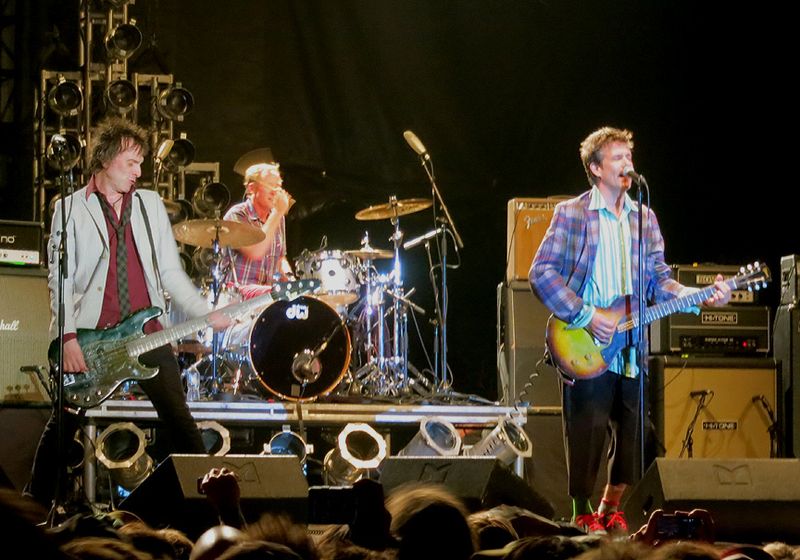
The Replacements were the kind of band that might play a perfect set one night and then stumble through a drunken disaster the next. That unpredictability was part of their wild charm, and their fans loved them even more for it.
Paul Westerberg wrote songs about feeling like an outsider, screwing up, and loving rock and roll more than common sense allowed. Albums like “Let It Be” and “Tim” hit a raw emotional nerve that polished 1980s pop completely missed.
Their influence on alternative rock in the 1990s was enormous, even if the band never quite broke through commercially.
The original era ended in 1991 when Westerberg disbanded the group. A reunion from 2012 to 2015 brought them back briefly.
Bassist Tommy Stinson remains active, while guitarist Bob Stinson died in 1995. The Replacements were a glorious mess that accidentally wrote some of the most honest rock songs of their generation.
The Fall
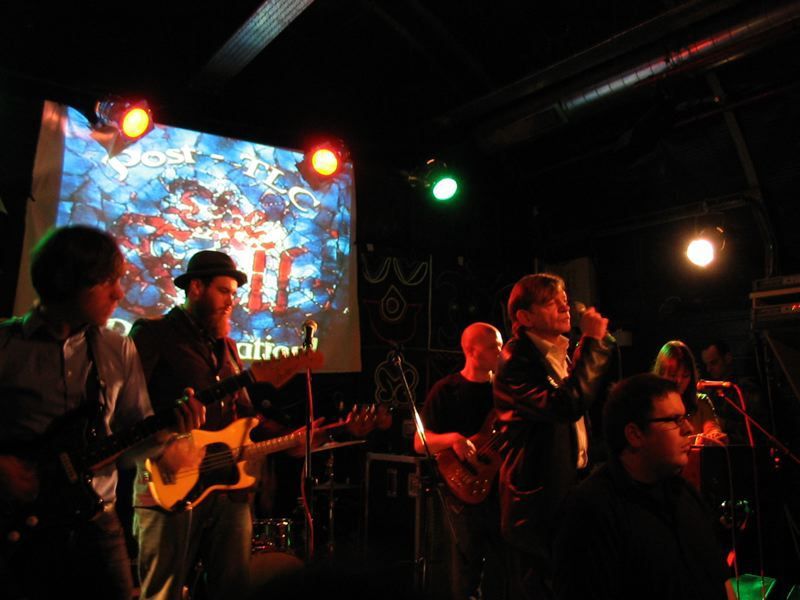
Mark E. Smith once said he was the only constant member of The Fall, and over four decades, that turned out to be completely true.
Dozens of musicians passed through the lineup. Smith remained, relentless and uncompromising, until the very end.
The Fall released over thirty studio albums, each one strange, abrasive, and unmistakably theirs. Smith’s half-spoken, half-snarled delivery over post-punk grooves created a sound that influenced bands from Pavement to Arctic Monkeys.
John Peel called The Fall his favorite band and played their sessions on his legendary BBC radio show more than any other act.
Smith died in January 2018 from kidney cancer, and The Fall ended with him. No reunion, no continuation, no tribute lineup carrying the name forward.
That felt right. The Fall was never really a band in the traditional sense.
It was one man’s relentless creative argument with the world, and it lasted longer than anyone expected.
The Mothers of Invention
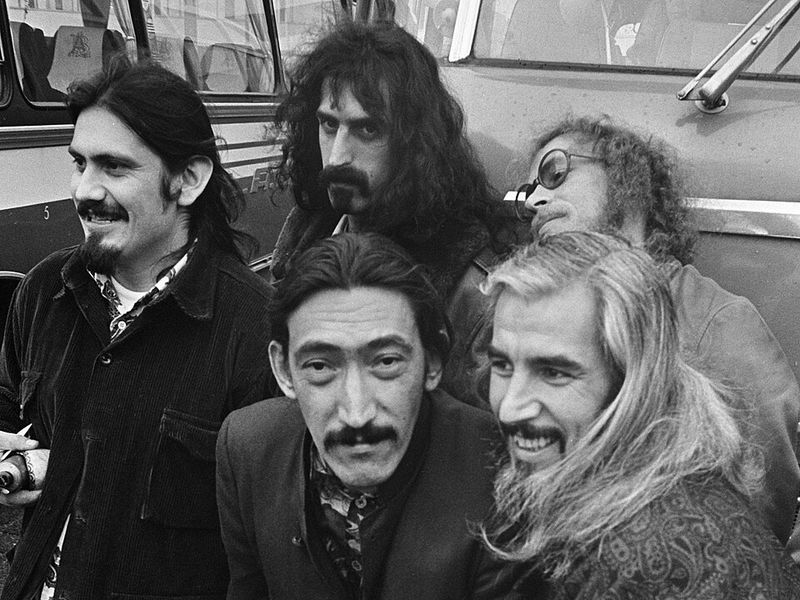
Frank Zappa was the kind of musician who made other musicians feel slightly embarrassed about how little they were attempting. The Mothers of Invention turned rock into a vehicle for satire, classical composition, jazz improvisation, and social commentary, often all in the same song.
Their 1966 debut “Freak Out!” was one of the first concept double albums in rock history. It mocked pop music, middle-class America, and anyone who took themselves too seriously.
Captain Beefheart was a childhood friend. Jimi Hendrix admired the band’s fearlessness.
Their influence stretches into prog rock, art rock, and experimental music worldwide.
Zappa broke up the original Mothers in 1969, citing financial strain, and the name was used for various later lineups. He died from prostate cancer in 1993.
The original group’s run was brief but seismic. Zappa left behind a catalog so large and strange that people are still discovering corners of it they never knew existed.
Golden Earring
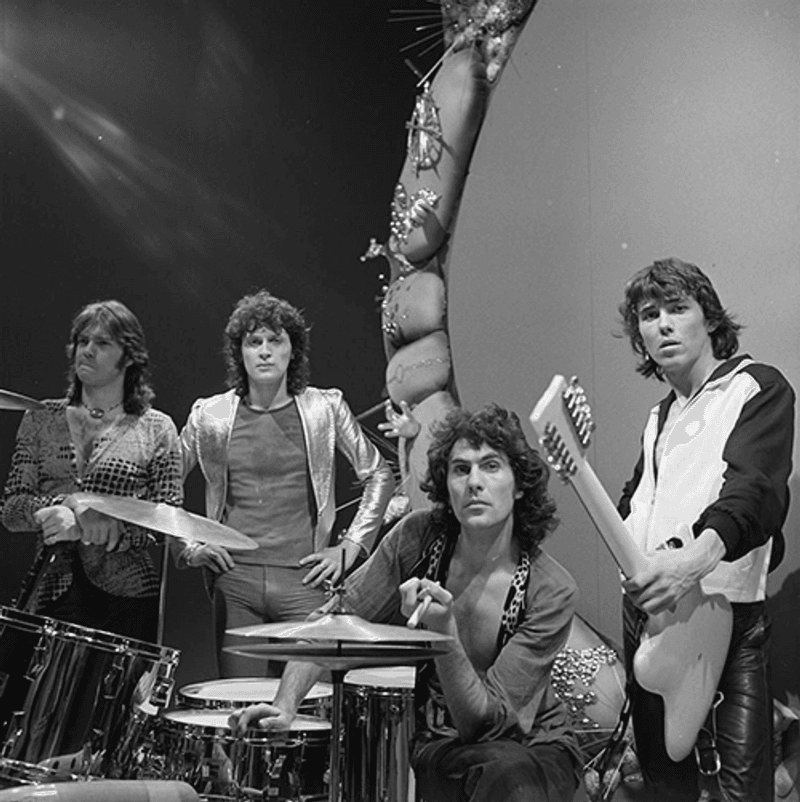
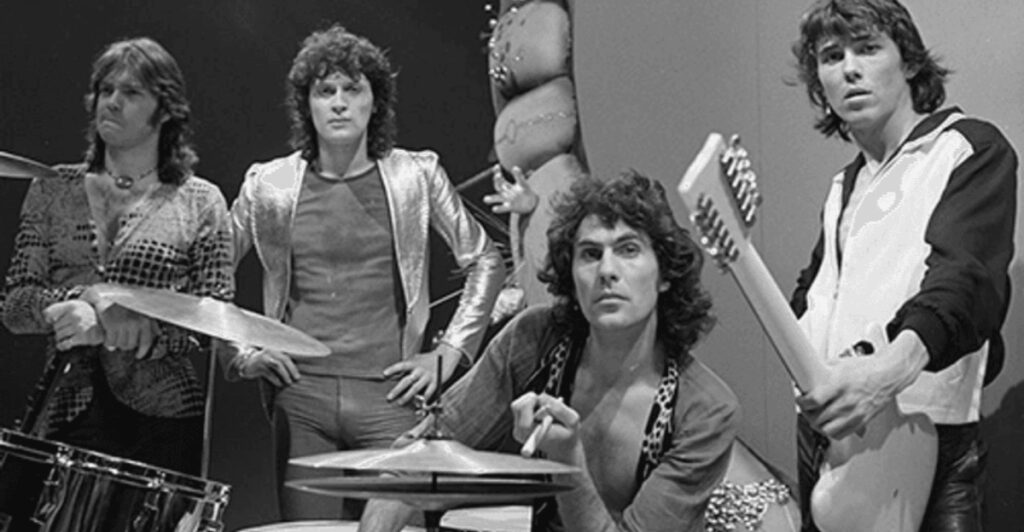
“Radar Love” is one of those songs that makes you accelerate without realizing it. Golden Earring built that track into one of rock’s most iconic driving anthems, and it came from a Dutch band that most American fans knew almost nothing else about.
The band formed in The Hague in 1961 and kept going for over six decades, which is an achievement almost no rock band can match. Beyond “Radar Love,” they had a string of hard rock and new wave hits across multiple decades in Europe.
Their persistence and consistency were remarkable in an industry that chews bands up quickly.
Guitarist George Kooymans was diagnosed with ALS in 2021, leading the band to officially dissolve. He died in 2025.
Barry Hay and the remaining members chose not to continue under the name. Golden Earring ended with dignity rather than dragging on as a nostalgia act.
That kind of exit deserves real respect.
The Zombies
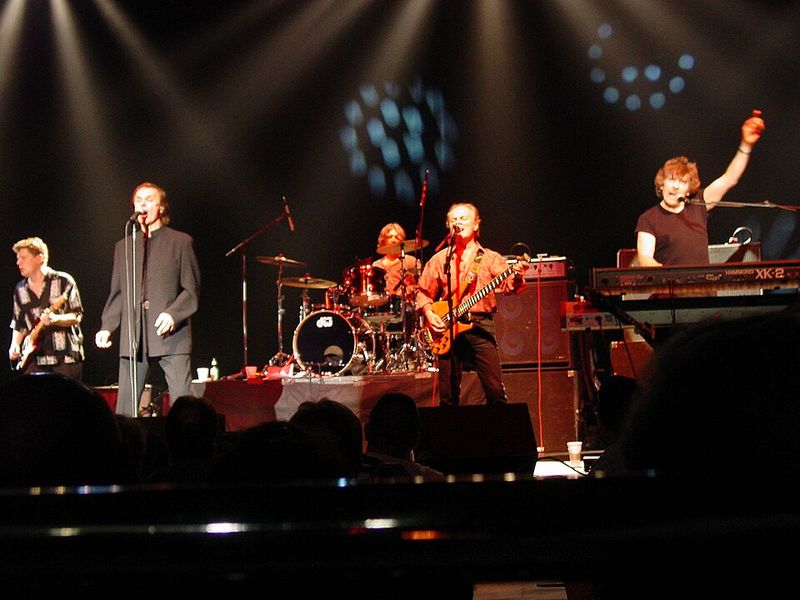
The Zombies brought a level of sophistication to 1960s British pop that most of their peers simply were not reaching. Rod Argent’s keyboard arrangements and Colin Blunstone’s breathy, emotional vocals created a sound that felt more like chamber pop than straightforward rock and roll.
“She’s Not There” was a hit in 1964, but their true masterpiece arrived with “Odessey and Oracle” in 1968. Released just as the band was breaking up, it was largely ignored at first.
Today it ranks among the greatest albums of the entire decade. “Time of the Season” became a massive hit years after the original band had dissolved.
Argent and Blunstone eventually reformed The Zombies and toured for years. Then Argent suffered a stroke in 2024, forcing the cancellation of planned performances.
He may still write and record, but live shows are uncertain. The Zombies gave the world gorgeous, timeless music.
That gift holds up beautifully today.
Husker Du
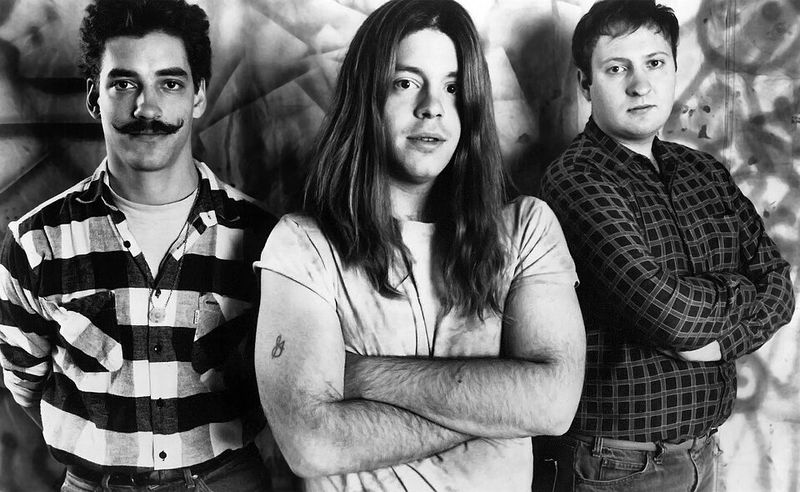
Husker Du played hardcore punk like they were trying to escape it. Bob Mould’s buzzsaw guitar and Grant Hart’s melodic instincts created a tension that produced some of the most emotionally powerful rock of the 1980s.
Albums like “Zen Arcade” and “New Day Rising” bridged the gap between aggressive punk and tuneful alternative rock in a way that opened the door for Nirvana, Pixies, and the entire alternative explosion of the 1990s. They were doing it years before those bands existed.
SST Records was their home, and their influence on that label’s entire scene was enormous.
The band broke up in 1988 under the weight of internal conflict and personal struggles. Hart died from liver cancer in 2017, making any reunion permanently impossible.
Mould continues recording and touring as a solo artist. Husker Du never got the mainstream recognition they deserved while together, but their fingerprints are all over the music that eventually did.
The Cramps
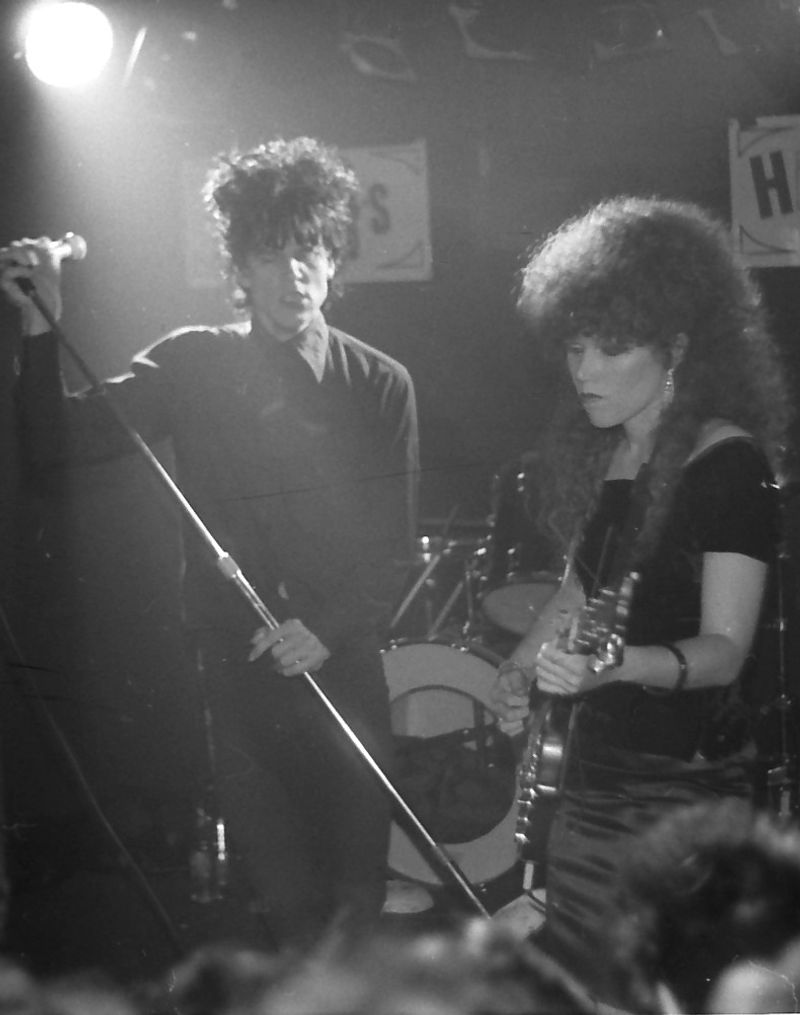
The Cramps were equal parts horror movie, garage sale, and rock and roll fever, and nobody else has ever pulled that combination off with quite the same demented grace. Lux Interior and Poison Ivy built a world out of B-movies, rockabilly records, and pure trashy brilliance.
Their debut EP and the album “Songs the Lord Taught Us” set a template for psychobilly that entire subcultures still follow today. Interior’s stage presence was somewhere between a possessed preacher and a cartoon villain, and it was completely, genuinely wild.
Poison Ivy’s guitar playing was cleaner and more disciplined than the chaos around it, which made the whole thing work perfectly.
Interior died suddenly in 2009 from a heart condition, and the band ended with him. Poison Ivy has not continued The Cramps under that name.
Their catalog is a perfectly sealed time capsule of weird American obsessions filtered through one couple’s gloriously strange vision. Nobody will ever replace them, and honestly, nobody should try.
Share this story