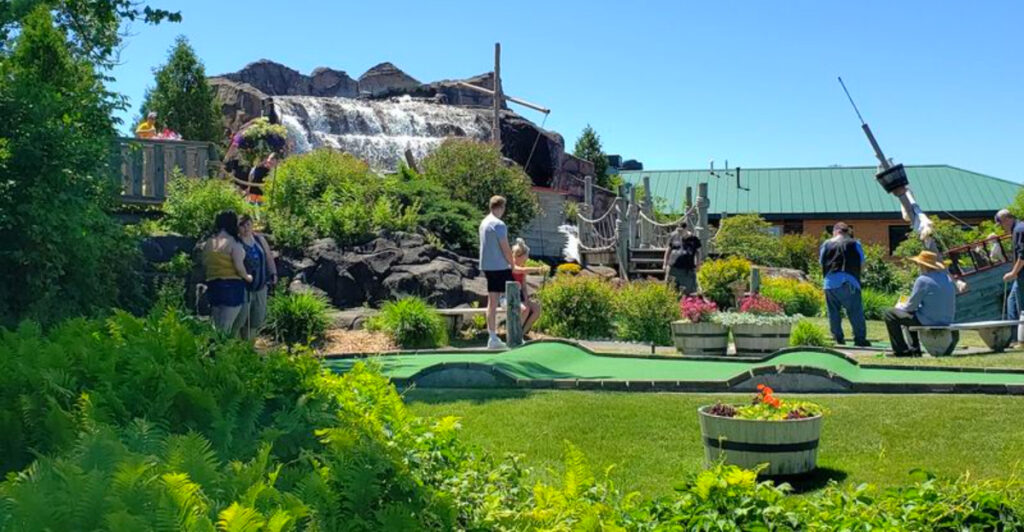
This pirate-themed mini-golf course in Petoskey turns a simple round of golf into a full-scale outdoor attraction. The property features waterfalls, wooden bridges, caves, pirate ships, cannons, and detailed sets inspired by real 18th-century pirate history, all built around an 18-hole course that keeps families returning year after year.
What makes the place stand out is the level of detail packed into every section of the course. Players move through tunnels, climb around towering structures, and encounter themed scenes that feel far more elaborate than a typical mini-golf stop.
For many visitors, the atmosphere becomes just as memorable as the game itself.
Where the Adventure Begins: Address, Location, and First Impressions
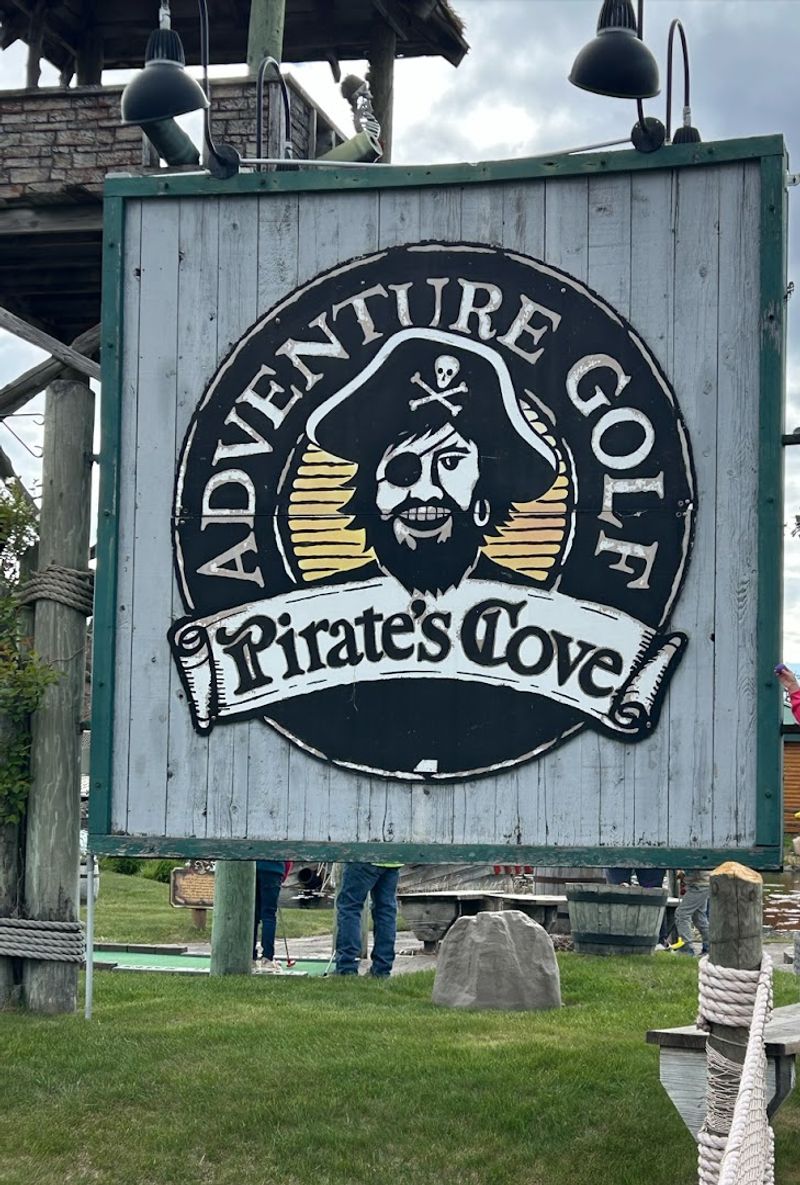
The moment you turn onto Pirate Way in Petoskey, Michigan, you already know this is not an ordinary mini-golf stop. The address is 1313 Pirate Way, Petoskey, MI 49770, tucked into northern Michigan’s scenic landscape near the shores of Little Traverse Bay.
One small heads-up worth passing along: Google Maps has been known to direct drivers to the wrong street, so look specifically for the Pirate Way turn and trust the signage over your GPS.
The entrance greets you with bold pirate-themed decor, manicured landscaping, and a general sense that something genuinely fun is about to happen. The staff at the counter are welcoming and efficient, handing out clubs and balls quickly while orienting new visitors to the layout.
The course operates seasonally from May to mid-October, so timing your visit matters. Phone ahead at 231-347-1123 or check their website before heading out, especially near the start or end of the season.
The Waterfalls That Make Every Hole Feel Like a Scene From a Movie
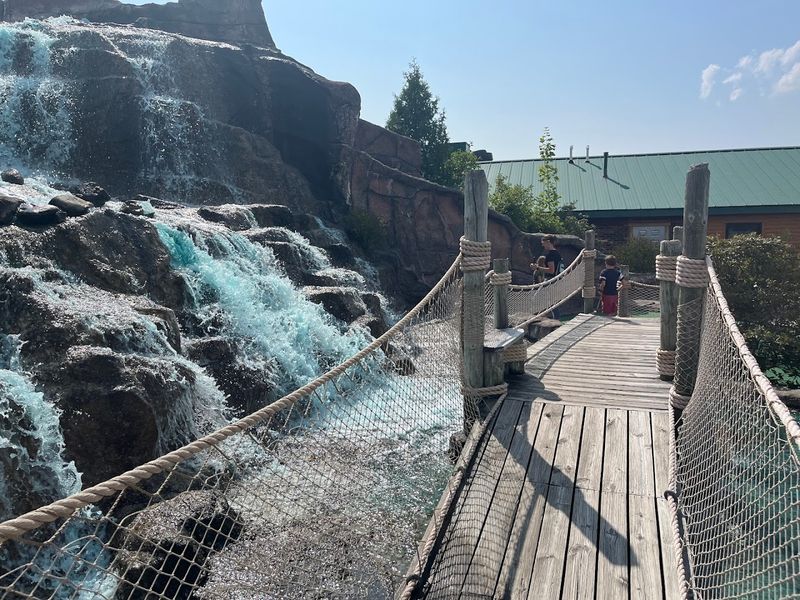
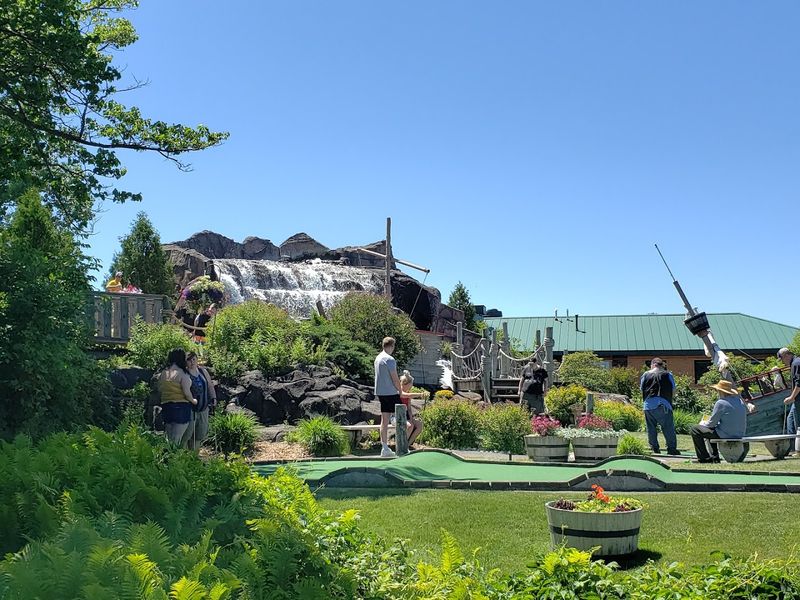
Water is everywhere at this course, and not in a subtle, easy-to-miss kind of way. Cascading waterfalls tumble alongside multiple holes, creating a soundtrack of rushing water that follows you from the first green to the last.
The sound alone changes the atmosphere completely. Rather than feeling like a parking lot activity, the course takes on a more natural, almost outdoorsy character because of how thoughtfully the water features are integrated into the terrain.
Some waterfalls flow directly beside putting areas, close enough that you can feel a faint cool mist on a warm afternoon. It is one of those small details that separates a good mini-golf course from a genuinely memorable one.
Native plants and flowers are planted throughout the course near these water features, and the landscaping has drawn genuine praise from visitors who appreciate the care that goes into maintaining it. The whole setup rewards slow, observant players who actually look around between putts.
Shipwrecks, Cannons, and a Three-Dimensional Vessel That Looks Ready to Sail
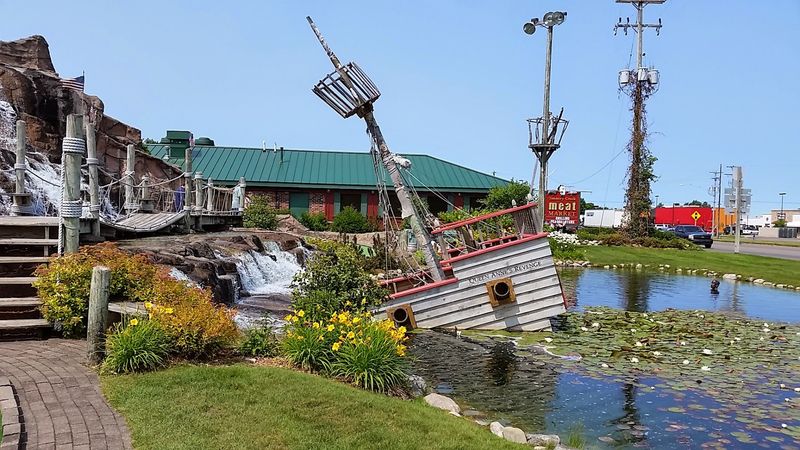
Few things set the scene at this course quite like the ships. There are pirate ship ruins scattered across the property, and one standout three-dimensional vessel that looks convincingly seaworthy, complete with the kind of weathered detail that makes you do a double-take.
Cannons are positioned at various points along the course, adding to the shipwreck atmosphere without feeling overdone or cartoonish. The overall effect lands somewhere between a theme park and an outdoor museum, which is a harder balance to strike than it sounds.
Kids especially respond to the ships with visible excitement, often stopping to explore the structures before their parents remind them there are still holes left to play. Adults tend to linger too, partly because the craftsmanship genuinely holds up under close inspection.
These nautical props are not just background decoration. They are woven into the course layout in ways that affect how you approach certain holes, making the theme functional as well as visually striking.
And there is still more to discover ahead.
Footbridges and Terrain That Make the Course Feel Like a Real Journey
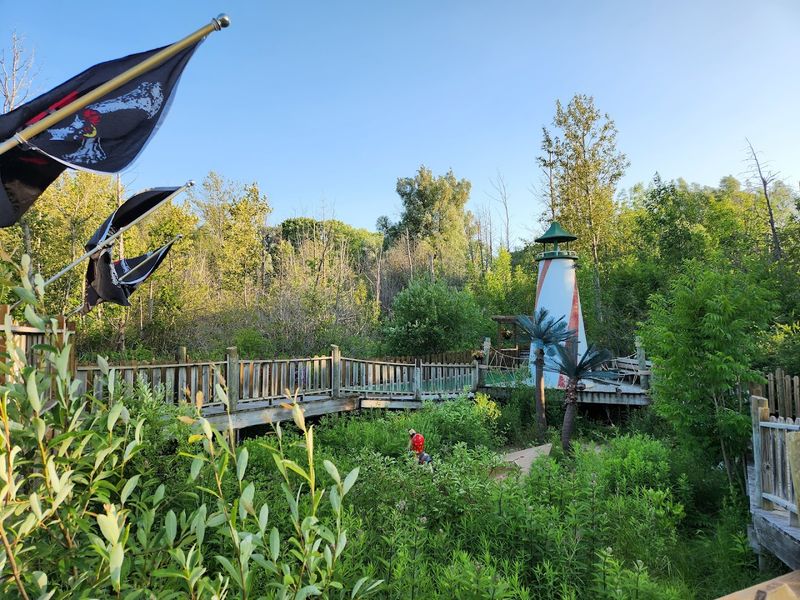
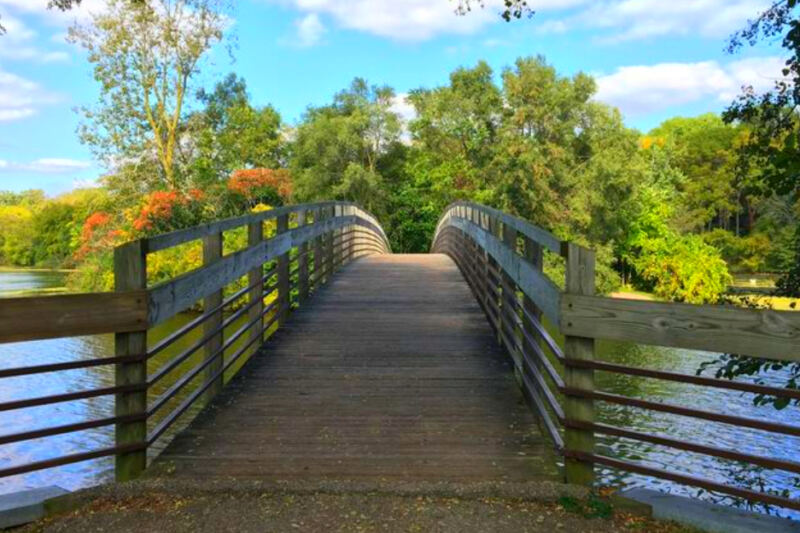
This is not a flat, featureless layout. The terrain at this course rises, dips, and crosses over natural streams via wooden footbridges that add a genuine sense of movement and adventure to the round.
Walking the course feels more like a light hike than a casual stroll, which is part of what makes it so engaging. You are constantly moving through different elevations, crossing bridges, and discovering what waits around the next bend.
One practical note worth mentioning: the course is not stroller-friendly, and visitors with significant mobility challenges may find certain sections difficult due to the steps and downhill stretches. That said, most players find the varied terrain to be one of the highlights rather than a drawback.
The bridges themselves are sturdy and well-maintained, and they cross over sections of natural stream that add to the feeling of an actual outdoor expedition. Every footbridge you cross feels like a small checkpoint in a larger adventure that keeps unfolding hole by hole.
The Walk-Through Cave Hole That Surprises Nearly Every First-Time Player
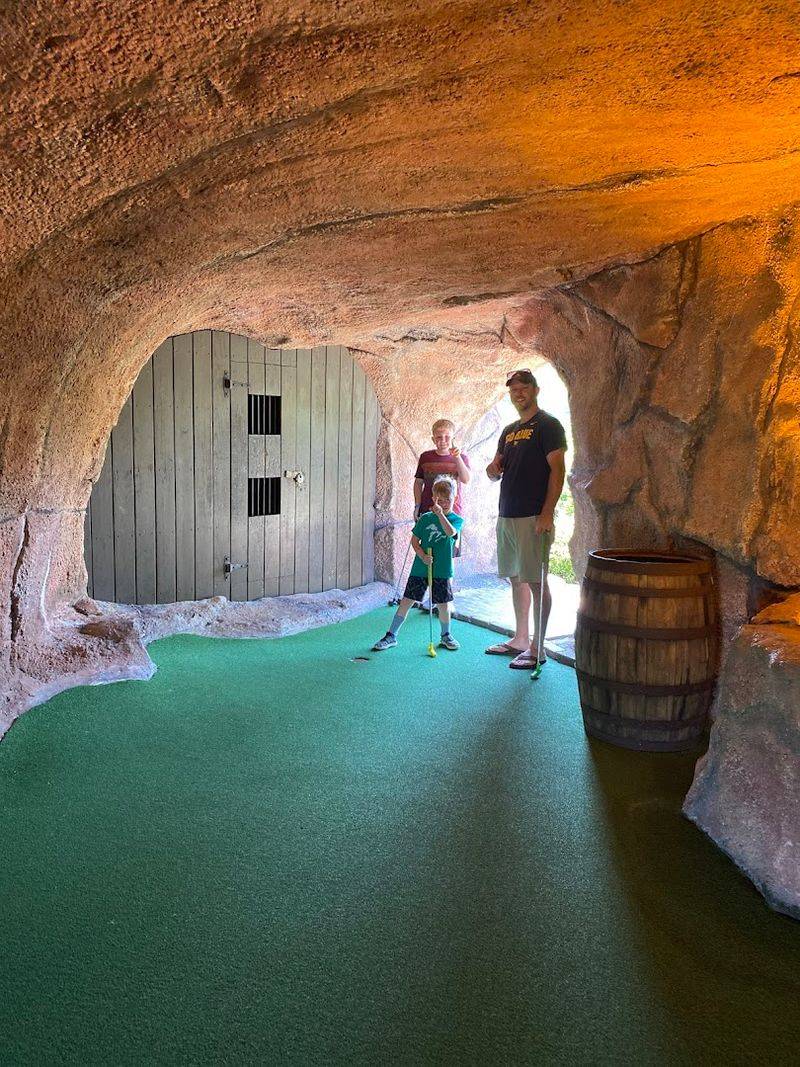
Among all the features on the course, the walk-through cave hole tends to generate the most reactions from first-time visitors. You approach what looks like a rocky hillside, and then the hole actually sends you through a mountain cave before emerging on the other side.
It is a genuinely clever design choice that breaks up the rhythm of a standard putting round. The cave is dark enough to feel atmospheric without being disorienting, and the moment you come out the other side, the landscape opens up again in a satisfying way.
Younger players tend to treat it as a highlight worth discussing for the rest of the round. Even seasoned mini-golf players who have seen a lot of course gimmicks tend to appreciate this one because it feels purposeful rather than tacked on.
The cave connects naturally to the surrounding terrain and pirate lore, making it one of the most cohesive design elements on the property. It is the kind of detail that sticks in your memory long after the scorecard is forgotten.
Pirate Statues, a Watchtower, and the Details That Reward Curious Eyes

Scattered across the course are life-size pirate statues positioned at various holes, each one adding a specific personality to its surroundings. One particularly beloved figure among younger visitors is a shark that appears near one of the holes, colorful and just dramatic enough to earn genuine gasps from kids.
The watchtower is one of the more striking vertical elements on the property. It rises above the surrounding landscaping and gives the course a skyline of its own, visible from multiple holes as a consistent visual anchor throughout the round.
These details are not random. The design team clearly put thought into how each prop and structure contributes to the overall narrative of the space.
Nothing feels like an afterthought or a leftover from a different theme.
Visitors who take their time between holes and look around carefully tend to notice small touches that faster players miss entirely. The course rewards curiosity, which is a rare quality in outdoor attractions of this type and keeps the experience fresh on repeat visits.
A Mini History Lesson at Every Hole About Real 18th-Century Pirates
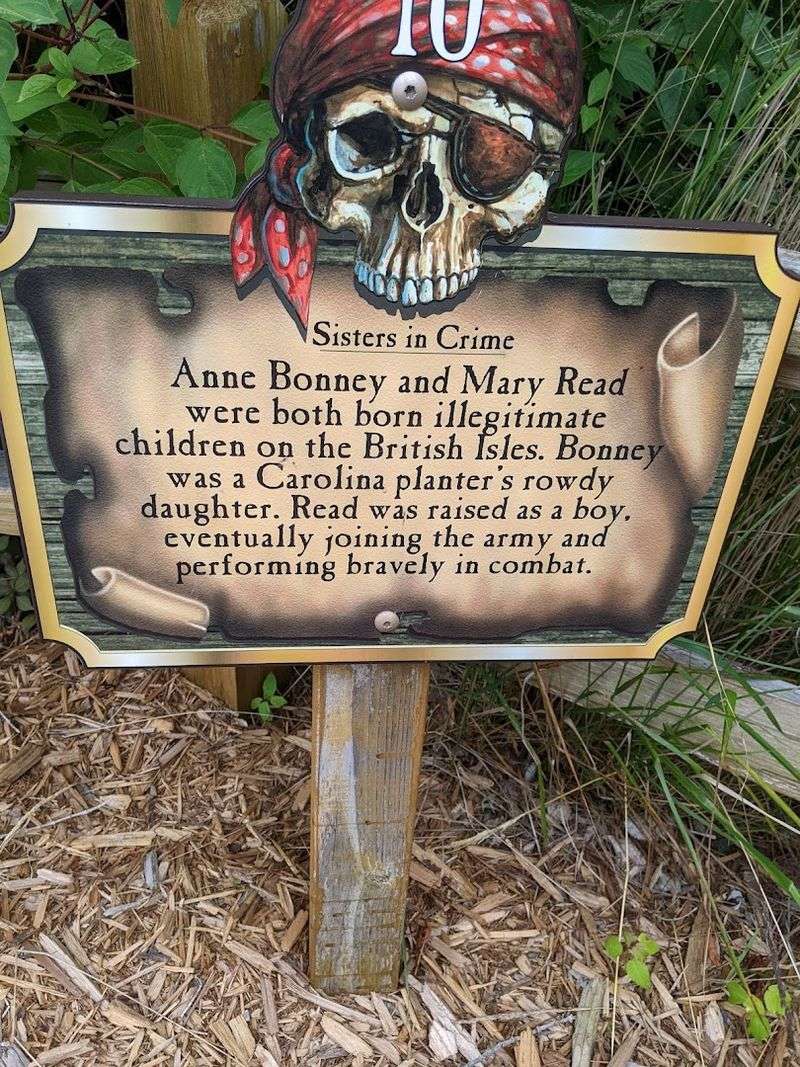
Most mini-golf courses ask nothing of your brain beyond basic geometry. This one is different.
At nearly every hole, there is signage that shares facts and stories about real pirates from the 18th century, turning a casual round into something genuinely educational.
One recurring character that visitors mention with particular enthusiasm is a famous lady pirate who reportedly retired as a wealthy woman. The story appears across multiple holes and tends to spark real conversations among players of all ages.
The history content is presented in an accessible, engaging way rather than as a dry textbook summary. Kids absorb it naturally because they are already in a pirate mindset, and adults find themselves reading the signs just as attentively.
This educational layer is one of the reasons the course has been recognized as Best in the Northwest by readers of The Graphic. It is not just a fun activity; it is a well-rounded experience that leaves visitors feeling like they learned something worth knowing.
More surprises wait in the next section.
The Hole of the Day Feature and What Happens If You Nail It
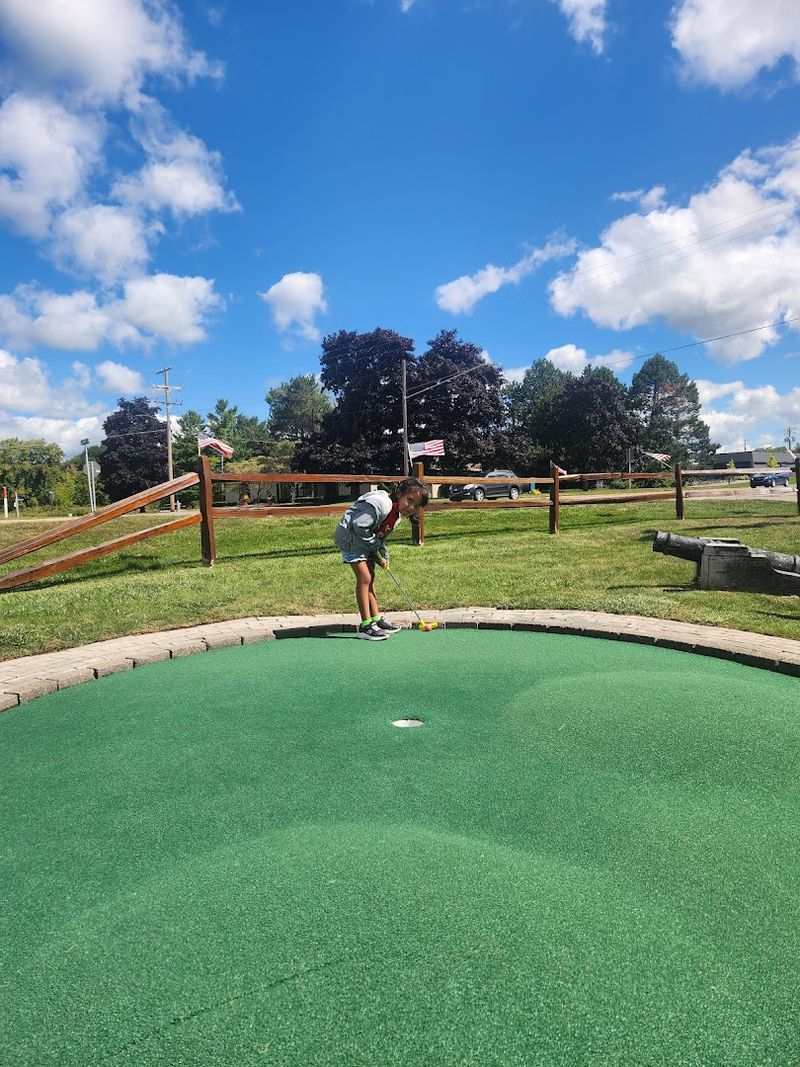
Here is a feature that adds a competitive edge to an otherwise relaxed round: the hole of the day. Each visit, one specific hole is designated as the hole of the day, and players who score a hole-in-one on that particular green earn a free game token.
It is a simple concept, but it changes how you approach that hole entirely. Instead of putting casually and moving on, you find yourself studying the angle a little harder and celebrating louder when the ball drops in cleanly.
There is also a drawing element tied to the promotion, which adds a layer of anticipation even for players who do not get the hole-in-one. The staff handles these little extras with genuine enthusiasm, making the whole thing feel like a real event rather than a throwaway promotion.
The hole of the day is one of those clever touches that gives repeat visitors a reason to keep coming back. Regulars who visit multiple times a season treat it almost like a personal challenge, and the course is better for it.
Landscaping, Native Plants, and a Course That Looks as Good as It Plays
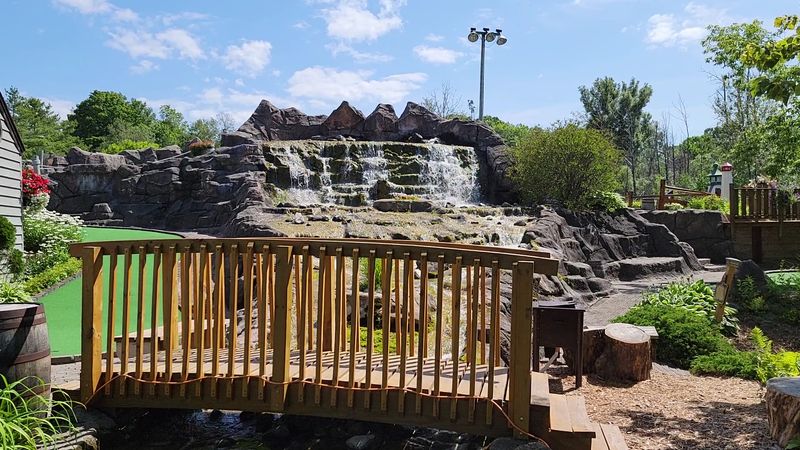
The greenery here is not just filler between holes. The landscaping at this course is a genuine attraction in its own right, with colorful flowers, native Michigan plants, and manicured turf that stays in excellent condition throughout the season.
Visitors with a background in horticulture or a simple appreciation for well-kept outdoor spaces consistently mention the plant life as a standout element. The native species in particular reflect a thoughtful approach to the property that goes beyond surface-level aesthetics.
Even after a rainy morning, the course tends to drain and recover quickly, staying playable and presentable for afternoon visitors. That kind of upkeep requires consistent effort, and it shows in how clean and orderly the whole property looks on any given day.
The flowers change subtly as the season progresses from May through mid-October, which means a visit in June looks noticeably different from one in September. That seasonal variation gives repeat visitors something new to notice each time they return to the course.
Practical Tips, Pricing, and What to Know Before You Show Up
Pricing at this course has historically been reasonable for the quality of the experience, with adult tickets running around nine to ten dollars per person in recent seasons. That figure may shift slightly year to year, so checking the website at piratescove.net or calling 231-347-1123 before visiting is worth the thirty seconds it takes.
The course runs from May through mid-October, and peak summer weekends can get busy enough that some wait time between holes is inevitable. Arriving earlier in the day or on a weekday tends to result in a smoother, more relaxed round with fewer backups.
Bringing a water bottle on hot days is genuinely practical advice, especially since the course involves more walking and elevation change than a typical flat layout. There is a small gift shop and arcade area near the entrance that kids tend to gravitate toward after finishing their round.
Pirate hats, temporary tattoos, and pirate-themed gift bags have all been part of the experience at various points, making the ending of a round feel just as fun as the start.
Share this story