France is famous for the Eiffel Tower, the French Riviera, and the lavender fields of Provence. But beyond the tourist hotspots, there are dozens of small, hidden towns that most travelers never get to see.
These quiet gems offer real history, stunning scenery, and a slower pace of life that is hard to find anywhere else. If you are ready to skip the crowds and discover something truly special, these 15 secret French towns deserve a spot on your travel list.
Aigues-Mortes, Occitanie
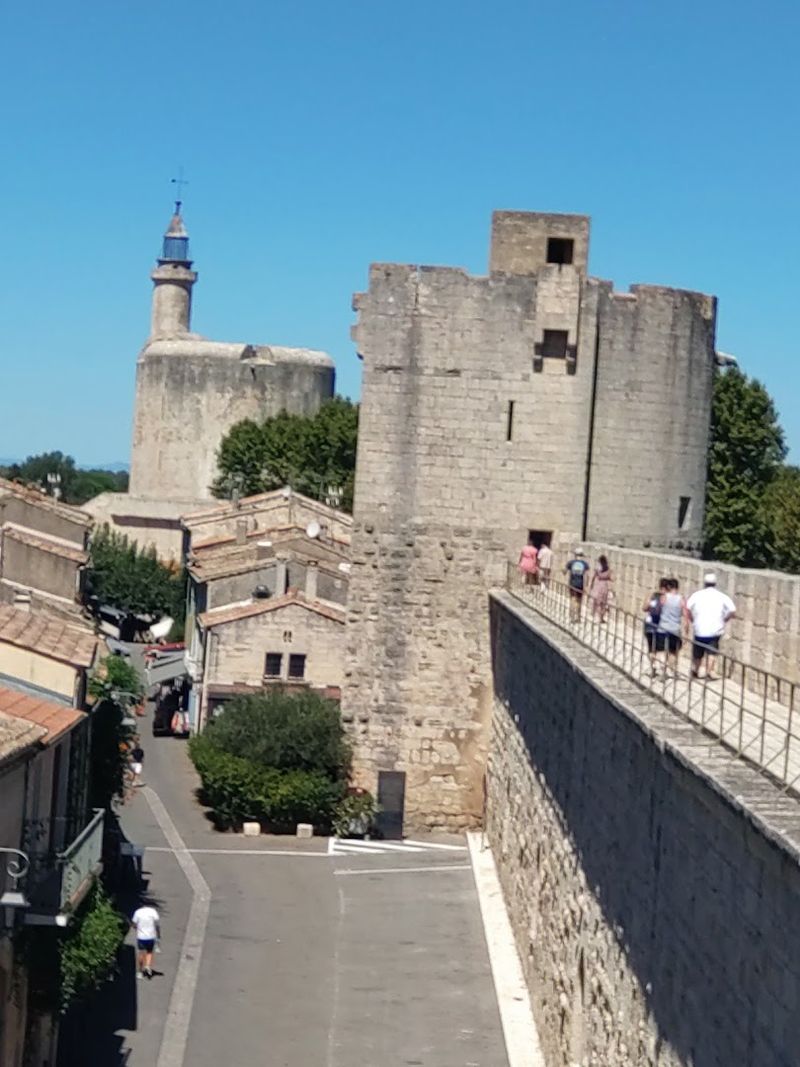
Pink salt flats shimmer around the perfectly preserved walls of Aigues-Mortes, giving this Camargue town a glow that feels almost otherworldly. Built in the 13th century by King Louis IX, it served as France’s main Mediterranean port before the sea gradually retreated.
Today, the walls still stand tall and you can walk the entire perimeter for sweeping views over flamingo-filled wetlands.
Inside the walls, cobbled streets lead to shaded squares, small boutiques, and cafes where locals linger over coffee. The pace here is wonderfully slow, and the atmosphere feels genuine rather than staged for tourists.
Spring and autumn are the best times to visit when temperatures are mild and the salt flats glow their brightest pink.
Despite its rich history and striking beauty, Aigues-Mortes remains far less crowded than nearby Montpellier or the Riviera. Wild horses roam the surrounding Camargue landscape, adding to the sense that you have stumbled onto something extraordinary.
For travelers who want history, nature, and a little magic all in one place, this town delivers without question.
Ferrette, Alsace
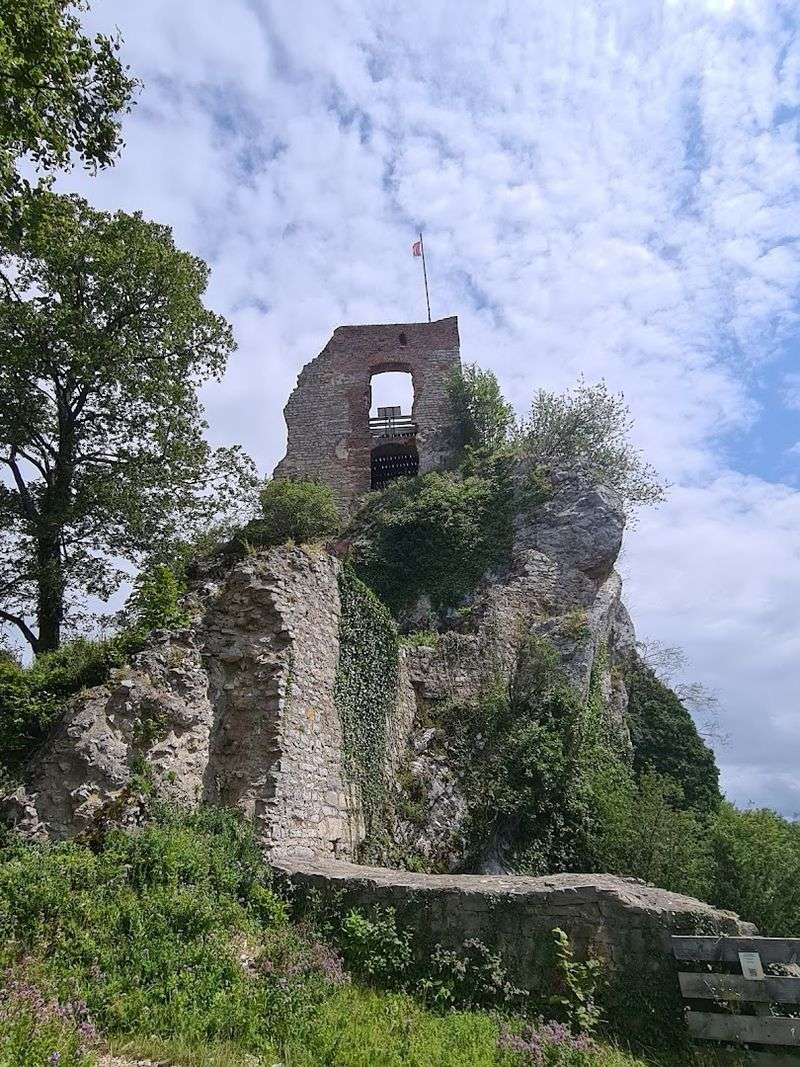
Perched near the Swiss border, Ferrette hides one of Alsace’s most dramatic secrets: a pair of ruined hilltop castles that overlook the entire Rhine Valley. The hike up to the ruins takes about 20 minutes and rewards you with views that stretch into Switzerland and Germany on a clear day.
It is the kind of view that makes you forget your tired legs entirely.
The village below moves at a wonderfully unhurried pace. Narrow medieval streets wind between old stone buildings, and the whole place feels like it was frozen sometime around the 15th century.
There are no major tourist attractions fighting for your attention, just honest charm and quiet beauty.
Ferrette technically belongs to the Sundgau region, a part of Alsace that even many French travelers overlook. The surrounding countryside is ideal for cycling and hiking, with rolling hills, ponds, and small farms dotting the landscape.
Local restaurants serve hearty Alsatian specialties like tarte flambee and baeckeoffe, giving you plenty of reasons to linger longer than planned. This is a town for travelers who like their discoveries to feel genuinely earned.
Collonges-la-Rouge, Correze
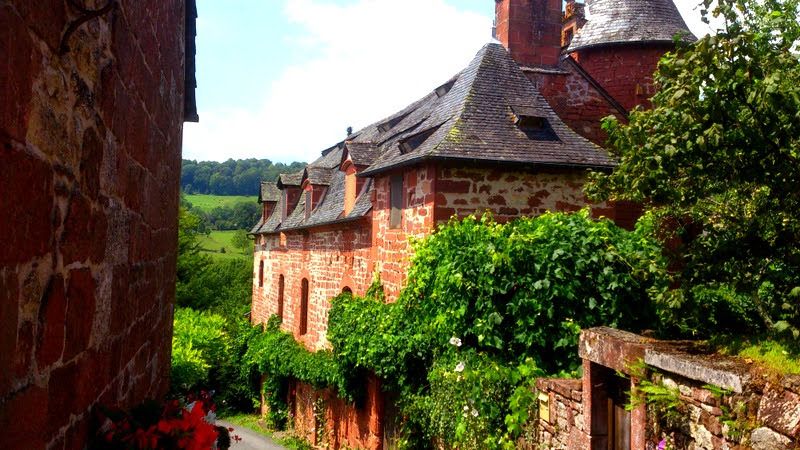
Every single building in Collonges-la-Rouge is made from the same deep red sandstone, creating a village that looks like it was designed by an artist with a very specific color palette. The effect is stunning, especially on sunny afternoons when the facades seem to glow from within.
It was actually the first village to join France’s famous “Most Beautiful Villages” label back in 1982.
Flower boxes overflow from windowsills, vines creep up ancient walls, and the streets are narrow enough that you can almost touch both sides at once. The village has a lovely church with a Romanesque tower, a few artisan shops, and a handful of restaurants serving Correze specialties like walnut tarts and duck confit.
Crowds can gather on summer weekends, so visiting early in the morning or during the shoulder season gives you the best experience. The surrounding Correze countryside is equally beautiful, with forests, rivers, and nearby medieval towns like Turenne and Curemonte worth exploring.
Collonges-la-Rouge is small enough to see in a few hours but memorable enough to stay with you for years. It is one of those places that photographs cannot fully capture.
Naours, Hauts-de-France
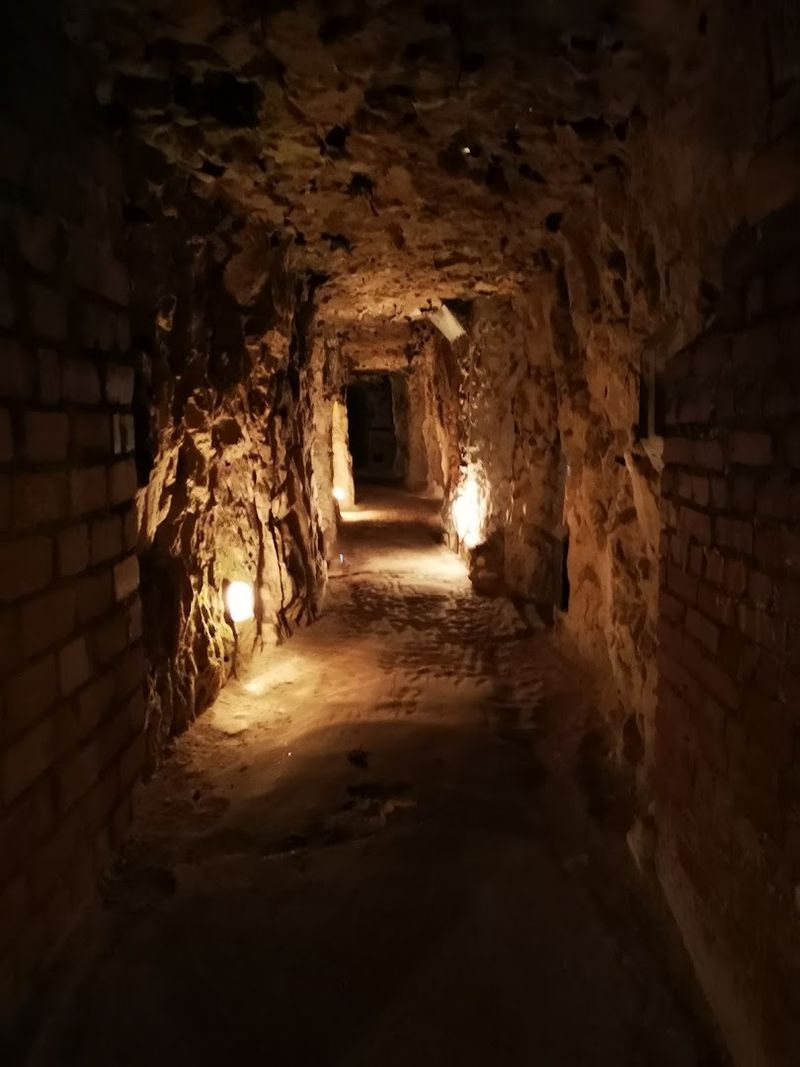
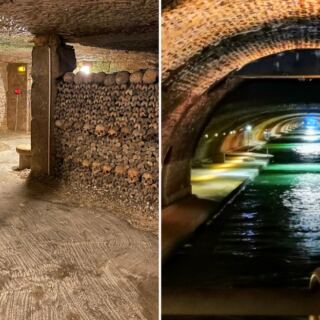
Beneath the quiet fields of northern France, a secret city has been hiding for centuries. The underground network of Naours contains over 300 rooms, 28 kilometers of tunnels, and enough space to shelter 3,000 people.
Local villagers used it as a refuge during wars and invasions, carving out chapels, stables, and even bakeries in the soft chalk rock below their feet.
Above ground, Naours looks like an ordinary sleepy village in the Hauts-de-France region. Nothing about the surface gives away what lies beneath, which makes the discovery all the more thrilling.
Guided tours take you through the illuminated tunnels, where you can see carved inscriptions left by soldiers from multiple wars, including signatures from Australian troops during World War One.
The underground city is genuinely fascinating for visitors of all ages, and the guides do an excellent job of bringing the history to life. The village also has a windmill museum and a small park above ground, making it a full half-day outing.
Naours sits about 20 kilometers north of Amiens, making it easy to combine with a visit to the famous Amiens Cathedral. Few places in France offer this kind of layered, surprising history in such a compact package.
Perouges, Auvergne-Rhone-Alpes
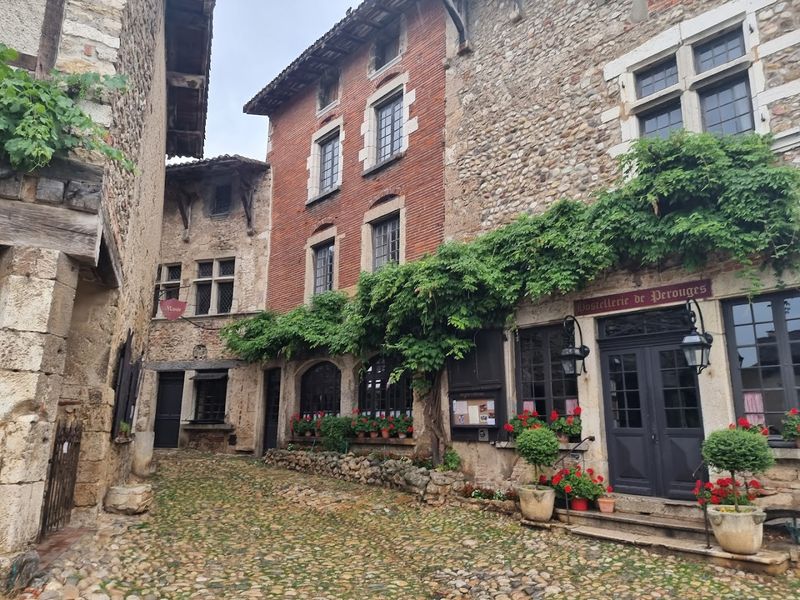
Walking into Perouges feels like stepping through a time machine set to the Middle Ages, except with better food. This hilltop village near Lyon has been so well preserved that it has served as a film set for numerous historical movies and TV productions.
The entire village is listed as a historic monument, and it genuinely earns that title.
Stone streets paved with rounded cobbles wind between tightly packed houses draped in ivy and climbing roses. The main square, Place du Tilleul, is anchored by a linden tree that has stood since 1792.
Locals sell the famous galette de Perouges, a sugary flat pastry that has been made here for generations and pairs perfectly with a glass of local wine.
Evenings in Perouges have a special quality. When the day visitors leave, the village settles into a lantern-lit stillness that feels genuinely cinematic.
A small number of guesthouses allow overnight stays, and waking up inside the medieval walls is an experience worth planning around. Perouges is only about 35 kilometers from Lyon, making it an easy and very rewarding day trip.
Just be prepared to want to stay much longer than you planned.
Saint-Suliac, Brittany
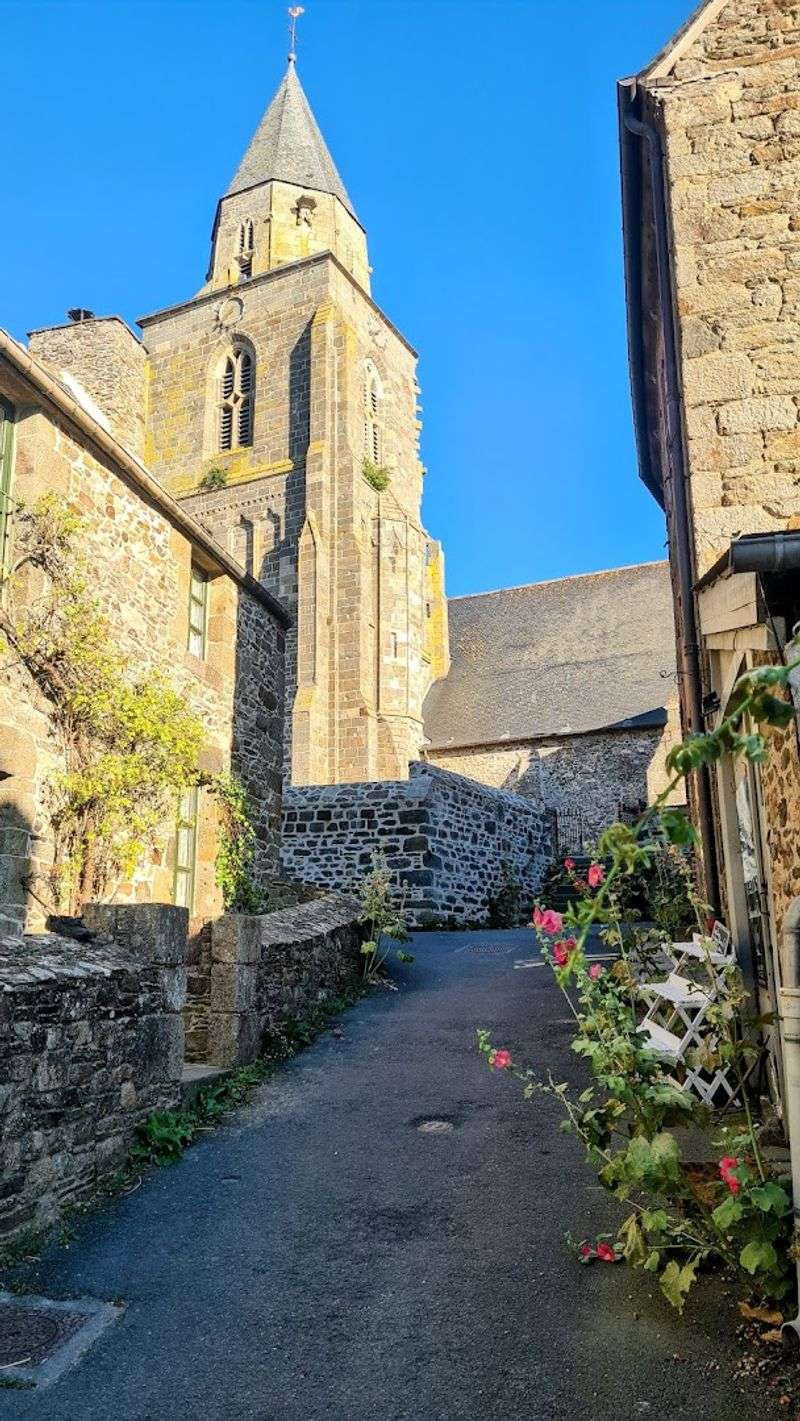
Saint-Suliac sits quietly along the Rance estuary in Brittany, the kind of village that makes you feel like you have accidentally wandered into a watercolor painting. Granite cottages line the narrow lanes, fishing boats bob in the harbor, and flower boxes burst with color against the grey stone.
It consistently ranks among France’s most beautiful villages, yet it somehow stays off most international travel radars.
The village has a lovely old church perched on a hill above the estuary, and the views from up there over the water are genuinely breathtaking. At low tide, the estuary reveals wide mudflats where herons and oystercatchers pick their way along the shore.
It is the kind of nature scene that costs nothing and stays in your memory for a long time.
Saint-Suliac is best explored on foot, as the lanes are too narrow for much else. There are a few small restaurants and creperies where you can try Breton specialties like buckwheat galettes and fresh seafood.
The nearby town of Dinan is worth a visit too, just a short drive inland along the river. Saint-Suliac offers the kind of slow, honest Brittany experience that bigger coastal resorts simply cannot replicate.
Rocamadour, Occitanie
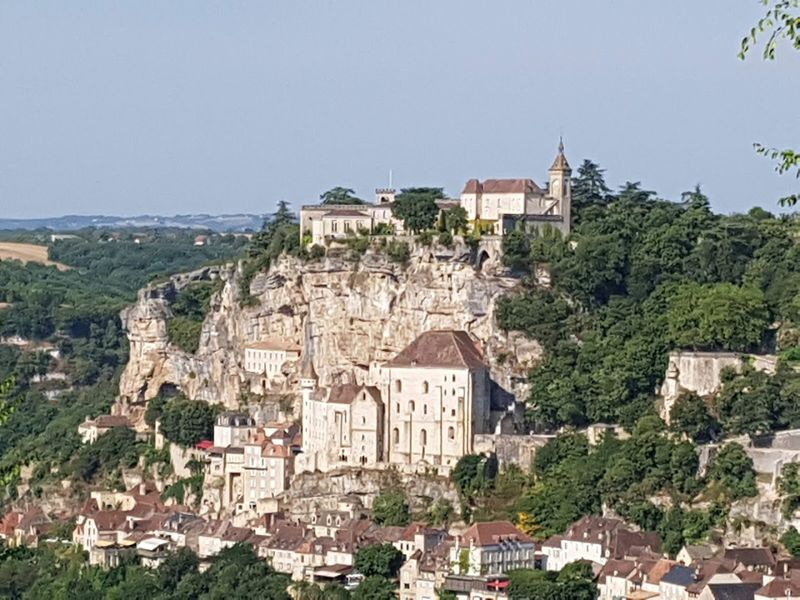
Rocamadour defies the laws of sensible architecture. The entire village is built directly into a sheer cliff face above the Alzou Canyon, with churches, chapels, and medieval houses stacked on top of each other in layers that seem to defy gravity.
It has been a Christian pilgrimage site since the Middle Ages and still draws visitors who come to climb the Grand Stairway on their knees as an act of devotion.
The view from the top of the cliff, known as L’Hospitalet, is one of the most dramatic in all of France. Looking down at the layered village clinging to the rock while the canyon stretches out below is a sight that genuinely stops you in your tracks.
Sunrise and sunset light up the pale stone in shades of gold and amber that no filter can improve.
Rocamadour has a small but excellent range of restaurants and local shops selling regional specialties including Rocamadour cheese, a tiny but intensely flavored goat cheese protected by its own French certification. The village is busiest in summer, so spring or early autumn visits offer a calmer experience.
Getting here requires a car or organized tour, but the journey through the Lot valley landscape makes the drive itself worthwhile.
Annecy, Haute-Savoie
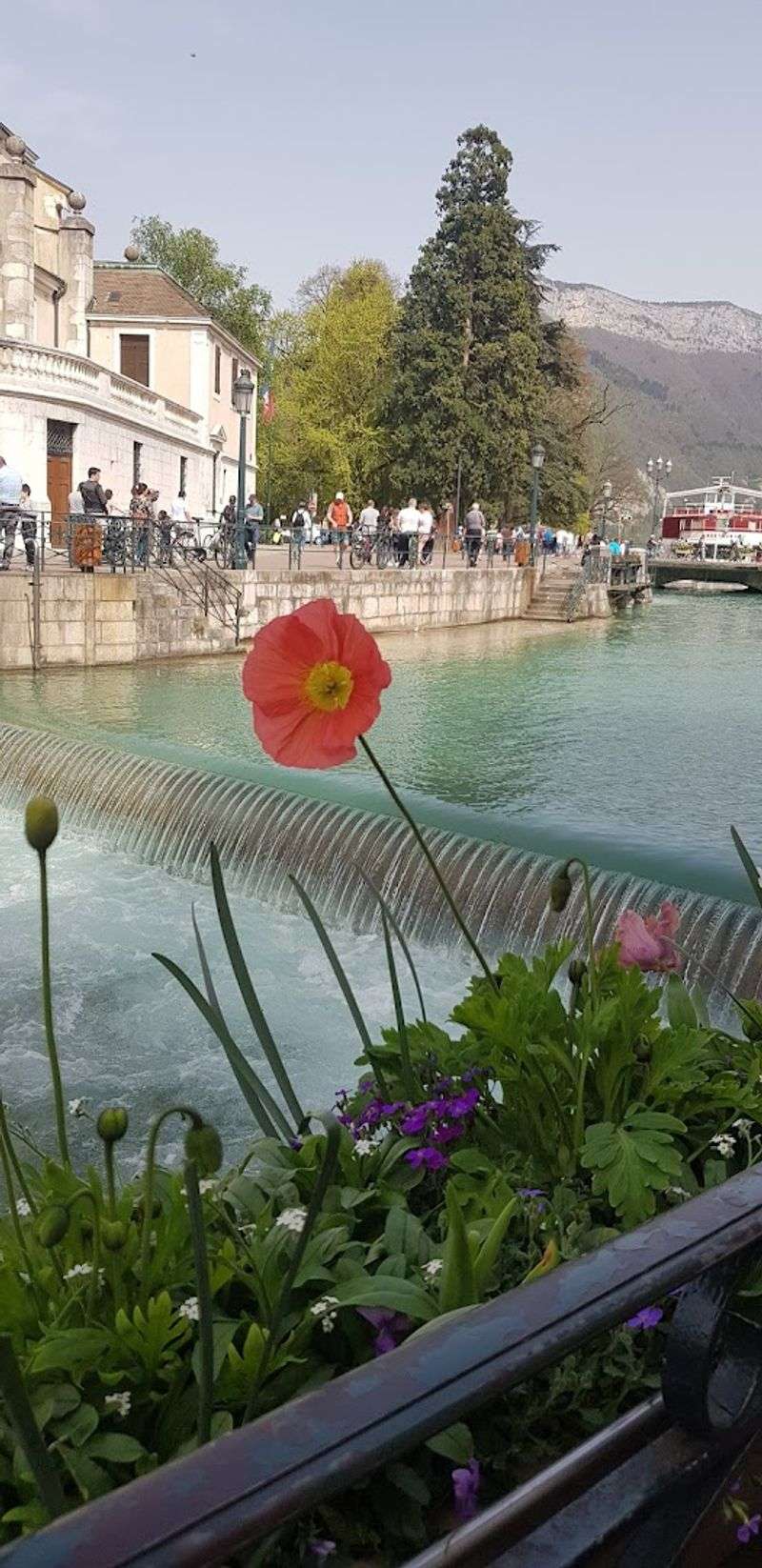
Annecy has canals so clear you can see straight to the bottom, pastel-colored buildings reflected in the water, and snow-capped Alps towering over the whole scene. It is the kind of place that makes even experienced travelers stop and stare.
Sometimes called the Venice of the Alps, Annecy backs up that nickname effortlessly, though it has a mountain soul that Venice could never match.
The old town, known as the Vieille Ville, is a maze of arcaded streets, flower-draped bridges, and open-air markets selling local cheeses, charcuterie, and fresh produce. Lake Annecy, just a short walk from the center, is one of the cleanest lakes in Europe and perfect for swimming, kayaking, or simply sitting beside with a good book and a pastry.
While Annecy is well known among French holidaymakers, it remains genuinely underappreciated by international visitors who tend to head straight for Paris or the Cote d’Azur. Summer brings the most activity, but winter transforms the town into a cozy Alpine retreat with excellent skiing nearby.
The combination of mountain air, stunning architecture, and outstanding food makes Annecy one of France’s most complete travel experiences. Go once and you will immediately start planning your return.
Bergues, Northern France
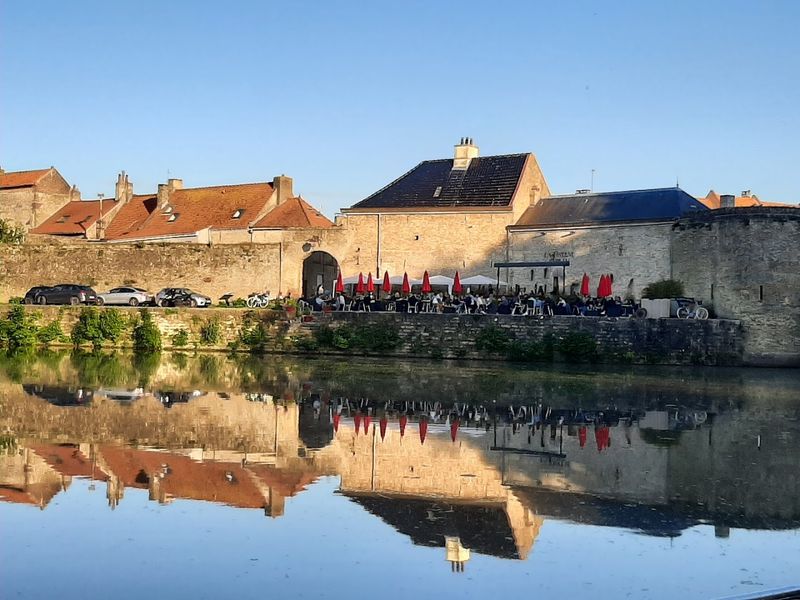
Bergues became unexpectedly famous across France after starring in the beloved 2008 comedy film “Bienvenue chez les Ch’tis,” but the town deserves attention on its own merits. Surrounded by 16th-century Vauban-designed fortifications, this Flemish gem sits just 10 kilometers from Dunkirk and offers a completely different flavor from the rest of northern France.
The brick architecture, flat canals, and belfry tower feel closer to Belgium than to Provence.
The town center is compact and easy to explore on foot, with a pleasant main square, a few good cafes, and a local museum inside a former abbey. The ramparts make for a lovely walk, especially in the late afternoon when the light turns golden over the water-filled moat surrounding the walls.
Bergues has an easygoing local atmosphere that big tourist towns rarely manage to hold onto. The weekly market brings the square to life with fresh produce and regional specialties.
Maroilles cheese, a pungent northern French classic, is widely available and very much worth trying if you are feeling brave. For travelers passing through northern France on their way to Paris or the Channel, Bergues makes an outstanding and largely unexpected stop that rewards curiosity generously.
Confolens, Nouvelle-Aquitaine
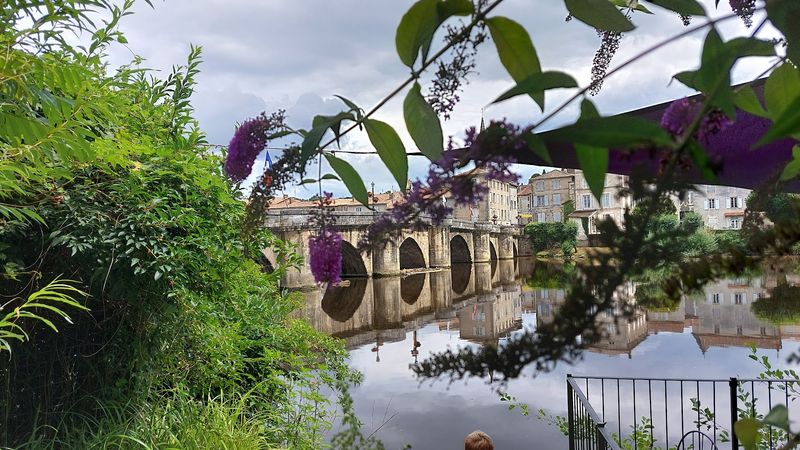
Two rivers meet at Confolens, the Vienne and the Goire, wrapping the town in a natural embrace that gives it a uniquely peaceful setting. Stone bridges arch over the water, old towers rise above the rooftops, and the surrounding Charente countryside rolls out in every direction in shades of green.
It is the kind of town where you arrive for an hour and stay for the afternoon without quite knowing how it happened.
Confolens is perhaps best known for its International Folklore Festival, held every August, which draws traditional dance and music groups from dozens of countries around the world. Outside of festival season, the town settles back into a quiet rhythm that feels authentically French in the best possible way.
The old upper town has a particularly lovely collection of medieval houses and a 15th-century bridge that has seen centuries of river traffic.
The surrounding region is ideal for slow travel, with forests, rivers, and small villages connected by quiet country roads. Local restaurants serve honest Charente cooking, with dishes built around duck, pork, and the region’s excellent Pineau des Charentes aperitif wine.
Confolens rarely appears on international travel lists, which is precisely what makes arriving here feel like a genuine personal discovery worth sharing with no one.
Eguisheim, Alsace
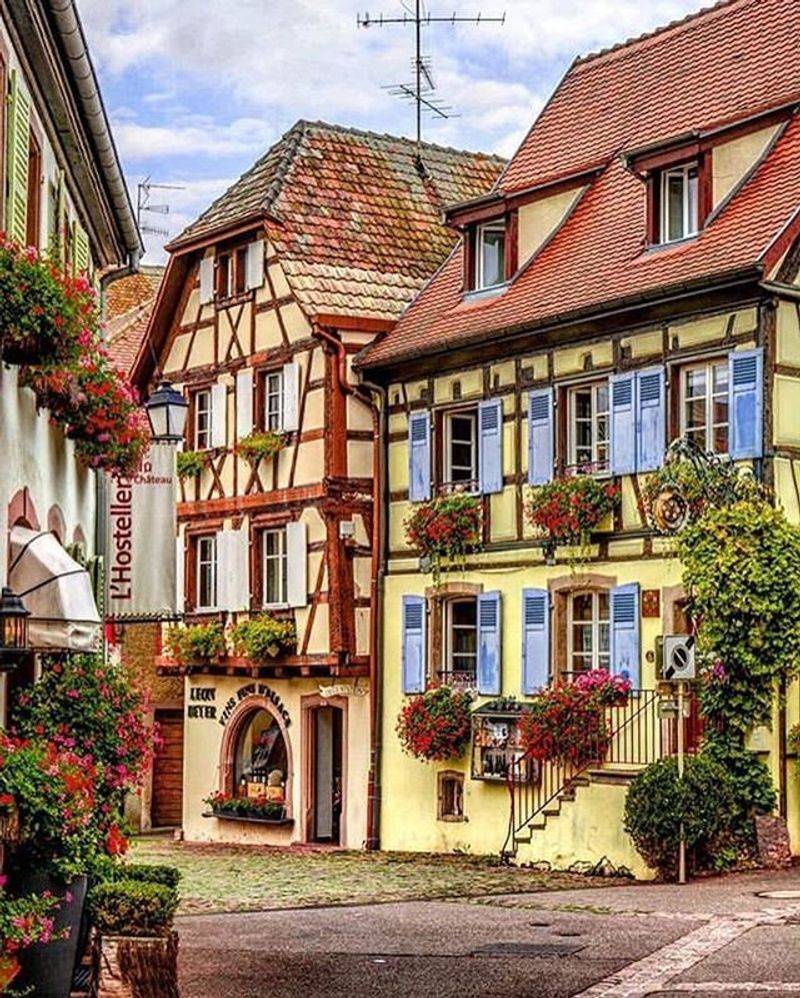
Eguisheim is built in concentric rings, meaning the streets literally circle the old castle at the center of the village like ripples spreading out from a stone dropped in water. Walking the circular lanes feels like following a very pleasant maze with no wrong turns and beautiful half-timbered houses at every corner.
The village was named the Favorite Village of France by a national TV vote in 2013, and the result is hard to argue with.
Every house in Eguisheim seems to compete for the most impressive flower display, with window boxes and hanging baskets bursting in every color imaginable. Spring and early summer are particularly spectacular, though the village also transforms beautifully during the Christmas market season when fairy lights and mulled wine stands fill the central courtyard.
Eguisheim sits at the heart of the Alsatian Wine Route, surrounded by vineyards producing some of France’s finest Riesling and Gewurztraminer wines. Several small cellars in the village offer tastings, and the local winemakers are proud of their craft and happy to talk about it at length.
Compared to nearby Colmar, Eguisheim stays noticeably calmer and more genuine. It is the kind of village that reminds you why slow travel through France is always worth choosing over rushing between the big cities.
Beziers, Occitanie
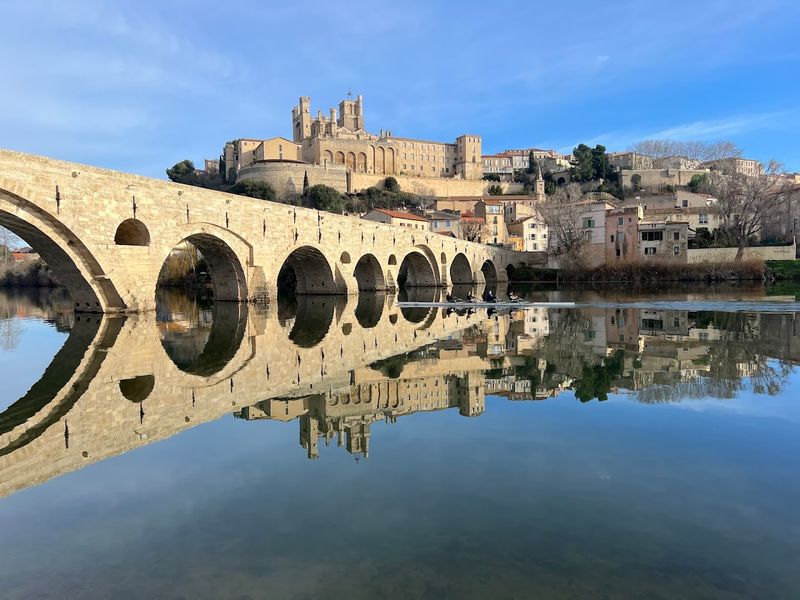
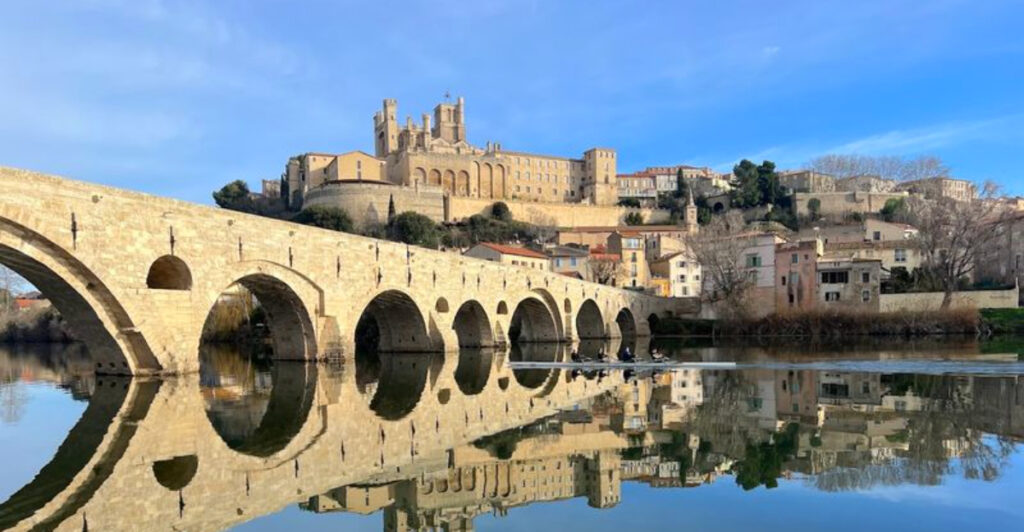
Beziers has been around for over 2,500 years, making it one of the oldest cities in France, yet it rarely shows up on mainstream travel itineraries. The city sits on a dramatic hill above the Orb River and the Canal du Midi, with its enormous Saint-Nazaire Cathedral looming over the landscape like a stone fortress.
That cathedral alone is worth the trip, with its Gothic architecture and sweeping views over the surrounding vineyards.
The old city center has a lively market culture, with the Les Halles covered market offering an outstanding selection of local cheeses, olives, charcuterie, and the region’s beloved Languedoc wines. Saturday mornings at the market are particularly atmospheric, with locals haggling, chatting, and sampling with great enthusiasm.
The energy is completely authentic and very far removed from tourist-polished market experiences.
Every August, Beziers hosts the Feria, one of southern France’s largest and most colorful festivals, with bullfighting, music, and street celebrations that take over the entire city for five days. Outside of festival season, the city offers a relaxed southern French lifestyle at a fraction of the cost of the Riviera.
Mediterranean beaches are just 15 kilometers away, making Beziers an ideal base for exploring the wider Herault region without paying beach town prices.
La Roche-sur-Foron, Haute-Savoie
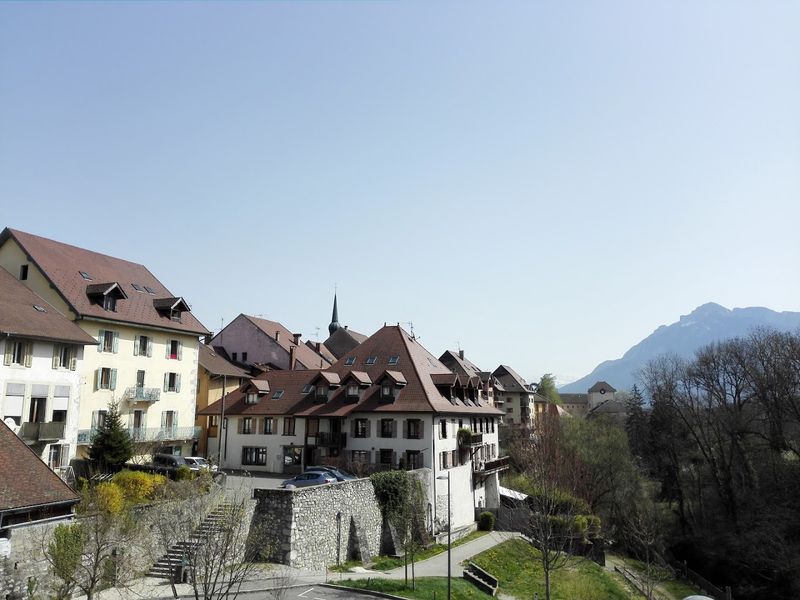
La Roche-sur-Foron sits in the Faucigny valley with the Alps rising dramatically behind it, yet it gets a fraction of the attention lavished on nearby Chamonix or Annecy. The town has a handsome medieval center built around stone arcades, a 12th-century tower, and quiet plazas where locals gather in the evenings with a relaxed confidence that comes from living somewhere genuinely lovely.
It is a place that takes care of its own history without performing it for visitors.
The tower, known as the Tour de la Reine Blanche, offers panoramic views over the valley and toward Mont Blanc on clear days. Getting up there requires a modest climb but the reward is one of those views that reframes your sense of scale entirely.
The surrounding streets have a pleasant mix of small shops, bakeries, and cafes that cater primarily to locals rather than tourists.
La Roche-sur-Foron is an excellent base for exploring the wider Haute-Savoie region, with Geneva just 40 kilometers away and multiple ski resorts within easy driving distance. In summer, the surrounding countryside offers excellent hiking and cycling routes through Alpine meadows.
The town itself hosts a lively weekly market and several annual festivals that bring a warm community energy to its medieval streets throughout the year.
Combourg, Brittany
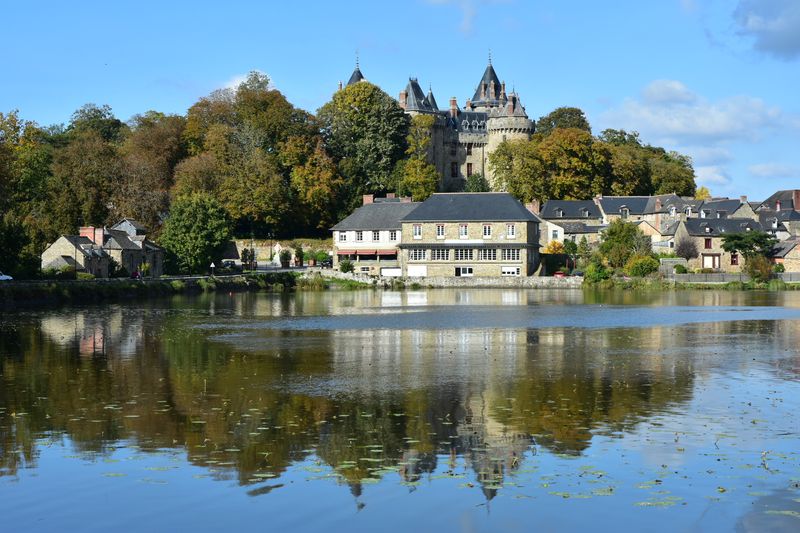
Combourg’s castle rises above a still lake surrounded by forests, and on a grey Breton morning the whole scene looks like the opening of a Gothic novel. That is entirely fitting, because this is where the Romantic writer Francois-Rene de Chateaubriand spent his brooding childhood in the late 18th century.
He later wrote about Combourg with a mixture of melancholy and wonder that perfectly captures the town’s atmosphere even today.
The castle is open to visitors and contains a small museum dedicated to Chateaubriand’s life and work. Even if you have never read a word he wrote, the rooms and the lake views create a mood that is genuinely hard to shake.
The town itself is small and unhurried, with a market square, a few good restaurants, and the kind of quiet that feels earned rather than imposed.
Autumn is the most atmospheric season to visit Combourg, when the forests surrounding the lake turn amber and gold and the mist sits low over the water in the mornings. The town makes an excellent stop on any road trip through inland Brittany, pairing well with nearby Mont-Saint-Michel and the walled city of Saint-Malo.
Combourg will not overwhelm you with things to do, and that restraint is exactly what makes it so memorable.
Auvillar, Occitanie
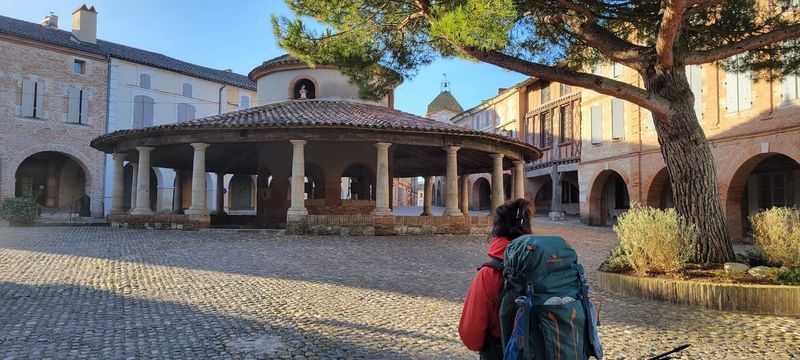
Auvillar crowns a hill above the Garonne River with the quiet confidence of a village that knows exactly how beautiful it is. Its circular market hall, built in the 18th century with elegant stone columns and a terracotta-tiled roof, is one of the most photographed structures in the entire southwest of France.
The views from the hilltop terrace over the river and the patchwork farmland below are the kind that make you reach for your camera and then put it away because no photo will do it justice.
The village sits along the GR65, the famous pilgrimage route to Santiago de Compostela, meaning a steady trickle of walkers passes through with dusty boots and full hearts. This gives Auvillar a gentle sense of purpose and a welcoming atmosphere that pure tourist towns sometimes lack.
Small artisan studios and pottery workshops line the streets, a tradition the village has maintained for centuries.
Auvillar is best visited in the late afternoon when the light turns warm and golden over the rooftops. A handful of small restaurants serve Gascon cooking, with dishes heavy on duck, foie gras, and local Cotes du Brulhois wine.
The village is small enough to see in an hour but rich enough in character to linger in for a full afternoon. It is one of those rare places where doing absolutely nothing feels like exactly the right choice.
Share this story