The summer of 1987 had a very specific soundtrack, and if you were near a radio, a boombox, or a car stereo between June and August, you heard it constantly. FM radio was at its peak influence that year, shaping what people listened to at beach parties, roller rinks, and late-night drives.
Billboard charts were a battleground of genres, with R&B, arena rock, pop, and new wave all competing for the same airtime. Crossover hits from movie soundtracks gave certain songs an extra push, while artists like Whitney Houston, U2, and George Michael were redefining what mainstream pop could sound like.
The playlist that dominated those months was not random. It reflected real shifts in music production, radio formatting, and what audiences across the country were actually requesting.
Every song on this list earned its place through chart performance, radio rotation data, and cultural staying power. Read on to see which tracks defined the season.
1. La Bamba, Los Lobos
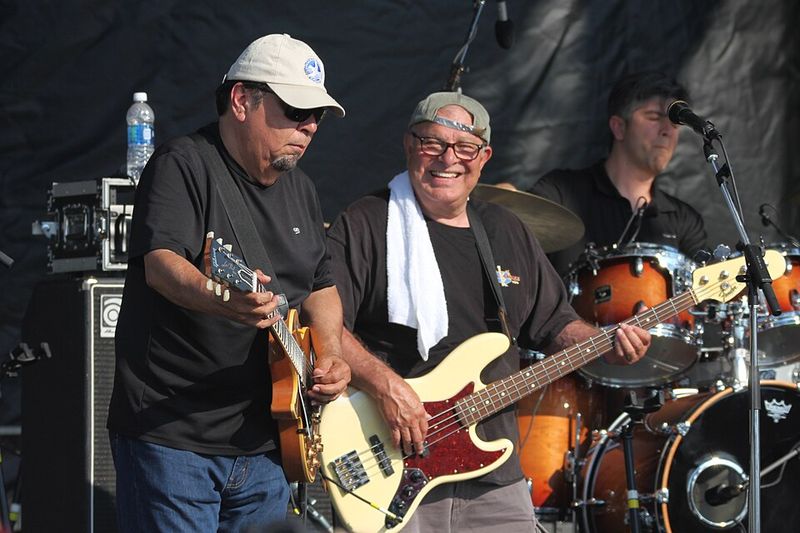
A black-and-white film about a 1950s rock and roll musician somehow produced the number one song of the summer of 1987. The La Bamba biopic about Ritchie Valens opened in late July and its soundtrack, performed by Los Lobos, hit the top of the charts almost immediately.
Los Lobos had been an established East Los Angeles roots rock band since the late 1970s, but this cover gave them their first and only number one single. The song displaced “Shakedown” by Bob Seger from the top spot and stayed there for three weeks.
FM radio treated it as both a pop hit and a cultural event, since the film was generating significant box office attention at the same time. Top 40 and adult contemporary stations played it alongside rock and R&B tracks without hesitation.
The crossover appeal was genuine, not manufactured, which made it one of the more unusual chart-toppers of the decade.
2. Shakedown, Bob Seger
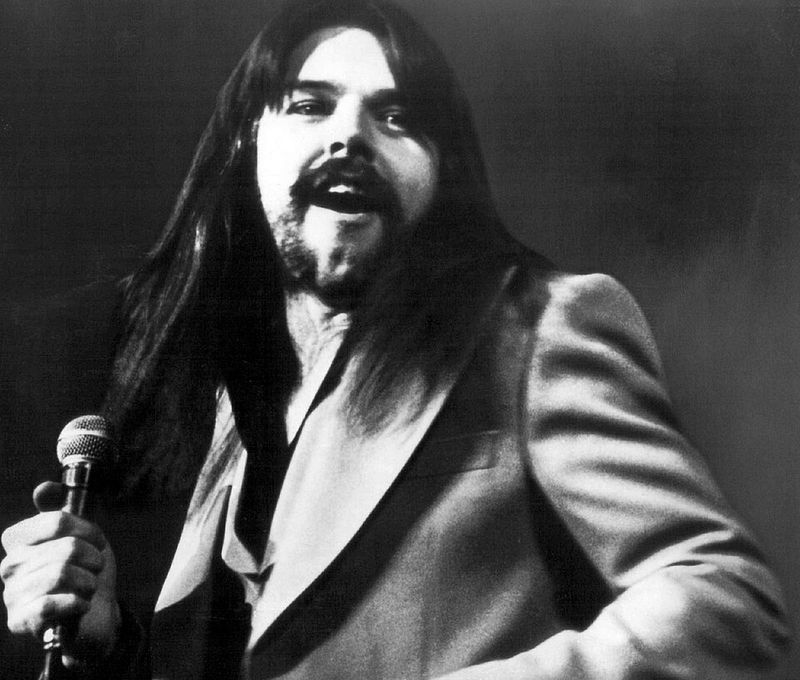
Bob Seger had been a classic rock staple since the mid-1970s, but “Shakedown” gave him something he had never had before: a number one pop single. The track appeared on the Beverly Hills Cop II soundtrack and reached the top of the Billboard Hot 100 in late July 1987.
The song had a polished, synthesizer-heavy production that was noticeably different from Seger’s earlier Detroit rock style. That shift was deliberate, designed to fit the glossy, uptempo energy of the film’s action sequences and the broader sound of late-1980s FM radio.
Beverly Hills Cop II was one of the biggest films of 1987, which gave the single a commercial platform that album-only promotion could not have matched. FM stations slotted it into both rock and pop formats, widening its reach considerably.
Interestingly, Seger did not write the song himself. Harold Faltermeyer and Keith Forsey, who were closely tied to the first film’s soundtrack, wrote it specifically for the sequel.
3. I Want Your Se*, George Michael

Few singles generated as much radio controversy in 1987 as this one. “I Want Your Se*” was the lead single from George Michael’s debut solo album Faith, and several FM stations banned it outright or played an edited version under pressure from broadcast standards groups.
The BBC initially refused to air it during daytime hours, and some American stations followed similar policies. That resistance, ironically, made the song more talked-about than almost anything else released that summer.
It still peaked at number two on the Billboard Hot 100 despite the restricted airplay.
George Michael had recently left Wham and was repositioning himself as a serious adult artist rather than a teen pop act. Faith, released in October 1987, would go on to sell over 25 million copies worldwide, but this single signaled the pivot months in advance.
The track also appeared on the Beverly Hills Cop II soundtrack, giving it an additional commercial platform during peak summer movie season.
4. I Wanna Dance with Somebody, Whitney Houston
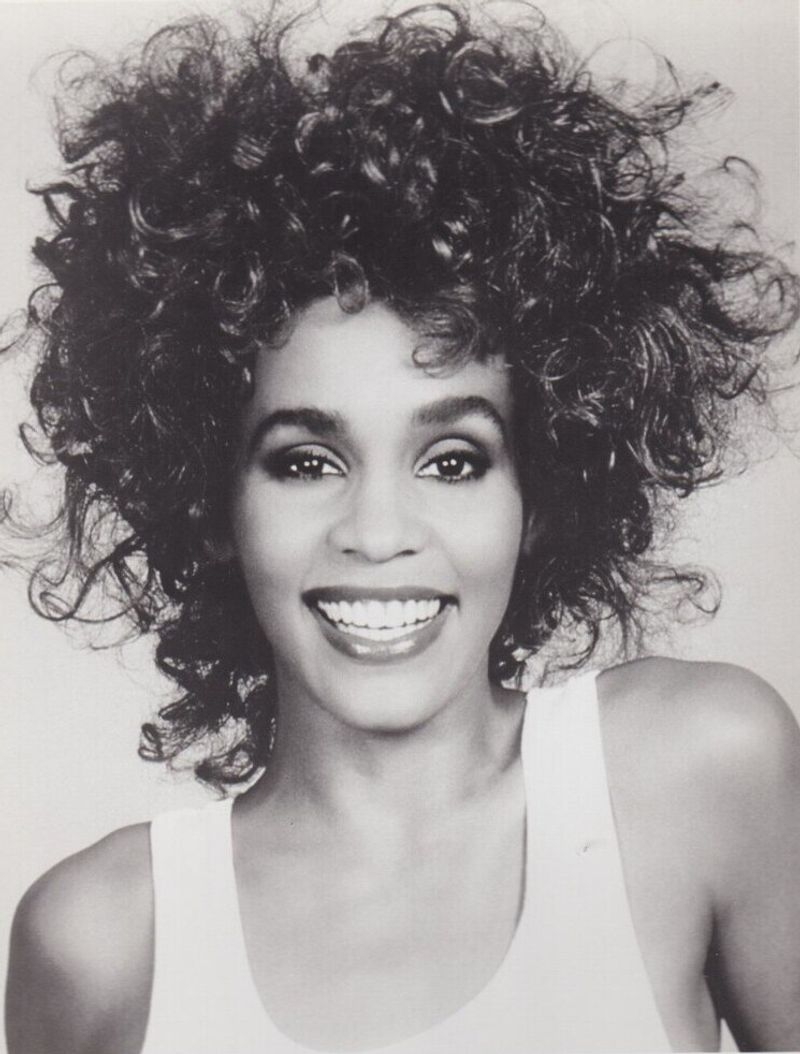
Whitney Houston entered the summer of 1987 already at the top of the pop world, and this single made sure she stayed there. “I Wanna Dance with Somebody (Who Loves Me)” debuted at number one in May and remained a constant presence on Top 40 and adult contemporary stations through August.
The song was produced by Narada Michael Walden, who had also worked on several tracks from Houston’s 1985 debut album. Its upbeat tempo and layered vocal arrangement were designed specifically for daytime radio rotation, and program directors responded accordingly.
By the time summer began, it had already become the third best-selling single of the year in the United Kingdom. Houston performed it at the 1987 MTV Video Music Awards, which kept it in the cultural conversation even as newer singles were entering the charts.
The track was part of her second album, Whitney, which debuted at number one, making Houston the first woman to achieve that on the Billboard 200.
5. Head to Toe, Lisa Lisa & Cult Jam
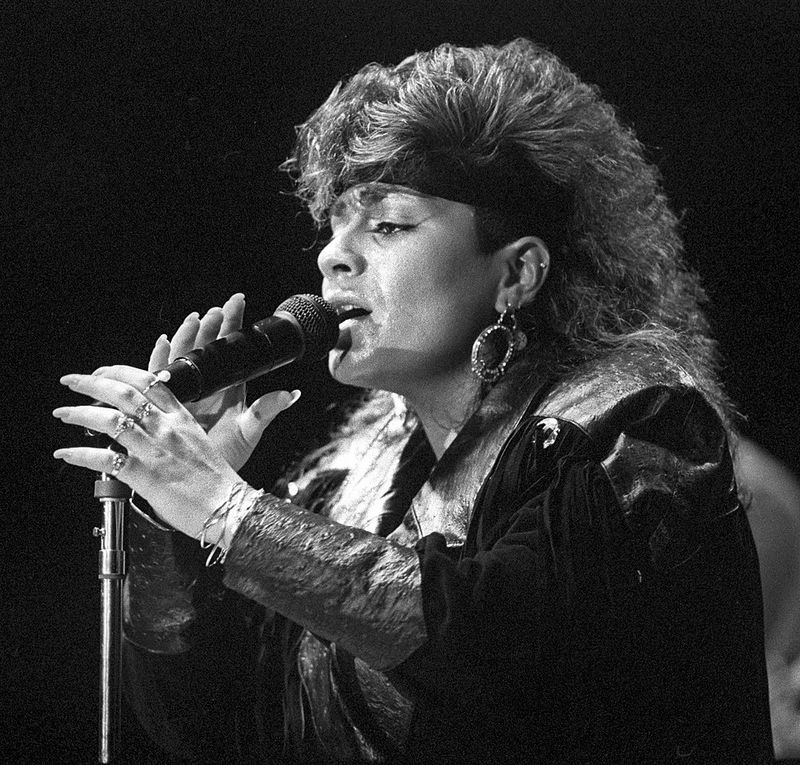
Freestyle music had been building momentum in New York and Miami clubs since the early 1980s, and “Head to Toe” was one of the tracks that brought it fully into mainstream radio. Lisa Lisa and Cult Jam hit number one on the Billboard Hot 100 with this track in the spring of 1987, and it continued to dominate nighttime FM mixes well into summer.
The group worked closely with production team Full Force, who gave the track a drum-machine-driven arrangement that translated well from dance floors to car stereos. That crossover was key to its staying power on Top 40 stations.
Lisa Lisa, born Lisa Velez in New York City, was only 20 years old when the song topped the charts. The group had already scored a number one in 1985 with “I Wonder If I Take You Home,” but “Head to Toe” reached a wider audience.
Dance clubs kept it in rotation long after its chart peak, which extended its visibility through the full summer season.
6. Livin’ on a Prayer, Bon Jovi
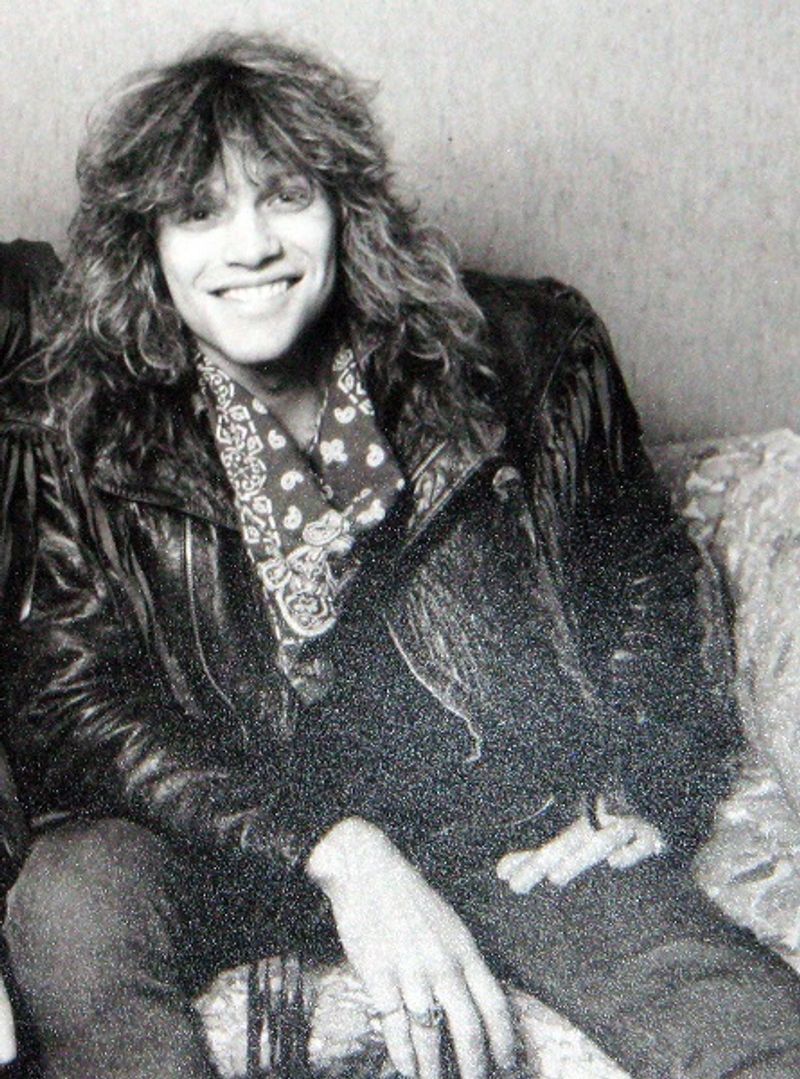
Bon Jovi’s “Livin’ on a Prayer” had technically peaked in February 1987, but FM rock stations treated it as a permanent fixture well into beach season. The song had spent four weeks at number one and came from Slippery When Wet, which was the best-selling album of 1986 in the United States.
Rock-formatted FM stations continued playing it through summer because listener request lines kept it active. Program directors tracked request data carefully in the 1980s, and this track consistently outperformed newer releases in audience polling.
The song was notable for its use of a talk box on the guitar intro, a technique that gave it a distinctive mechanical vocal quality that stood out in radio airplay. Jon Bon Jovi and Richie Sambora wrote it with producer Desmond Child, focusing on a working-class narrative about a couple struggling financially.
That relatable theme connected with a broad demographic, which is part of why it outlasted its initial chart window and remained a summer staple on classic rock and AOR stations alike.
7. Alone, Heart
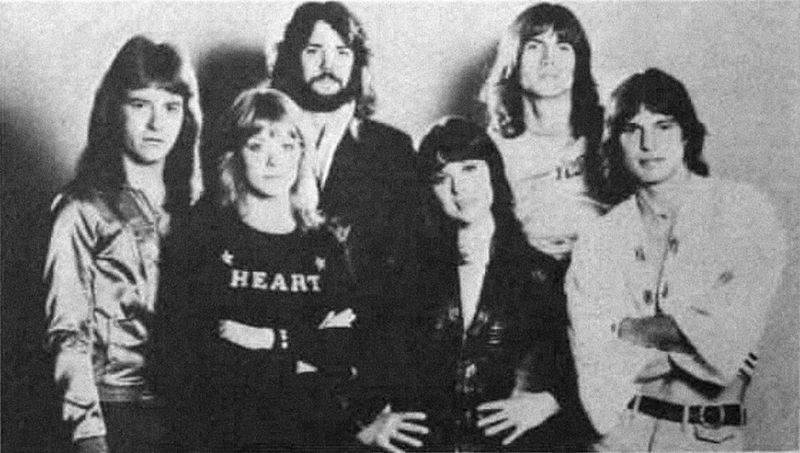
Heart had reinvented themselves in 1985 after a commercial slump, and by the summer of 1987 they were building toward one of their biggest chart moments. “Alone” was released in June from the Bad Animals album and climbed steadily through the summer before reaching number one in September.
The song was originally written and recorded by the songwriting team i-Ten in 1983, but Heart’s version transformed it into an arena rock standard. Ann Wilson’s vocal performance was widely cited in music press as one of the strongest of her career.
FM rock stations began adding it to heavy rotation during July as the album gained traction, which made it a familiar track before it ever reached the top of the charts. That buildup was common for album-oriented rock stations, which preferred to develop songs gradually rather than front-loading new releases.
The track earned Heart a Grammy nomination and became one of the defining power ballads of the late 1980s, standing out in a genre that had considerable competition that year.
8. Nothing’s Gonna Stop Us Now, Starship
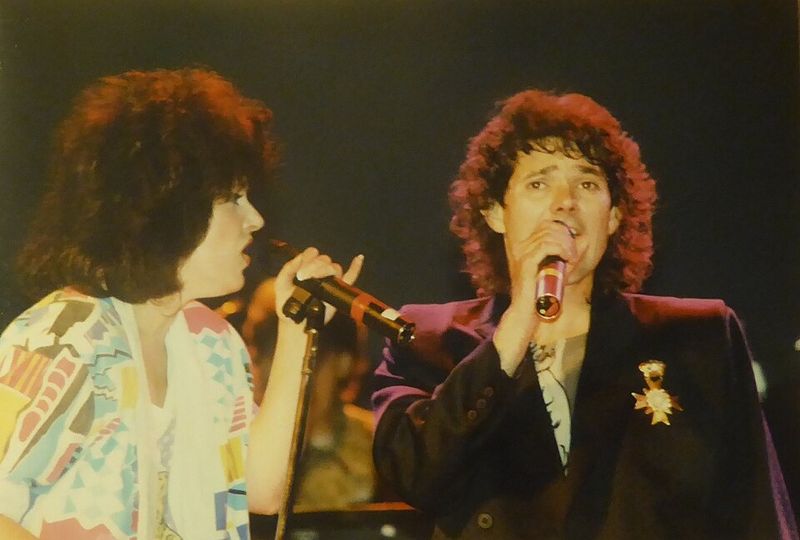
Starship had already scored a number one hit with “We Built This City” in 1985 and followed it with “Sara” in 1986, but “Nothing’s Gonna Stop Us Now” may have been their most commercially successful single. It topped the Billboard Hot 100 for four weeks starting in March 1987 and served as the theme for the romantic comedy Mannequin.
The film was a modest theatrical success, but the song’s radio life extended far beyond the movie’s run. Adult contemporary and Top 40 stations kept it in rotation through the summer because its anthemic chorus generated strong listener response data.
The song was written by Albert Hammond and Diane Warren, who were among the most commercially active songwriters of the decade. Warren in particular was responsible for a significant number of chart-topping ballads throughout the 1980s and 1990s.
Starship’s version gave the track a polished arena-ready production that suited both radio and large-screen moments, and it was nominated for an Academy Award for Best Original Song at the 1988 ceremony.
9. Lean on Me, Club Nouveau
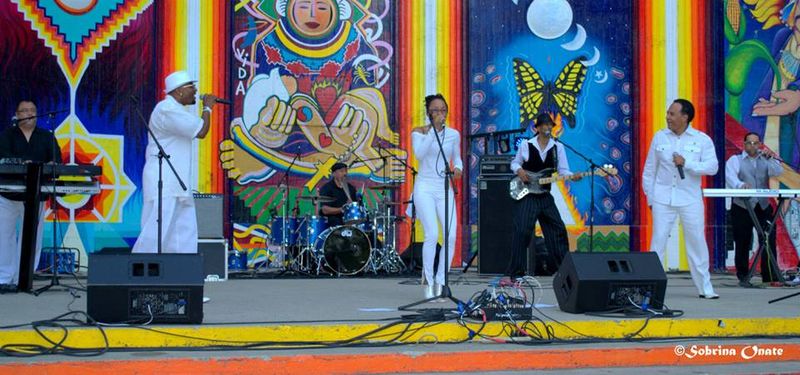
Club Nouveau took a 1972 Bill Withers classic and rebuilt it from the ground up using synthesizers, drum machines, and a new jack swing-adjacent production style that felt completely current in early 1987. The result was a number one single that spent two weeks atop the Billboard Hot 100 in April and remained a staple of urban contemporary and pop radio formats through the summer.
The Sacramento-based group had formed in the mid-1980s after a split from another act, and this cover became their defining commercial moment. It won the Grammy Award for Best R&B Song in 1988, which kept the song in media coverage long after its initial chart run.
Radio programmers appreciated that it could cross between R&B and pop formats without sounding out of place in either. That flexibility made it a scheduling asset during summer programming blocks.
Bill Withers, who wrote the original, reportedly had mixed feelings about the reimagined version, but its chart success was undeniable and introduced his songwriting to an entirely new generation of listeners.
10. Rhythm Is Gonna Get You, Gloria Estefan & Miami Sound Machine
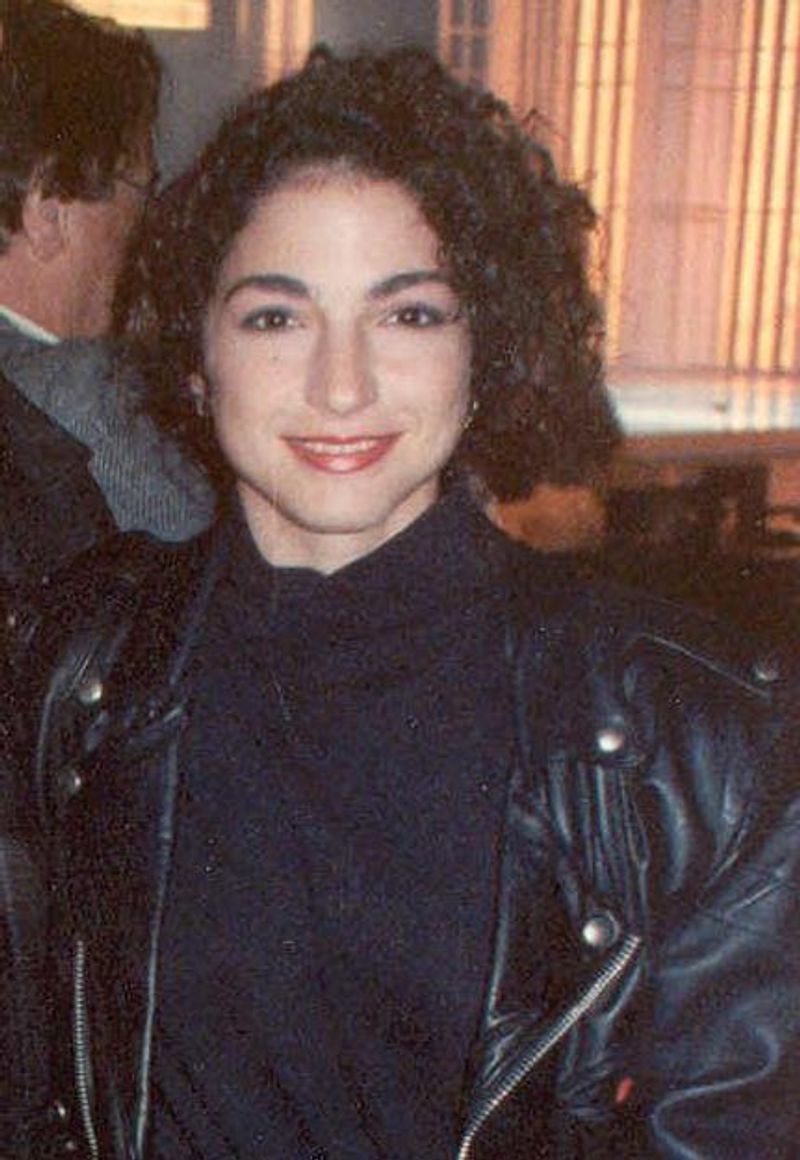
Few songs captured the unstoppable energy of summer 1987 quite like this one. Gloria Estefan and the Miami Sound Machine had already been building momentum for years, but this track pushed them straight into mainstream superstardom.
The Latin percussion, driving beat, and Estefan’s powerhouse vocals made it impossible to ignore on the radio.
Dance stations and Top 40 outlets played it constantly throughout the second half of the year. It became one of the decade’s defining Latin-pop crossover moments.
The song proved that you did not need to sing in Spanish to bring Cuban rhythms to millions of American listeners.
11. Who’s That Girl, Madonna

Madonna arrived at the summer of 1987 with a movie, a world tour, and a hit single all at the same time. Released alongside her film of the same name, this track locked into FM rotation almost the moment it dropped.
It had that breezy, confident Madonna swagger that radio programmers absolutely loved.
The song reached number one and gave pop stations exactly the kind of summer anthem they needed. Some critics were mixed on the film itself, but nobody argued with how good the song sounded blasting from car speakers on a hot July afternoon.
12. Mony Mony, Billy Idol
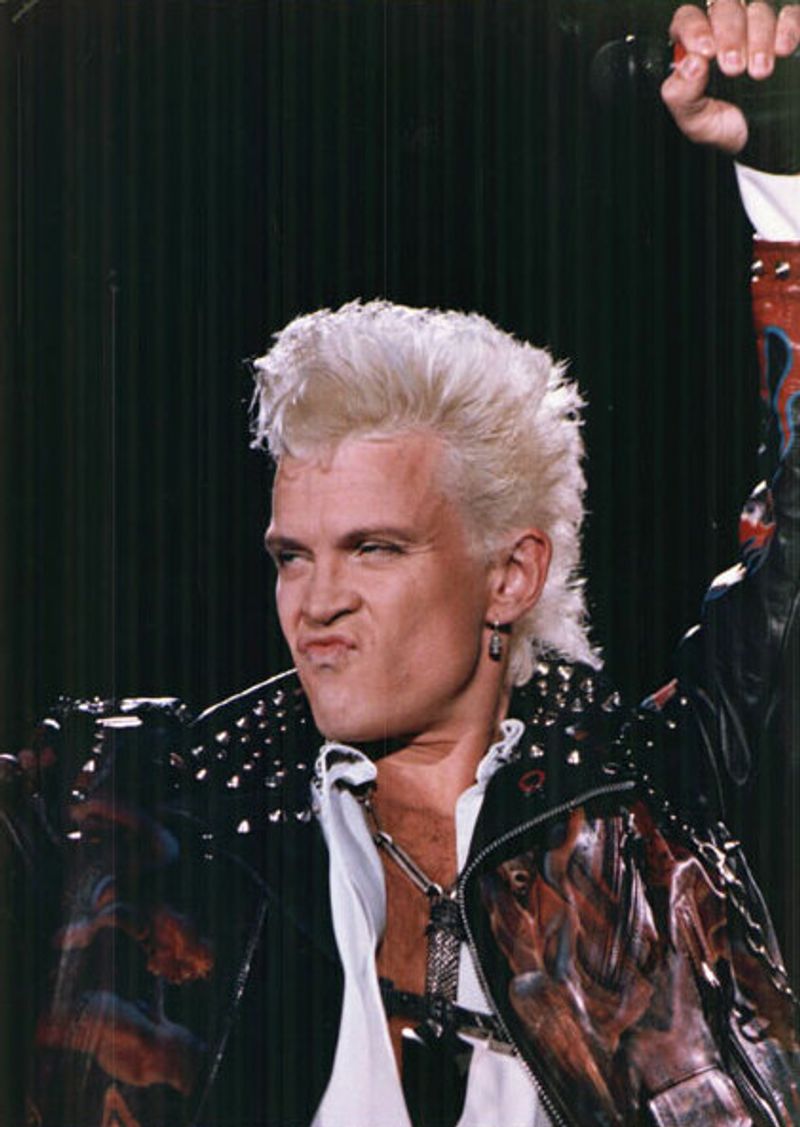
Originally recorded by Tommy James and the Shondells back in 1968, this classic got a full-throttle makeover from Billy Idol that rock radio could not resist. His live version had a raw, sweaty energy that fit perfectly into the party atmosphere of summer 1987.
Rock stations and Top 40 outlets both embraced it without hesitation.
The crowd singalong sections made it a live favorite, and that same communal feel translated straight to the radio. Few songs from that summer felt as ready-made for a backyard barbecue or a road trip playlist.
Billy Idol turned nostalgia into something brand new.
Share this story