Hollywood relationships can be complicated, especially between studios and the stars who make them money. Paramount Pictures, one of the oldest and most powerful studios in the world, has had its fair share of rocky moments with some very famous faces.
Over the years, a number of well-known actors have allegedly fallen out of favor with the studio due to controversies, personal struggles, or behind-the-scenes conflicts. Some of these stories ended in reconciliation, while others left lasting marks on careers.
1. Tom Cruise
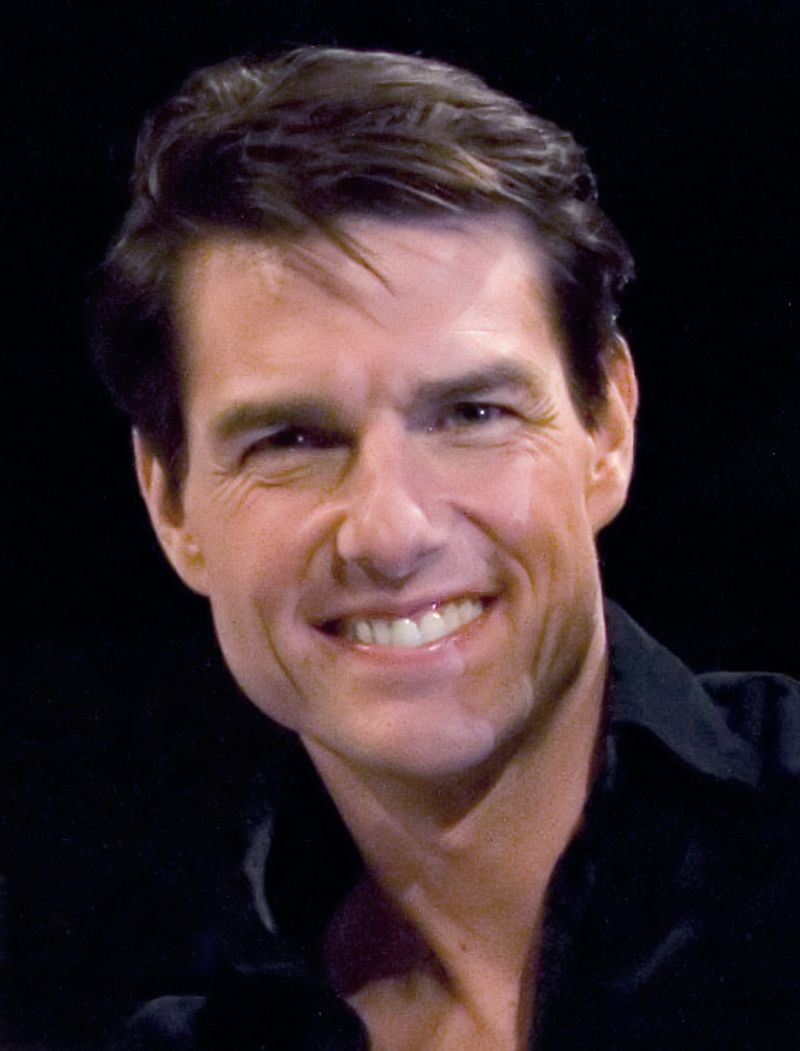
Few fallouts in Hollywood history were as surprising as Tom Cruise’s split from Paramount back in 2006. The studio ended its long-running deal with Cruise/Wagner Productions, reportedly citing erratic public behavior and controversial media appearances as key reasons for the break.
Paramount chairman Sumner Redstone was unusually blunt at the time, publicly stating that Cruise’s conduct had become a serious problem for the studio. It was a rare moment where a studio boss openly criticized one of the biggest movie stars on the planet.
Fortunately, the story had a happy ending. Cruise and Paramount eventually mended fences, reuniting for the massively successful Top Gun: Maverick in 2022.
The film became one of the highest-grossing movies of that year, proving that even major Hollywood feuds can lead to blockbuster reconciliations.
2. Shia LaBeouf
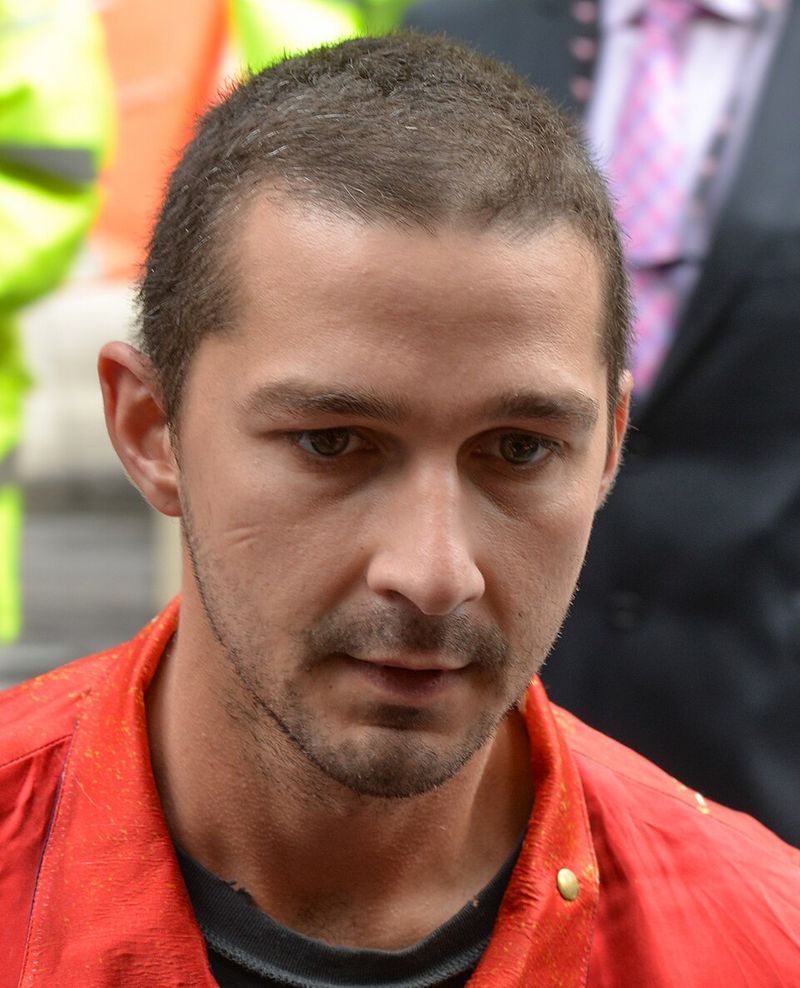
Shia LaBeouf started his career as a lovable kid on Disney Channel before climbing to blockbuster fame in the Transformers franchise. For a while, he seemed untouchable in Hollywood.
But things took a sharp turn as legal troubles and unpredictable public behavior began to overshadow his acting talent.
From plagiarism controversies to bizarre performance art stunts and a string of arrests, LaBeouf became increasingly difficult for studios to bank on. While no official blacklist was ever announced, the roles quietly dried up and major productions started looking elsewhere.
He has since spoken openly about his personal struggles and made efforts toward rehabilitation and career rebuilding. His performance in Honey Boy, a semi-autobiographical film he also wrote, earned critical praise.
It showed audiences that underneath the chaos was still a genuinely talented performer trying to find his footing.
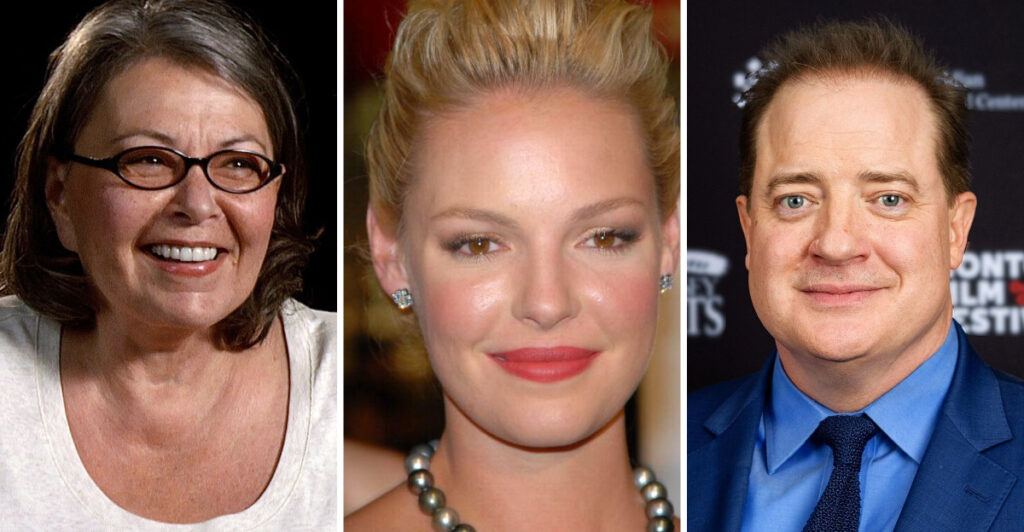
3. Roseanne Barr
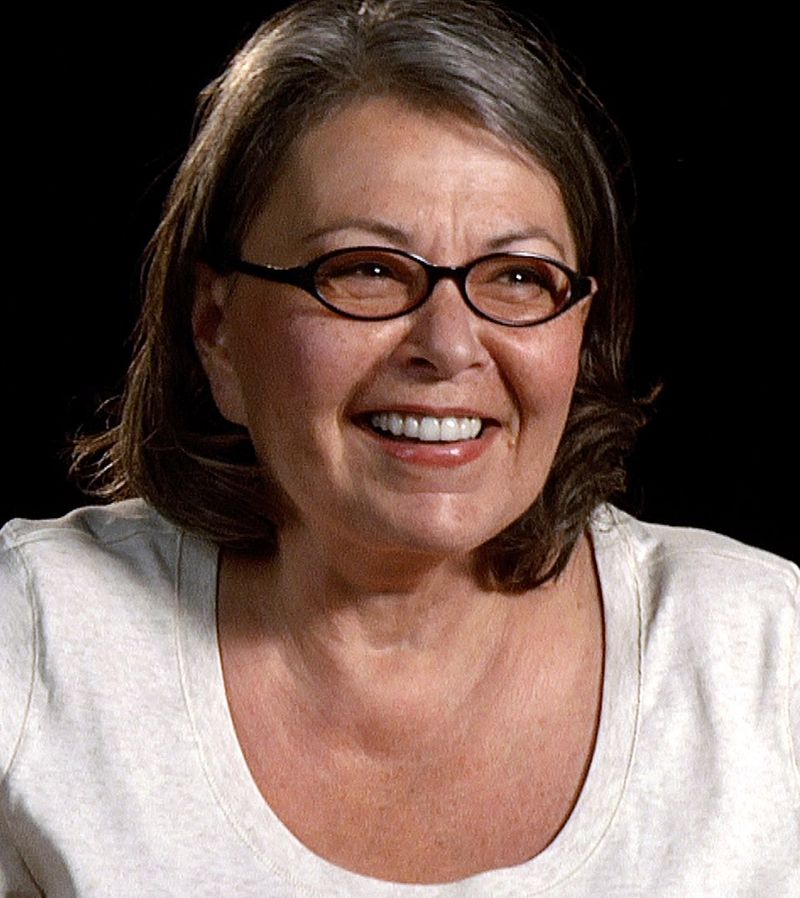
Roseanne Barr had one of the most dramatic career collapses in recent television history. After her hit ABC sitcom Roseanne was revived to massive ratings in 2018, everything came crashing down almost overnight due to a deeply offensive tweet she posted targeting a former Obama administration official.
Networks and Paramount-affiliated entities quickly distanced themselves from Barr following the backlash. ABC canceled the show within hours of the tweet going viral, and the spinoff The Conners moved forward without her.
It was a swift and decisive industry response that sent a clear message.
Barr has continued to maintain that the fallout was unfair and politically motivated. Regardless of her perspective, the incident stands as a powerful example of how quickly public controversy can unravel even the most successful Hollywood comeback.
Her story remains one of the most discussed cases of celebrity self-sabotage in modern entertainment.
4. Charlie Sheen
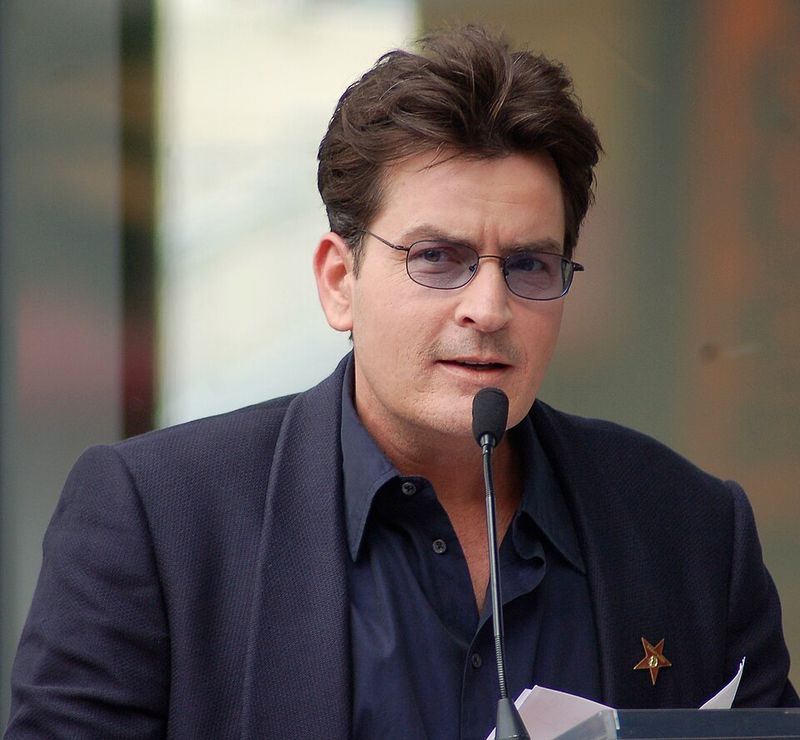
Charlie Sheen was once one of the highest-paid actors on television, earning a reported $1.8 million per episode on Two and a Half Men. That kind of paycheck reflected just how valuable he was to the network and its studio partners.
But behind the scenes, serious problems were building.
His very public meltdown in 2011 became a cultural phenomenon for all the wrong reasons. Erratic interviews, substance abuse issues, and a very messy falling out with producer Chuck Lorre led to his firing from the show.
The studio and its partners had simply reached a breaking point.
Sheen responded by launching a live tour he called the Torpedo of Truth, which received mixed reviews. His career never quite returned to its former heights.
The episode remains a cautionary tale about how personal struggles can derail even the most financially successful Hollywood careers.
5. Mel Gibson
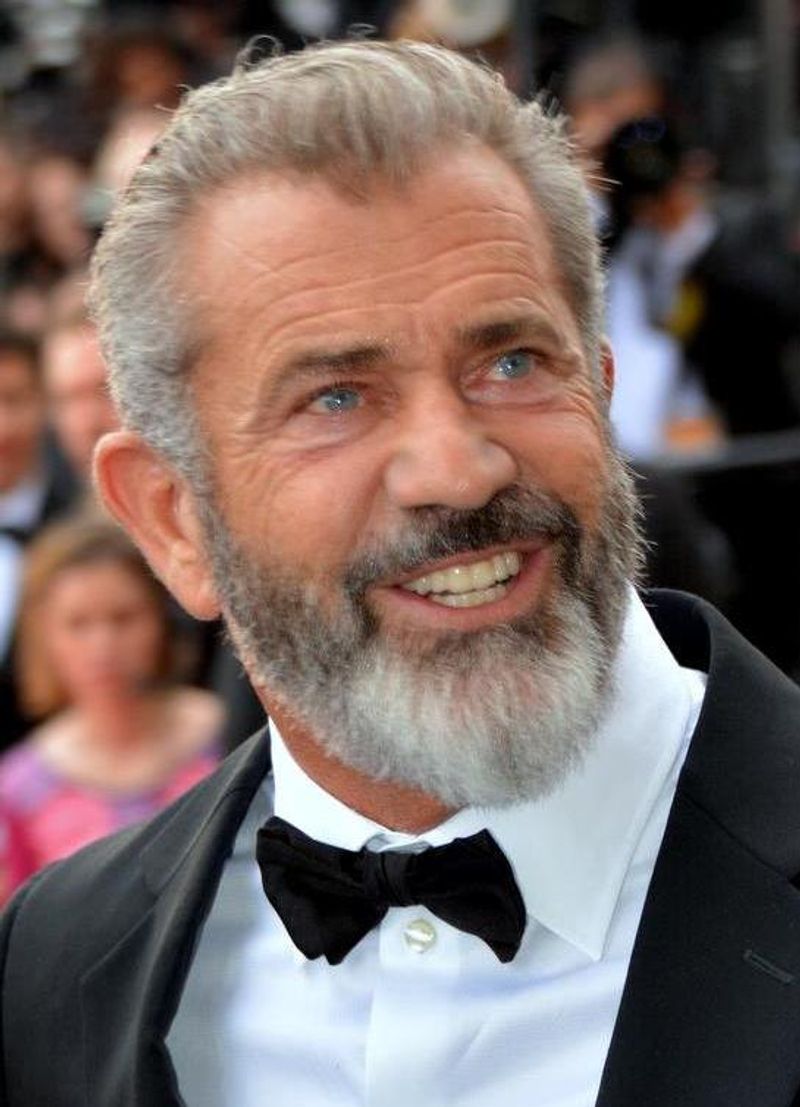
Mel Gibson was once one of the most bankable stars and directors in Hollywood. Films like Braveheart and the Lethal Weapon series made him a household name worldwide.
But a 2006 drunk driving arrest, during which he made vile antisemitic remarks, changed everything almost instantly.
Studios, including those closely tied to Paramount, quietly reduced or eliminated their working relationships with Gibson. He was dropped from projects, avoided by collaborators, and spent years largely on the outside of mainstream Hollywood.
It was one of the most significant career collapses for a star of his level.
Gibson has since directed critically praised films like Hacksaw Ridge, suggesting a partial industry rehabilitation. However, the conversation around his past comments has never fully disappeared.
His career arc is frequently cited as an example of how deeply offensive behavior can permanently reshape a celebrity’s standing in the entertainment world.
6. Kevin Spacey
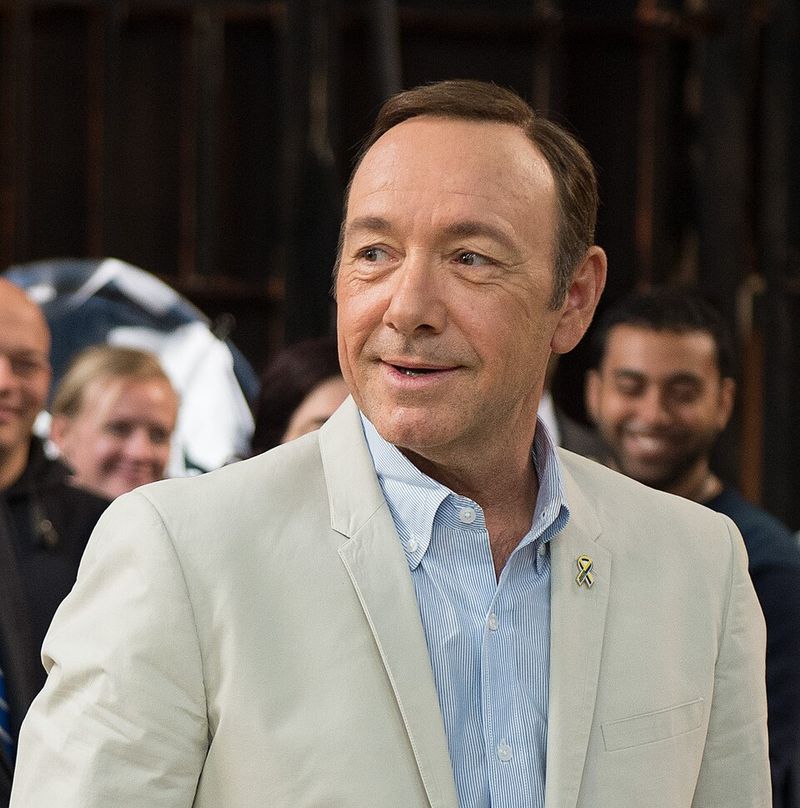
Kevin Spacey was considered one of the finest actors of his generation. Two Academy Awards and a starring role in the hit Netflix series House of Cards placed him at the very top of Hollywood’s pecking order.
Then, in October 2017, everything changed when actor Anthony Rapp publicly accused him of sexual misconduct.
Within days, dozens more accusations surfaced. Netflix immediately suspended and then ended production of House of Cards without him.
Ridley Scott famously reshot an entire completed film, All the Money in the World, replacing Spacey with Christopher Plummer just weeks before its release.
The speed at which Hollywood turned away from Spacey was unprecedented. Studios, networks, and streaming platforms all moved swiftly to remove his involvement from projects.
His case became a defining moment of the MeToo movement and a clear signal that the industry was no longer willing to protect powerful figures accused of serious misconduct.
7. Katherine Heigl
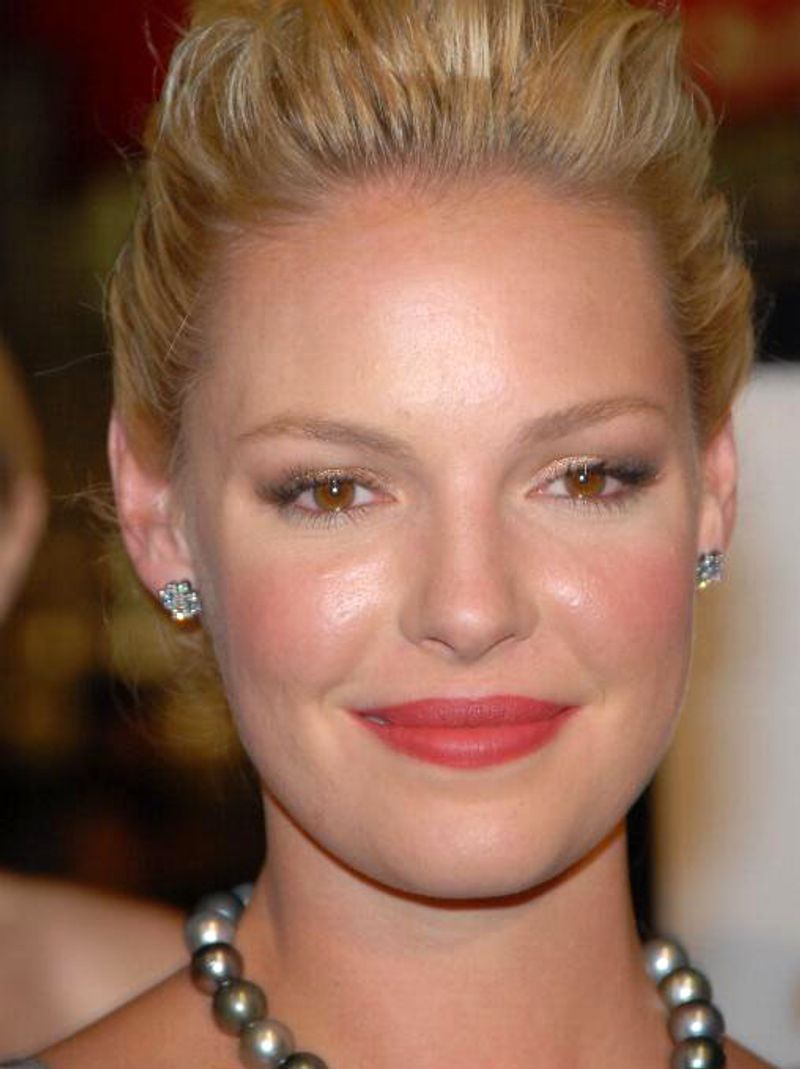
Katherine Heigl built a strong reputation through Grey’s Anatomy and a string of successful romantic comedies. She seemed poised for a long, high-profile career in Hollywood.
But a series of candid and critical public comments began to quietly damage her standing with studios and producers.
Most notably, she withdrew her own name from Emmy consideration in 2008, publicly stating that the Grey’s Anatomy writers had not given her enough material to justify a nomination. The comment was seen as a direct dig at the show’s creative team and did not go over well behind the scenes.
Reports of difficult on-set behavior followed, and her reputation for being hard to work with spread across the industry. Casting opportunities slowed significantly.
Heigl has since addressed the situation in interviews, acknowledging that some of her past comments were poorly worded. Her story is often referenced when discussing how public perception shapes Hollywood careers.
8. Megan Fox
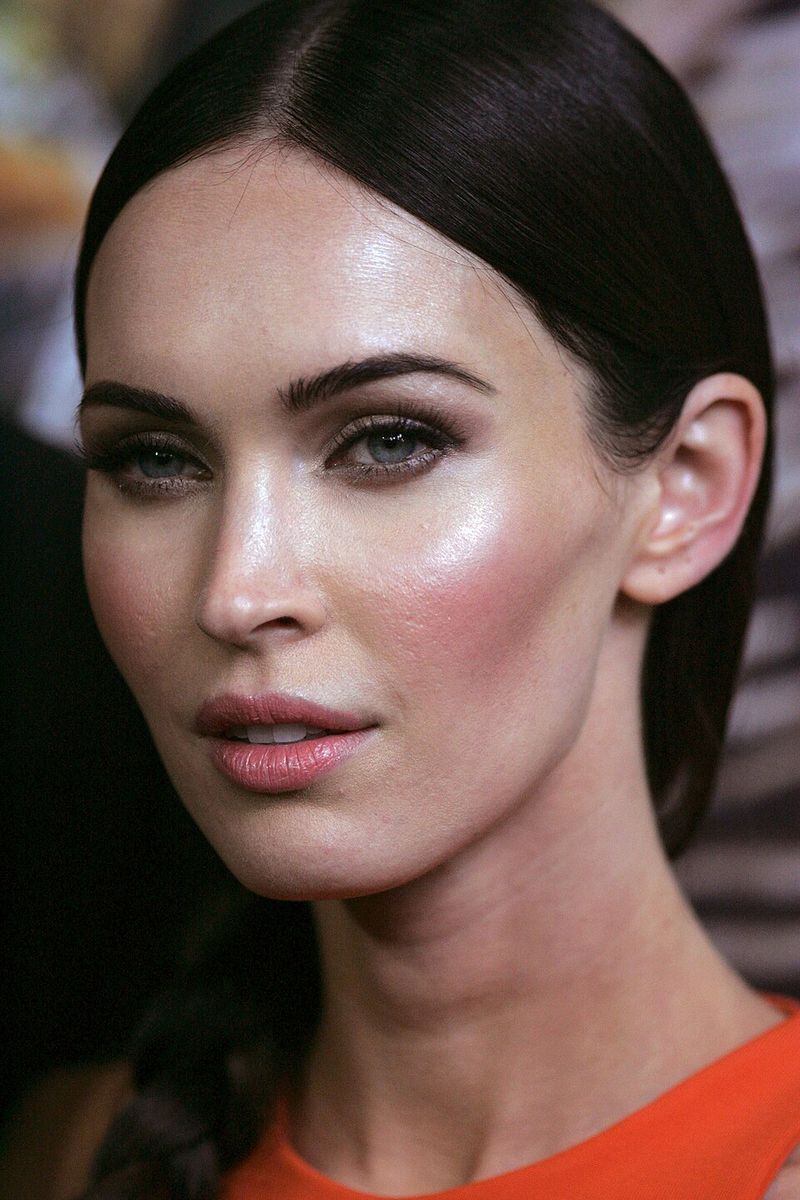
Megan Fox burst onto the scene in Transformers and quickly became one of the most talked-about stars in Hollywood. Her chemistry with the franchise seemed like the beginning of a long and lucrative relationship with Paramount, which distributed the films.
But friction with director Michael Bay changed that trajectory.
In a 2009 interview, Fox compared Bay to Adolf Hitler, a comment that caused immediate and serious damage. Bay reportedly pushed for her removal from the third Transformers film, and she did not return for the sequel.
The fallout was swift and very public within the industry.
Fox has spoken about feeling unfairly treated and overly scrutinized during that period of her career. She has since made a comeback through independent films and television work.
Her experience sparked broader conversations about the double standards women in Hollywood often face when they speak critically about powerful directors.
9. Isaiah Washington
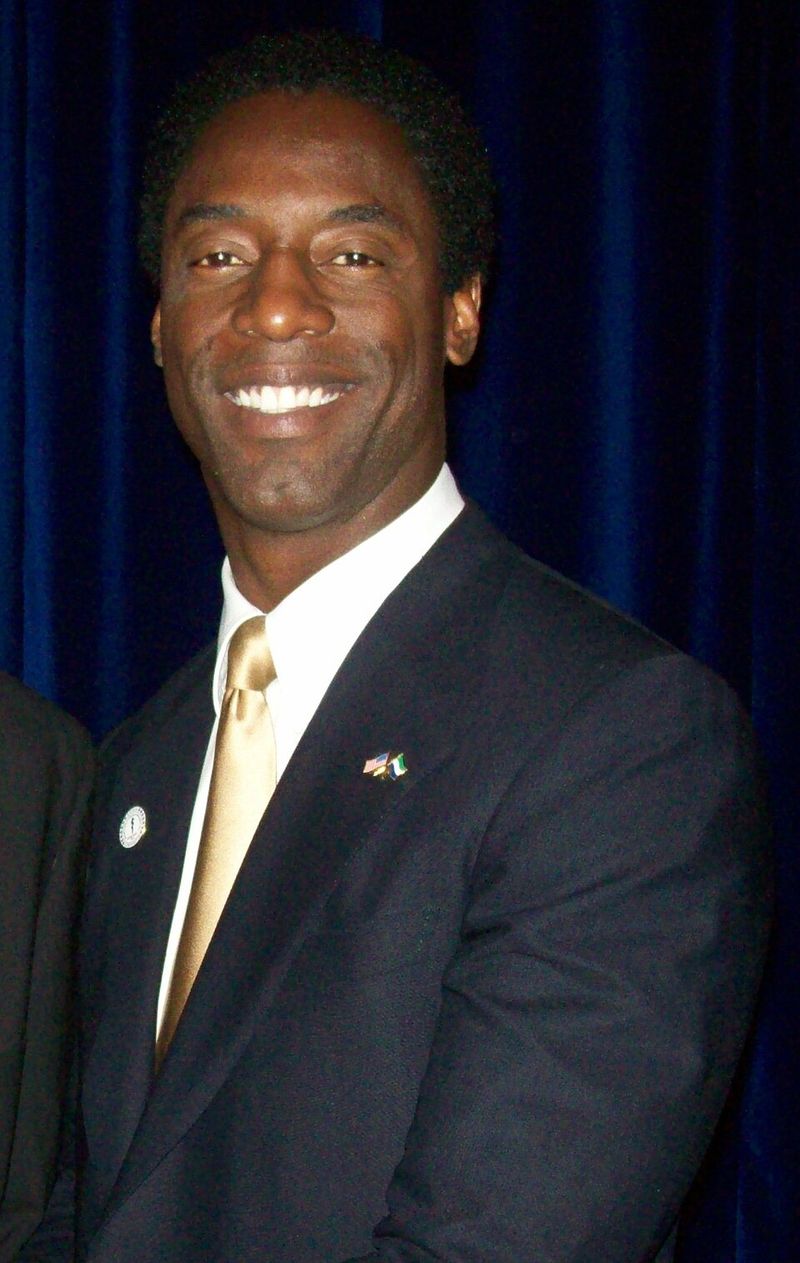
Isaiah Washington was a respected presence on Grey’s Anatomy, playing the formidable Dr. Preston Burke. His performance earned genuine praise and the show was one of ABC’s biggest hits.
But an incident during the filming of the second season put his career on a very different path.
Washington allegedly used a homophobic slur directed at co-star T.R. Knight during an on-set argument.
The incident became public and caused significant backlash from fans, advocacy groups, and within the industry itself. Despite a public apology and a PSA for GLAAD, he was not asked to return for season four.
The fallout affected his ability to land major roles for years afterward. Washington has spoken about the experience in various interviews, sometimes expressing that he felt the punishment exceeded the offense.
His story remains a notable example of how workplace behavior and public controversy can dramatically reshape a working actor’s opportunities.
10. Brendan Fraser
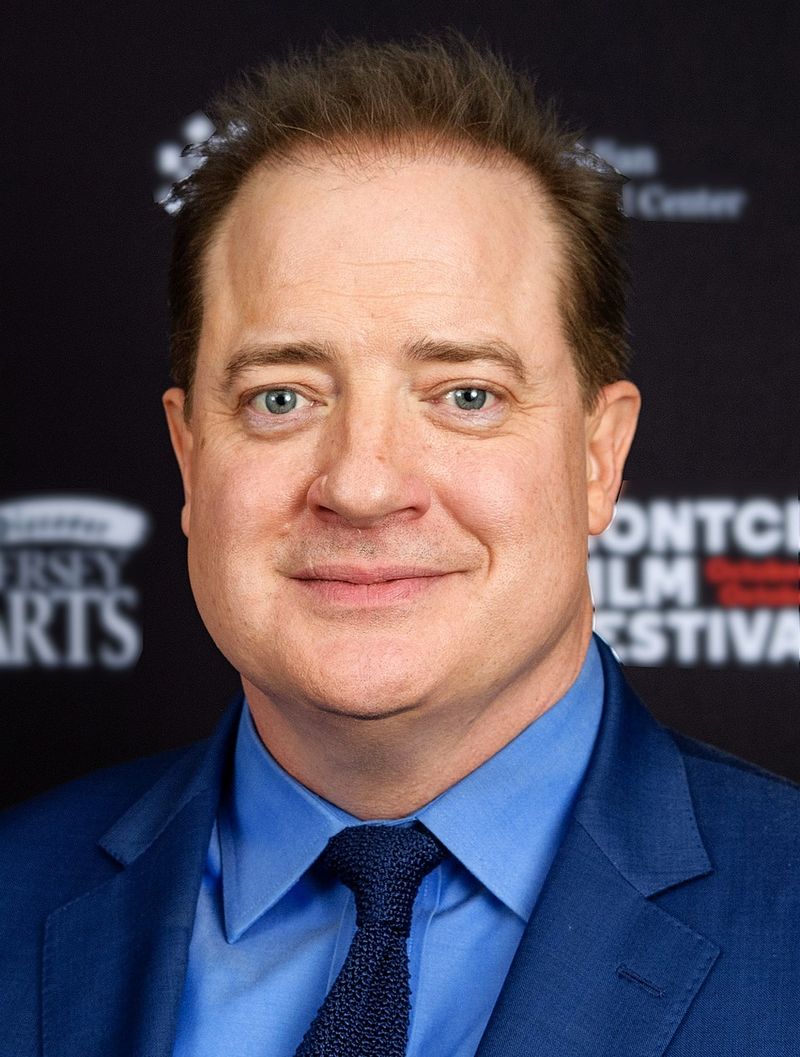
Brendan Fraser was a genuine star of the late 1990s and early 2000s. Movies like The Mummy and George of the Jungle made him wildly popular with audiences of all ages.
Then, almost without explanation, he seemed to disappear from Hollywood’s biggest stages for well over a decade.
Fraser has since spoken about why he stepped back, revealing in a 2018 GQ interview that he was sexually assaulted by a former president of the Hollywood Foreign Press Association in 2003. He said the experience left him feeling ashamed, isolated, and gradually pushed out of the industry he loved.
His comeback has been nothing short of remarkable. His Oscar-winning performance in The Whale in 2022 moved audiences and industry insiders alike, and his tearful acceptance speech resonated deeply with people who had followed his journey.
Fraser’s story is one of Hollywood’s most powerful redemption arcs in recent memory.
11. Mo’Nique
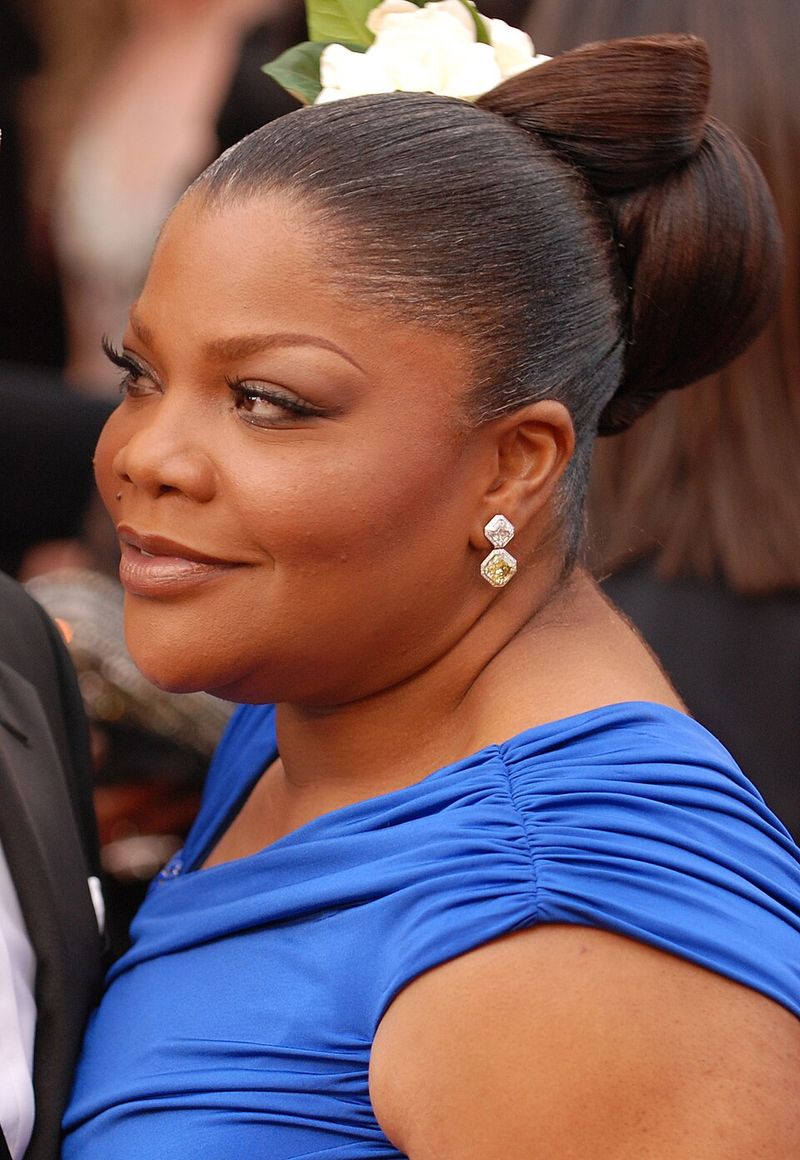
Mo’Nique won an Academy Award for Best Supporting Actress for her devastating performance in Precious in 2009. It was a career-defining moment that should have opened every door in Hollywood.
Instead, she claims the opposite happened, and she has been very vocal about why.
She alleges that Lee Daniels, Oprah Winfrey, and Tyler Perry all played roles in what she describes as a blackballing campaign. The dispute reportedly stemmed from her refusal to participate in unpaid promotional work for Precious during awards season, which some in the industry viewed as uncooperative behavior.
Mo’Nique has maintained that the expectations placed on her were unfair and racially motivated. She has discussed the situation extensively in interviews and stand-up comedy.
Her case sparked important conversations about how Black women in Hollywood are treated differently when they advocate for themselves or push back against industry norms and expectations.
12. Winona Ryder
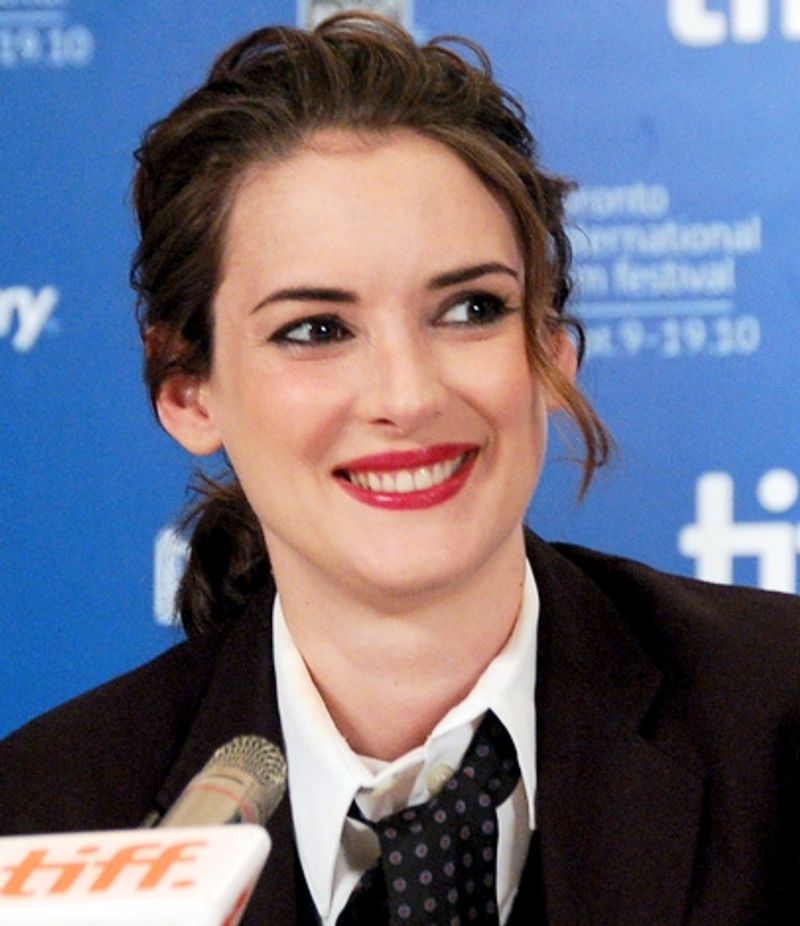
Winona Ryder was the defining actress of a generation in the 1990s. Films like Edward Scissorhands, Beetlejuice, and Little Women cemented her status as one of Hollywood’s most beloved talents.
Then a 2001 shoplifting arrest at a Saks Fifth Avenue in Beverly Hills became a media spectacle that overshadowed everything.
Major studios quietly began distancing themselves from Ryder following the arrest and subsequent trial. The tabloid coverage was relentless and often cruel, reducing a genuinely gifted performer to the butt of late-night jokes.
For several years, the high-profile roles that once came easily simply stopped coming.
Her career revival came gradually, with memorable supporting roles helping rebuild her reputation. The biggest turning point was Stranger Things in 2016, which introduced her to an entirely new generation of fans.
Ryder’s comeback is widely celebrated as proof that talent, given enough time, has a way of reasserting itself.
13. Robert Downey Jr.
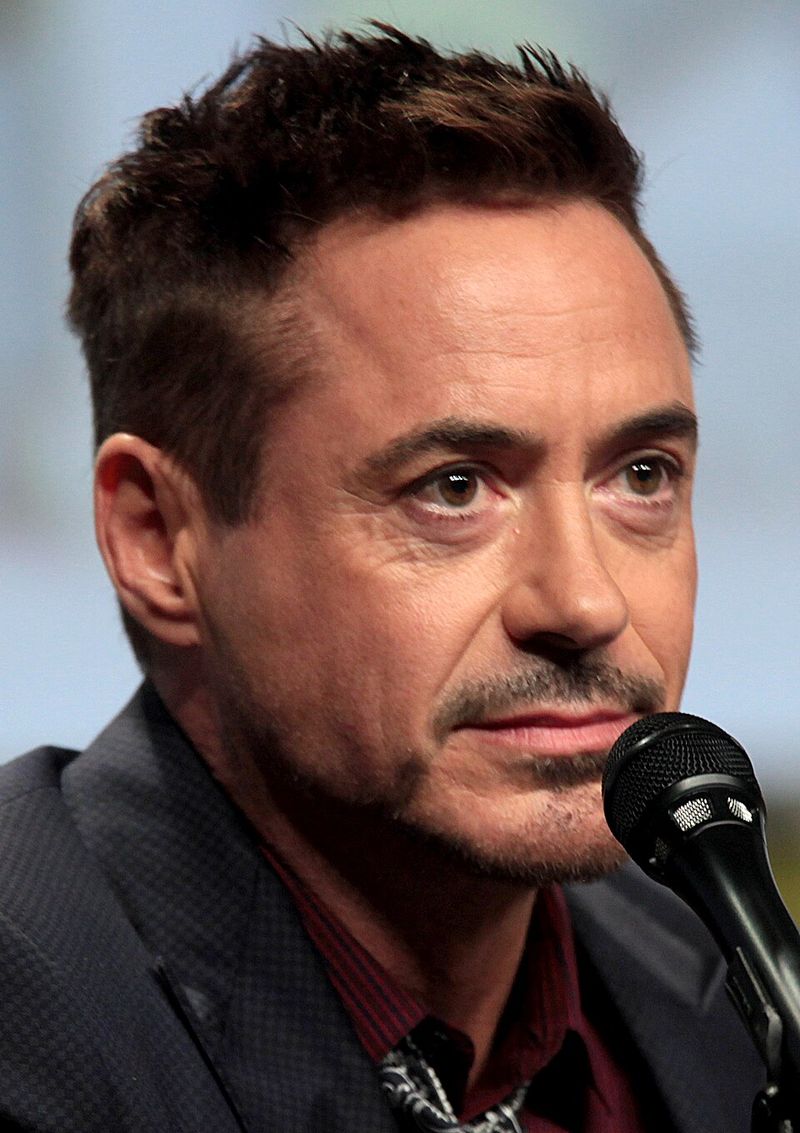
Before he became the face of the Marvel Cinematic Universe, Robert Downey Jr. went through one of Hollywood’s most well-documented periods of personal crisis. Addiction and repeated legal troubles made him nearly impossible for studios to insure, which in the film industry is essentially a career death sentence.
Throughout the late 1990s and early 2000s, Downey cycled through arrests, rehab stints, and probation violations. Even studios that admired his talent were unwilling to risk putting him in a major production.
The financial liability was simply too great given his track record at the time.
His transformation is one of the greatest Hollywood stories ever told. Producer Joel Silver took a chance on him, and eventually Marvel made the defining gamble by casting him as Iron Man in 2008.
That single decision launched a billion-dollar franchise and gave Downey the most spectacular second act in modern cinema history.
14. Lindsay Lohan
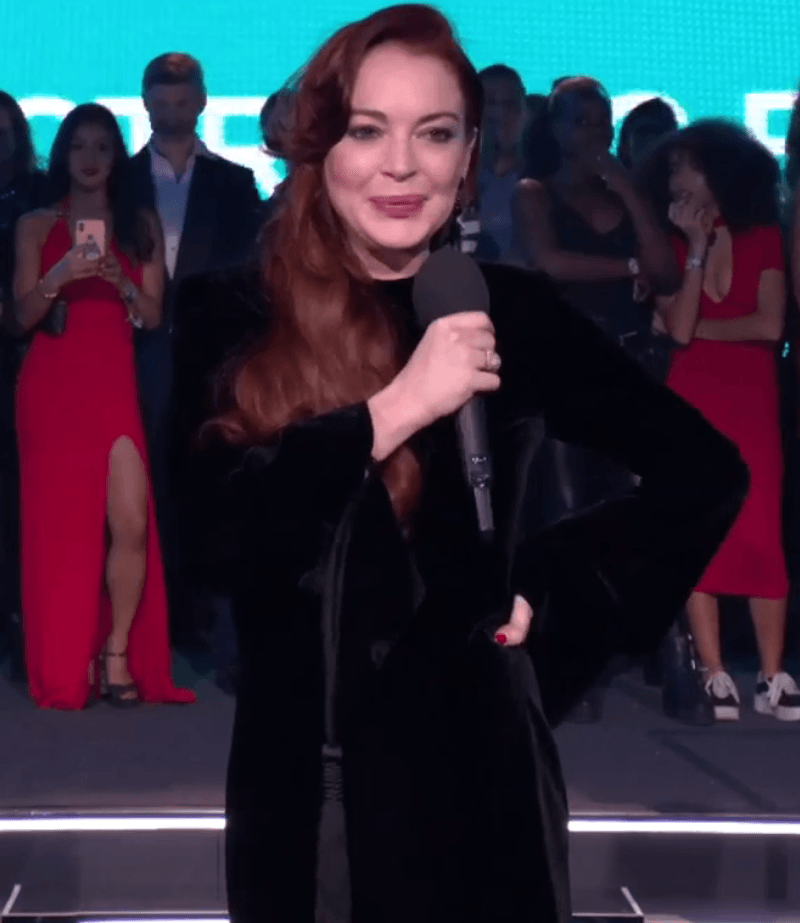
Lindsay Lohan was a genuine child star who transitioned beautifully into teen and young adult roles. Mean Girls in 2004 showcased real comedic talent and charm, and for a moment it seemed like she was on the path to becoming one of Hollywood’s most versatile leading ladies.
Then a series of DUI arrests, probation violations, and stints in rehabilitation facilities made major studios extremely reluctant to cast her. Productions could not afford the insurance risk, and directors grew wary of scheduling uncertainty.
The roles that once seemed inevitable quietly went to other actresses instead.
Lohan has acknowledged the difficult years and has worked to rebuild her reputation, most recently through a Netflix holiday film that showed audiences she still has genuine screen presence. Her journey is complicated and deeply human, a reminder that fame at a very young age carries pressures that most people never have to face.
15. Mira Sorvino

Mira Sorvino won an Academy Award for Best Supporting Actress in 1995 for Mighty Aphrodite and seemed destined for a long run at the top of Hollywood. She was talented, respected, and genuinely beloved by critics.
But her career began to stall in ways that puzzled many observers at the time.
Years later, director Peter Jackson revealed that Harvey Weinstein had told him Sorvino was a difficult actress and someone to avoid, effectively steering Jackson away from casting her. Sorvino has said she rejected Weinstein’s advances, and that his retaliation quietly but effectively damaged her standing in the industry for years.
While her specific situation was not tied directly to Paramount, her story became central to the broader MeToo reckoning in Hollywood. It illustrated how one powerful person could weaponize industry relationships to punish those who refused him.
Her experience helped change how the entertainment world discusses abuse of power and professional retaliation.
Share this story