America is full of cities with names that look nothing like they sound. Whether the name comes from a Native American language, French settlers, or just a quirky local tradition, plenty of city names across the country trip people up every single day.
Travelers, news anchors, and even longtime residents of neighboring towns often mispronounce these places without realizing it. Here is a look at 15 U.S. city names that confuse people the most, along with the correct way to say them.
1. Louisville, Kentucky
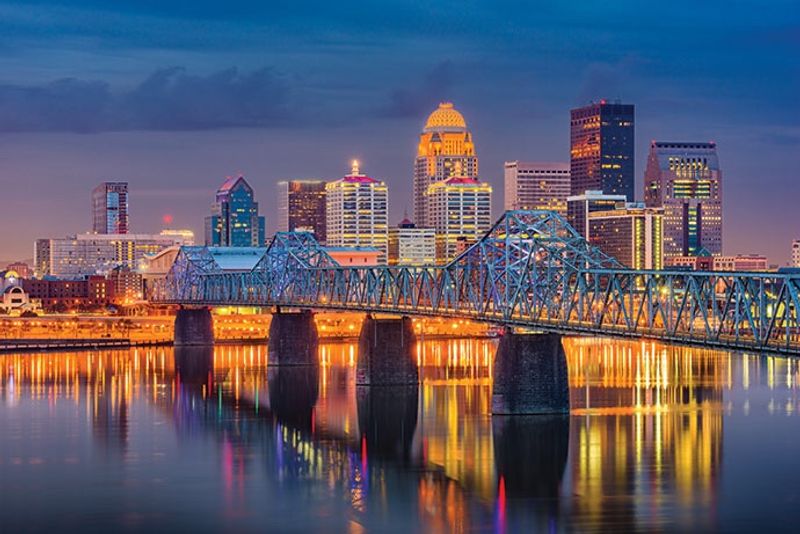
Ask ten people how to say this city’s name and you might get ten different answers. Some say “Loo-ee-ville,” others go with “Lewis-ville,” but locals will tell you it is actually “LOO-ee-vil” or even closer to “Luh-vul” depending on how deep your Kentucky roots run.
Louisville is the largest city in Kentucky and home to the famous Kentucky Derby, held every year at Churchill Downs. The city was named after King Louis XVI of France, which explains the French-influenced pronunciation that throws so many people off.
Getting the name right is a small but meaningful way to show respect for the city and its culture. Locals notice when visitors make the effort, and it can go a long way in making a great first impression when you visit this vibrant Southern city.
2. Spokane, Washington
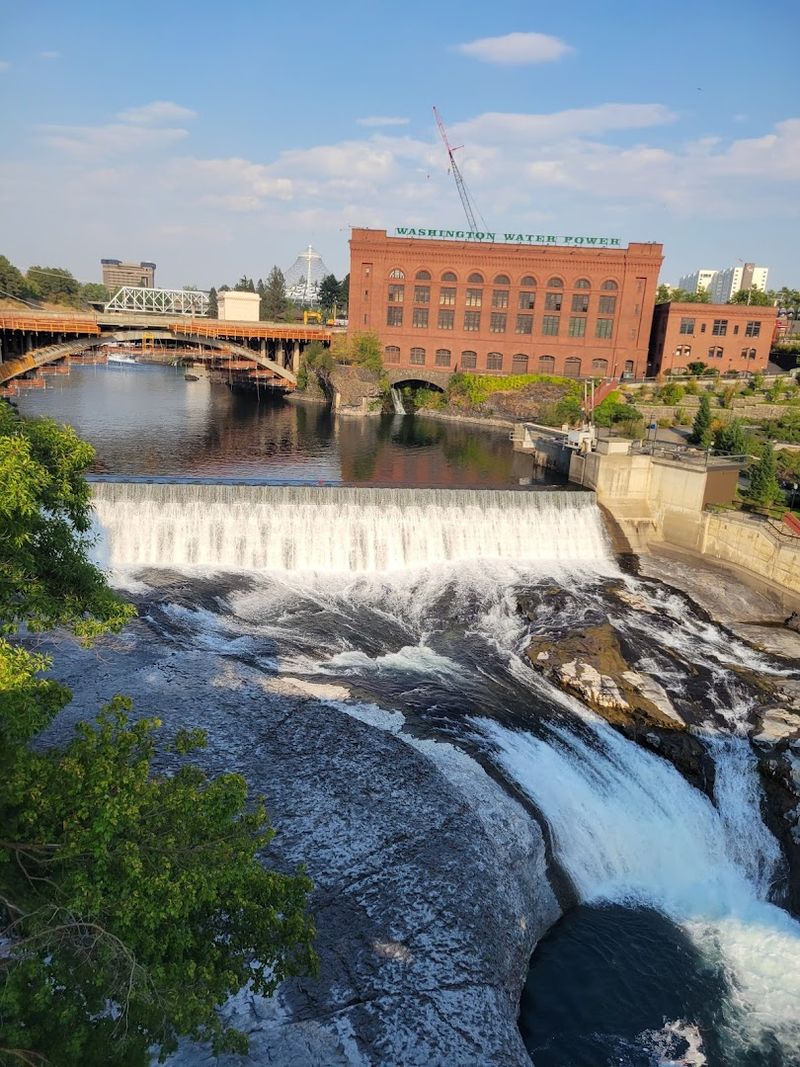
Spokane is one of those names that looks completely different from how it sounds. Many first-time visitors say “Spo-KANE,” rhyming it with the word cane, but that extra letter E at the end is completely silent.
The correct pronunciation is “Spo-KAN,” and locals are very quick to point that out.
The name comes from the Spokane Tribe of Native Americans, who have lived in the region for thousands of years. In their language, the name roughly means “Children of the Sun,” which feels fitting for a city that enjoys more sunny days than Seattle despite being in the same state.
Spokane is Washington’s second-largest city and serves as the economic hub of a region called the Inland Northwest. Knowing how to say its name correctly before your visit will save you from some friendly but firm corrections from the locals.
3. Boise, Idaho
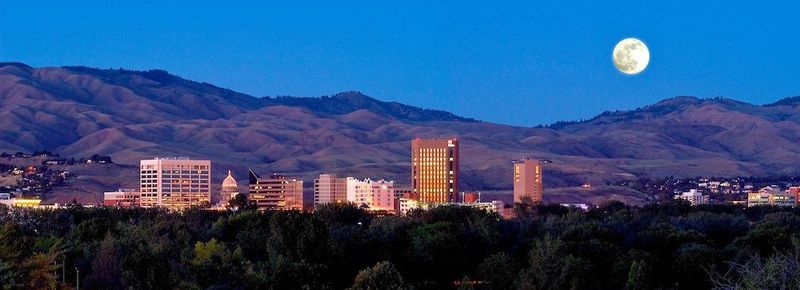
Here is a city name that looks simple but fools a surprising number of people. Many newcomers pronounce it “BOY-zee,” but that last syllable is not a Z sound at all.
The correct pronunciation is “BOY-see,” and Idahoans take this one seriously.
The name Boise comes from the French word “boise” meaning wooded or forested, which early French-Canadian fur trappers used to describe the tree-lined river they discovered in the area. That French origin is exactly why the pronunciation feels a little unexpected for an American city.
Boise has grown rapidly in recent years, becoming one of the fastest-growing cities in the entire country. Whether you are moving there, visiting for a weekend, or just talking about it with friends, saying “BOY-see” instead of “BOY-zee” is the kind of small detail that makes a real difference.
4. Des Moines, Iowa
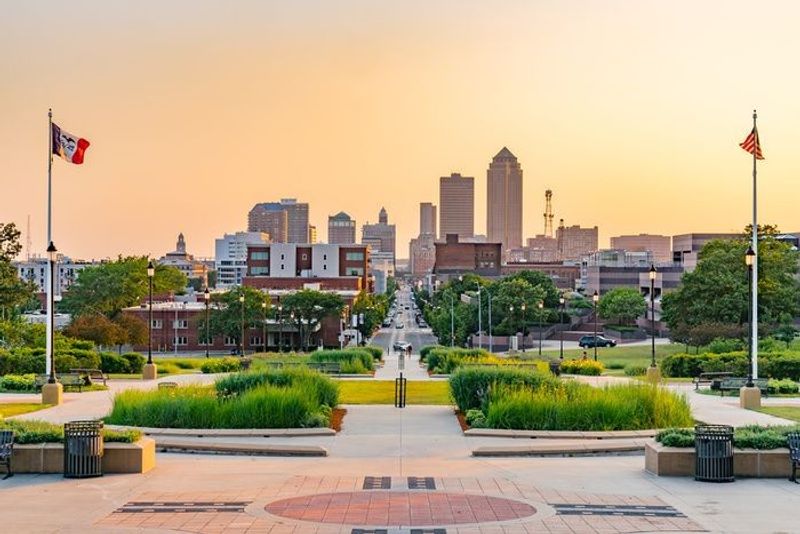
French place names in the American Midwest have a long history of confusing English speakers, and Des Moines might be the most famous example. A lot of people try to say “Dez Moynz” or even “Des Mo-INEZ,” but the correct pronunciation drops the S sounds almost entirely.
Locals say “Duh MOYN.”
The city’s name has French and possibly Native American roots, with some historians tracing it to a French term for the Moingoana people who lived along the river. Over centuries, the pronunciation evolved into the smooth, quiet version Iowans use today.
Des Moines is the capital and largest city of Iowa, known for its insurance industry, state fair, and friendly Midwestern atmosphere. If you ever find yourself on a road trip through Iowa, practicing “Duh MOYN” ahead of time will earn you a nod of approval from anyone you meet along the way.
5. Norfolk, Virginia
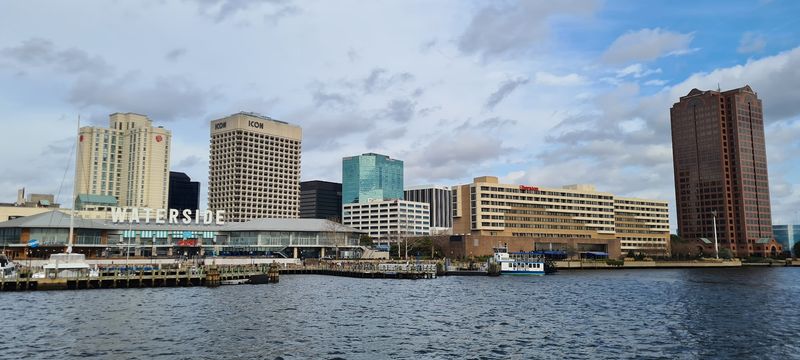
Norfolk looks like it should rhyme with “New York” or follow a straightforward English pronunciation, but that is not how it works here. Many people say “Nor-FOLK,” fully pronouncing the letter L and both syllables clearly.
Locals, however, say “NOR-fuk,” dropping the L sound almost completely.
This style of pronunciation is actually common in British English, where many place names ending in “folk” are spoken with a silent L. Norfolk, Virginia takes its name directly from Norfolk, England, and carried that pronunciation tradition across the Atlantic Ocean centuries ago.
Today, Norfolk is one of the most important military cities in the United States, home to the largest naval station in the world. It sits along the Chesapeake Bay and has a rich maritime history.
Saying the name the local way is a small but genuine sign of respect for the city’s deep roots.
6. New Orleans, Louisiana
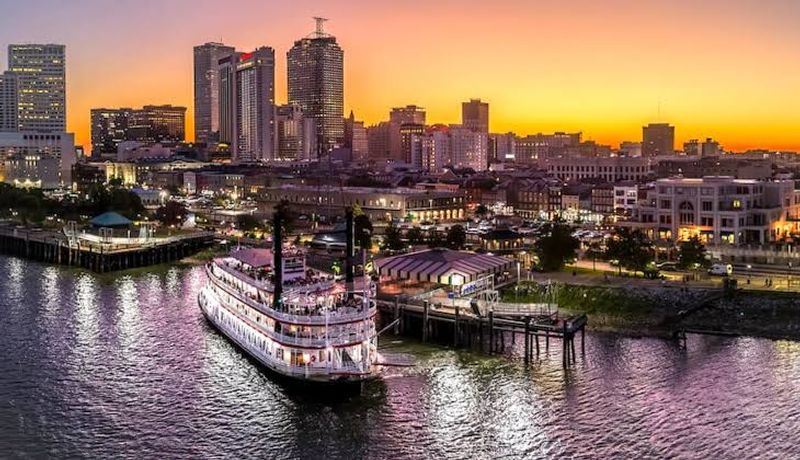
Few city names in America spark as much debate as New Orleans. Outsiders often say “New Or-LEENZ” or “New Or-LEE-ans,” and while those are not entirely wrong, true locals prefer “NAW-lins” or “New OR-lins.” The three-syllable version is the most widely accepted outside of the city itself.
New Orleans was founded by French colonists in 1718, and its name honors Philippe II, Duke of Orleans, who was regent of France at the time. That French heritage blended with Spanish, African, and Creole influences to create a city unlike any other in the country.
Known for Mardi Gras, jazz music, and some of the best food in the world, New Orleans has a personality that is impossible to ignore. Getting the pronunciation close to what locals use is a small act of cultural appreciation in a city that takes its identity very seriously.
7. Tucson, Arizona
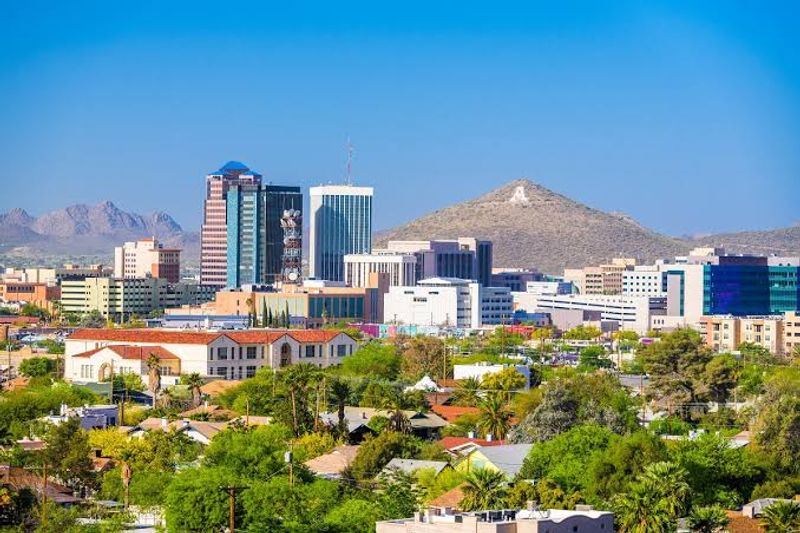
Tucson is one of those names where the spelling and the sound seem to have nothing to do with each other. Many people read it as “TUK-son” or even “TOO-son,” but the correct pronunciation is “TOO-sahn,” with a soft ending and no hard K sound at the start of the second syllable.
The name comes from the O’odham language of the Indigenous people who lived in the Sonoran Desert long before European settlers arrived. The original word, roughly “Cuk Son,” referred to a place at the base of a black mountain, describing the dark volcanic peak nearby.
Tucson is Arizona’s second-largest city and sits in a stunning desert valley surrounded by five mountain ranges. It is home to the University of Arizona and a thriving arts scene.
Saying “TOO-sahn” instead of “TUK-son” shows genuine awareness of the city’s rich Indigenous heritage.
8. Worcester, Massachusetts
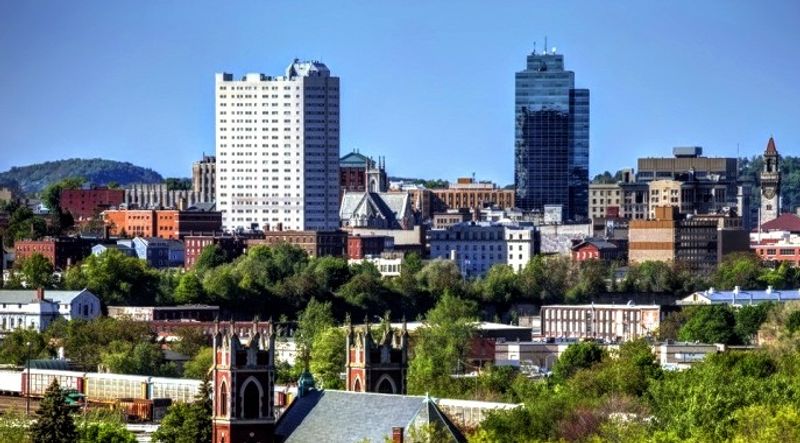
Worcester is arguably the most baffling city name on this entire list. With seven letters packed into two syllables that sound nothing like the spelling, it leaves newcomers completely stumped.
The correct pronunciation is “WUS-ter,” and yes, the middle letters are essentially invisible when you say it out loud.
This style of pronunciation is a direct inheritance from British English, where Worcester, England is also pronounced “WUS-ter.” English place names frequently compress or drop syllables in ways that look nothing like the written word, and this is one of the most dramatic examples to make it to American soil.
Worcester is the second-largest city in New England and has a proud history as an industrial and educational hub. It is home to several colleges and universities.
Knowing how to say “WUS-ter” confidently is practically a rite of passage for anyone moving to or visiting central Massachusetts.
9. Schenectady, New York
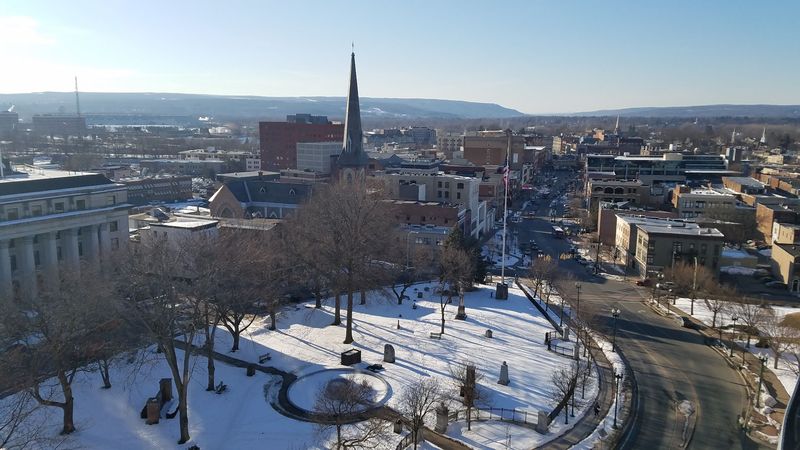
Just reading the word Schenectady out loud for the first time is an adventure. With twelve letters and a spelling that seems almost designed to confuse, most people hesitate before even attempting it.
The correct pronunciation is “skuh-NEK-tuh-dee,” and once you hear it a few times, it actually starts to feel natural.
The name comes from the Mohawk language and is believed to mean “beyond the pines” or “near the pines,” describing the landscape of the Mohawk Valley where the city sits. Dutch settlers who arrived in the 1600s adapted the name from the Mohawk people already living in the region.
Schenectady has a fascinating history as an early American settlement and later as the birthplace of General Electric. Thomas Edison himself once worked in the city.
Practicing “skuh-NEK-tuh-dee” before your visit is a great way to connect with the city’s layered and genuinely interesting past.
10. Puyallup, Washington
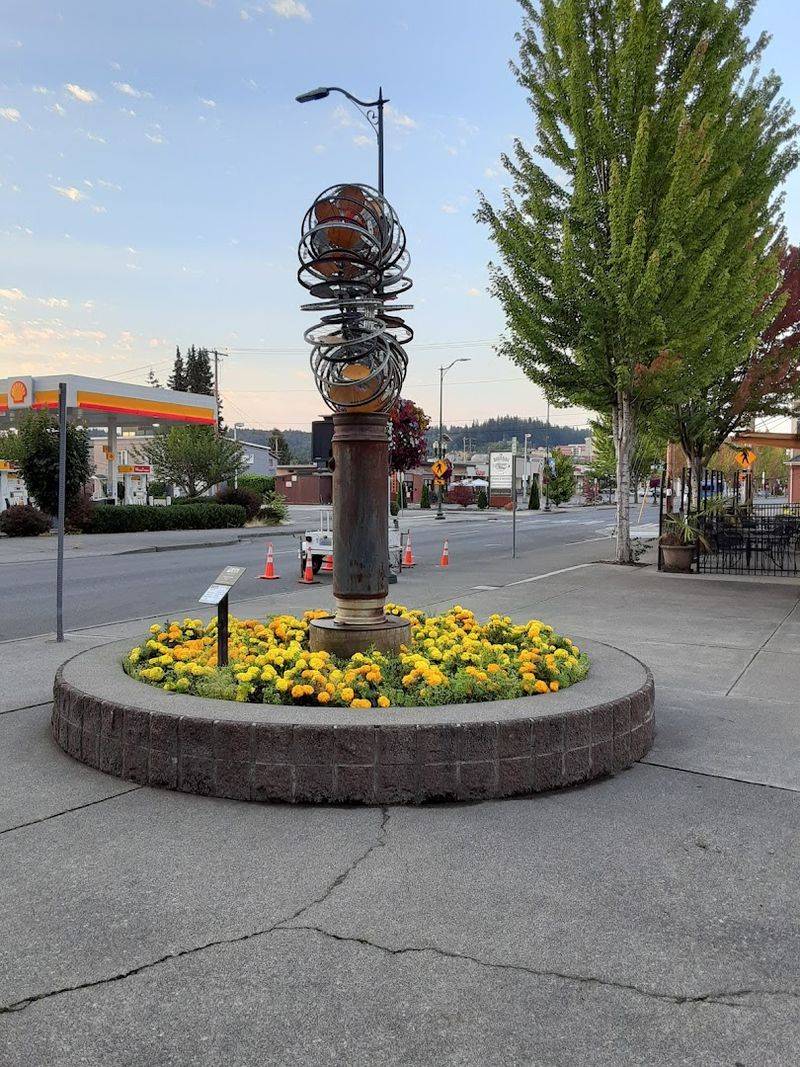
Puyallup wins the award for most intimidating city name in Washington State, and possibly in the entire Pacific Northwest. Visitors stare at those eight letters and often give up before trying.
Locals say it with ease: “pyoo-AL-up,” and they are always ready to help newcomers get it right.
The name belongs to the Puyallup Tribe, whose people have lived in the Puget Sound region for thousands of years. In their language, the word roughly translates to “generous people” or “the generous and welcoming behavior to all people who enter our lands,” which feels like a beautiful meaning for a city to carry.
Puyallup is best known for hosting the Washington State Fair, one of the largest fairs in the entire country. Every September, hundreds of thousands of visitors pour into the city.
Saying “pyoo-AL-up” correctly when you arrive is a small but respectful nod to the tribe whose name the city bears.
11. Opelika, Alabama
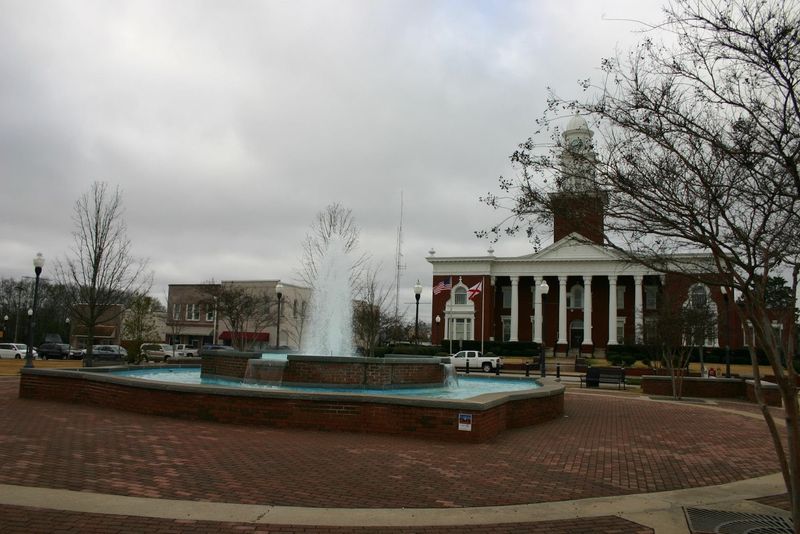
Opelika does not get the same national attention as some other tricky city names, but anyone who has tried to read it cold knows the struggle is real. The correct pronunciation is “oh-puh-LY-kuh,” with the stress landing firmly on the third syllable.
First-timers often stress the wrong part and end up sounding unsure.
The name is believed to come from the Creek language, with some historians suggesting it means “large swamp” or a reference to a large open land. The Creek Nation had deep roots throughout Alabama long before European settlers established towns in the region during the 1800s.
Opelika sits just a few miles from Auburn, home of Auburn University, making it a lively college town neighbor with its own distinct charm. The city has a thriving historic downtown and a growing arts community.
Saying “oh-puh-LY-kuh” smoothly is your entry ticket to fitting in with the locals right away.
12. Kissimmee, Florida
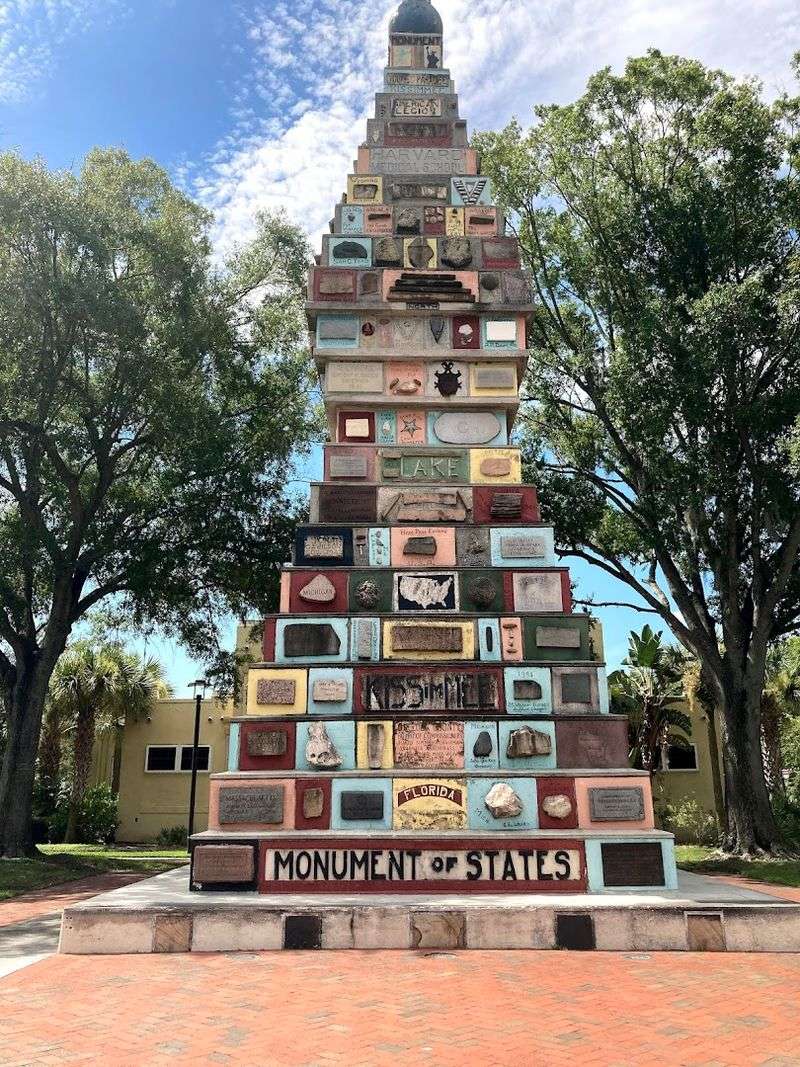
Florida is full of creatively spelled city names, and Kissimmee is near the top of the list when it comes to pronunciation traps. Many people say “KIS-ih-mee” or “KIS-uh-mee,” but the correct local pronunciation is “kuh-SIM-ee,” with the stress on the second syllable and the first part spoken quietly.
The name traces back to the Calusa people, an Indigenous group who once populated much of southern Florida. The exact meaning has been debated by historians, but the word is believed to describe the long, winding river that runs through the area, now known as the Kissimmee River.
Kissimmee is located just south of Orlando and serves as a gateway city for Walt Disney World and other major theme parks. Millions of tourists pass through every year.
Knowing how to say “kuh-SIM-ee” correctly will help you blend in a little better among the locals who live and work there year-round.
13. Terre Haute, Indiana
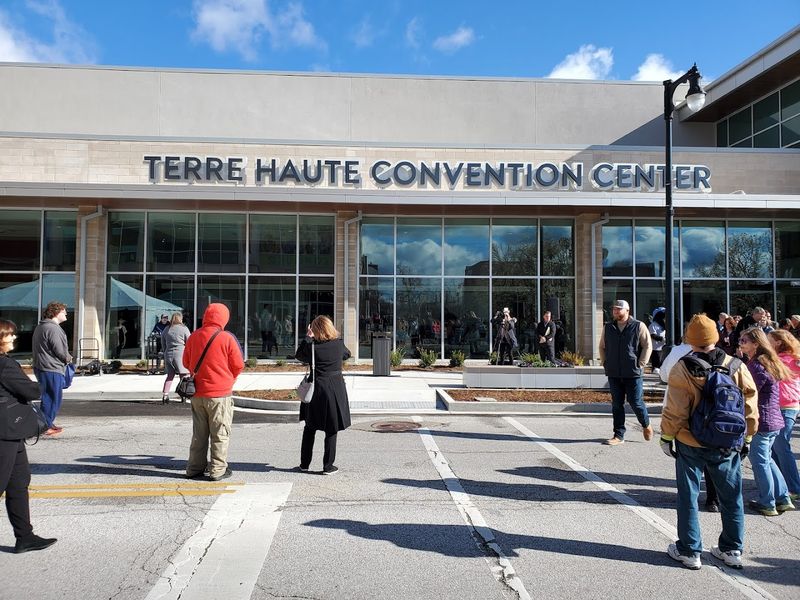
Terre Haute is a French phrase that looks elegant on paper but sounds nothing like what most English speakers expect. A lot of people try to say “Tair Hawt” or “Terry Hote,” but the accepted local pronunciation is “TAIR-uh HOHT,” with both words softened and the final E sounds mostly silent, as is typical in French.
The name means “high land” in French, a reference to the elevated plateau along the Wabash River where the city was originally settled. French explorers and fur traders moved through this part of Indiana in the 1700s, leaving behind a trail of French place names that still confuse English speakers today.
Terre Haute is home to Indiana State University and has a rich history connected to labor movements and early American industry. It was also the birthplace of author Theodore Dreiser.
Saying “TAIR-uh HOHT” correctly is a nod to the French roots woven into the city’s very identity.
14. Helena, Montana
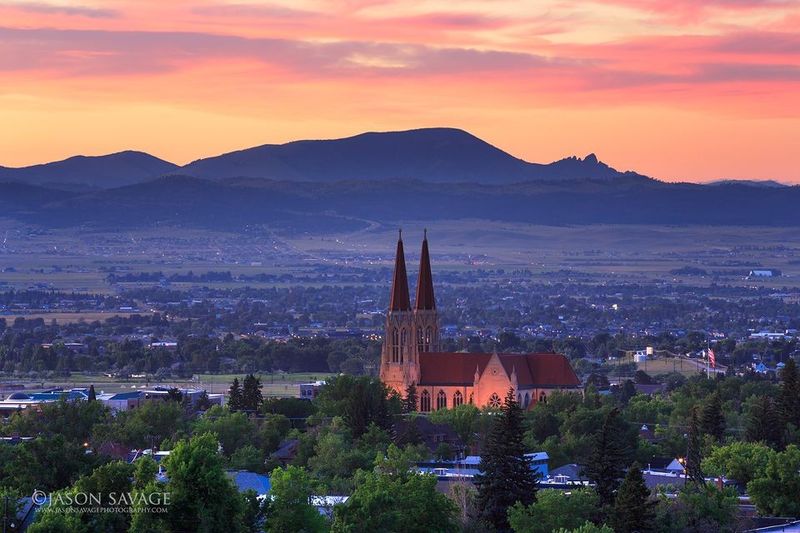
Helena looks like it should be simple, but the stress placement surprises people more often than you might expect. Most people say “huh-LEE-nuh,” following the pattern of the name Helena as a given name.
But in Montana, the city is pronounced “HEL-uh-nuh,” with the emphasis on the very first syllable.
The city was founded during the Montana gold rush in 1864 by a group of prospectors from Minnesota who named it after Helena, Minnesota. That original town used the first-syllable stress, and the Montana city kept that tradition alive even as the name became more widely known with a different pronunciation elsewhere.
Helena is the state capital of Montana and sits near the Continental Divide in a beautiful valley surrounded by mountains. It has a well-preserved Victorian-era downtown called Last Chance Gulch.
Saying “HEL-uh-nuh” when you visit is a quick way to show locals you did your homework before arriving.
15. La Jolla, California
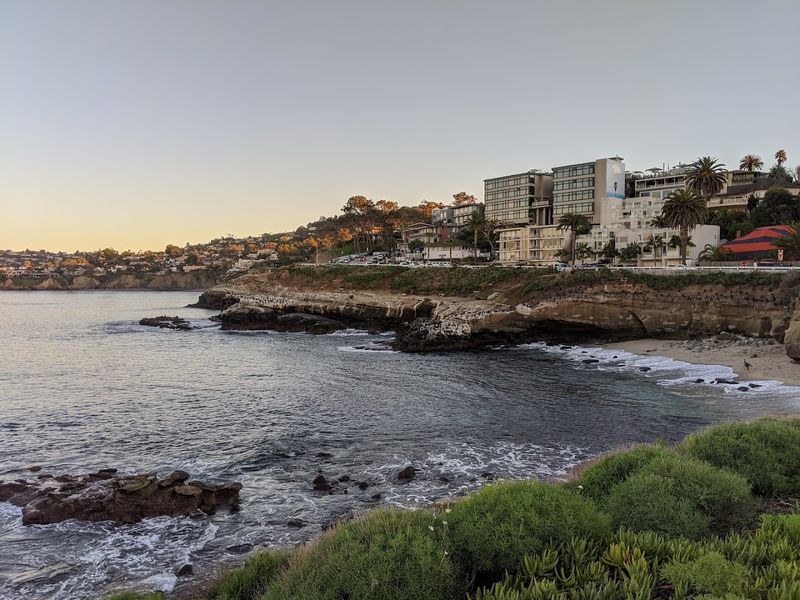
La Jolla sits along one of the most beautiful stretches of coastline in California, but its name trips up visitors constantly. Many people read it as “La JOL-la” or “La JO-la,” treating it like an English word.
The correct pronunciation is “La HOY-ah,” following Spanish phonics where the letter J makes an H sound.
The name is Spanish, though its exact origin is debated. Some historians believe it comes from a Spanish word meaning jewel, while others link it to a Kumeyaay word meaning cave or hole, referring to the sea caves carved into the sandstone cliffs along the shore.
La Jolla is a coastal neighborhood within the city of San Diego and is known for its stunning beaches, world-class aquarium, and upscale shopping and dining. The seals lounging on Children’s Pool Beach are a beloved local attraction.
Saying “La HOY-ah” correctly will immediately signal to locals that you belong there.
Share this story