Finding truly authentic Italian food in the U.S. can feel like searching for a needle in a haystack of mediocre marinara. But the good news is, some restaurants are absolutely nailing it.
From handmade pasta in New York to wood-fired dishes in San Francisco, these spots prove that Italian cooking in America is alive, thriving, and seriously delicious. Get ready, because your next dinner reservation might just change your life.
Rezdôra – New York City, New York
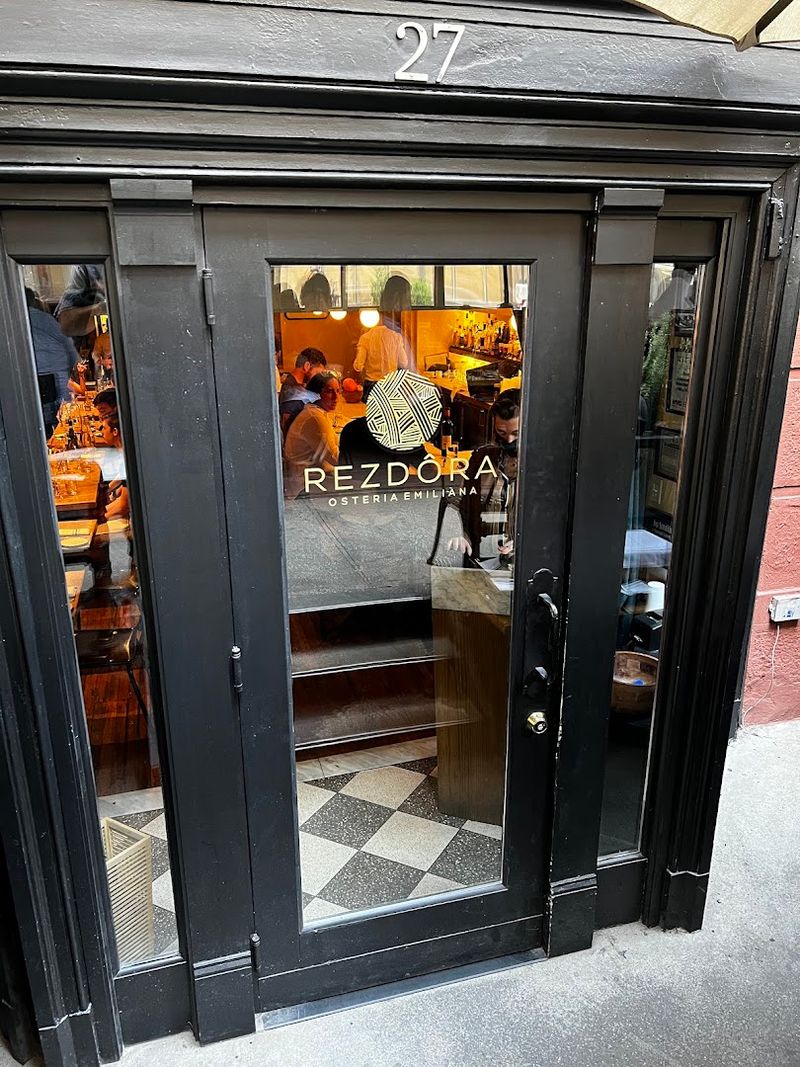
A pasta lover’s dream wrapped in a Michelin star, Rezdôra is the kind of restaurant that makes you rethink everything you thought you knew about Italian food. Chef Stefano Secchi built this place around the traditions of Emilia-Romagna, a region that Italians themselves consider the heartland of great cooking.
Every pasta here is handmade daily, and the commitment to that craft is obvious from the first bite.
Rezdôra earned its one Michelin star and has held it with quiet confidence. The menu leans into regional authenticity rather than crowd-pleasing shortcuts.
You will not find a generic chicken parm anywhere near this kitchen.
Located in the Flatiron District, it draws a crowd that knows exactly what it came for. Booking ahead is non-negotiable.
Regulars swear the tortellini in brodo alone is worth the trip from anywhere in the country.
Babbo – New York City, New York
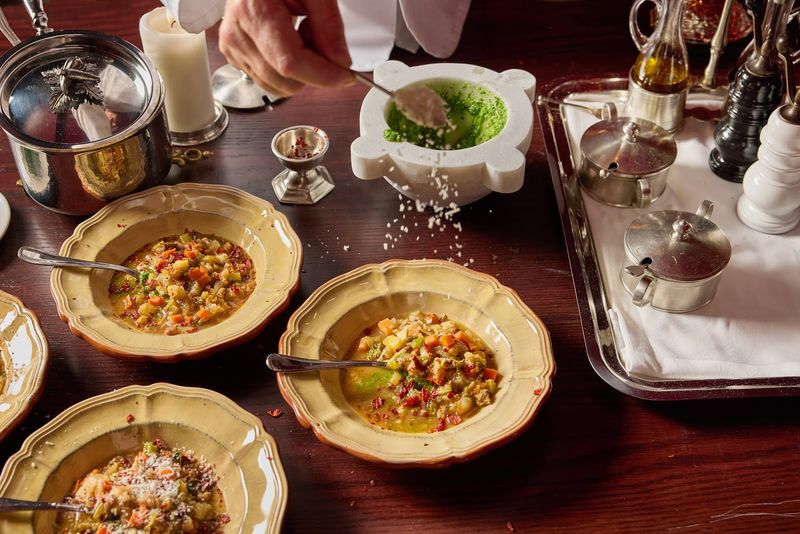
Babbo came back, and honestly, the city exhaled with relief. The Greenwich Village icon officially reopened on October 27, 2025, with chef Mark Ladner stepping into the kitchen and bringing serious credibility with him.
Ladner has the kind of Italian cooking pedigree that makes other chefs nervous in a good way.
The menu still champions bold regional Italian flavors, which is exactly what made Babbo a legend in the first place. Nothing here is watered down or crowd-tested into blandness.
The food has an opinion, and that opinion is usually correct.
I visited a similar style of restaurant in the Village years ago and left completely converted to the idea that Italian food deserves the same reverence as any French tasting menu. Babbo has always argued that point better than most.
Its return feels less like a reopening and more like a correction of a great injustice.
Vetri Cucina – Philadelphia, Pennsylvania
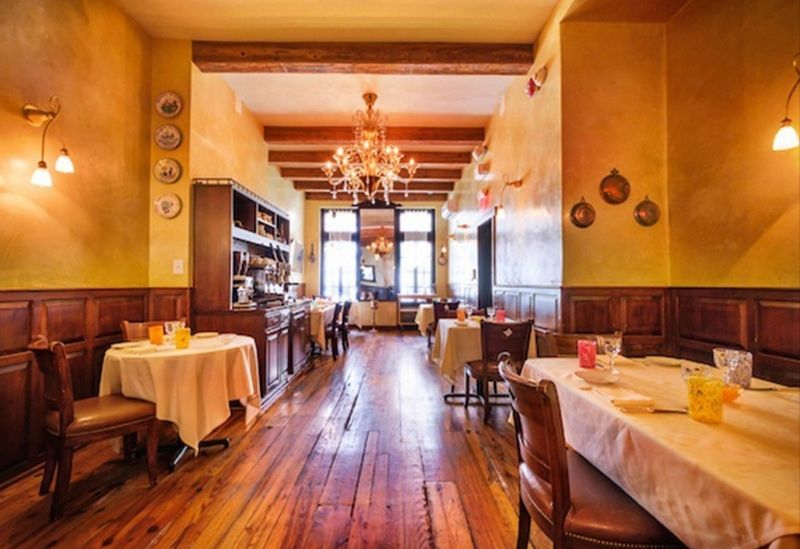
Philadelphia does not always get the credit it deserves as a serious food city, but Vetri Cucina has been making the case for decades. Chef Marc Vetri built something here that most restaurateurs only talk about: a room where Italian cooking is treated with total seriousness and zero pretension about it.
Michelin lists Vetri Cucina as actively open, and its reputation has only deepened over time. The tasting menus rotate with the seasons, keeping regulars genuinely surprised even after multiple visits.
That is a harder trick to pull off than it sounds.
The spinach gnocchi with brown butter is one of those dishes that people mention unprompted, years after eating it. Vetri built his cooking philosophy around time spent in Italy, and that foundation shows in every dish that leaves his kitchen.
Philly locals treat a reservation here like a special occasion, and they are absolutely right to do so.
Bestia – Los Angeles, California
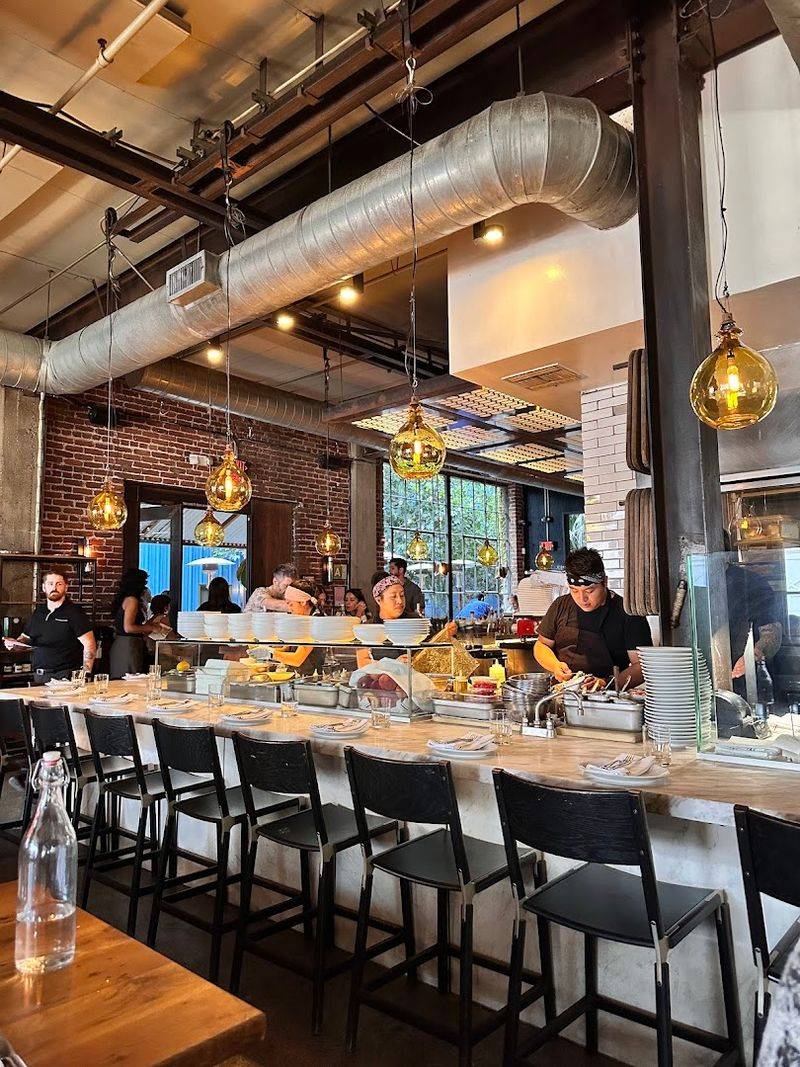
Bestia runs hot in Los Angeles, and it has been running hot since the day it opened. Chef Ori Menashe built the restaurant around house-made charcuterie and handmade pasta, two things that require real skill and real patience.
The results speak loudly enough that Michelin kept it in the 2025 guide without hesitation.
The dining room has an industrial energy that somehow never feels cold. People come here dressed up and dressed down, and nobody cares because the food is the main event.
Whole roasted meats, cured salumi, and pastas that actually taste like someone spent time on them.
Getting a reservation at Bestia has historically required the patience of a saint and the reflexes of a professional athlete. The wait list moves, but it moves slowly.
Still, every person who has ever eaten here will tell you the same thing: it was absolutely worth the effort to get through the door.
Angelini Osteria – Los Angeles, California
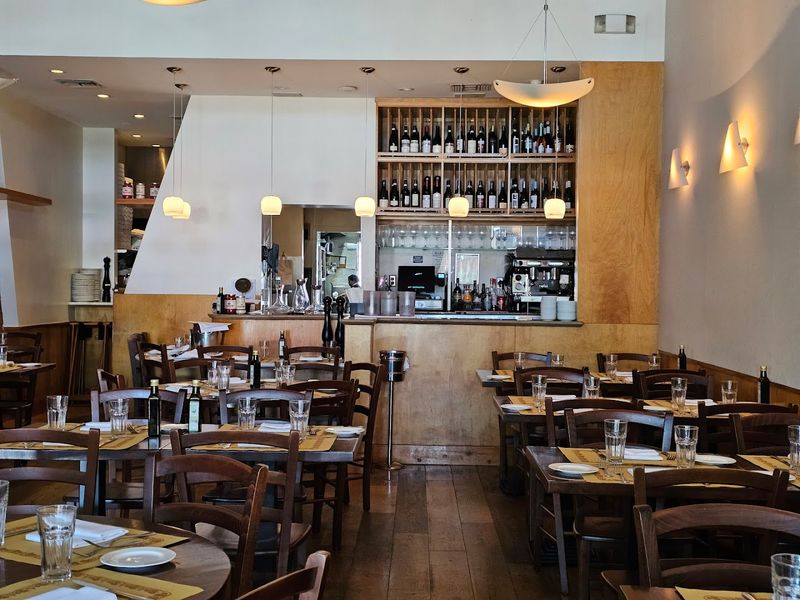
Chef Gino Angelini has been cooking the same way for decades, and that is not a criticism. It is the whole point.
Angelini Osteria is one of those rare Los Angeles restaurants that has refused to chase trends, and the city has rewarded that stubbornness with fierce loyalty from diners who know the difference.
Michelin lists it as open every day, which is notable in a restaurant world where hours keep shrinking. The menu reads like a love letter to central Italian cooking, with dishes like lasagna verde and oxtail that taste genuinely old-world.
There is no molecular gastronomy happening here, and everyone is grateful for that.
The room is small, the noise level is lively, and the regulars treat the staff like family because, after enough visits, they basically are. Angelini Osteria proves that staying true to your roots is not a limitation.
Sometimes it is the smartest strategy in the business.
Acquerello – San Francisco, California
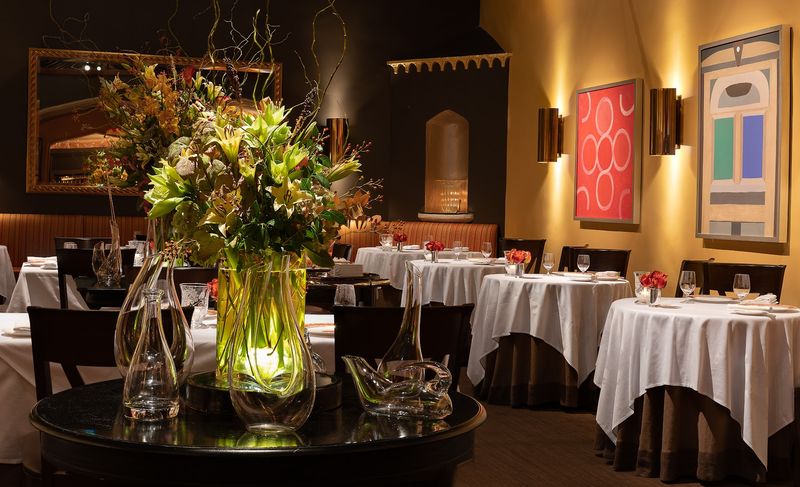
Two Michelin stars is not an accident. Acquerello has held that distinction in San Francisco through shifting food trends, economic downturns, and a pandemic, which tells you everything you need to know about the quality of what happens inside.
Chef Suzette Gresham has been at the helm since the beginning, which is itself a remarkable fact.
The restaurant is housed in a former chapel, which gives the dining room a quiet, almost reverential atmosphere. That setting turns out to be appropriate because the food genuinely deserves that kind of attention.
The Italian wine cellar is one of the deepest in the country, and the sommelier team treats it like a serious responsibility.
Acquerello is not casual dining, and it does not pretend to be. This is the place you go when you want to experience what Italian fine dining looks like when every detail is considered.
The price reflects that, and so does every single plate.
Cotogna – San Francisco, California
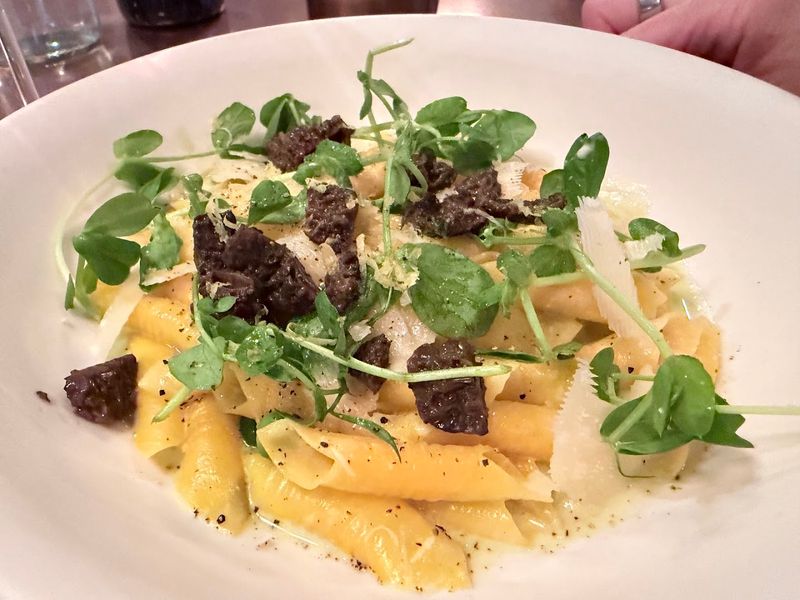
Cotogna is the kind of Italian restaurant that reminds you why wood-fired cooking became a thing in the first place. Chef Michael Tusk keeps the food rooted in Italian tradition while letting the quality of the ingredients do the heavy lifting.
The result is cooking that feels effortless even when it clearly is not.
Michelin continues to list Cotogna in its current San Francisco guide, and the restaurant’s posted hours confirm it is very much in business. The menu changes with what is seasonal and local, which is exactly how Italian cooking is supposed to work.
Pasta, roasted meats, and wood-fired vegetables rotate through depending on what is good right now.
The room has a warmth that feels earned rather than designed. San Francisco diners have made Cotogna a neighborhood staple despite it being the kind of place that could easily rest on its reputation.
It does not rest. That is why it keeps showing up on lists like this one.
Monteverde – Chicago, Illinois
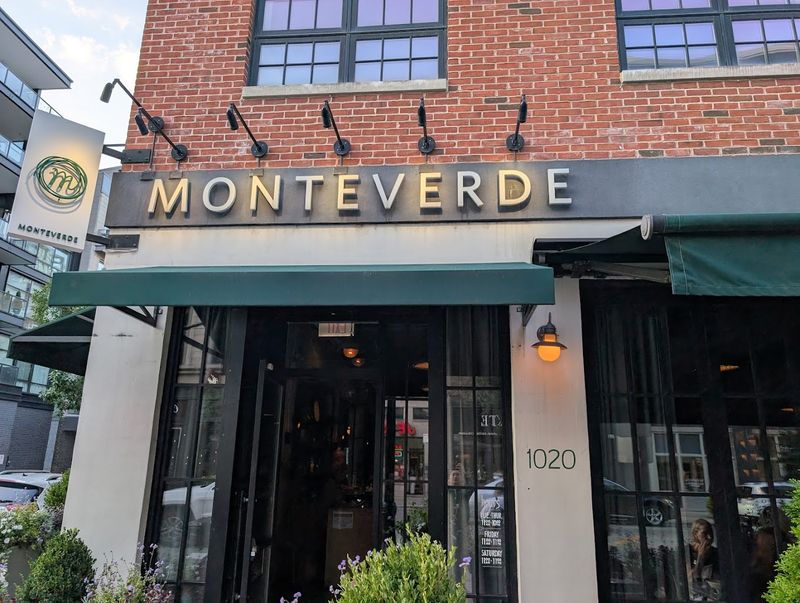
Sarah Grueneberg won Top Chef and then went back to work, which is really the only correct response to winning Top Chef. She opened Monteverde in Chicago and built it around pasta, which happens to be one of the things she does better than almost anyone in the country.
The restaurant has been essential to the Chicago dining scene ever since.
Michelin lists Monteverde as open for booking right now, and the demand for tables has not slowed down. The pasta program is the main attraction, with shapes and sauces that rotate to keep the menu fresh.
Grueneberg trained in Italy, and that experience is baked into every dish she sends out.
Chicago has no shortage of strong Italian restaurants, which makes holding a top spot in that market genuinely competitive. Monteverde holds it anyway.
The combination of chef talent, consistent execution, and a room that feels genuinely welcoming is a formula that keeps working every single service.
Frasca Food and Wine – Boulder, Colorado
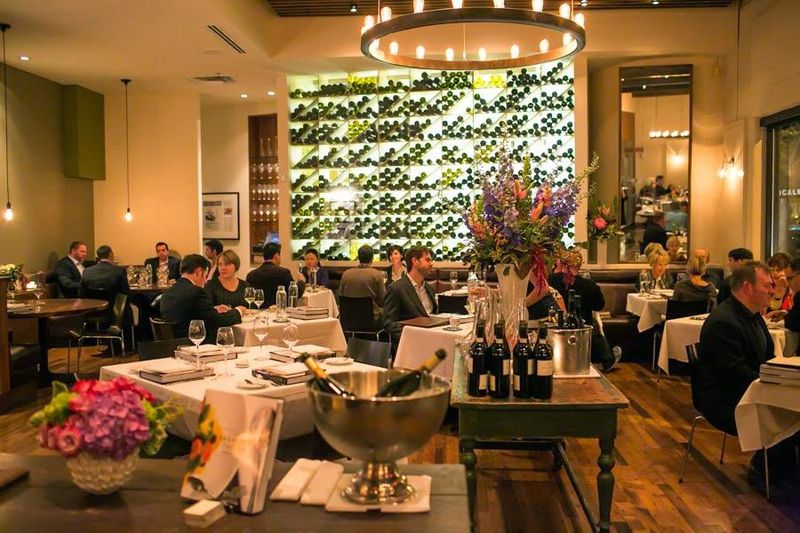
Boulder, Colorado is not the first city most people associate with Michelin-starred Italian cooking, which makes Frasca Food and Wine one of the most pleasant surprises on this entire list. Chef Lachlan Mackinnon-Patterson built the restaurant around the cuisine of Friuli-Venezia Giulia, a northeastern Italian region that most Americans cannot locate on a map but absolutely should know about.
Michelin specifically categorizes Frasca as Italian Regional Cuisine, which is the kind of specificity that separates a serious restaurant from a theme. The wine program is equally focused, with an emphasis on Friulian producers that are rarely seen outside of specialist lists.
Master Sommelier Bobby Stuckey co-owns the restaurant and runs the floor like a conductor.
Frasca earned its Michelin star in Colorado and has kept it. For a restaurant this committed to a single, specific regional Italian identity, that recognition feels less like a surprise and more like an overdue confirmation of what regular guests already knew.
Tavernetta – Denver, Colorado
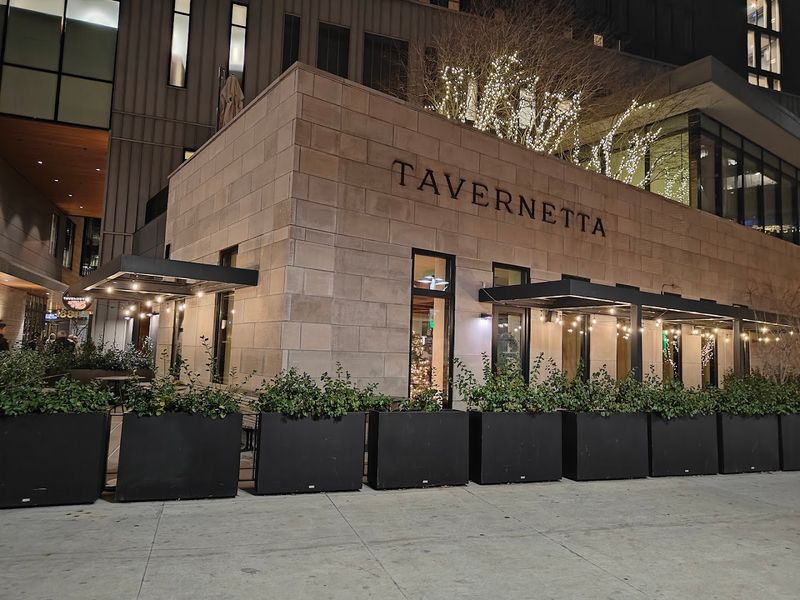
Not every great Italian restaurant needs to cost a fortune to earn serious respect, and Tavernetta in Denver makes that argument convincingly. Michelin awarded it a Bib Gourmand, which is the guide’s way of saying the food is excellent and the value is exceptional.
In a world of inflated tasting menus, that distinction matters.
The cooking here is polished without being stiff. Chef Ian Wortham leads a kitchen that takes Italian tradition seriously while keeping the atmosphere genuinely relaxed.
You can order well, drink well, and leave feeling like you won something.
Denver has grown into a real dining city over the past decade, and Tavernetta has been part of that growth story from the start. The pasta is made in-house, the menu rotates with the seasons, and the service hits a sweet spot between professional and approachable.
It is the kind of place that works for a first date and a tenth anniversary with equal ease.
Macchialina – Miami Beach, Florida
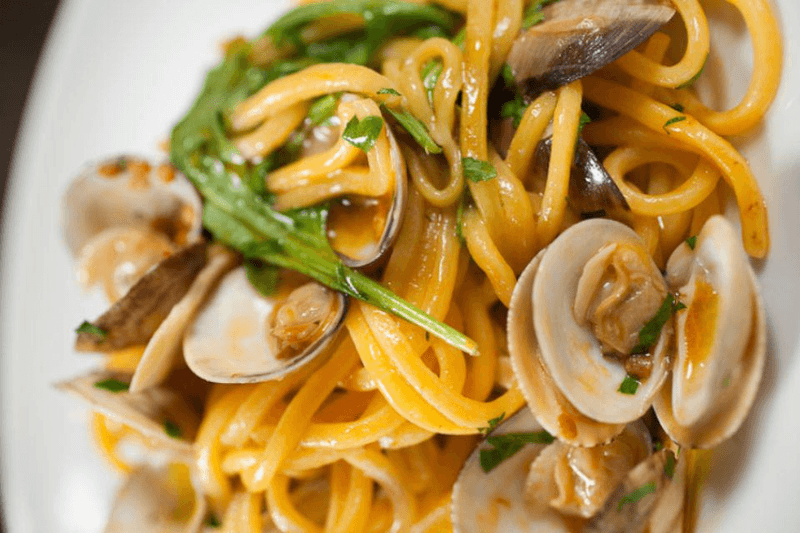
Miami Beach runs on glamour, which makes Macchialina a quietly radical act. This is a rustic Italian trattoria operating in one of the flashiest zip codes in America, and it has no interest in competing with the scene outside its door.
Chef Michael Pirolo keeps the focus on the food, and Michelin keeps listing the restaurant because of it.
The all-Italian wine list is one of the most committed in Florida. Michelin’s 2025 Sommelier of the Year coverage specifically highlighted Macchialina’s wine program alongside its cooking, which is a rare double mention that the restaurant earned honestly.
The combination of serious wine and rustic Italian food creates a pairing that feels right every single time.
The dining room is small and the tables are close together, which somehow adds to the experience rather than detracting from it. Macchialina has the energy of a neighborhood spot that happens to be very, very good.
Miami locals guard their regular tables here like a secret worth keeping.
Lucia – Dallas, Texas
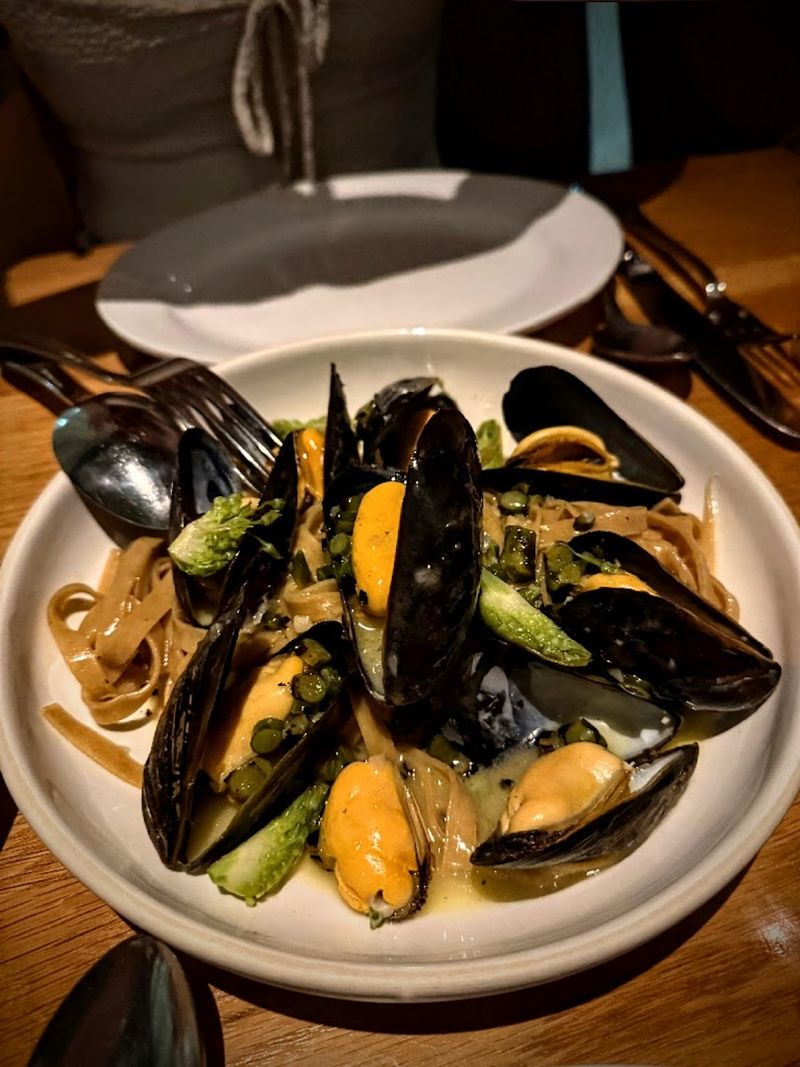
Texas barbecue gets all the press, but Lucia in Dallas has been quietly building one of the most respected Italian menus in the South. Michelin awarded it a Bib Gourmand, and the guide specifically noted that house-made pastas and cured meats form the backbone of the restaurant.
That is a very Italian set of priorities, executed with obvious care.
Chef David Uygur runs a tight, focused kitchen where the menu stays rooted in Italian tradition without feeling like a museum exhibit. The charcuterie program alone would justify a visit.
Watching someone take Texas ingredients and apply Italian curing techniques to them is one of those happy culinary collisions that just works.
The dining room is intimate, the reservations go fast, and the regulars are fiercely loyal. Lucia proves that authentic Italian cooking does not need to happen in a coastal city to reach the highest level.
Sometimes the best Italian food in America is hiding in Bishop Arts District, Dallas.
Fox & The Knife – Boston, Massachusetts
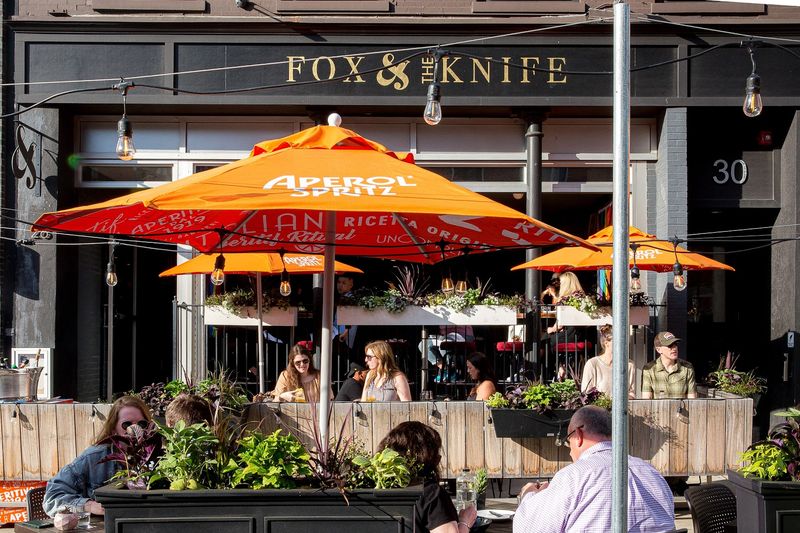
Karen Akunowicz named her restaurant after an Italian card game, which is exactly the kind of detail that tells you this chef did her homework. Fox and The Knife holds a Michelin Bib Gourmand in Boston and earns it with dishes like wild boar tagliatelle and agnolotti del plin that have clear roots in classic Italian form.
This is not Italian-adjacent cooking. It is the real thing.
Akunowicz spent years working under Ken Oringer before striking out on her own, and that training shows in the precision of the cooking. The pasta is made in-house and the menu changes regularly, keeping the regulars genuinely curious about what is coming next.
Boston’s South End neighborhood provides a perfect backdrop for this kind of neighborhood-focused trattoria energy.
Fox and The Knife has a warmth that feels personal rather than manufactured. Akunowicz is a James Beard Award winner, and the restaurant carries that recognition without ever feeling smug about it.
Just good food, served well.
Fiola – Washington, D.C.
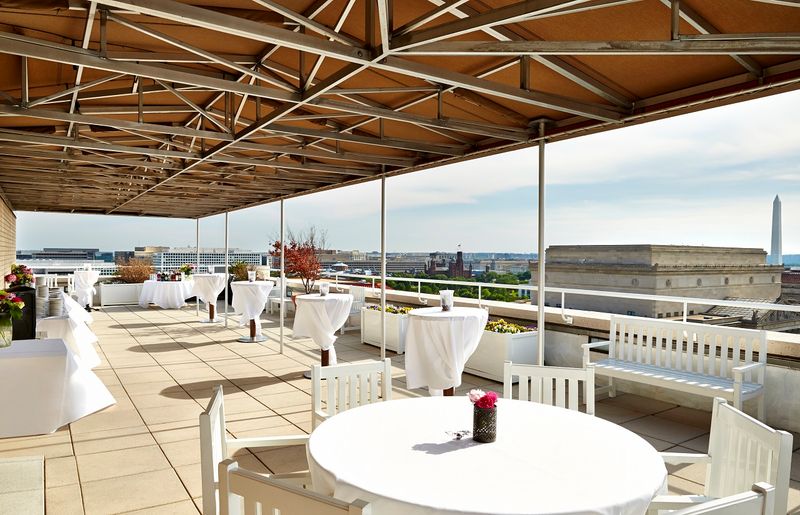
Washington D.C. is full of restaurants trying to impress powerful people, but Fiola has always seemed more interested in impressing the food itself. Chef Fabio Trabocchi runs one of the capital’s most acclaimed Italian kitchens, and Michelin backs that assessment with a one-star rating that has held firm.
The restaurant also earned a spot in Michelin’s February 2026 roundup of D.C.’s best Italian restaurants, which is current validation.
Trabocchi grew up in the Marche region of Italy, and that background gives Fiola a specificity that separates it from generic Italian fine dining. The seafood preparations are particularly stunning, drawing on coastal Italian traditions that feel genuinely transported rather than approximated.
The dining room is formal without being stiff, which is a balance that is harder to strike than it looks. Service is attentive and knowledgeable, which matters when the wine list runs this deep.
Fiola is the kind of restaurant that makes you feel like the evening was worth planning for weeks in advance.
Sorelle – Charleston, South Carolina
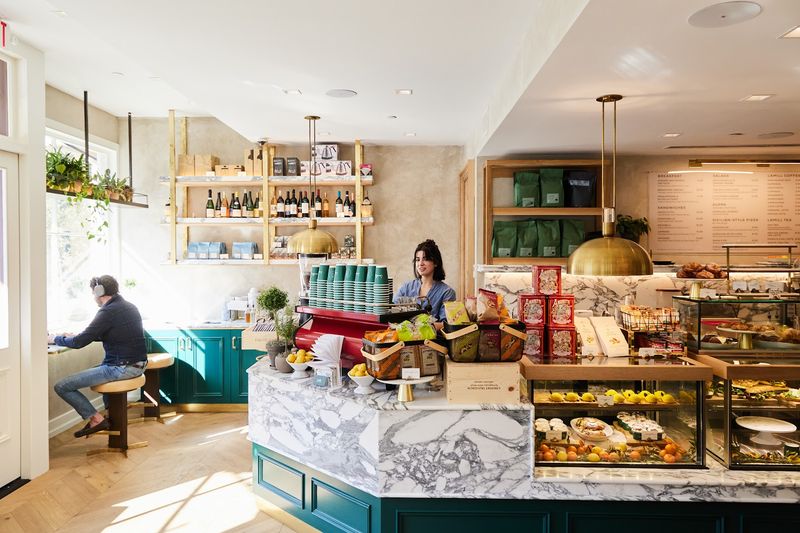
Charleston already had a reputation as one of America’s best food cities before Sorelle showed up, but this restaurant added something the local scene was genuinely missing. Michelin features Sorelle as a destination for Southern Italian cooking, with house-made pasta and a full dining experience spread across multiple floors.
For a newer restaurant, it arrived with unusual confidence.
The Southern Italian focus is smart and specific. Dishes from Campania, Sicily, and Calabria tend to be bolder and more rustic than their northern counterparts, and Sorelle leans into that character without apology.
The pasta program is central to the identity, and the kitchen clearly has the skills to back up the ambition.
Charleston diners have embraced Sorelle with the kind of enthusiasm that usually takes years to build. Being the newest name on this list is not a weakness when the cooking is this focused.
Sorelle earned its place here on merit, and it looks like it is just getting started.
Share this story