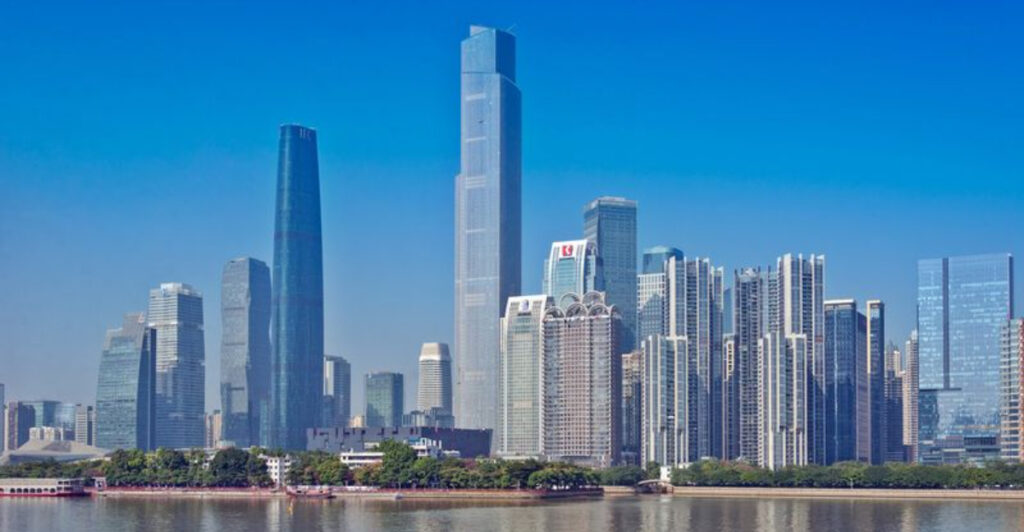
Our planet is home to some incredibly massive cities, where tens of millions of people live, work, and build their lives side by side. From the bustling streets of Asia to the vibrant neighborhoods of Latin America, these urban giants shape culture, economy, and daily life for a huge portion of humanity.
Understanding which cities hold the most people helps us appreciate just how diverse and dynamic our world truly is. Here is a look at the 15 largest cities on Earth by population.
1. Tokyo, Japan
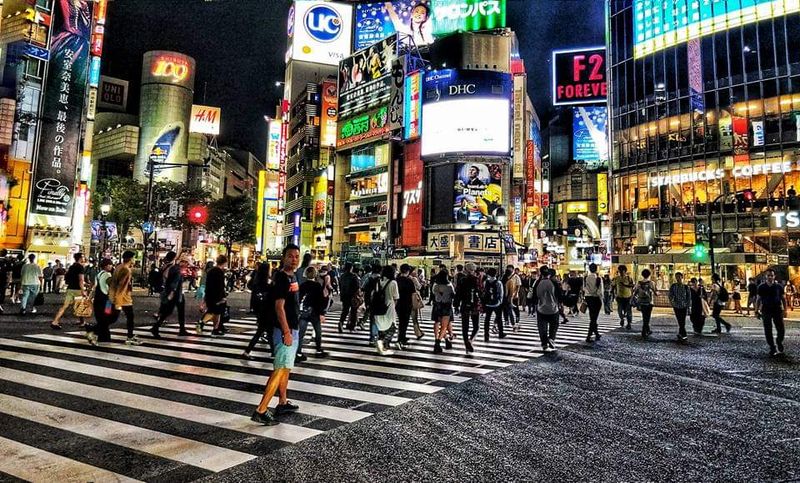
No city on Earth packs more people into one place than Tokyo. With an urban population of roughly 37 million, Japan’s capital is in a league of its own.
The sheer scale of its train network, neighborhoods, and commercial districts is almost impossible to fully grasp until you experience it firsthand.
Tokyo blends ancient tradition with cutting-edge modernity in a way few cities manage. You can visit a centuries-old shrine in the morning and explore a futuristic electronics district by afternoon.
The city is famous for its safety, cleanliness, and incredibly efficient public transportation system.
Despite being the world’s most populous city, Tokyo consistently ranks among the most livable urban centers on the planet. Its food scene alone, boasting more Michelin-starred restaurants than any other city, draws millions of visitors every year.
2. Delhi, India
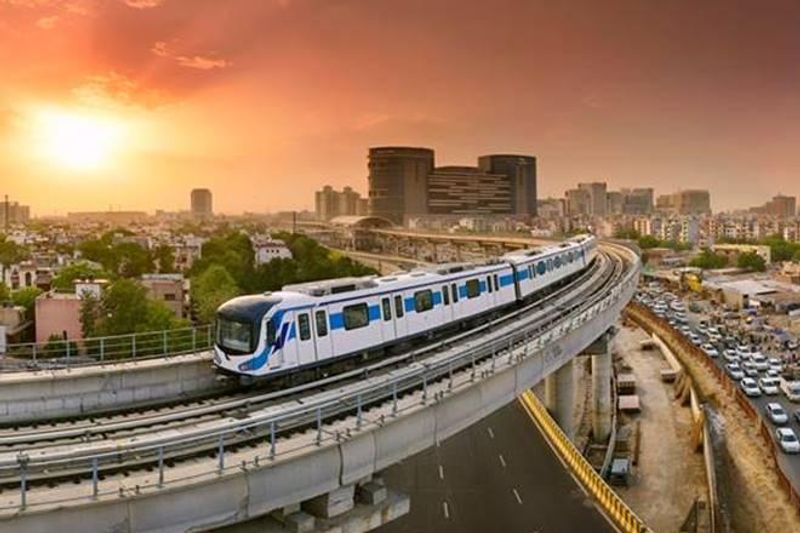
Delhi is one of the fastest-growing megacities in the world, and its energy is unmistakable. Home to over 33 million people, India’s capital territory is a sprawling mix of ancient history and modern ambition.
Every neighborhood tells a different story, from Mughal-era monuments to gleaming tech corridors.
The city sits in northern India along the Yamuna River and serves as the country’s political and administrative heart. Old Delhi’s narrow lanes and spice markets contrast sharply with the wide boulevards and government buildings of New Delhi, built during British colonial rule.
Growth here has been rapid and relentless. Millions of people migrate to Delhi each year in search of better opportunities, making it one of the most dynamic urban environments anywhere on the globe.
Its population is expected to surpass Tokyo’s within the next decade.
3. Shanghai, China
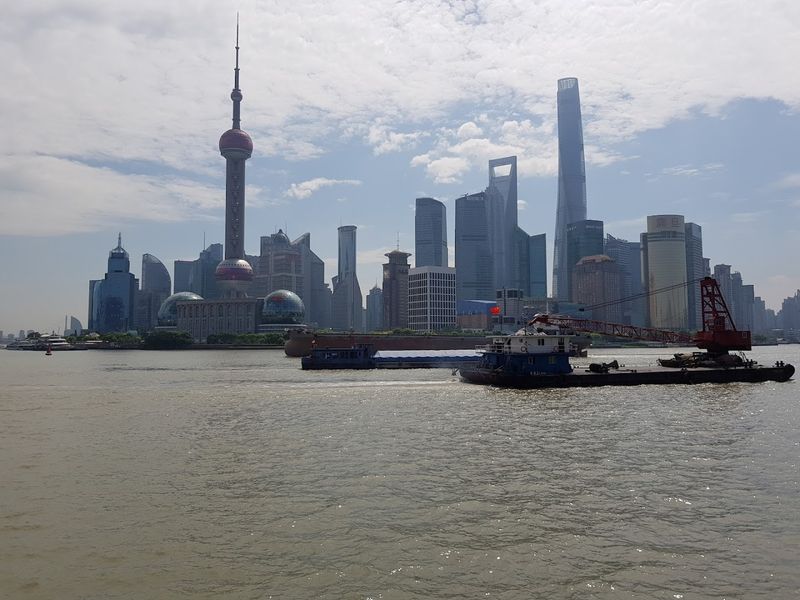
Shanghai is China’s financial powerhouse and one of the most recognizable skylines on Earth. With around 29 million residents, it is the largest city in China and a global hub for trade, finance, and culture.
The famous Bund waterfront, lined with colonial-era buildings facing ultramodern towers, captures the city’s layered history perfectly.
Few cities have transformed as dramatically as Shanghai over the past 30 years. In the early 1990s, Pudong was mostly farmland.
Today, it hosts some of the world’s tallest skyscrapers and a massive international financial center.
Shanghai’s port is the busiest container port on the planet, processing hundreds of millions of tons of goods annually. Beyond commerce, the city offers a rich arts scene, outstanding cuisine, and a cosmopolitan atmosphere that attracts expats and tourists from every corner of the world.
4. Dhaka, Bangladesh
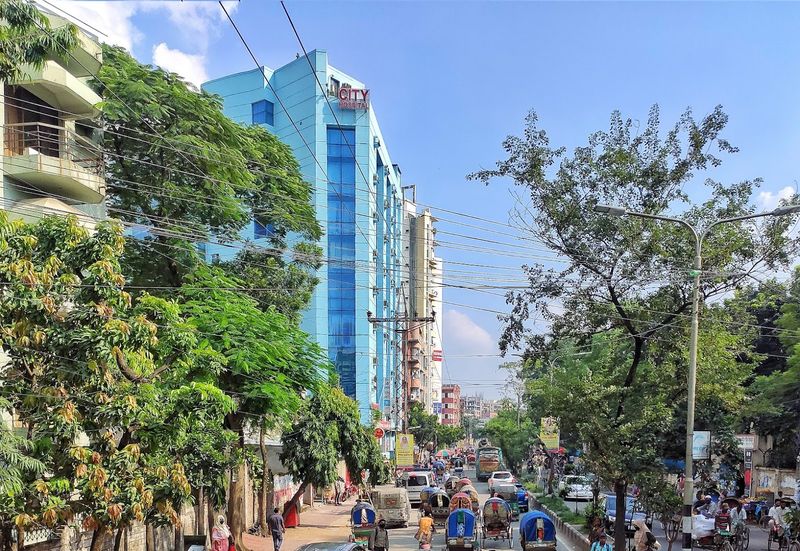
Dhaka might be one of the most densely populated cities anywhere on Earth. With roughly 22 to 23 million people squeezed into a relatively small area, Bangladesh’s capital is an extraordinary study in urban density.
Rickshaws weave through streets packed with people, and every corner buzzes with commerce and conversation.
The city sits on the banks of the Buriganga River in the heart of Bangladesh and has grown at a staggering pace over the past few decades. Much of that growth is driven by migration from rural areas, as people seek jobs in the garment industry and service sectors.
Life in Dhaka can be intense. Traffic congestion is legendary, and infrastructure struggles to keep pace with the population.
Yet the city pulses with resilience, creativity, and a deeply rooted cultural pride that makes it one of South Asia’s most fascinating urban centers.
5. São Paulo, Brazil
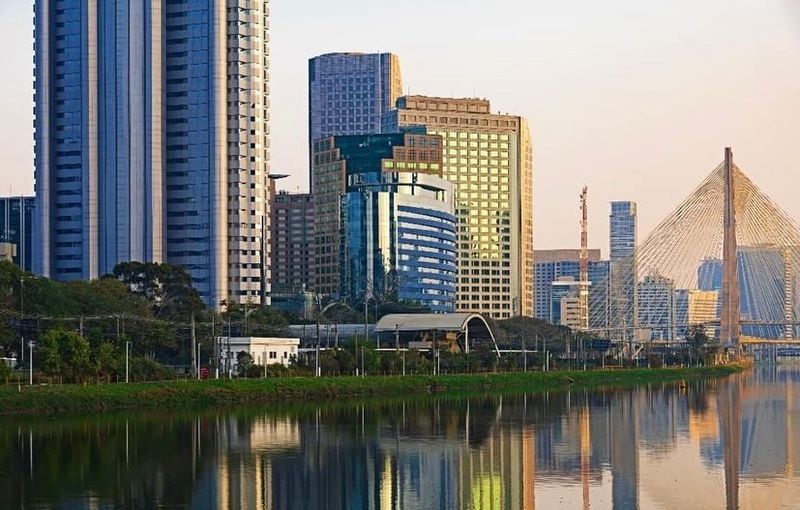
São Paulo is the undisputed economic engine of South America. Home to approximately 22 million people in its metropolitan area, Brazil’s largest city is a concrete jungle of skyscrapers, cultural institutions, and relentless ambition.
It generates nearly 11 percent of Brazil’s entire GDP on its own.
The city is remarkably diverse, shaped by waves of immigration from Italy, Japan, Lebanon, and beyond. That cultural mosaic is reflected in its food, music, and neighborhoods.
From the Japanese enclave of Liberdade to the Italian-influenced Bixiga district, São Paulo is a city of communities within a community.
Art lovers flock here for world-class museums and one of Latin America’s most vibrant street art scenes. The famous São Paulo Biennial is among the largest contemporary art events on the planet, drawing artists and collectors from dozens of countries every two years.
6. Mexico City, Mexico
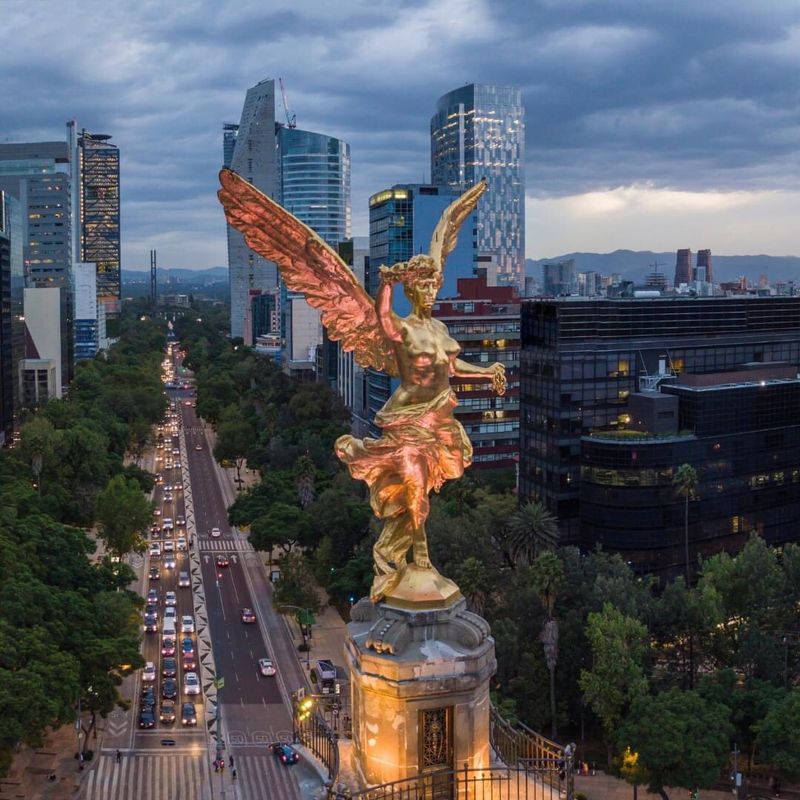
Built on the ruins of the ancient Aztec capital Tenochtitlan, Mexico City carries centuries of history beneath its modern streets. With around 22 million residents in its greater metro area, it is the largest Spanish-speaking city in the world.
Discovering an Aztec pyramid beneath a downtown building is not unusual here.
The city sits at an elevation of about 7,350 feet above sea level, surrounded by mountains and volcanoes. That geography traps smog and contributes to air quality challenges, though the city has made meaningful progress in reducing pollution over recent decades.
Mexico City’s cultural offerings are extraordinary. It has more museums per capita than almost any other city on Earth, including the world-famous National Museum of Anthropology.
Its street food culture, from tacos to tamales, is recognized by UNESCO as an Intangible Cultural Heritage of Humanity.
7. Cairo, Egypt
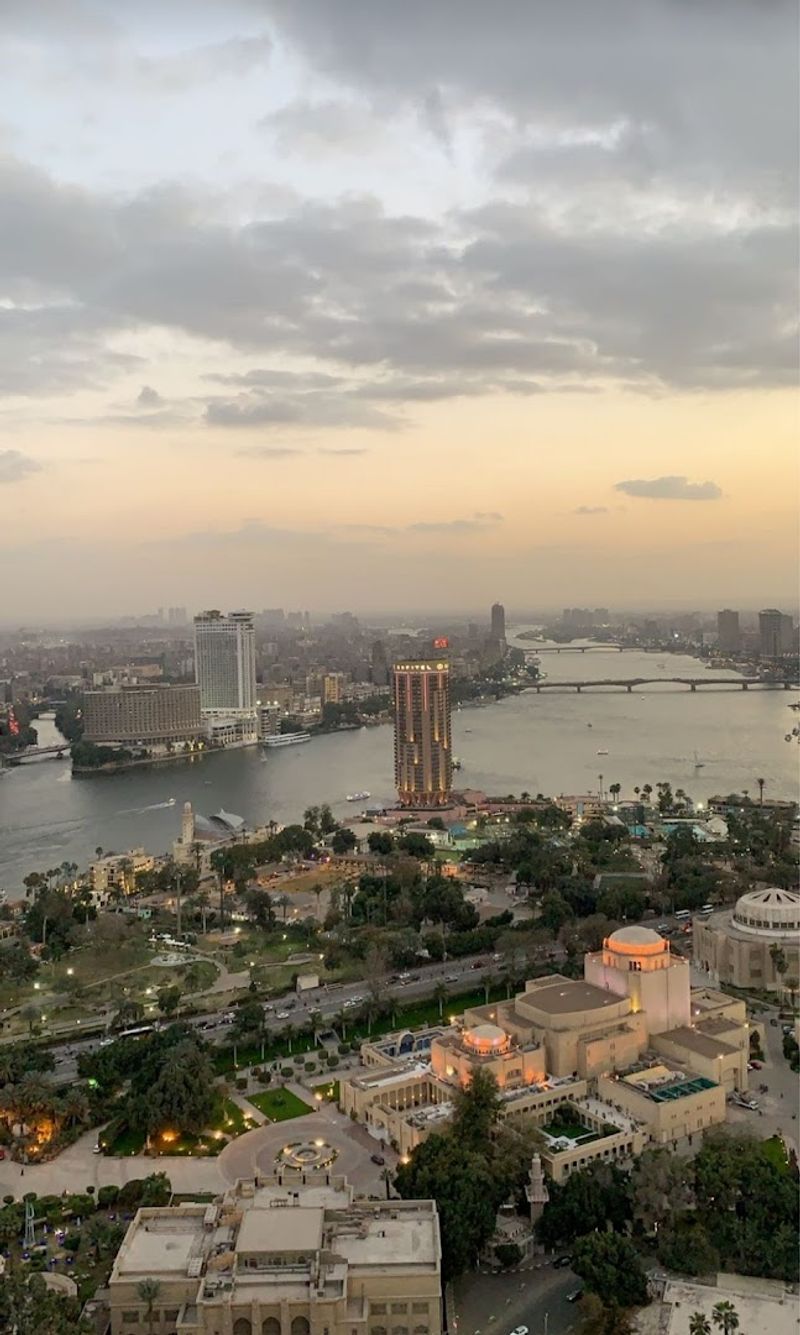
Cairo sits where the ancient and the modern collide with spectacular force. As Africa’s largest city and the Arab world’s most populous urban center, it is home to around 21 million people.
The pyramids of Giza stand at the city’s edge, a reminder that this region has been a center of human civilization for thousands of years.
The Nile River runs through Cairo’s heart, providing water and life to a city that would otherwise be surrounded by desert. The city is a sensory experience like no other, with the call to prayer echoing across rooftops, markets overflowing with spices, and traffic that rarely seems to stop.
Cairo has been growing rapidly, prompting the Egyptian government to build a brand-new administrative capital city east of the existing metropolis. This ambitious project aims to relieve pressure on Cairo’s aging infrastructure and create space for future growth.
8. Mumbai, India
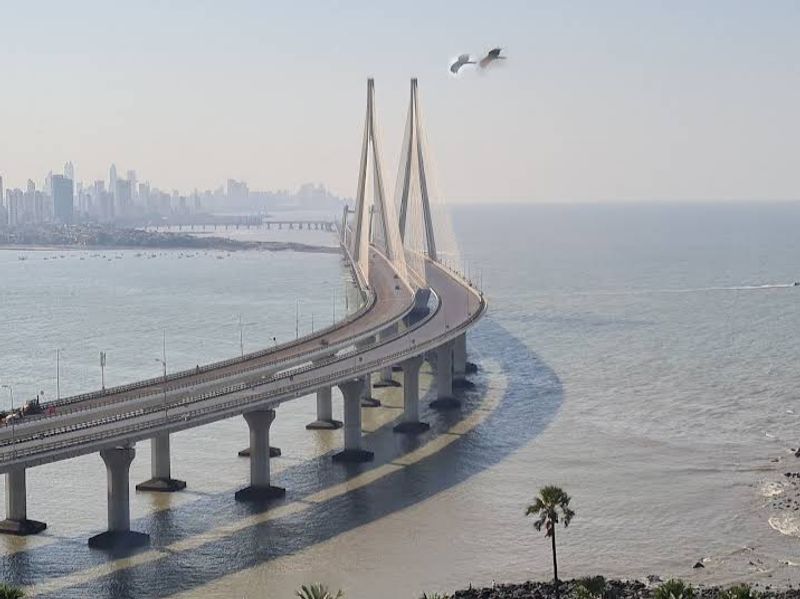
Mumbai is India’s city of dreams. Roughly 21 million people call this coastal metropolis home, and millions more arrive each year hoping to find their fortune.
As the country’s financial capital and the heart of Bollywood, Mumbai holds an almost mythical status in the Indian imagination.
The city occupies a narrow peninsula along the Arabian Sea, which means space is incredibly limited and real estate prices are among the highest in Asia. Gleaming skyscrapers stand just blocks away from Dharavi, one of Asia’s largest informal settlements, making inequality visible at every turn.
Despite those contrasts, Mumbai has an unmistakable energy and spirit. Its locals, known as Mumbaikars, are famous for their resilience and work ethic.
The city’s street food scene, including iconic dishes like vada pav and pav bhaji, is beloved across the entire country.
9. Beijing, China
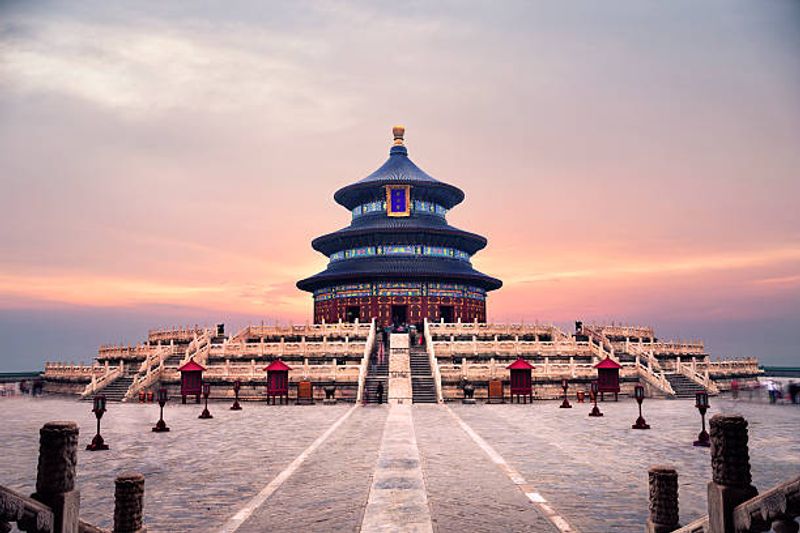
Beijing has been the political heart of China for centuries, and today it is also one of the world’s most populous cities. Around 21 million people live in China’s capital, a city where ancient imperial palaces sit alongside gleaming Olympic stadiums and cutting-edge technology campuses.
The Forbidden City, once home to Chinese emperors, sits at the geographic and symbolic center of Beijing. Tiananmen Square just outside its gates is one of the largest public squares in the world.
These landmarks draw millions of tourists every year and remind visitors of the city’s extraordinary historical depth.
Beijing is also a major global hub for education, science, and innovation. It hosts some of China’s most prestigious universities and research institutions.
The city hosted the Summer Olympics in 2008 and the Winter Olympics in 2022, becoming the first city in history to host both events.
10. Osaka, Japan
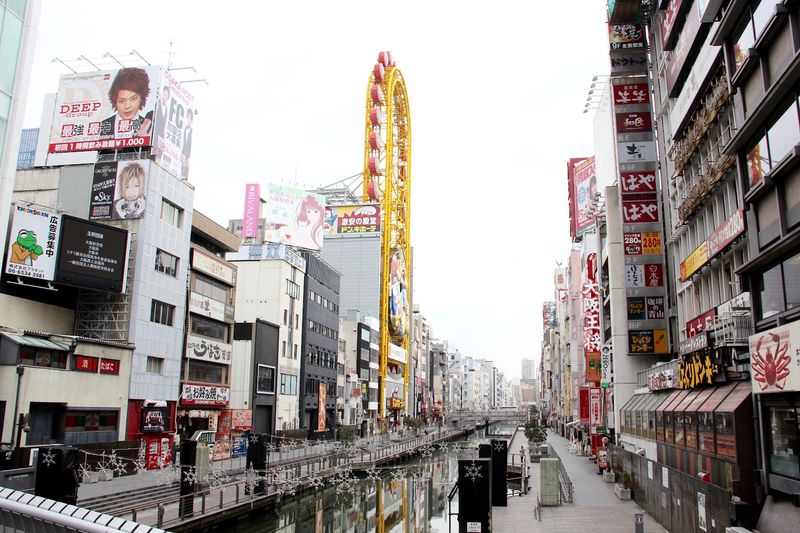
Osaka is Japan’s second-largest urban center and, by many accounts, its most fun. The greater Osaka metro area, which includes Kobe and Kyoto, is home to around 19 million people.
Known affectionately as Japan’s kitchen, Osaka has built a global reputation on the strength of its extraordinary food culture.
The Dotonbori entertainment district, with its neon signs and canal-side restaurants, is one of the most photographed spots in all of Japan. Street food here, from takoyaki octopus balls to okonomiyaki savory pancakes, is taken extremely seriously by locals and visitors alike.
Beyond food, Osaka is a major commercial and industrial center. It has been a trading hub for centuries, and that merchant spirit still defines the city’s personality.
Osakans are widely regarded as warmer and more outgoing than residents of other Japanese cities, giving the place a distinctly welcoming character.
11. Karachi, Pakistan
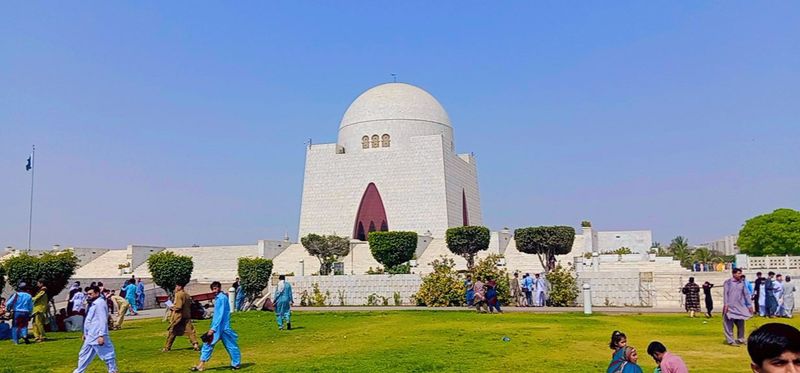
Karachi is Pakistan’s largest city and its economic lifeline. With a population estimated between 16 and 20 million people, depending on how boundaries are drawn, it is consistently ranked among the most populous cities on Earth.
The city handles the vast majority of Pakistan’s international trade through its massive Arabian Sea port.
Life in Karachi is fast-paced and complex. The city is extraordinarily diverse, home to dozens of ethnic and linguistic communities, including Urdu speakers, Pashtuns, Sindhis, and Baloch populations.
That diversity fuels a rich cultural scene but has also historically contributed to social tensions.
Despite ongoing challenges related to infrastructure, security, and rapid growth, Karachi remains a city of enormous ambition. Its residents are entrepreneurial and resilient, and the city continues to attract migrants from across Pakistan who are drawn by its economic opportunities and cosmopolitan character.
12. Guangzhou, China
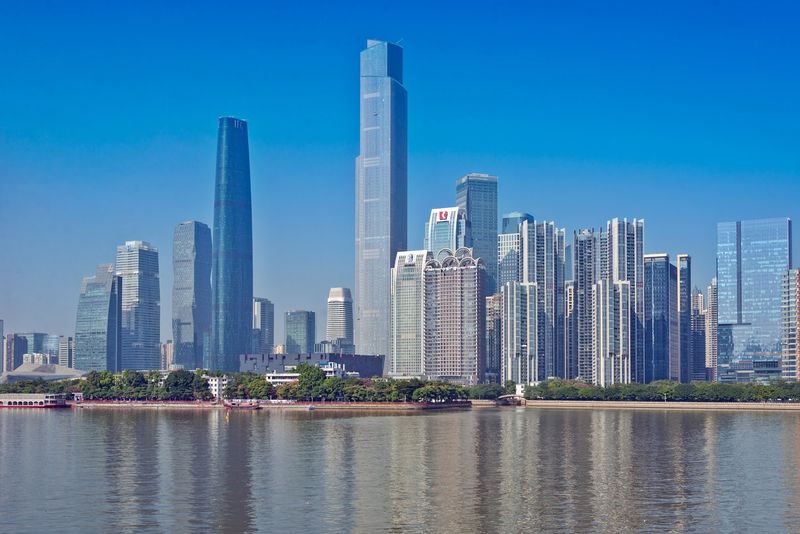
Guangzhou has been a center of trade for over 2,000 years, and it shows no signs of slowing down. Located in southern China’s Pearl River Delta, this city of around 17 million people is one of the most commercially active urban centers anywhere in the world.
It is the gateway to the manufacturing heartland of Guangdong province.
The Canton Trade Fair, held twice a year in Guangzhou, is the largest trade fair on the planet. Buyers from over 200 countries come to source products ranging from electronics to clothing.
This deep commercial tradition has shaped Guangzhou into a confident, outward-looking city.
Cantonese cuisine, one of China’s most celebrated culinary traditions, was born here. Dim sum, roast duck, and wonton noodle soup are just a few of the dishes that originated in this region and have since spread to Chinese restaurants around the world.
13. Manila, Philippines
Manila Bay sunsets are among the most beautiful in Southeast Asia, but the city that surrounds them is one of the most densely packed on Earth. Metro Manila, which includes 16 cities and municipalities, is home to roughly 14 to 16 million people in a relatively compact area.
The density per square kilometer here is among the highest of any major urban region globally.
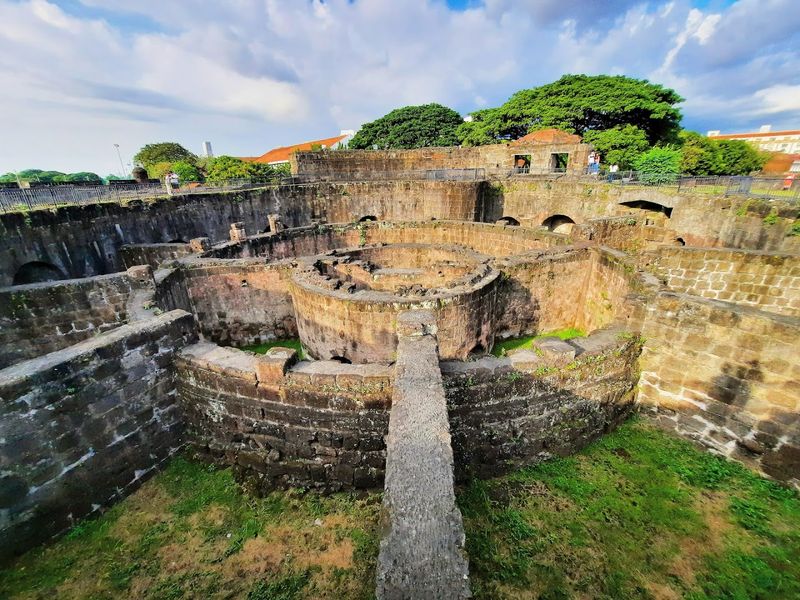
The Philippines has a deeply Spanish-influenced culture, and that heritage is visible throughout Manila’s architecture, food, and family traditions. Intramuros, the old walled city built by Spanish colonizers in the 16th century, is one of the most historically significant districts in all of Southeast Asia.
Manila is the beating heart of the Philippine economy. It handles the bulk of the country’s business, finance, and government activity.
Despite significant challenges with traffic and urban crowding, Filipinos bring an infectious warmth and optimism to daily city life.
14. Kolkata, India
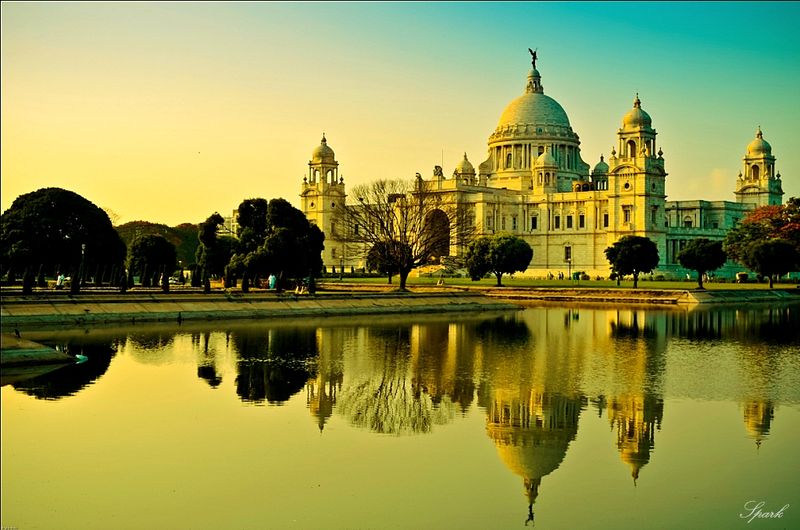
Kolkata wears its soul on its sleeve. Once the capital of British India and a center of intellectual and artistic life, this city of around 15 million people carries a rich, sometimes melancholic beauty that is entirely its own.
The crumbling colonial architecture and bustling river ghats give Kolkata a texture unlike any other Indian city.
The Howrah Bridge, one of the busiest cantilever bridges in the world, connects the city across the Hooghly River and has become an enduring symbol of Kolkata’s identity. Thousands of people and vehicles cross it every single day without ever paying a toll.
Kolkata is also the birthplace of Bengali literature, cinema, and the Nobel Prize-winning economist Amartya Sen. The city’s love of books, debate, and the arts is legendary throughout India.
Its famous Durga Puja festival transforms the entire city into an open-air art gallery every autumn.
15. Seoul, South Korea
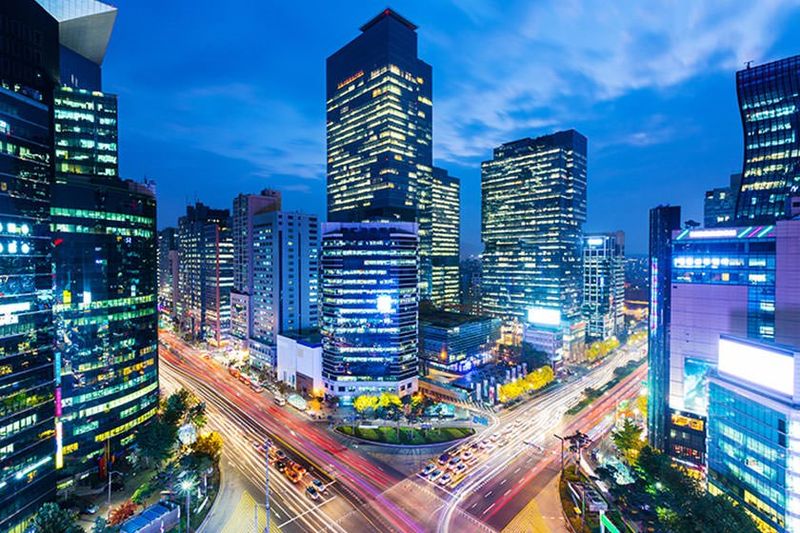
Seoul is one of the great success stories of the 20th century. In just a few decades, South Korea’s capital transformed from a war-scarred city into a gleaming global metropolis of around 10 million people in the city proper and nearly 26 million in the wider metro area.
That remarkable journey from poverty to prosperity is baked into the city’s identity.
K-pop, K-dramas, and Korean cinema have made Seoul a cultural export powerhouse. The Hallyu wave, or Korean Wave, has turned neighborhoods like Gangnam and Hongdae into pilgrimage sites for fans from across Asia and beyond.
The city is stylish, tech-forward, and deeply proud of its culture.
Seoul is also a food lover’s paradise. From sizzling Korean barbecue to spicy tteokbokki rice cakes sold by street vendors, the city offers an endlessly rewarding culinary experience.
Its public transit system is widely considered one of the cleanest and most efficient in the world.
Share this story