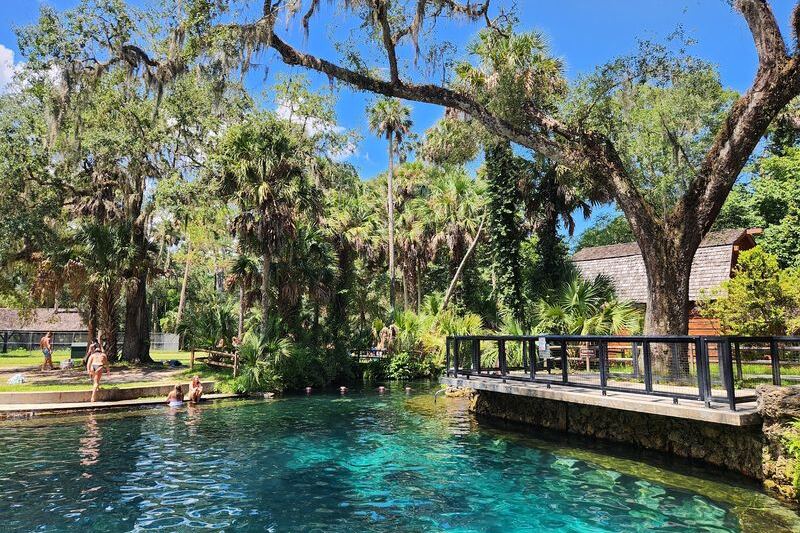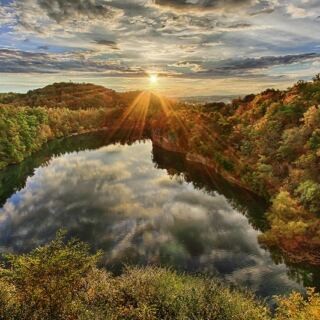
Somewhere tucked between the back roads of Lake County, there is a 3,660-acre stretch of wild Florida that most people drive right past without ever knowing it exists. No theme parks, no crowds, no entrance fees that drain your wallet before you even lace up your boots.
Just open sky, ancient cypress trees, and trails that feel like they belong to another era entirely. I found this place on a quiet weekday, and by the time I left, I was already planning my return trip.
Whether you are a hiker, a paddler, a horseback rider, or someone who simply wants to hear frogs instead of traffic, this nature preserve delivers something rare: the feeling that Florida still has wild corners worth protecting and exploring.
Where It All Begins: Location and Access
The address is 22437 Orange Blossom Ln, Eustis, and getting there feels like peeling back a layer of Florida that most tourists never see. The preserve sits in Lake County, not far from the town of Eustis, but the surrounding landscape shifts dramatically once you leave the main roads.
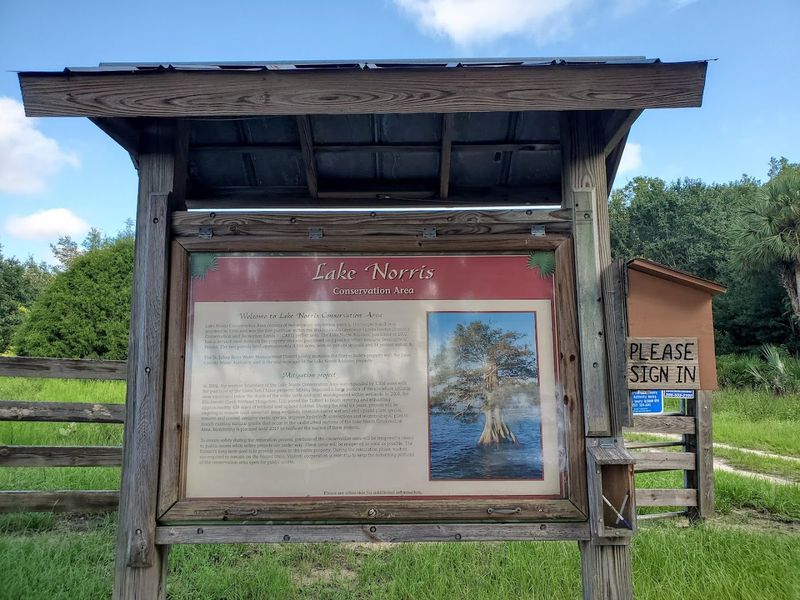
A parking area greets you at the east entrance, complete with a kiosk that holds trail maps. The maps are straightforward and easy to read, which matters when you are about to wander through more than three thousand acres of wetlands and open fields.
The preserve is open every day from 7 AM to 7 PM, giving you a solid window of time to explore without rushing. First impressions here are quiet, unhurried, and genuinely refreshing.
The Scale of the Place: 3,660 Acres of Wild Florida
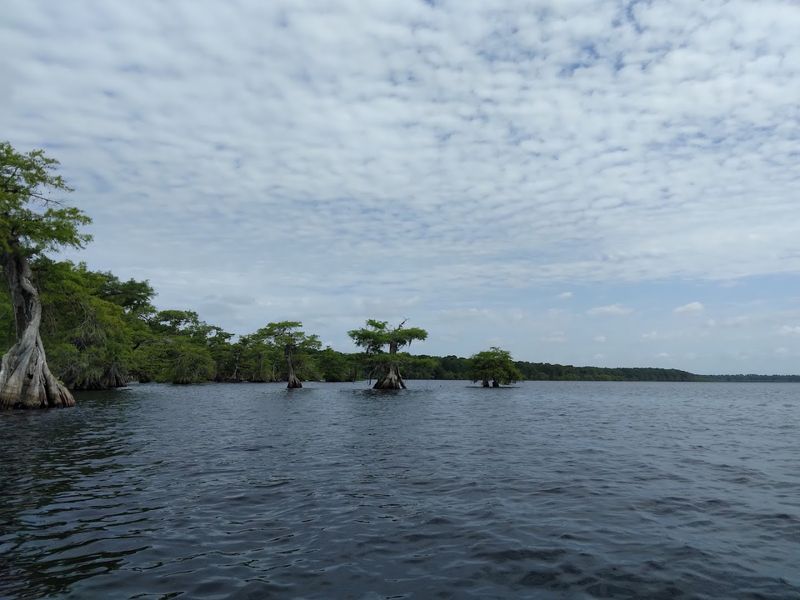
Three thousand, six hundred and sixty acres sounds like a number on paper until you actually stand inside this preserve and realize you cannot see where it ends. The land stretches in every direction, mixing open cattle-grazed fields, dense tree lines, and low-lying wetland zones that shift with the seasons.
Parts of the property were once used as a sand mine and borrow pit, which gives some sections a slightly different texture compared to untouched Florida wilderness. That history adds an interesting layer to the landscape rather than taking anything away from it.
The sheer size means you can visit multiple times and still find new sections to explore. Trails branch in different directions, and the terrain changes enough to keep each walk feeling like its own experience.
Big spaces like this are becoming harder to find in Central Florida, which makes this one worth every minute of the drive.
Hiking Through Open Fields and Shaded Tree Lines
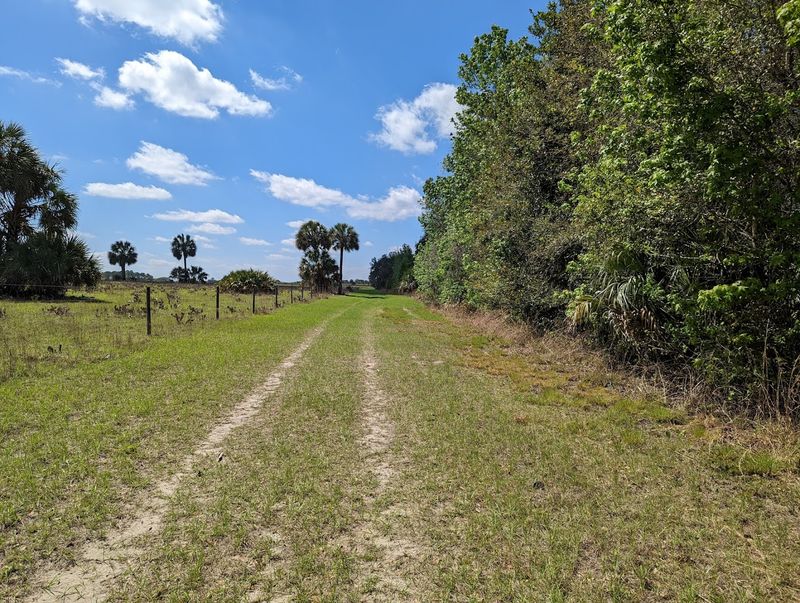
Most of the hiking trails here run along open fields or at the edge of the tree line, which means sun exposure is real on warmer days. Packing a hat, sunscreen, and plenty of water is not optional here, it is just smart planning before you set foot on the trail.
That said, the payoff is worth it. The trails are well maintained and clearly marked, making it easy to stay oriented without constantly checking a map.
Sections that dip into the more wooded areas offer shade and a noticeably cooler feel, almost like the trees are doing you a personal favor.
Wildlife shows up without much warning along these paths. A family of wild turkeys can appear just a few hundred feet from the trailhead, and deer are spotted regularly throughout the preserve.
Every turn feels like the landscape is about to show you something worth stopping for.
Blackwater Creek: A Paddler’s Quiet Paradise
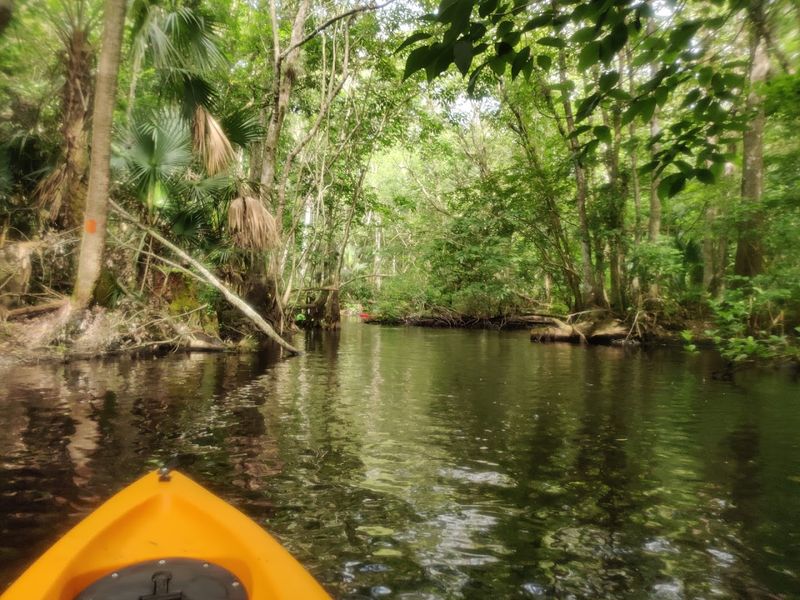
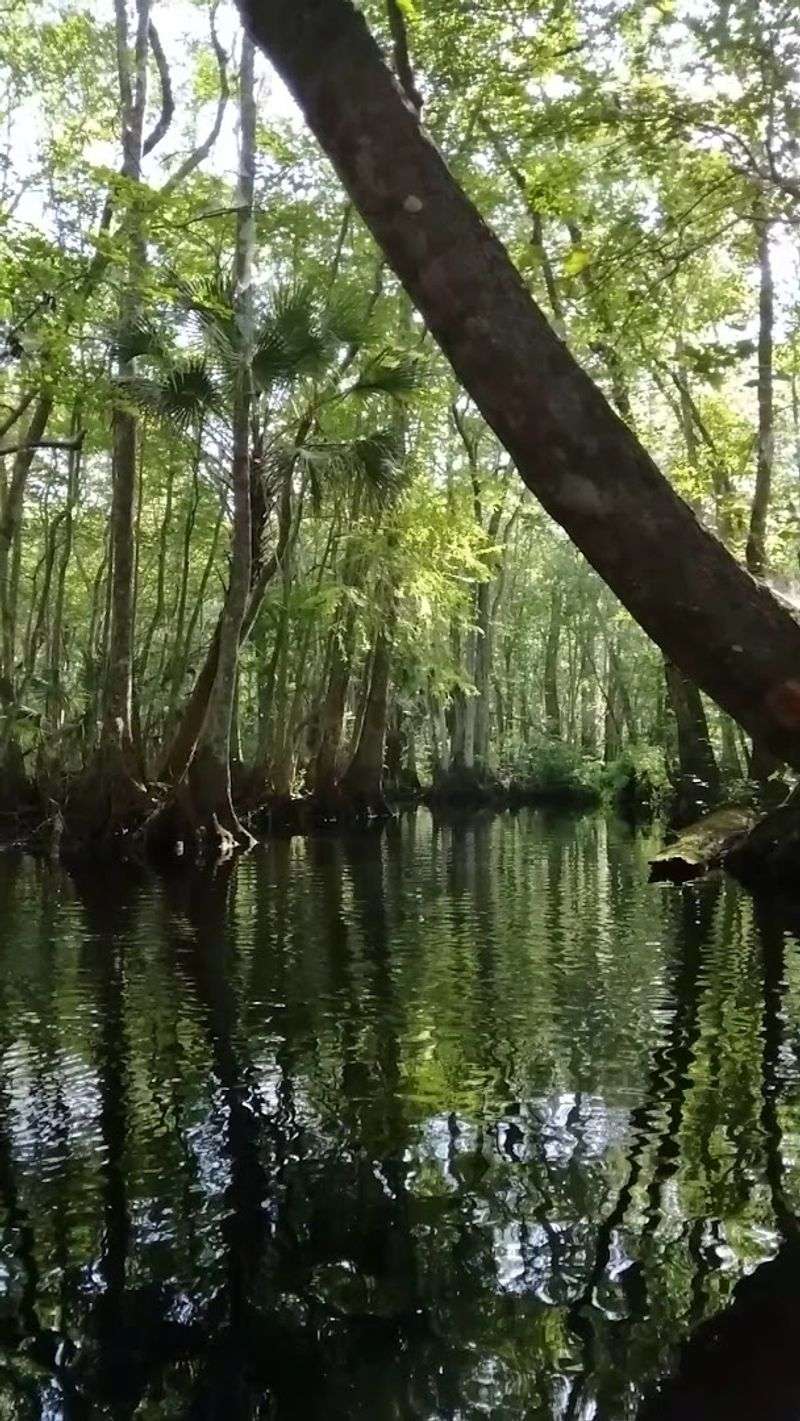
Blackwater Creek is the kind of waterway that earns its name. The water runs dark with natural tannins from the surrounding vegetation, and the creek winds through a narrow, shaded channel that feels completely removed from the outside world.
The paddle from the launch area to Lake Norris covers roughly one mile, taking about thirty minutes at a relaxed pace. The creek is narrow enough in spots to require some maneuvering, and skill level matters when water levels are low.
Mid-moderate paddling experience makes the trip much more enjoyable.
The launch area can be muddy, so waterproof footwear or a pair of boots is a genuinely useful addition to your gear list. Some paddlers have used plastic bags over their shoes in a pinch, which works surprisingly well.
Once you push off and the trees close in around you, the effort to get there disappears completely.
Lake Norris Itself: Cypress Trees and Calm Water
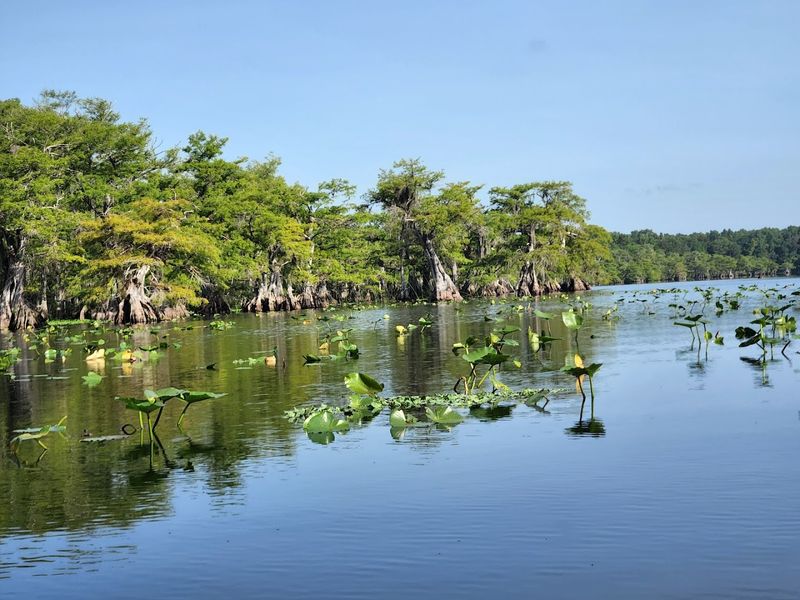
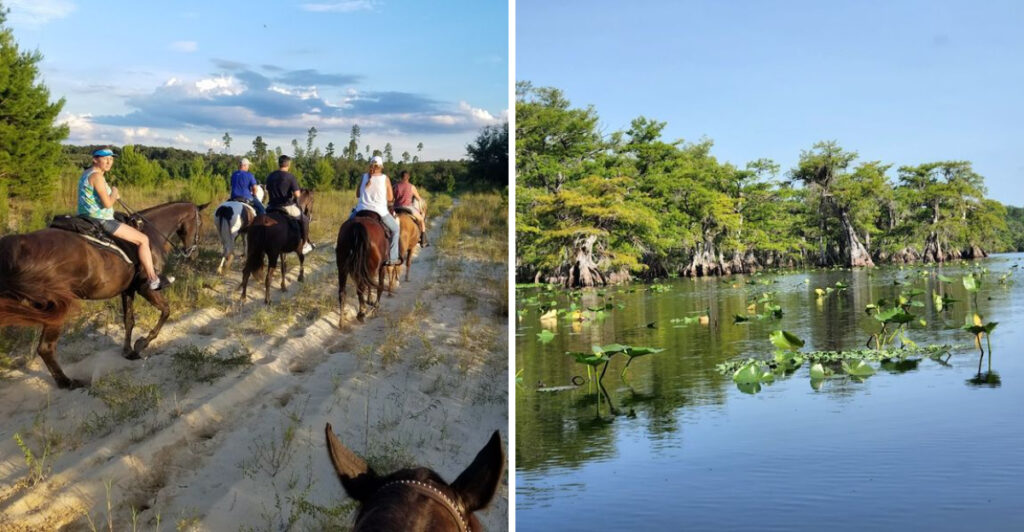
After paddling through Blackwater Creek, the water opens up into Lake Norris, and the change in scenery is immediate. The lake sits calm and quiet, often as smooth as glass on still mornings, with dwarf cypress trees forming a natural border around much of the shoreline.
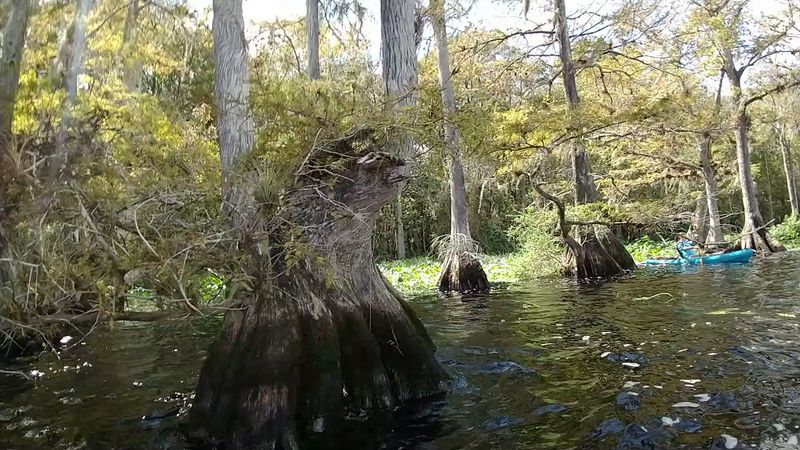
Those cypress trees are the real draw. They grow in twisted, sculptural shapes, and paddling through them feels like weaving through a living maze.
The patterns they create above and below the waterline make for some genuinely striking photography, even with a phone camera.
Unlike paddling on large open lakes where wind and sun can wear you down quickly, Lake Norris stays sheltered enough to feel manageable and peaceful. Wildlife concentrates here too, with birds, turtles, and the occasional alligator making appearances along the edges.
The lake rewards slow, quiet movement, so resist the urge to rush and just take it all in.
Wildlife Encounters You Will Not Forget
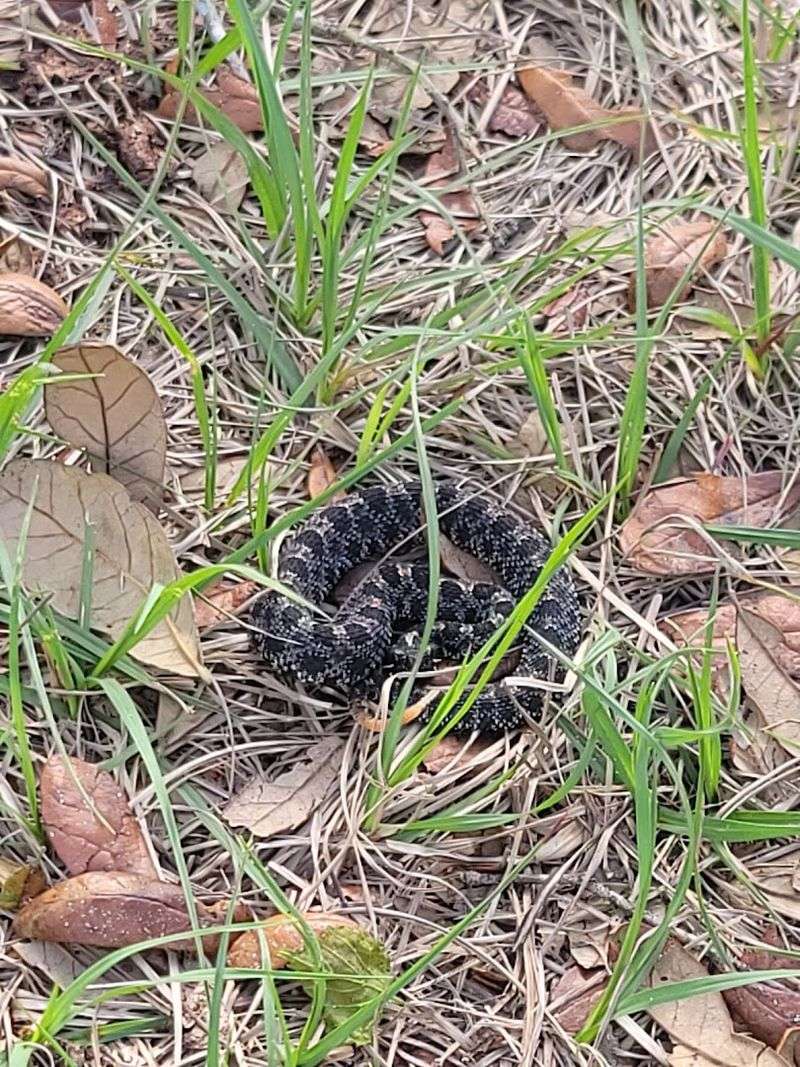
The wildlife at this preserve is not shy. Deer wander across open fields in plain view, wild turkeys patrol the trails with surprising confidence, and wading birds stand motionless in the shallows as if posing for photographs.
The preserve is also home to black bears, bobcats, and Florida panthers, though those sightings are rarer and depend heavily on the time of day and season. Alligators show up near the water, and ducks cruise the creek and lake with easy regularity.
Fishermen who venture into the back sections report solid catches as well.
Fireflies add something completely unexpected to the experience around April, lighting up the trail edges at twilight in a way that feels almost theatrical. Frogs fill the air with sound as the light fades, creating a natural soundtrack that no speaker system could replicate.
This place does not disappoint when it comes to wildlife.
Horseback Riding Trails Worth Every Hoof Step
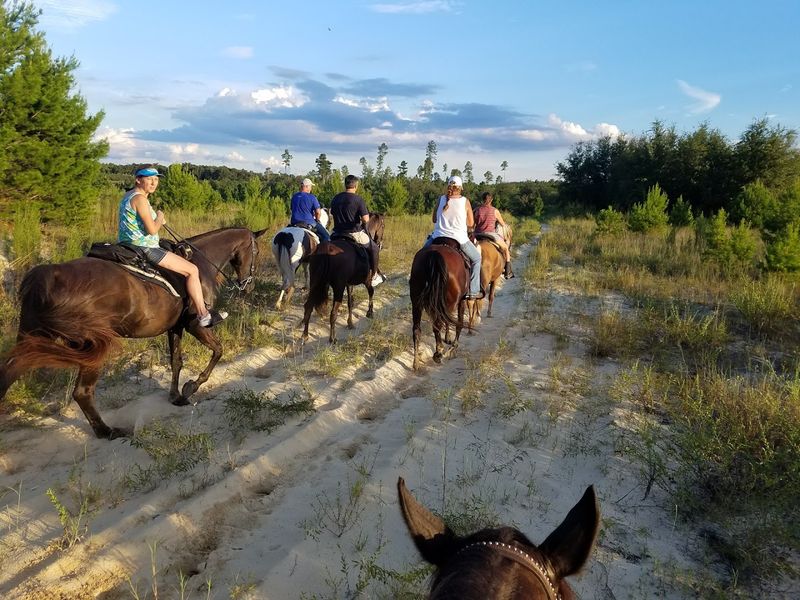
Not many nature preserves in Central Florida offer horseback riding, which makes this one stand out in a meaningful way. The horse trails here are well maintained, clearly labeled, and designed with equestrians in mind, offering good footing across varied terrain.
The variety of plants and wildlife visible from horseback adds a different dimension to the experience compared to hiking on foot. Riders have spotted deer, gators, and ducks from the saddle, which makes the trails feel more like an expedition than a simple recreational loop.
The trails run through open fields and along tree lines, giving horses and riders a mix of sun and shade depending on the route chosen. Whether you bring your own horse or connect with local equestrian groups who frequent the area, the preserve welcomes riders warmly.
The trails here have earned a strong reputation among Florida equestrians, and it is easy to understand why after just one ride.
Primitive Camping Under a Wild Florida Sky
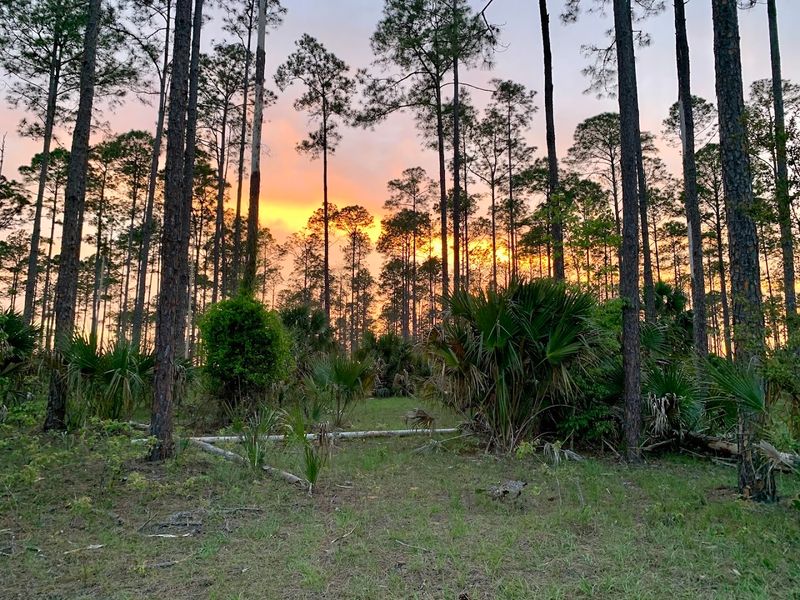
Camping at this preserve is as stripped-down and genuine as outdoor experiences get. There is a single primitive campsite available, and it is accessible only by hiking in, which keeps the experience exclusive to those willing to put in the effort.
Reservations are required for the campsite, and the same applies to the canoes that can be borrowed for paddling. Planning ahead is essential here, but the reward is a campsite that feels genuinely private and far removed from anything resembling a crowded campground.
Spending a night here means falling asleep to frog calls, waking up to birdsong, and having the trails to yourself in the early morning hours before other visitors arrive. That kind of solitude is increasingly hard to find in Florida, and this preserve protects it carefully.
If you have ever wanted to camp in a place that feels truly wild, this is the spot to put on your reservation list.
The Best Time of Year to Visit
Florida’s seasons play a big role in how enjoyable an outdoor visit turns out, and this preserve is no exception. The cooler months from October through March offer the most pleasant hiking conditions, with lower humidity, manageable temperatures, and noticeably fewer insects on the trails.
Spring brings its own rewards, particularly around April when fireflies begin appearing at twilight along the trail edges. Watching them blink against the darkening tree line while frogs call from the water is one of those experiences that stays with you long after you drive home.
Summer visits are entirely possible but require more preparation and a willingness to start early before the heat peaks. The shade inside the wooded sections helps, and the kayaking route along Blackwater Creek stays cooler than the open trails thanks to the tree canopy overhead.
Every season here has something worth experiencing, though fall and early spring sit at the top of the list.
Photography Opportunities Around Every Corner
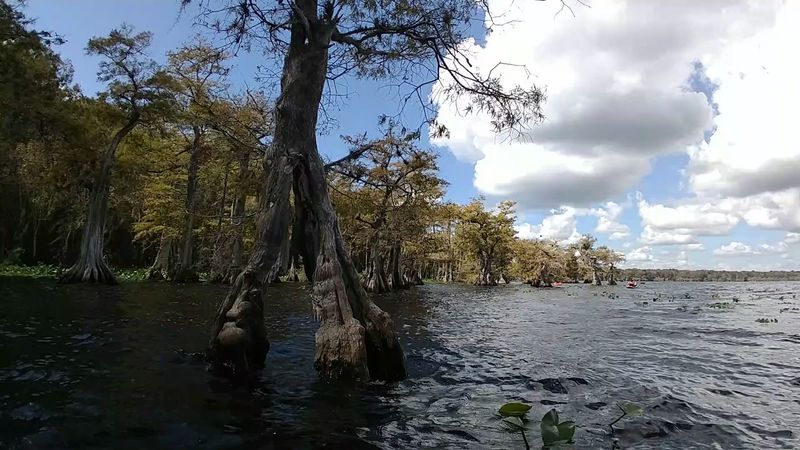
Few places in Central Florida pack this much photographic variety into a single visit. The twisted cypress trees reflecting off the lake surface, wild turkeys strutting across open trails, and wading birds frozen in perfect stillness near the water all make for compelling subjects without requiring any special equipment.
Early morning light is particularly flattering here, hitting the water and the tree canopy at angles that bring out textures and colors that midday sun simply flattens. Arriving right at the 7 AM opening gives photographers a window of soft, golden light that wildlife photographers specifically plan their schedules around.
The firefly activity in spring adds a completely different creative challenge for anyone interested in low-light or long-exposure photography. Even casual phone photographers tend to leave with a full camera roll after a single visit.
The preserve does not manufacture scenic moments, it just has so many of them that you almost cannot miss.
A Piece of Old Florida Still Intact
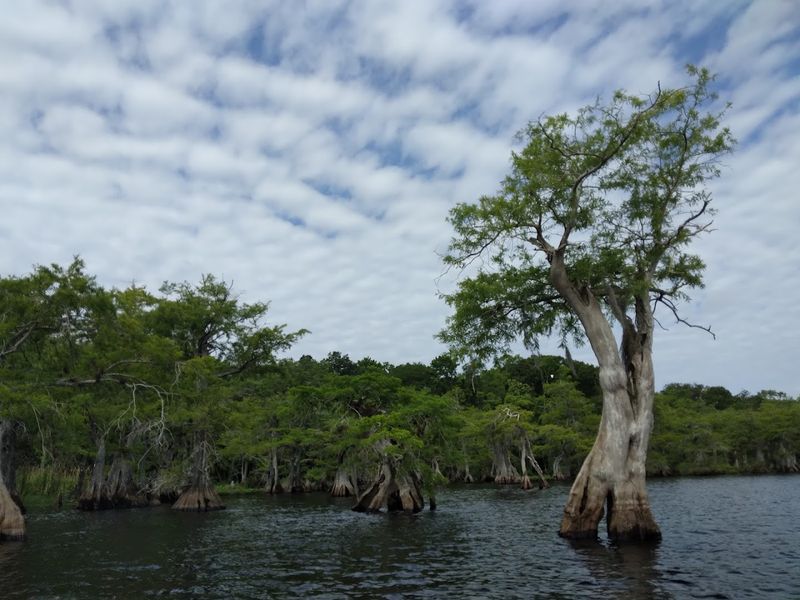
There is a quality to this preserve that is increasingly rare in a state that builds something new on every available patch of land. The landscape here looks and feels the way Florida did long before highways and shopping centers reshaped the coastline and interior.
The dark creek water, the dense native vegetation, the open cattle fields that still operate within the conservation boundaries, and the absence of any commercial development combine to create something that feels genuinely old and genuinely wild. That is not accidental, it is the result of active conservation efforts by Lake County to protect land that might otherwise have been developed.
Walking or paddling through this preserve gives you a concrete sense of what Florida’s natural environment actually looks like when it is left to do its own thing. That experience is harder to find every year, which is exactly why places like this deserve more attention and more visitors who care about protecting them.
Family-Friendly Features and Accessibility Notes
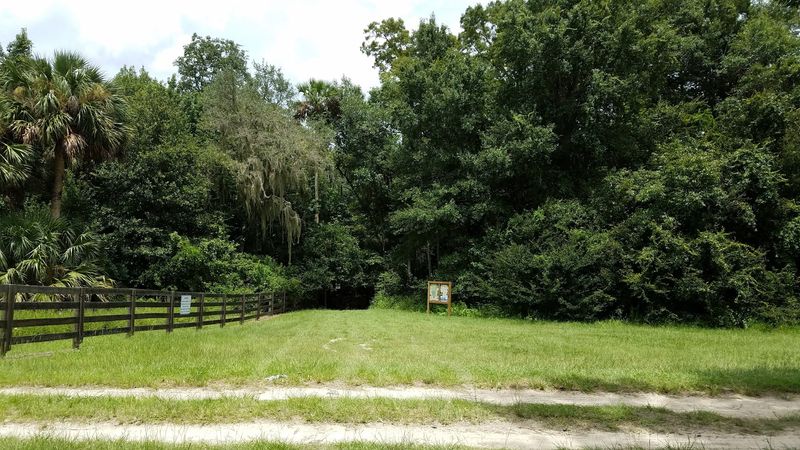
Families with kids who enjoy the outdoors will find plenty to keep everyone engaged here. The trail system is clearly marked and well maintained, making it manageable for older children and teenagers who are comfortable with a few miles of walking on uneven terrain.
Younger children might find the open field sections easier to handle than the more rugged creek launch area, which involves muddy ground and uneven footing near the water. Matching the activity to your group’s experience level makes the visit much more enjoyable for everyone involved.
Wildlife sightings happen frequently and close to the trailhead, which means even short visits can deliver memorable moments for curious kids. The preserve is not the kind of place that requires advanced outdoor skills to enjoy, but it does reward families who come prepared with water, snacks, sun protection, and a genuine appetite for seeing Florida in its most unfiltered form.
Why This Place Deserves a Spot on Your Florida Bucket List
Central Florida gets enormous attention for its theme parks and beach resorts, but this conservation area offers something those places simply cannot: the feeling that you are somewhere real, somewhere untouched, somewhere that does not need a ticket booth to justify its existence.
The combination of hiking, paddling, horseback riding, camping, and wildlife watching in a single location is genuinely unusual for a free public preserve. Lake County manages the area thoughtfully, keeping the trails in good shape and the access points functional without over-developing the natural character of the land.
A visit here does not require a big budget, a lot of gear, or a complicated itinerary. It just requires showing up, being willing to slow down, and letting the preserve do what it does naturally.
Florida still has wild places worth protecting, and this one sits near the top of that list for anyone paying attention.
Share this story