Getting from point A to point B shouldn’t feel like a puzzle, but in many parts of the world, it still does. The best public transport systems make daily commutes faster, cheaper, and far less stressful for millions of people.
Some countries have figured out exactly how to build networks that work smoothly, efficiently, and sustainably. These 20 nations have raised the bar so high that the rest of the world is still trying to catch up.
Japan
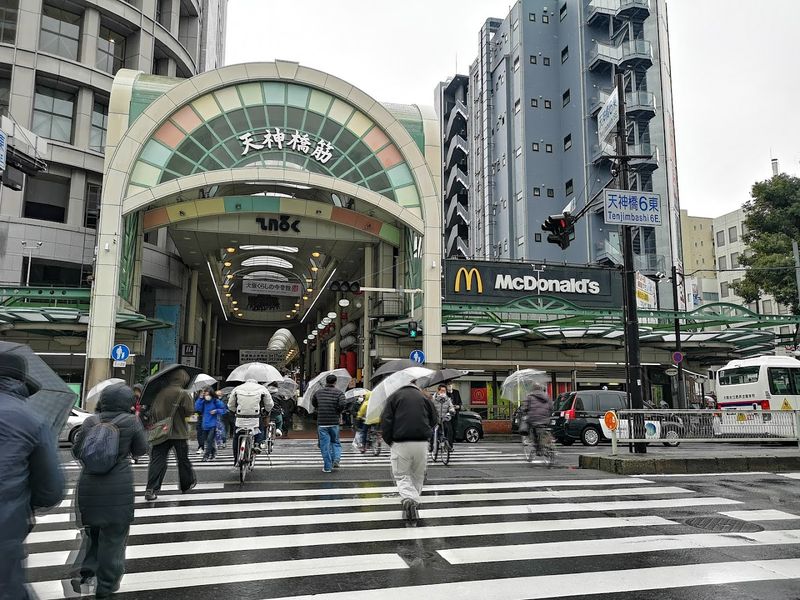
Few things on Earth run more precisely than a Japanese train. The Shinkansen bullet train network is so punctual that delays averaging over one minute make national news headlines.
That level of dedication to timeliness has made Japan’s rail system the gold standard worldwide.
Tokyo alone operates one of the densest urban rail networks on the planet, with multiple overlapping lines connecting every corner of the sprawling city. Osaka, Nagoya, and Kyoto are equally well-served by local trains, subways, and buses that coordinate seamlessly.
Even rural towns maintain clean, organized stations where trains still arrive on schedule.
Fares are reasonable considering the speed and comfort offered, and digital ticketing through IC cards like Suica makes hopping between systems effortless. Stations double as mini shopping centers, so waiting for a train is never boring.
Japan doesn’t just move people efficiently; it turns the entire journey into something worth experiencing.
Singapore
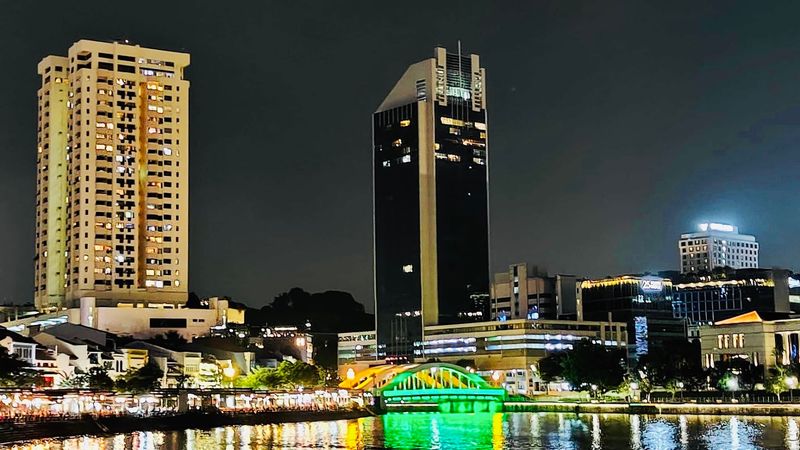
Singapore is a city-state that treats public transport like a national sport, and it plays to win. The Mass Rapid Transit system, better known as the MRT, connects neighborhoods, shopping districts, and business hubs with impressive frequency and zero tolerance for grime.
Stations are air-conditioned, well-lit, and genuinely pleasant to spend time in.
What makes Singapore’s approach truly clever is how it discourages private car ownership through high vehicle taxes and limited road permits. The result is that most residents happily rely on buses and trains instead.
Integrated ticketing through the EZ-Link card allows smooth transfers between different transport modes without fumbling for change.
Accessibility features are built into every station, making the system welcoming for elderly passengers and people with disabilities. Real-time arrival information is displayed clearly on platforms and through mobile apps.
Singapore proves that when a government prioritizes public transport over private vehicles, the entire city benefits enormously.
Switzerland
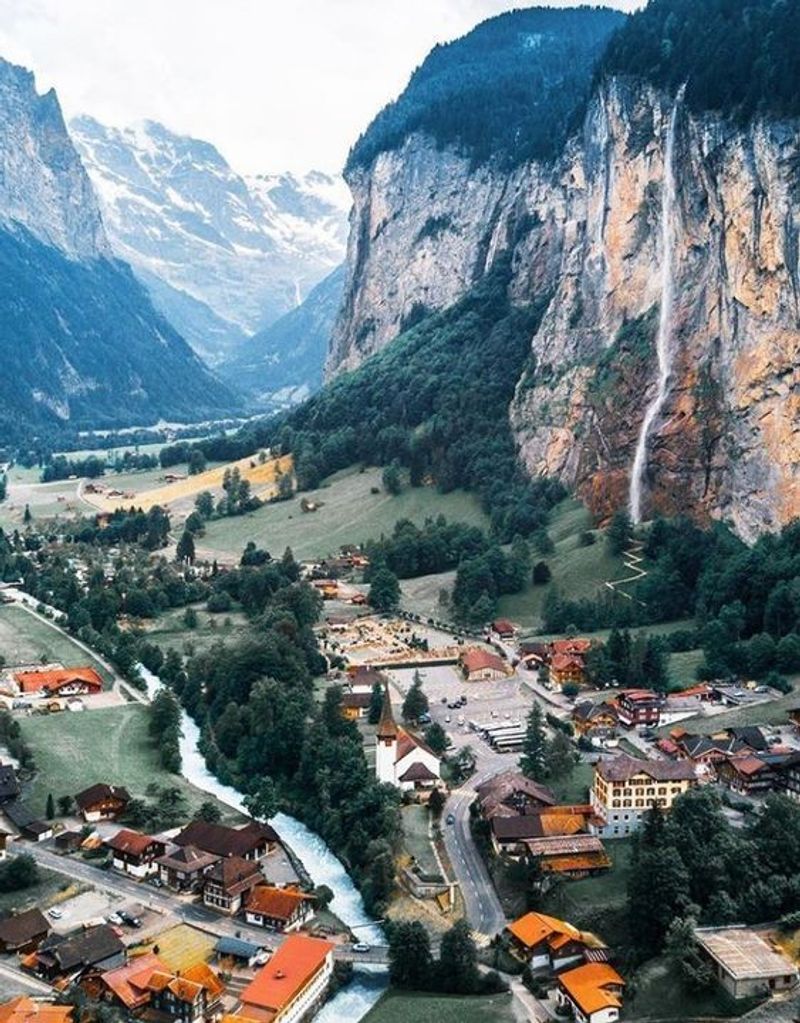
Switzerland treats its train timetable like a sacred document. The country’s integrated transport system coordinates trains, buses, trams, and even cable cars into a single synchronized schedule so tight that missing a connection is genuinely rare.
Travelers can cross the entire country and switch between multiple transport types without ever consulting a confusing second timetable.
Swiss Federal Railways, known as SBB, operates some of the most scenic rail routes in the world. The Glacier Express and Bernina Express are legendary among train enthusiasts globally.
But even ordinary commuter routes offer stunning views through alpine valleys, lakeshores, and medieval towns.
The Swiss Travel Pass gives visitors unlimited access to the entire national network, making exploration incredibly straightforward. Trains arrive and depart with clockwork regularity, a cultural expectation that Swiss passengers take seriously.
Cleanliness standards inside carriages are consistently high, and onboard wifi keeps modern travelers connected. Switzerland doesn’t just transport people; it offers a rolling window seat to some of Europe’s most breathtaking scenery.
Germany
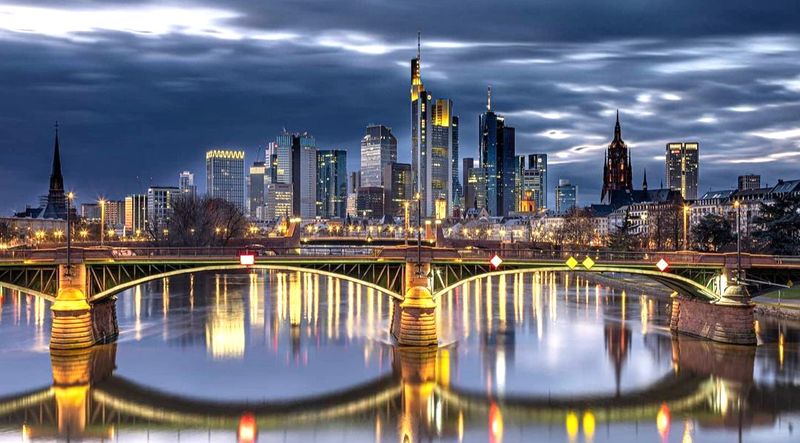
Germany’s public transport network is built for a nation that takes engineering seriously. The country’s regional and intercity rail services cover an enormous geographic area, connecting everything from major metropolitan hubs to smaller towns tucked into the countryside.
Deutsche Bahn operates the national rail backbone, while local authorities manage city-level metro, tram, and bus networks.
Berlin’s U-Bahn and S-Bahn systems are legendary for their coverage, running deep into the night and offering frequent service throughout the day. Munich’s transport network is famously well-organized, while Hamburg’s combination of metro and harbor ferries adds a nautical flair to everyday commuting.
German cities consistently rank among Europe’s most livable partly because getting around without a car is genuinely easy.
Germany introduced a heavily discounted national travel pass in recent years, allowing unlimited rail travel for a flat monthly fee. The experiment attracted enormous public interest and boosted ridership significantly.
Public transport is woven into daily German life in a way that feels completely natural, not like a backup plan when driving gets inconvenient.
France
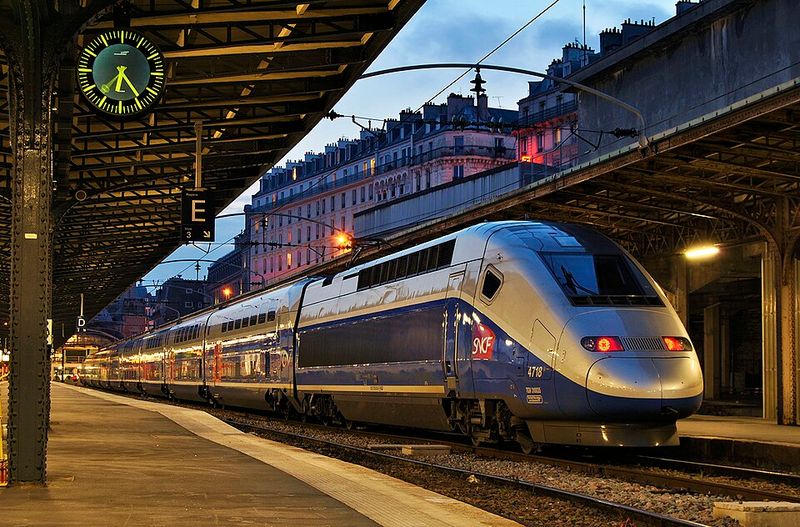
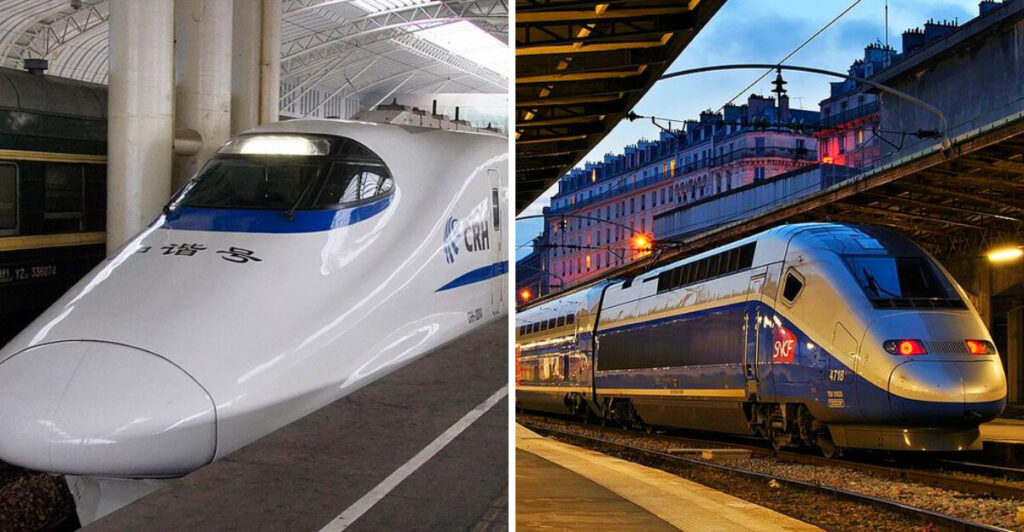
France has a transportation secret weapon, and it travels at over 300 kilometers per hour. The TGV high-speed rail network has been connecting French cities since 1981, and it remains one of the most impressive feats of rail engineering in European history.
Paris to Lyon in under two hours feels almost like cheating compared to driving.
Paris itself operates one of the world’s most extensive metro systems, with 16 lines weaving beneath the city in every direction. The RER suburban rail network extends coverage far beyond the city limits, reaching airports, Versailles, and distant suburbs with remarkable efficiency.
Above ground, buses and trams fill in any remaining gaps.
France has been steadily expanding its transport network with a focus on sustainability and reduced carbon emissions. New high-speed lines are under development, and electric bus fleets are growing rapidly in major cities.
The country also benefits from strong political support for public transit investment, which keeps infrastructure modern and well-maintained. France’s commitment to rail travel makes it one of Europe’s most connected nations.
South Korea
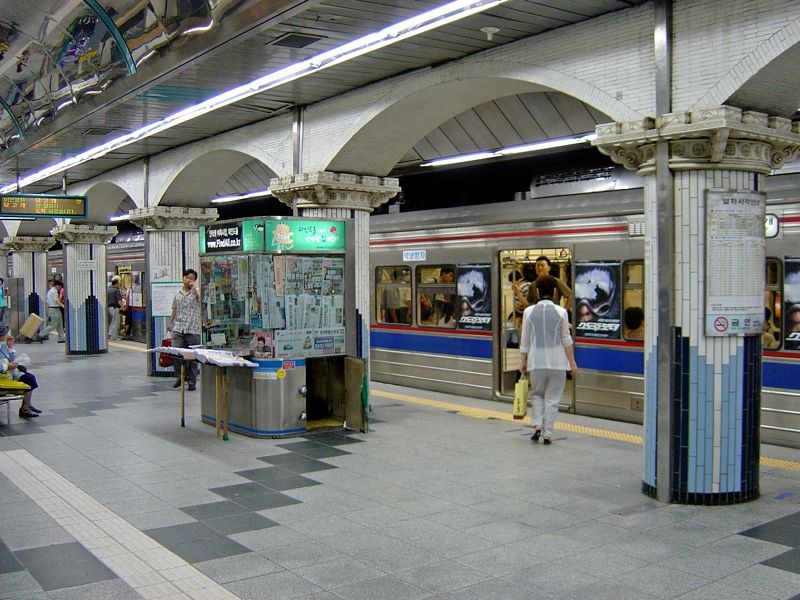
Seoul’s subway system is so good that first-time visitors often wonder why the rest of the world hasn’t copied it yet. With nine main lines and several additional express routes, the network covers virtually every corner of the South Korean capital.
Trains arrive every two to three minutes during peak hours, making waiting feel almost unnecessary.
Every station features heated platform benches, real-time information screens, and free high-speed wifi throughout the tunnels. Contactless payment through T-money cards works across subways, buses, and even some taxis, making transfers completely seamless.
The system is also designed with accessibility in mind, featuring elevators and tactile flooring throughout.
Beyond Seoul, the KTX high-speed rail service connects major cities like Busan, Daegu, and Gwangju at speeds that make domestic flights feel pointless. South Korea has also invested heavily in smart transport technology, integrating apps, real-time tracking, and digital ticketing into a cohesive passenger experience.
The country treats public transport as a genuine national priority, and the results speak loudly for themselves.
Sweden
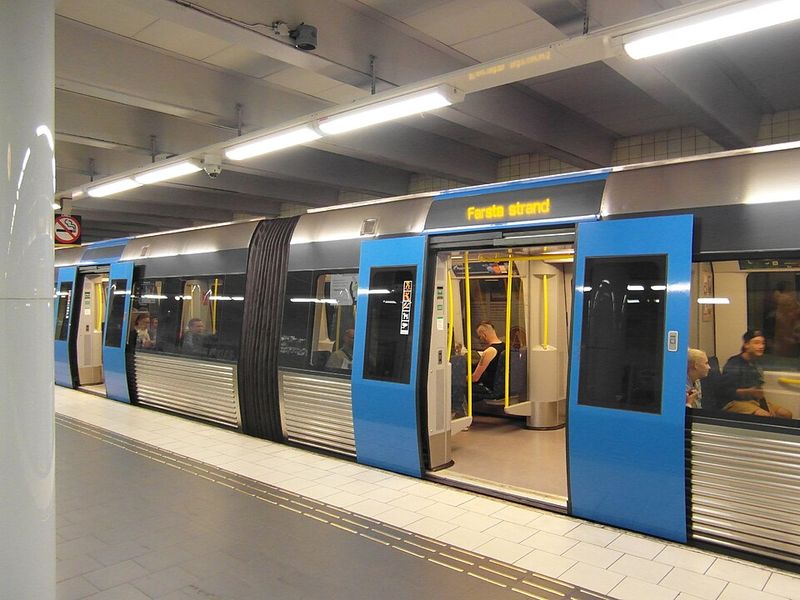
Stockholm’s public transport system manages to be both impressively efficient and genuinely environmentally friendly, which is harder to pull off than it sounds. The city’s metro, known locally as Tunnelbanan, is sometimes called the world’s longest art gallery because its stations feature murals, sculptures, and mosaics created by dozens of Swedish artists.
Commuting here is practically a cultural experience.
Sweden’s national rail network connects Stockholm with Gothenburg, Malmo, and other major cities through frequent intercity services. Regional trains and buses extend coverage into rural areas, ensuring that living outside a major city doesn’t mean being cut off from the broader transport system.
Electric and hybrid buses are increasingly replacing older diesel fleets across Swedish cities.
The Swedish government has set ambitious climate targets, and public transport sits at the center of the strategy for meeting them. Subsidized fares, expanded cycling infrastructure, and strong transit-oriented urban planning all work together to reduce car dependency.
Sweden shows that sustainability and convenience don’t have to compete with each other; a well-designed transport system can deliver both simultaneously.
Hong Kong
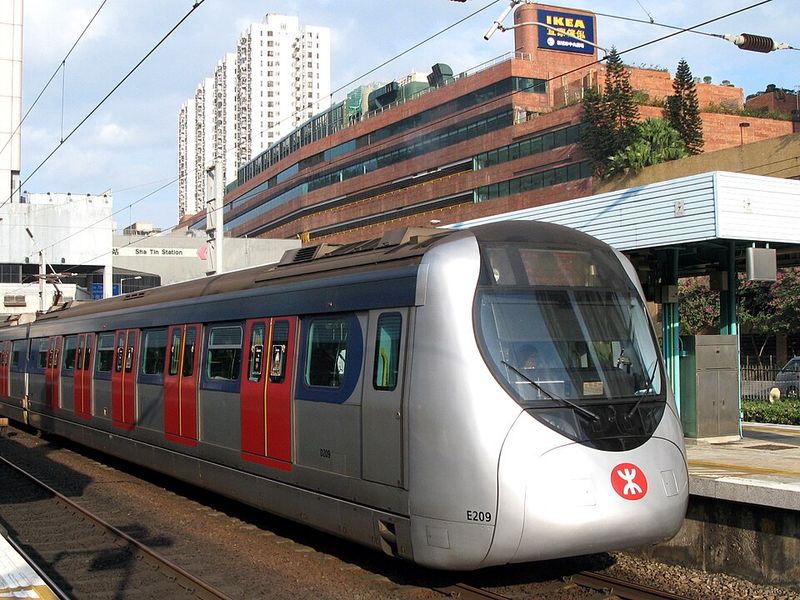
Hong Kong’s MTR is the kind of transport system that makes urban planners genuinely emotional. Trains run so frequently that passengers rarely wait longer than three minutes, even during off-peak hours.
The system covers a remarkably dense city with over 90 stations and multiple interconnected lines that reach both urban neighborhoods and outlying islands.
What sets Hong Kong apart is how the MTR Corporation actually turns a profit, which is almost unheard of among major rail operators worldwide. Revenue from property development above and around stations helps fund operations, keeping fares affordable without relying entirely on government subsidies.
It’s a financial model that transport experts from around the globe travel to study.
Beyond the MTR, Hong Kong offers trams, buses, minibuses, ferries, and the iconic Star Ferry crossing Victoria Harbour. The Octopus card integrates payment across nearly all these systems, making multimodal travel completely frictionless.
Public transport handles over 90 percent of daily journeys in Hong Kong, a figure that most cities can only dream about achieving someday.
Austria
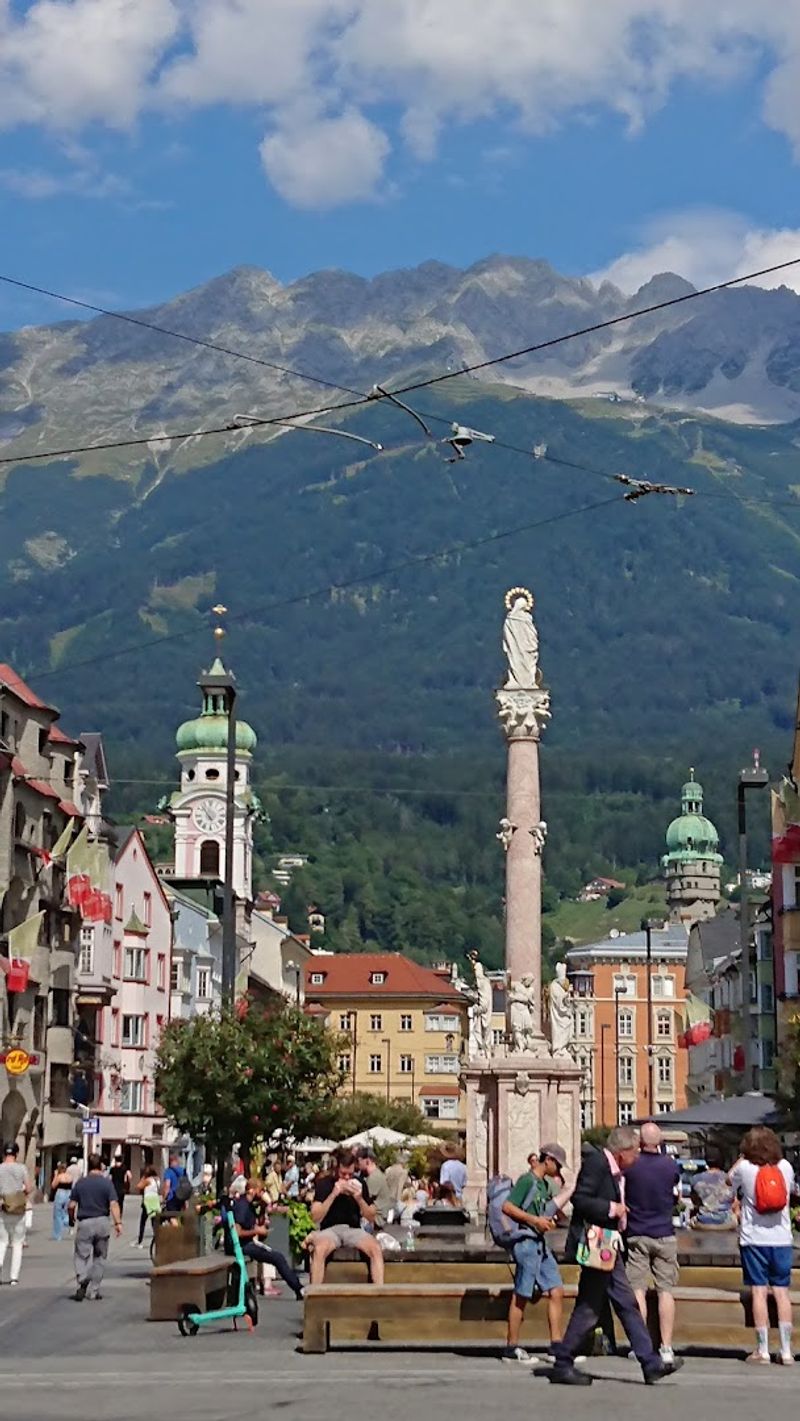
Vienna consistently ranks among Europe’s most livable cities, and its transport system deserves a significant share of the credit. The Wiener Linien network operates U-Bahn metro lines, trams, and buses across the Austrian capital with remarkable consistency.
Trams glide through streets lined with beautiful 19th-century architecture, creating a commute that feels more like sightseeing than a daily chore.
Austria’s national rail operator, OBB, connects Vienna with Salzburg, Innsbruck, Graz, and smaller towns through comfortable and punctual intercity services. Night trains have made a strong comeback under OBB’s Nightjet brand, offering sleeper carriages for overnight journeys across Europe.
It’s a genuinely stylish alternative to flying for medium-distance travel.
Vienna introduced a heavily subsidized annual public transport pass priced at just 365 euros, essentially one euro per day, which dramatically increased ridership among residents. The city has invested in expanding cycling lanes alongside transit routes, creating a multimodal network that encourages car-free living.
Austria’s approach combines intelligent pricing, strong infrastructure investment, and a genuine cultural embrace of public transit over private vehicle use.
Netherlands
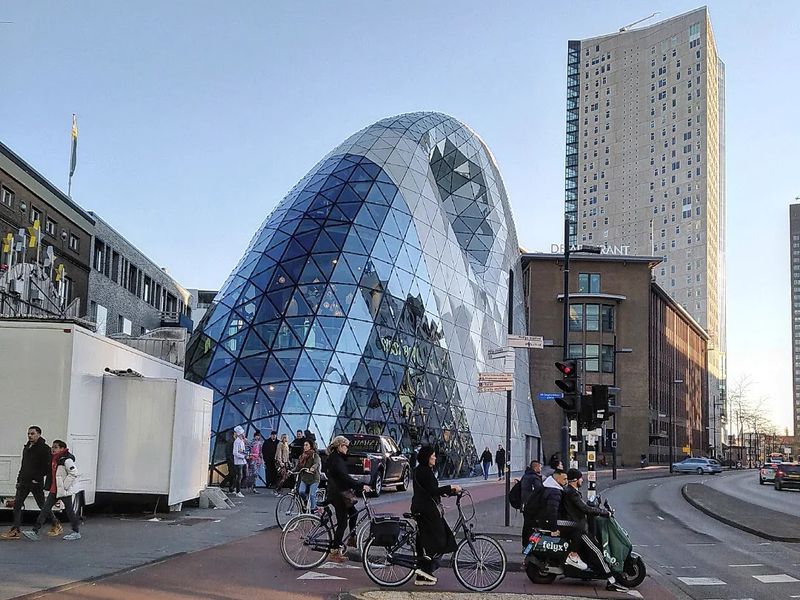
The Netherlands has built something genuinely rare: a transport culture where trains, buses, trams, and bicycles all feel equally valid and equally supported. Dutch cities are designed with transit and cycling at their core rather than bolted on as afterthoughts.
Amsterdam, Rotterdam, and Utrecht all operate dense urban networks that make owning a car feel unnecessary and somewhat inconvenient.
NS, the national rail operator, connects cities across the Netherlands with frequent intercity and intercity direct services. Trains are clean, reliable, and run consistently throughout the day and into the evening.
International connections to Belgium, Germany, and the UK via Eurostar make the Netherlands a well-positioned transit hub for northern Europe.
The OV-chipkaart is a single contactless card that works across trains, metro, trams, and buses nationwide, eliminating the friction of juggling multiple tickets. Dutch transport planners are also deeply committed to reducing emissions, with hydrogen-powered trains already operating on some routes.
The Netherlands proves that when cycling infrastructure and public transport are developed together, car dependency becomes genuinely optional rather than just theoretically avoidable.
Denmark
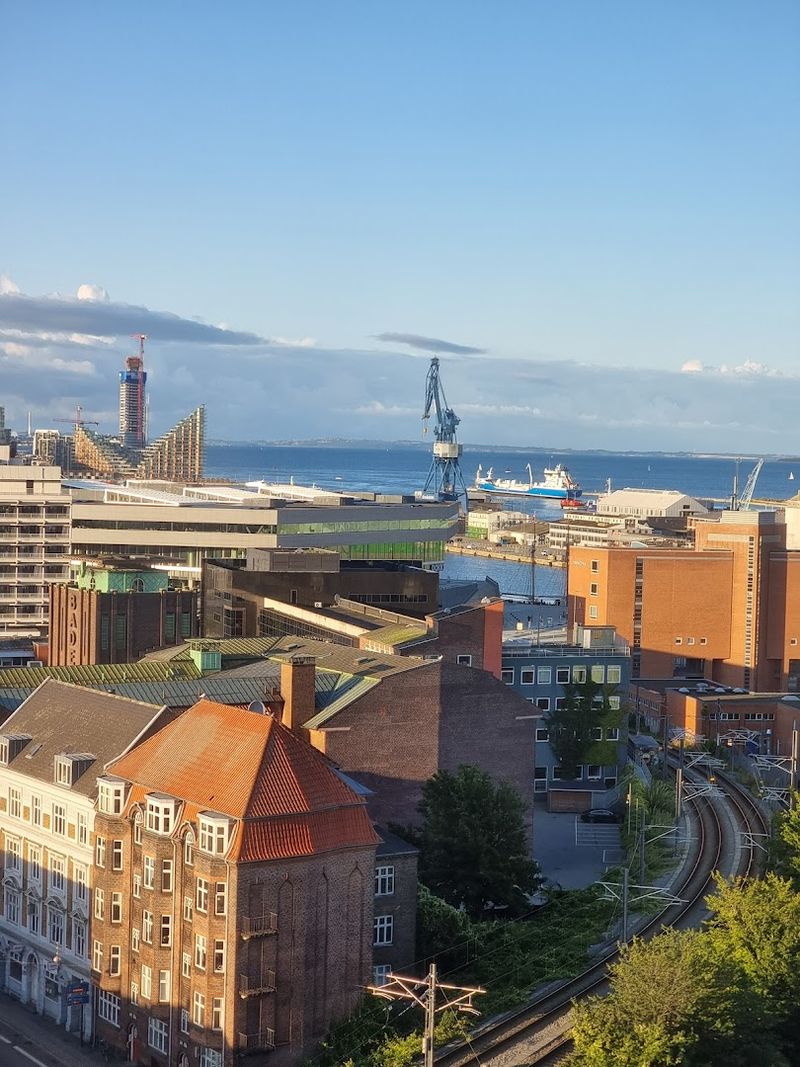
Copenhagen’s metro runs entirely without drivers, which still feels slightly futuristic even though the system has operated this way since 2002. Driverless trains run 24 hours a day, seven days a week, with frequency so high during busy periods that checking a timetable becomes pointless.
The system is clean, quiet, and impressively reliable for something with no human at the controls.
Denmark’s national rail network connects Copenhagen with Aarhus, Odense, and other cities through DSB services that integrate smoothly with regional buses and local transit. The Rejsekort contactless card works across virtually all Danish public transport, simplifying travel for both residents and visitors.
Digital apps provide real-time journey planning with accurate departure information.
Denmark has woven cycling so deeply into its transport culture that most train stations include secure bike parking for thousands of bicycles. Passengers frequently combine cycling with rail travel for flexible, car-free commutes.
Copenhagen has set a target of becoming carbon neutral, and expanding public transit while reducing private vehicle use is central to that plan. Denmark makes sustainable transport feel completely effortless.
China
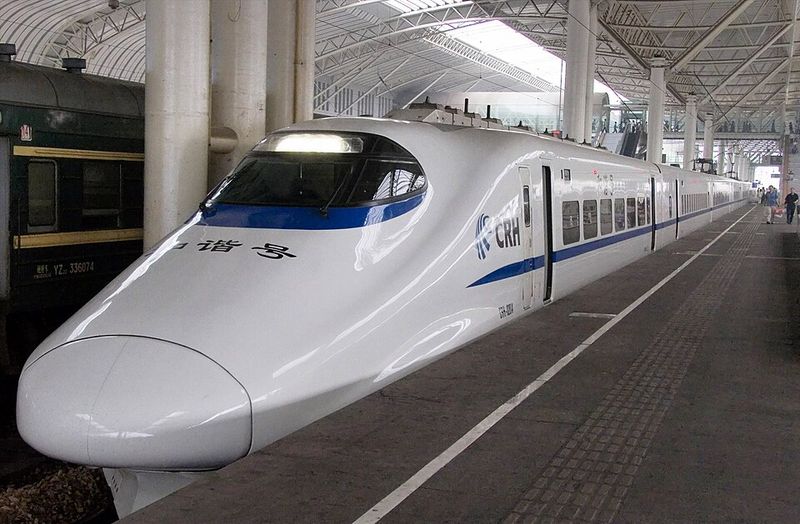
China has built the world’s largest high-speed rail network in what feels like record-breaking time. The country now operates over 40,000 kilometers of high-speed track, connecting cities from Beijing in the north to Guangzhou in the south at speeds exceeding 350 kilometers per hour.
What took European nations decades to develop, China accomplished in roughly 15 years.
Urban metro systems have expanded at a similarly breathtaking pace. Shanghai, Beijing, Shenzhen, and Chengdu all operate extensive subway networks that rank among the world’s busiest and most modern.
New metro lines open regularly in cities across the country, often completing construction faster than international observers expect possible.
China’s high-speed rail system has fundamentally changed how people think about domestic travel. Flights that once dominated routes between major cities now compete with trains that are faster door-to-door, more comfortable, and often cheaper.
Facial recognition boarding, mobile ticketing, and onboard dining services make the experience feel polished and contemporary. China’s transport ambitions show no signs of slowing down anytime soon.
Spain
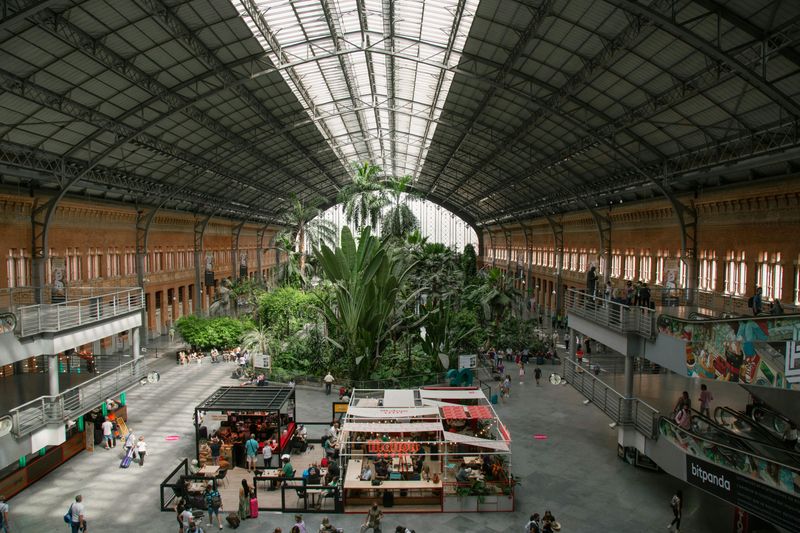
Madrid’s Atocha station houses a tropical garden inside its historic terminal, which tells you something about how Spain treats its rail infrastructure. The AVE high-speed network radiates outward from Madrid like spokes on a wheel, connecting Barcelona, Seville, Valencia, and other major cities at speeds that make long drives seem almost absurd.
Spain actually operates more high-speed rail kilometers than any other European country.
Barcelona and Madrid both maintain extensive metro networks that are affordable, frequent, and easy to navigate even without speaking Spanish. Integrated transport cards cover metro, bus, and commuter rail within urban areas, simplifying daily travel significantly.
Both cities also benefit from above-ground tram lines that serve neighborhoods the metro doesn’t reach.
Spain has invested heavily in expanding the AVE network to reach cities that previously lacked high-speed connections, including Burgos, Grenada, and Cadiz. Renfe, the national rail operator, also runs medium-distance regional services that keep smaller communities connected.
Spain’s combination of world-class high-speed infrastructure and strong urban transit makes it one of Europe’s most transport-forward nations.
Norway
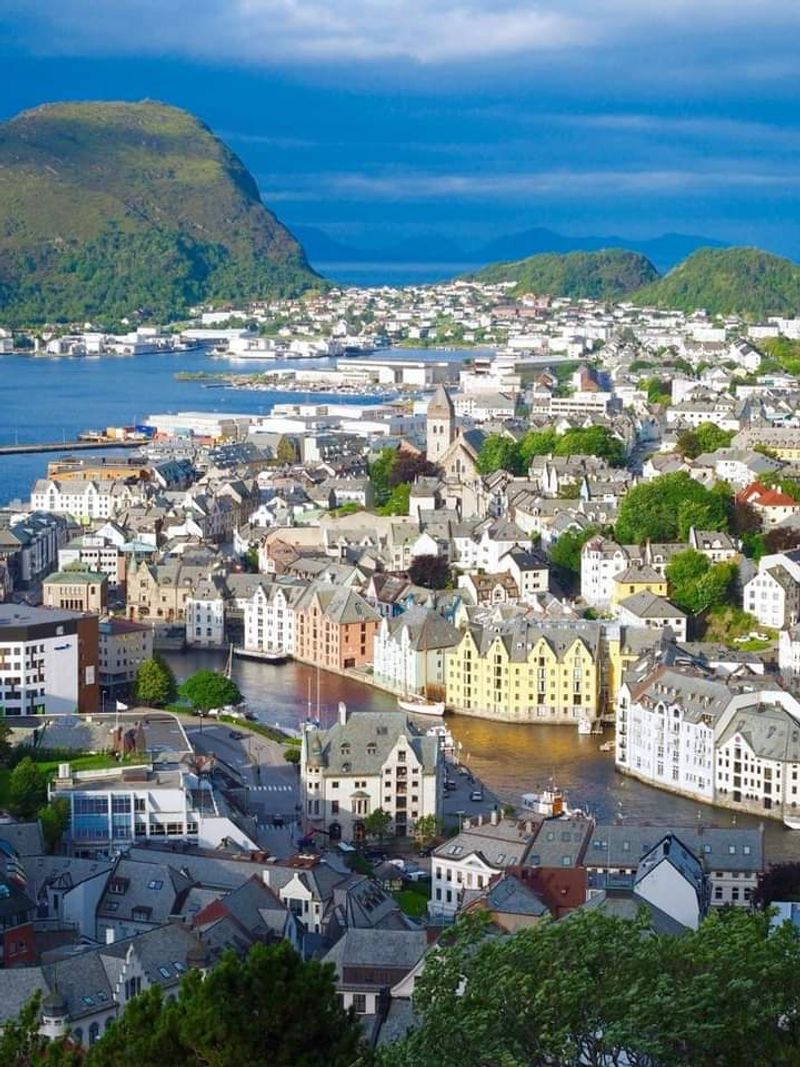
Norway faces geographic challenges that would make any transport planner sweat: deep fjords, steep mountains, long winters, and a population spread across a very large landmass. Despite all of that, the country has built a public transport system that functions impressively well, especially in urban areas.
Oslo’s integrated network of metro, tram, bus, and ferry services covers the city comprehensively and runs reliably through harsh Scandinavian winters.
The Ruter ticketing system unifies all of Oslo’s public transport under a single app and contactless payment system. Passengers can switch between an underground metro and a harbor ferry without buying a separate ticket, which makes multimodal journeys genuinely convenient.
Real-time tracking keeps waiting passengers informed at every step.
Norway has committed seriously to electric mobility, and its public transport fleet reflects that commitment. Electric buses are rapidly replacing diesel vehicles, and the country leads globally in electric vehicle adoption among private drivers too.
The Norwegian government subsidizes public transport heavily in rural areas to ensure that geographic isolation doesn’t become social isolation. Norway turns difficult conditions into a showcase for what determined investment can achieve.
Czech Republic
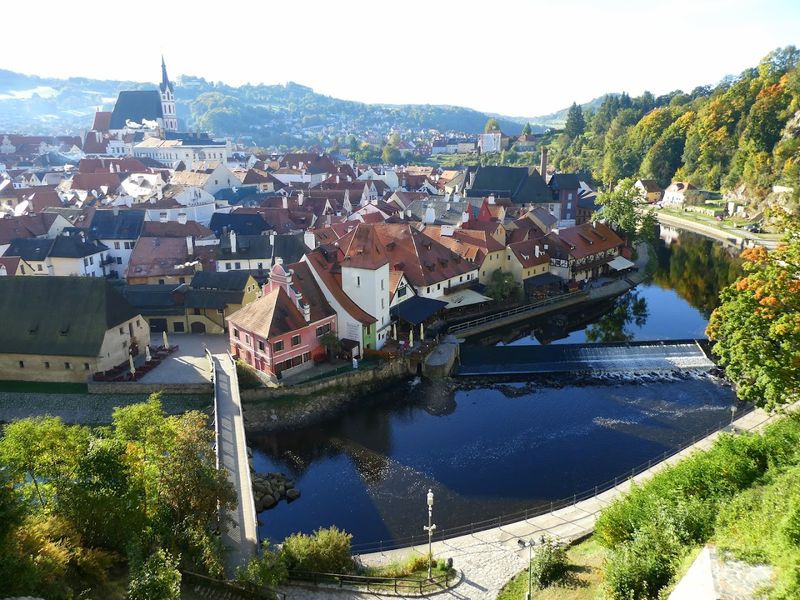
Prague’s trams are so woven into the city’s identity that imagining the Czech capital without them feels genuinely wrong. The tram network covers virtually every neighborhood, running through cobblestone streets past medieval churches and across the Vltava River.
Locals rely on trams for daily commutes the way other cities rely on subways, and the system handles that responsibility beautifully.
Prague’s metro complements the trams with three lines connecting the city center to outer districts quickly and efficiently. Buses extend coverage into areas the metro and trams don’t reach.
A single integrated ticket covers all three modes within Prague, making transfers smooth and uncomplicated. Night trams and buses keep the city moving around the clock.
Outside Prague, Czech regional rail connects cities like Brno, Ostrava, and Plzen through a national network operated by Czech Railways. Fares are among the most affordable in Europe, which helps explain why public transport usage rates in the Czech Republic remain consistently high.
Prague regularly earns recognition as one of Europe’s best cities for public transport, and the city’s residents seem to agree wholeheartedly.
Luxembourg
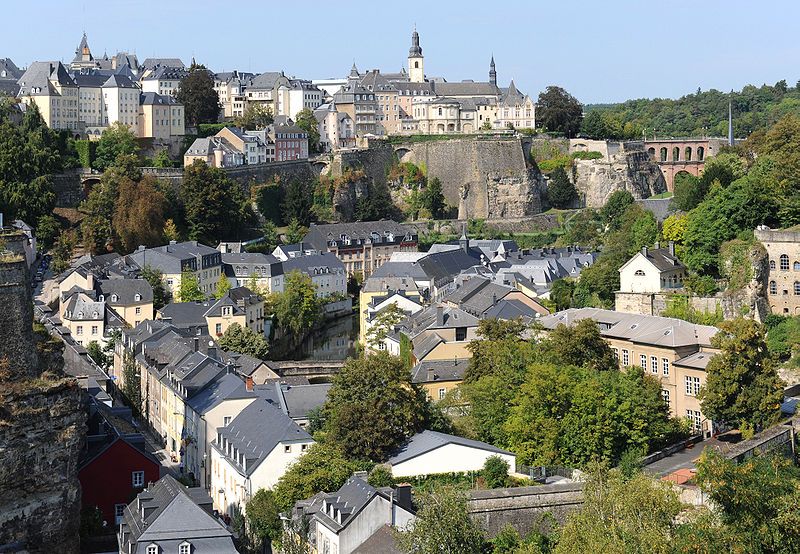
In 2020, Luxembourg made a decision that transport advocates worldwide had been dreaming about for years: it made all public transport completely free for everyone. No fares, no tickets, no payment apps required.
Buses, trams, and trains across the entire country became accessible to any passenger at zero cost, making Luxembourg the first nation on Earth to implement nationwide free transit.
The policy was driven partly by Luxembourg’s notorious traffic congestion, which had become a serious problem given the country’s small size and large cross-border workforce. Making public transport free was designed to tempt commuters out of their cars and onto buses and trains.
Early results showed meaningful ridership increases, particularly among lower-income residents who had previously found fares a barrier.
Luxembourg’s tram network in the capital is modern and expanding, with new lines under construction to improve coverage. The national rail system connects Luxembourg City with smaller towns efficiently.
International attention on Luxembourg’s free transport experiment has been enormous, with governments from New Zealand to Germany studying the model carefully. It turns out that removing the price barrier really does change how people think about public transit.
Finland
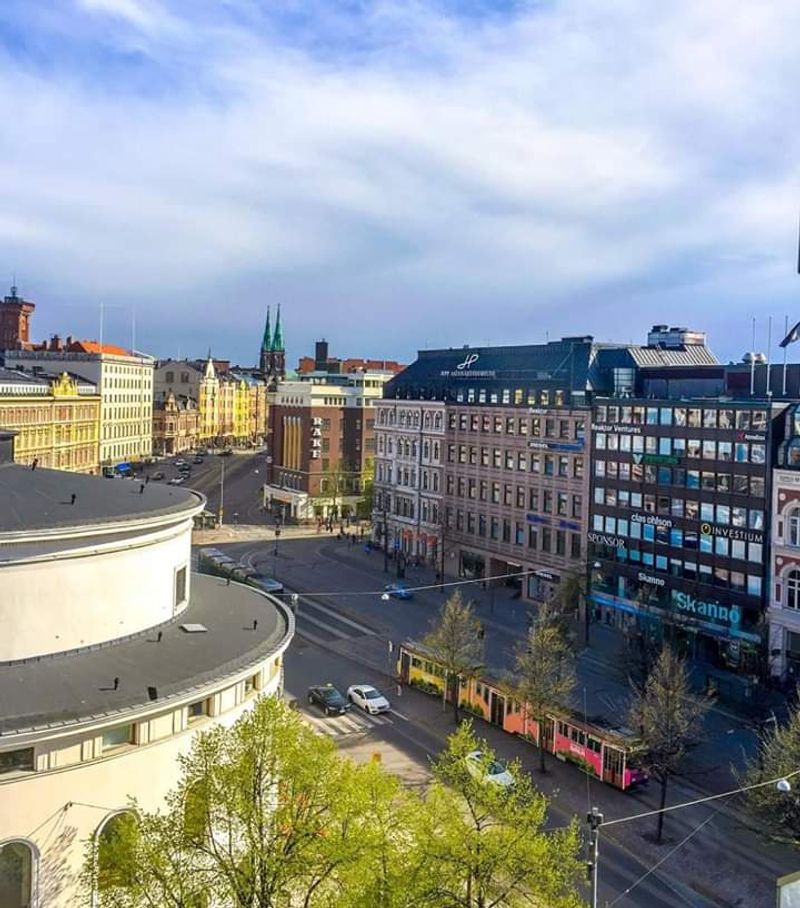
Helsinki does winter better than almost any city on Earth, and its public transport system is a big reason why. Even when temperatures plunge below minus 20 degrees Celsius, trams, metro trains, and buses keep running on schedule with minimal disruption.
Finnish engineering and operational discipline combine to create a transit system that refuses to let bad weather become an excuse for poor service.
The HSL network in Helsinki integrates trams, metro, buses, commuter rail, and even ferry services to the nearby islands under a single ticketing system. A mobile app handles journey planning, ticketing, and real-time arrival information in one place.
The system is designed to feel intuitive for new users, which is especially helpful for international visitors navigating an unfamiliar city.
Finland’s national rail operator VR connects Helsinki with Tampere, Turku, Oulu, and other cities through comfortable intercity trains. Some long-distance routes also offer sleeper carriages for overnight journeys to northern Finland.
Digital innovation is a Finnish strength, and that shows in how transport data is made openly available for developers to build apps and services around. Finland treats public transport as essential public infrastructure, full stop.
Taiwan
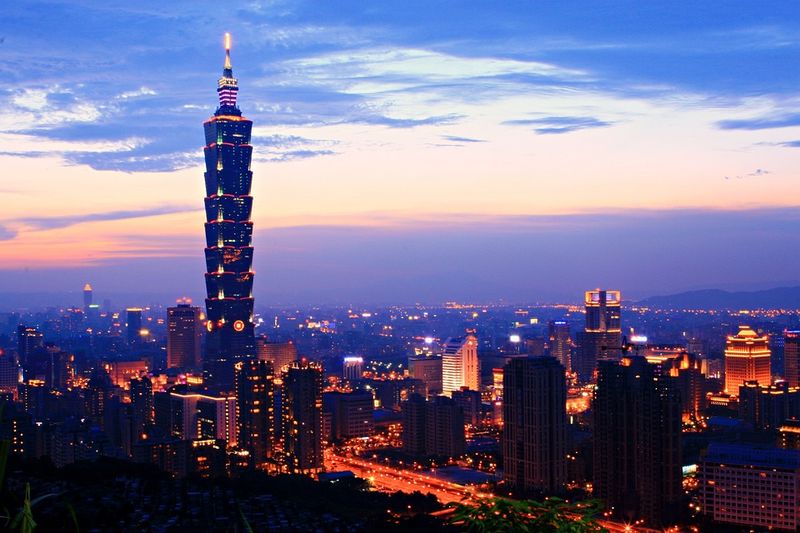
Taipei’s MRT is the kind of system that makes visitors immediately jealous on behalf of their home cities. Stations are spotlessly clean, trains arrive every three to five minutes, and the entire network is air-conditioned throughout including the platforms.
Eating and drinking are strictly prohibited onboard, and passengers actually follow the rule, which contributes to the system’s famously pristine condition.
The EasyCard contactless payment system works across Taipei’s MRT, city buses, Taiwan High Speed Rail, and even some convenience stores and taxis. It’s one of the most versatile transit payment cards anywhere in the world.
English signage appears throughout every station and onboard every train, making navigation genuinely easy for international visitors who don’t read Chinese characters.
Taiwan High Speed Rail connects Taipei with Kaohsiung at the southern tip of the island in about 90 minutes, a journey that once took over four hours by conventional rail. The western corridor of Taiwan is now effectively one connected urban region thanks to high-speed service.
Taiwan’s investment in modern transport infrastructure reflects a broader national commitment to quality public services that residents and visitors both benefit from equally.
United Kingdom
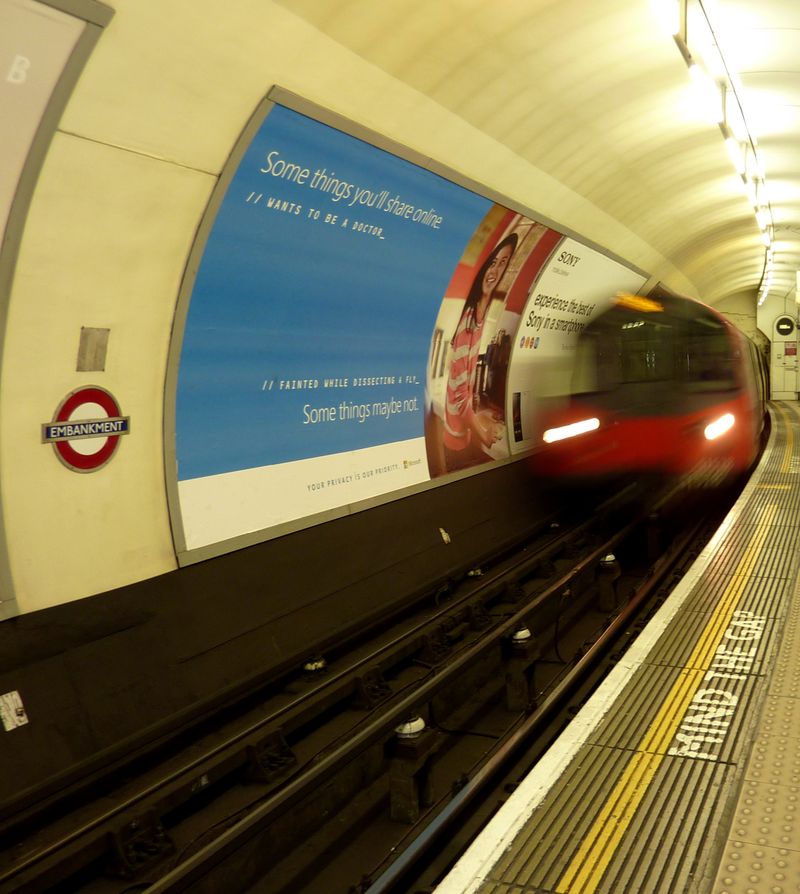
London’s Underground, affectionately called the Tube, has been moving passengers since 1863, making it the oldest metro system on the planet. That’s a fact worth sitting with for a moment.
While other cities were still figuring out urban planning, London was already running electric trains beneath its streets. The network has grown dramatically since then and now covers 11 lines and over 270 stations.
The Oyster card and contactless bank card payment system transformed London commuting by eliminating paper tickets for most journeys. Automatic fare capping ensures passengers never pay more than a daily maximum, regardless of how many trips they take.
The Elizabeth line, which opened in 2022, added a dramatic new east-west route that significantly reduced journey times across the capital.
Outside London, regional rail connects cities throughout England, Scotland, and Wales through a mix of private operators and publicly managed services. The ongoing HS2 high-speed project aims to cut travel times between London and northern England significantly.
Britain’s rail network has faced criticism over reliability and cost in recent years, but continued government investment signals a genuine commitment to improvement. The UK’s transport heritage remains one of its most recognizable national assets.
Canada
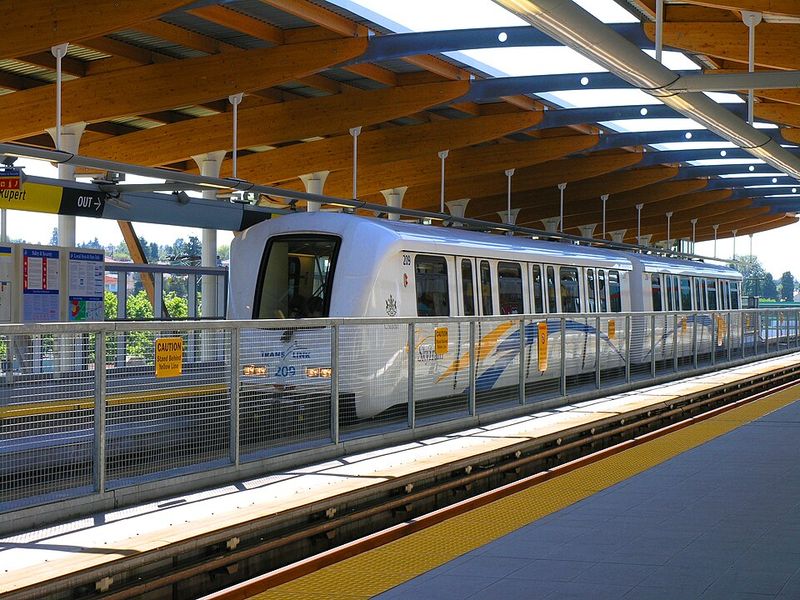
Vancouver’s SkyTrain glides above city streets on elevated tracks, offering passengers sweeping views of mountains, ocean, and urban skyline during what would otherwise be an ordinary commute. The system runs fully automated, covering three lines that connect downtown Vancouver with suburban cities like Burnaby, Surrey, and Richmond.
It’s one of the longest automated rapid transit systems in the world and a genuine source of local pride.
Toronto operates the oldest subway in Canada, dating back to 1954, along with an extensive streetcar network that remains one of North America’s largest. Montreal’s metro features uniquely designed rubber-tired trains that run quietly and smoothly through stations decorated by prominent Quebec artists.
Each city has developed its transit system with a distinct personality shaped by local geography and culture.
Canadian cities are actively expanding their rapid transit networks to address growing urban populations and reduce car dependency. New light rail lines are opening or under construction in Ottawa, Waterloo, Calgary, and Edmonton.
Transit agencies are also investing in electric buses and improved digital services. Canada’s public transport story is one of momentum, with cities building ambitiously toward networks that can genuinely compete on the world stage.
Share this story