Humidity can completely change how a destination feels. In some places, the air feels thick enough to wear, with tropical moisture lingering day and night.
These 20 destinations are famous for their intense humidity, where sweating starts within minutes and air conditioning becomes more necessity than luxury.
Singapore
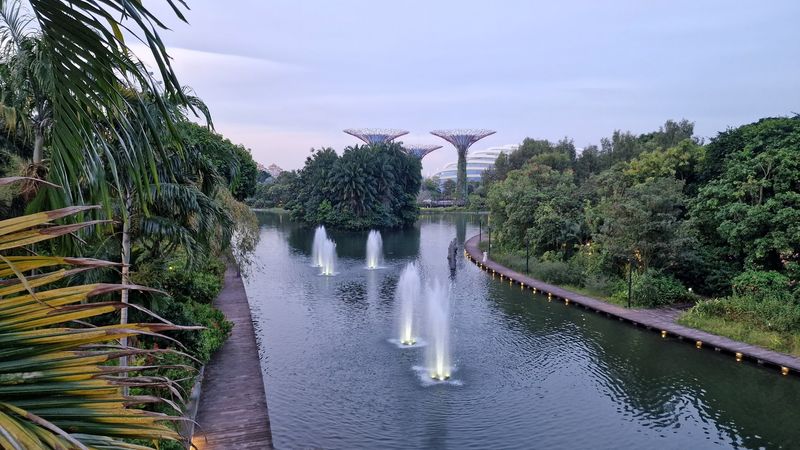
Step outside in Singapore and the air wraps around you like a warm, wet blanket within seconds. Located almost directly on the equator, this city-state runs on tropical conditions 365 days a year.
Average humidity regularly sits above 80%, and there is no real dry season to offer a break.
Sudden afternoon thunderstorms roll in fast, drench everything, and then vanish just as quickly. After the rain, the air often feels even thicker than before.
Urban heat from roads, buildings, and millions of people adds another layer of discomfort to an already steamy environment.
Locals have adapted with breezy clothing, shaded walkways, and near-constant air conditioning in every mall and building. Visitors quickly learn to carry a small towel and stay hydrated throughout the day.
Singapore may be polished and modern, but its humidity is as wild and relentless as any jungle in the region.
Jakarta, Indonesia
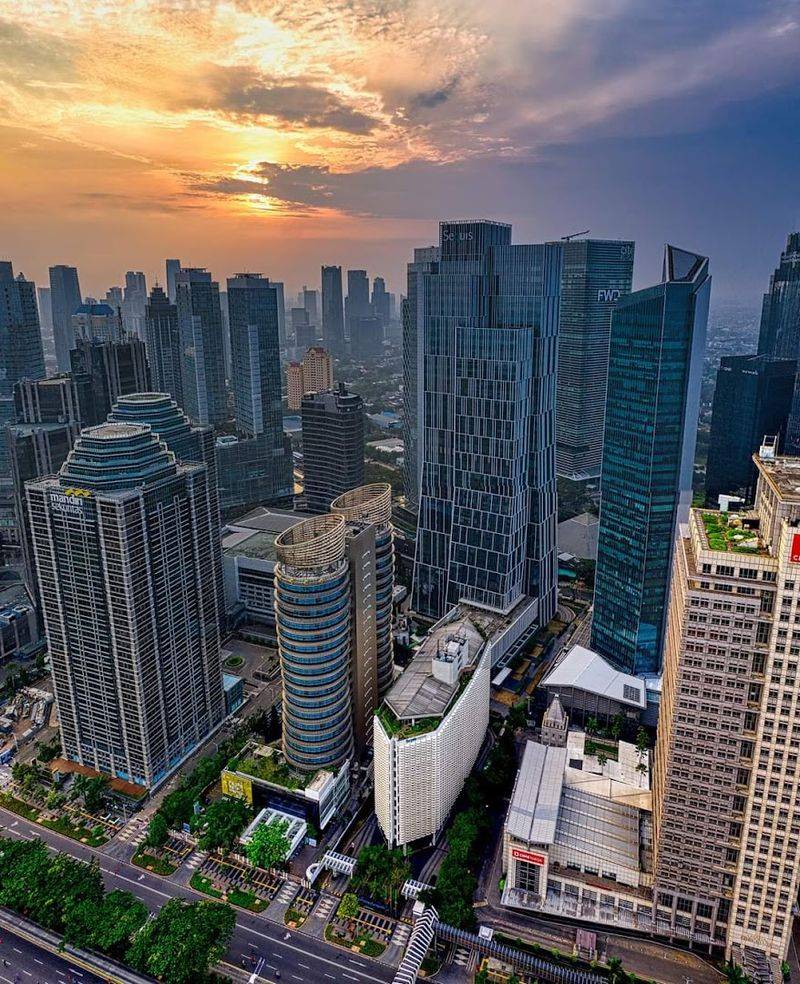
Jakarta hits you with a double punch of heat and moisture the moment you land. The Indonesian capital sits near the equator and hugs the coast, which means ocean air and urban heat mix into something truly exhausting.
Humidity regularly climbs above 75%, and during the rainy season, that number pushes even higher.
Heavy traffic jams trap warm exhaust between buildings, raising the “feels like” temperature well beyond what any weather app shows. Walking even short distances can leave you soaked through.
The city’s dense layout blocks any refreshing breeze that might otherwise offer some relief.
Locals manage by timing outdoor activities carefully, heading out early in the morning before the worst heat builds up. Street food vendors set up fans and shade covers to keep customers comfortable.
Jakarta is a city that never stops moving, even when the air seems too thick to breathe properly. Respect the humidity and plan accordingly.
Manila, Philippines
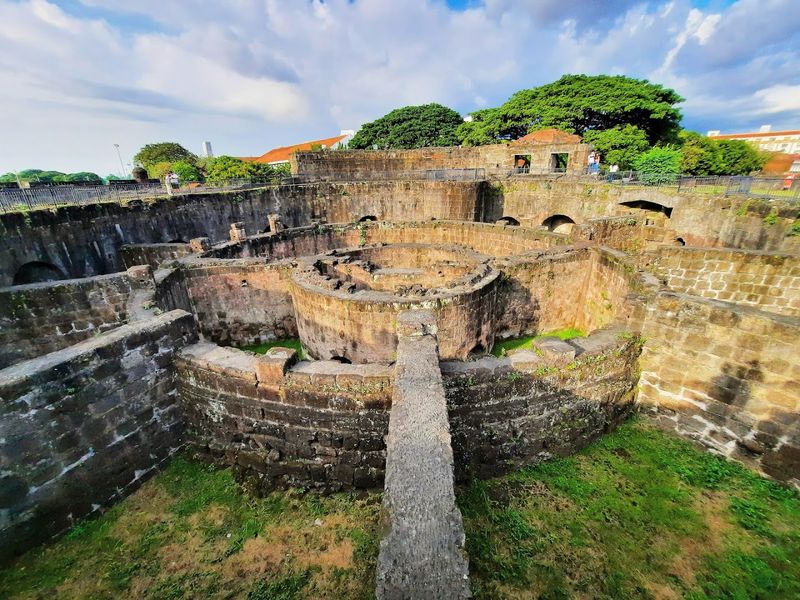
Manila does not ease you into its climate gradually. From the moment you step off the plane, the tropical air makes its presence known with warm, sticky force.
Humidity regularly exceeds 80%, and during the monsoon season, the city feels like it is permanently wrapped in warm steam.
Warm ocean air blowing in from the Pacific combines with intense urban heat radiating off concrete roads and buildings. Evenings offer little escape since temperatures stay high and moisture hangs in the air long after sunset.
Residents often sleep with fans running all night just to stay comfortable.
Monsoon rains bring some brief cooling but also flood streets and add even more moisture to the atmosphere. Locals wear lightweight fabrics and seek shade aggressively during peak afternoon hours.
Visitors should bring breathable clothing, sunscreen, and an honest appreciation for what tropical weather actually feels like. Manila rewards curiosity, but it demands respect for its relentless, sweat-inducing climate.
Bangkok, Thailand
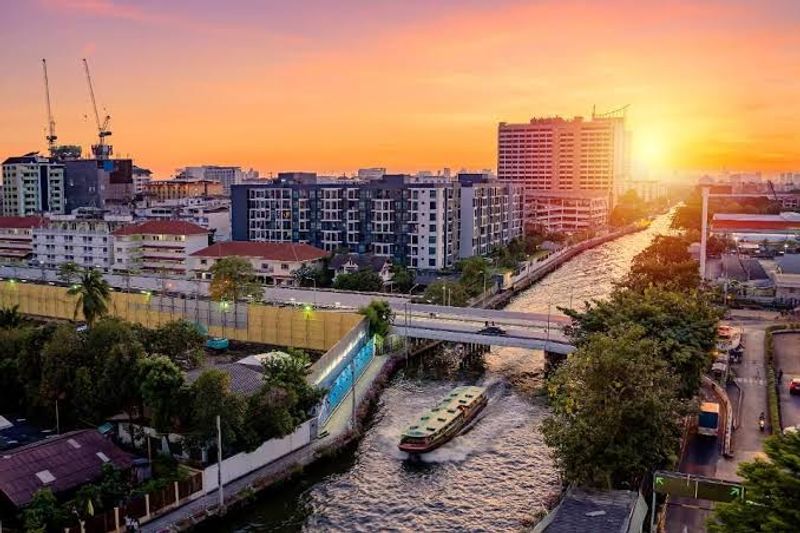
Bangkok earns its reputation as one of Asia’s sweatiest cities honestly and without apology. The Thai capital sits in a tropical zone where temperatures remain high year-round and moisture never fully leaves the air.
Canals running through the city add extra water vapor to an already saturated atmosphere.
Walking along busy streets during midday can feel physically draining within just a few minutes. The combination of high humidity, vehicle exhaust, and dense crowds creates conditions that push the “feels like” temperature far above the actual reading.
Many seasoned travelers schedule outdoor sightseeing only during early morning or late evening hours.
Bangkok’s famous street food scene actually helps visitors cool down, with vendors selling cold fruit, iced drinks, and refreshing snacks at every corner. Air-conditioned shopping malls have become popular refuges for both tourists and locals during the hottest parts of the day.
Bangkok rewards those who plan smart, stay cool, and embrace the city’s vibrant chaos despite the relentless, swampy heat hanging overhead.
Kuala Lumpur, Malaysia
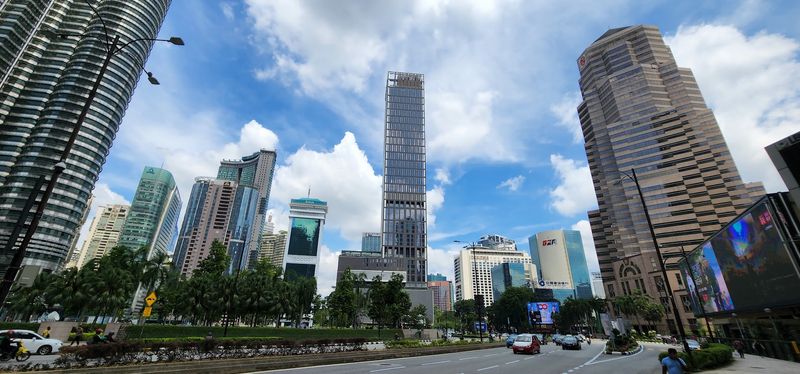
Kuala Lumpur sits near the equator and makes absolutely no effort to hide it. Humidity here ranges between 74% and 86% throughout the year, meaning there is no comfortable season to plan around.
Mornings start warm, afternoons get hotter, and the evenings cool down only slightly before the cycle repeats.
Afternoon thunderstorms are a daily ritual in KL, rolling in with dramatic dark clouds and heavy downpours that last anywhere from twenty minutes to a couple of hours. While they temporarily lower temperatures, they also pump extra moisture into the air once the sun returns.
The city ends up feeling wetter after the rain than before it started.
Locals have built an impressive network of underground walkways and elevated pedestrian bridges connecting malls and transit stations to help people move around without stepping into the heat. Visitors quickly adopt the same strategy.
Kuala Lumpur is a city of contrasts, where gleaming skyscrapers rise above streets thick with tropical air that reminds everyone exactly where they are on the planet.
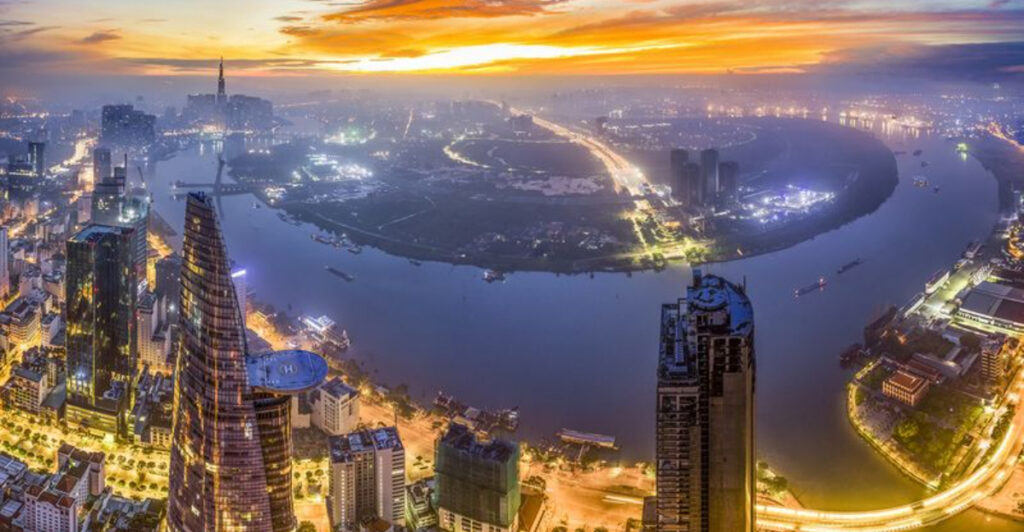
Ho Chi Minh City, Vietnam
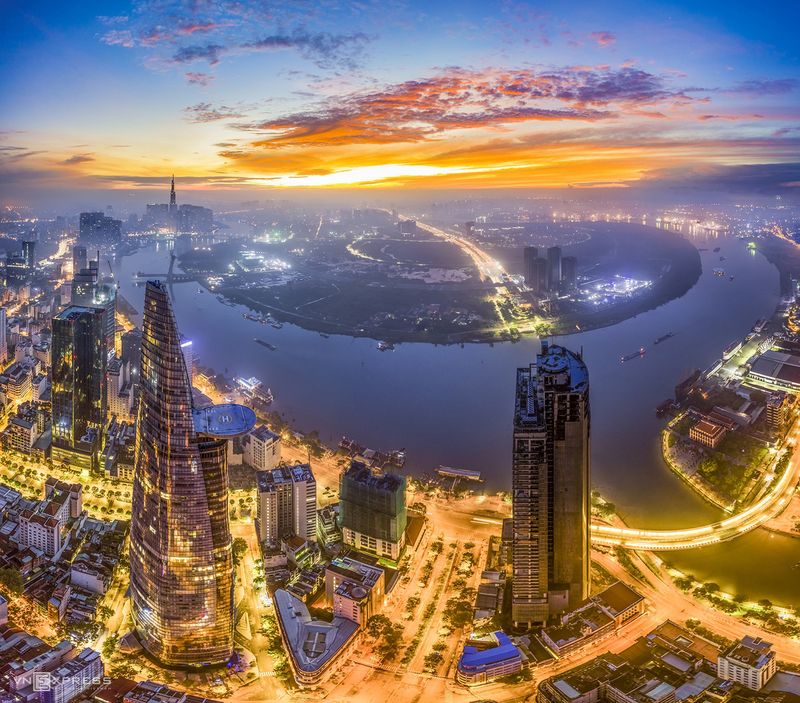
Ho Chi Minh City operates at full speed even when the air barely seems to move. Southern Vietnam’s tropical climate keeps temperatures warm and humidity high throughout the entire year, with the rainy season from May to November turning things especially sticky.
The air carries a dense, warm quality that takes newcomers completely by surprise.
Millions of motorbikes weaving through narrow streets add heat and exhaust to an already heavy atmosphere. Combined with the city’s rapid urban growth and limited green spaces in busy districts, outdoor conditions can feel significantly hotter than official weather readings suggest.
Even seasoned travelers often underestimate how draining a simple walk can become.
The city’s incredible food culture offers a welcome distraction from the heat. Cold Vietnamese iced coffee, fresh spring rolls, and chilled fruit juices are available at practically every street corner.
Ho Chi Minh City is loud, fast, and endlessly fascinating, but packing light, breathable clothing and keeping water close are absolute essentials for anyone planning to explore this sweaty, spectacular city on foot.
Cartagena, Colombia
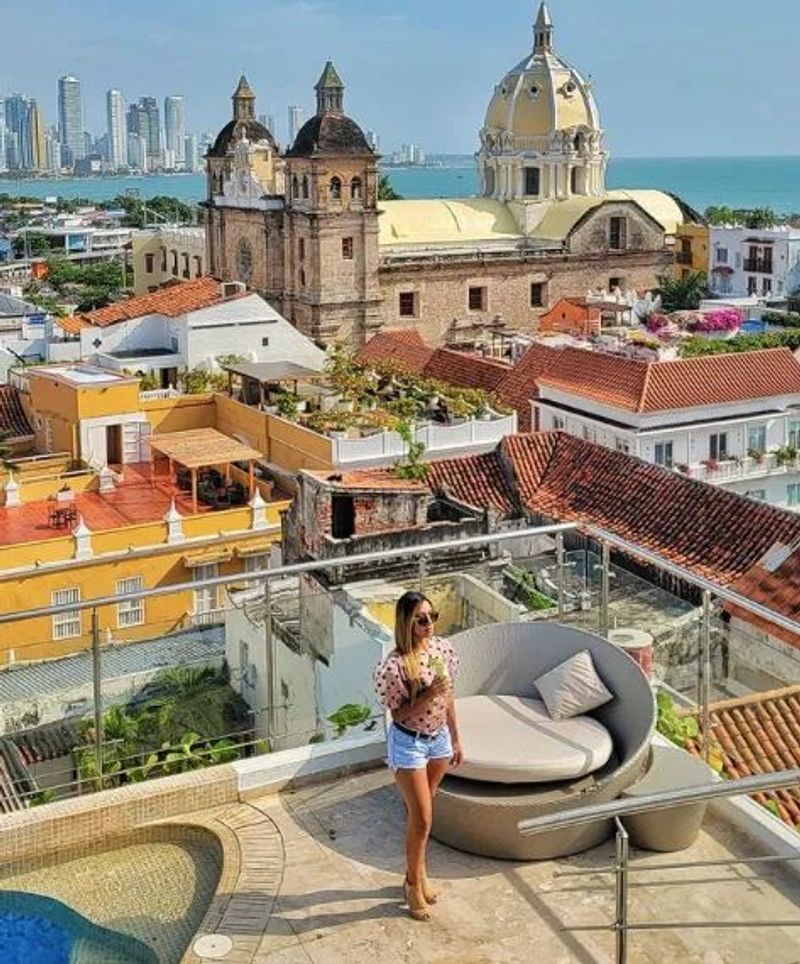
Cartagena is the kind of place where the beauty of colorful colonial architecture almost distracts you from the fact that you are absolutely melting. Sitting on Colombia’s Caribbean coast, this historic city deals with high temperatures and relentless humidity every single month of the year.
Sea air sweeps in from the ocean but does more to add moisture than to cool things down.
Clothing feels damp within minutes of stepping outside, and the sensation only intensifies as the day progresses toward its afternoon peak. The combination of sunshine, ocean moisture, and dense old-city streets with limited airflow creates genuinely uncomfortable conditions for visitors not accustomed to Caribbean heat.
Even seasoned tropical travelers take note of Cartagena’s particular brand of stickiness.
The walled city’s thick stone walls actually trap heat during the day and release it slowly at night, keeping temperatures elevated well past sunset. Cold drinks, shaded plazas, and occasional ocean breezes become the best friends of anyone exploring on foot.
Cartagena is absolutely worth every sweaty step, but arriving prepared makes the experience far more enjoyable.
Panama City, Panama
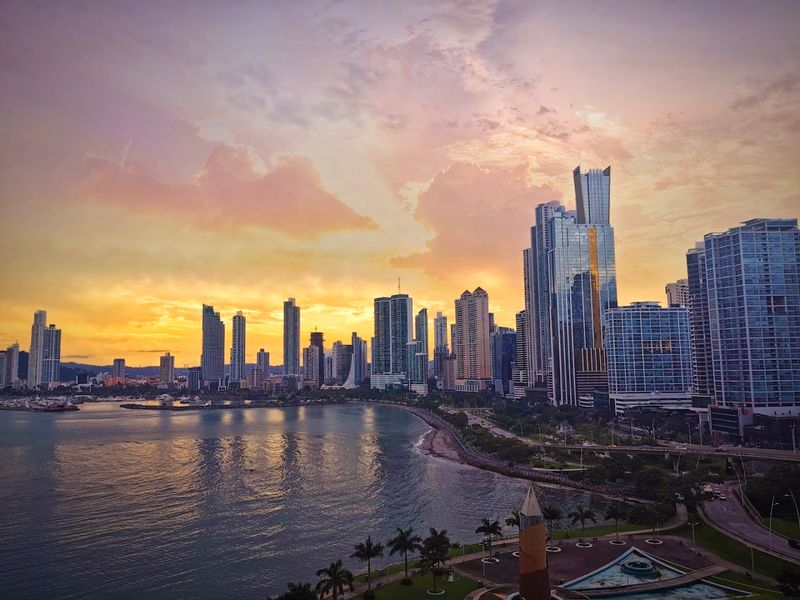
Panama City holds a unique position on the global humidity map, sitting at the crossroads of two oceans with rainforest stretching in every direction. The city’s coastal location and surrounding jungle climate push humidity to uncomfortable levels, especially during the rainy season running from May through November.
Even early mornings can feel thick and warm before the sun fully rises.
The contrast between the gleaming modern skyline and the raw tropical climate is striking. Skyscrapers rise above streets where the air feels almost solid with moisture.
Rainfall here is not a gentle drizzle but rather intense downpours that flood streets quickly and then clear just as fast, leaving behind air that feels even more saturated than before.
Panama City’s proximity to the famous Panama Canal adds an interesting historical layer to the story of its humidity. Workers building the canal over a century ago faced brutal conditions partly because of this relentless moisture.
Today, visitors explore a modern, air-conditioned city while the same thick tropical air that challenged engineers long ago still greets everyone who steps outside without a plan.
Miami, United States
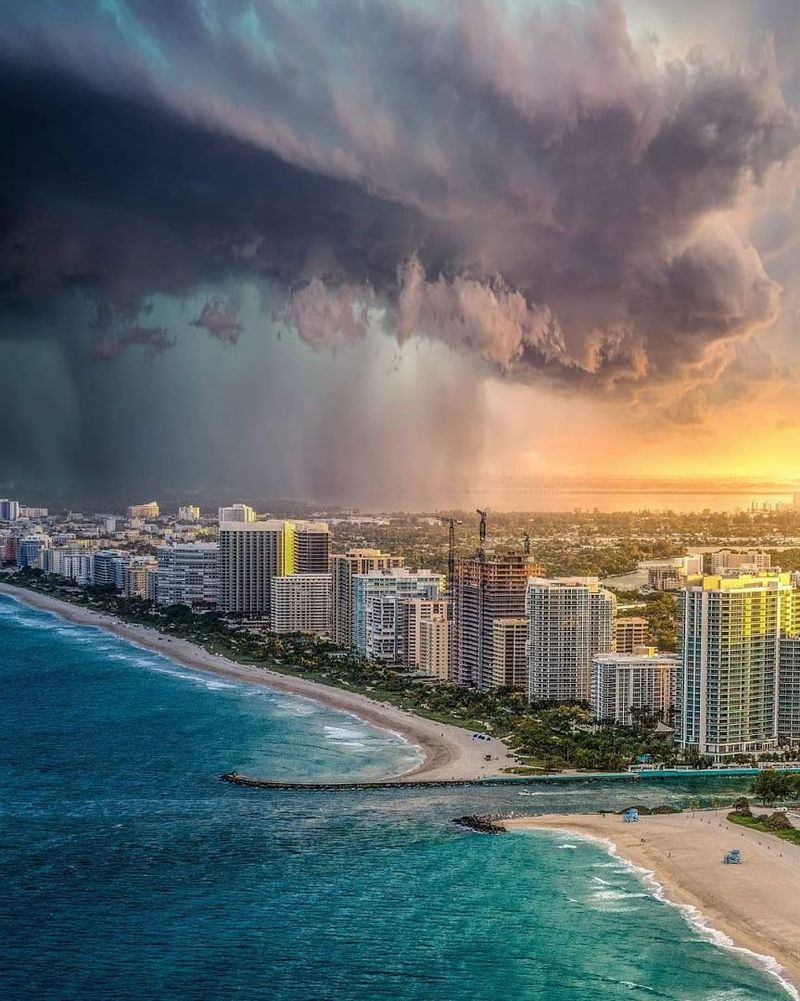
Miami’s reputation for sunshine and beaches is well earned, but so is its reputation for suffocating summer humidity. Warm Atlantic waters continuously pump moisture into the air, and from June through September the city feels like a giant outdoor sauna.
Dew points regularly climb high enough to make the air feel almost physically heavy against your skin.
The “feels like” temperature in Miami during summer can run ten to fifteen degrees higher than the actual thermometer reading. Outdoor activities like walking, cycling, or even just waiting for a bus become genuine physical challenges.
Locals schedule workouts early in the morning or after sunset to avoid the worst of the afternoon heat and moisture combination.
Afternoon thunderstorms are practically scheduled events during summer, rolling in around 3 or 4 p.m. with lightning and heavy rain before clearing by evening. Despite the intense conditions, Miami’s beach culture, nightlife, and food scene keep people outdoors and active.
The secret locals swear by is simple: stay near the water where ocean breezes offer at least some relief from the relentless, tropical-weight air pressing down on the city.
New Orleans, United States
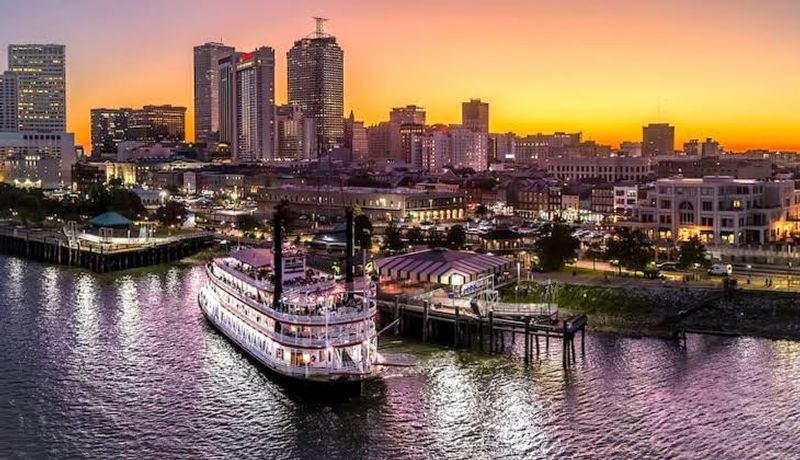
New Orleans is sandwiched between the Gulf of Mexico and the Mississippi River, and the city’s air knows it. This geographic situation creates some of the most persistently humid conditions in the entire United States, with summers that locals describe as “breathing soup.” From late spring through early fall, stepping outside feels like entering a room where the heat has never been turned off.
Spanish moss drapes the old oak trees, and the historic French Quarter streets hold heat between their narrow buildings like a slow cooker. Thunderstorms roll through regularly but rarely bring lasting relief.
After the rain clears, the humidity surges right back, often feeling worse than before the storm arrived.
Despite the oppressive conditions, New Orleans has built an entire culture around enjoying the outdoors regardless of weather. Second line parades, outdoor festivals, and lively street performances happen year-round, humidity and all.
Visitors quickly adopt the local philosophy of moving slower, dressing lighter, and keeping a cold drink in hand at all times. The city’s spirit is too big and too lively to let something as ordinary as extreme humidity slow things down.
Chennai, India
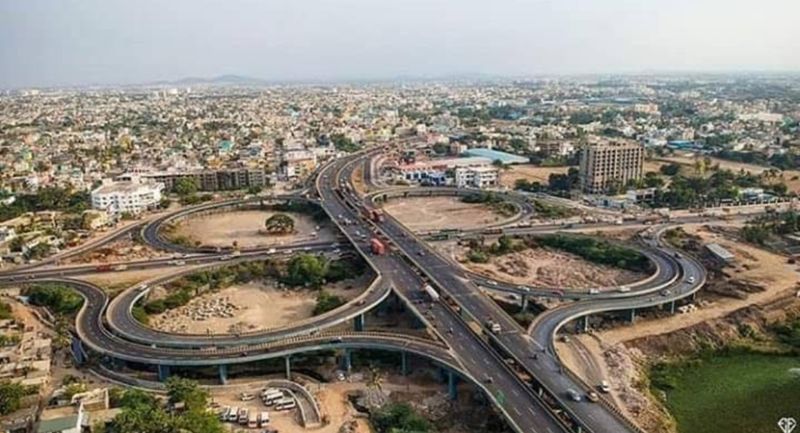
Chennai holds the unofficial title of one of India’s most humid major cities, and the Bay of Bengal is largely responsible. The ocean sits right at the city’s doorstep, feeding warm, moisture-rich air inland throughout most of the year.
Combine that with high temperatures and monsoon seasons that arrive twice annually, and you have a city that is rarely, if ever, comfortable outdoors.
Nighttime offers very little escape from the humidity. Temperatures remain warm after dark, and the air stays damp enough to make sleeping without a fan or air conditioning genuinely difficult.
Residents who grew up in Chennai often describe the heat as a constant background presence in their lives, something managed rather than escaped.
The city’s famous Marina Beach, one of the longest urban beaches in the world, draws crowds hoping for an ocean breeze to cut through the thick air. Sometimes it works.
Other times, the sea air just adds more moisture to an already saturated atmosphere. Chennai is vibrant, culturally rich, and full of incredible food, but packing lightweight clothing and planning indoor breaks throughout the day is absolutely non-negotiable for visitors.
Kolkata, India
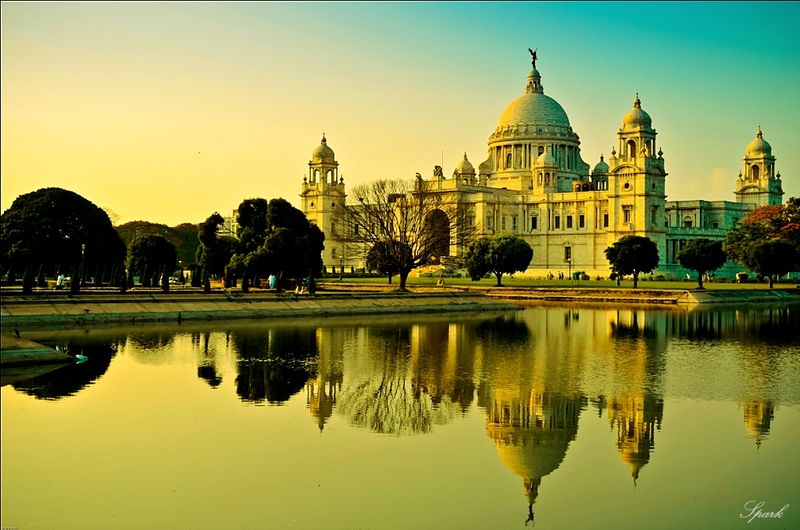
Kolkata’s pre-monsoon months have a particular kind of cruelty that longtime residents recognize immediately. From April through June, before the rains finally arrive, the city bakes under high temperatures while humidity from the Bay of Bengal builds steadily.
The combination produces thick, almost suffocating air that locals call “boro garmi,” meaning intense heat in Bengali.
Once the monsoon finally breaks, relief is mixed. Rain cools things slightly but also keeps moisture levels extremely high, turning streets into shallow rivers and keeping the air heavy with warm vapor.
The humidity during monsoon season can make even moderate temperatures feel physically draining after just a short time outdoors.
Kolkata’s old buildings, narrow lanes, and dense neighborhoods limit airflow in ways that make certain areas feel significantly hotter than open spaces. Despite this, the city thrives with outdoor markets, street food culture, and festivals that happen rain or shine.
Locals wear lightweight cotton, carry umbrellas year-round, and treat cold lassi and sharbat drinks as essential daily survival tools. Kolkata’s energy is extraordinary, but its climate demands a certain toughness from everyone who calls it home.
Lagos, Nigeria
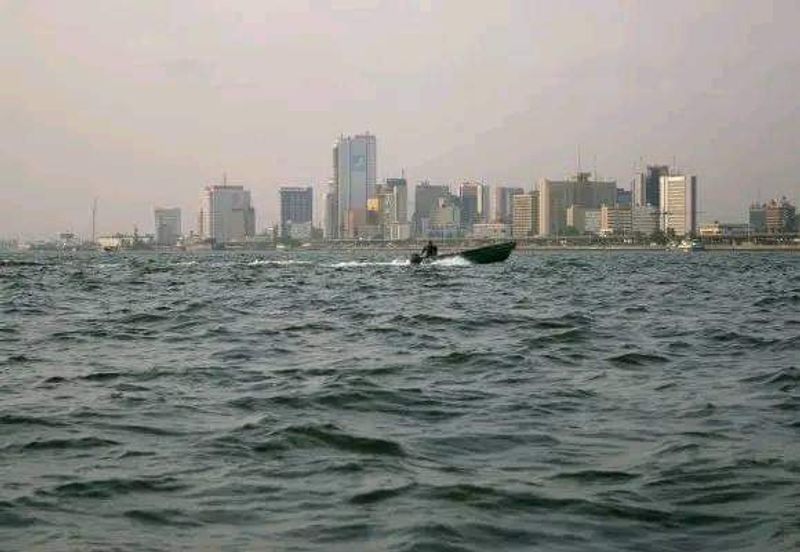
Lagos is West Africa’s largest city, and its climate matches its intensity perfectly. The Atlantic Ocean wraps around this coastal megacity, delivering warm, moisture-heavy air that keeps humidity elevated throughout most of the year.
Temperatures stay high, and the combination of ocean influence and dense urban development means the city rarely catches a cooling break.
Rapid population growth has filled Lagos with millions of people, vehicles, and structures that trap heat between them. Limited green spaces in crowded districts reduce the natural cooling that trees and vegetation normally provide.
The result is a city where official temperature readings consistently underrepresent how hot and heavy the air actually feels at street level.
Despite the challenging climate, Lagos pulses with unstoppable energy. Markets, music, food, and commerce operate at full volume regardless of weather conditions.
Locals dress in breathable fabrics, often brightly colored traditional clothing that allows airflow while looking sharp. Visitors quickly learn that shade, cold drinks, and strategic timing of outdoor activities are the three most important tools for surviving and genuinely enjoying everything this remarkable, humid, and utterly captivating city has to offer.
Dubai, United Arab Emirates
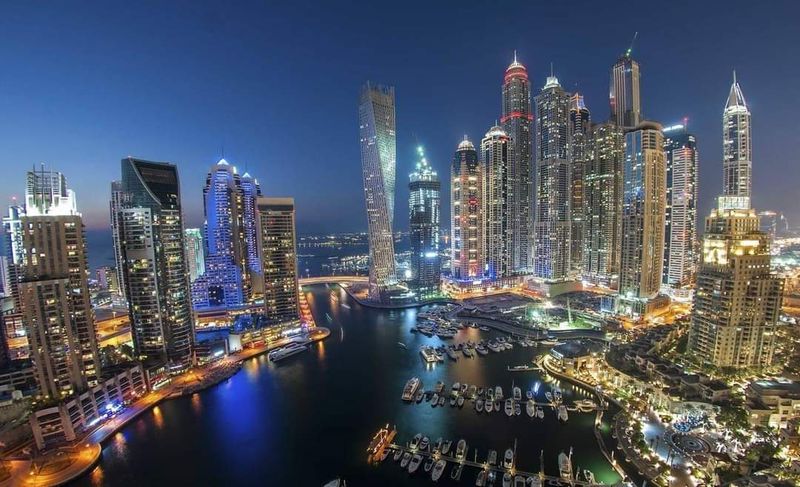
Dubai surprises many visitors who expect only dry desert heat. While the interior landscape is indeed arid, the city sits along the Persian Gulf, and that water changes everything during summer.
From June through September, Gulf moisture combines with extreme temperatures to create what meteorologists describe as some of the highest dew points ever recorded on Earth.
Nighttime is when Dubai’s humidity truly catches people off guard. While daytime heat is obvious and expected, evenings can turn surprisingly sticky and uncomfortable as Gulf moisture settles over the city after sunset.
Outdoor dining terraces and rooftop bars sometimes become genuinely miserable places to sit during peak humidity nights.
The city has responded to its climate with remarkable infrastructure. Nearly everything in Dubai is connected by air-conditioned walkways, tunnels, or enclosed spaces.
Even bus stops have cooling systems built in. Outdoor workers, however, face real challenges during the summer months, and regulations limit working hours during extreme heat periods.
Dubai is extraordinary in countless ways, but its summer humidity is a powerful reminder that not even the world’s most ambitious city can fully overpower nature.
Cairns, Australia
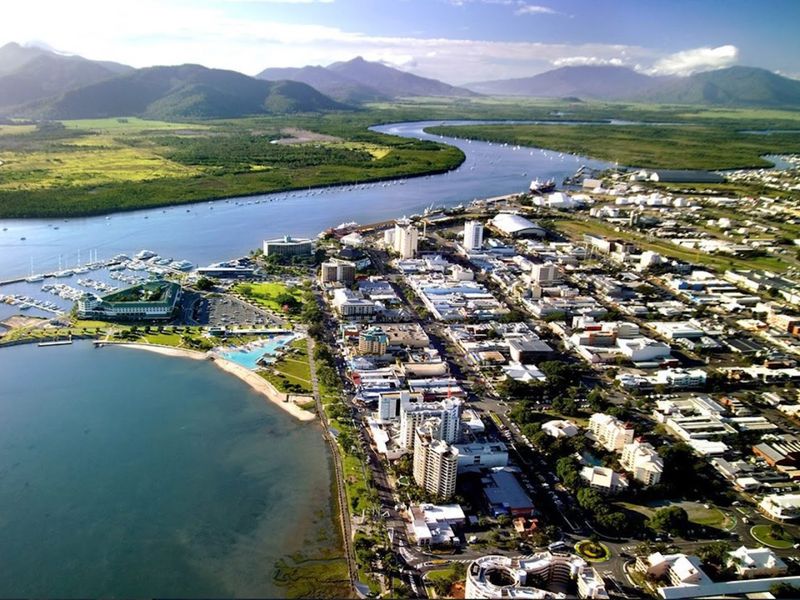
Cairns sits at the edge of two UNESCO World Heritage Sites, the Great Barrier Reef and the Daintree Rainforest, and both of them contribute to its famously thick, tropical air. The wet season, running from November through April, transforms the city into a genuinely steamy environment where humidity and heat team up relentlessly.
Even outside the wet season, Cairns rarely feels truly dry or cool.
The surrounding rainforest constantly releases moisture into the atmosphere through a process called transpiration, essentially the trees breathing out water vapor. This natural process keeps the air heavy with moisture even on days when it is not actively raining.
Add the warm Coral Sea sitting just offshore, and the humidity equation becomes impossible to escape.
Locals embrace the climate rather than fight it. Outdoor swimming pools, esplanade lagoons, and easy access to reef snorkeling give residents and visitors ways to stay cool while enjoying the spectacular natural environment.
Lightweight clothing, serious sunscreen, and insect repellent are the unofficial uniform of Cairns. The city’s wild, lush, breathtaking surroundings are absolutely worth every drop of sweat required to enjoy them properly.
Honolulu, Hawaii
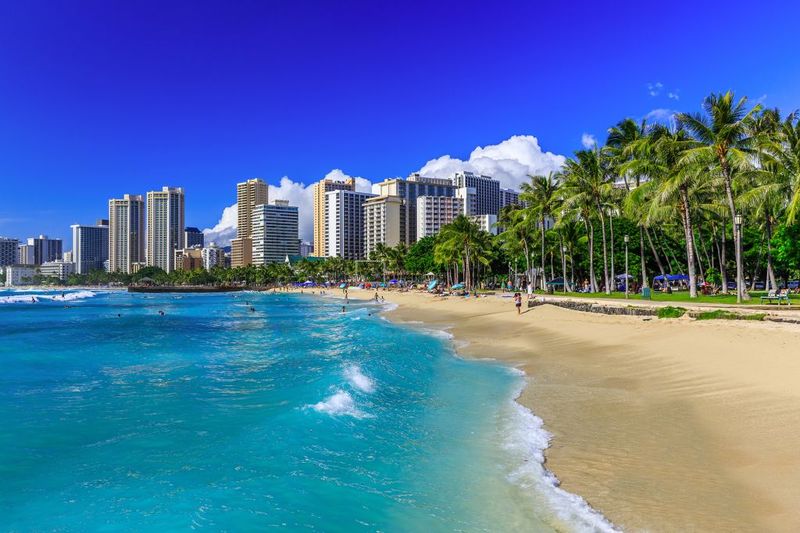
Honolulu manages to make humidity feel almost romantic, which is quite an achievement. The warm Pacific Ocean surrounds the Hawaiian Islands and keeps moisture levels consistently high year-round.
Summer months push humidity higher as warm water temperatures feed extra vapor into the trade winds that blow across Oahu throughout the day and night.
Those famous trade winds are the reason Honolulu’s humidity feels more manageable than many other tropical destinations on this list. The breezes create a pleasant sensation that can fool you into forgetting how much moisture is actually in the air.
Step into a sheltered valley or a windless urban block, and the full weight of the tropical atmosphere becomes immediately obvious.
Honolulu’s natural beauty provides the perfect distraction from its climate. Beaches, hiking trails, botanical gardens, and waterfront promenades encourage outdoor activity even during humid periods.
Travelers who visit in winter months often find conditions noticeably more comfortable than summer. Still, even at its most pleasant, Honolulu carries a warm, tropical heaviness in its air that is simply part of the island’s identity and honestly part of its unmistakable charm.
Balikpapan, Indonesia
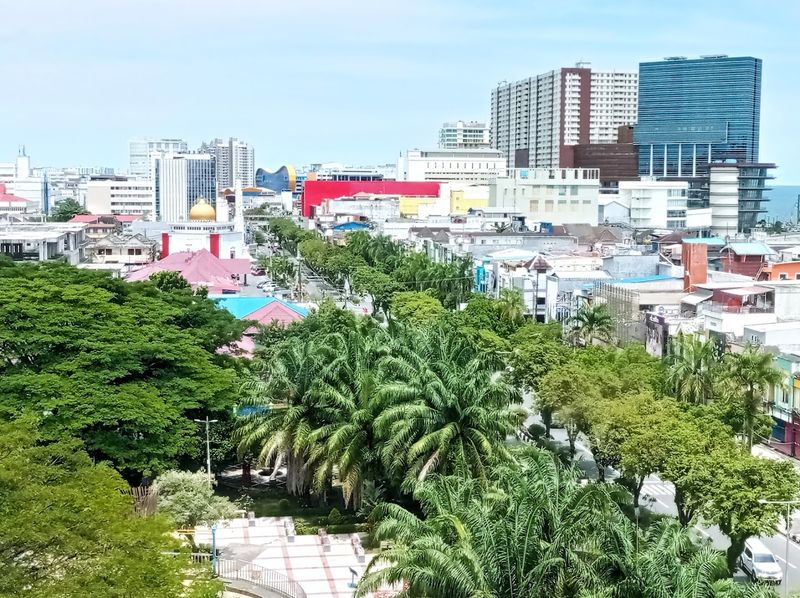
Balikpapan regularly appears near the top of lists ranking the world’s most humid cities, and the numbers back that reputation up completely. Located on the island of Borneo, one of the most biodiverse and rainforest-dense places on the planet, this Indonesian coastal city experiences near-constant humidity with very little seasonal variation throughout the year.
Every single month brings heavy moisture.
The surrounding Borneo rainforest works like a giant humidity machine, continuously releasing water vapor into the atmosphere through its massive canopy of trees. Combine that with the warm Makassar Strait running along the coast, and the city sits at the intersection of two powerful moisture sources.
There is essentially no escape from the heavy air outside of air-conditioned spaces.
Balikpapan is less internationally famous than Jakarta or Bali, but its role as an oil industry hub means it attracts workers and visitors from around the world. Many expatriates working there describe the first few weeks as an intense acclimatization process.
The city itself is relatively modern and organized, with good amenities, but its climate is as raw and unfiltered as the rainforest that surrounds it on three sides.
San Pedro Sula, Honduras
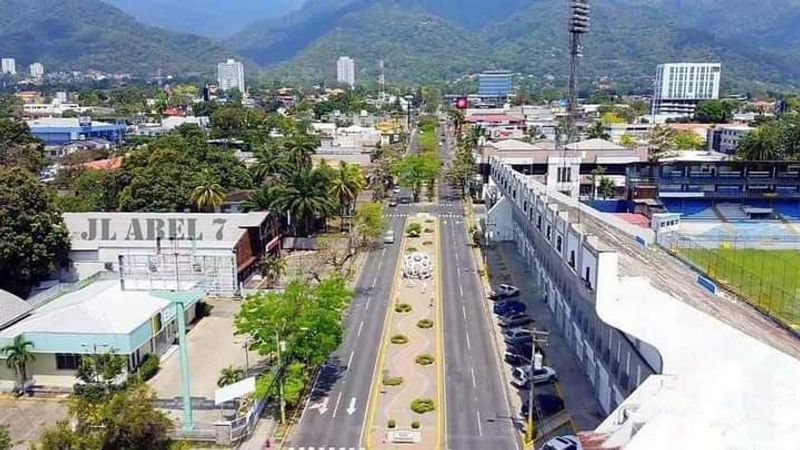
San Pedro Sula sits in the Sula Valley in northwestern Honduras, surrounded by mountains that trap warm, moist air coming in from the Caribbean. This geographic setup creates conditions where humidity builds and has nowhere to escape, making the city one of the most consistently muggy places in Central America.
The rainy season stretches from May through October and brings oppressive conditions along with heavy rainfall.
Temperatures in San Pedro Sula remain high throughout the year, hovering in ranges that combine dangerously with the thick humidity to push heat index readings well above what the thermometer actually shows. Outdoor workers in agriculture and industry face some of the most challenging conditions, particularly during the peak of the rainy season when both heat and moisture hit their highest levels simultaneously.
The city is Honduras’s industrial and commercial capital, meaning it keeps moving regardless of weather. Markets, factories, and businesses operate through the heat with fans, open windows, and cold beverages as primary coping tools.
Visitors exploring the region use San Pedro Sula as a gateway to nearby natural attractions. Packing breathable fabrics and keeping expectations realistic about comfort levels outdoors makes the experience far more manageable and enjoyable.
Libreville, Gabon
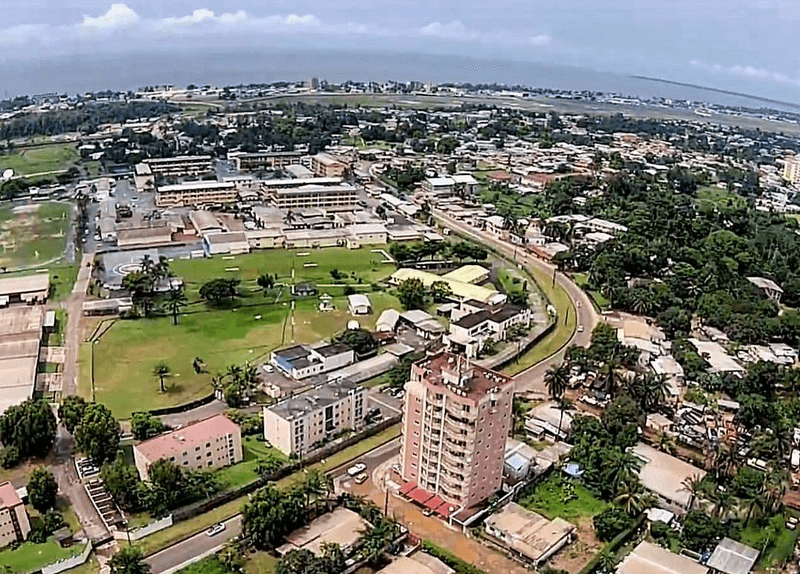
Libreville sits almost exactly on the equator along Africa’s Atlantic coast, which means it gets hit with every possible source of tropical humidity simultaneously. The Atlantic Ocean delivers warm, moisture-laden air from the west.
Dense equatorial rainforest surrounds the city and pumps additional water vapor into the atmosphere constantly. Rainfall is abundant, temperatures are reliably warm, and there is essentially no dry season worth mentioning.
Unlike destinations that experience at least a few months of relative dryness, Libreville maintains high humidity with remarkable consistency across all twelve months of the year. Residents experience very little seasonal change in weather patterns, which means there is no “best time to visit” from a comfort standpoint.
Every month is warm, wet, and thick with atmospheric moisture.
Gabon’s capital is often overlooked by international travelers compared to more famous African destinations, but it has a quiet charm that rewards those who make the effort. The Atlantic coastline, nearby national parks, and relaxed pace of life make it worth exploring.
Just arrive fully prepared for equatorial conditions, because Libreville’s climate operates on its own rules and makes absolutely no concessions to visitor comfort preferences.
Taipei, Taiwan
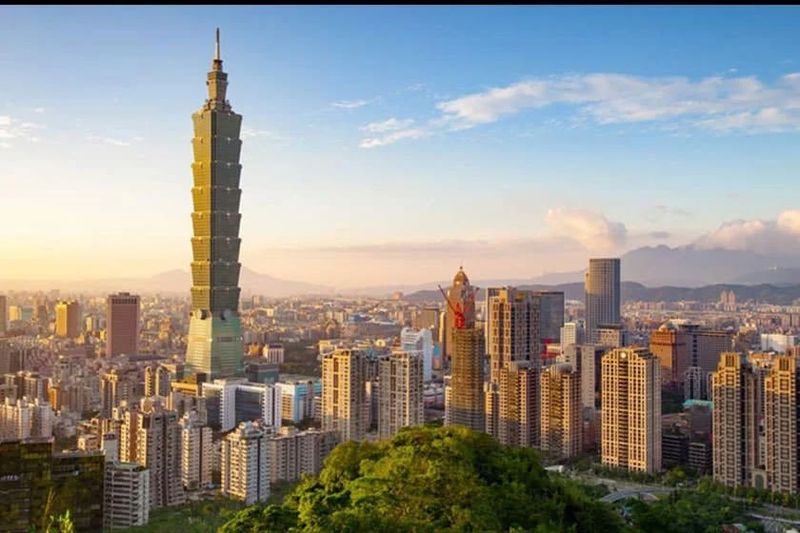
Taipei’s geography creates a humidity trap that the city’s residents know all too well. Surrounded by a ring of mountains, the Taipei Basin holds warm, moist air in place for extended periods, especially during summer.
Subtropical conditions from June through September push humidity and temperatures into ranges that make outdoor activity genuinely uncomfortable for anyone not accustomed to the climate.
Typhoon season runs from July through October, bringing intense storms that dump enormous amounts of rain on the city and surrounding mountains. After each typhoon passes, the air often feels even more saturated than before.
Even outside typhoon season, Taipei receives regular rainfall that keeps humidity levels elevated through most of the cooler months as well.
What makes Taipei fascinating is how well the city functions despite its demanding climate. The MRT subway system is famously clean, efficient, and wonderfully air-conditioned, making it the preferred way to get around during summer.
Night markets thrive after dark when temperatures drop slightly and outdoor movement becomes more bearable. Taipei is a city of incredible food, culture, and warmth in every sense, including the atmospheric kind that greets you the moment you step outside into its thick, subtropical air.
Share this story