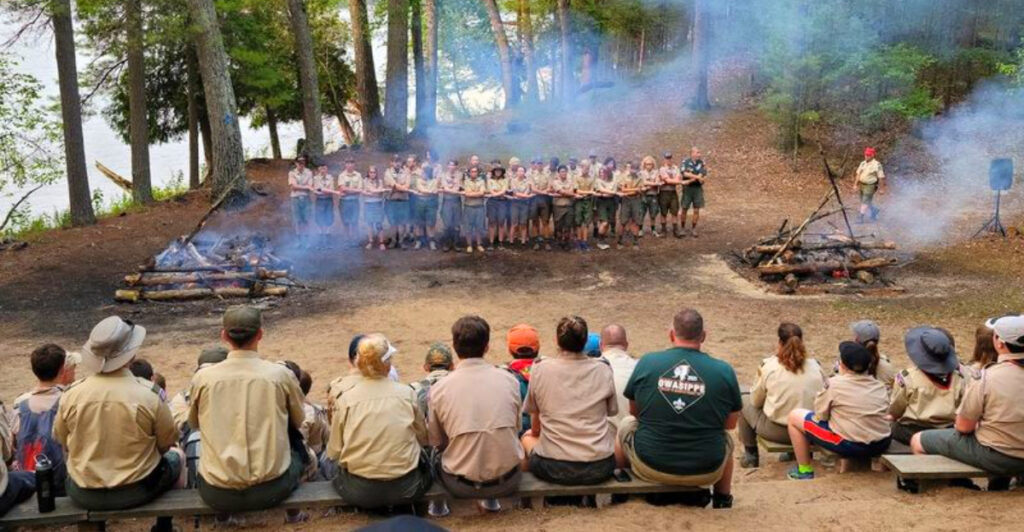
This western Michigan Scout reservation has been shaping campers and outdoor leaders since 1911, making it one of the oldest continuously operating Scout camps in the country. Surrounded by dense forest, clear lakes, and miles of trails, the property still carries the atmosphere of a classic summer camp experience that has changed surprisingly little over the decades.
What makes the place stand out is the history woven into every part of it. Early Scouts and volunteers built the original campsites from raw wilderness long before modern facilities existed, creating a tradition that has continued for generations.
Today, the reservation remains a place where first-time campers learn outdoor skills, build confidence, and become part of a legacy that stretches back more than a century.
Where History and Wilderness Meet: The Address and Setting
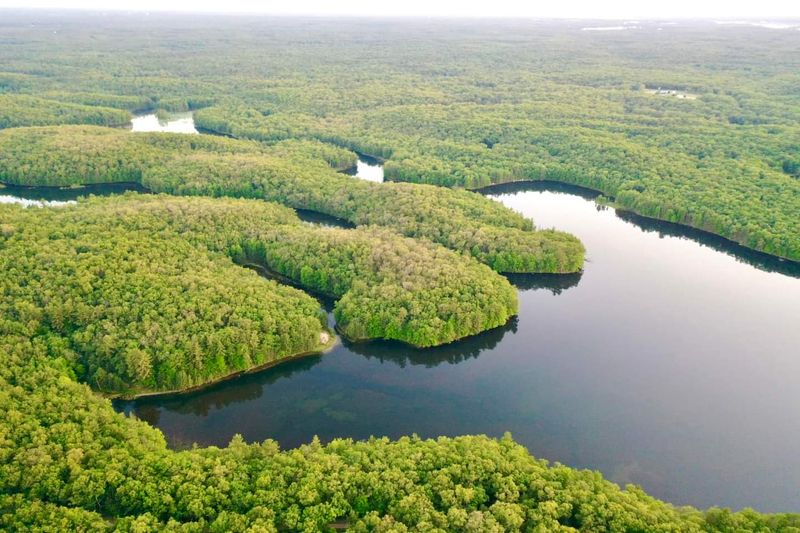
Few places in the country carry as much scouting heritage as the land at 9900 Russell Rd, Twin Lake, MI 49457, nestled in the rolling forests of western Michigan. Owasippe Scout Reservation sits adjacent to the Manistee National Forest, giving it a wild, expansive feel that most summer camps can only dream about.
The reservation covers approximately 4,800 acres today, though at its peak it once spread across more than 11,000 acres of forests, lakes, and open meadows. That sheer scale means campers can spend an entire week here and still not see every corner of the property.
Twin Lake is a small, quiet community in Muskegon County, far enough from city noise to feel genuinely remote but close enough to Chicago to make it a practical destination for the Pathway to Adventure Council. The surrounding landscape, with its mix of hardwood forest, sandy trails, and glittering inland lakes, creates a setting that feels almost tailor-made for outdoor adventure and personal growth.
From 40 Acres to a Scouting Empire: The Origin Story
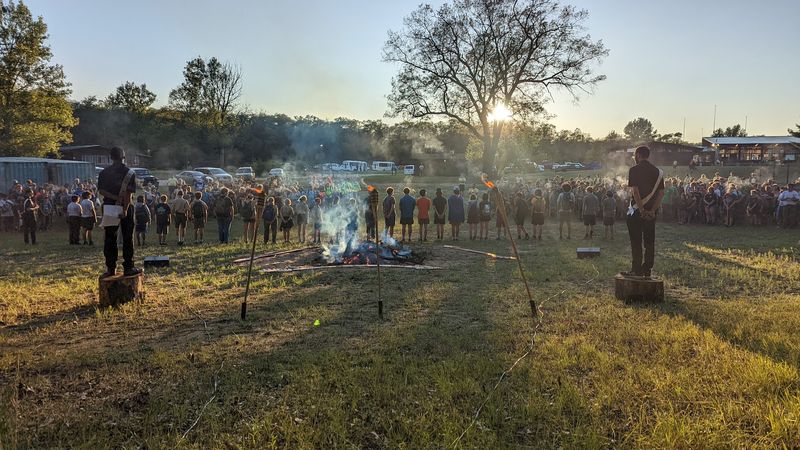
The whole thing started with a generous gift. In 1911, the White Lake Chamber of Commerce donated 40 acres of land on Crystal Lake to what would become one of the most celebrated Scout camps in American history.
An additional 80 acres were purchased shortly after, giving the fledgling camp enough room to grow.
That first summer, a small crew of Scouts and adult workers arrived with big plans and basic tools. They cleared campsites by hand, dug a well, and raised the first mess tent, essentially building a functioning camp from scratch in a matter of weeks.
The camp was originally called Camp White, a nod to the community that made its existence possible.
By 1912, full summer camp operations were underway, and the numbers were already impressive, with over 800 Scouts attending that first full season. That kind of turnout in only the second year of operation tells you everything about the demand and excitement surrounding this bold new outdoor program for young people.
The Name That Carries a Legend: How Owasippe Got Its Identity
A name change in 1915 gave the camp an identity that has lasted more than a hundred years. Camp White became Owasippe, a name believed to be rooted in local Native American legend, though the exact origin of the word has been debated and discussed by historians and longtime campers alike.
Names carry weight, and Owasippe carries plenty of it. The word has a natural, lyrical quality that fits the landscape perfectly, evoking the sound of wind through pine trees or water lapping at a lakeshore.
Whether the etymology is fully settled or not, the name stuck, and over time it became synonymous with outdoor excellence and scouting tradition in the Midwest.
For many families, simply hearing the word Owasippe triggers a flood of personal memories, because so many generations have passed through these gates. The name has become a kind of shorthand for a certain kind of formative summer experience, one that shaped character, built friendships, and left marks that lasted well into adulthood.
A Century-Old Program Still Going Strong: Pathway to Adventure Council
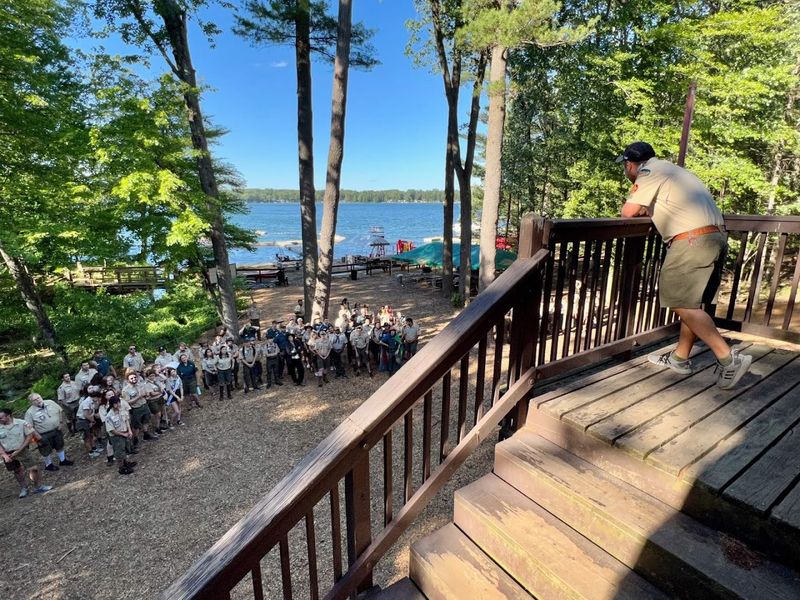
Owasippe Scout Reservation is owned and operated by the Pathway to Adventure Council of Scouting America, formerly known as the Chicago Area Council. That connection to Chicago is a big part of why the camp grew so rapidly in its early decades, drawing thousands of urban young people into Michigan’s wilderness each summer.
The council’s reach has always been enormous, and Owasippe served as its crown jewel for programming, merit badge opportunities, and leadership development. Today, the Pathway to Adventure Council continues to invest in the reservation, maintaining its sub-camps, improving facilities, and expanding the range of activities available to Scouts and their families.
What is remarkable is that the core mission has never changed. The idea that outdoor experience, teamwork, and hands-on challenges build better young people is just as relevant now as it was in 1911.
The council’s long stewardship of this land has protected both the natural environment and the program’s integrity across multiple generations of scouting families.
Sub-Camps With Their Own Flavor: Blackhawk, Wolverine, and Reneker
One of the most interesting features of Owasippe is that it is not really one camp; it is several, each with its own personality and programming focus. Camp Blackhawk, Camp Wolverine, and Camp Reneker are the main sub-camps, and troops who have visited both Blackhawk and Wolverine often say that each has its own distinct atmosphere and strengths.
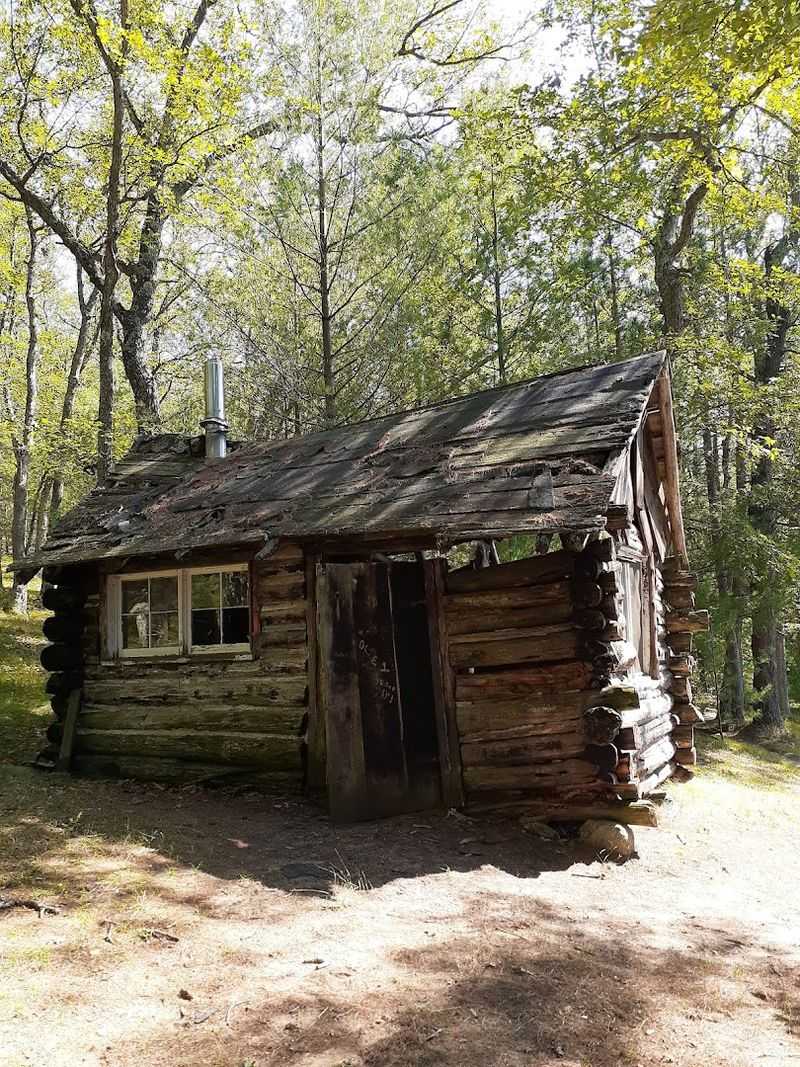
Camp Reneker leans more toward family camping, offering cabins that are basic but functional, with cleaning supplies on hand for guests who want to spruce things up. The activities there, including swimming, shooting sports, crafts, hiking, fishing, and horseback riding, keep families genuinely busy from morning to evening without a single dull moment.
Camp Blackhawk and Camp Wolverine both offer outstanding merit badge opportunities and structured Scout programming, with staff known for their enthusiasm and genuine care for the young people in their charge. Troops that rotate between the two often note that the variety keeps the experience feeling fresh year after year, which is a rare quality for any summer camp.
Merit Badges, High Adventure, and Programming That Keeps Scouts Busy
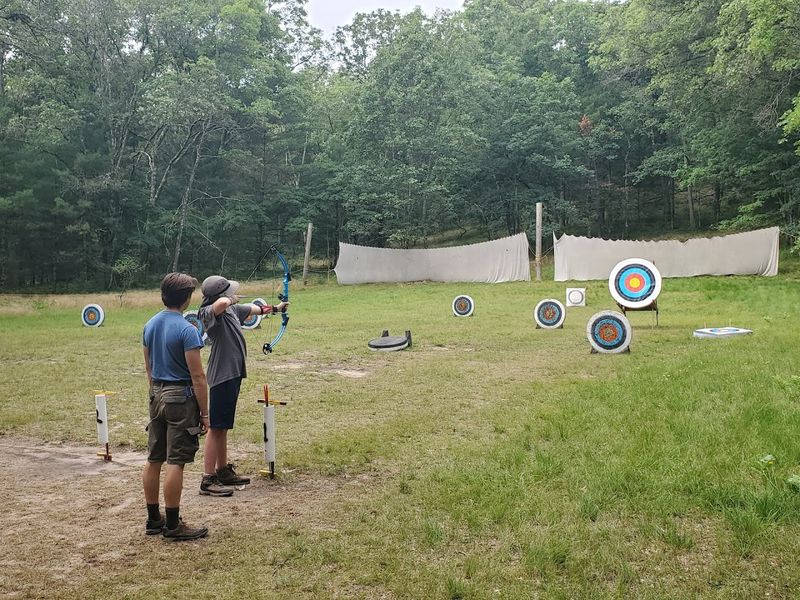
Ask any Scout who has spent a week at Owasippe what surprised them most, and the answer is usually the sheer volume of things to do. The reservation offers a wide range of merit badge opportunities, covering everything from archery and rifle shooting to fishing, nature study, and wilderness survival skills.
Beyond the standard merit badge trail, Owasippe also operates a dedicated High Adventure Base for older Scouts looking for a bigger physical challenge. High adventure programming typically includes more demanding outdoor activities that push participants outside their comfort zones in productive, carefully supervised ways.
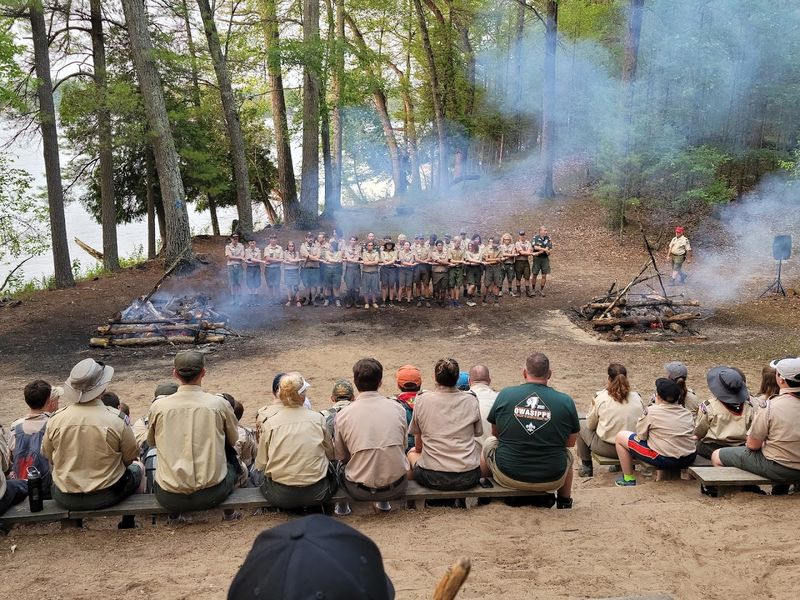
Evening programs are a particular highlight, with Scouts regularly heading out of camp for organized activities that go well beyond sitting around a campfire. The programming is dense enough that boredom simply does not get a foothold during a typical week-long stay.
That level of engagement is a direct result of decades of refinement, with each generation of staff building on what worked best for the campers who came before them.
The Lakes, Forests, and Wildlife That Make the Scenery Unforgettable
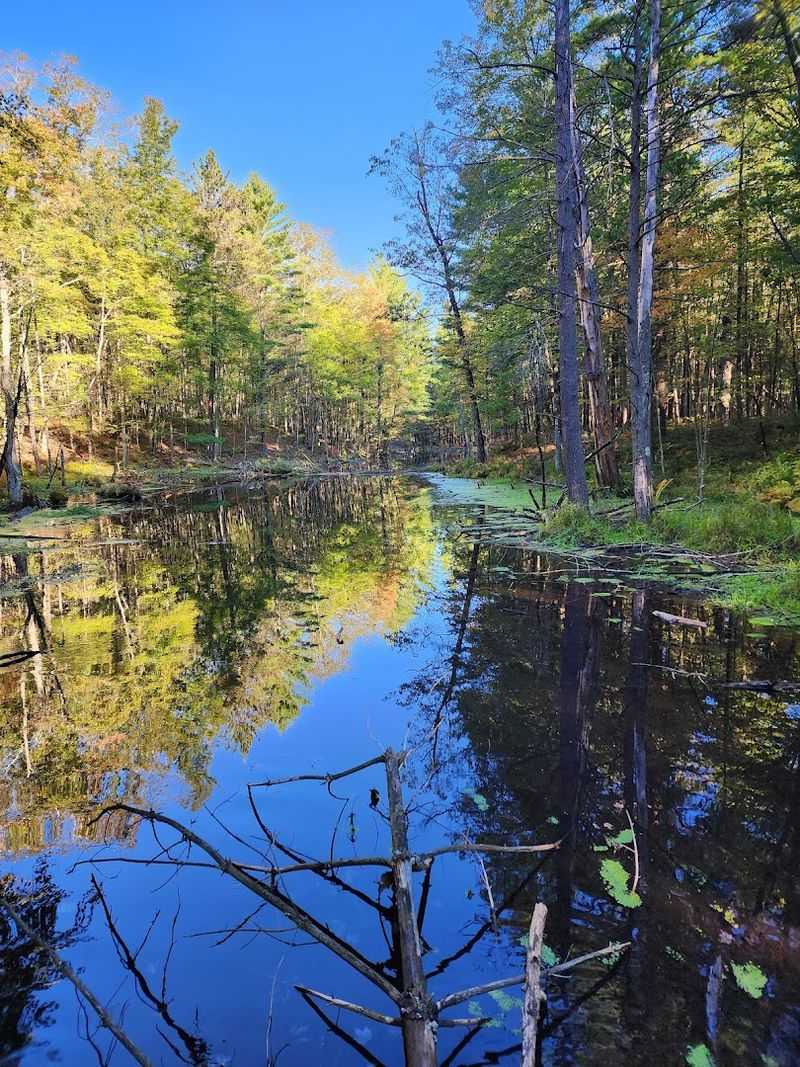
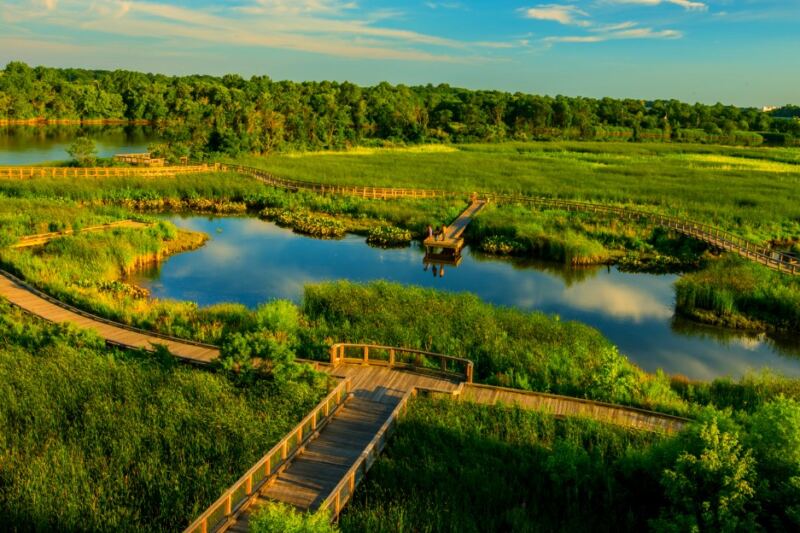
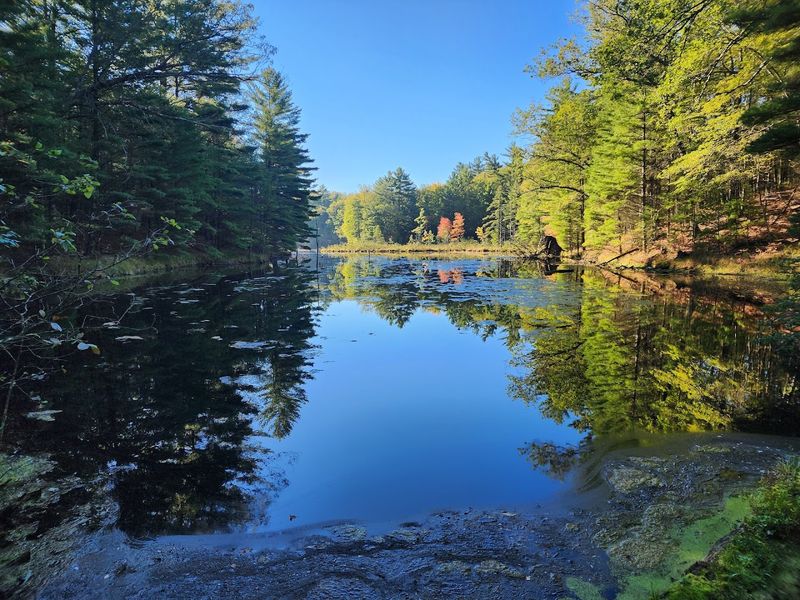
The natural backdrop at Owasippe is genuinely hard to overstate. Beautiful lakes, dense hardwood and pine forests, winding trails, and an abundance of wildlife create an environment that feels both adventurous and peaceful at the same time.
Wildlife sightings are common throughout the reservation. Visitors to the mountain bike trails have reported encounters with blue racers, eastern hognose snakes, wild turkeys, Canadian geese, weasels, and deer, which gives you a sense of just how healthy and undisturbed the local ecosystem remains.
Fishing on the lakes draws both beginners and more experienced anglers, with the water reportedly productive enough to keep a fishing line in for hours.
The proximity to the Manistee National Forest amplifies the sense of wilderness, blending the managed camp environment with the raw, unmanicured beauty of protected federal land right next door. On a clear morning, with mist rising off the lake surface and birds calling from the treetops, the scenery alone is worth the drive from Chicago or anywhere else in the Midwest.
Mountain Biking Trails That Draw Riders From Across the Region
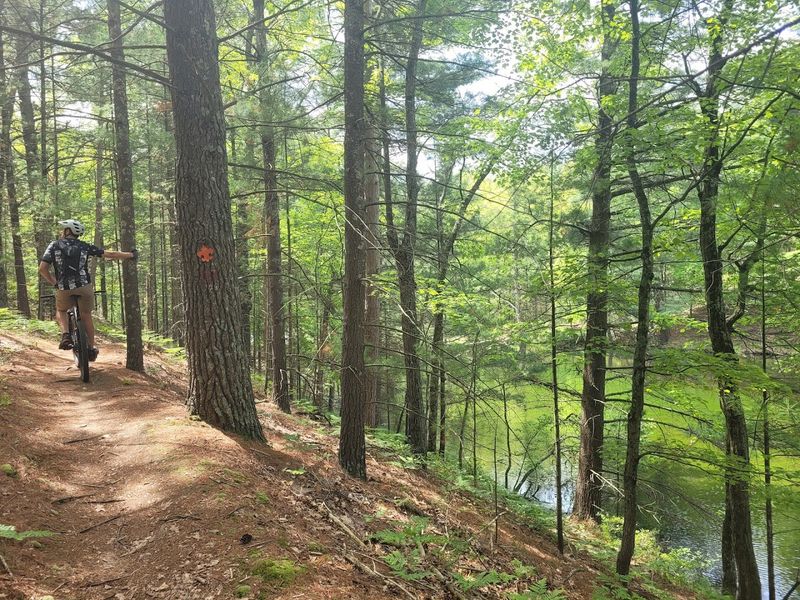
Owasippe is not just a Scout camp; it also hosts some of the most talked-about mountain biking trails in western Michigan. The trail system offers loop options of roughly 3, 9, and 13 miles, winding through forests with more elevation change than most riders expect to find in this part of the state.
The blue loop features challenging climbs and fast, rough descents that reward riders who come prepared with a full-suspension bike. The black loop is considered the most demanding, with relentless hills and technical terrain that will test even experienced riders.
Scenic lake views appear regularly along the route, making the effort feel worthwhile even on the harder sections.
A parking fee applies for trail access, and it is worth checking the reservation’s schedule in advance, since the trails close during Scout camp season in summer, and the black loop closes on October 1st. Rifle hunting season also brings a full closure, so timing your visit correctly makes a real difference.
The trails are best enjoyed on weekdays when traffic is lighter and the forest feels more like your own private singletrack kingdom.
The Post Office That Proved How Big This Place Really Was
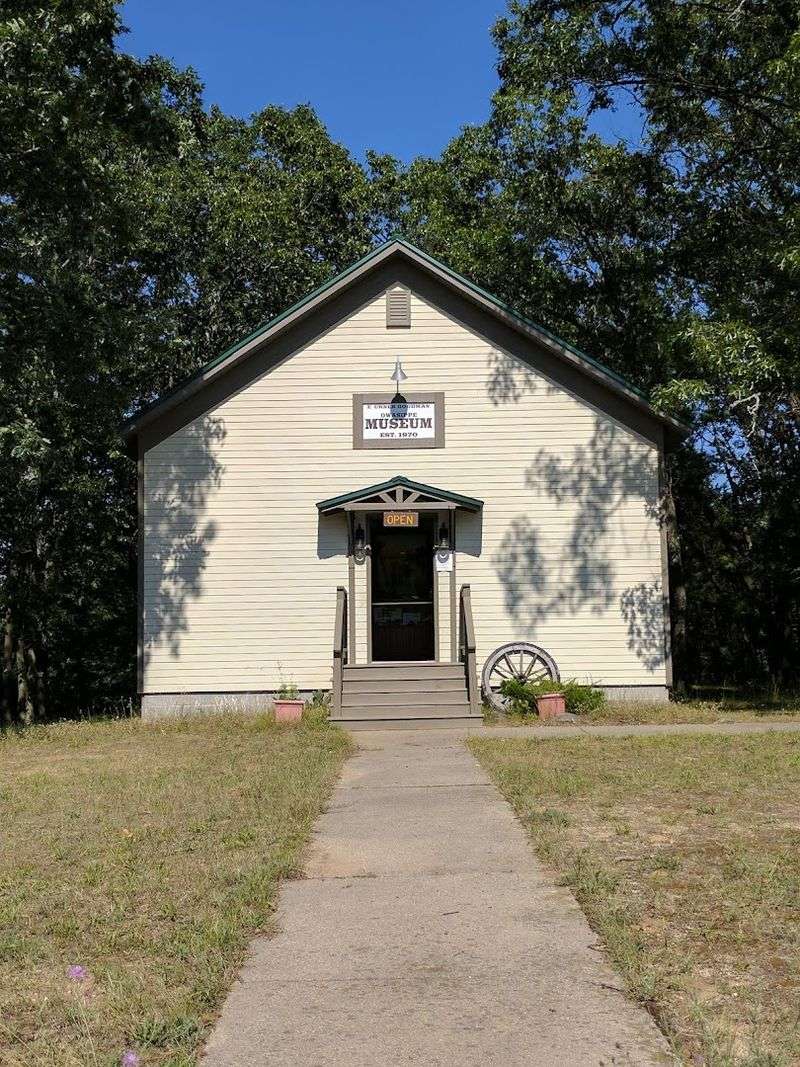
Here is a detail that tends to stop people mid-conversation: Owasippe once had its own United States Post Office. The camp’s postal station operated from 1924 all the way through the early 1980s, a run of nearly six decades that speaks volumes about the scale and self-sufficiency of this operation.
Having a dedicated post office meant that the reservation was functioning almost like a small town during peak summer season. Mail arrived, letters went out, and the administrative machinery of a very large camp hummed along with its own address and postal identity.
For a Scout camp, that is an extraordinary level of institutional permanence.
The post office is long gone now, but its existence is a fascinating window into just how massive Owasippe’s operation once was, particularly during the mid-20th century when the property covered more than 11,000 acres and hosted enormous numbers of campers each season. It is one of those quirky historical footnotes that makes the camp’s story feel genuinely unique among American scouting destinations.
What It Feels Like to Spend a Week Here as a Scout or Family
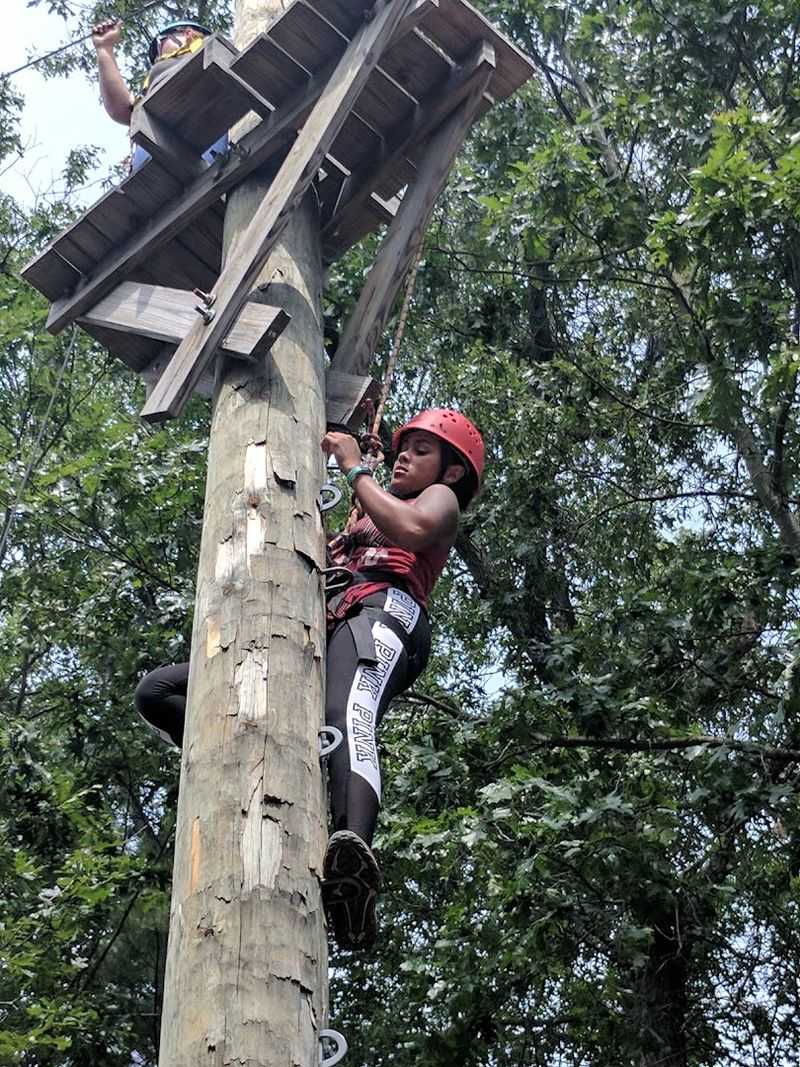
A week at Owasippe moves at a pace that feels different from everyday life, and that is entirely by design. Mornings begin with the sounds of birds and bugle calls, and the day fills quickly with activities that demand full attention, whether that is learning to handle a rifle safely, casting a line into a lake, or navigating a wooded trail.
The staff across all sub-camps consistently earns praise for their energy and commitment. Young counselors bring an infectious enthusiasm that keeps even reluctant campers engaged, and the overall atmosphere is one of encouragement rather than pressure.
Troops that come back year after year often describe Owasippe as their permanent summer home, the kind of place where a Scout’s confidence visibly grows over the course of a single week.
Families staying at Camp Reneker get a slightly different experience, with a more relaxed pace and cabin accommodations that prioritize access to activities over luxury. Either way, the combination of natural beauty, structured programming, and genuine community makes the week feel both productive and restorative in equal measure.
Planning Your Visit: Practical Tips for First-Timers and Return Guests
Getting the most out of a visit to Owasippe starts with a bit of advance planning. The reservation’s website at pathwaytoadventure.org/owasippe/ is the best starting point for checking camp schedules, registration details, and current fee information, especially since trail access fees and seasonal closures can change from year to year.
For mountain bikers, registering and paying online before arrival is the smoother option, since a pay station is available for cash but online pre-registration saves time at the gate. Bringing plenty of water and a GPS device is genuinely useful on the trail system, particularly for first-time visitors who are still learning the layout of the loops.
Scout troops planning a summer camp stay should book well in advance, since spots at popular sub-camps like Blackhawk and Wolverine fill up. Reaching the camp directly at (231) 981-8935 can help answer specific questions about programming, packing lists, and scheduling.
Whether it is your first summer here or your fifteenth, a little preparation goes a long way toward making the experience everything it can be.
Share this story