Some people leave the world a little brighter just by being in it. The celebrities on this list did exactly that.
From making us laugh until our sides hurt to teaching us kindness, courage, and grace, they touched millions of lives. We still miss them, but their work, their words, and their spirit live on in the best possible way.
Robin Williams
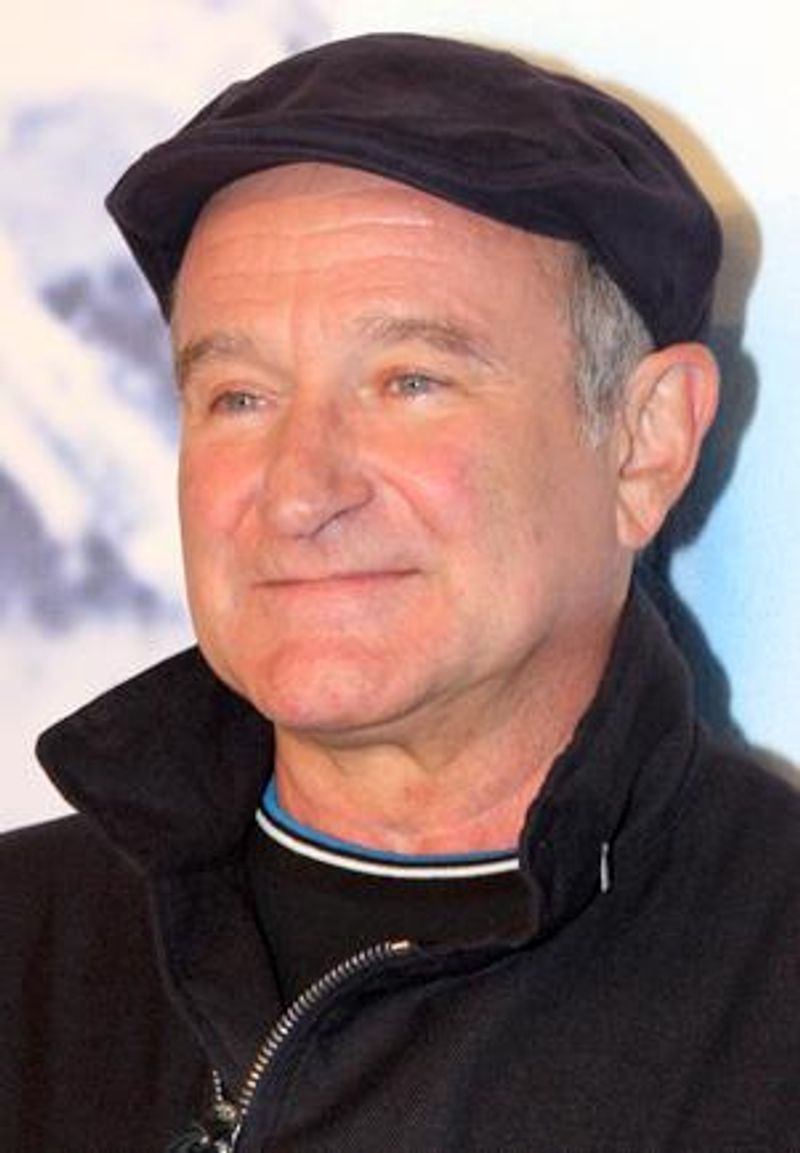
Nobody could do what Robin Williams did. He could go from stand-up chaos to Oscar-winning drama without breaking a sweat.
Watching him perform felt like watching lightning in a bottle.
His most beloved roles include the genie in Aladdin, the therapist in Good Will Hunting, and the unforgettable Mrs. Doubtfire. Each character felt completely real, completely alive.
Williams had a rare ability to make you feel seen even through a screen.
Off camera, he was known for being deeply kind to fans, crew members, and strangers alike. He visited hospitals to cheer up sick children and often performed for troops overseas.
When he died on August 11, 2014, the world went quiet for a moment. The outpouring of grief was massive because the love for him was massive.
His films still make people laugh, cry, and think. That is a legacy worth celebrating every single day.
Betty White
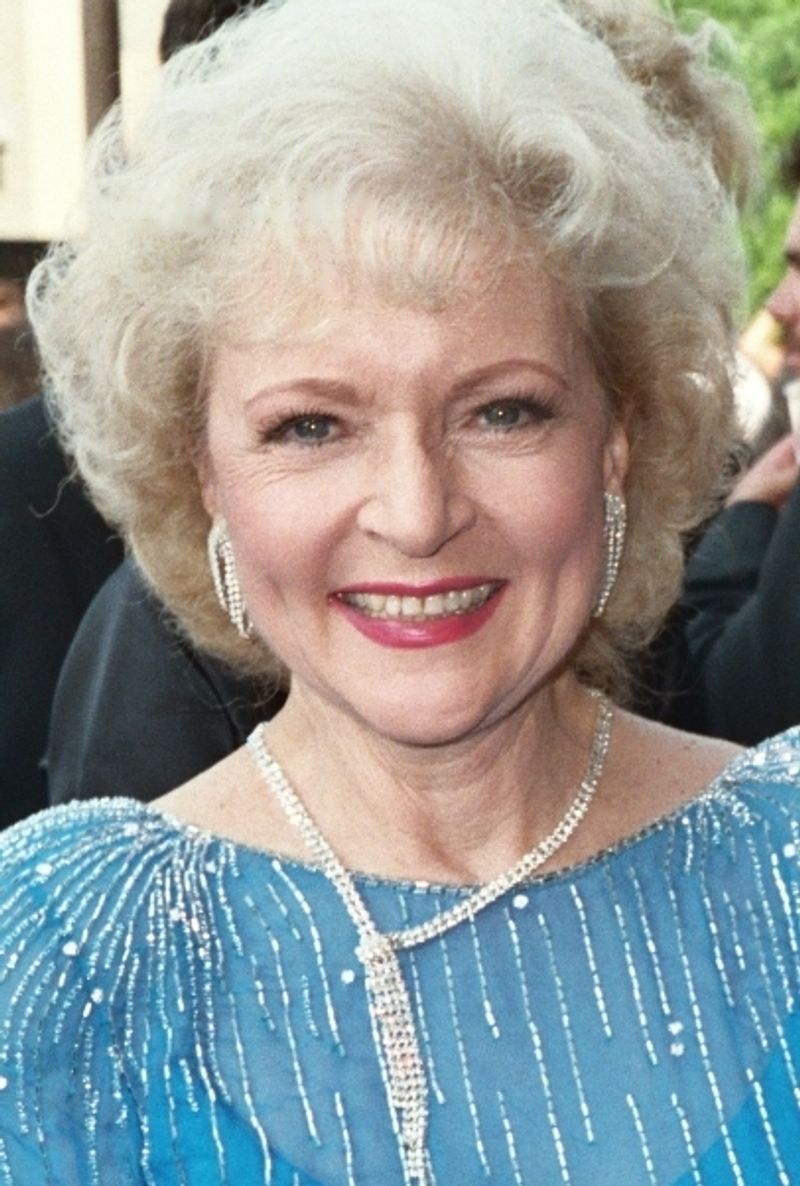
Betty White once joked that the secret to her long life was vodka and hot dogs. Honestly, at 99 years old, who was going to argue with her?
She was sharp, hilarious, and completely unstoppable right up to the end.
Her career spanned more than seven decades, which is almost unbelievable when you say it out loud. From The Mary Tyler Moore Show to The Golden Girls, she played characters with wit and warmth that felt completely effortless.
She also had a well-known passion for animals and worked tirelessly for animal welfare causes throughout her life.
White died on December 31, 2021, just weeks before turning 100. The timing felt cruel, but the internet responded with pure love.
A massive social media campaign had been pushing for a birthday celebration. Even in grief, fans kept the party spirit alive for her.
Betty White was not just a TV star. She was a national mood booster.
Audrey Hepburn
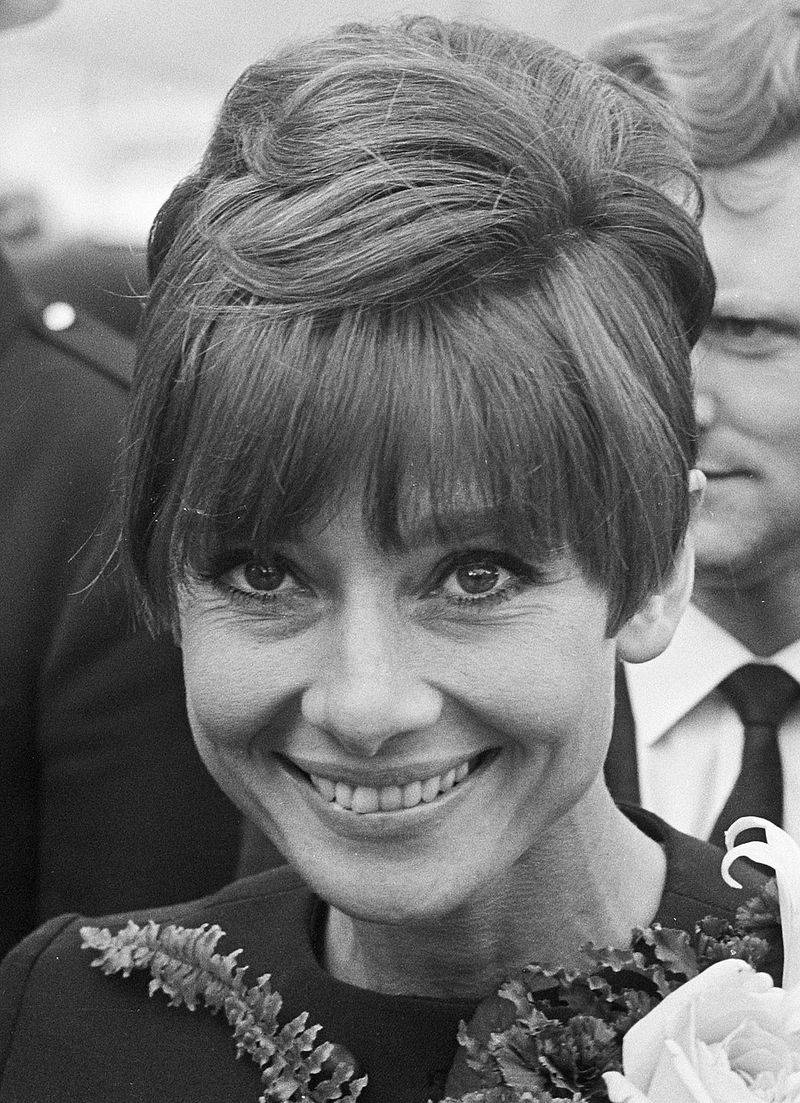
Audrey Hepburn had cheekbones that could cut glass and a heart that could melt it. She was the kind of star who made elegance look effortless and kindness look glamorous.
Her film career produced some of cinema’s most iconic moments. Roman Holiday won her an Academy Award.
Breakfast at Tiffany’s gave the world Holly Golightly. My Fair Lady cemented her as a timeless screen legend.
But what many people forget is that her later years were devoted almost entirely to humanitarian work as a UNICEF Goodwill Ambassador.
She traveled to impoverished communities in Africa, South America, and Asia, bringing attention to children suffering from poverty and hunger. Friends described her dedication as deeply personal, rooted in her own difficult childhood during World War II.
Hepburn died on January 20, 1993, after a battle with cancer. She left behind not just a filmography, but a blueprint for using fame with genuine purpose.
Chadwick Boseman
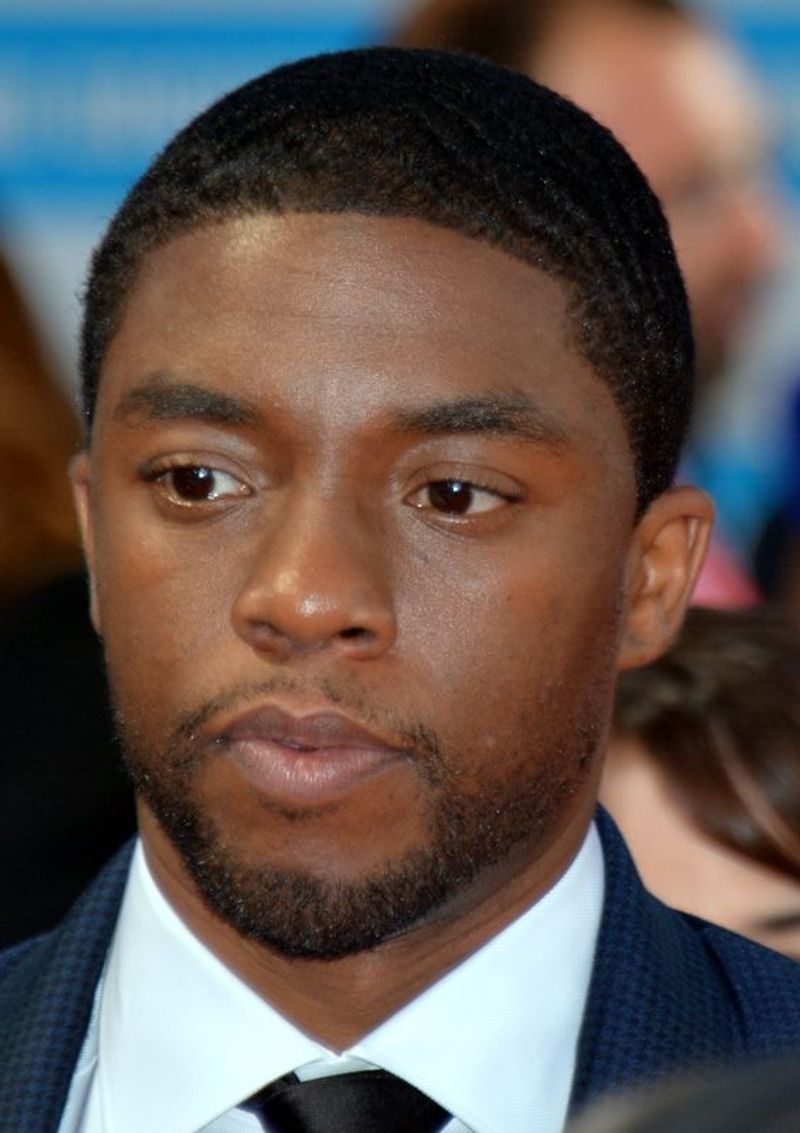
The world found out Chadwick Boseman had been battling colon cancer only after he was gone. That revelation hit like a freight train.
He had filmed some of his most powerful performances while quietly undergoing chemotherapy.
Black Panther made him a global icon almost overnight. His portrayal of T’Challa was regal, warm, and full of quiet power.
But his range went far beyond superhero films. He played Jackie Robinson in 42, James Brown in Get On Up, and Thurgood Marshall in Marshall, showing a commitment to honoring real Black American heroes.
Boseman died on August 28, 2020, at just 43 years old. The tributes that followed came from presidents, athletes, actors, and children who had dressed up as T’Challa for Halloween.
His Wakanda Forever salute became a symbol of strength and pride that fans still use today. Few actors have packed so much meaning into such a short career.
Fred Rogers
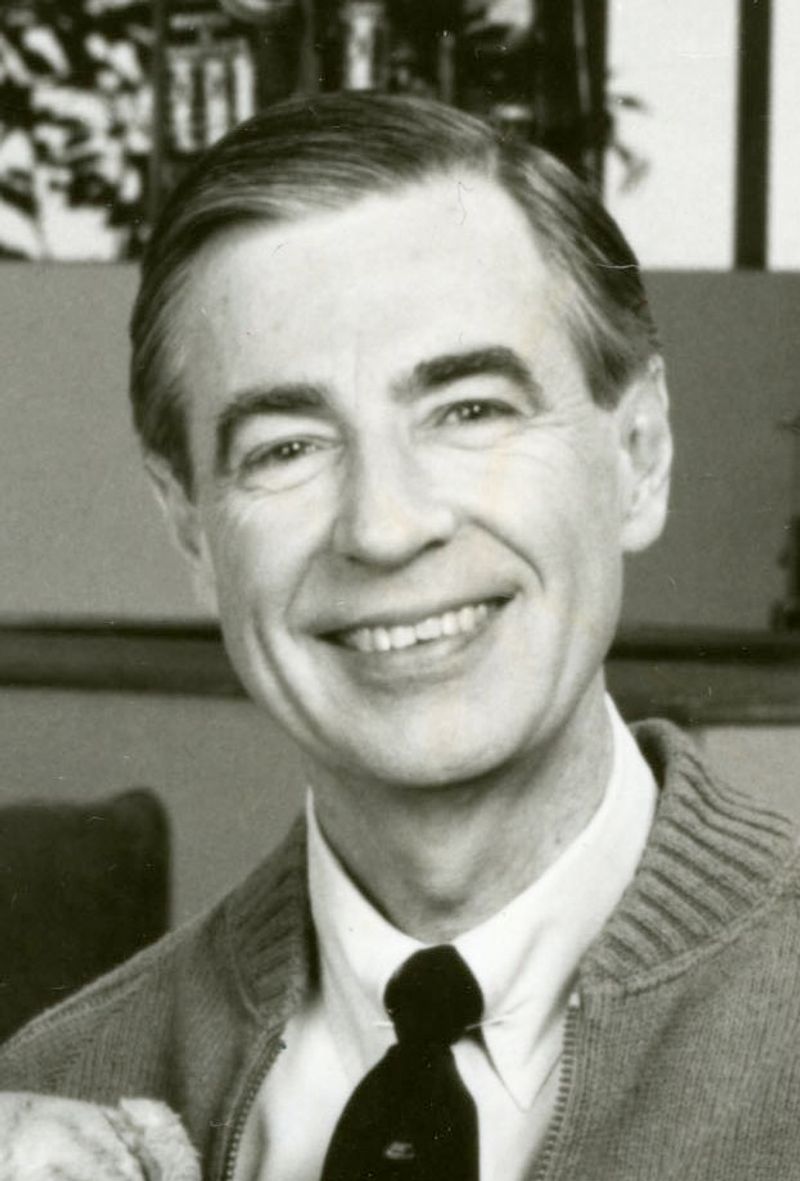
Fred Rogers once testified before the U.S. Senate to save public television funding.
He spoke for six minutes, and a skeptical senator reportedly had tears in his eyes by the end. That was the power of Mister Rogers.
His show, Mister Rogers’ Neighborhood, ran for 31 seasons and reached generations of children. He talked about feelings, conflict, death, and disability in ways that were honest without being scary.
He told every child watching that they were special exactly as they were. That message sounds simple, but for millions of kids, it was genuinely life-changing.
Rogers died on February 27, 2003, after a short battle with stomach cancer. The documentary about his life, Won’t You Be My Neighbor, became one of the highest-grossing documentaries ever made.
People sobbed in theaters watching it. Adults who grew up with his show returned to it to heal.
He was, in every real sense, exactly who he appeared to be on screen.
Lucille Ball
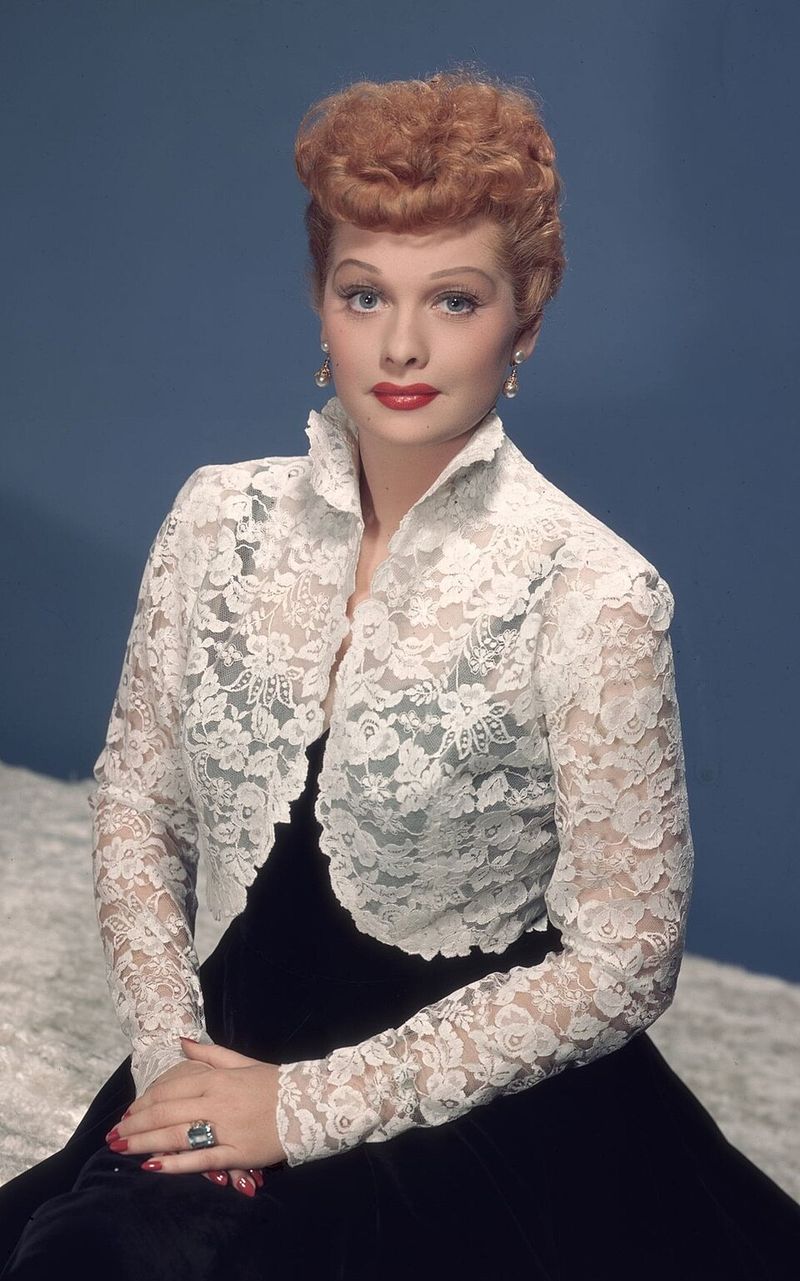
Long before women were running Hollywood, Lucille Ball was literally running a studio. She co-founded Desilu Productions with her then-husband Desi Arnaz, and that company eventually produced Star Trek and Mission: Impossible.
Not bad for someone who started out being told she had no future in show business.
I Love Lucy debuted in 1951 and immediately became a phenomenon. Her physical comedy was fearless and brilliantly timed.
The chocolate factory episode alone has been replayed more times than most people can count. Ball brought a kind of joyful chaos to her performances that felt completely unique.
She died on April 26, 1989, but her influence never faded. Comedians from Carol Burnett to Tina Fey have cited her as a major inspiration.
I Love Lucy reruns have aired continuously since the show first aired, which is an almost unheard-of record. Lucille Ball did not just make people laugh.
She changed what television was allowed to be.
Jimmy Stewart
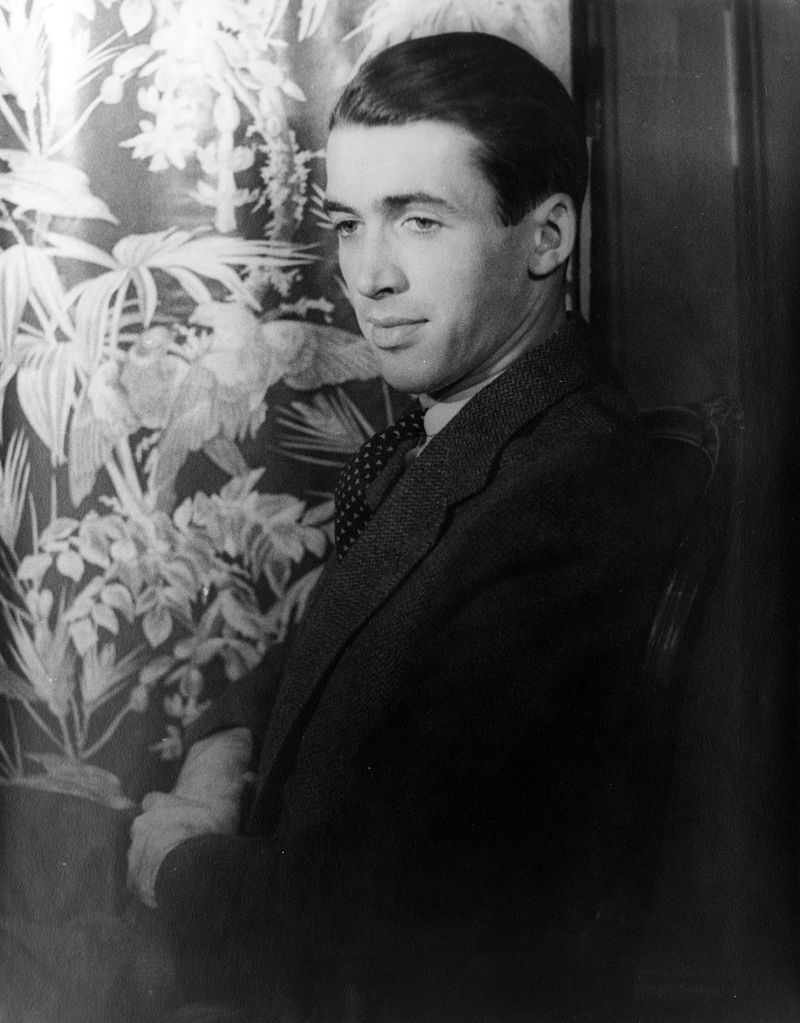
There is a reason It’s a Wonderful Life gets watched every single Christmas. Jimmy Stewart’s performance as George Bailey is so honest, so full of genuine feeling, that it hits differently every time you see it.
He was not acting. He was just being.
Stewart served as a bomber pilot in World War II and flew combat missions over Germany. He came back changed, and some film historians believe his post-war performances carried a deeper emotional weight because of it.
Films like Rear Window and Vertigo, made with Alfred Hitchcock, showed a more complicated side of him that audiences found fascinating.
He died on July 2, 1997, at age 89, having lived a full and remarkable life. At his funeral, his longtime friend Johnny Carson called him the most decent man he had ever met.
That kind of tribute, from someone who knew him well, says everything. Stewart was the real deal in every sense of the phrase.
Mary Tyler Moore
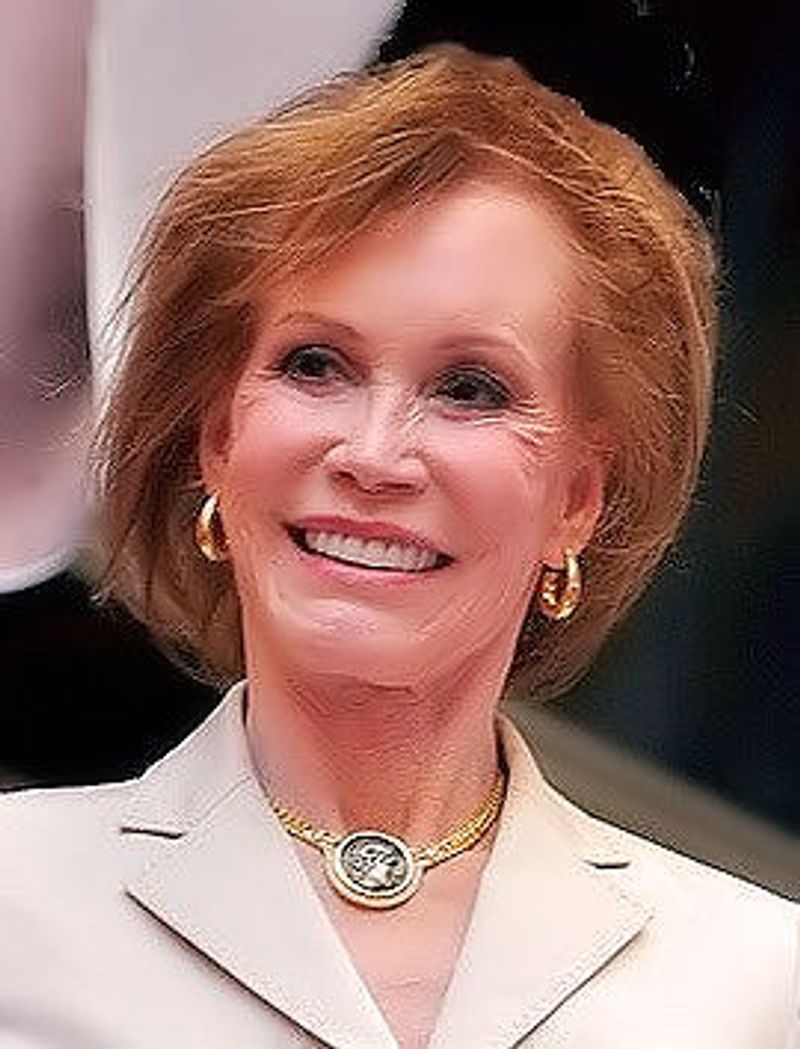
Mary Tyler Moore threw her hat in the air, and an entire generation of women felt something shift. That opening sequence from The Mary Tyler Moore Show became a symbol of possibility for women entering the workforce in the 1970s.
Before that, she had already won hearts as Laura Petrie on The Dick Van Dyke Show. Her comedic timing was sharp, her screen presence warm and magnetic.
But it was her willingness to play a single, career-focused woman in her 30s that made TV history. Networks had actually tried to talk her out of the concept, worried audiences would not accept it.
They were spectacularly wrong.
Moore died on January 25, 2017, after battling diabetes for decades. She had been a major advocate for diabetes research and awareness throughout her life.
Colleagues remembered her as fiercely talented, deeply funny, and genuinely generous. She helped write a new chapter for women on television, and that chapter has never really closed.
John Candy
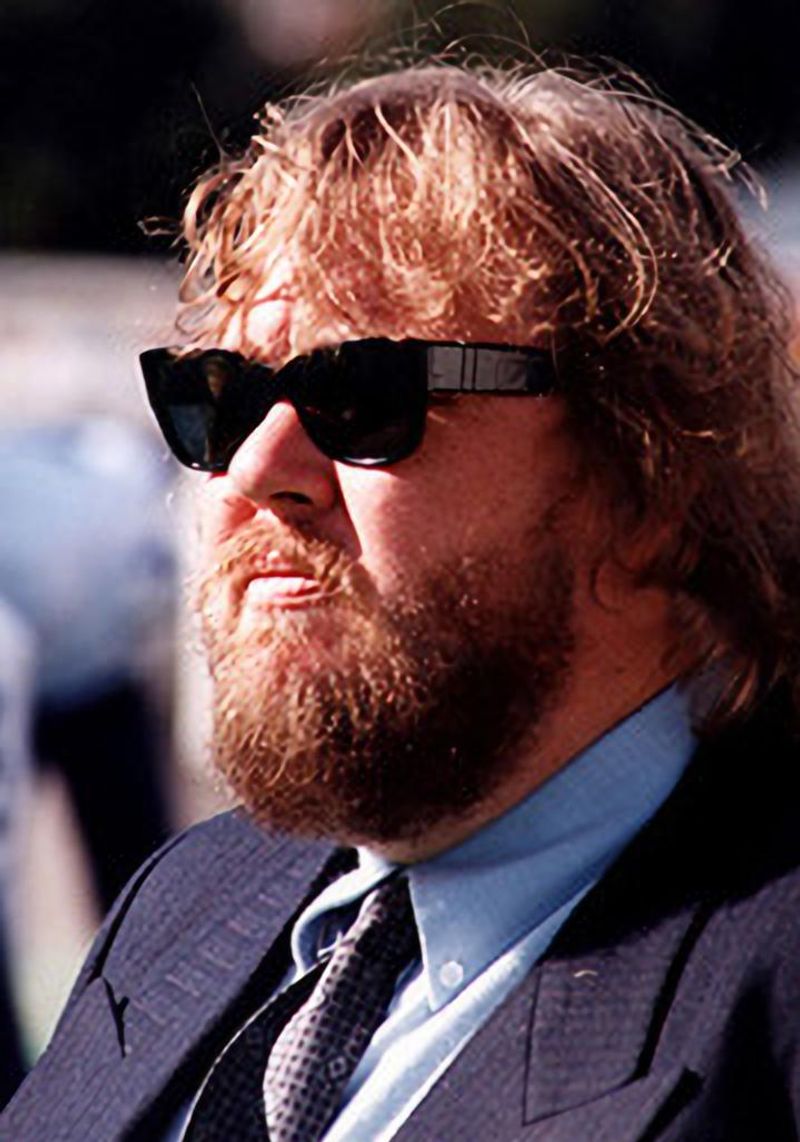
John Candy had a laugh that filled a room before he even told the joke. He was the kind of performer who made you feel good just by showing up on screen.
There was no edge to him, no meanness, just pure warmth wrapped in comedy.
Planes, Trains and Automobiles is one of the funniest movies ever made, and Candy’s performance as Del Griffith is the heart of the whole thing. Uncle Buck gave him a chance to be both hilarious and unexpectedly touching.
Cool Runnings proved he could carry a crowd-pleasing family film with total ease. Every role felt like he was having the best time of his life.
Candy died on March 4, 1994, at just 43 years old, from a heart attack while filming in Mexico. The comedy world was devastated.
Steve Martin, Dan Aykroyd, and dozens of other stars spoke about losing a genuinely beloved friend. His films hold up beautifully, and his laughter still echoes through every rewatch.
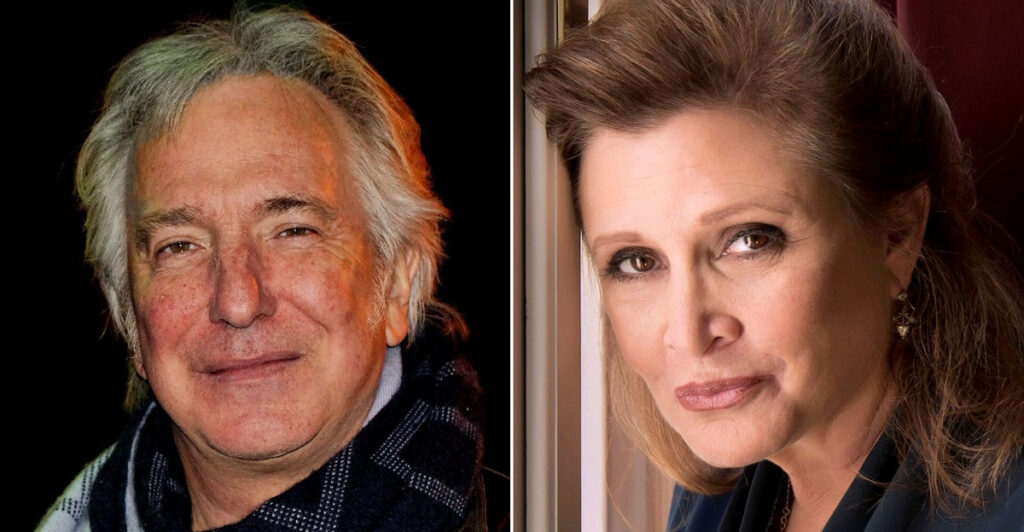
Carrie Fisher
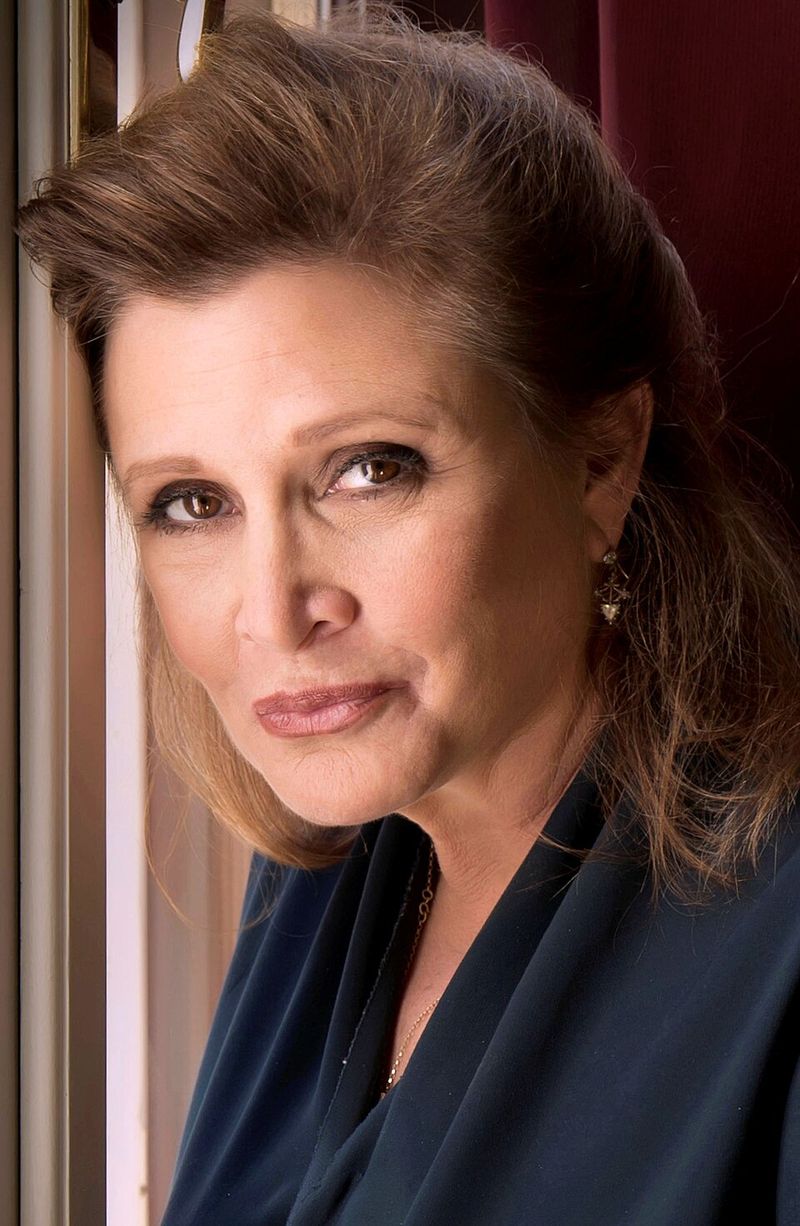
Carrie Fisher once said she wanted her biography to say she drowned in moonlight, strangled by her own bra. That sentence tells you everything you need to know about her.
She was fearless, hilarious, and completely allergic to taking herself too seriously.
Princess Leia made her a global icon at age 19, but she spent decades proving she was far more than a role. Her books, including Wishful Drinking and Postcards from the Edge, were brutally honest about addiction, mental illness, and Hollywood.
She became a champion for mental health awareness long before it was a mainstream conversation.
Fisher died on December 27, 2016, just four days after suffering a cardiac arrest on a flight. Her mother, Debbie Reynolds, died the very next day.
The double loss left fans completely heartbroken. But Fisher’s legacy grew even larger after her death.
She had already filmed scenes for The Last Jedi, allowing Princess Leia one final, poignant farewell.
Alan Rickman
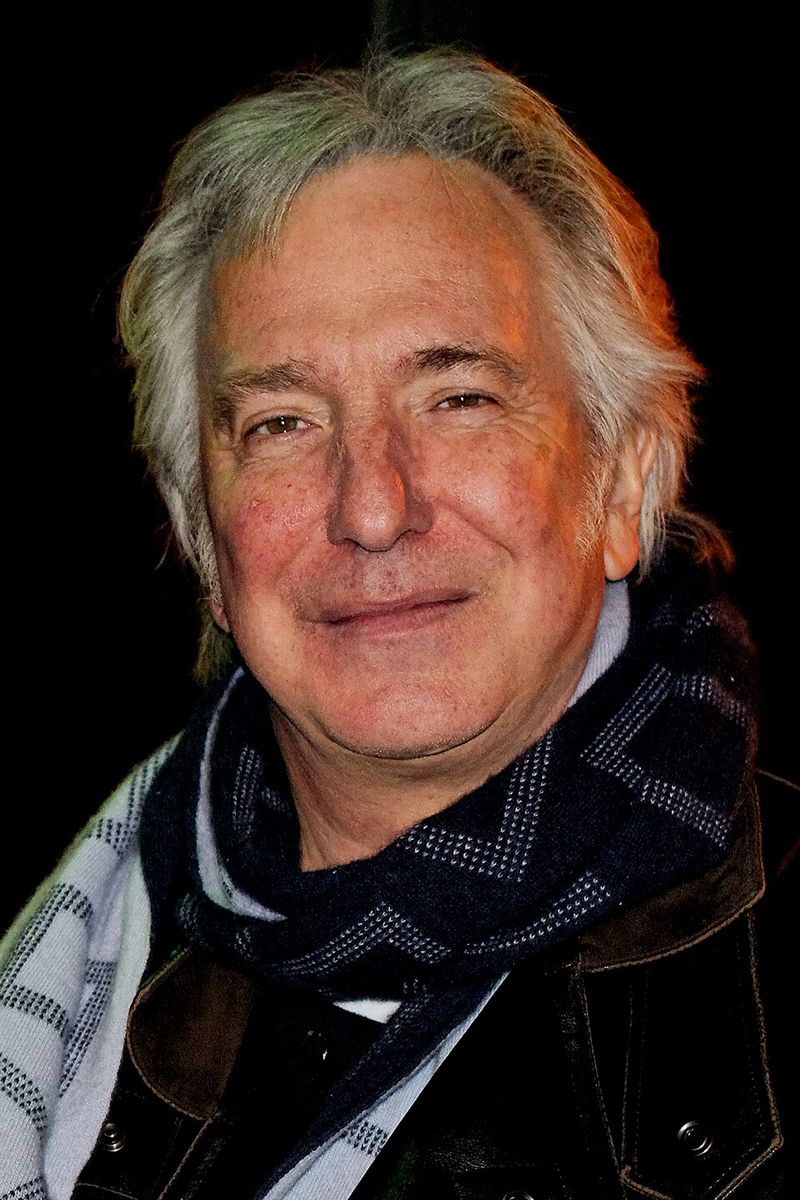
Alan Rickman could make you shiver just by saying good morning. That voice was something else entirely.
Deep, precise, and capable of switching from velvet warmth to icy menace in the same breath.
His performance as Hans Gruber in Die Hard is still considered one of cinema’s best villains. Colonel Brandon in Sense and Sensibility showed a softer, aching vulnerability that surprised everyone.
And then there was Severus Snape in the Harry Potter series, a role so layered and complex that it took eight films to fully understand him. When the final film revealed Snape’s true story, fans who had been suspicious of him for years completely broke down.
Rickman died on January 14, 2016, from pancreatic cancer, a diagnosis he had kept private. Daniel Radcliffe, Emma Watson, and the entire Potter cast shared deeply personal tributes.
He was described by colleagues as endlessly supportive of younger actors. His performances aged like fine art.
Every rewatch reveals something new worth admiring.
Patrick Swayze
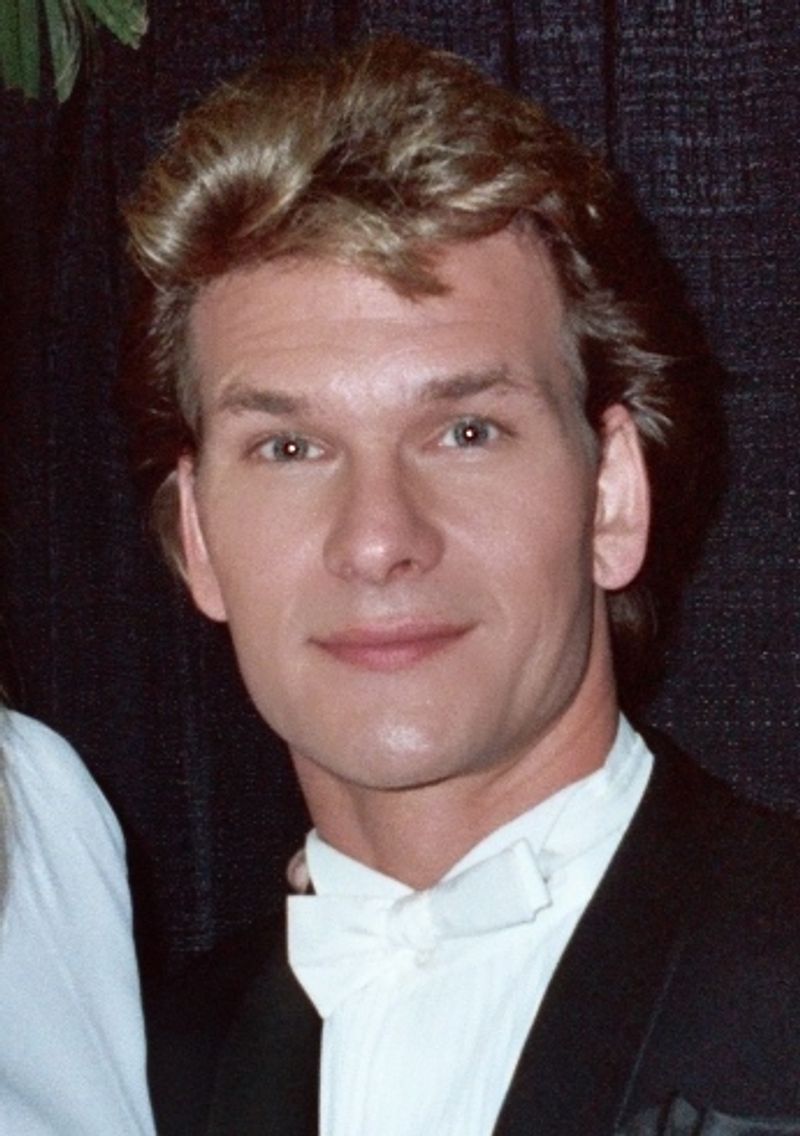
Nobody puts Baby in a corner, and nobody puts Patrick Swayze in a box. He was an actor who brought genuine physical grace to roles that could have easily been shallow.
Instead, they became classics.
Dirty Dancing made him a heartthrob in 1987, but Ghost proved he could carry real emotional weight. The pottery scene alone has been referenced in pop culture more times than anyone can count.
Point Break added action-hero credibility, and he played it with surprising depth. Swayze was also a trained dancer and a licensed pilot, which somehow feels very on-brand for a man who seemed to do everything at full commitment.
He died on September 14, 2009, after a fierce battle with pancreatic cancer. During his illness, he gave candid interviews about his treatment and his determination to keep working.
That honesty earned him even deeper respect. Fans who had loved him since the 1980s grieved as if they had lost a close friend.
In a way, they had.
Olivia Newton-John
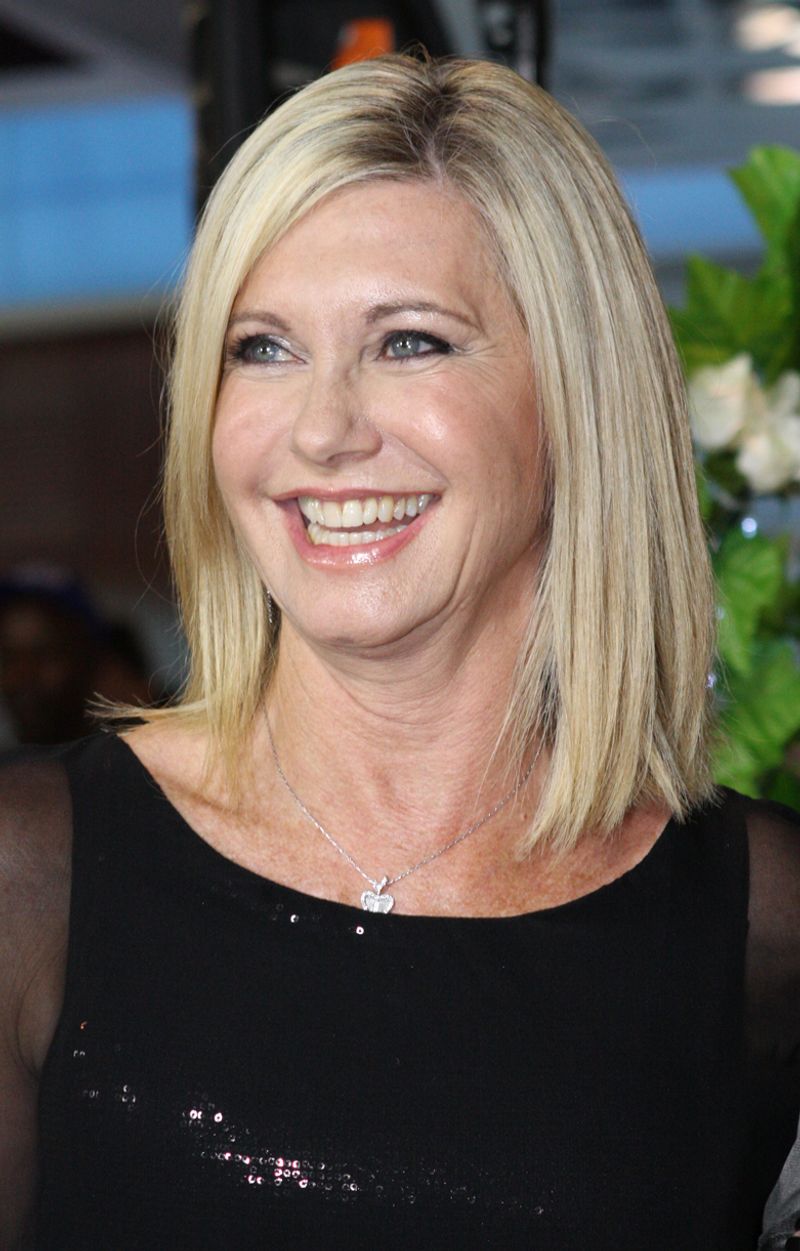
Olivia Newton-John showed up in Grease as sweet, innocent Sandy and left the movie in a leather jacket with a brand new attitude. That transformation became one of the most quoted moments in movie musical history.
But Sandy was just the beginning.
Her music career was equally remarkable. Physical became one of the best-selling singles of the 1980s and stayed at number one for ten straight weeks.
She sold over 100 million records worldwide and won four Grammy Awards. Beyond the music and the movies, she became one of the most prominent advocates for breast cancer awareness after her own diagnosis in 1992.
Newton-John died on August 8, 2022, after living with breast cancer for three decades. She had always spoken about her experience with extraordinary openness and hope, encouraging others to get screened and stay positive.
Her co-star John Travolta posted a heartfelt tribute that moved millions of fans. She was, as he put it, a beacon of joy and light.
Angela Lansbury
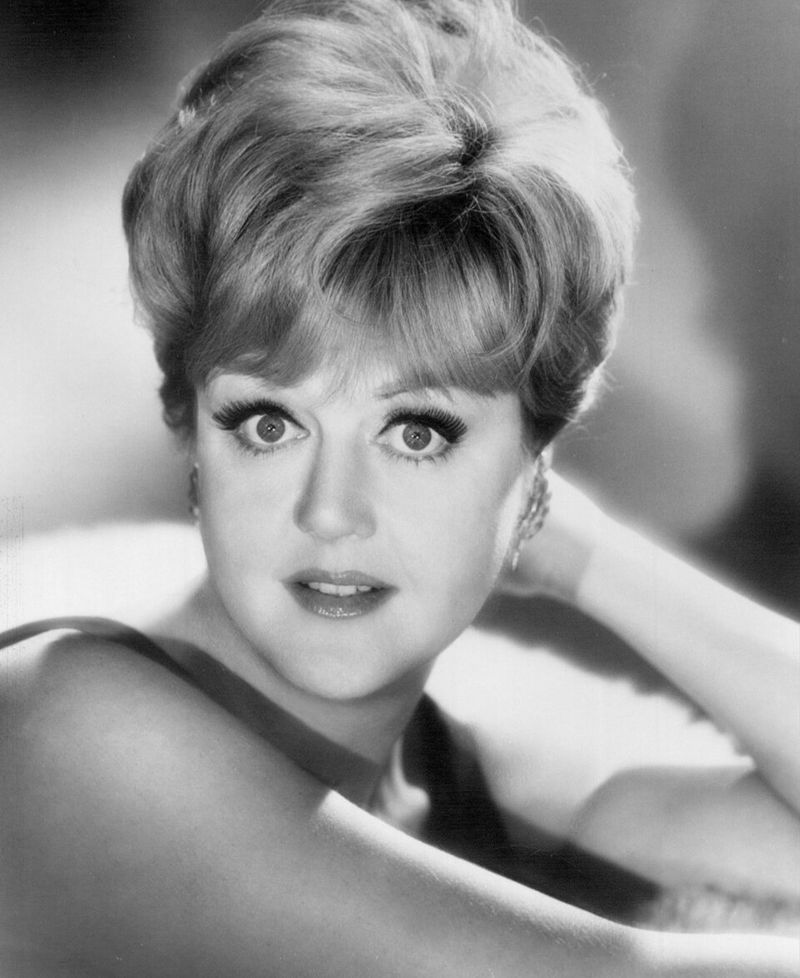
Angela Lansbury worked in Hollywood for nearly 80 years and somehow never wore out her welcome. That is not a career.
That is a superpower. She was performing on Broadway at age 96, just months before she died.
Her film debut came in Gaslight in 1944, and she earned an Oscar nomination for it at just 17 years old. She followed that with decades of stage, screen, and television work that most performers would kill for.
Murder, She Wrote ran for 12 seasons and made her one of the most recognized faces on American television. And then there was Mrs. Potts in Beauty and the Beast, a voice role so perfectly warm that it became instantly iconic.
Lansbury died on October 11, 2022, at 96 years old, five days before her 97th birthday. The tributes came from every corner of the entertainment world.
She had mentored countless younger performers and remained genuinely beloved by everyone who worked with her. A true original in every sense.
Gene Wilder
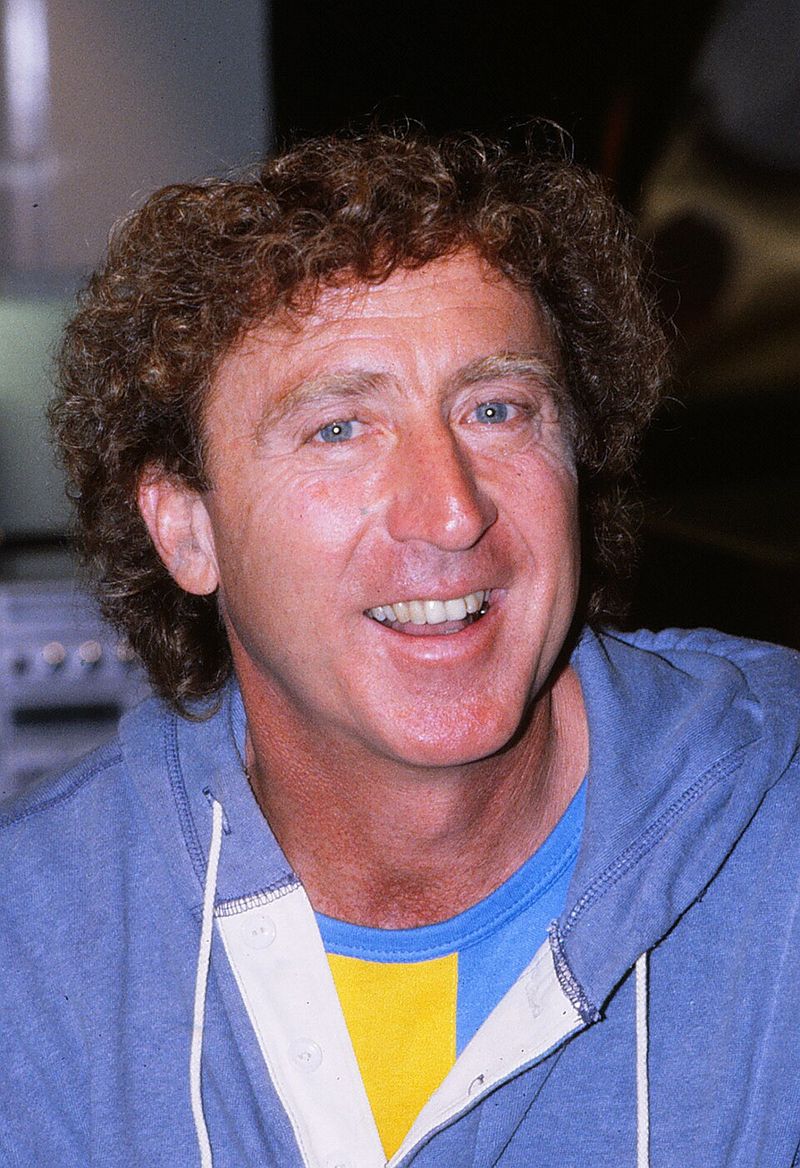
Gene Wilder had eyes that did half his acting for him. One look from him could be funny, sad, and a little unhinged all at the same time.
That quality made him absolutely magnetic on screen.
His turn as Willy Wonka in Willy Wonka and the Chocolate Factory is genuinely one of cinema’s most layered performances. He played the character as charming, unsettling, and secretly tender all at once.
His collaborations with Mel Brooks produced comedy gold. Blazing Saddles and Young Frankenstein are still studied in film schools as examples of how satire should be done.
His chemistry with Richard Pryor in Silver Streak and Stir Crazy added yet another dimension to his legacy.
Wilder died on August 29, 2016, after keeping his Alzheimer’s diagnosis private for three years. He had not wanted children who loved Willy Wonka to see him struggling.
That decision, quiet and protective, felt entirely in keeping with who he was. Gentle, thoughtful, and always thinking of someone else first.
Share this story