There is a small city in eastern Oregon where the streets feel like a living postcard from another era, the bakeries smell like something your grandmother used to make on Sunday mornings, and the mountains surrounding the valley look like they were painted just for you. I first heard about this place from a road-tripper who compared it favorably to towns she had visited across the country, from the Pacific Coast to the plains of Oklahoma.
That comparison stuck with me, because Oklahoma towns have a certain honest, unpretentious charm that is hard to fake. What I found when I finally arrived was a city that delivers on every promise, with real history, real food, and real beauty around every corner.
Welcome to Baker City, Oregon
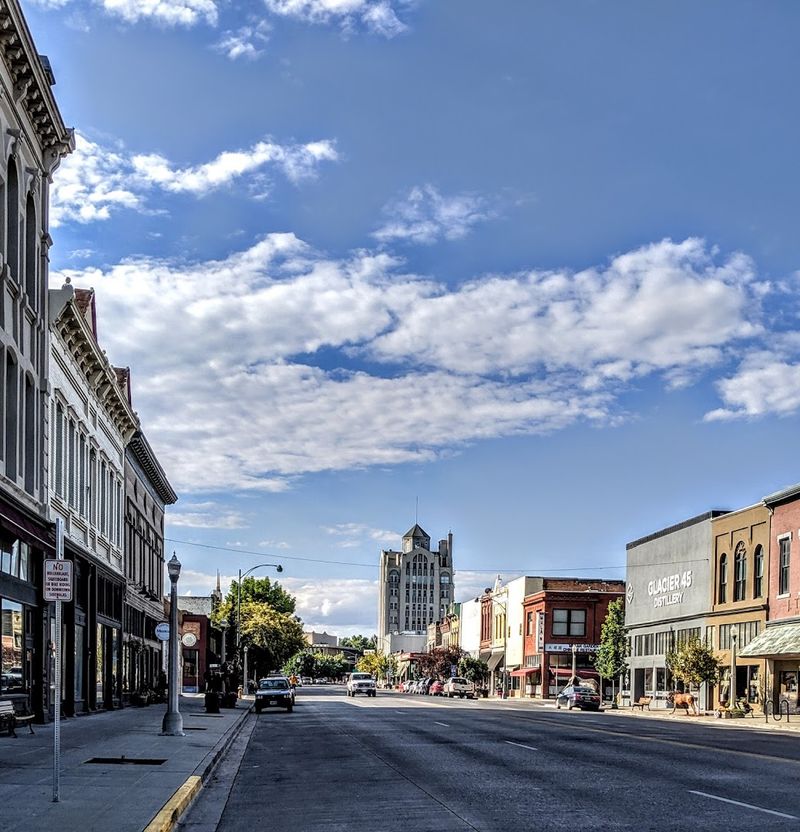
Baker City sits at 44.7748748 latitude in Baker County, eastern Oregon, with a mailing address of Oregon 97814, and a population of just over 10,000 people as recorded in the 2020 census. The city serves as the county seat and carries a name with a surprisingly dramatic backstory.
It was named after Edward Dickinson Baker, the only U.S. Senator in American history ever to be killed in military combat.
That single fact sets the tone for everything Baker City represents: a place where real history happened and left its mark on the land and the people.
The city sits in the Powder River Valley, flanked by the Elkhorn Mountains to the west and the Blue Mountains to the northeast. The elevation hovers around 3,400 feet, which gives the air a crispness that feels like a reward after driving through the high desert.
Travelers coming from Oregon’s coast or even road-trippers arriving from as far away as Oklahoma often say this stretch of Highway 84 is where the scenery suddenly shifts into something unforgettable. Baker City is the kind of place that makes you pull over and actually look around.
A Town Built on Gold Rush Dreams
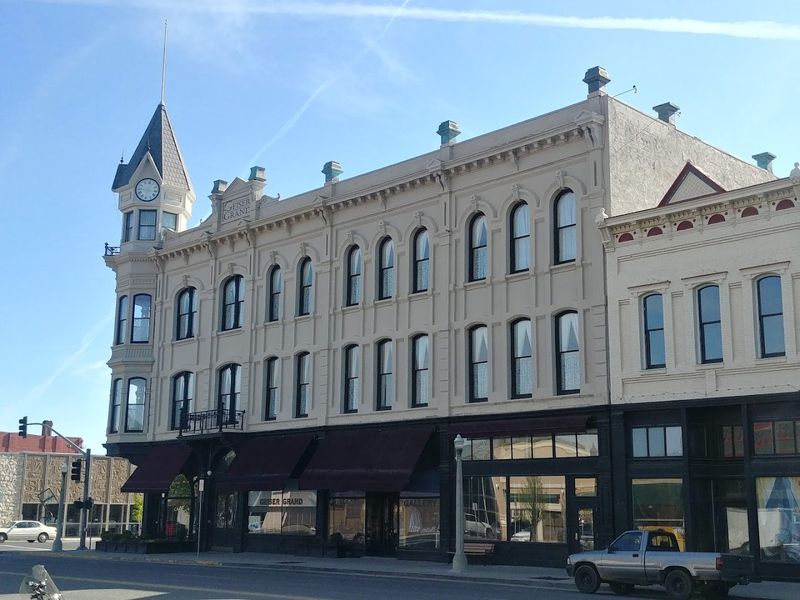
Gold changed everything here. In the 1860s, prospectors flooded the region after striking gold in the nearby mountains, and Baker City grew almost overnight from a rough camp into a proper commercial hub.
The money that flowed through this valley funded ornate buildings, a thriving Main Street, and a sense of ambition that still lingers in the architecture today.
At its peak, Baker City was the largest city between Salt Lake City and Portland, which sounds almost unbelievable when you walk its quiet streets now. But the evidence is right there in the stone facades and the ironwork on the storefronts.
The National Historic Oregon Trail Interpretive Center, just a few miles outside town, tells the broader story of the region with exhibits that cover everything from indigenous history to the wagon trains that passed through by the hundreds of thousands. It is one of the finest interpretive centers in the Pacific Northwest, and the views from the hilltop alone are worth the short drive.
History here is not something kept behind glass. It is something you can feel under your boots on every block, which is a rare quality that even well-traveled visitors from Oklahoma often remark on.
The Historic Downtown District
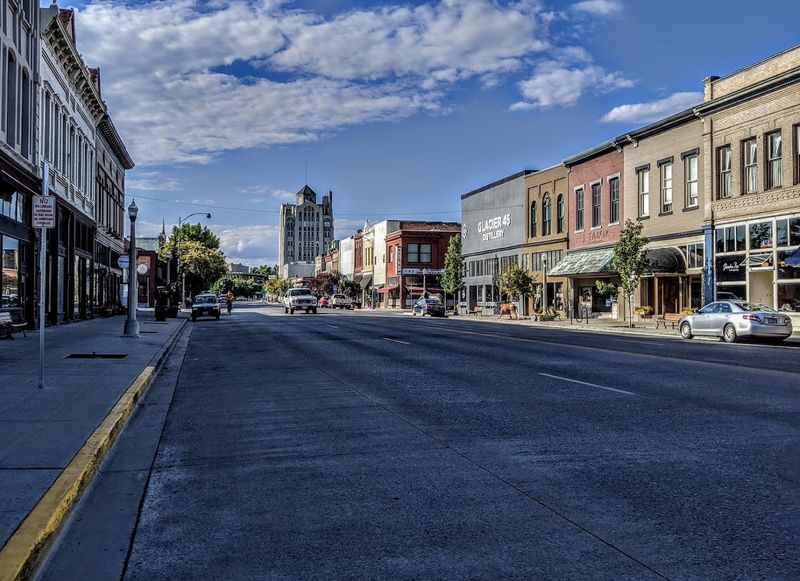
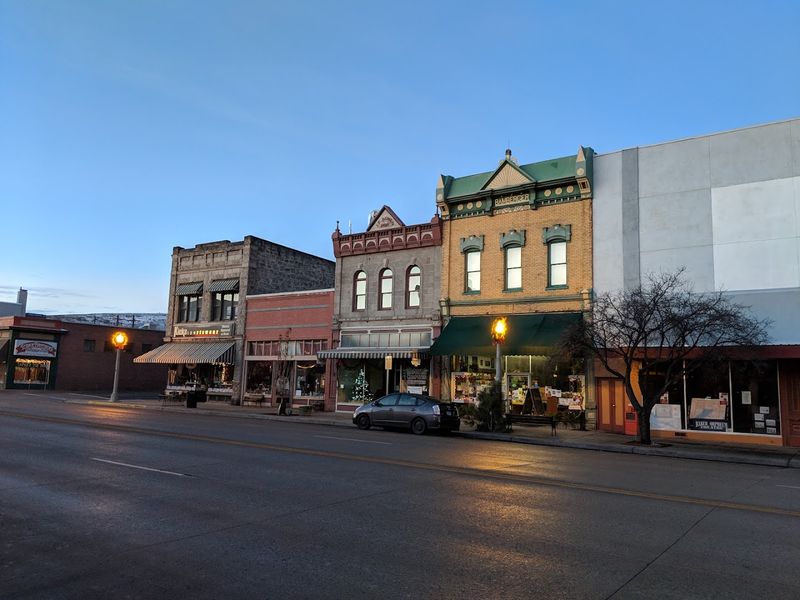
The downtown core of Baker City is a genuine architectural treasure. More than 100 buildings on the National Register of Historic Places line the streets, and walking through the district feels like a tour through late 19th-century commercial design without any of the forced nostalgia of a theme park.
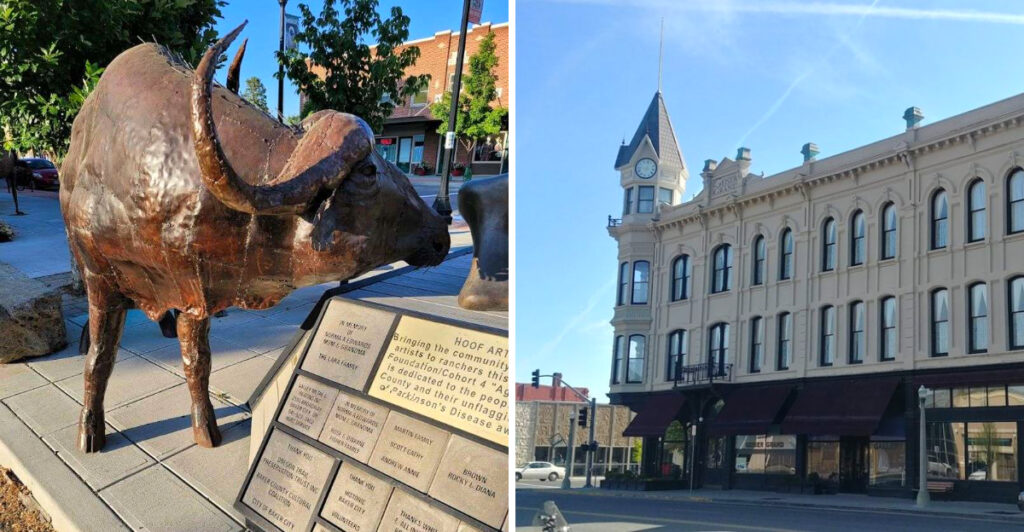
The Geiser Grand Hotel, built in 1889, anchors the whole district with its Renaissance Revival facade and a stained-glass ceiling in the Palm Court that catches afternoon light in a way that stops people mid-stride. It has hosted presidents, miners, and travelers crossing the continent, and it still operates as a hotel today.
Nearby, the Adler building and the First National Bank block show off the kind of craftsmanship that cost real money and real time in the 1890s. These were not buildings thrown up quickly.
They were statements.
Local shop owners have moved into many of the ground-floor spaces, filling the district with bookstores, galleries, and small restaurants that feel like they belong there rather than like they were imported from somewhere trendier. Road-trippers who have driven through towns from Oklahoma to the Pacific Coast consistently name Baker City’s downtown as one of the most intact historic districts they have ever seen.
Bakeries That Deserve Their Own Road Trip
Few things in travel are as satisfying as a small-town bakery that actually earns its reputation. Baker City has more than one, and each has its own personality.
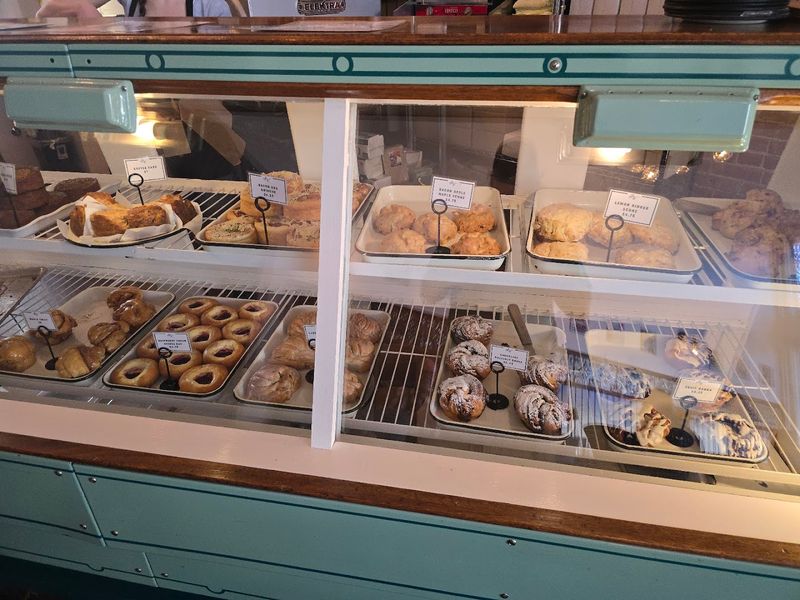
The smell of fresh sourdough and cinnamon rolls hits you before you even open the door at the local favorites, and the display cases are packed with items that look like they were made by someone who genuinely cares about the result. Nothing here tastes like it came out of a factory.
Bread loaves with thick, crackly crusts sit next to hand-decorated cookies and flaky croissants that shatter at the first bite. The coffee is local-roasted and strong, which is exactly what you want after a long drive through the high desert.
What makes these spots special is not just the food but the pace. Nobody is rushing you out the door.
The barista might chat with you about the mountains or recommend a hiking trail while your order is being boxed up. That kind of unhurried hospitality is something you find in small towns with real community spirit, from rural Oregon to the friendlier corners of Oklahoma.
Baker City has it in abundance, and the baked goods are genuinely excellent.
Scenic Road Trip Routes Through the Region
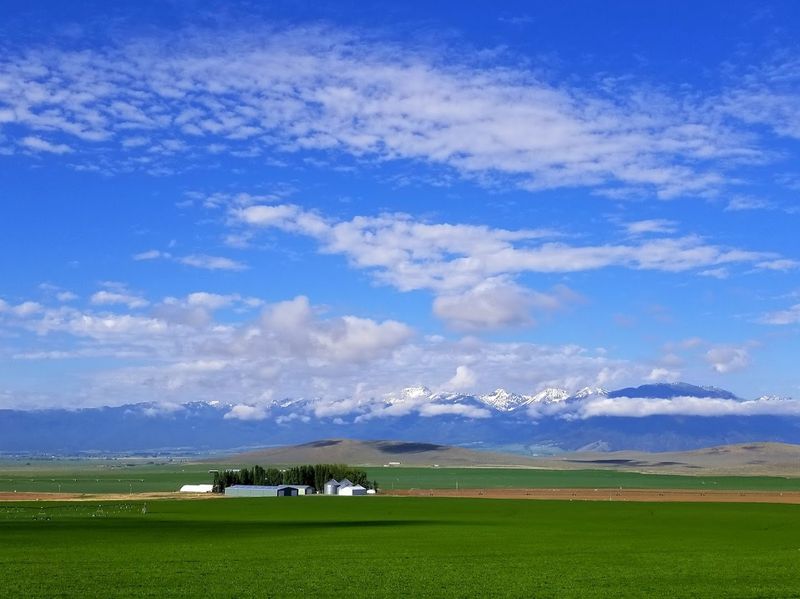
Eastern Oregon is road trip country, and Baker City sits at the center of some of the most rewarding drives in the state. Highway 30, the old Oregon Trail Highway, winds through the Powder River Valley with views that change every few miles from sagebrush flats to pine-covered ridges.
The Elkhorn Drive National Scenic Byway is a 106-mile loop that circles the Elkhorn Mountains and passes through ghost towns, alpine lakes, and old mining sites. It is the kind of route that makes you forget about your destination because the journey itself is the whole point.
Anthony Lakes, sitting at over 7,000 feet elevation, is accessible via this byway and offers a high-mountain lake experience that feels a world away from the valley floor. In summer, the wildflowers along the road are dense and colorful.
In fall, the aspen groves turn gold in a way that photographs never fully capture.
Drivers who have completed road trips across the American West, including long hauls from Oklahoma through the Rockies and into the Pacific Northwest, often cite this stretch of eastern Oregon as the most underrated driving corridor in the country. Baker City is the perfect base camp for all of it.
The Oregon Trail Legacy
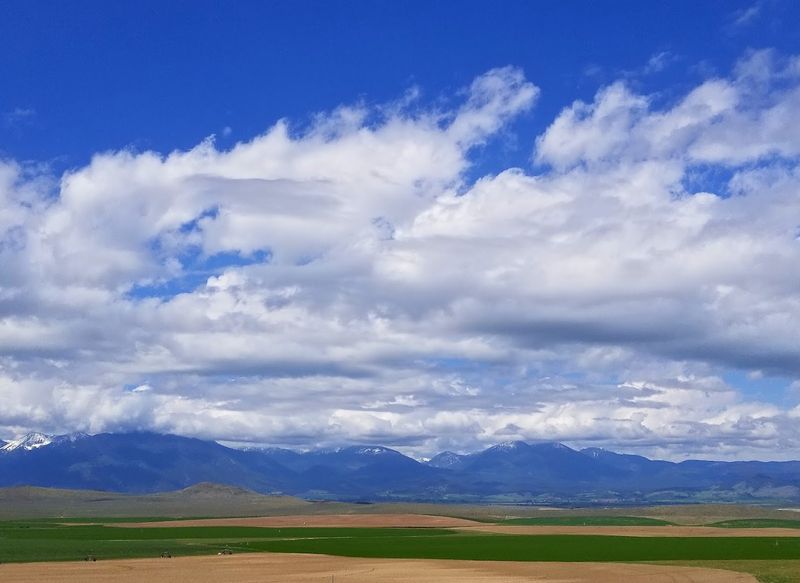
Roughly 300,000 emigrants passed through the Baker Valley on the Oregon Trail between the 1840s and 1860s, and the physical evidence of that passage is still visible in the landscape. Wagon ruts pressed into the earth by thousands of wheels and hooves remain intact on hillsides near town, and standing beside them is a genuinely moving experience.
The National Historic Oregon Trail Interpretive Center, managed by the Bureau of Land Management, sits on Flagstaff Hill just east of Baker City and offers one of the most thoughtfully designed museum experiences in the Pacific Northwest. The exhibits cover the full range of the emigrant experience with honesty and depth.
Life-size dioramas, period artifacts, and multimedia presentations bring the journey to life without oversimplifying it. The center also hosts living history demonstrations during the summer months, where costumed interpreters show what daily life on the trail actually looked like.
Outside, a network of trails leads to hilltop viewpoints where you can see the valley the emigrants saw when they finally crested the ridge after weeks of difficult travel. The view has not changed much in 180 years, and that continuity is part of what makes Baker City such a compelling place to spend a few days.
Outdoor Adventures in Every Direction
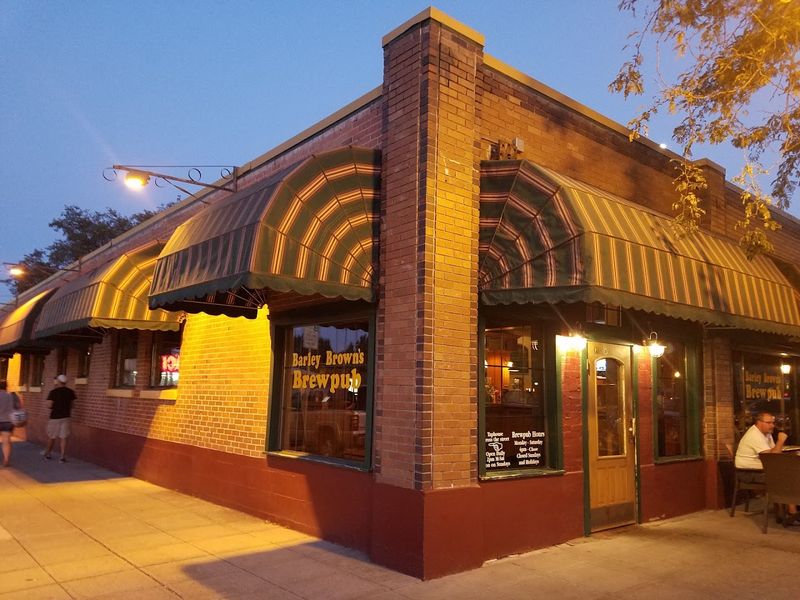
The mountains surrounding Baker City are not decorative. They are fully usable, and the outdoor recreation options within an hour of downtown are genuinely impressive for a city of 10,000 people.
The Wallowa-Whitman National Forest covers much of the surrounding terrain and offers hundreds of miles of hiking and mountain biking trails. The trails range from easy valley walks to serious alpine climbs, and the trailheads are rarely crowded compared to similar terrain in more heavily marketed parts of the West.
Anthony Lakes Mountain Resort offers skiing in winter on terrain that feels uncrowded and unhurried. The resort sits at one of the highest base elevations in Oregon, which means reliable snow and cold, dry powder on good days.
Fishing on the Powder River and nearby reservoirs draws anglers looking for rainbow trout and bass in peaceful, scenic settings. Hunters come to the region in fall for elk and deer in the national forest lands.
The variety of activities available within a short drive of Baker City is the kind of thing that keeps outdoor enthusiasts coming back season after season. Once you have explored one trail or one river, there are dozens more waiting, and the scenery never gets repetitive.
Local Dining Beyond the Bakeries
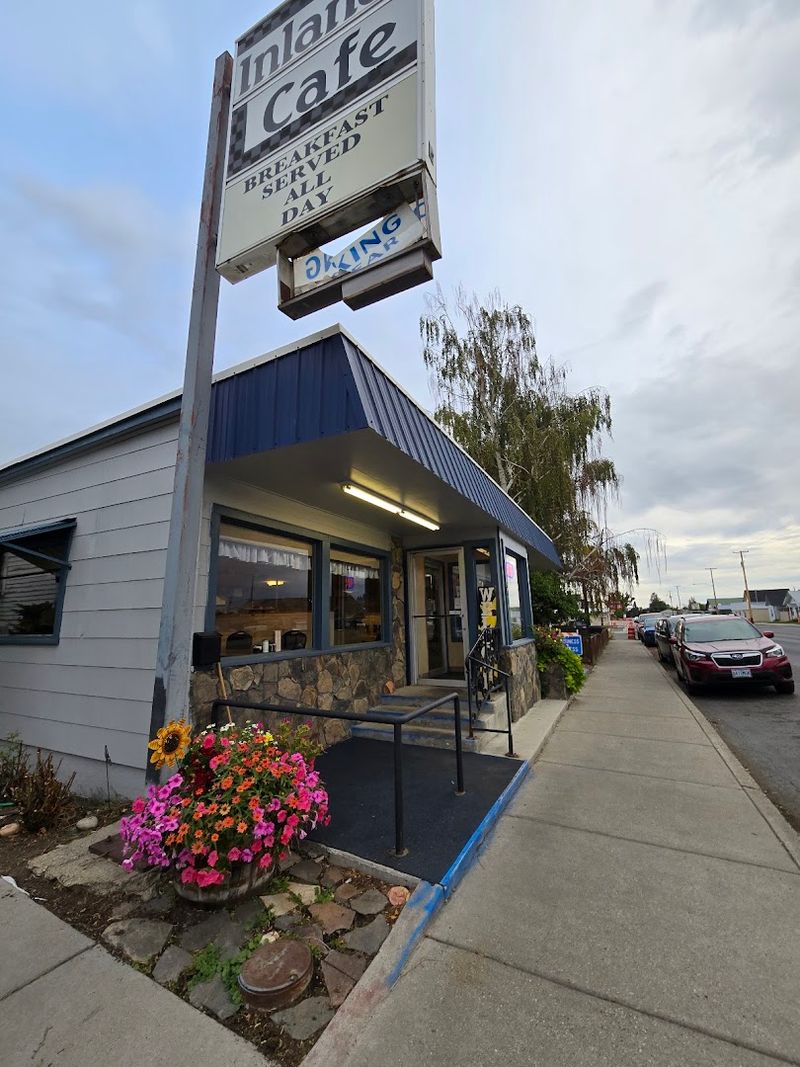
Baker City’s restaurant scene punches above its weight for a town this size. The local dining options cover a range of styles, from casual burger joints with locally sourced beef to sit-down spots with seasonal menus that reflect the agricultural richness of the surrounding valley.
The Powder River Valley produces excellent beef, and you will find it featured prominently on menus across town. A burger here is not an afterthought.
It is thick, juicy, and served with the kind of confidence that comes from knowing the meat came from a nearby ranch.
Several spots specialize in Pacific Northwest comfort food, which means hearty portions, fresh produce, and house-made sauces that reflect real cooking rather than corporate recipes. The breakfast options are particularly strong, with generous plates that fuel a full day of hiking or exploring.
The dining scene also includes a handful of newer spots run by younger chefs who have brought fresh ideas to the menu without abandoning the town’s practical, unpretentious character. Baker City eats well, and the prices reflect small-town reality rather than tourist-destination inflation, which is a welcome change from many popular Oregon destinations.
The Geiser Grand Hotel Experience
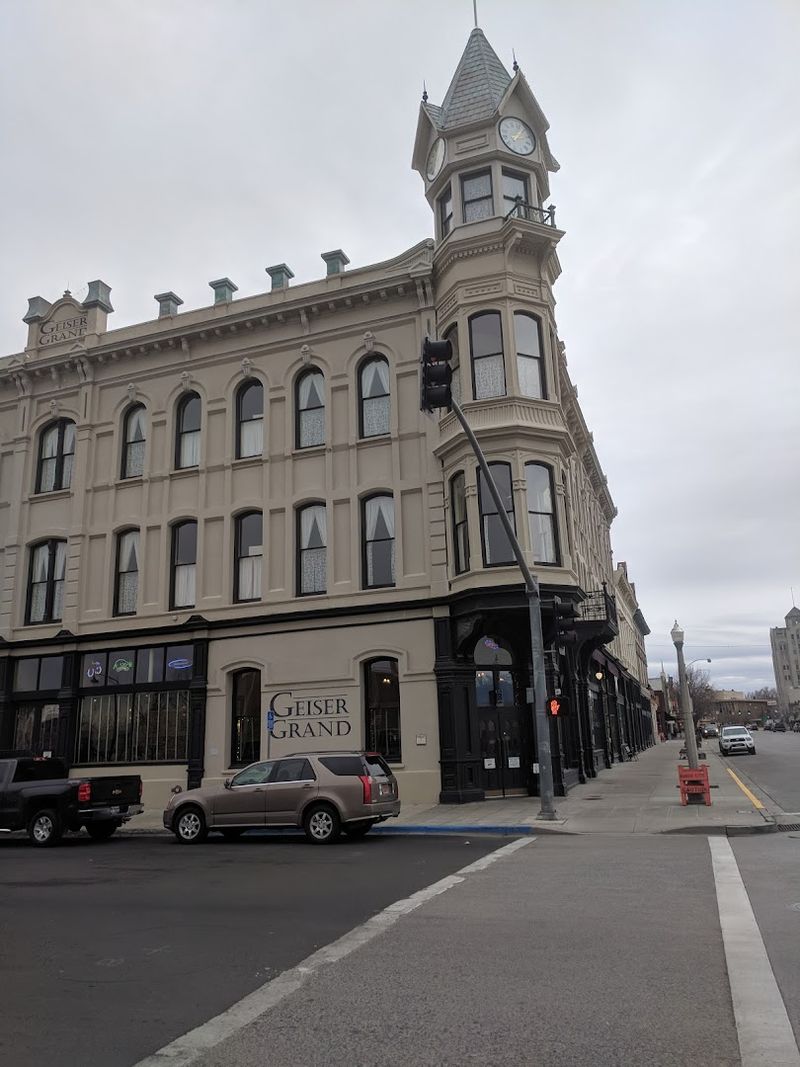
The Geiser Grand Hotel is not just a place to sleep. It is the physical centerpiece of Baker City’s identity, and staying there is one of the more memorable hotel experiences in the Pacific Northwest.
Built in 1889 and restored in the 1990s after years of decline, the hotel features a stunning Palm Court atrium with a stained-glass ceiling that floods the dining room with colored light on sunny afternoons. The rooms are furnished with period-appropriate antiques and have the kind of quiet, substantial feel that modern hotels rarely achieve.
The hotel’s restaurant serves breakfast and dinner in the Palm Court, which is one of the more atmospheric dining rooms in Oregon. The service is attentive without being formal, and the menu leans into regional ingredients.
Guests often spend time in the lobby just reading or watching other travelers come and go, because the space invites that kind of unhurried presence. The building has a history that includes visits by Theodore Roosevelt and various mining magnates of the 1890s.
Whether you stay a night or just stop in for a meal, the Geiser Grand adds a layer of texture to the Baker City experience that no amount of hiking or museum-going can replicate. It is genuinely irreplaceable.
Art, Culture, and Community Events
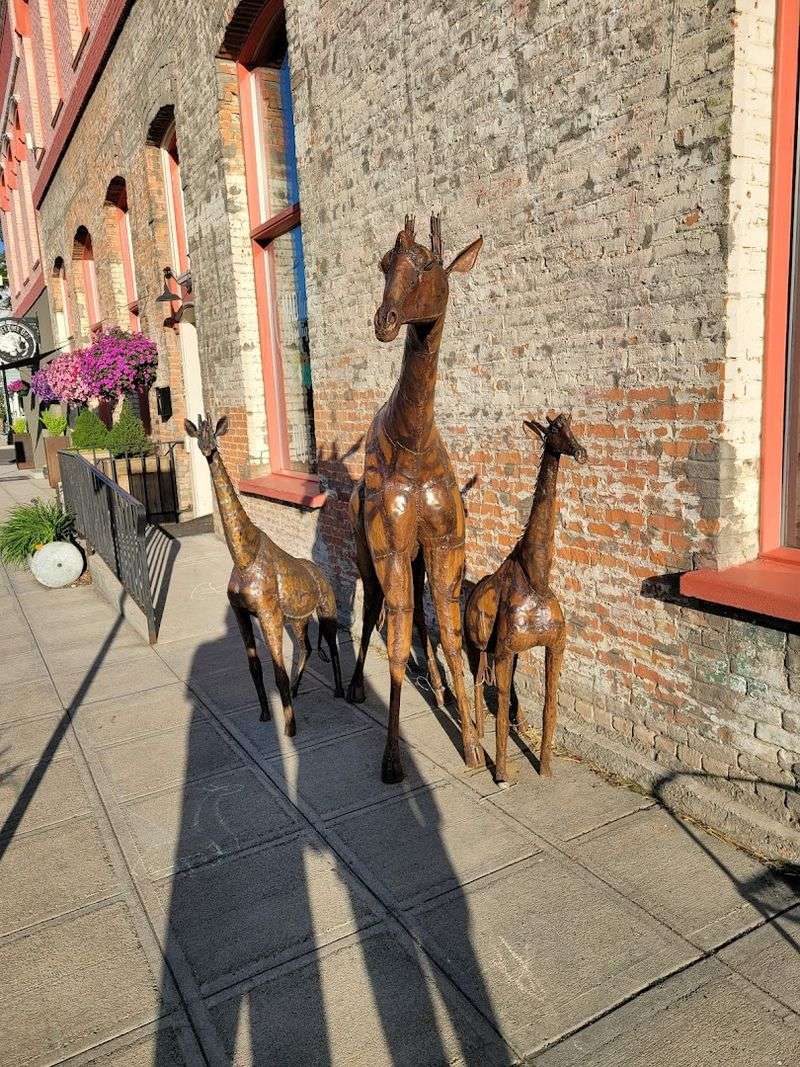
A town this historically rich tends to develop a strong creative culture, and Baker City follows that pattern with a calendar of events and cultural offerings that keep the community engaged year-round.
The Crossroads Carnegie Art Center occupies a beautifully restored 1904 Carnegie library building and hosts rotating exhibitions featuring regional artists. The building itself is worth visiting, with its classical columns and original interior woodwork, but the art inside consistently reflects the landscape and character of eastern Oregon.
The Baker City Cycling Classic draws competitive cyclists from across the region each summer for a multi-day race through the valley and surrounding mountains. The event brings visitors to town and gives the downtown a festival energy that lasts for several days.
Seasonal farmers markets, music events, and community gatherings fill the warmer months with activity that feels organic rather than manufactured for tourist consumption. The people running these events are locals who genuinely care about their town.
Visiting during one of these events adds a social dimension to the Baker City experience that pure sightseeing cannot provide. The community pride here is palpable, and it is the kind of thing you find in towns that have worked hard to maintain their identity, from small Oregon cities to tight-knit communities in Oklahoma.
Best Times to Visit and Practical Tips
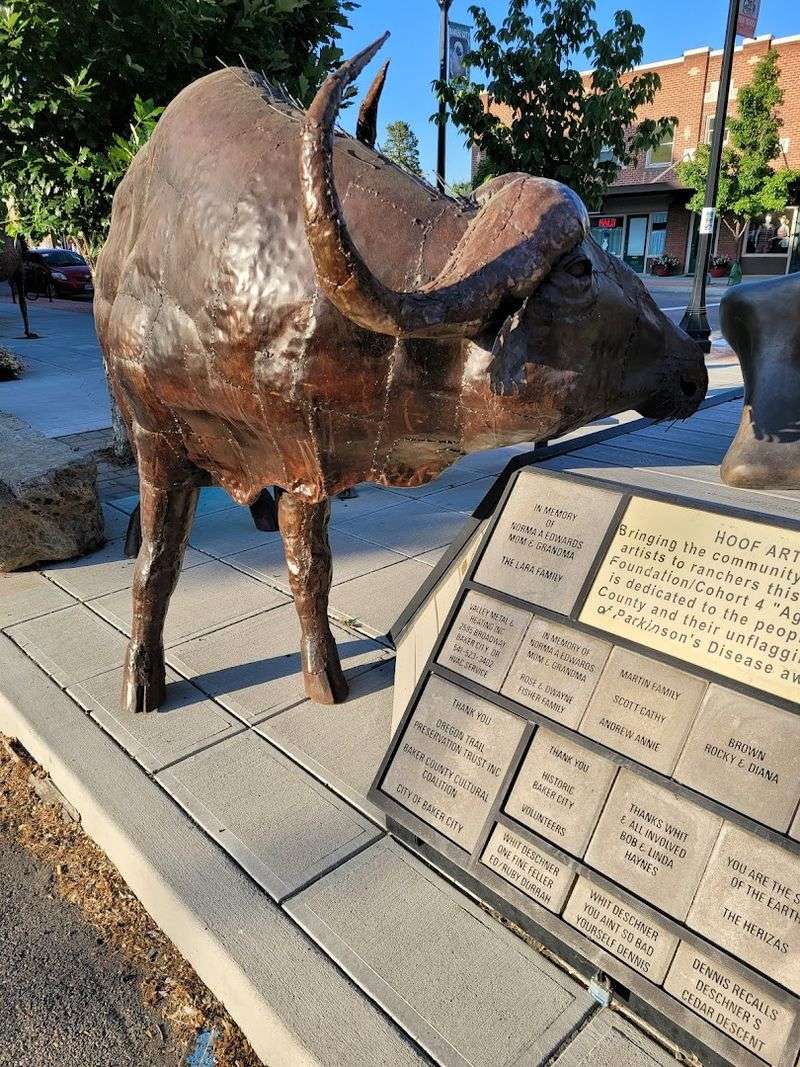
Eastern Oregon has four distinct seasons, and Baker City is worth visiting in any of them, but late spring through early fall offers the most comfortable conditions for outdoor exploration and sightseeing.
June through September brings warm days, cool nights, and long hours of sunlight that make hiking and scenic driving genuinely pleasant. The Elkhorn Byway is fully accessible during these months, and the wildflowers in June are a bonus that many visitors do not anticipate.
October is spectacular for fall color, particularly along the aspen groves of the Elkhorn Mountains. The crowds thin considerably after Labor Day, which means you get the scenery largely to yourself.
Winter brings snow to the mountains and occasional cold snaps to the valley, but Baker City stays accessible year-round via Interstate 84. Anthony Lakes opens for skiing typically in December, and the town takes on a quieter, cozier character that has its own appeal.
Accommodation options range from the Geiser Grand to several well-maintained motels and vacation rentals. Book ahead if you plan to visit during summer weekends or the cycling classic.
Parking downtown is free and easy, and most of the main attractions are walkable from the central district, which makes logistics refreshingly simple.
Why Baker City Stays with You Long After You Leave
Some places are easy to forget once you are back on the highway. Baker City is not one of them.
The combination of genuine history, accessible wilderness, real food, and a community that has not lost its identity creates an impression that lingers in a way that polished tourist destinations rarely do.
The city earns its reputation not through marketing but through substance. The buildings are real.
The trails are real. The people behind the bakery counters and restaurant kitchens are real residents who have chosen to build their lives here, and that authenticity is felt in every interaction.
Travelers who have covered serious ground across the American West, from the coastline of Oregon to the wide plains of Oklahoma, often single out Baker City as the place that surprised them most. Not because it was flashy, but because it was honest.
The mountains do not care whether you are impressed by them. The wagon ruts in the hillside have been there for 180 years and will be there long after your visit.
Baker City simply offers all of this and then lets you decide what it means to you. That kind of quiet confidence is the rarest quality a travel destination can have, and Baker City has it without even trying.
Share this story