Massachusetts is packed with incredible places to explore, and you don’t need a big budget to have a great time. From rocky coastlines and historic battlefields to quirky museums and peaceful nature trails, this state delivers serious adventure for very little cash.
I’ve spent more weekends than I can count driving around the Bay State, and I’m still finding hidden gems. Whether you’re planning a solo escape or a full family outing, these 20 day trips are genuinely worth every mile.
Walden Pond State Reservation, Concord, Massachusetts
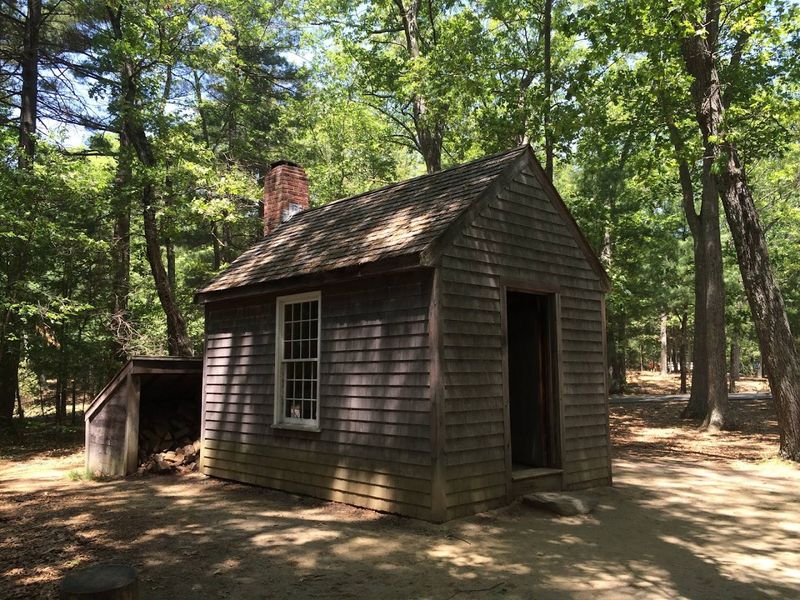
Henry David Thoreau lived at Walden Pond for two years to “live deliberately” and wrote a whole book about it. Lucky for us, the entrance fee is just a few dollars, so we can be philosophical on a budget.
The pond is stunning, especially in summer when the water turns a deep blue-green.
Swimming is allowed at a designated beach area, and the trails looping around the pond are flat and easy. I once spotted a family of ducks waddling single-file down the path like they owned the place.
The replica of Thoreau’s tiny cabin near the parking lot is worth a quick stop too.
Pack a lunch, because there’s no food sold on site. The whole reservation covers 462 acres, so there’s plenty of room to roam beyond the pond itself.
This is one of those rare spots that feels peaceful even on a busy weekend.
Minute Man National Historical Park, Concord and Lexington, Massachusetts
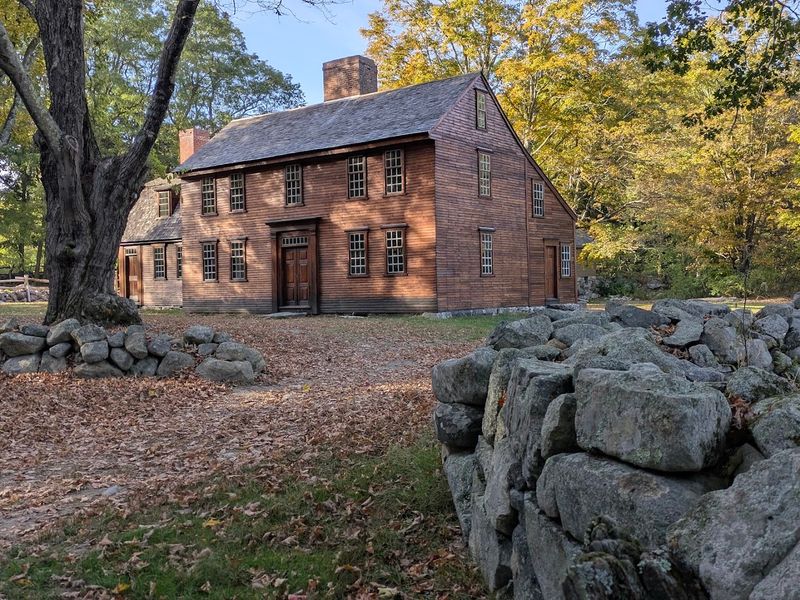
The shot heard round the world was fired right here, and visiting costs absolutely nothing. Minute Man National Historical Park stretches across Concord and Lexington, covering the ground where American colonists first stood up to British troops in 1775.
History class suddenly gets a lot more interesting when you’re standing on the actual soil.
The Battle Road Trail is a 5.5-mile path that follows the route of that famous fight. It’s mostly flat, family-friendly, and dotted with informative markers along the way.
The visitor center has a free multimedia program that sets the scene beautifully before you head outside.
North Bridge, where the first real exchange of fire happened, is a short walk from the parking area. The bronze Minute Man statue standing guard nearby makes for a great photo.
Bring comfortable shoes and a water bottle, and plan to spend at least half a day here soaking it all in.
Castle Island, Boston, Massachusetts
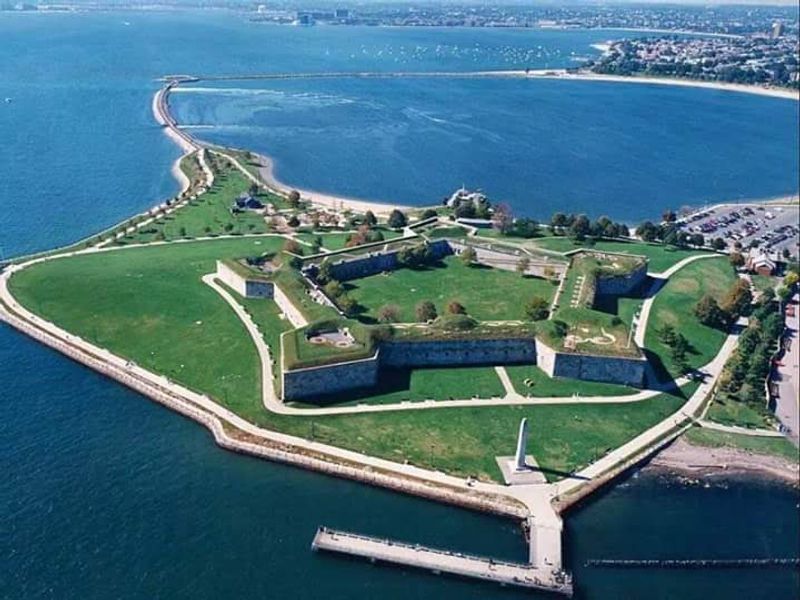
Castle Island is technically a peninsula now, but it still sounds impressive enough to make friends jealous when you mention it. Located in South Boston, this spot is completely free to visit and sits right on Boston Harbor with stunning views of the water and incoming planes from Logan Airport.
Plane-watching and harbor-gazing at the same time? That’s a double feature.
Fort Independence, the star-shaped granite fortress on the island, has been standing since the 1800s. Free guided tours run on weekends in summer, and the fort’s history includes a genuinely spooky Edgar Allan Poe connection.
Poe was stationed nearby as a soldier and reportedly based a story on a legend from the fort.
Sullivan’s, a classic Boston snack shack just outside the fort, serves legendary hot dogs and fried clams. The prices are reasonable, and the lines move fast.
Walk the paved loop around the island for great views and some seriously fresh harbor air.
Revere Beach Reservation, Revere, Massachusetts
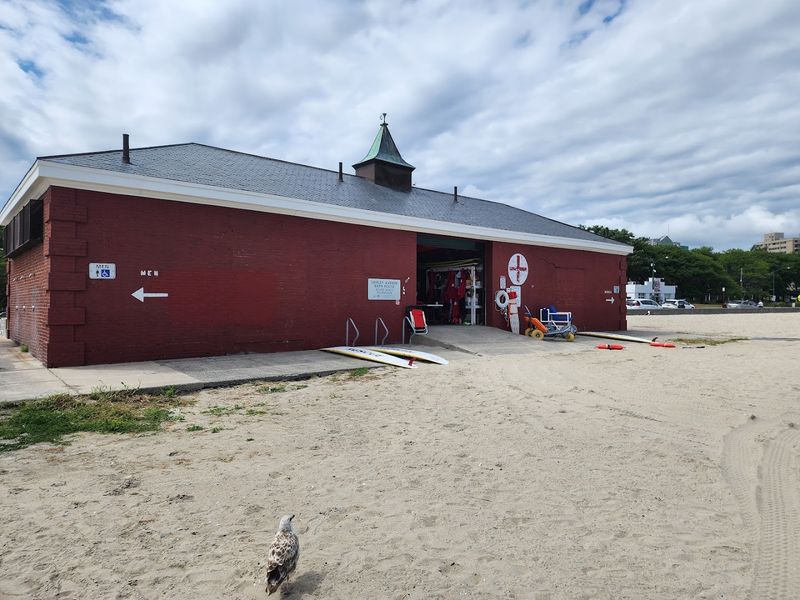
Revere Beach holds the title of America’s first public beach, established in 1896, which means it’s been delivering good times for well over a century. Just a short T-ride from downtown Boston, this wide sandy stretch is completely free to enjoy.
No parking headaches, no admission fees, just sand and surf.
The beach runs about three miles along the coast with a broad boulevard lined with restaurants and snack stands. Kelly’s Roast Beef, a local institution, has been slinging sandwiches here since 1951.
A roast beef sandwich and a cold drink from Kelly’s is basically a rite of passage.
Every July, the beach hosts a massive free sand sculpting festival that draws artists from around the world. The sculptures get genuinely jaw-dropping, with some standing taller than a person.
Even outside festival season, Revere Beach is a solid destination for a breezy afternoon that won’t cost more than lunch and a bus fare.
Lynn Shore and Nahant Beach Reservation, Lynn and Nahant, Massachusetts
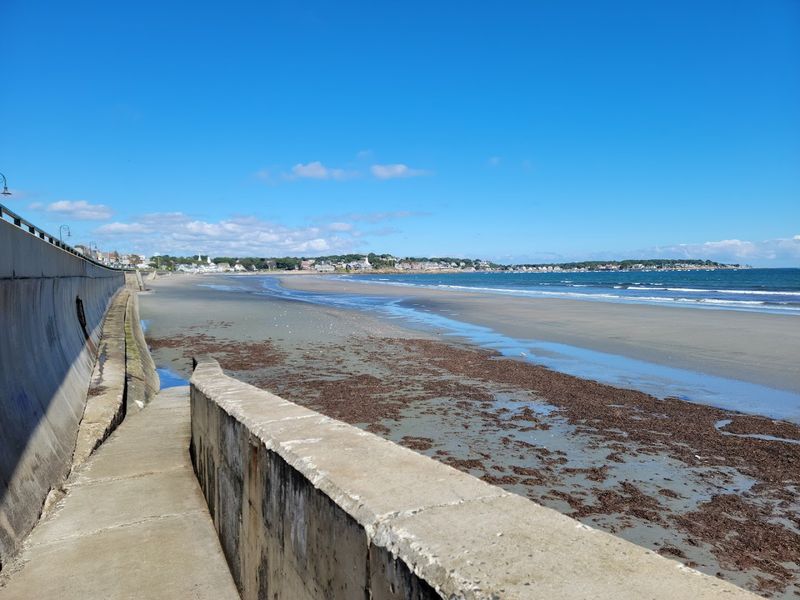
Lynn Shore is one of those places that somehow stays off most tourists’ radar, which means more beach for the rest of us. The reservation stretches along the coast through Lynn and connects to the narrow causeway leading to Nahant, a tiny peninsula jutting into the Atlantic.
The drive out to Nahant alone is worth the trip.
The beach itself is sandy and clean, with calm enough water for swimming on most summer days. The rocky sections along the shore are great for exploring tide pools, which kids absolutely love.
I’ve seen sea urchins, crabs, and even a startled flounder in those pools.
Parking fees are modest, and the reservation is open year-round. The paved Lynn Shore Drive runs alongside the beach, making it a popular spot for joggers, cyclists, and strollers.
On a clear day, you can see all the way to Boston’s skyline from the Nahant end. That view alone is worth the gas money.
Nantasket Beach Reservation, Hull, Massachusetts
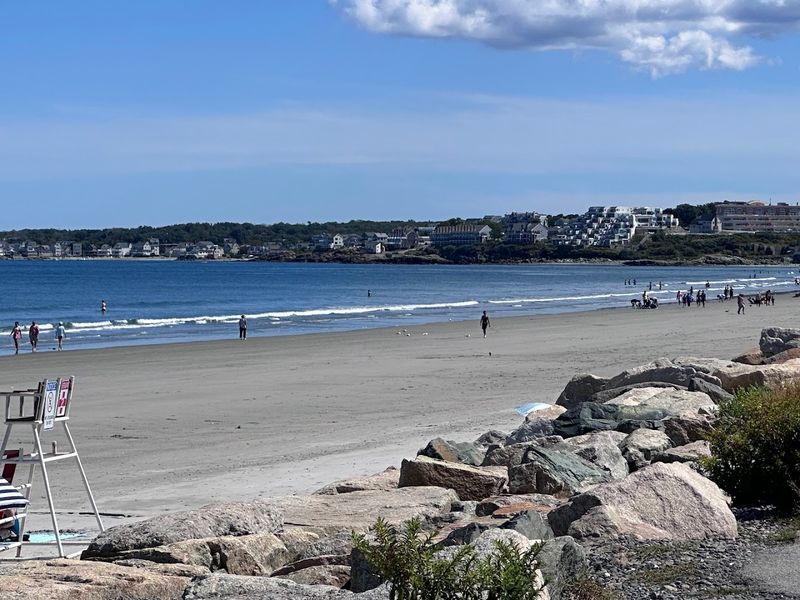
Nantasket Beach is four miles of gorgeous sandy coastline tucked onto the Hull peninsula, south of Boston. It’s one of the longest public beaches in Massachusetts and draws a loyal crowd of sun-seekers every summer.
The waves here are genuinely fun for boogie boarding and splashing around.
The beach has full facilities including restrooms, showers, and a bathhouse, which makes it a proper beach day destination rather than a quick stopover. Parking fills up fast on hot weekends, so arriving early is smart strategy.
Getting there by ferry from Boston is also an option and honestly makes the whole trip feel like a mini-adventure.
The nearby Paragon Carousel, a beautifully restored 1928 merry-go-round, is a must-ride for anyone traveling with kids or anyone who just appreciates vintage craftsmanship. Rides cost just a dollar.
Several casual seafood restaurants line the strip behind the beach, making lunch an easy and affordable affair after a morning in the water.
World’s End, Hingham, Massachusetts
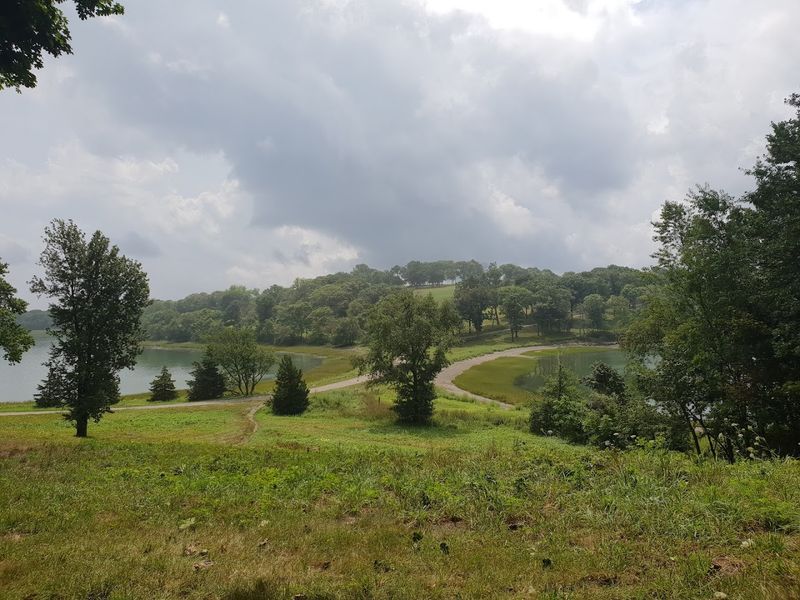
Despite the dramatic name, World’s End in Hingham is more paradise than apocalypse. This 251-acre peninsula managed by The Trustees of Reservations sits right on Boston Harbor and offers some of the most photogenic views in the entire state.
The rolling drumlin hills covered in grassy meadows look like something out of a painting.
The property was designed in the 1890s by Frederick Law Olmsted, the same landscape architect behind Central Park. His signature carriage paths wind through the property, still perfectly maintained and ideal for walking or biking.
A small admission fee applies, but it’s well worth it for the scenery.
Wildlife is abundant here. Migratory birds make regular stops, and the harbor views change dramatically with the tides and seasons.
I visited on a foggy October morning once, and the mist rolling over the hills made the whole place feel genuinely otherworldly. Bring a camera, because every turn in the path offers a new shot worth keeping.
Borderland State Park, North Easton, Massachusetts
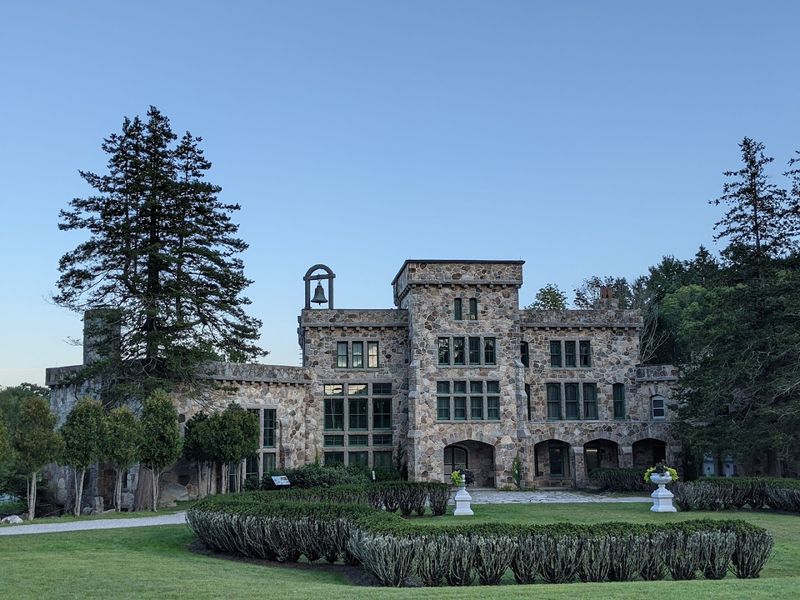
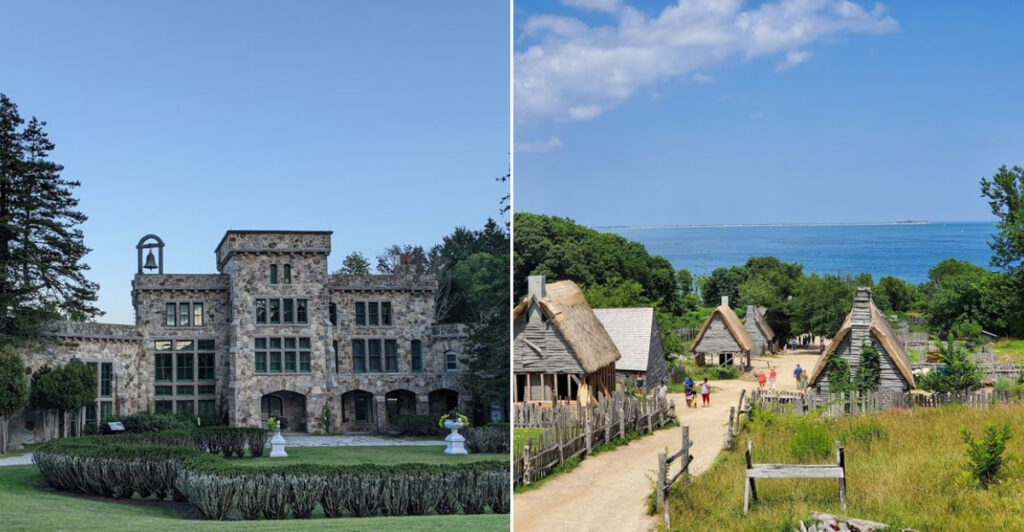
Borderland State Park hides a genuine surprise: a stunning stone mansion sitting right in the middle of 1,800 acres of trails and ponds. The Ames Mansion, built in the early 1900s, sits beside a tranquil pond and looks like it belongs in a gothic novel.
The park is free to enter, which makes the whole experience feel like finding a $20 bill in an old jacket.
The trail network here is excellent, covering everything from easy pond-side strolls to longer wooded loops. Mountain bikers love Borderland for its varied terrain, and horseback riders are also welcome on designated trails.
Fishing is permitted in the ponds for those who prefer their outdoor adventures seated.
The mansion itself is open for tours on select weekends, offering a peek into the lives of the wealthy Ames family who built the estate. The combination of natural beauty and architectural history makes Borderland a legitimately unique destination.
Pack a picnic and plan to stay a full afternoon.
Purgatory Chasm State Reservation, Sutton, Massachusetts
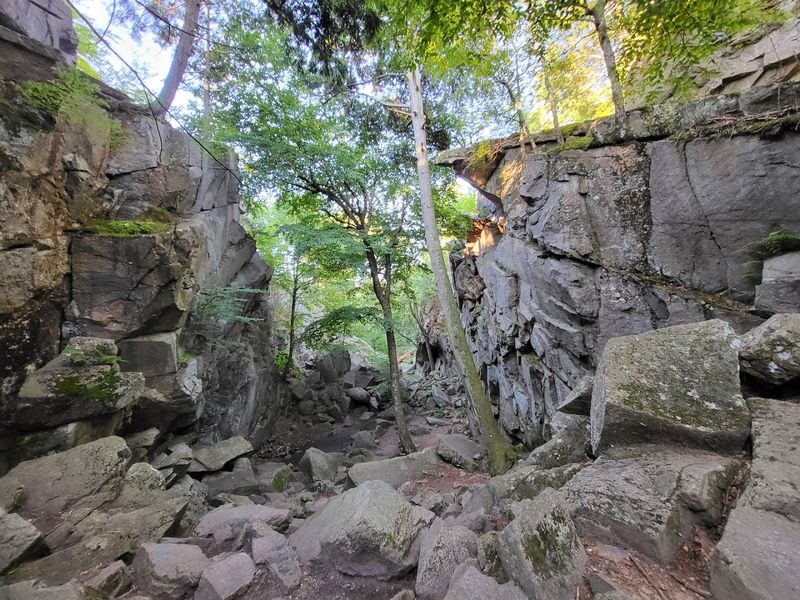
Purgatory Chasm sounds like the name of a metal band, but it’s actually one of the coolest geological features in all of New England. A quarter-mile long gorge of massive granite boulders, some as tall as 70 feet, was carved out by glacial activity thousands of years ago.
The result is a scrambling, climbing, squeezing-through-tight-spaces adventure that kids and adults both go absolutely wild for.
The main chasm trail is short but intense, requiring real hands-and-feet scrambling through narrow passages with names like “Fat Man’s Misery” and “Lover’s Leap.” It’s free to enter, and the parking lot fills up fast on weekends. Arriving before 10 a.m. on a summer Saturday is genuinely wise advice.
Easier walking trails loop around the perimeter of the reservation for those who prefer to admire the boulders from a safer distance. A picnic area near the parking lot makes for a solid post-scramble lunch spot.
Sturdy shoes are non-negotiable here.
Old Sturbridge Village, Sturbridge, Massachusetts
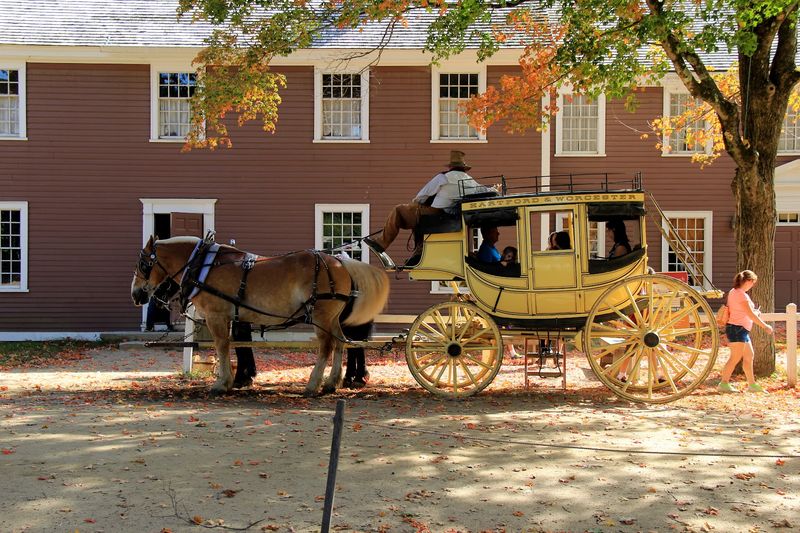
Old Sturbridge Village is a living history museum that recreates a New England town from the 1830s, complete with costumed interpreters, working farms, and over 40 historic buildings. It’s the kind of place where you can watch a blacksmith forge horseshoes and then wander into a one-room schoolhouse minutes later.
Time travel, basically, but with better snacks nearby.
Admission runs around $30 for adults and less for kids, which sounds steep until you realize you could easily spend five or six hours here. The village spans 200 acres and includes a working sawmill, a cider mill, and a pottery shop where you can watch clay turn into actual bowls.
Seasonal events throughout the year add fresh reasons to return.
The village is especially magical during fall harvest festivals and the winter holiday programs. The staff are remarkably knowledgeable and genuinely enthusiastic about answering questions.
Old Sturbridge Village is one of the best educational experiences in Massachusetts that doesn’t feel like homework.
Plimoth Patuxent Museums, Plymouth, Massachusetts
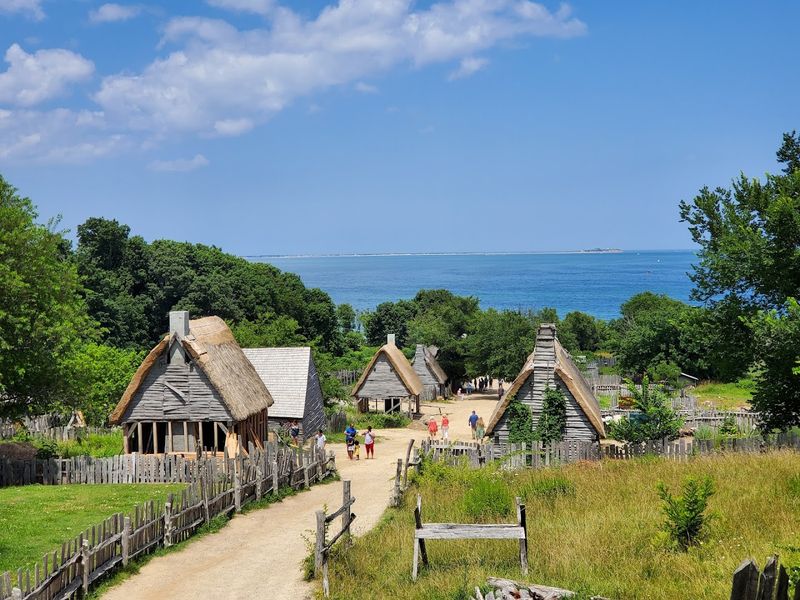
Plymouth is where the Pilgrims landed in 1620, and Plimoth Patuxent Museums bring that chapter of history to vivid life. The complex includes a recreated Pilgrim village, a Wampanoag Homesite, and the Mayflower II, a full-scale replica of the original ship.
The Wampanoag Homesite is particularly powerful because it presents Native history through the voices of actual Wampanoag people.
Admission covers multiple sites, making it a genuinely full day out. The costumed interpreters in the Pilgrim village speak entirely in 17th-century character, which sounds gimmicky but is actually quite immersive.
Asking them about their “voyage” and watching them respond in period-appropriate confusion is quietly hilarious.
Plymouth Rock is just a short walk away and is free to see, though fair warning: it is significantly smaller than most people expect. The harbor area has several affordable seafood spots perfect for lunch.
Combining the museum visit with a stroll through downtown Plymouth makes for a well-rounded and very worthwhile day trip.
Scusset Beach State Reservation, Sagamore, Massachusetts
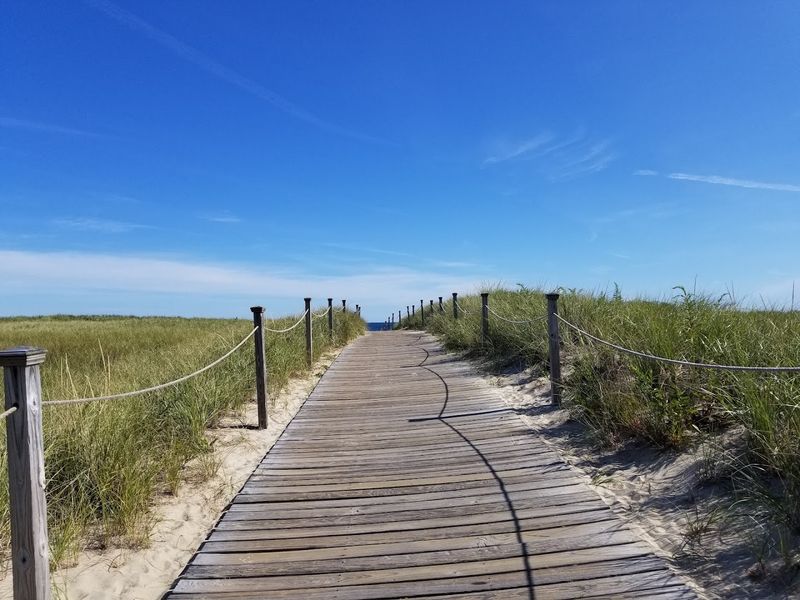
Scusset Beach sits right at the entrance to the Cape Cod Canal, which means you get a sandy beach AND a front-row seat to some seriously impressive boat traffic. Watching massive vessels squeeze through the canal while you’re sitting on a beach towel is oddly mesmerizing.
It’s like a boat parade that nobody organized but everyone enjoys.
The beach is clean, the water is calm on the canal side, and the parking fee is modest. Fishing along the canal banks is hugely popular here, especially for striped bass.
Even if you don’t fish, watching the dedicated anglers lined up along the bank with their gear is its own kind of entertainment.
The reservation has a campground for overnight stays, but it works equally well as a day trip destination. The paved Canal Bike Trail runs right through the area, offering an easy and scenic ride along the water.
Scusset is one of those low-key spots that rewards visitors who skip the crowded Cape beaches and go slightly off-script.
Lowell National Historical Park, Lowell, Massachusetts
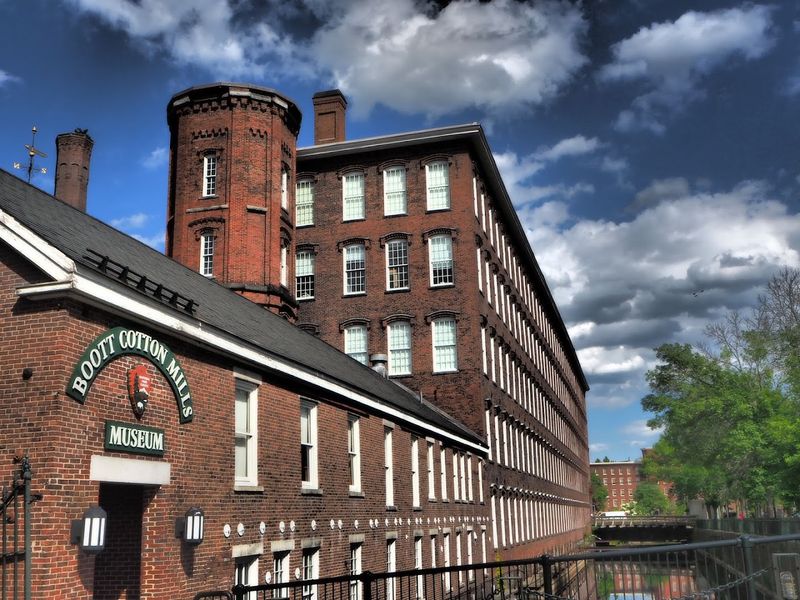
Lowell was the cradle of the American Industrial Revolution, and the National Historical Park here tells that story through an impressive collection of restored mills, canal locks, and working machinery. Entry to the visitor center is free, and ranger-led tours are available for a small fee.
The scale of the old Boott Cotton Mills is genuinely staggering when you walk inside.
The park’s weave room contains 88 working power looms that are fired up during demonstrations, and the noise they make is absolutely deafening in the best possible way. It instantly explains why mill workers in the 1800s suffered serious hearing loss.
History sometimes hits hardest through sound.
Canal boat tours run seasonally and offer a unique water-level view of the city’s industrial infrastructure. Lowell also has a vibrant arts scene and excellent Southeast Asian restaurants in the downtown area, making lunch a multicultural bonus.
Jack Kerouac, author of “On the Road,” was born in Lowell, and a memorial park honors him near the city center.
Saugus Iron Works National Historic Site, Saugus, Massachusetts
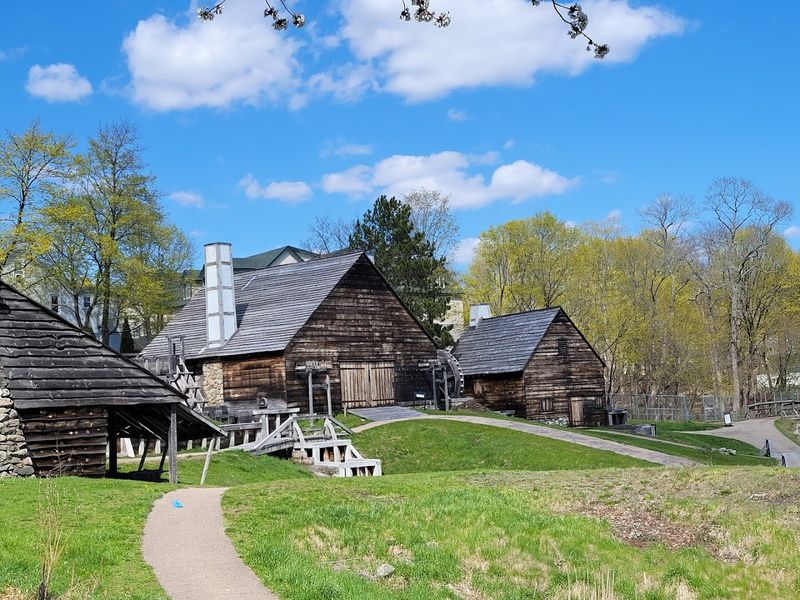
The Saugus Iron Works is the oldest successful iron-making operation in North America, dating back to 1646. That’s nearly 380 years of industrial heritage sitting quietly in a suburban town north of Boston, and it’s completely free to visit.
The reconstructed blast furnace, forge, and rolling mill are genuinely fascinating pieces of early American engineering.
Park rangers lead free tours that explain how iron was made in the 17th century using charcoal, bellows, and sheer human determination. The working waterwheel beside the Saugus River still turns, which adds a satisfying sense of mechanical authenticity to the visit.
The whole site is compact enough to cover in about two hours.
The surrounding grounds along the river are peaceful and pleasant for a short walk after the tour. A small museum on-site displays artifacts excavated from the original ironworks, including actual tools and slag from the 1600s.
This is one of those underrated spots that history lovers stumble onto and immediately wonder why it isn’t more famous.
Peabody Essex Museum, Salem, Massachusetts

Salem is famous for witch trials, but the Peabody Essex Museum is the city’s genuinely world-class secret weapon. Founded in 1799 by sea captains, it holds one of the most eclectic and extraordinary collections of art and culture in the country.
Maritime art, Asian export art, Native American objects, and a fully reassembled Chinese house all live under one roof.
Admission runs around $25 for adults, which is reasonable given the sheer volume and quality of what’s inside. The Yin Yu Tang house, a 200-year-old Chinese merchant home transported piece by piece from Anhui Province and rebuilt inside the museum, is alone worth the price of entry.
Walking through it feels genuinely surreal.
Salem’s walkable downtown is packed with affordable cafes, used bookshops, and quirky boutiques, making it easy to fill a full day. The museum runs free community days throughout the year.
October brings enormous crowds to Salem, so visiting in spring or early fall gives you a much more relaxed and enjoyable experience.
Hammond Castle Museum, Gloucester, Massachusetts
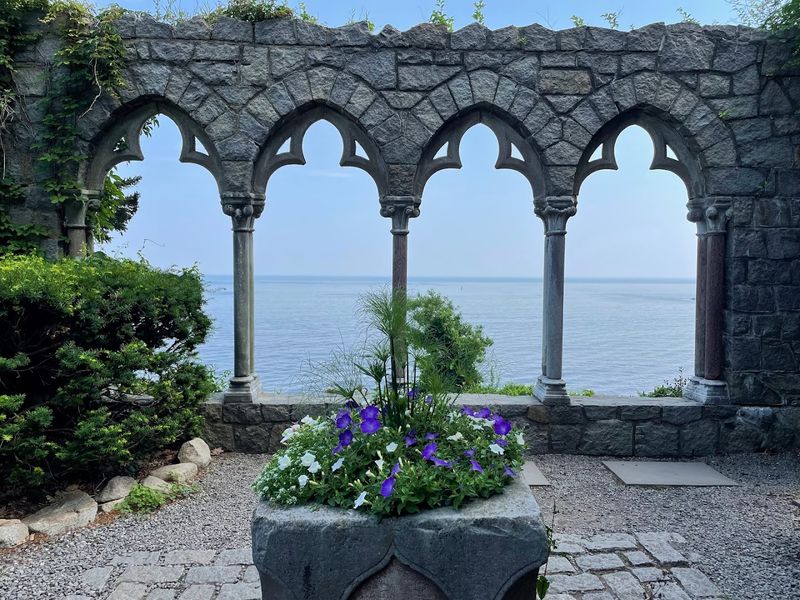
John Hays Hammond Jr. was an inventor who held over 800 patents and apparently decided the best way to spend his fortune was building a medieval castle on the Massachusetts coast. Honestly, respect.
Hammond Castle in Gloucester looks like it was airlifted from the English countryside and dropped onto a rocky Atlantic cliff, which is exactly as spectacular as it sounds.
The interior is stuffed with Roman ruins, medieval artifacts, and Hammond’s own collection of oddities, including a 10,000-pipe organ he built himself. The Great Hall hosts concerts that take full advantage of the organ’s extraordinary sound.
Admission is modest, typically around $12 for adults.
The views from the castle grounds over the Atlantic are dramatic and genuinely gorgeous. Hammond was also a radio pioneer who helped develop remote control technology, so the castle is equal parts eccentric home and inventor’s workshop.
Tours run regularly and are led by enthusiastic guides who clearly enjoy sharing the more outlandish details of Hammond’s fascinating life.
Halibut Point State Park, Rockport, Massachusetts
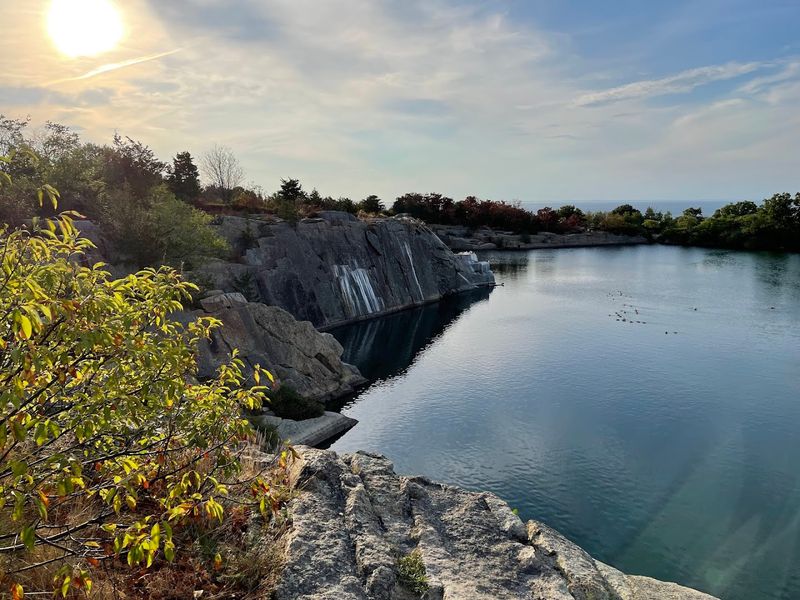
Halibut Point State Park sits at the very tip of Cape Ann and delivers one of the most dramatic coastal landscapes in all of New England. The park centers on a massive abandoned granite quarry that has slowly filled with water over decades, creating a strikingly beautiful pool surrounded by sheer rock walls.
It looks like something from another planet.
A short trail leads from the parking area through the woods to the quarry and then out to the rocky Atlantic shoreline. The coastline here is all jagged granite ledges and crashing surf, with views stretching north to New Hampshire and Maine on clear days.
Parking costs a few dollars, and the park itself is free to enter.
Swimming in the quarry pool is not permitted, but the rocks along the shore are perfect for sitting, scrambling, and watching waves. The park hosts free ranger programs on summer weekends that cover the geology and history of the quarry operations.
Rockport’s charming downtown is just minutes away for lunch and post-hike browsing.
deCordova Sculpture Park and Museum, Lincoln, Massachusetts

The deCordova Sculpture Park is 35 acres of rolling New England landscape filled with large-scale contemporary sculptures, and it is one of the most genuinely fun outdoor art experiences in the state. The sculptures change regularly as pieces rotate in and out, so repeat visits always offer something new.
Admission covers both the outdoor park and the indoor museum galleries.
Kids who normally sprint past museum walls tend to slow down here because the art is big, weird, and sometimes interactive. I watched a group of elementary schoolers debate loudly about whether a massive rusted steel form was a dinosaur or a broken shopping cart.
Both answers are equally valid in contemporary art.
The park sits beside Flint’s Pond, and the views across the water with sculptures in the foreground are genuinely lovely. Picnicking on the grounds is encouraged, which makes it easy to turn the visit into a relaxed half-day outing.
The museum shop is small but well-curated, with affordable prints and art books worth browsing.
Naumkeag, Stockbridge, Massachusetts
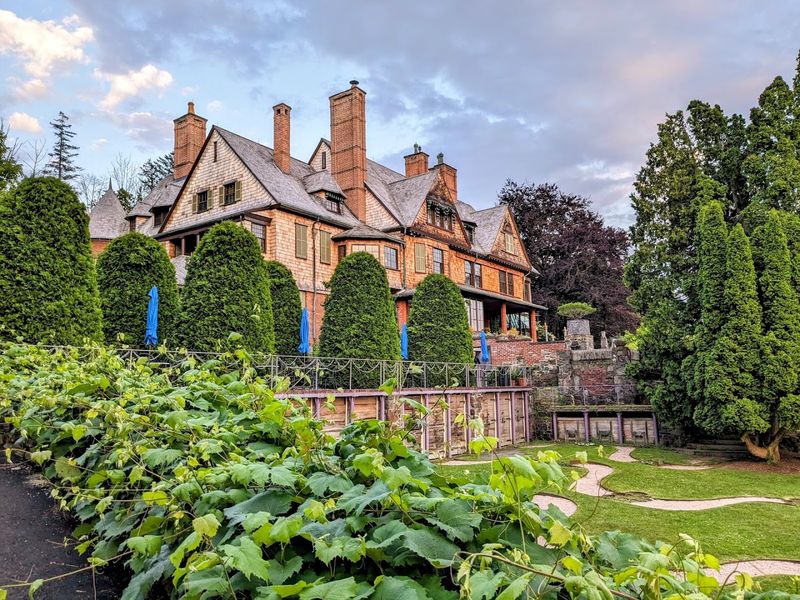
Naumkeag is a Gilded Age estate in the Berkshire Hills that somehow manages to make gardens feel genuinely thrilling. The 44-room mansion was built in 1886 for diplomat Joseph Choate, but the real star of the show is the landscape design by Fletcher Steele, who worked on the gardens for nearly three decades.
The result is layered, surprising, and completely unlike anything else in New England.
The Blue Steps, a cascading series of pale blue staircases flanked by white birch trees, is one of the most photographed garden features in Massachusetts. Admission runs around $20 for adults and includes both the mansion and the grounds.
The Trustees of Reservations manage the property and keep it in excellent shape.
Stockbridge itself is a gorgeous Berkshire village with Norman Rockwell connections and excellent lunch options along the main street. Combining Naumkeag with a stop at the Norman Rockwell Museum nearby makes for an exceptionally well-rounded Berkshires day.
Fall foliage season turns the estate grounds into something almost unreasonably beautiful.
Berkshire Botanical Garden, Stockbridge, Massachusetts
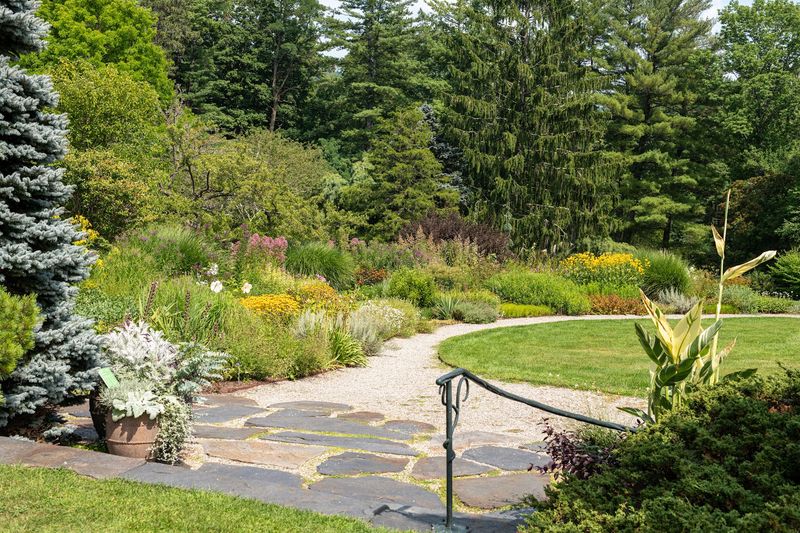
The Berkshire Botanical Garden has been growing things beautifully since 1934, making it one of the oldest botanical gardens in New England. Fifteen acres of themed gardens include herb gardens, a children’s discovery garden, woodland trails, and perennial borders that peak in late summer with an almost reckless display of color.
It’s a photographer’s dream that also happens to smell incredible.
Admission is around $20 for adults, with discounts for seniors and free entry for kids under 12. The garden hosts a popular harvest festival each fall that draws big crowds and features local produce, crafts, and live music.
Even outside of festival season, the gardens are consistently well-maintained and worth the visit.
The children’s garden section is thoughtfully designed with hands-on planting areas and a small greenhouse that kids can explore. The Berkshire Botanical Garden sits right on Route 102, just minutes from downtown Stockbridge, making it easy to pair with lunch in town.
For anyone who appreciates plants, this is a genuinely restorative and affordable afternoon well spent.
Share this story