Hollywood is full of stories where the right actor almost wasn’t the right actor. Some of the most iconic roles in film history were nearly played by completely different people.
A scheduling conflict, a creative disagreement, or simply not connecting with a script can change everything. These near-misses remind us just how different movie history could have been.
Tom Selleck Almost Became Indiana Jones
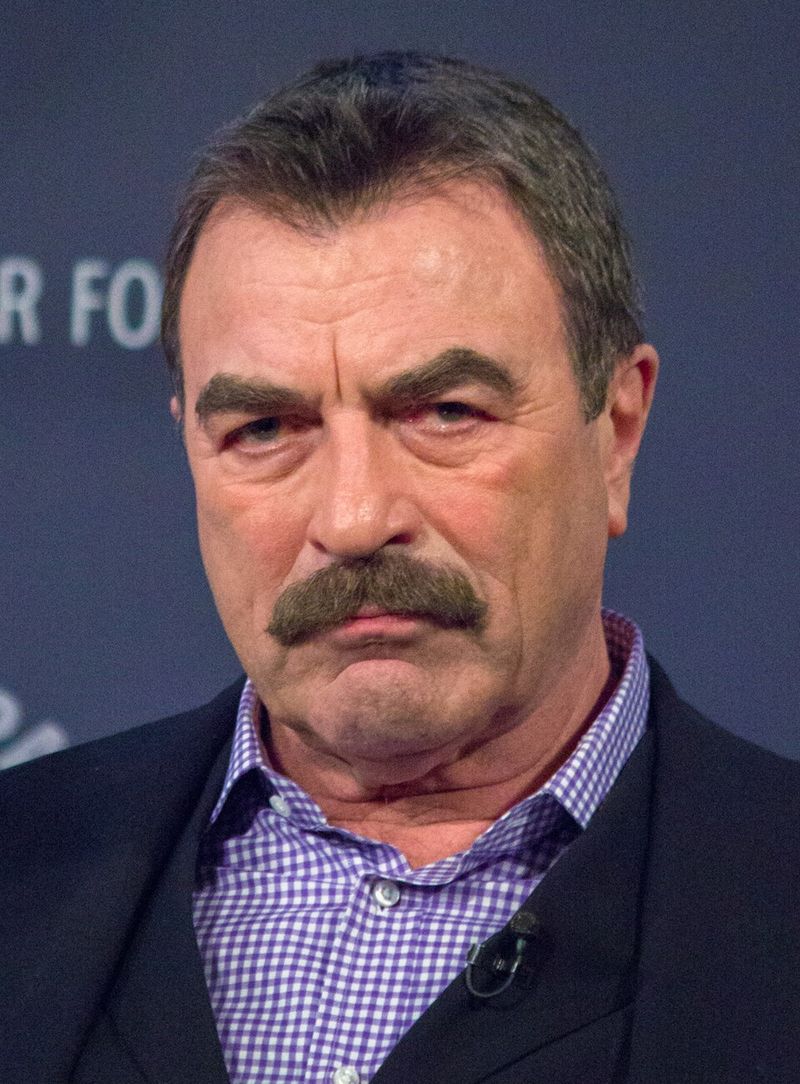
Picture a world where Indiana Jones had a mustache. Tom Selleck was actually cast as the whip-cracking archaeologist in Raiders of the Lost Ark back in 1981.
He had the look, the charm, and the talent to pull it off without question.
The problem was his TV contract. Selleck was locked into Magnum, P.I., and CBS refused to let him out of it.
So the role went to Harrison Ford, who turned Indiana Jones into one of cinema’s most beloved heroes.
Ford’s casting now feels so natural that it’s hard to imagine anyone else in that leather jacket. Selleck later admitted the missed opportunity was disappointing, though his run on Magnum, P.I. made him a television icon.
Sometimes two good things just can’t happen at the same time.
Will Smith Passed on Neo in The Matrix
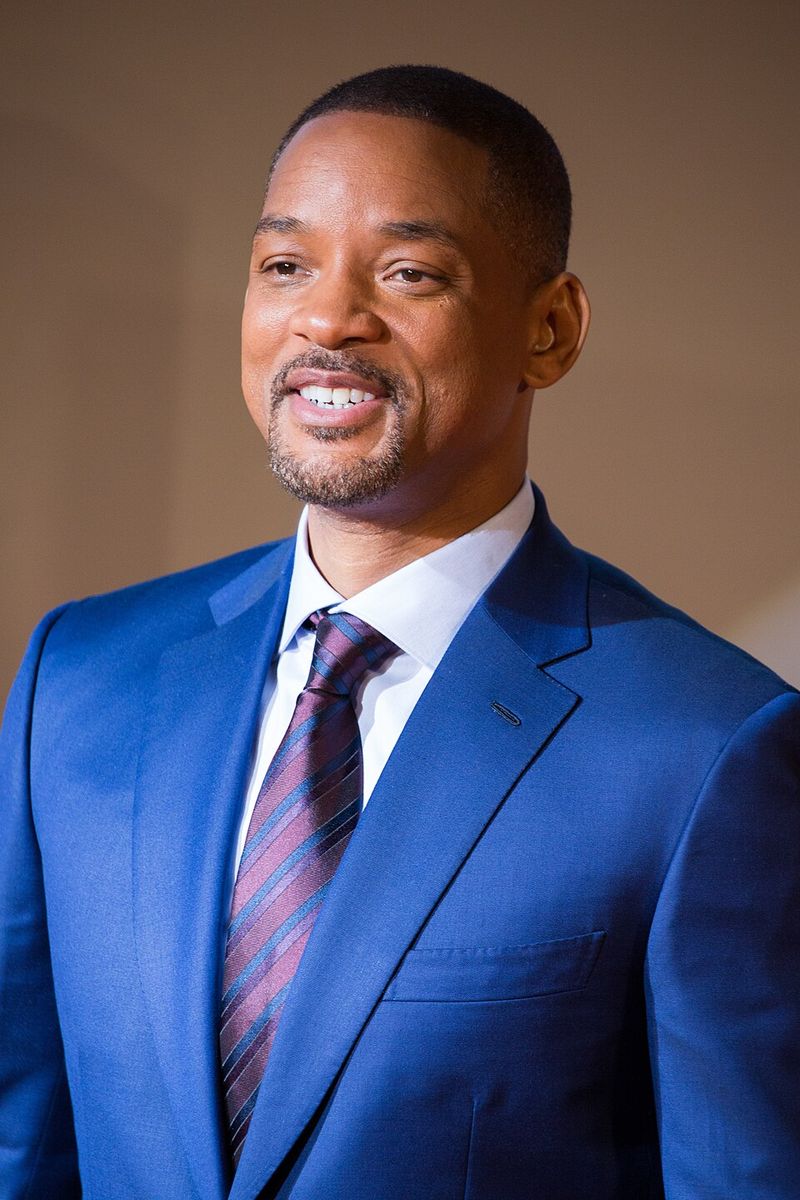
Will Smith was riding high after Men in Black when the Wachowskis came to him with a wild pitch about a simulated reality and a guy named Neo. He listened, he considered it, and then he said no. Smith later explained he just didn’t fully understand the vision being described to him.
Keanu Reeves stepped in, and the rest is cinematic history. The Matrix became a cultural landmark, redefining action films and science fiction storytelling for an entire generation.
Reeves’s quiet intensity turned Neo into a character audiences genuinely rooted for.
Smith has been candid about the decision, even joking that his version probably wouldn’t have been as good. It’s a rare case where an actor admits the replacement actually fit better.
The Matrix needed exactly the kind of understated cool that Reeves naturally brings to every role.
John Travolta Turned Down Forrest Gump
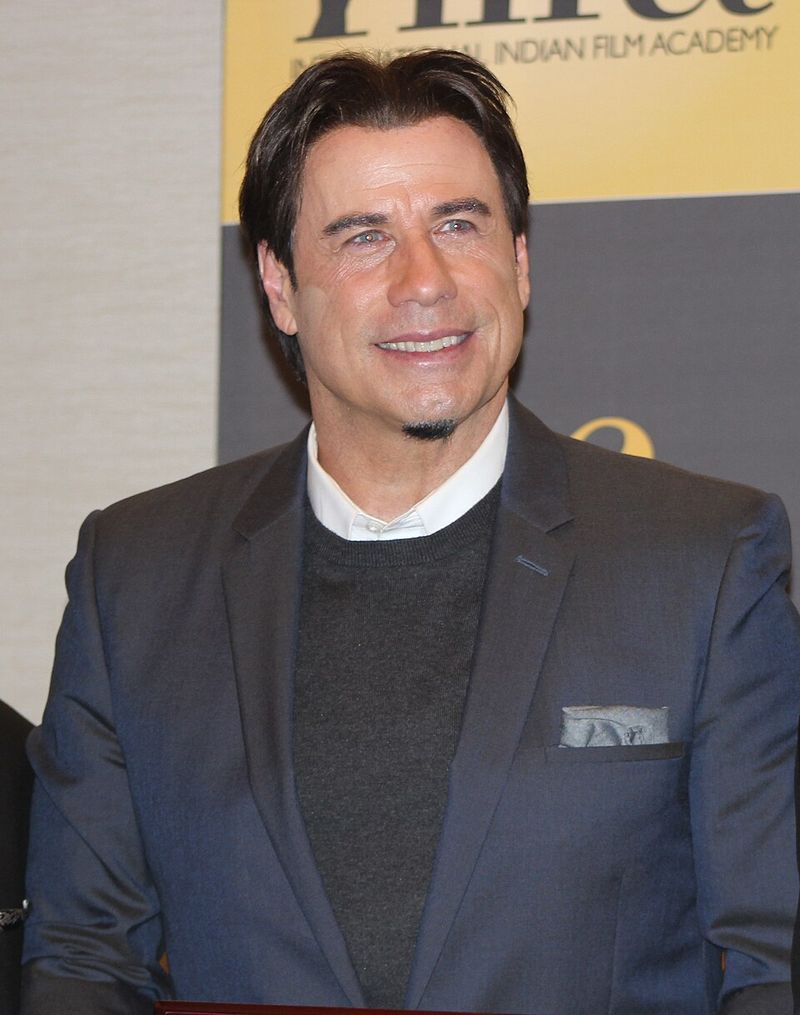
Fresh off his Pulp Fiction comeback, John Travolta was in a position to pick almost any role he wanted. Forrest Gump landed on his desk, and he passed.
It might be one of the most talked-about rejections in Hollywood history.
Tom Hanks took the part and delivered one of the most celebrated performances ever captured on film. He won the Academy Award for Best Actor, his second Oscar win in a row, cementing his place as one of Hollywood’s greatest talents.
Travolta has acknowledged the decision was a miss, though he’s noted that his career was thriving at the time and the choice made sense to him then. Hindsight, of course, makes it look very different.
Forrest Gump became a defining film of the 1990s, beloved by audiences worldwide and still quoted constantly decades later.
Emily Blunt Had to Skip Black Widow
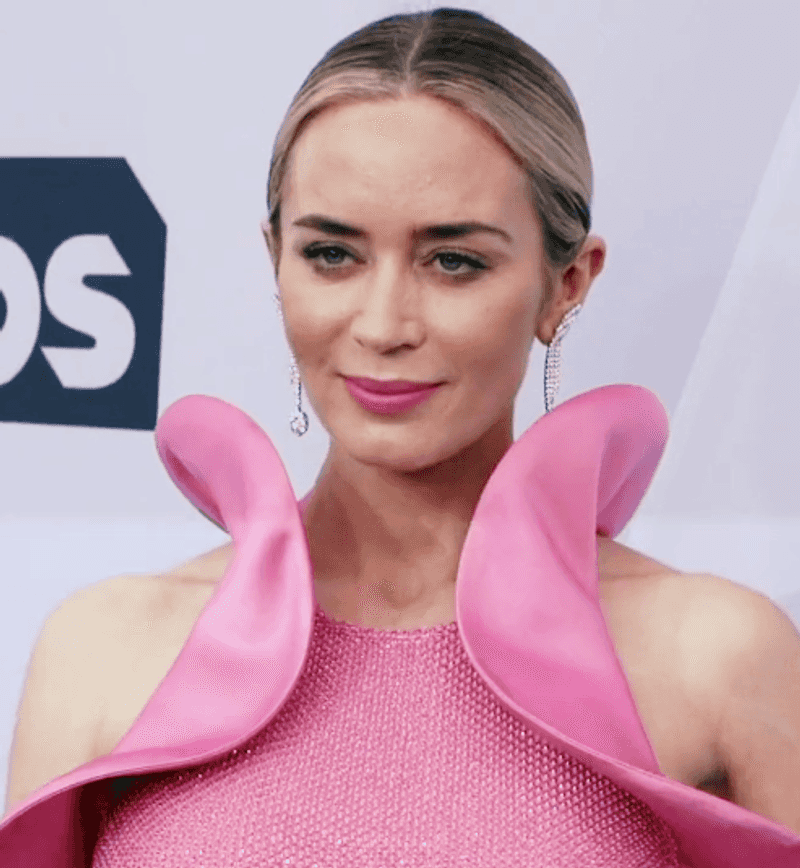
Emily Blunt was Marvel’s first choice to play Natasha Romanoff, better known as Black Widow, in Iron Man 2. She was genuinely interested in the role and seemed like a natural fit for the sharp, skilled spy character the studio was building.
A prior commitment to the film Gulliver’s Travels with Fox got in the way, and Blunt had to walk away. Scarlett Johansson stepped into the role and absolutely owned it.
Over the next decade, Johansson played Black Widow in nine Marvel films and eventually headlined her own standalone movie.
Blunt went on to have a remarkable career with strong roles in Edge of Tomorrow and A Quiet Place. Still, Black Widow became one of the MCU’s most recognizable characters, and it’s fascinating to imagine how differently Blunt might have shaped that legacy from the very beginning.
Michelle Pfeiffer Said No to Clarice Starling

The Silence of the Lambs is now considered one of the greatest thrillers ever made, but Michelle Pfeiffer wanted nothing to do with it. She found the material too dark and disturbing for her comfort, and she declined the role of FBI trainee Clarice Starling without much hesitation.
Jodie Foster took the part and gave a performance so precise and emotionally layered that it earned her the Academy Award for Best Actress. The film swept the Oscars, winning all five major categories, a feat rarely matched in Hollywood history.
Pfeiffer had a strong year herself, with acclaimed work in other projects, but missing Clarice Starling is still considered one of the bigger what-ifs of her career. Foster made the character feel real and vulnerable in ways that stayed with audiences long after the credits rolled.
The role was simply meant for her.
Matt Damon Skipped Avatar for Bourne
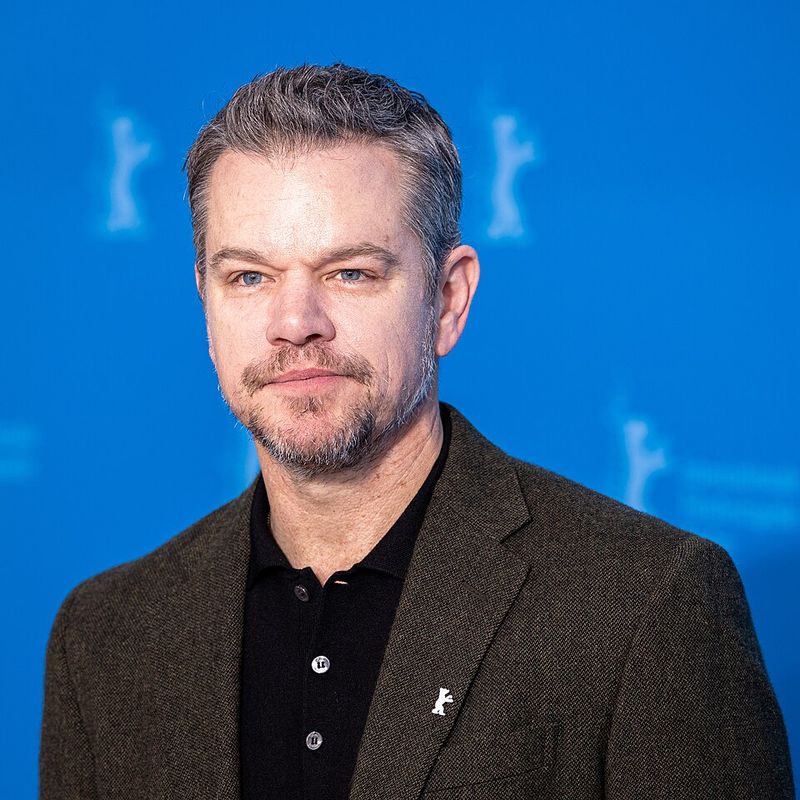
James Cameron’s Avatar went on to become the highest-grossing film of all time, a record it held for years. Matt Damon was offered the lead role of Jake Sully but had to turn it down because of scheduling conflicts with the Bourne film series.
It was a business decision that made perfect sense on paper.
Sam Worthington ended up playing Sully, stepping into a role that required months of motion capture work and physical training. The film’s massive success made Worthington an internationally recognized name almost overnight.
Damon has spoken about the decision with a sense of humor, noting that the deal would have been worth a huge sum of money given Avatar’s box office performance. Still, the Bourne films were defining for his career too.
Losing Avatar didn’t slow him down, but it remains one of Hollywood’s most expensive near-misses for any actor.
Al Pacino Couldn’t Connect With Han Solo
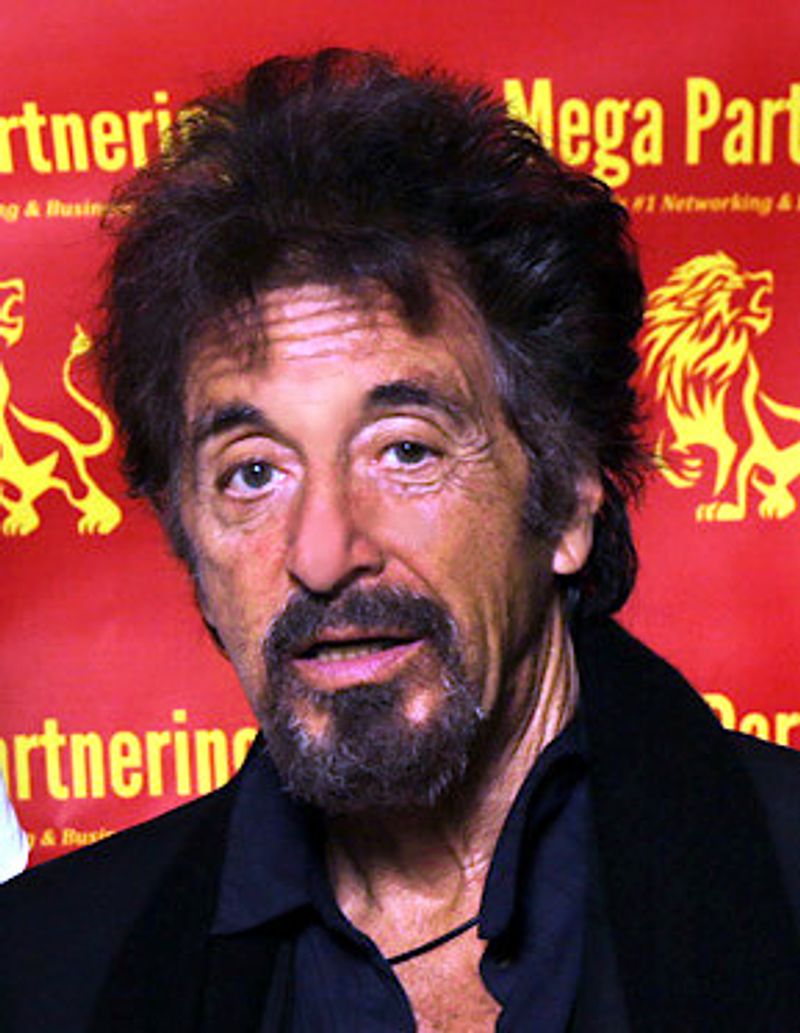
Before Harrison Ford was Han Solo, a long list of actors auditioned or were considered for the fast-talking smuggler at the heart of Star Wars. Al Pacino was among them, but he turned it down, reportedly saying he couldn’t make sense of the script or see himself fitting into that world.
Ford, who was working as a carpenter on the studio lot at the time, read lines with other actors during auditions and ended up landing the role himself. His casual confidence and quick wit made Han Solo one of the most charismatic characters in film history.
Pacino was already a major star thanks to The Godfather, so passing on Star Wars didn’t hurt his career. But Han Solo became a cultural institution, and Ford played the character across four decades.
It’s hard to picture anyone else delivering that famous line about the Kessel Run.
Sean Connery Walked Away From Gandalf
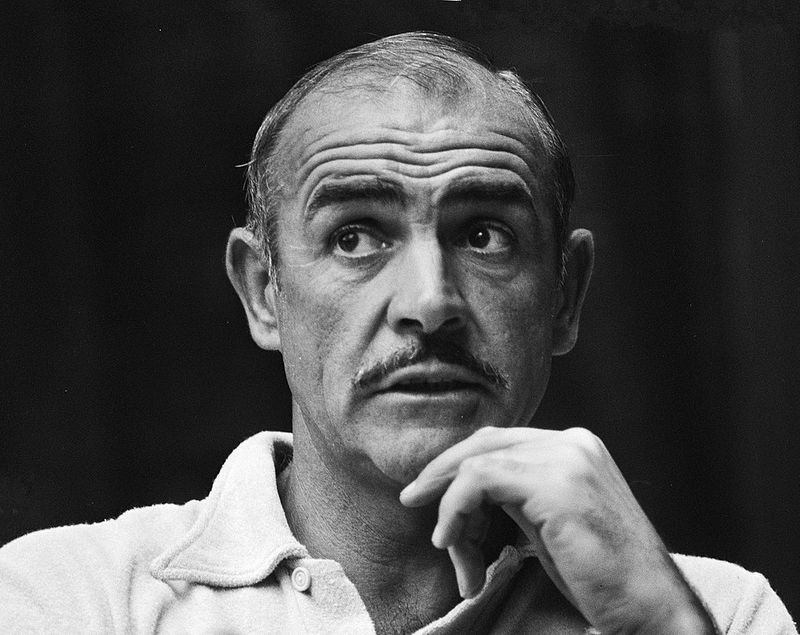
Sean Connery was offered the role of Gandalf in Peter Jackson’s The Lord of the Rings trilogy, one of the most anticipated film projects of its time. He turned it down, later explaining that he read the scripts multiple times and still couldn’t understand what the story was truly about.
Ian McKellen accepted the role and brought Gandalf to life with a warmth, authority, and quiet magic that felt completely authentic. His portrayal became one of the most beloved performances in fantasy film history, earning him an Academy Award nomination.
Connery was reportedly offered a significant percentage of the box office, which would have earned him an enormous fortune given how successful the trilogy became. He acknowledged in later interviews that it was probably his biggest career regret.
McKellen, for his part, seemed born to play the role, and it’s nearly impossible to imagine the trilogy without him.
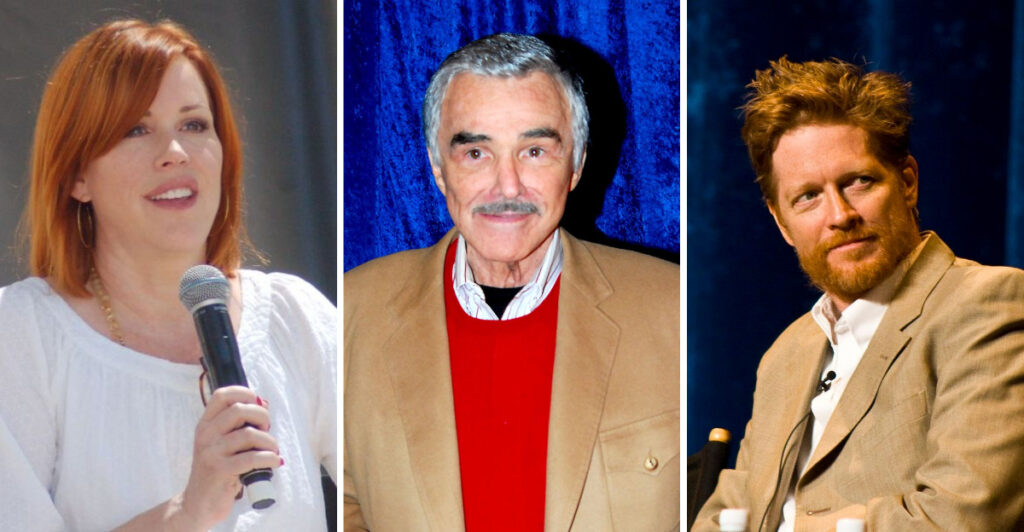
Molly Ringwald Passed on Pretty Woman
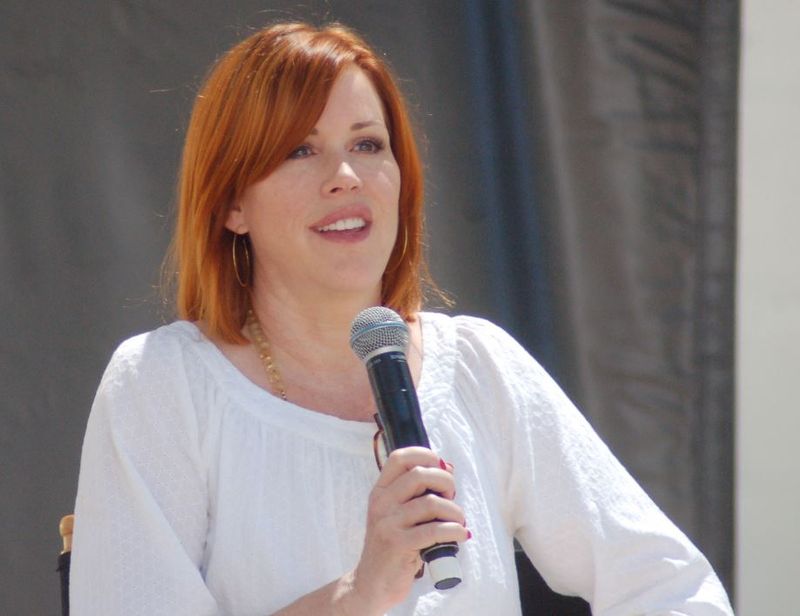
Molly Ringwald was the queen of 1980s teen films, but as the decade ended, she was looking to transition into more adult roles. Pretty Woman landed in her path, and she turned it down.
The exact reasons were never fully detailed, but the decision had major consequences for her career trajectory.
Julia Roberts stepped in and delivered a performance so charming and magnetic that it launched her into superstardom. Pretty Woman became one of the biggest romantic comedies of all time and made Roberts the highest-paid actress in Hollywood almost instantly.
Ringwald’s career cooled considerably after the late 1980s, making the Pretty Woman miss feel even more significant in hindsight. Roberts had a natural brightness and warmth that connected with audiences on a deep level.
The role required someone who could be both funny and genuinely moving, and Roberts hit every note perfectly throughout the film.
Dougray Scott Lost Wolverine to Jackman
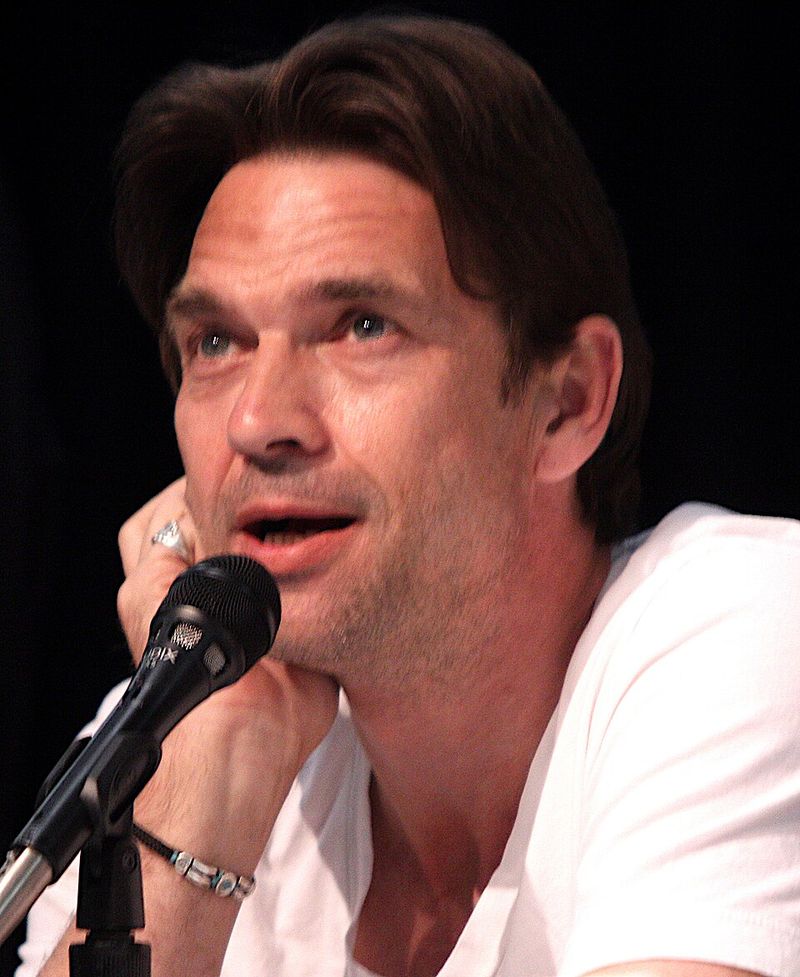
Dougray Scott was originally cast as Wolverine in the first X-Men film. He was deep into production on Mission: Impossible 2 when the filming schedule ran significantly over, making it impossible for him to honor his commitment to the X-Men project at the same time.
The producers needed to move quickly, and they turned to an Australian theater actor named Hugh Jackman who had virtually no film profile at the time. Jackman got the role with very little preparation and completely transformed it into something extraordinary.
Over the next two decades, Jackman played Wolverine in nine X-Men films and a solo Deadpool and Wolverine movie, becoming one of the most recognizable superhero actors of all time. Scott has spoken about the situation without bitterness, acknowledging it was simply bad timing.
But Jackman’s physical commitment and emotional depth made Wolverine his role in a way that seems permanent now.
Eric Stoltz Was Replaced as Marty McFly
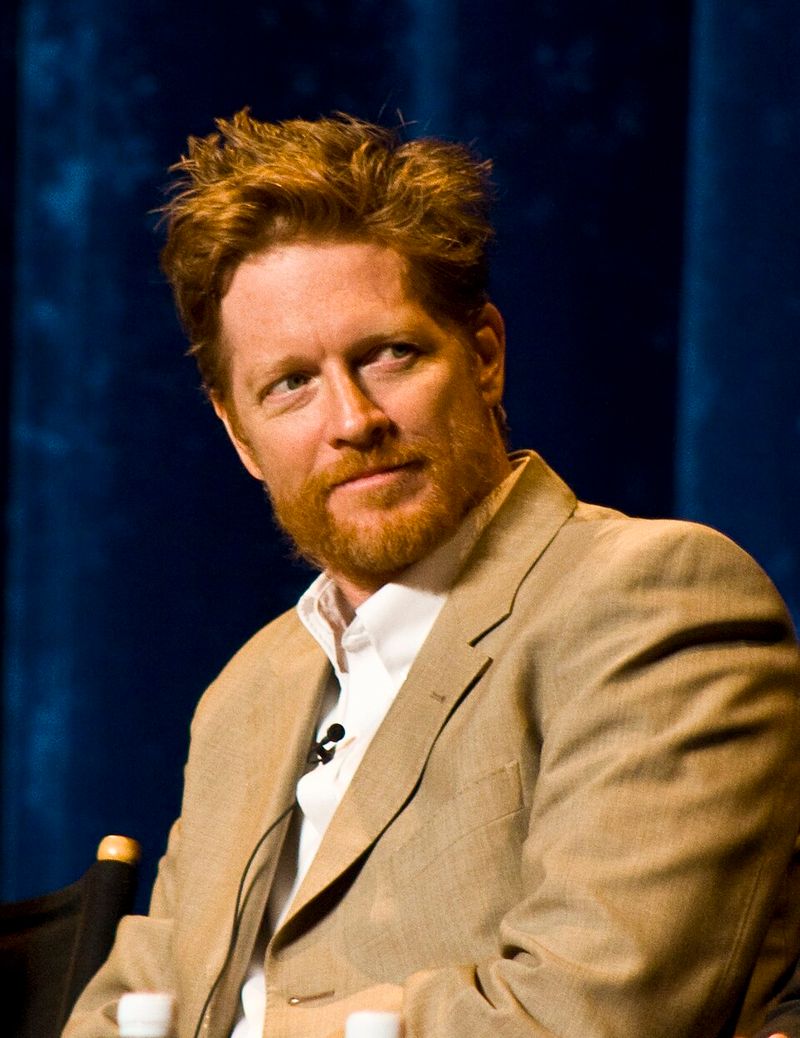
Eric Stoltz didn’t just miss the role of Marty McFly. He actually filmed a significant portion of Back to the Future before the producers realized something wasn’t working.
Director Robert Zemeckis and producer Steven Spielberg felt the comedic tone of the film wasn’t landing the way they had envisioned it.
Michael J. Fox, who had always been their first choice, was finally available after renegotiating his schedule on Family Ties.
He came in, reshot the scenes, and brought a natural comedic energy and likable vulnerability that made Marty instantly lovable.
Stoltz handled the situation with real professionalism, and he went on to have a solid acting career. But Back to the Future became one of the most beloved films of the 1980s, and Fox’s performance is inseparable from its magic.
The film’s success launched a trilogy that still has a massive fanbase today.
Stallone Left Beverly Hills Cop Over Creative Differences
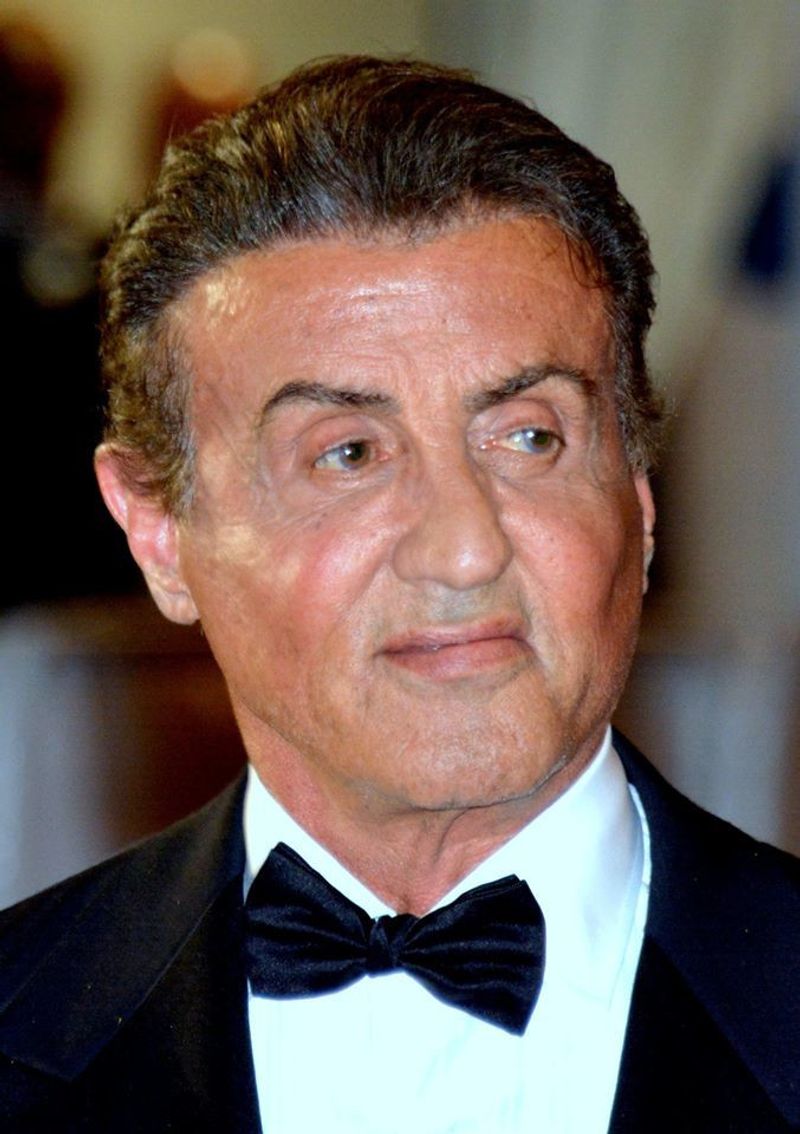
Beverly Hills Cop started as a vehicle for Sylvester Stallone, who was one of the biggest action stars in the world at the time. He was attached to the project early on but eventually walked away after clashing with the studio over the direction of the script.
Stallone wanted the film to lean harder into action, while the studio had a different tone in mind.
Eddie Murphy stepped in and immediately transformed the character of Axel Foley into something uniquely his own. Murphy’s improvisational comedy style, quick wit, and effortless charisma made the film feel completely alive in every scene.
Beverly Hills Cop became one of the highest-grossing films of 1984 and launched a long-running franchise. Murphy’s performance is still studied as a masterclass in blending humor with genuine coolness.
Stallone later acknowledged the role would have been a very different film in his hands, and he was probably right about that.
Mel Gibson Declined the Role of Maximus
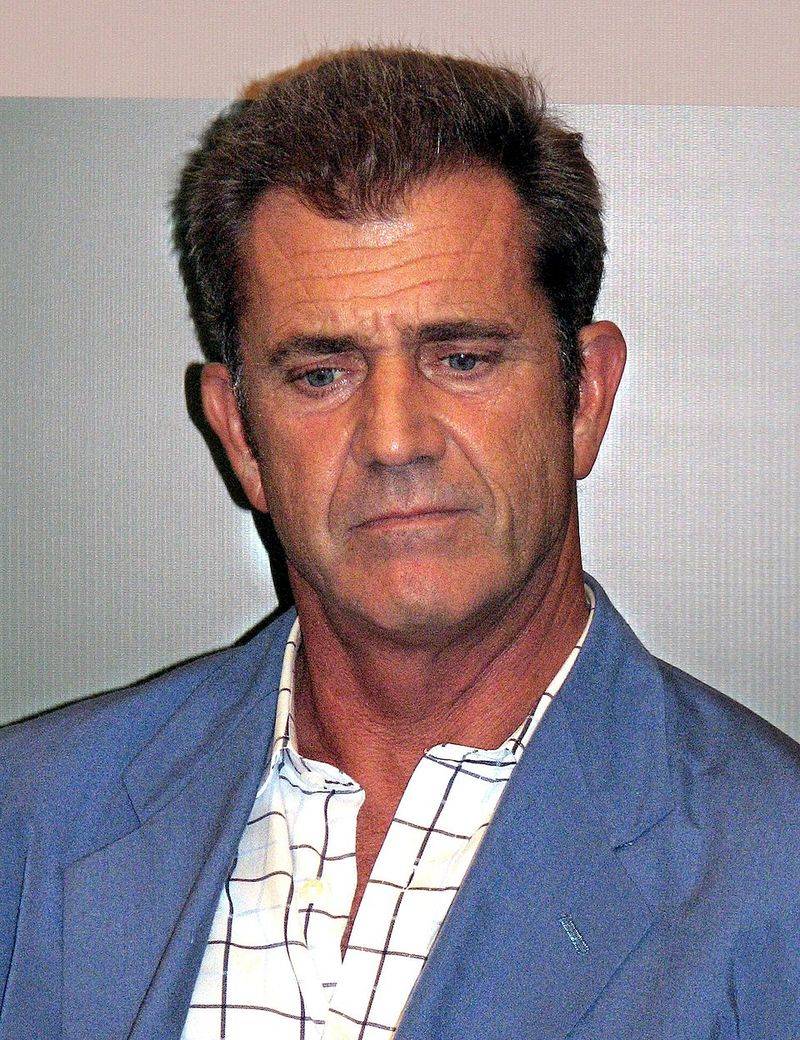
Gladiator is one of the most celebrated epic films of the 2000s, but Mel Gibson was reportedly offered the lead role of Roman general Maximus before anyone else. He passed, apparently feeling he was too old for the physically demanding part at that stage of his career.
Russell Crowe accepted the challenge and threw himself into the role with an intensity that was impossible to ignore. His portrayal of Maximus was both physically commanding and emotionally raw, earning him the Academy Award for Best Actor in 2001.
The film revived the ancient epic genre and became a massive commercial and critical success. Crowe’s performance gave Maximus a dignity and quiet fury that made audiences genuinely invested in his journey from general to slave to gladiator.
Gibson’s instinct to step back opened the door for one of Crowe’s finest career moments and one of cinema’s great performances.
Bette Midler Skipped Sister Act
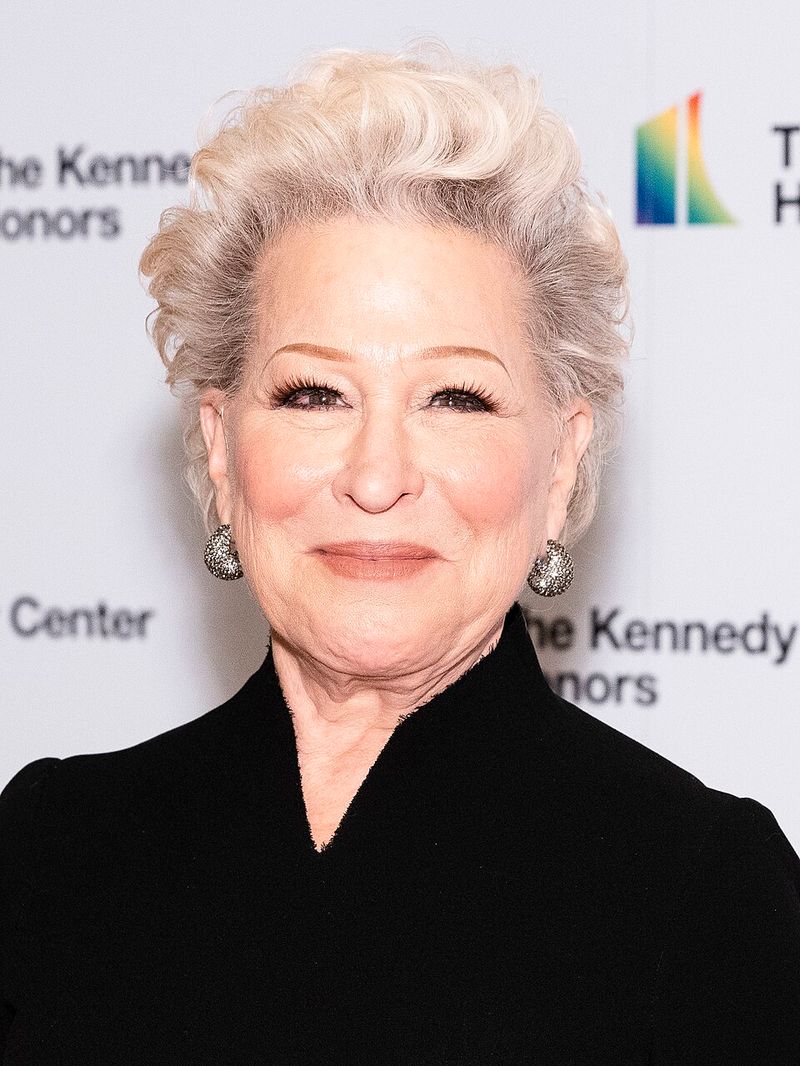
Bette Midler was the original choice to play the flashy lounge singer forced to hide in a convent in Sister Act. She reportedly had doubts about whether the premise would work and whether audiences would buy her in that particular kind of comedic role.
So she walked away from the project before it got off the ground.
Whoopi Goldberg took over and brought a warmth and comedic timing to the role that made the film an unexpected hit. Sister Act became one of the most popular comedies of 1992, grossing over 200 million dollars worldwide on a modest budget.
Midler has a long history of strong comedic work, so her hesitation is understandable in context. But Goldberg made the character of Deloris Van Cartier completely her own, and the film’s feel-good energy was perfectly matched to her natural screen presence.
A sequel followed shortly after, proving just how much audiences loved the original.
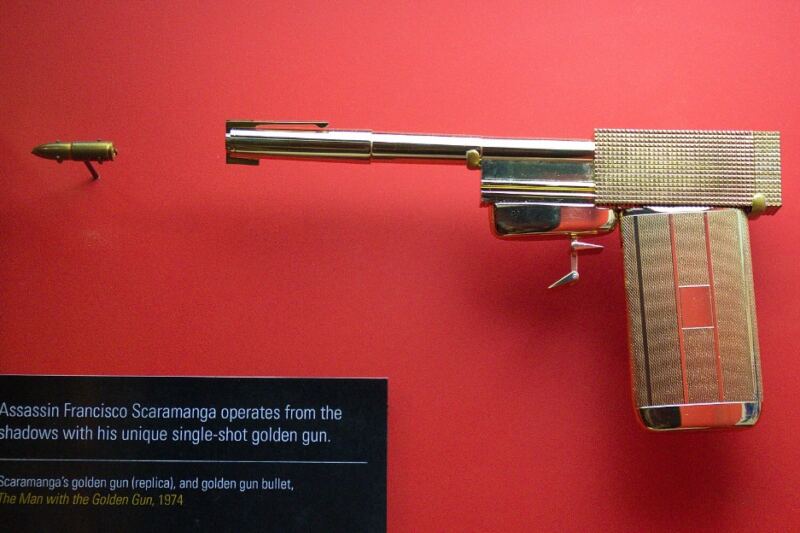
Burt Reynolds Turned Down James Bond
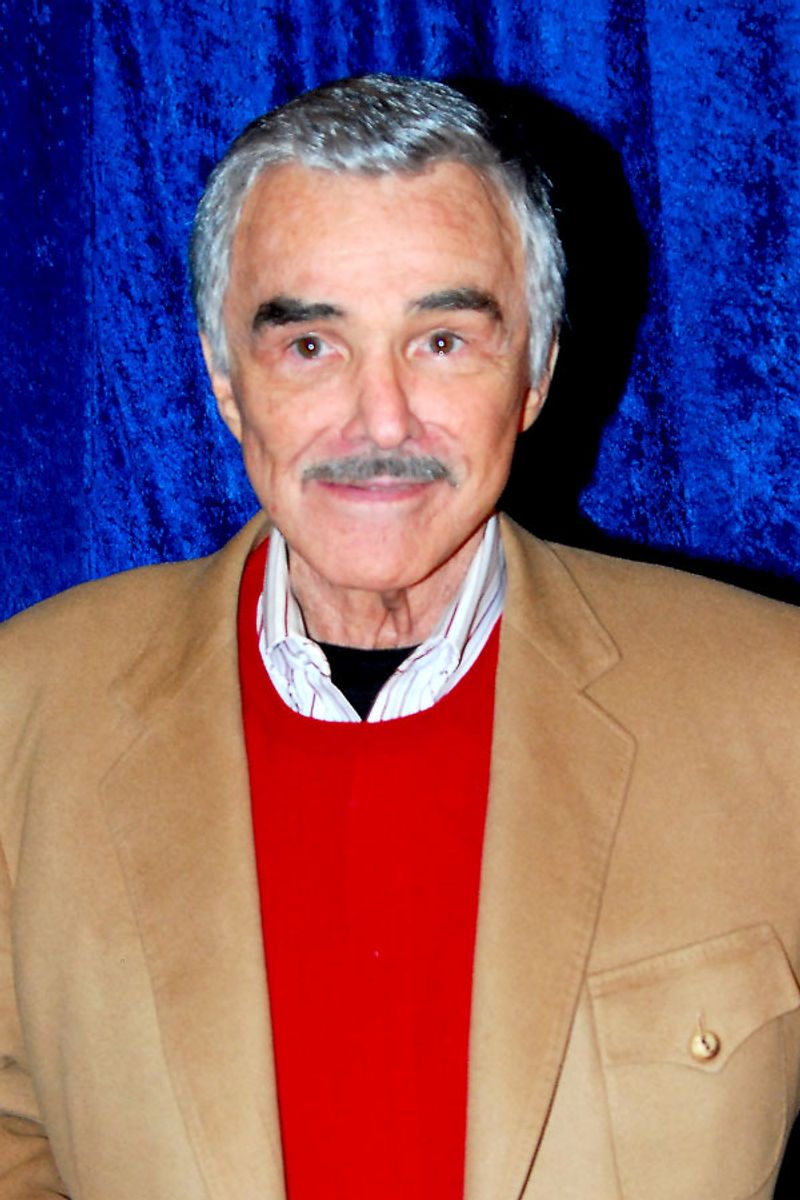
When producers were searching for a new James Bond in the early 1970s, Burt Reynolds was considered a strong candidate. He had the looks, the charm, and the box office appeal to carry the franchise.
But Reynolds turned the opportunity down, citing his belief that Bond should always be played by a British actor rather than an American one.
Roger Moore ultimately stepped into the tuxedo and played Bond seven times, becoming one of the most recognizable faces associated with the franchise. Moore brought a lighter, more comedic touch to the role that audiences embraced enthusiastically throughout the 1970s and 1980s.
Reynolds went on to have a hugely successful career with films like Smokey and the Bandit, so the decision didn’t hold him back professionally. Still, Bond is one of cinema’s most prestigious roles, and his principled reasoning for stepping aside is one of the more unusual stories in Hollywood casting history.
Share this story