Cherry blossom season in Japan has a remarkable ability to turn perfectly reasonable adults into full-time weather trackers. One minute people are calmly checking train schedules, and the next they are debating bloom forecasts with the seriousness of stock market analysts.
For a few magical weeks each spring, parks, riversides, castles, and mountain towns across the country explode into soft shades of pink and white that make even ordinary streets look unforgettable.
Not every cherry blossom destination feels the same. Some regions throw giant festivals with food stalls and boat rides, while others keep things quieter with temple paths and rural train routes framed by sakura trees.
This list highlights regions that truly come alive during bloom season, from famous urban parks to peaceful corners where cherry blossoms share the spotlight with mountains, castles, and coastlines.
1. Kyoto
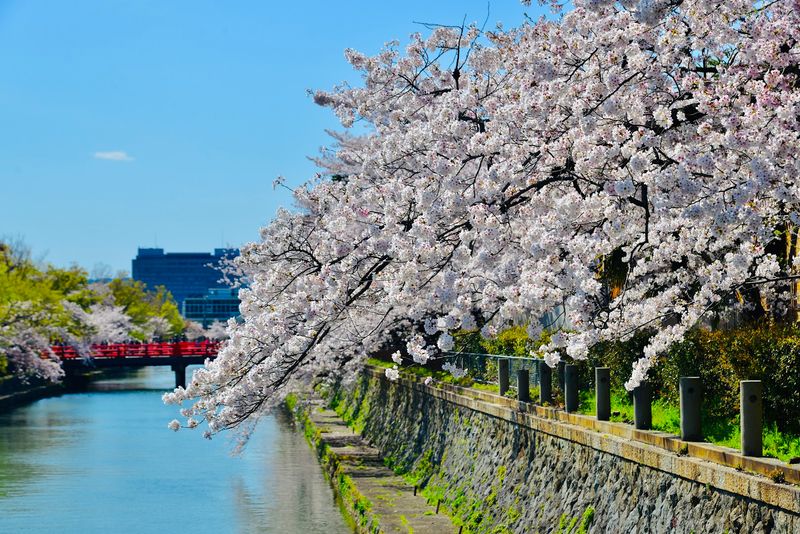
Ancient temples suddenly gain extra competition every spring because the cherry blossoms in Kyoto refuse to stay in the background. Japan’s former imperial capital becomes one of the country’s most sought-after destinations during sakura season, and honestly, the blossoms seem fully aware of their celebrity status.
Maruyama Park draws enormous crowds thanks to its famous weeping cherry tree, which lights up at night and becomes the unofficial star of thousands of vacation photos. Along the Philosopher’s Path, hundreds of cherry trees line a narrow canal where visitors stroll between temples while trying not to stop every ten seconds for another picture.
Kyoto does not simply participate in cherry blossom season. It headlines it.
2. Hokkaido
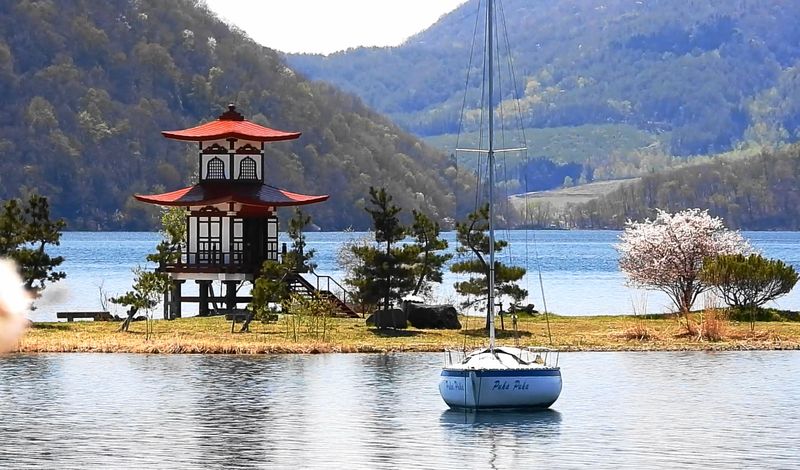
While much of Japan has already packed away its spring picnic blankets, Hokkaido casually begins its cherry blossom season weeks later. Japan’s northernmost island gives late bloomers a second chance at sakura season, which feels almost suspiciously generous.
Timing here typically stretches from late April into May, making Hokkaido a favorite for travelers who missed blossoms farther south. Matsumae Park stands out as one of the island’s most famous viewing spots, featuring thousands of cherry trees surrounding Matsumae Castle.
The combination of blossoms and historic architecture looks almost unfairly photogenic.
Sapporo also joins the celebration with parks like Maruyama Park and Moerenuma Park drawing large crowds during peak bloom. Unlike some heavily packed viewing areas in central Japan, Hokkaido’s broader open spaces create a more relaxed atmosphere.
People still gather enthusiastically under the trees, but there is noticeably less urgency in the air.
3. Yoshino, Nara Prefecture
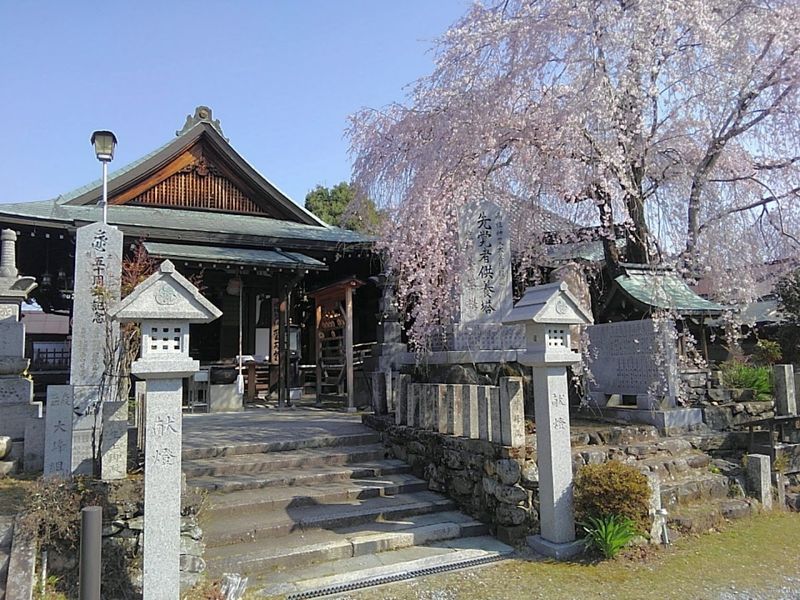
Some hillsides become famous for vineyards or castles. Mount Yoshino became famous for covering itself in roughly 30,000 cherry trees like it had something to prove.
Located in Nara Prefecture, Yoshino ranks among Japan’s most legendary cherry blossom destinations. The mountain’s sakura trees bloom in stages from lower to higher elevations, creating waves of pink that gradually climb the slopes over several weeks.
This layered blooming effect turns the landscape into one giant floral staircase.
The region’s connection to cherry blossoms stretches back centuries. Pilgrims, poets, and emperors once traveled here specifically to admire the blooms, and modern visitors continue the tradition with remarkable enthusiasm.
Walking trails weave through temple complexes, forests, and scenic viewpoints where entire valleys appear covered in blossoms.
Unlike city parks designed around sakura viewing, Yoshino feels deeply tied to nature and history. Old inns, narrow roads, and traditional shops contribute to the atmosphere without overwhelming the scenery itself.
4. Tokyo
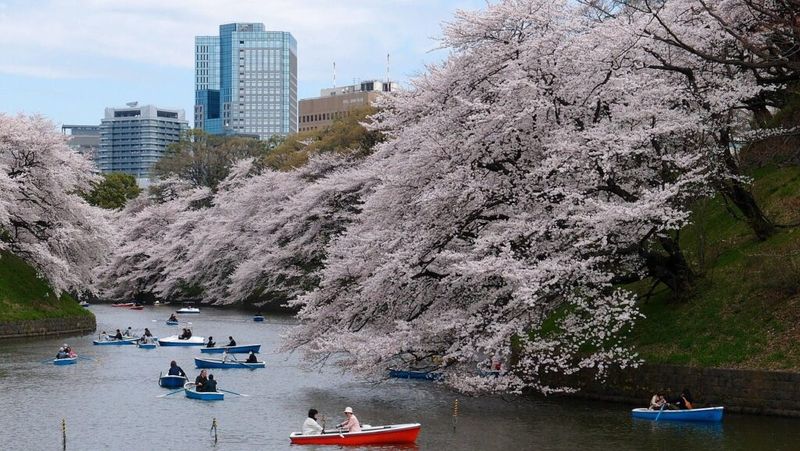
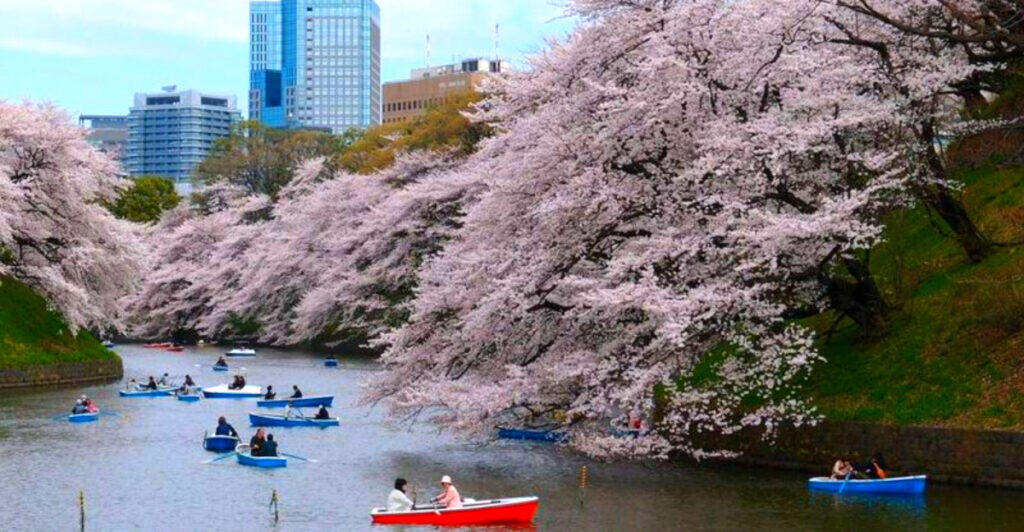
Cherry blossom season turns Tokyo into a citywide scavenger hunt for the perfect picnic spot. Office workers sprint into parks at dawn to reserve blue tarps, photographers line up beside rivers before sunrise, and suddenly everyone becomes an expert on bloom forecasts.
Ueno Park remains one of the capital’s most famous sakura destinations, with over a thousand cherry trees creating a crowded but energetic atmosphere. Food stalls line the pathways while groups gather beneath the blossoms for long hanami parties that can stretch well into the evening.
Even residents who claim they are “used to it by now” somehow end up taking dozens of blossom photos every spring. Tokyo may move fast, but cherry blossom season briefly convinces the entire city to slow down and look up.
5. Hiroshima
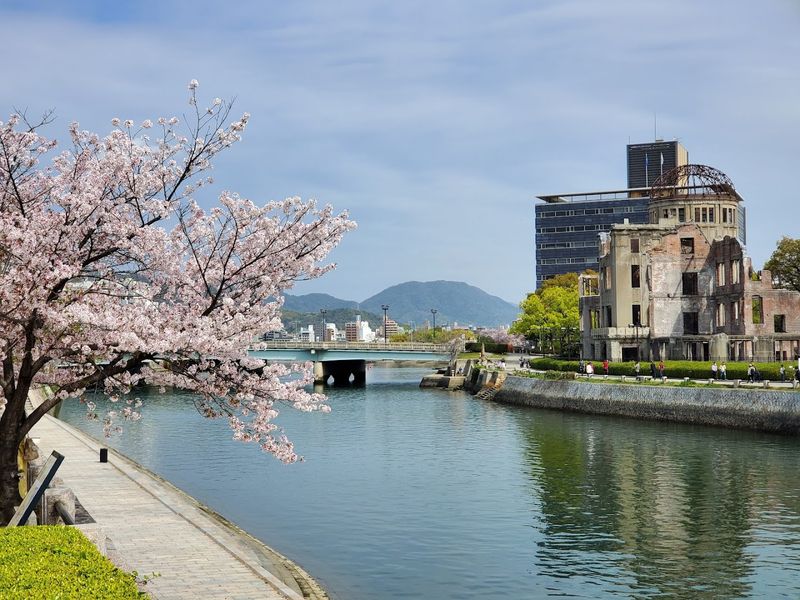
History and renewal share the same streets in Hiroshima, making cherry blossom season here feel especially meaningful. As spring arrives, parks and riversides throughout the city fill with sakura trees that soften the urban landscape without erasing its powerful past.
Peace Memorial Park becomes one of the region’s most visited blossom-viewing locations during spring. Cherry trees line pathways surrounding the memorials and museum, creating scenes that feel reflective rather than overly festive.
Hiroshima’s cherry blossom experience feels layered in the best way possible. Beauty, history, and resilience all exist side by side here, giving the season a depth that lingers long after the petals disappear.
6. Kanazawa
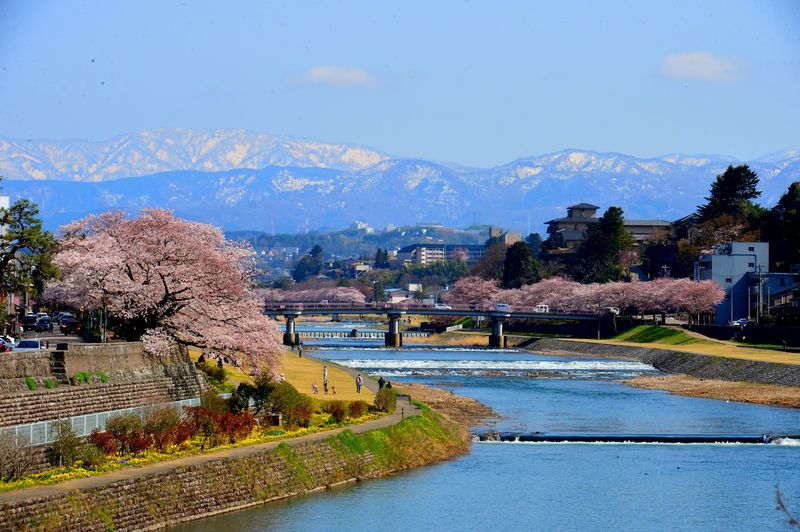
Gold leaf ice cream may grab headlines in Kanazawa, but spring quietly hands the spotlight to cherry blossoms draped around samurai districts and historic gardens. This coastal city on Japan’s western side becomes particularly elegant during sakura season without reaching Tokyo-level chaos.
Kenroku-en Garden ranks among Japan’s most celebrated landscape gardens, and spring only strengthens that reputation. Cherry trees bloom beside ponds, teahouses, and carefully maintained walking paths that somehow manage to look immaculate even during peak visitor season.
Kanazawa Castle Park sits next door and adds another major viewing location. White castle walls contrast beautifully against the pink blossoms, while open lawns give visitors room to relax without feeling packed into narrow walkways.
The city’s preserved Higashi Chaya District also becomes especially attractive during spring. Traditional wooden buildings and quiet alleyways framed by cherry trees create scenes that seem specifically designed for postcards.
Fortunately, the district still feels lived-in rather than overly staged.
7. Aomori
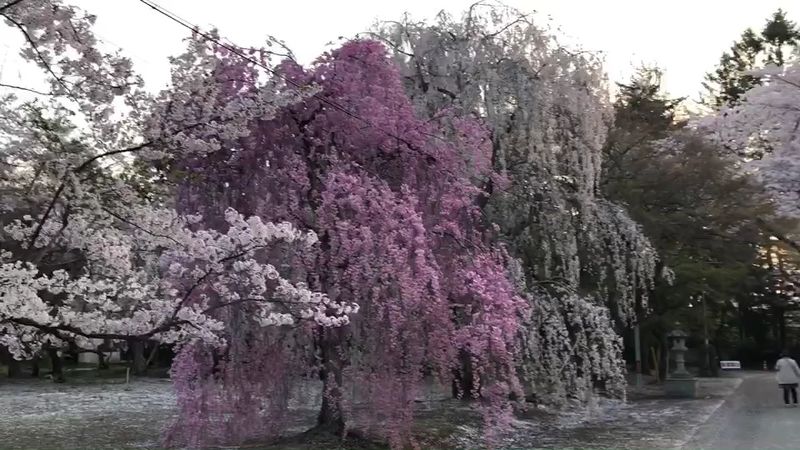
Cherry blossoms and snowcapped mountains make an unexpectedly effective team in Aomori Prefecture. Northern Japan’s cooler climate delays the bloom season here until late April, creating one of the country’s most dramatic spring landscapes.
Hirosaki Park leads the region’s cherry blossom fame thanks to its extraordinary concentration of sakura trees surrounding Hirosaki Castle. Petals eventually blanket the park’s moats so densely that parts of the water resemble floating pink carpets.
Aomori’s spring season feels refreshingly grounded. The region does not rely on flashy attractions or oversized festivals to impress visitors.
8. Osaka
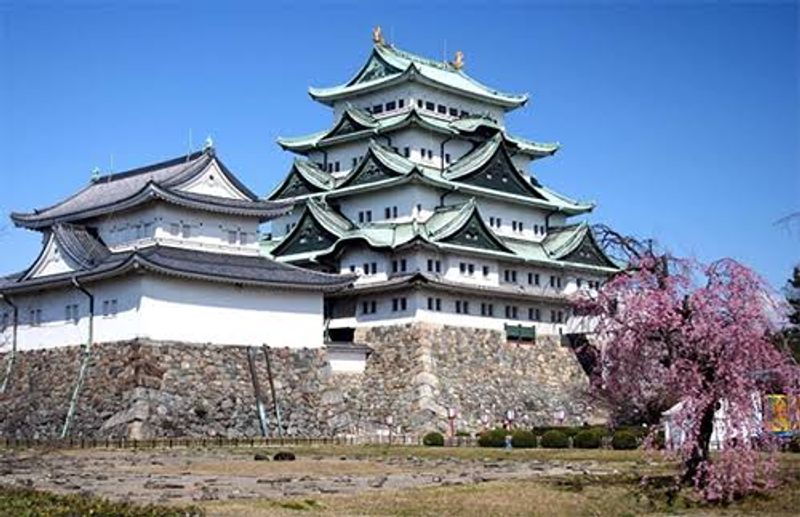
Osaka approaches cherry blossom season the same way it approaches food: enthusiastically and with very little interest in moderation. Parks fill quickly, riverside walkways stay busy well into the evening, and locals fully commit to hanami gatherings at every opportunity.
Osaka Castle Park anchors much of the city’s blossom season activity. Thousands of cherry trees surround the historic castle, creating one of Japan’s most recognizable spring scenes.
During peak bloom, the park becomes a mix of sightseeing destination, picnic ground, and unofficial social event for half the city.
Kema Sakuranomiya Park offers another standout location with cherry trees stretching for miles along the Okawa River. Boat cruises pass beneath the blossoms while joggers, families, and photographers crowd the riverbanks searching for ideal viewing spots.
Unlike Kyoto’s more refined spring atmosphere, Osaka feels louder and more playful during blossom season. Food stalls appear throughout popular parks, and evening gatherings often continue long after sunset.
The city treats cherry blossom season less like a delicate tradition and more like a citywide celebration.
9. Nagano
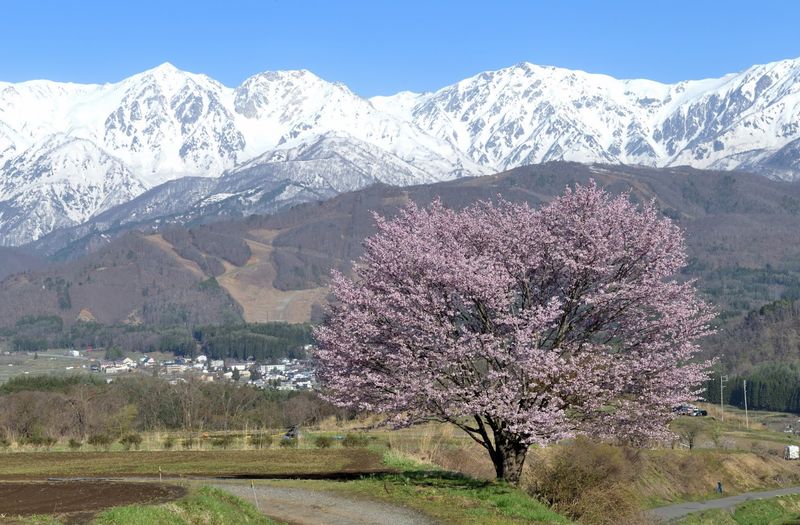
Mountain views quietly upgrade cherry blossom season in Nagano without needing much attention for it. Surrounded by the Japanese Alps, this central region offers a cooler spring climate and sakura scenery framed by peaks that often still hold traces of snow.
Matsumoto Castle becomes one of the prefecture’s standout destinations during bloom season. The black exterior of the historic castle contrasts sharply with pale pink cherry blossoms surrounding the moat, creating one of Japan’s most striking spring photo opportunities.
Nagano’s rural towns also deserve attention. Areas like Takato Castle Ruins Park in Ina City attract large numbers of domestic travelers thanks to a unique variety of cherry tree known for particularly vibrant blossoms.
During peak bloom, the park looks almost impossibly pink from elevated viewpoints.
Beyond the famous locations, smaller villages and mountain roads throughout Nagano reveal quieter sakura scenes that feel wonderfully local. Farmers prepare fields beneath blooming trees while regional train lines pass through valleys filled with spring color.
10. Fukuoka
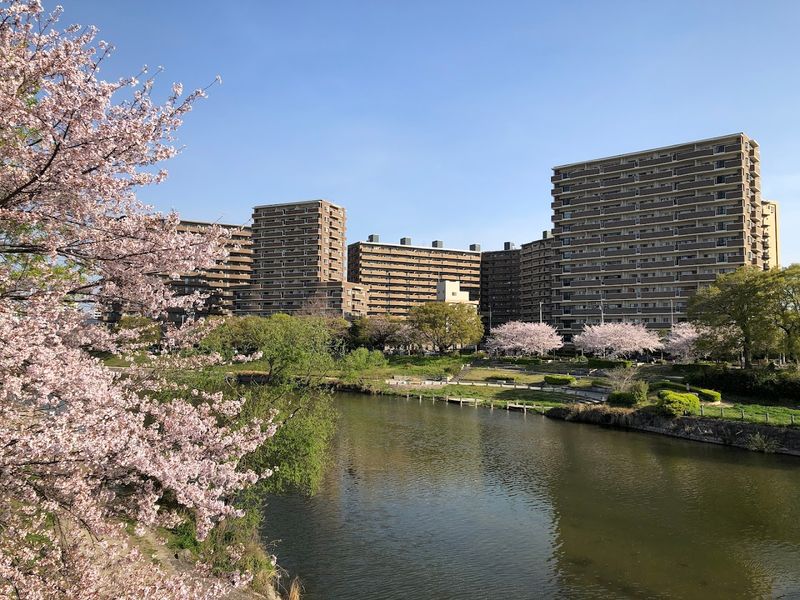
Cherry blossom season arrives early in Fukuoka, and the city wastes no time turning parks and riversides into full-time gathering spots. Located on Japan’s southern island of Kyushu, Fukuoka often sees blooms begin earlier than central and northern regions, giving impatient sakura fans a useful head start.
Maizuru Park and the ruins of Fukuoka Castle become major focal points during spring. Hundreds of cherry trees surround the stone walls and open lawns, creating one of the city’s busiest seasonal hangouts.
Families, students, and office workers claim picnic spots early, often armed with enough snacks to survive a minor expedition.
Nishi Park offers another popular viewing area with elevated perspectives overlooking the city and Hakata Bay. The combination of blossoms and coastal scenery gives Fukuoka a distinctly different atmosphere from inland cherry blossom destinations.
One reason travelers enjoy sakura season here is the city’s balance between urban convenience and relaxed energy. Public transportation works efficiently, food options seem endless, and popular blossom sites remain relatively easy to access without marathon-level walking sessions.
11. Kakunodate, Akita Prefecture
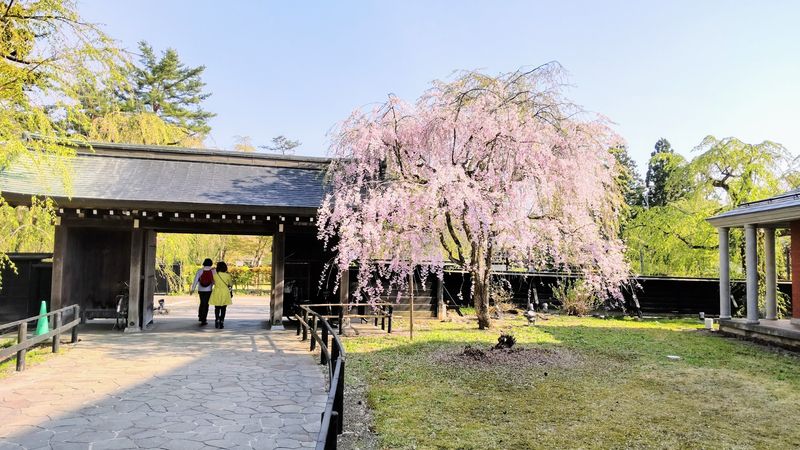
Samurai houses and cherry blossoms form an unbeatable combination in Kakunodate, a small town in Akita Prefecture that looks remarkably committed to preserving old Japan. During spring, the town’s historic streets become one of the country’s most distinctive sakura destinations.
Weeping cherry trees dominate the samurai district, their long branches arching over traditional wooden residences and narrow roads. Many of these homes belonged to samurai families during the Edo period, and several remain open to visitors today.
Unlike larger blossom destinations packed with towering skyscrapers or modern entertainment districts, Kakunodate feels intimate and historical. The scenery encourages slower exploration rather than checklist-style sightseeing.
Travelers spend hours wandering quiet streets, visiting old residences, and stopping at small cafés or local craft shops.
12. Shizuoka
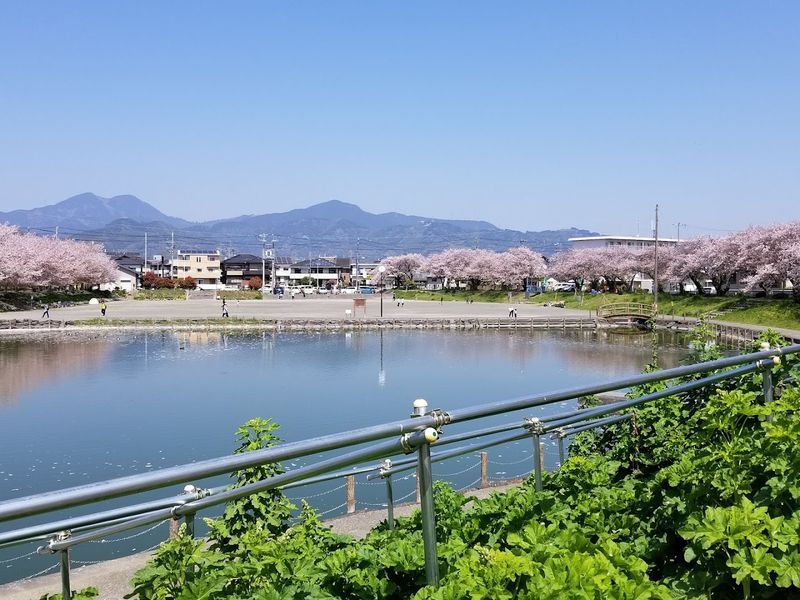
Mount Fuji has a habit of stealing attention from absolutely everything nearby, yet Shizuoka’s cherry blossom season still manages to compete remarkably well. The prefecture combines coastal scenery, mountain views, and sakura-lined parks into one of Japan’s most visually impressive spring destinations.
The Fuji Five Lakes region becomes especially popular during bloom season. Cherry trees surrounding Lake Kawaguchi create postcard-worthy views where pink blossoms frame Japan’s most famous mountain.
Photographers arrive in huge numbers hoping for clear skies and calm water, two conditions that somehow become rare the moment cameras appear.
Shizuoka City and nearby towns also feature excellent blossom locations, including Sumpu Castle Park and riverside walking paths lined with sakura trees. Tea fields throughout the prefecture add another layer of scenery unique to the region.
Share this story