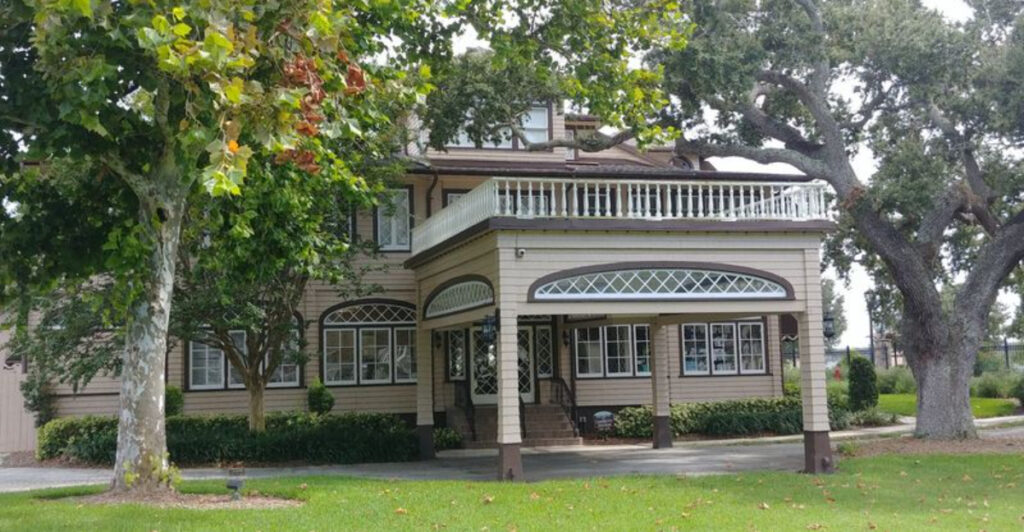
There is a riverside mansion in Florida that once sheltered the richest man in American history during his winter retreats, and most people drive right past it without a second glance. John D.
Rockefeller, the world’s first billionaire, chose this quiet stretch of the Halifax River as his personal escape from the pressures of running a global empire. The house still stands today, lovingly preserved and open to the public, telling stories that textbooks rarely capture.
From hand-carved windows to Hungarian folk art to memories of Gilded Age grandeur, this place rewards every curious visitor who walks through its doors. Keep reading to find out what makes this historic landmark one of Florida’s most underrated treasures.
A Landmark Address on the Halifax River
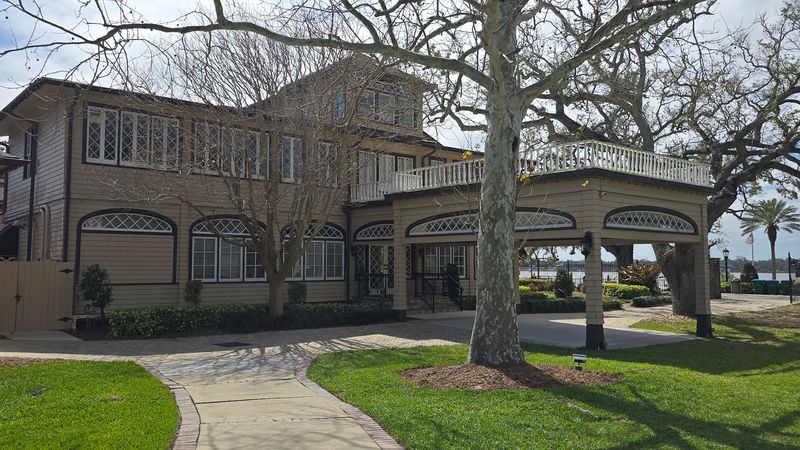
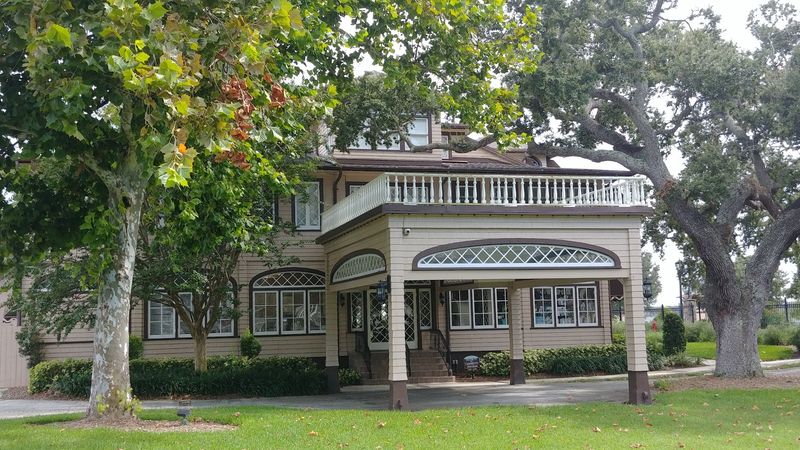
At 25 Riverside Dr, Ormond Beach, The Casements sits right along the edge of the Halifax River, and the setting alone is worth the trip. The building gets its name from its signature hand-carved casement windows, which frame sweeping views of the water and let in the kind of river breeze that makes Florida winters feel almost perfect.
This is not a tucked-away secret spot. The mansion is clearly visible from Riverside Drive, flanked by massive live oak trees draped in Spanish moss that give the grounds an atmosphere unlike anything you find at a typical museum.
The city of Ormond Beach now owns and maintains the property as a cultural center, keeping the building open to the public Monday through Friday from 8 AM to 5 PM and Saturday from 8 AM to noon. Free parking is available in the lot right next door.
How Rockefeller Came to Call This Place Home
John D. Rockefeller first arrived in Ormond Beach in 1914, already in his mid-seventies and looking for a warm, peaceful place to spend his winters away from the cold of New York.
He purchased the property and quickly made it his seasonal retreat, returning year after year until the final years of his life.
What drew him here was more than just the weather. The Halifax River offered calm morning rounds of golf nearby, and the slower pace of coastal Florida gave him a lifestyle that was almost the opposite of the industrial world he had built.
Rockefeller reportedly enjoyed handing out dimes to local children and neighbors during his time in Ormond Beach, a habit that became something of a local legend. That personal, almost folksy side of the world’s first billionaire is one of the more surprising things you learn during a tour here.
The Architecture That Gives the House Its Name
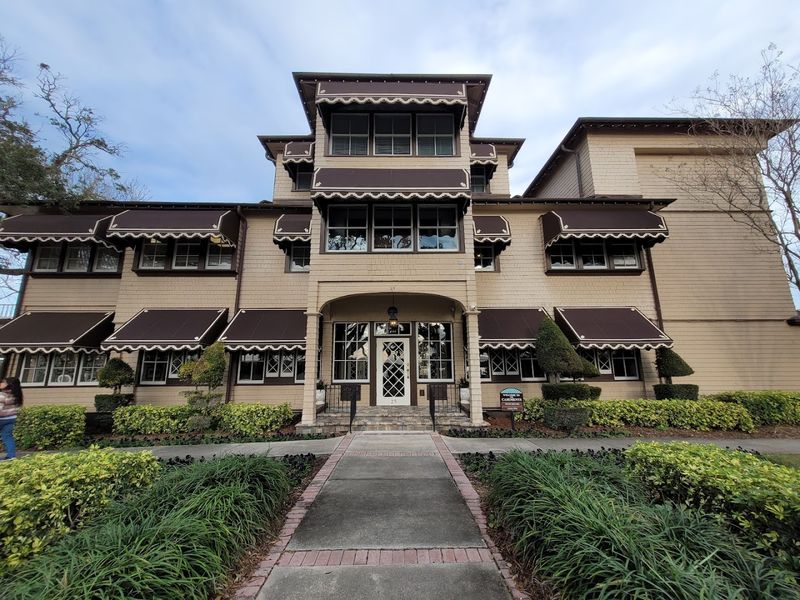
The casement windows that inspired the building’s name are genuinely worth pausing over. Each one features hand-carved detailing that reflects the craftsmanship standards of the early twentieth century, when builders treated woodwork as an art form rather than an afterthought.
The windows are not just decorative. They were designed to catch river breezes and pull cool air through the interior rooms, which was a practical and elegant solution before air conditioning existed.
Standing near them on a warm morning, you can feel exactly why this design was so popular in coastal Florida homes of that era.
The building you see today occupies the original footprint of Rockefeller’s home, though some of the additions he commissioned are no longer part of the structure. Despite those changes, the architectural character of the mansion remains strong, and the restored interiors give a clear sense of how refined daily life looked along the Halifax River during the Gilded Age.
Inside the Rooms: What the Tours Actually Show You
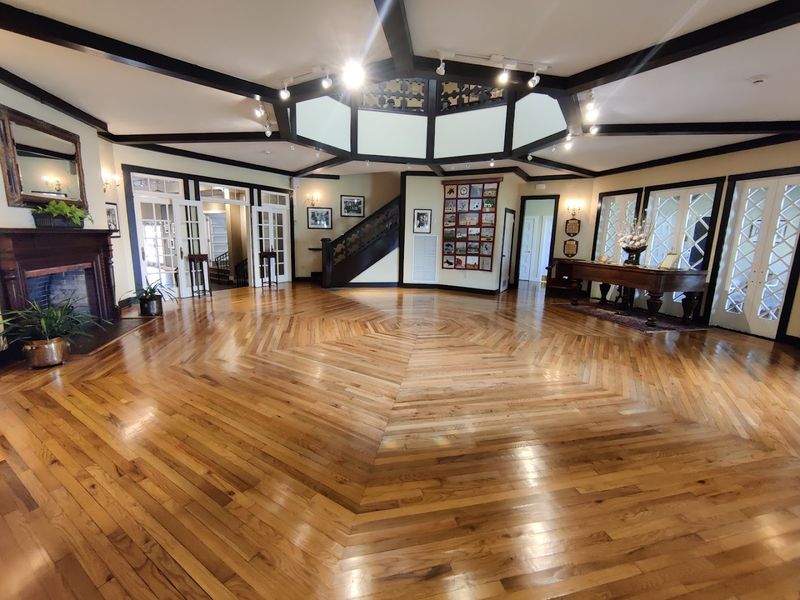
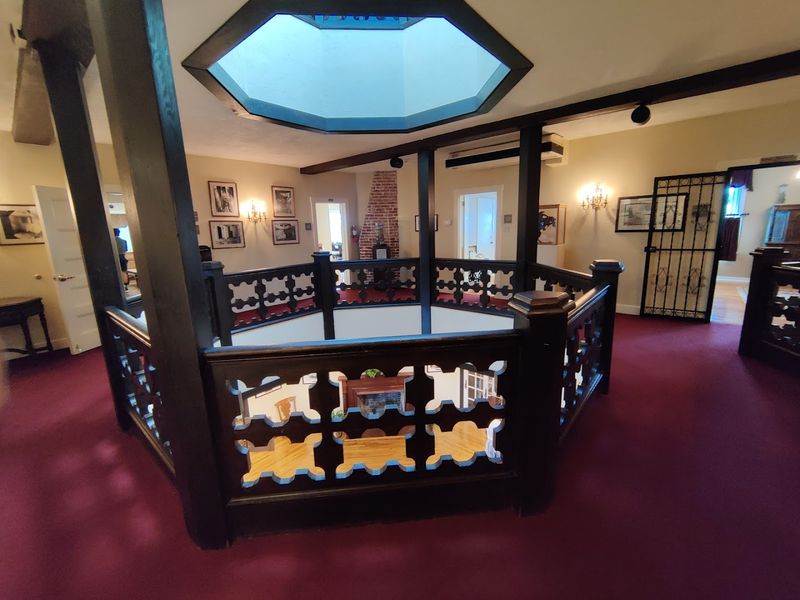
Tours at The Casements run on the hour and last about 45 minutes to an hour, covering two floors of restored rooms filled with period furnishings, historical photographs, and exhibits tied to the Rockefeller era and the broader history of Ormond Beach. The third floor holds additional exhibits but is only accessible on guided tours.
One of the most talked-about spaces in the house is the atrium, which features a beautiful stained glass window that casts colored light across the room at certain times of day. It has a quiet, almost contemplative quality that makes it easy to understand why visitors consistently mention it as a highlight.
The rooms themselves do not always reflect their original purposes, since the building now serves multiple community functions, but the docents do a thorough job of explaining what each space would have looked like and how it was used during Rockefeller’s time here.
The Docents Who Bring History to Life

The volunteers and docents at The Casements are one of the genuine highlights of any visit here. They are deeply knowledgeable, enthusiastic without being overwhelming, and clearly enjoy sharing the stories connected to this building and the people who passed through it.
Tours cover not just Rockefeller himself but also the intertwined histories of other Gilded Age figures connected to the Ormond Beach area, including Henry Flagler and the Vanderbilt family, whose presence helped shape this part of Florida’s early development. The docents weave those threads together in a way that makes the history feel connected rather than isolated.
The tour is free, though donations are warmly encouraged at the end. For visitors who prefer to explore at their own pace, a self-guided option using a mobile app is also available, though most people who try both agree that the guided experience adds a layer of storytelling that the app simply cannot replicate.
Hungarian Folk Art: The Unexpected Cultural Surprise
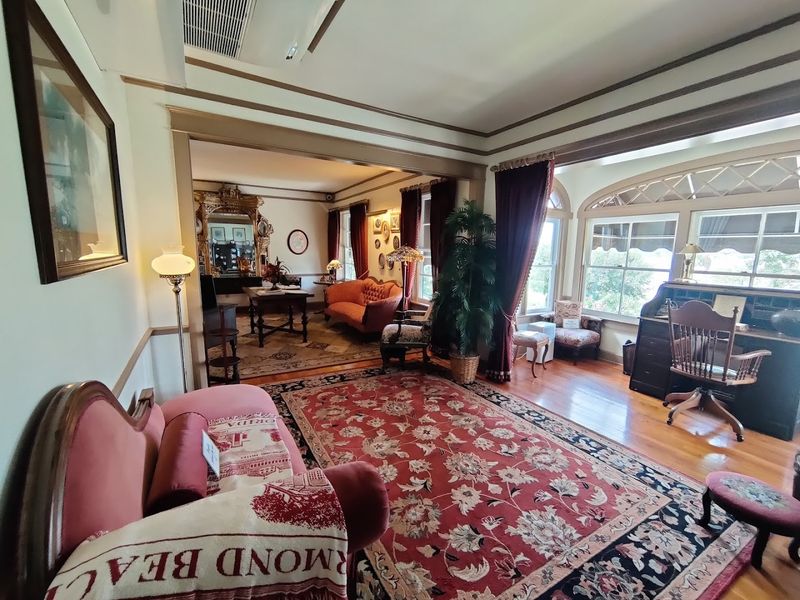
Few visitors expect to find Hungarian folk art inside a Florida mansion once owned by an American oil tycoon, but that unexpected combination is one of the things that makes The Casements genuinely interesting rather than just historically significant.
The collection reflects the building’s evolution into a true community cultural center, one that has absorbed the contributions of multiple communities and organizations over the decades. The Hungarian pieces in particular stand out for their vivid colors and intricate patterns, offering a sharp visual contrast to the more muted tones of the Gilded Age furnishings elsewhere in the house.
This cross-cultural element is a reminder that The Casements has never been a frozen-in-time monument. It has continued to grow and adapt while still honoring its roots, and that ongoing layering of history and culture is part of what keeps the place feeling alive rather than merely preserved.
The Grounds, the River, and the Spanish Moss
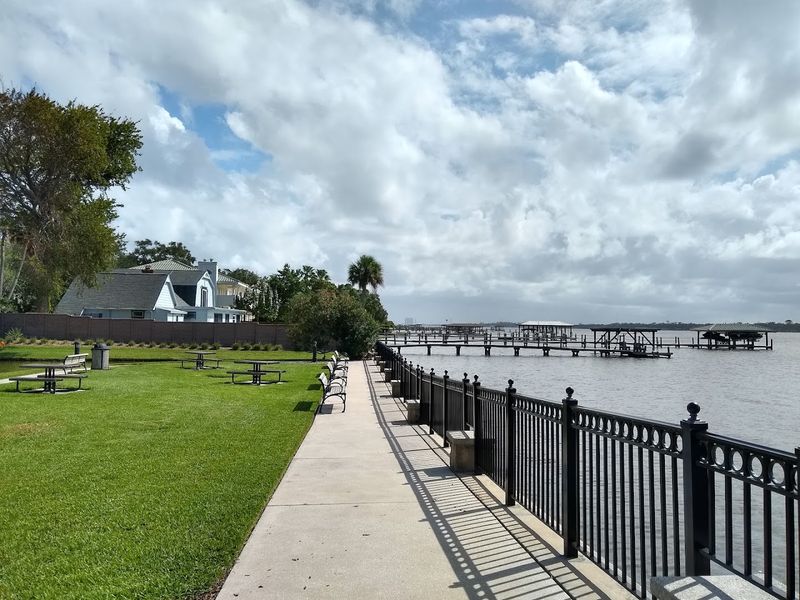
The grounds surrounding The Casements are as much a part of the experience as the house itself. Towering live oak trees with long beards of Spanish moss line the property, creating a canopy that feels deeply and unmistakably Southern in the best possible way.
The Halifax River runs right along the front of the mansion, and on a clear afternoon the combination of water, sky, and ancient trees makes for a setting that feels almost too picturesque to be real. Many visitors spend time simply walking the grounds after their tour, taking in the views and letting the atmosphere settle around them.
Across the street, the Ormond Memorial Art Museum and Gardens offers another layer of natural beauty worth exploring if you have extra time. The two spots complement each other well, and spending a half-day moving between them gives you a fuller sense of what makes this stretch of Ormond Beach so quietly special.
Events, Classes, and Community Life at The Casements
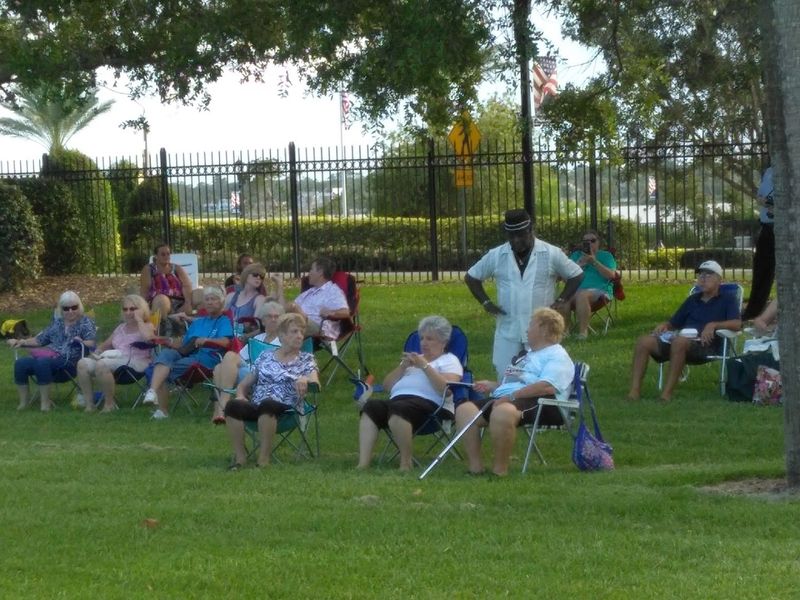
The Casements is far more than a museum. On any given week, the building and its grounds host cooking classes, art exhibits, community events, outdoor movie screenings, and concerts, making it one of the most active cultural hubs in Volusia County.
The outdoor movie nights are a particular favorite among locals. Visitors show up with blankets and folding chairs, grab popcorn from a small refreshment stand, and watch the sun set over the Halifax River before the film begins.
No tickets are required, which keeps the whole experience relaxed and accessible.
A rotating art gallery inside the building features work by local artists, and the exhibit changes regularly enough that repeat visitors almost always find something new to look at. Cooking classes held in the mansion add yet another layer of community engagement, turning this historic house into a living, breathing gathering place rather than a roped-off relic of the past.
Renting The Casements for Weddings and Special Events
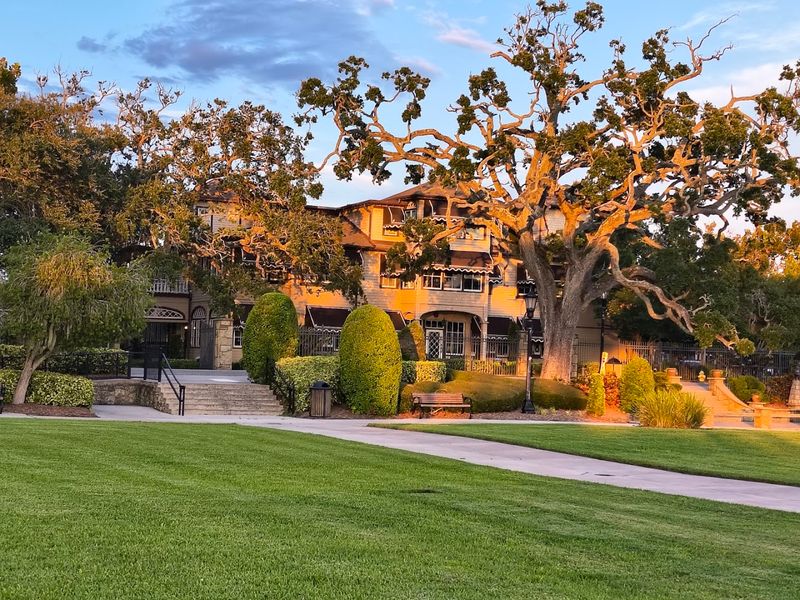
The Casements is available for private events, and the combination of indoor elegance and outdoor riverside scenery makes it one of the more sought-after event venues in the Ormond Beach area. Weddings, corporate gatherings, and private celebrations have all taken place here, taking advantage of both the interior rooms and the expansive grounds.
The setting offers something that modern event spaces rarely can: genuine historical character. Hosting a gathering inside a mansion where one of America’s most powerful industrialists once spent his winters brings a layer of atmosphere that no amount of decor can manufacture from scratch.
For couples planning a wedding, the Halifax River backdrop at sunset is hard to beat. The staff at The Casements are experienced at helping event organizers navigate the space, and the building’s flexible layout means that both intimate gatherings and larger celebrations can be accommodated without the venue feeling either cramped or cavernous.
Practical Tips for Planning Your Visit
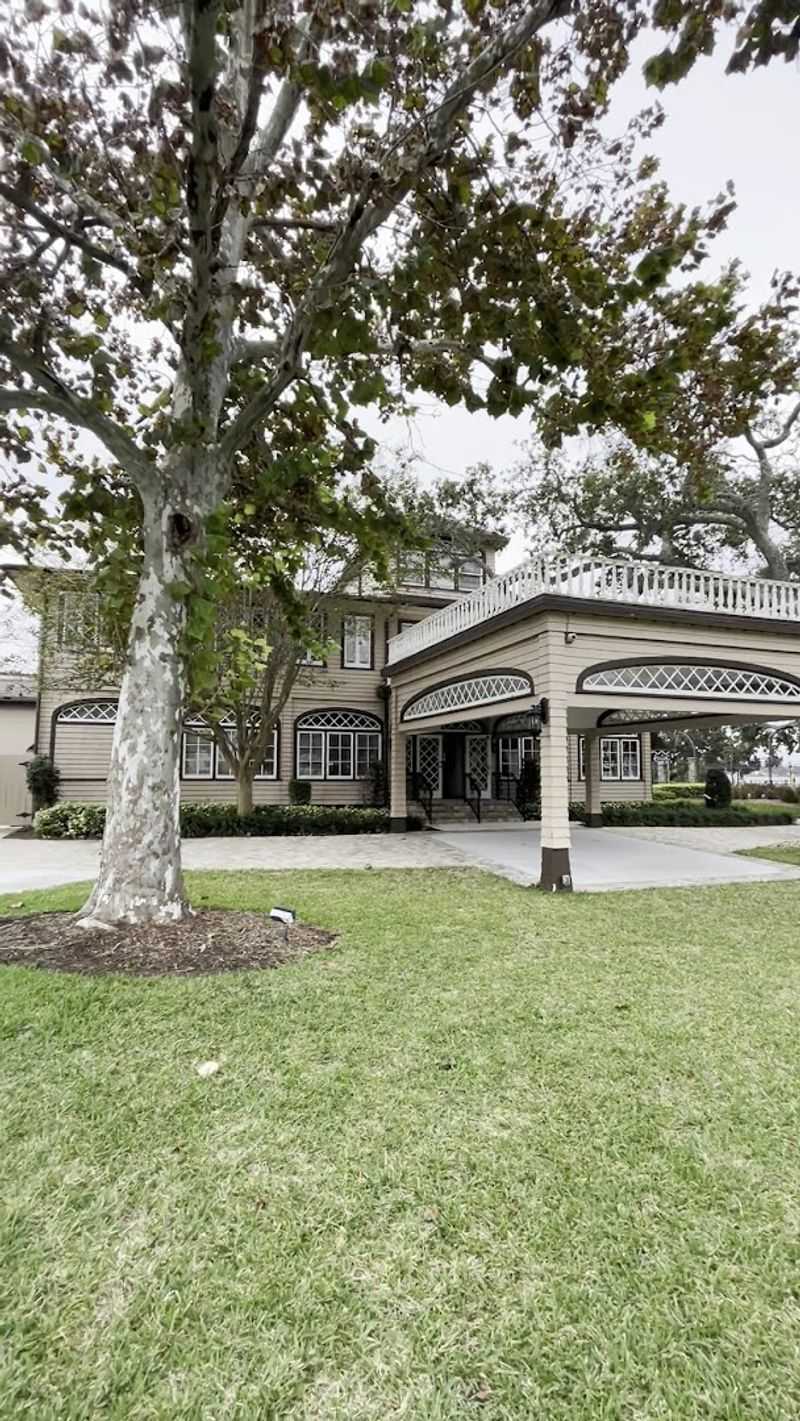
A few practical details can make your visit to The Casements run much more smoothly. The building is open Monday through Friday from 8 AM to 5 PM and on Saturdays from 8 AM to noon, with Sunday being a full rest day.
Tours run on the hour, so arriving a few minutes early gives you time to look around the ground floor before joining a group.
Admission is free, though a donation at the end of the tour is the customary way to show appreciation for the volunteer docents who keep the program running. Free parking is available in the lot adjacent to the building, and street parking along Riverside Drive is also an option if the lot is full.
For more information or to inquire about event rentals, you can reach The Casements at +1 386-676-3216 or visit the official website at thecasements.net. December visits are particularly rewarding, as the house is decorated for the holidays in a style that suits the building beautifully.
Why This Place Deserves a Spot on Your Florida Itinerary
Florida has no shortage of attractions competing for your time, but The Casements offers something genuinely different from the theme parks, beaches, and resort strips that dominate most travel itineraries. This is a place where history is tangible, where you can stand in rooms that once hosted one of the most influential figures in American economic history and feel the weight of that without a single flashy exhibit demanding your attention.
The combination of free admission, knowledgeable guides, beautiful grounds, and an active community calendar means there is almost always a reason to visit, whether you are a history enthusiast, a casual sightseer, or someone looking for a peaceful afternoon by the river.
From Orlando or St. Augustine, The Casements makes an easy and rewarding day trip. Once you have walked its halls and sat beneath those ancient oaks watching the Halifax River catch the afternoon light, it is the kind of place that quietly stays with you.
Share this story