Some places on Earth look so extraordinary that your first reaction is to question whether the photo has been edited. These are real locations that exist right now, open to visitors, shaped by geology, climate, and time rather than special effects.
From salt flats that mirror the sky to blue-painted mountain cities, the planet has done some seriously impressive work. Here are 15 places that will make you double-check your geography textbook.
Zhangjiajie National Forest Park, China
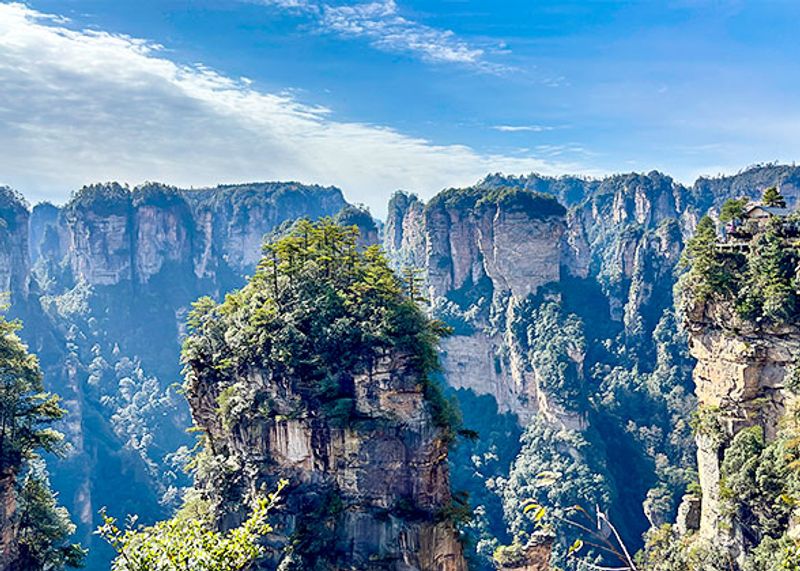
The sandstone pillars at Zhangjiajie do not look like they belong on Earth. Some rise over 300 meters straight up, wrapped in mist, covered in green, and completely unbothered by gravity’s opinions.
The park inspired the floating mountains in Avatar, which honestly makes sense.
Getting around is part of the adventure. There are cable cars, glass-bridged walkways, and shuttle buses connecting the main scenic areas.
I once spent twenty minutes just staring up at the pillars from a viewing platform, convinced my brain was buffering.
Visitor tip: the park is large, so plan your route before you arrive. The Tianmen Mountain area and Yuanjiajie Scenic Zone are two of the most popular sections.
Go early to beat the crowds, and bring layers because the mist makes the higher areas cool even in summer. This place rewards patience.
Pamukkale, Turkey
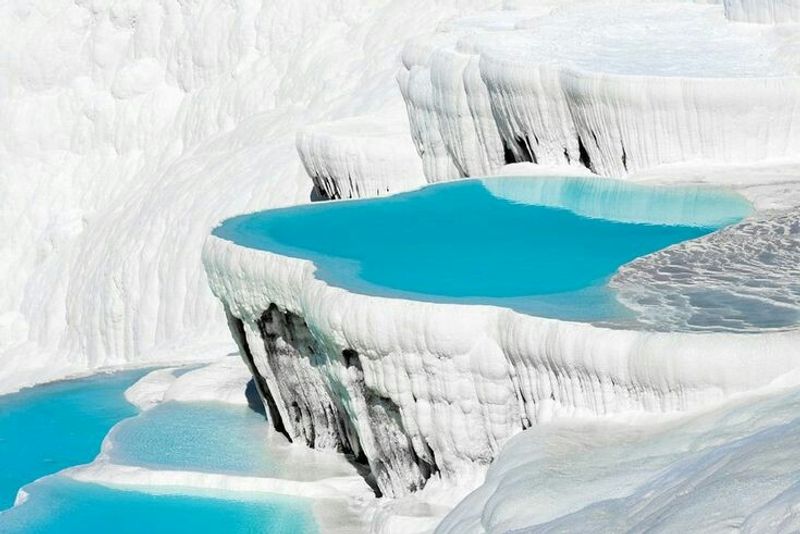
Pamukkale literally means “cotton castle” in Turkish, and whoever named it was not exaggerating. The white travertine terraces spill down the hillside in layers, each one holding a shallow pool of warm mineral water.
It looks like a frozen waterfall decided to become a spa.
The site is a UNESCO World Heritage location, and it shares its grounds with the ancient ruins of Hierapolis, a Roman city that once attracted visitors for the same thermal waters. Two thousand years of tourist appeal is a pretty solid track record.
Visitors are allowed to walk barefoot through some of the pools, but shoes must come off to protect the delicate white calcium formations. The best light hits the terraces in late afternoon, turning them a warm golden color.
Access rules can change by season, so check current guidelines before visiting. Comfortable feet, stunning views, ancient history.
Not a bad deal.
Plitvice Lakes National Park, Croatia
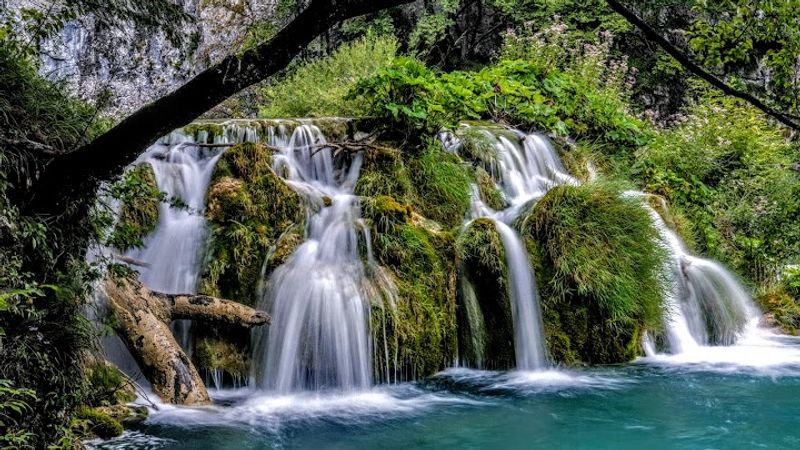
Plitvice Lakes looks like someone turned the saturation slider all the way up and forgot to turn it back down. The water is genuinely that shade of turquoise, and no filter is responsible for it.
Limestone, minerals, and microorganisms have been working on this color palette for thousands of years.
The park is a series of sixteen terraced lakes connected by waterfalls and wooden boardwalks. You walk directly over the water on narrow paths, which is either thrilling or slightly nerve-wracking depending on your relationship with heights and wet wood.
Croatia’s most visited national park gets busy, especially in summer. Booking tickets in advance online is strongly recommended.
The park offers different entrance routes, labeled A through K, each covering different parts of the lake system. The lower lakes tend to be more dramatic, but the upper lakes are quieter and equally worth the walk.
Go in spring if you can.
Lofoten Islands, Norway
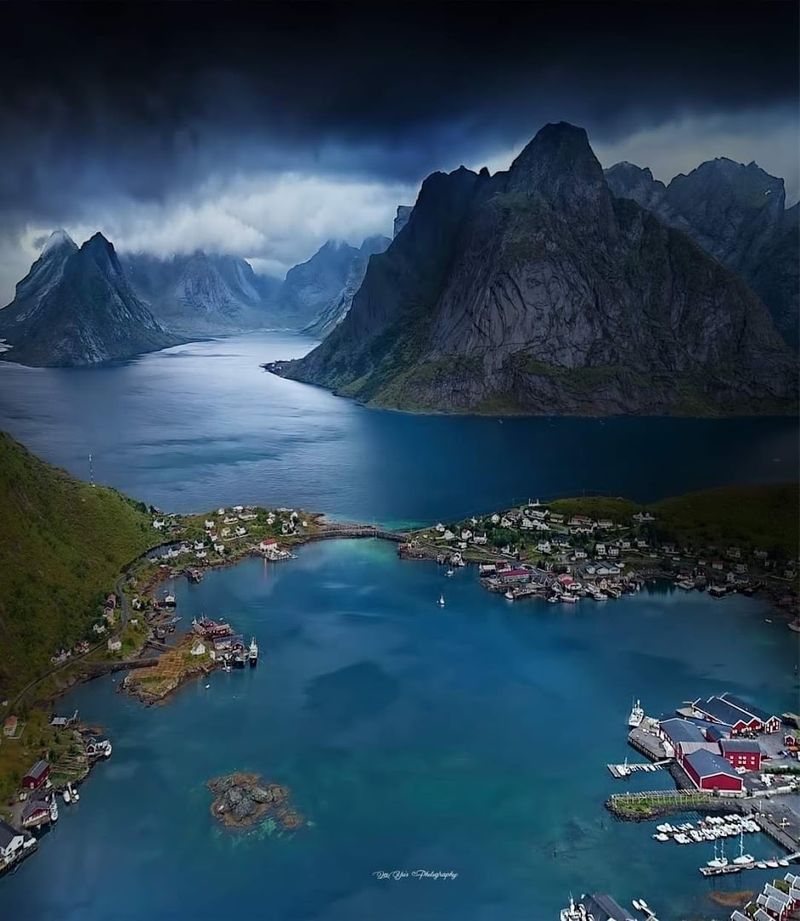
The Lofoten Islands are what happens when Norway decides to show off. Sharp mountain peaks shoot straight up from the sea, colorful fishing cabins line the harbors, and the light does something completely different here depending on the season.
In summer, the midnight sun keeps the sky bright at 2 a.m., which is as surreal as it sounds. From September through April, the northern lights can appear on clear nights, turning the sky into a slow-moving light show.
Both experiences feel slightly unreal the first time.
The islands sit above the Arctic Circle, so packing for variable weather is essential regardless of when you visit. Roads connect the main islands by bridge, making self-drive trips very doable.
The fishing villages of Reine and Henningsvaer are two of the most photographed spots. Renting a traditional fisherman’s cabin, called a rorbu, is one of the most popular ways to stay overnight.
Salar de Uyuni, Bolivia
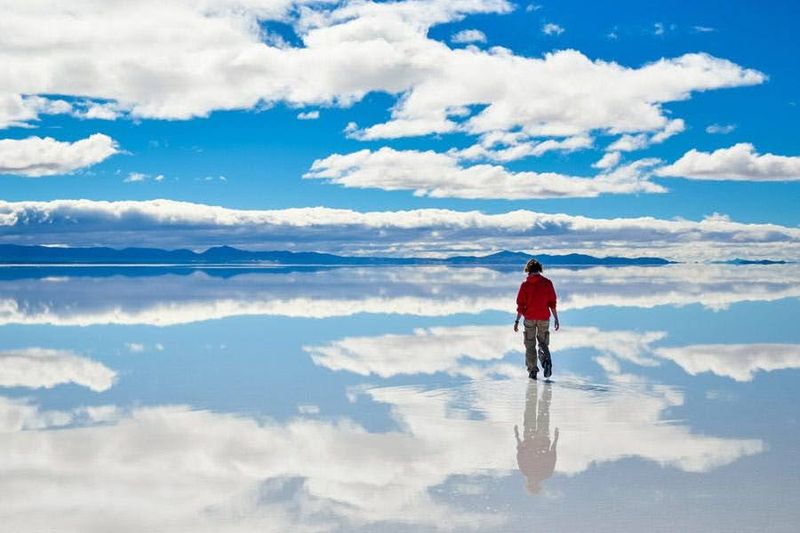
Salar de Uyuni is the world’s largest salt flat, covering over 10,000 square kilometers at high altitude in Bolivia. In the dry season, it is a blinding white expanse that stretches to the horizon with no visible end.
In the wet season, a thin sheet of water transforms the surface into a mirror so perfect it reflects the sky like a giant screen.
The effect is one of the most photographed natural phenomena on Earth, and for good reason. Standing on it feels genuinely disorienting, like the ground and the sky have switched places.
Guided tours are strongly recommended here because the scale and remoteness of the landscape make solo navigation risky. Tour operators in Uyuni town offer day trips and multi-day expeditions.
Altitude sickness is a real concern since the flats sit at about 3,656 meters above sea level. Drink water, go slow, and let the landscape do the rest.
Antelope Canyon, Arizona, USA
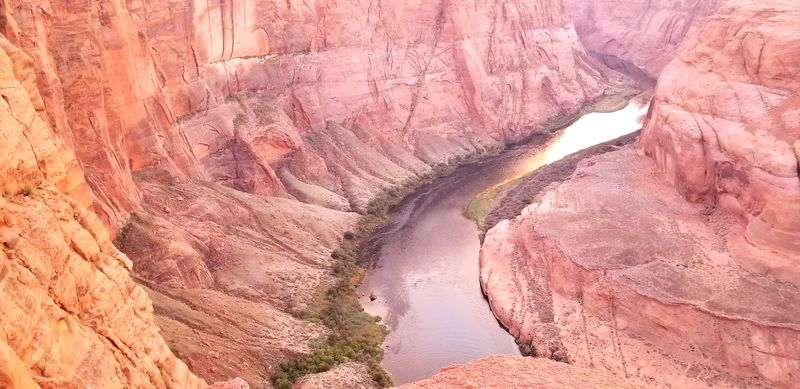
Antelope Canyon is a slot canyon carved by water and wind into smooth, wave-like sandstone walls. The light shafts that fall through the narrow openings above can turn the entire space orange, red, and gold, depending on the time of day.
Photographers have been losing their minds over this place since it became widely known in the 1990s.
Here is something worth knowing upfront: you cannot visit independently. The canyon sits on Navajo Nation land, and all visits require a licensed Navajo tour guide.
Navajo Nation Parks and Recreation lists the authorized operators, and bookings fill up fast, especially for the midday light-shaft tours.
There are two sections, Upper Antelope Canyon and Lower Antelope Canyon, each with a different feel. Upper is wider and better for photography.
Lower requires some ladder climbing but tends to be less crowded. Either way, this is one of those places where the photos barely do it justice.
Faroe Islands
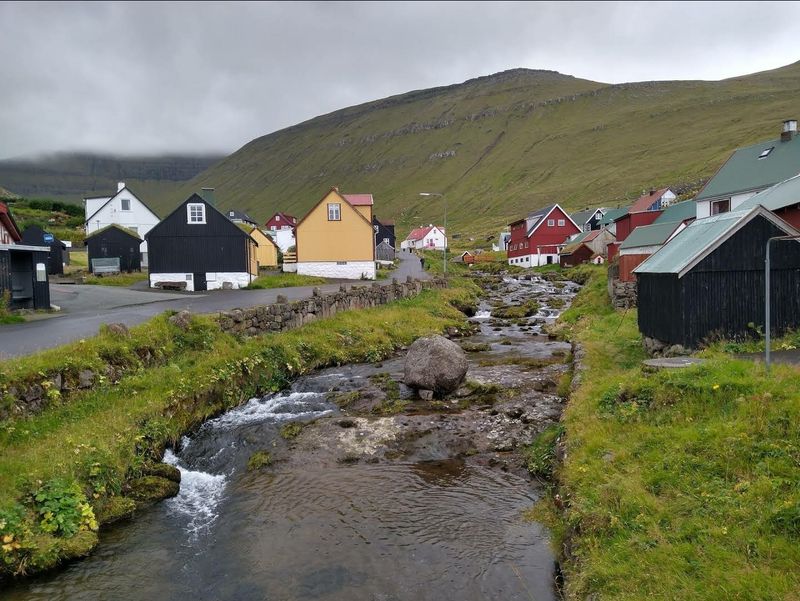
The Faroe Islands are an autonomous territory of Denmark sitting in the North Atlantic between Norway and Iceland, and they look like someone illustrated a Viking saga and forgot to tell the land it was fiction. Eighteen islands, all green cliffs, seabird colonies, waterfalls, and villages with grass-covered rooftops.
The weather changes constantly, sometimes within the same hour. Locals joke that you get all four seasons in a single afternoon.
Layers, waterproofs, and good boots are non-negotiable packing items here.
The official tourist board, Visit Faroe Islands, actively promotes responsible travel and has introduced a “Closed for Maintenance, Open for Voluntourism” program where visitors help maintain trails and landscapes. It is a genuinely smart way to manage tourism pressure.
Popular spots include the village of Gasadalur with its famous waterfall, Lake Sorvagsvatn which appears to float above the ocean, and the cliffs at Traelanipa. Small islands, massive impressions.
Grand Prismatic Spring, Yellowstone National Park, USA
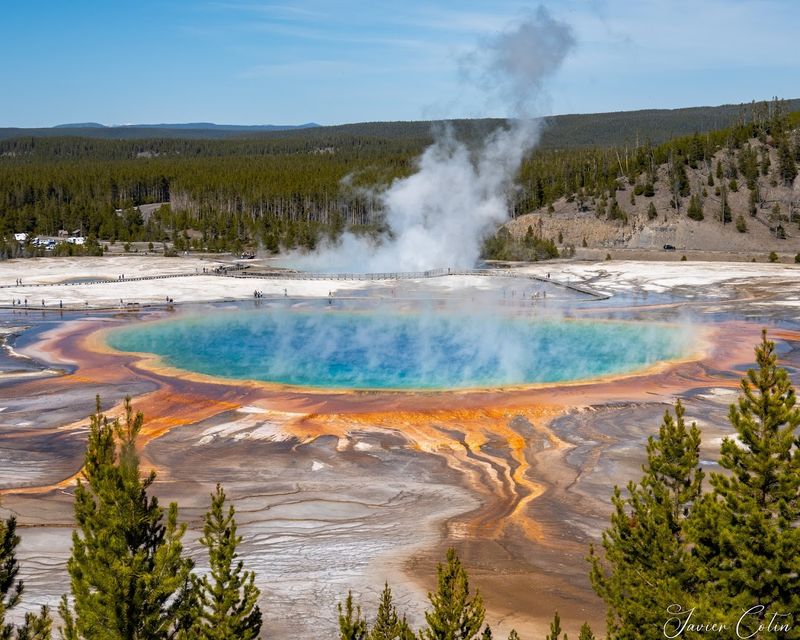
Grand Prismatic Spring is the largest hot spring in the United States and the third largest in the world. Its rings of blue, green, yellow, and orange come from heat-loving microorganisms called thermophiles, which live in the scalding water and produce pigments.
Nature essentially painted this one using bacteria, which is both impressive and slightly wild.
The spring sits inside Yellowstone National Park, a place already packed with geysers, bison, and hydrothermal oddities. But Grand Prismatic consistently stops people mid-walk.
The full color effect is best seen from the Fairy Falls Trail overlook, which gives an elevated view of the entire spring.
Yellowstone is open year-round but conditions vary significantly by season. Always check current park alerts before visiting, since weather, wildlife activity, and thermal area closures can affect access.
Stay on boardwalks near thermal features. The ground around hot springs can be thin and unstable, no matter how solid it looks from a distance.
Cappadocia, Turkey
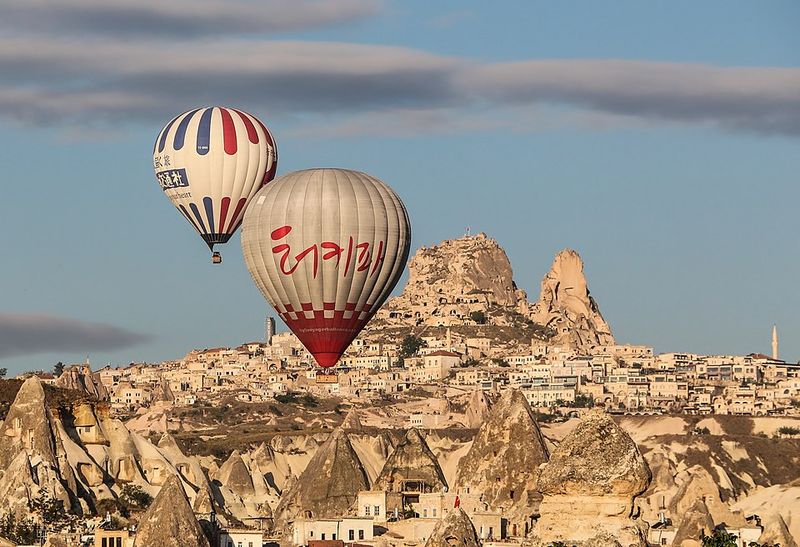
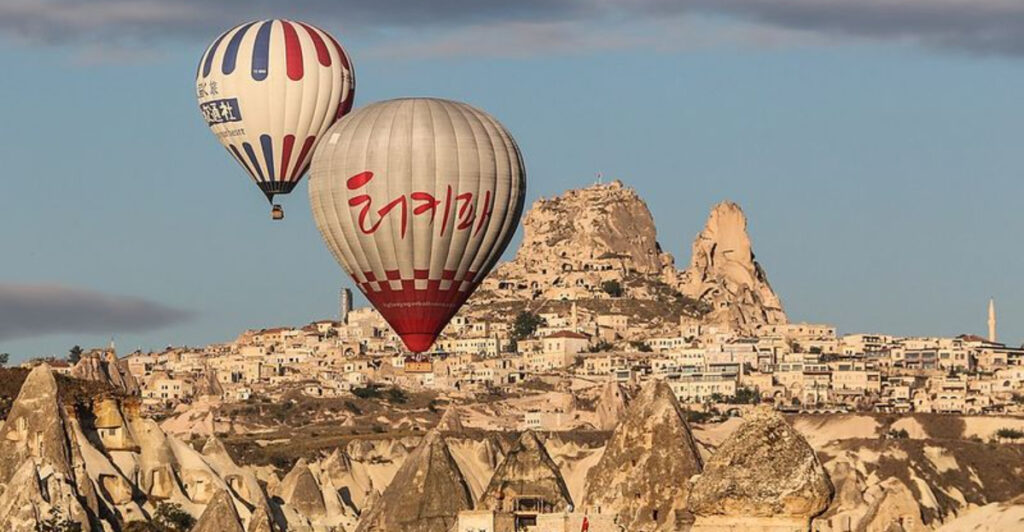
Cappadocia has been inhabited for thousands of years, and the reason is right under your feet. Soft volcanic rock called tuff allowed ancient communities to carve entire homes, churches, and underground cities directly into the landscape.
The region has a seriously layered history beneath its photogenic surface.
The fairy chimneys, those tall cone-shaped rock formations, were formed by erosion over millions of years. Hot air balloon flights launched at sunrise are the most iconic way to see them, and on a clear morning the sky fills with dozens of colorful balloons drifting above the valleys.
Flights are weather-dependent, so flexibility in your schedule helps.
The Goreme Open-Air Museum is a UNESCO World Heritage site with rock-cut churches decorated in Byzantine frescoes. Cave hotels are widely available and surprisingly comfortable.
Cappadocia is in central Turkey, easily reached by domestic flights from Istanbul or Ankara. Plan for at least two full days to cover the main valleys and viewpoints properly.
Wadi Rum, Jordan
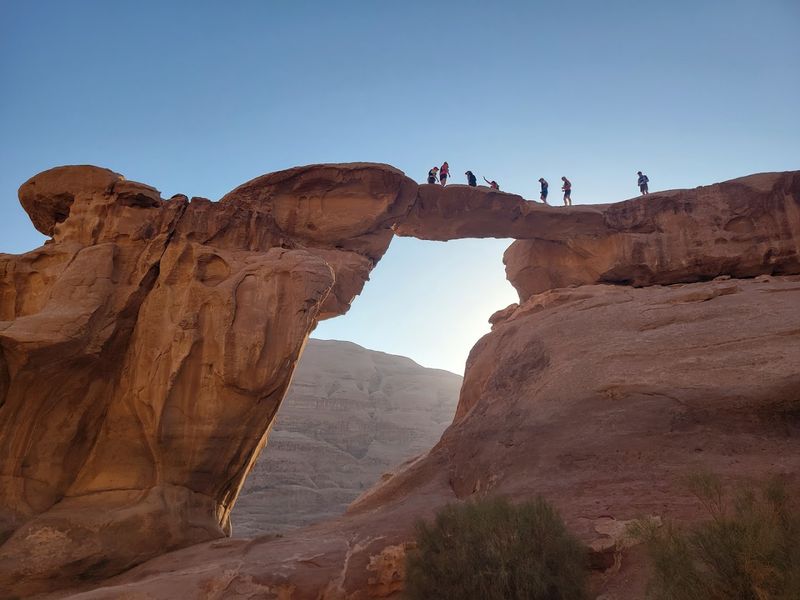
Wadi Rum has been used as a stand-in for Mars in more than one major film, and it is not hard to see why. The red sand, the enormous sandstone and granite rock walls, and the sheer silence of the place create an atmosphere that feels genuinely extraterrestrial.
Lawrence of Arabia called it “vast, echoing, and God-like.”
The protected area is managed through a visitor center where entrance fees are collected and local Bedouin guides are available for hire. Jeep tours, camel rides, and overnight camping in traditional desert camps are all popular options.
Staying overnight is worth it specifically for the stars.
Ancient Nabataean inscriptions and rock carvings are scattered across the landscape, adding a historical layer to the desert scenery. The site is also a UNESCO World Heritage location.
Visiting without a guide is possible in some areas but a local guide significantly improves the experience and supports the Bedouin community who call this desert home.
Lake Bled, Slovenia
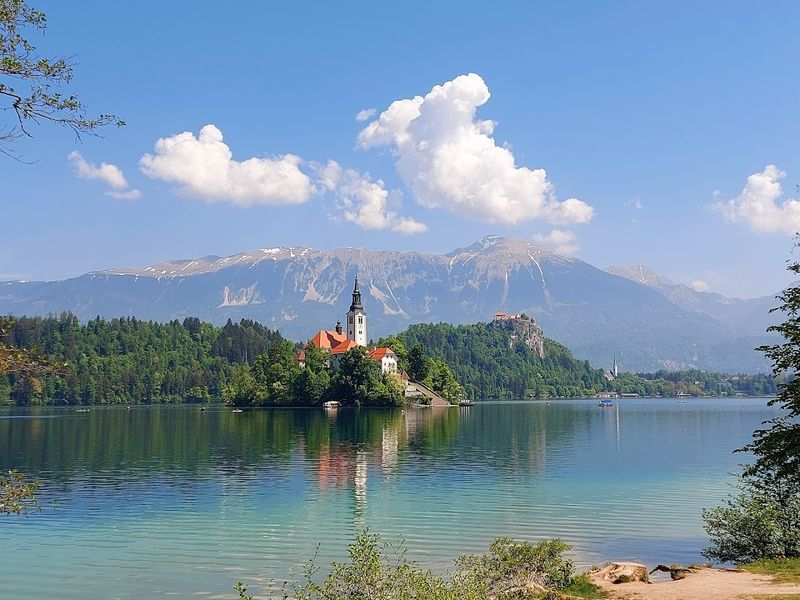
Lake Bled is almost aggressively picturesque. A clear alpine lake, a tiny island with a white church, a castle perched on a cliff above the water, and Julian Alps framing the whole thing from behind.
Slovenia’s tourism board could have stopped trying after this one and no one would have blamed them.
Visitors can reach the island by pletna, a traditional flat-bottomed wooden boat rowed by local boatmen. The tradition of ringing the church bell on the island for good luck has been going for centuries.
It is genuinely charming and not at all cheesy, which is harder to pull off than it sounds.
Bled Castle sits about 100 meters above the lake and offers the best panoramic views of the area. The town of Bled itself is small and walkable.
Bled cream cake, a local pastry with custard and cream, is a non-negotiable stop. Visit in spring or autumn to avoid peak summer crowds without sacrificing the scenery.
Torres del Paine National Park, Chile
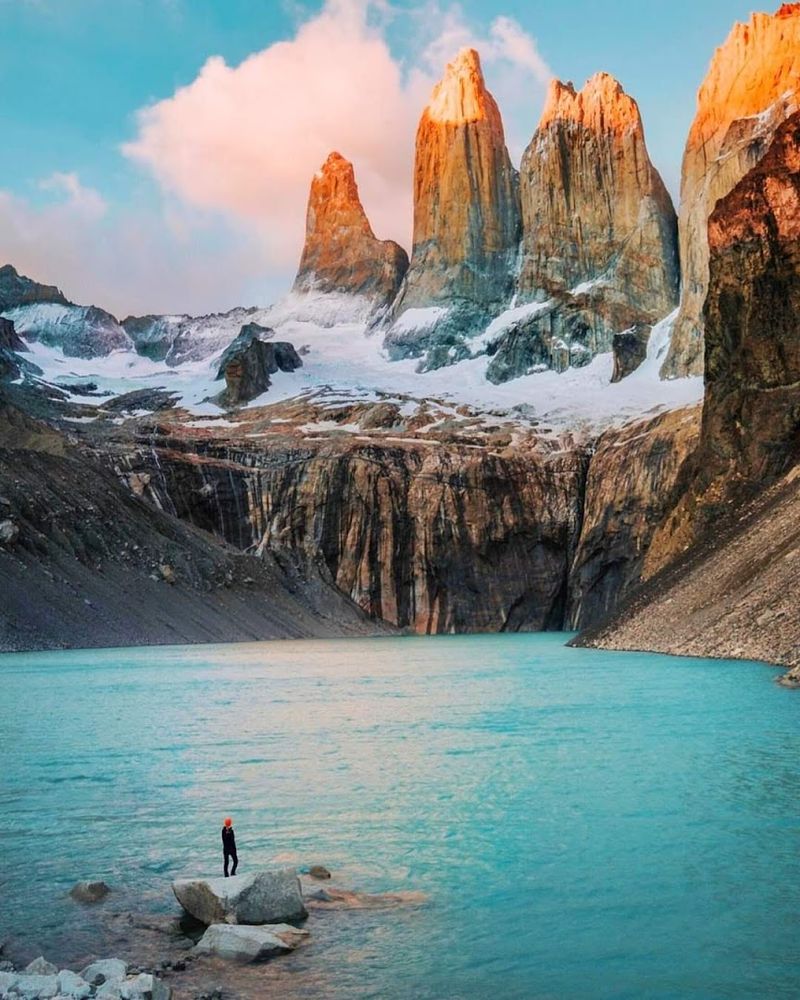
Torres del Paine sits in Chilean Patagonia, a region where the weather changes faster than most people change their minds. The three granite towers the park is named for rise over 2,800 meters and are only visible from the base on clear days, which makes earning that view feel genuinely rewarding.
This is not a casual stroll destination. The park is a serious trekking destination with multi-day routes like the W Trek and the O Circuit drawing hikers from around the world.
Advance reservations for campsites and refugios are essential, especially from November to March when visitor numbers peak.
Park admission is managed through the official administrator CONAF, and fees apply. Wildlife here is spectacular: pumas, guanacos, Andean condors, and foxes are all regularly spotted.
Gear matters a lot in Patagonia. Wind, rain, and sun can all happen before lunch.
Layering well and packing waterproof everything is not optional, it is survival strategy.
Moraine Lake, Banff National Park, Canada
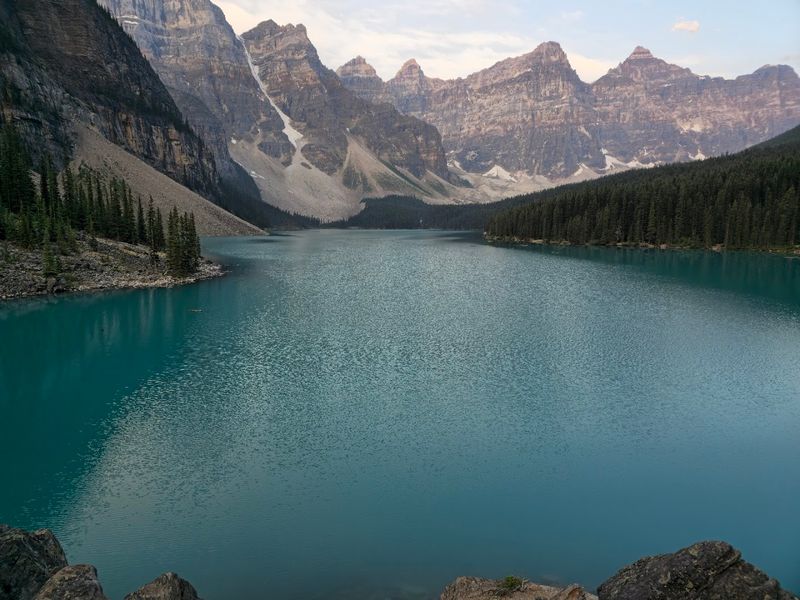
Moraine Lake’s water is that specific shade of blue-green that makes people stop scrolling. The color comes from rock flour, finely ground sediment carried into the lake by glacial melt, which scatters light in a way that produces the vivid turquoise effect.
Science explaining beauty is always a good moment.
The lake became so famous that managing visitor numbers became a serious challenge. Parks Canada now requires visitors to arrive by shuttle bus or public transit only.
Private vehicles are not permitted at the lake during peak season, and shuttle reservations need to be made in advance through the Parks Canada reservation system.
The Valley of the Ten Peaks rises behind the lake in a dramatic semicircle of rocky summits. Canoeing on the lake is available for rent and is one of the better ways to experience it up close.
Go early in the morning for the calmest water and the best reflection. Late June through September offers the most reliable conditions.
Milford Sound / Piopiotahi, New Zealand
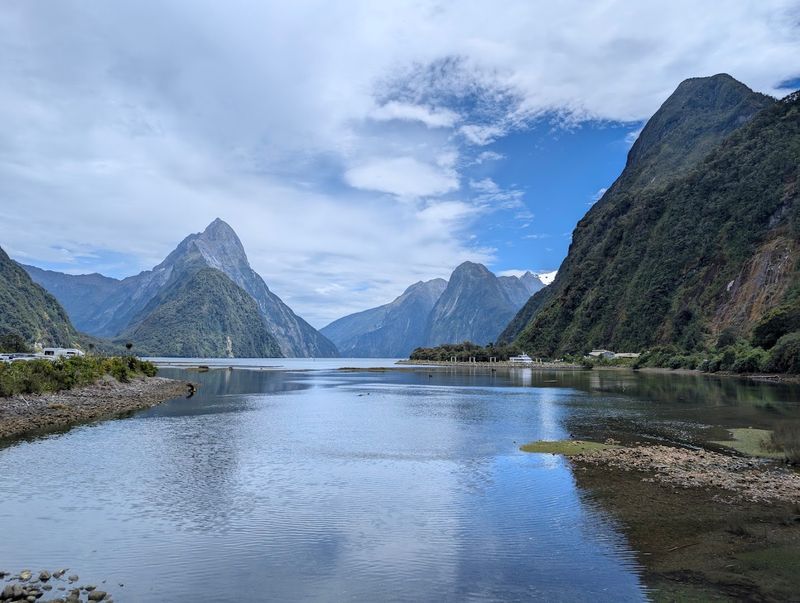
Milford Sound is technically a fiord, not a sound, which is a geographic distinction that the cliffs and waterfalls are completely indifferent to. It is the only one of Fiordland National Park’s fourteen fiords accessible by road, and the drive in through the Homer Tunnel is itself a dramatic experience worth the trip.
Boat cruises are the most popular way to experience the fiord, and they range from quick one-hour trips to overnight journeys with far fewer passengers. Kayaking is another option that gets you much closer to the waterfalls and the cliff faces.
Mitre Peak, rising 1,692 meters directly from the water, is one of New Zealand’s most recognized landmarks.
Rain is frequent here and actually improves the scenery by creating dozens of temporary waterfalls down the cliffsides. Sandflies are legendary in their persistence, so insect repellent is essential.
Scenic flights are available for aerial views of the entire Fiordland region. Book accommodation in Te Anau, the nearest town, as options at the sound itself are limited.
Chefchaouen, Morocco
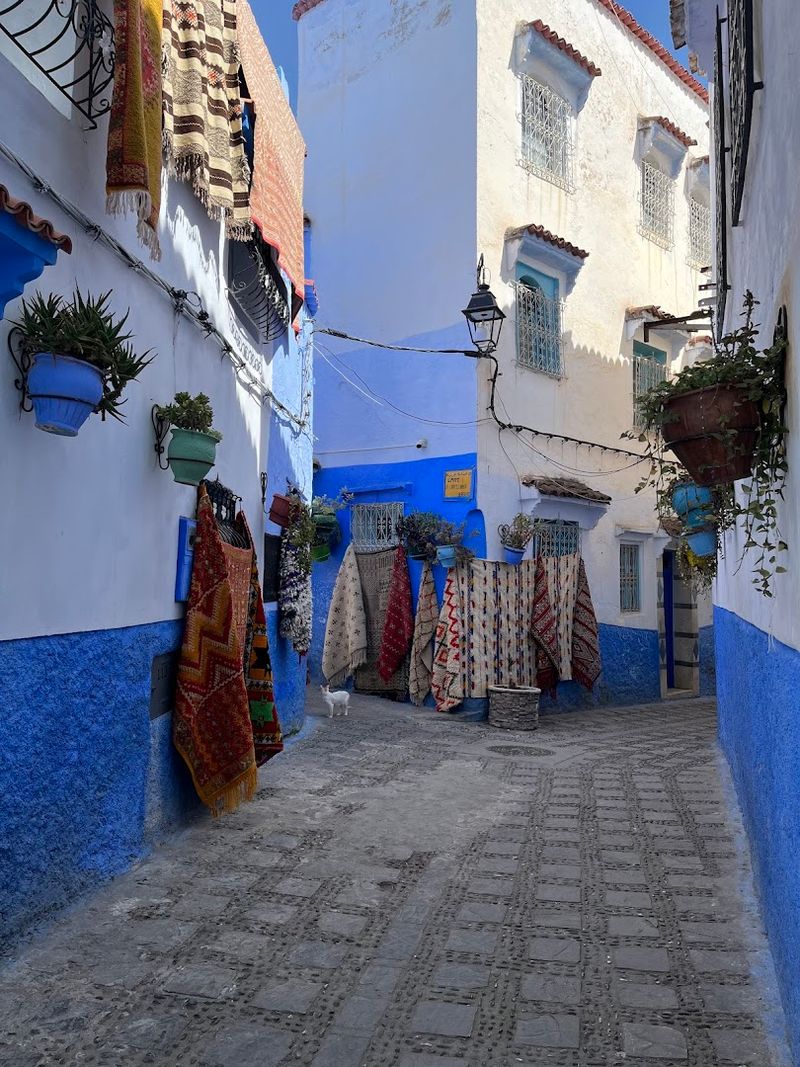
Chefchaouen is a mountain city in northern Morocco where almost everything in the old medina has been painted in shades of blue. Walking through it feels slightly surreal, like someone decided the whole neighborhood needed a cohesive color scheme and everyone just went along with it.
The effect is genuinely stunning.
The blue painting tradition has practical roots and symbolic meaning. Some historians link it to the Jewish community that settled here in the 1930s, associating blue with spirituality.
Others point to its mosquito-repelling reputation. Either way, the result is one of the most photographed urban landscapes in Africa.
Beyond the blue walls, Chefchaouen has excellent local crafts, including woven goods and leather items, plus a relaxed mountain atmosphere that feels different from Morocco’s busier imperial cities. The city sits in the Rif Mountains, so the surrounding hiking trails offer great views back over the blue rooftops.
Stay at least two nights to properly explore the medina without rushing.
Share this story