Not every rock star looks the part, and not every pop icon follows the rules. Some of the biggest names of the ’70s and ’80s came from the most unexpected places, with odd looks, strange voices, or careers that made zero sense on paper.
Yet somehow, they became legends. Here are 15 artists who proved that the best way to fit in is to stand out completely.
Meat Loaf

Nobody told Meat Loaf that rock stars were supposed to be cool and lean. He showed up anyway, all 300 pounds of theatrical fury, and absolutely nobody complained.
His 1977 album Bat Out of Hell sold over 40 million copies worldwide. That is not a typo.
His songs were basically mini-movies. “Paradise by the Dashboard Light” runs nearly nine minutes and includes a baseball commentary breakdown. It works.
I still cannot explain why it works, but it does.
He collaborated with songwriter Jim Steinman, and together they created a sound that was part opera, part rock, and completely unhinged in the best way. Meat Loaf died in January 2022 at age 74, but his music refuses to leave.
You will hear it at weddings, sports arenas, and karaoke bars for decades to come. Some legends just will not quit.
Debbie Harry

Debbie Harry walked into the late ’70s like someone who had already decided the rules did not apply to her. Blondie mixed punk attitude, disco groove, new wave cool, and straight-up pop hooks into one package, and Harry was the face of all of it.
“Heart of Glass” was a disco track that punk fans somehow loved. “Rapture” featured one of the first rap verses to hit number one on the Billboard Hot 100. The woman contained multitudes.
What made Harry truly special was that she never seemed to be trying too hard. She was effortlessly ahead of every trend without chasing a single one.
Now in her late seventies, she is still releasing music and performing. Recent reports confirm new work planned for 2026.
Most artists her age are resting on their catalog. Debbie Harry is not most artists, and she never has been.
Kenny Rogers
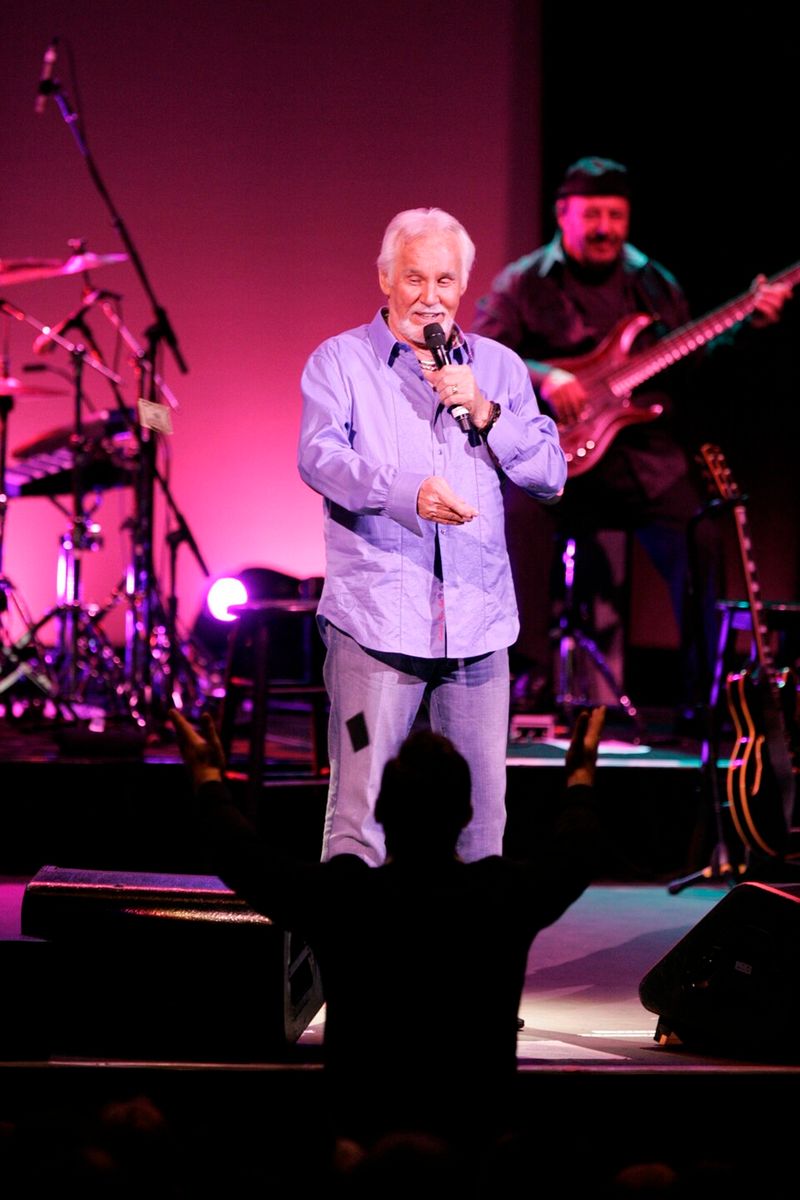
Before Kenny Rogers became the silver-bearded country legend everyone recognizes, he was the frontman of a psychedelic rock band called The First Edition. That career pivot deserves its own documentary.
He landed in country music and immediately figured out something the genre needed more of: great storytelling. “The Gambler” is less a song and more a short film with a chorus. It taught an entire generation the art of knowing when to fold.
I learned life lessons from it before I even understood poker.
“Lucille” won a Grammy. “Islands in the Stream” with Dolly Parton became one of the best-selling country duets ever recorded. Rogers also built a fried chicken empire, which honestly tracks for a man with that level of confidence.
He died on March 20, 2020, at age 81, leaving behind a catalog of songs that still feel like old friends at a campfire.
David Byrne
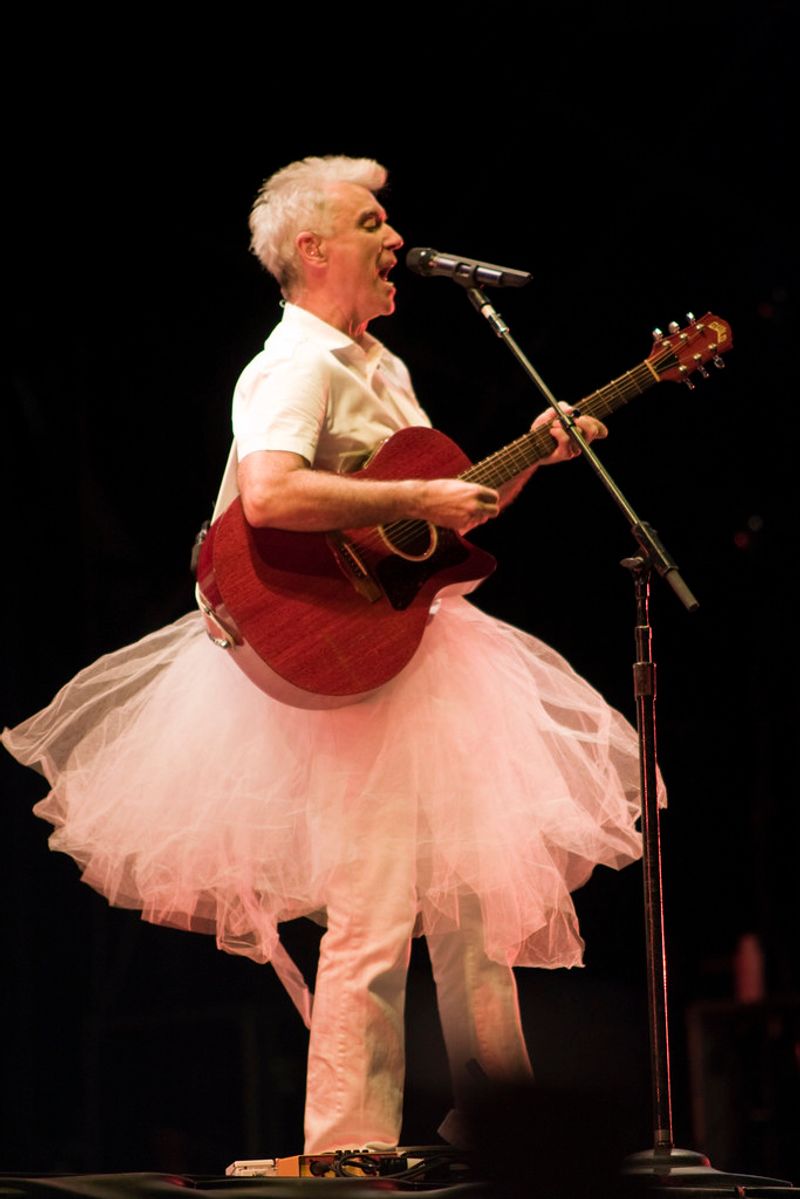
David Byrne once wore a suit so enormous it looked like it was trying to eat him. That was intentional.
Everything Byrne did with Talking Heads was intentional, including the nervous twitching, the art-school anxiety, and the deeply weird funk grooves.
Talking Heads made songs that felt like they were written by someone observing human beings from a slight distance and finding us all a bit puzzling. “Psycho Killer” is a pop song about a murderer. “Once in a Lifetime” asks existential questions over African rhythms. Their 1984 concert film Stop Making Sense is still considered one of the greatest ever made.
Byrne never stopped being curious. He has written books, scored films, designed bikes, and collaborated with artists across completely different genres.
His recent project Who Is the Sky? shows he is still pushing boundaries in his early seventies. Some people just cannot help being interesting.
Olivia Newton-John

Olivia Newton-John started her career as a sweet, soft-spoken country-pop singer who wore floral dresses and won Grammy Awards. Then Grease happened, and everything changed in the best possible way.
She played Sandy opposite John Travolta in 1978, and the film became a cultural phenomenon that still refuses to retire. The soundtrack sold millions.
Then, in 1981, she released “Physical,” a workout-era anthem that topped charts for ten straight weeks in the US. The floral dresses were gone.
What made Newton-John remarkable was her ability to reinvent herself without ever losing the warmth that made people love her in the first place. She later became a passionate advocate for breast cancer awareness after her own diagnosis.
She died on August 8, 2022, at age 73, and the tributes poured in from every corner of the music world. Sandy would have been proud of the woman she became.
Ozzy Osbourne
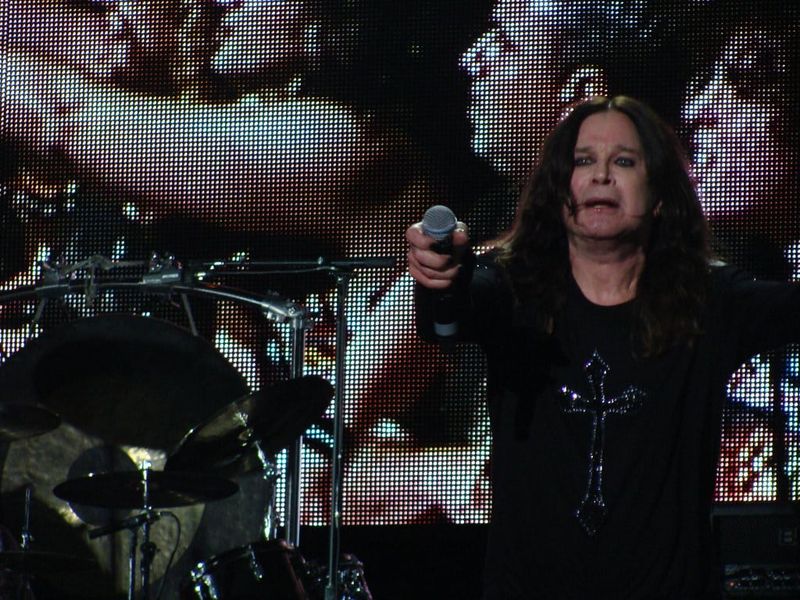
Ozzy Osbourne was kicked out of Black Sabbath in 1979. The band thought that was the end of his story.
They were spectacularly wrong.
He launched a solo career that produced “Crazy Train,” “Mr. Crowley,” and “Bark at the Moon,” cementing his status as the godfather of heavy metal. He also bit the head off a bat on stage in 1982, which was not planned and definitely not recommended.
The story followed him for the rest of his life, and he leaned into it with remarkable good humor.
His reality TV show The Osbournes introduced him to an entirely new generation who loved him not just as a rocker but as a genuinely funny, chaotic family man. Ozzy Osbourne died on July 22, 2025, at age 76.
He fought Parkinson’s disease publicly and bravely in his final years. Heavy metal lost its prince, but the music stays loud.
Donna Summer
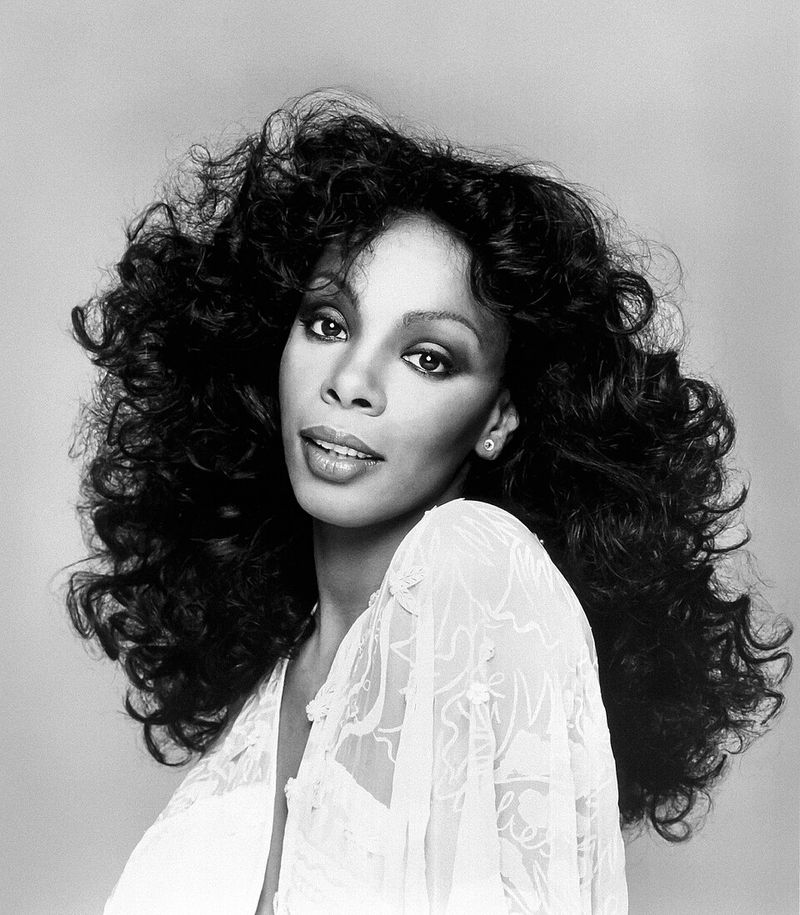
Disco had plenty of artists, but only one Queen. Donna Summer earned that title by delivering vocal performances that turned dance floors into something closer to religious experiences.
Her 1975 track “Love to Love You Baby” ran seventeen minutes on its extended version. Radio stations played it anyway. “I Feel Love,” produced by Giorgio Moroder, used entirely synthesized instruments and basically invented electronic dance music a full decade before anyone called it that.
Summer was also a deeply serious vocalist who could have thrived in gospel or soul, which made her disco work even more impressive. She was not just riding a trend; she was elevating it.
After disco fell out of fashion, she kept recording and performing, because real talent does not need a specific genre to survive. She died on May 17, 2012, at age 63.
Every DJ spinning today owes at least a small debt to Donna Summer.
Barry Manilow
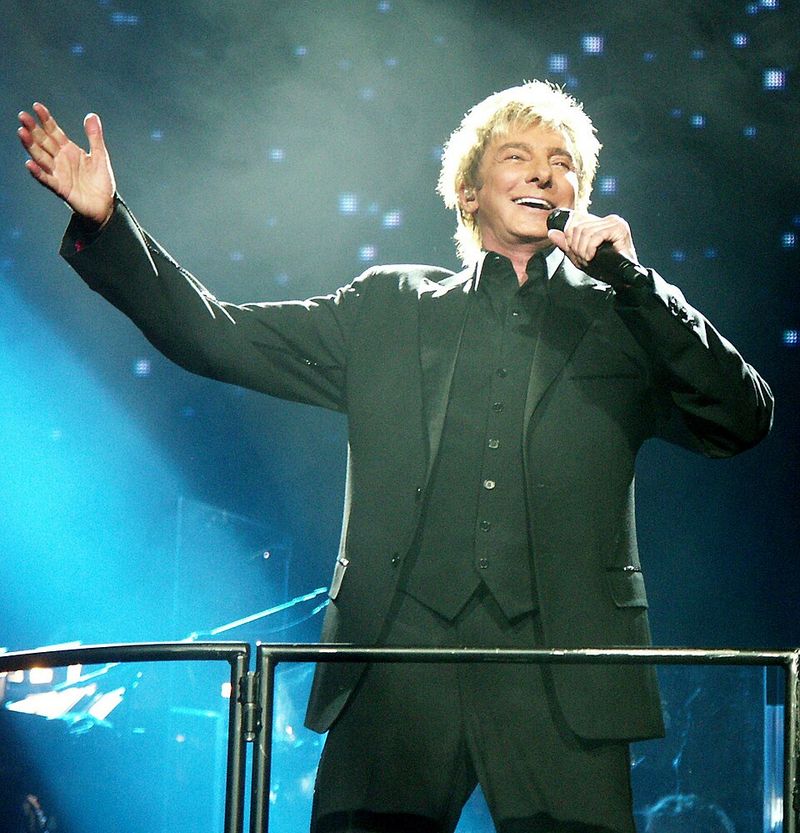
Critics spent the entire ’70s and ’80s making fun of Barry Manilow. He spent that same time selling out arenas and racking up number-one hits.
Guess who had the better decade.
Manilow wrote jingles before he was famous. “I Am Stuck on Band-Aid” and the State Farm jingle both came from his brain. Then he pivoted to pop ballads and never looked back. “Mandy,” “Copacabana,” and “Can’t Smile Without You” became the soundtrack of an era that was not afraid of big feelings.
His live shows were legendary for their production value and sheer emotional power. Fans were devoted in a way that made other fan bases look casual.
Now in his late seventies, Manilow is still active, with his official site listing 2026 music news and upcoming appearances. The man who was never supposed to last this long has quietly outlasted almost everyone who doubted him.
That is a pretty great punchline.
Grace Jones
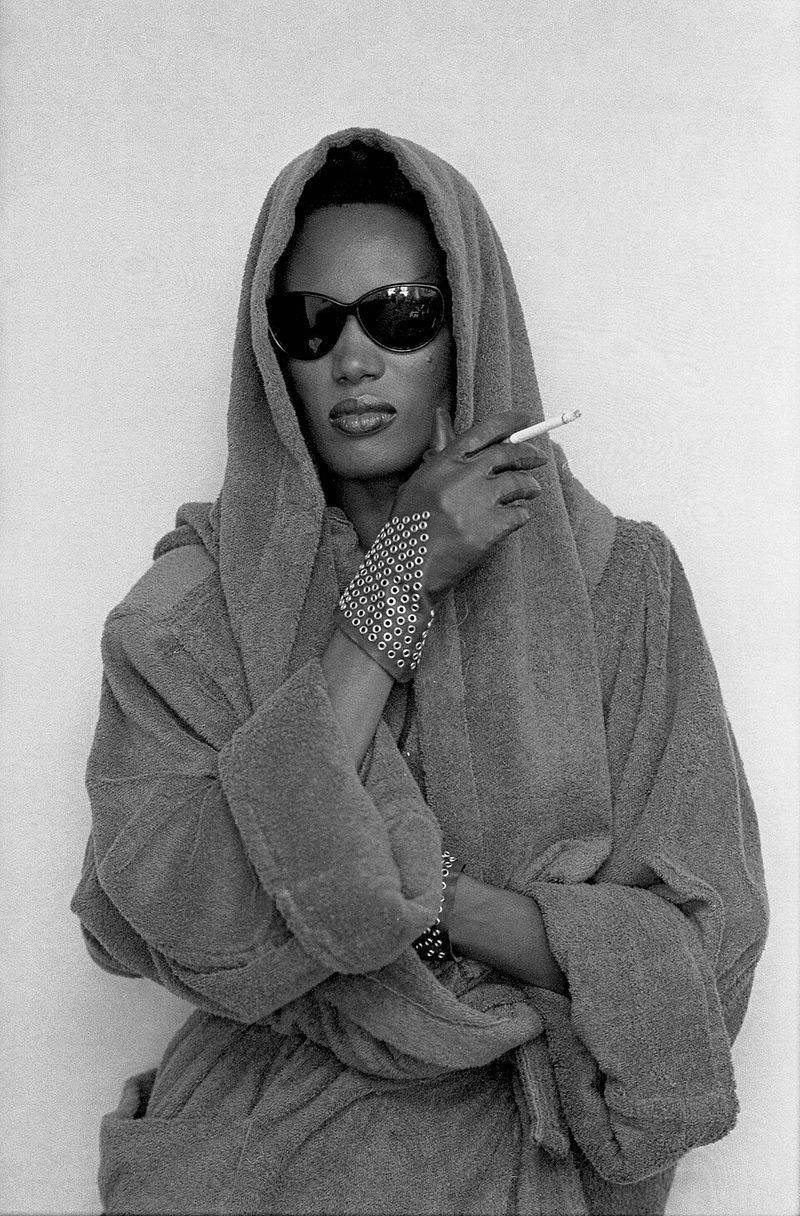
Grace Jones did not fit into any category, so she created her own. She was a model, a singer, an actress, a performance artist, and a walking work of art, often all at the same time.
Her albums Warm LeatheretteNightclubbing and blended reggae, new wave, post-punk, and funk in ways nobody had tried before. Her look, often designed in collaboration with artist Jean-Paul Goude, was unlike anything pop music had ever seen.
Flat-top haircut, chiseled cheekbones, and an attitude that could stop traffic.
She acted in James Bond films and appeared in Conan the Destroyer, because of course she did. Jones has never seemed particularly interested in being normal, and that has always been her greatest strength.
Her official site confirms she remains culturally active today. At over 75 years old, she is still the most intimidating person in any room she enters.
Respect is the only appropriate response.
Rick Springfield
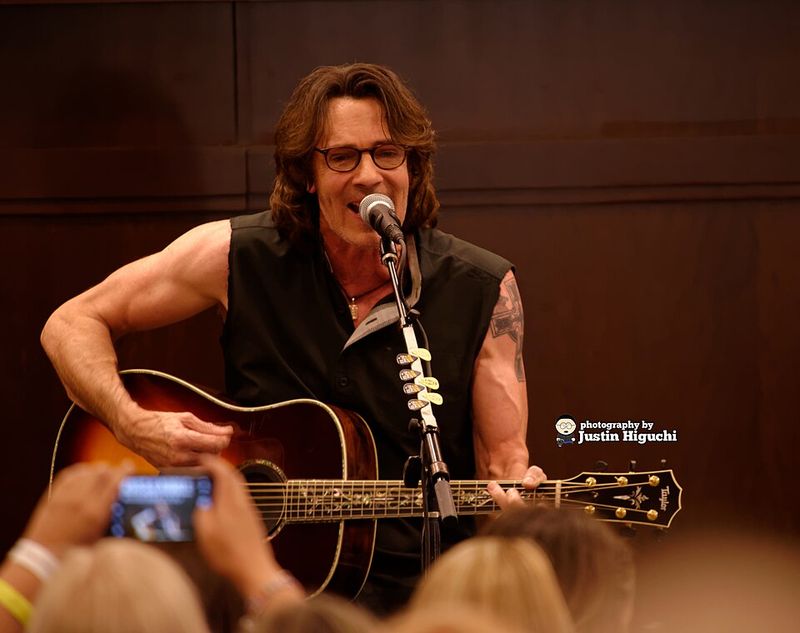
Rick Springfield had a problem most musicians would envy: he was so good-looking that people almost missed how good his songs actually were.
He landed a role on the soap opera General Hospital in 1981, playing Dr. Noah Drake. Then “Jessie’s Girl” hit number one, and suddenly the daytime TV heartthrob was also a legitimate rock star.
That combination was so unexpected it almost broke the entertainment industry’s brain.
“Jessie’s Girl” won a Grammy for Best Male Rock Vocal Performance. It remains one of the most-played rock songs on American radio, which is remarkable for a track about envying your friend’s girlfriend.
Springfield has since been remarkably open about his struggles with depression, writing a memoir that resonated with many readers beyond his fan base. His official site lists 2026 concert dates, confirming he is still very much out there performing.
The doctor is still in, apparently.
Rod Stewart
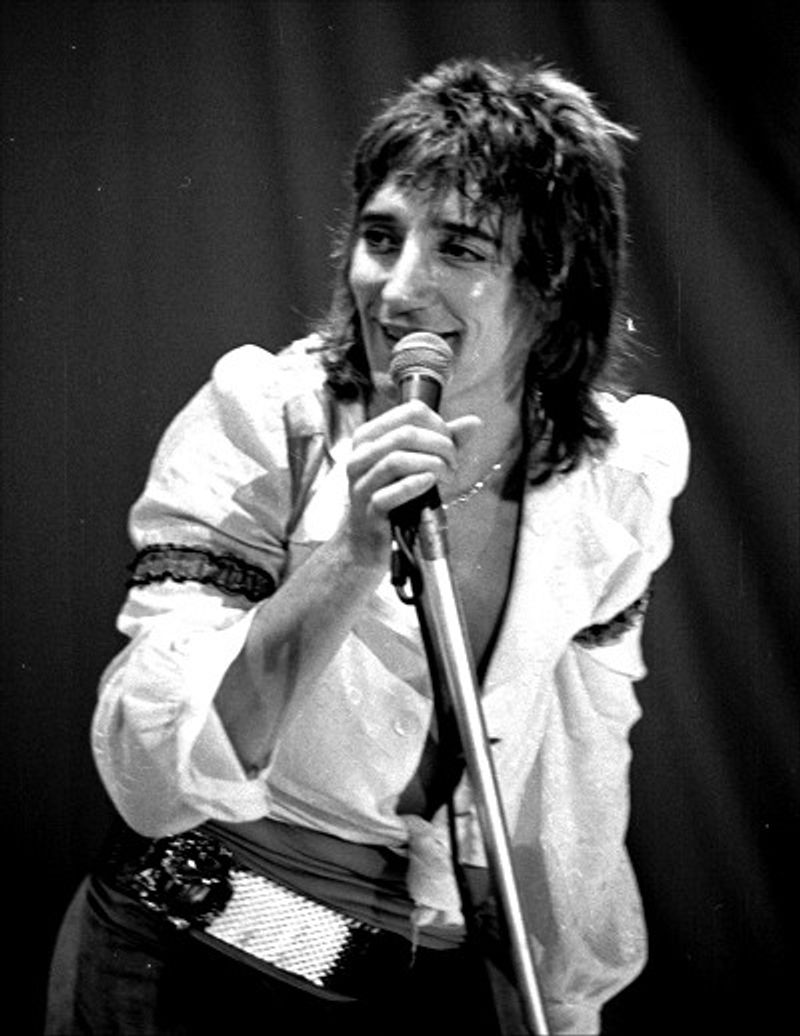
Rod Stewart had a voice like gravel soaked in whiskey and somehow made it the most charming sound in rock music. His rooster haircut alone deserves a spot in the Rock and Roll Hall of Fame.
He started as a blues-influenced rock singer with the Faces, then went solo and never slowed down. “Maggie May” was the song that broke him wide open in 1971. “Do Ya Think I’m Sexy?” arrived in 1978 and proved he could do disco better than most actual disco artists.
Stewart has sold over 250 million records, making him one of the best-selling music artists of all time. He has been knighted, which means he is technically Sir Rod Stewart, which is absolutely hilarious in the best way.
His official site lists 2026 tour dates. The man is in his late seventies and still filling stadiums.
Some voices just get better with age.
Christopher Cross
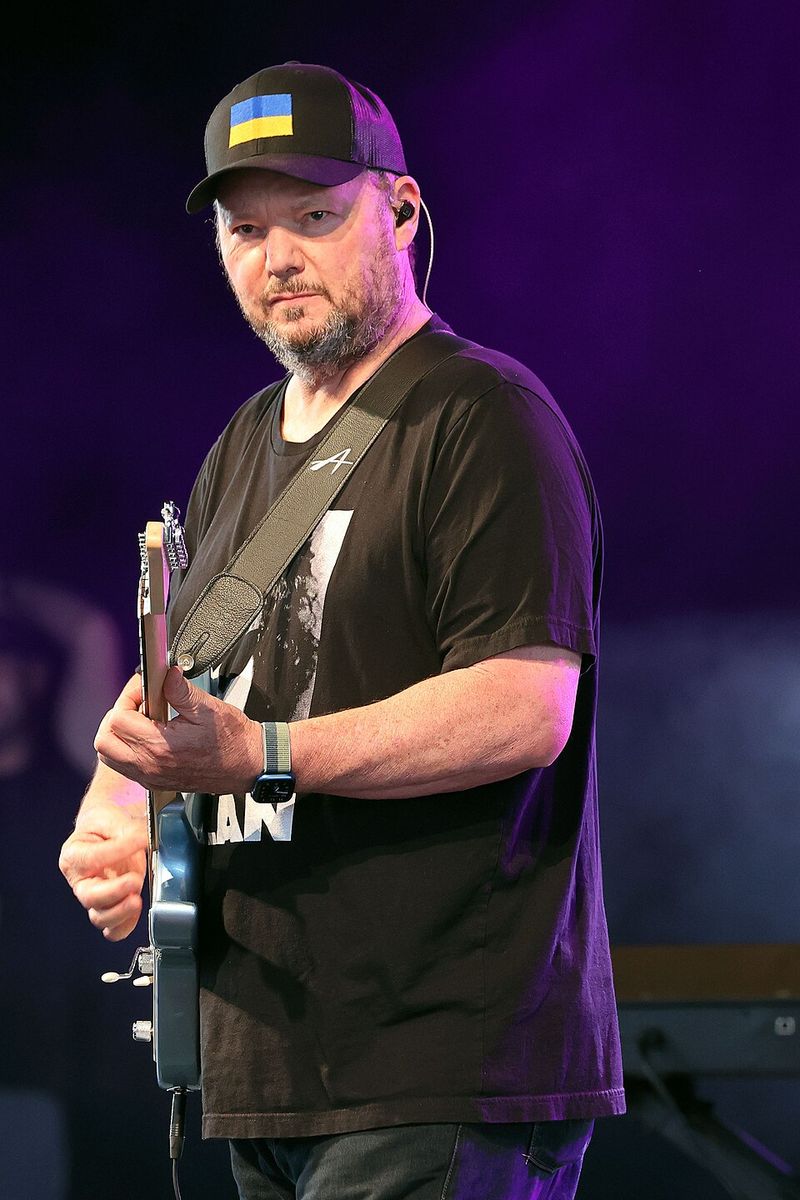
Christopher Cross won five Grammy Awards in a single night in 1981, including Album of the Year, Record of the Year, and Song of the Year. That sweep has never been matched since.
Let that sink in for a moment.
He did not look like a rock star. He was soft-spoken, slightly round, and completely unassuming.
Radio programmers loved him. Critics were confused.
Audiences did not care either way; they just kept buying his records.
“Sailing” became the defining soft-rock track of its era, a song so smooth it practically required a hammock to listen to properly. “Arthur’s Theme (Best That You Can Do)” won an Academy Award for Best Original Song. Cross proved that a quiet, understated artist could dominate an era dominated by flashier personalities.
His official site lists 2026 tour plans alongside Toto and The Romantics. Proof that the slow and steady approach really does work sometimes.
Pat Benatar

Pat Benatar had a classically trained soprano voice. She used it to absolutely destroy hard rock songs, and the results were spectacular.
She won four consecutive Grammy Awards for Best Female Rock Vocal Performance from 1980 to 1983. No other artist has matched that streak. “Hit Me with Your Best Shot,” “Heartbreaker,” and “Love Is a Battlefield” were not just hits; they were declarations.
Female rock artists suddenly had a new standard to aim for.
Benatar was one of the first women to receive heavy rotation on MTV, which was a genuinely big deal when the channel launched in 1981. She was tough, technically brilliant, and completely unapologetic about being both.
She married her guitarist Neil Giraldo in 1982, and they have performed together ever since, which is either extremely romantic or the world’s longest working partnership, possibly both. Her official site lists 2026 tour dates.
Four decades in, the best shot still lands.
Boy George
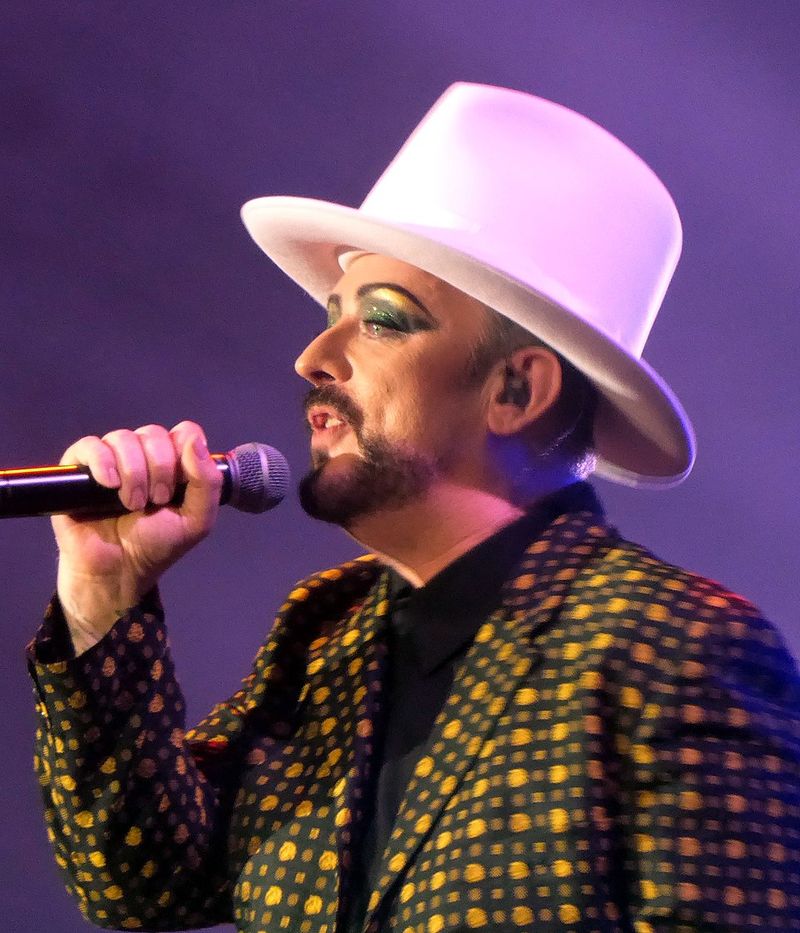
Boy George walked into the early ’80s wearing more makeup than most people owned, and somehow became one of the decade’s biggest pop stars. Not despite the look.
Because of it.
Culture Club scored massive hits with “Do You Really Want to Hurt Me,” “Karma Chameleon,” and “Church of the Poison Mind.” The music was soulful, catchy, and surprisingly tender for a band fronted by someone dressed like a walking art installation. George’s voice was the real secret weapon, warm and genuine behind all the theatrics.
He challenged pop music’s ideas about gender and identity long before those conversations became mainstream. Some people tuned in just to see what he was wearing.
They stayed for the songs. George has been openly candid about his struggles with addiction and recovery, which added depth to a public image that could have remained purely superficial.
Culture Club’s official site lists active tour information. The karma chameleon is still changing colors.
Share this story