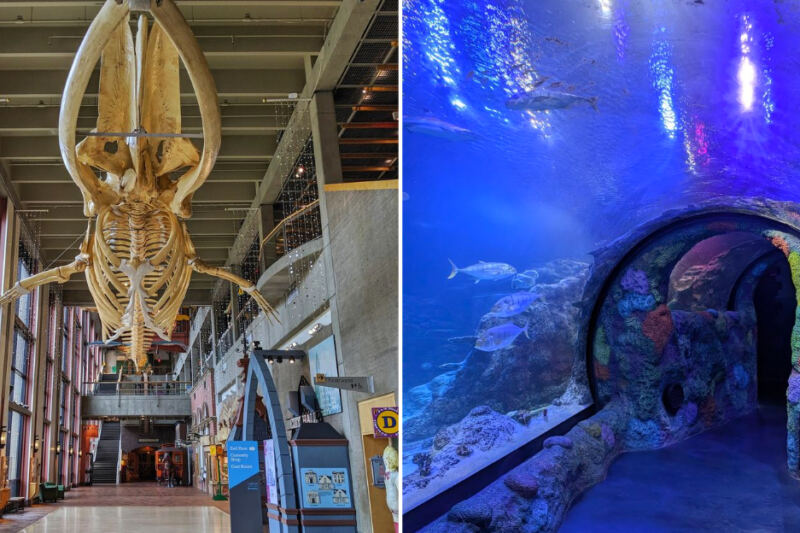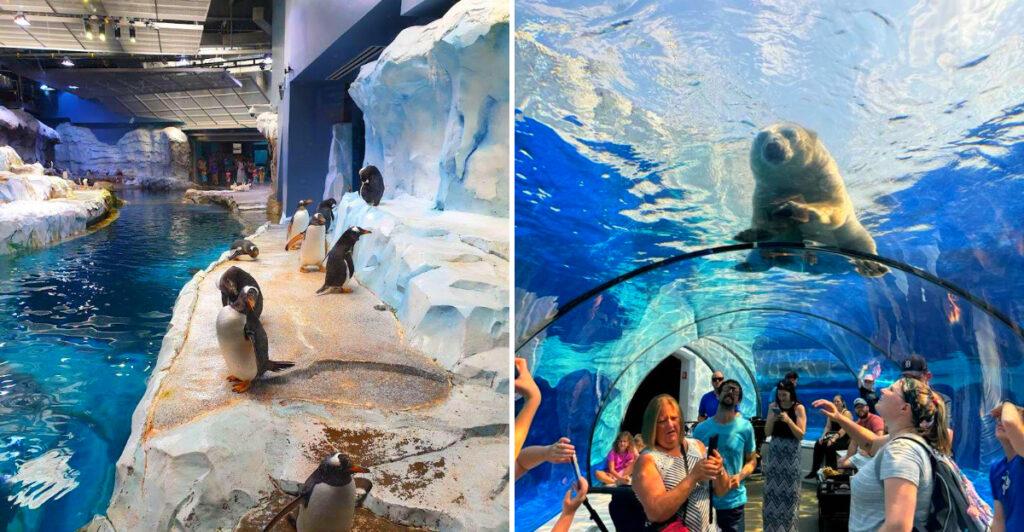
The Detroit Zoo in Royal Oak offers experiences that go far beyond a typical day at the zoo. Its most famous attraction is the massive penguin conservation center, where visitors can watch penguins swim beneath a glass floor, dive through underwater tunnels, and explore one of the largest penguin habitats in the world.
What makes the zoo stand out is how immersive the exhibits feel. The 125-acre property combines large-scale animal habitats with interactive features like Antarctic simulation rooms, underwater viewing areas, and carefully designed spaces built around conservation and education.
Even visitors who come for the penguins usually end up surprised by how much there is to explore beyond them.
Where You Will Find This Record-Breaking Zoo
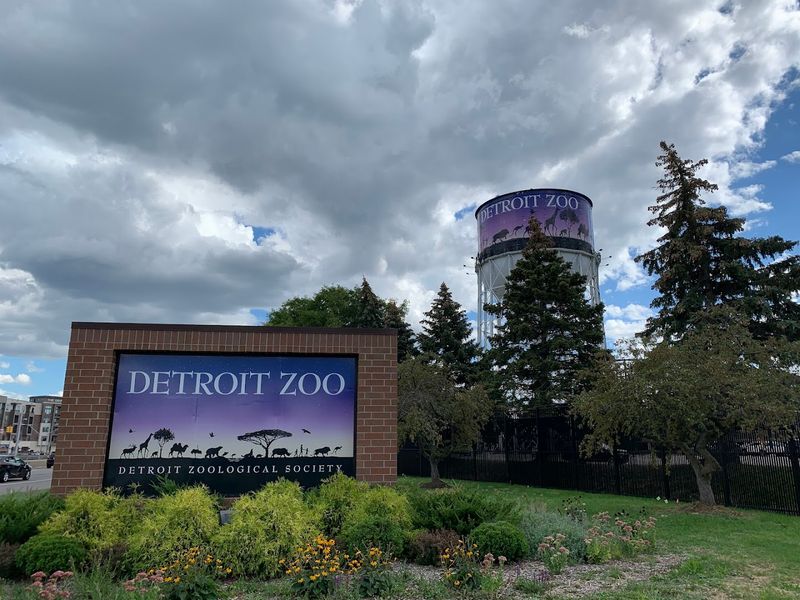
The Detroit Zoo sits at 8450 W 10 Mile Rd, Royal Oak, MI 48067, right in the heart of Metro Detroit. It is open Monday through Sunday from 9 AM to 5 PM, and you can reach the zoo by phone at +1 248-541-5717 or visit detroitzoo.org for tickets and event information.
Royal Oak is a vibrant suburb that sits just north of Detroit, making the zoo incredibly accessible whether you are driving in from the city or arriving from surrounding communities. Parking near the water tower is a smart move, as it tends to put you closest to the main entry gates.
With a 4.5-star rating from over 25,000 visitors, this is not a hidden secret. It is a well-loved institution that has been growing and improving its facilities for decades, and the evidence of that investment greets you the moment you arrive.
The Penguin Building That Looks Like a Floating Iceberg
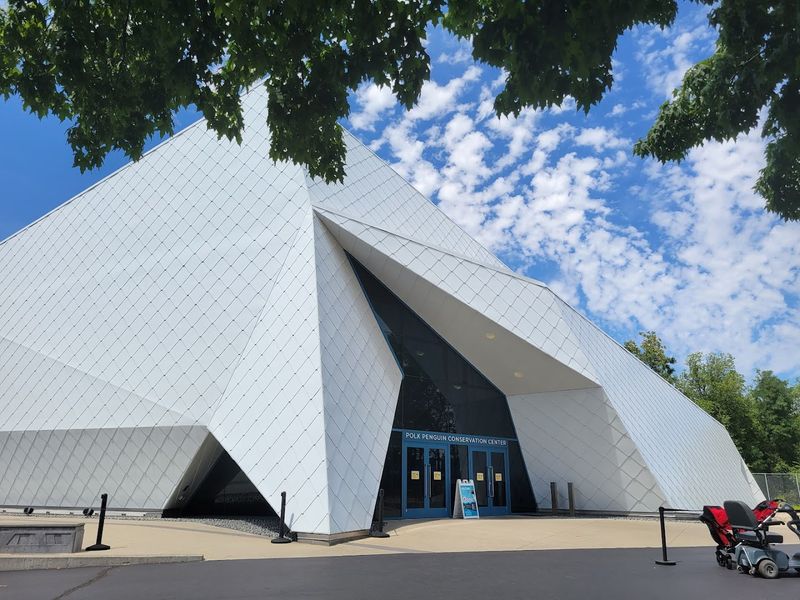
Before you even see a single penguin, the building itself stops you in your tracks. The Polk Penguin Conservation Center was designed to resemble a tabular iceberg, complete with a dramatic crevasse and a 25-foot waterfall cascading down its exterior face.
The outer shell is covered in more than 6,000 white metallic shingles, each one inspired by the overlapping structure of penguin feathers. Those shingles are not just decorative.
They provide insulation and actively repel heat, keeping the interior climate as close to Antarctic conditions as architects could engineer.
The building received the 2017 Exhibit Award from the Association of Zoos and Aquariums and was named Best Project in the Sports and Entertainment category by Engineering News-Record Midwest. That kind of recognition does not go to ordinary structures.
This one earned it, and once you step inside, you immediately understand why the accolades keep coming.
Five Species of Penguins Living Under One Roof
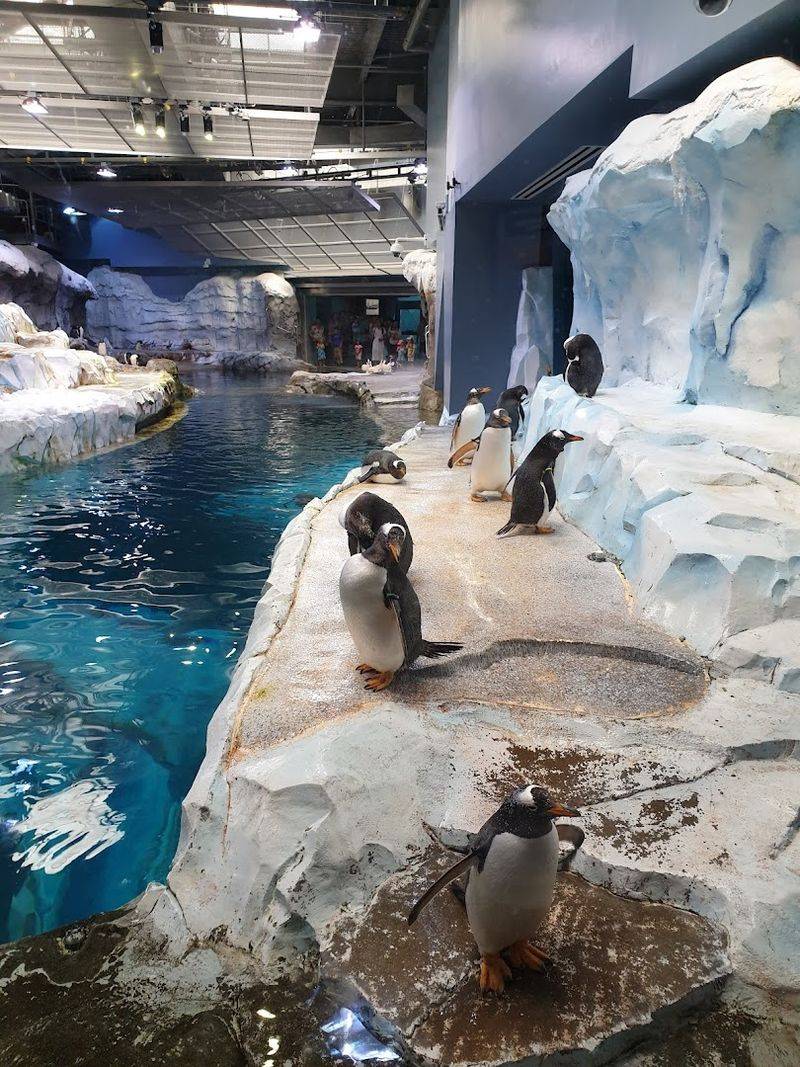
Most penguin exhibits feature one species, maybe two if you are lucky. The Polk Penguin Conservation Center houses five distinct species, and seeing them all share the same space is genuinely surprising.
King, Gentoo, Macaroni, Southern Rockhopper, and Chinstrap penguins all live here, totaling more than 75 individual birds.
Each species has its own personality and physical traits, and the habitat is designed to accommodate all of them naturally. The varied flooring replicates different Antarctic terrain types, giving each group of penguins surfaces that match their instinctive preferences for resting, waddling, and nesting.
Watching a Macaroni penguin with its wild golden crest feathers stand next to a sleek Chinstrap is one of those moments that makes you reach for your camera without even thinking about it. The sheer variety packed into this single facility is a reminder that penguins are far more diverse than most people realize, and this zoo leans into that fact beautifully.
A 326,000-Gallon Pool Engineered for Deep Divers
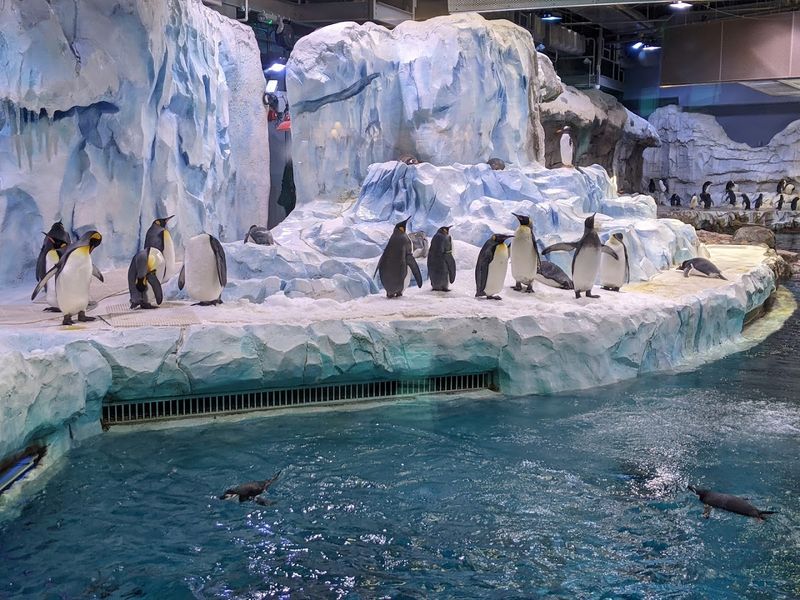
The aquatic area inside the Polk Penguin Conservation Center holds 326,000 gallons of water and plunges 25 feet deep. That depth is not arbitrary.
It was calculated specifically to encourage natural diving and porpoising behaviors that penguins display in the wild Southern Ocean.
The pool features wave technology with three distinct settings, so the water can be calm, gently rolling, or actively churning depending on what the animals need on any given day. Watching a Gentoo penguin launch off a rocky ledge and torpedo downward into that blue expanse is the kind of thing that makes a crowd go completely quiet.
Water quality is maintained through a state-of-the-art filtration system with ozonation capacity, and the facility works toward near net-zero water goals through sophisticated recirculation and treatment systems. The science behind keeping that water clean and safe for five species is its own remarkable story, and it runs quietly in the background every single day.
The Glass Floor That Puts Penguins Right Under Your Feet
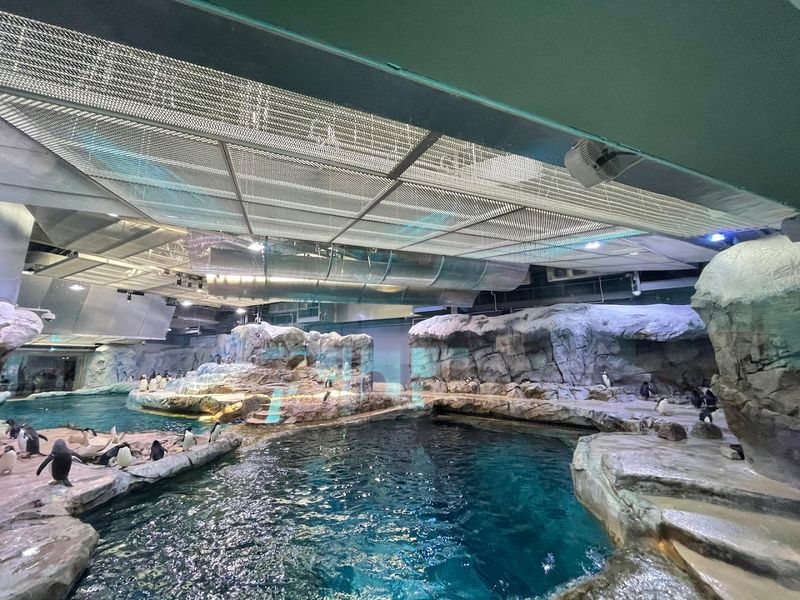
There is a section of the exhibit where the floor beneath you is made entirely of glass, and the penguins swim directly underneath. I have stood on glass floors at aquariums before, but there is something uniquely thrilling about having a King penguin glide under your sneakers at full speed.
Children tend to freeze in place the first time they realize what they are standing on, and then they absolutely refuse to move. Adults react almost identically, just with slightly more composure.
It is one of those design choices that transforms passive observation into something that feels almost participatory.
The exhibit also features two acrylic underwater tunnels that you walk through while penguins swim all around you, and a massive 37,000-pound acrylic viewing window that gives you an unobstructed look into the main pool. The underwater gallery even incorporates heads-up display technology originally developed for the automotive industry, which adds a layer of futuristic detail that feels right at home in Michigan.
The Temperature Inside Is Deliberately Freezing
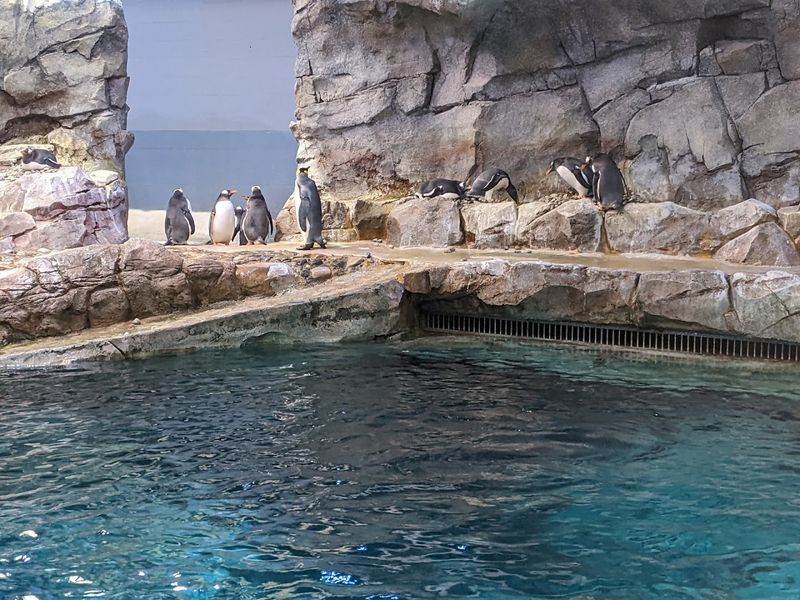
Pack a light jacket before entering this building, and I mean that sincerely. The air inside is kept at 37 degrees Fahrenheit, just above freezing, to replicate the climate that these birds evolved to thrive in.
The water stays at 40 degrees Fahrenheit year-round.
The facility can also produce more than a yard of snow and ice every single day, which gets distributed across the habitat to keep the environment feeling authentically Antarctic. Watching fresh snow accumulate while penguins waddle through it inside a building in suburban Michigan is an experience that genuinely messes with your sense of geography in the best possible way.
Air quality inside is maintained through 100% air exchange and advanced filtering systems, which means the environment stays fresh and clean for both the animals and the visitors. The engineering required to sustain these conditions continuously, in a 33,000-square-foot space, is a feat that deserves far more attention than it typically gets.
A 4-D Antarctic Simulation That Sends Polar Air at Your Face

Tucked within the Polk Penguin Conservation Center is a 360-degree, 4-D experience called the Endurance Experience. It wraps visitors in a full projection-mapped simulation of the Antarctic ice world, complete with iceberg calving visuals that fill every wall and ceiling around you.
What makes it genuinely immersive is the physical element. Polar air blasts hit you from multiple directions, sea mist drifts through the room, and the sound design surrounds you completely.
For a few minutes, you are not in Royal Oak anymore. The name references Ernest Shackleton’s famous Antarctic expedition ship, connecting the experience to one of history’s most dramatic survival stories.
Kids tend to shriek with delight the moment the cold air hits, and adults lean into the spectacle with equal enthusiasm. It is a short experience, but it lands with real impact and gives context to the penguin habitat you just walked through.
That transition from simulation back to the live animals makes the second viewing feel entirely different from the first.
The Arctic Ring of Life and Its Famous Polar Bears
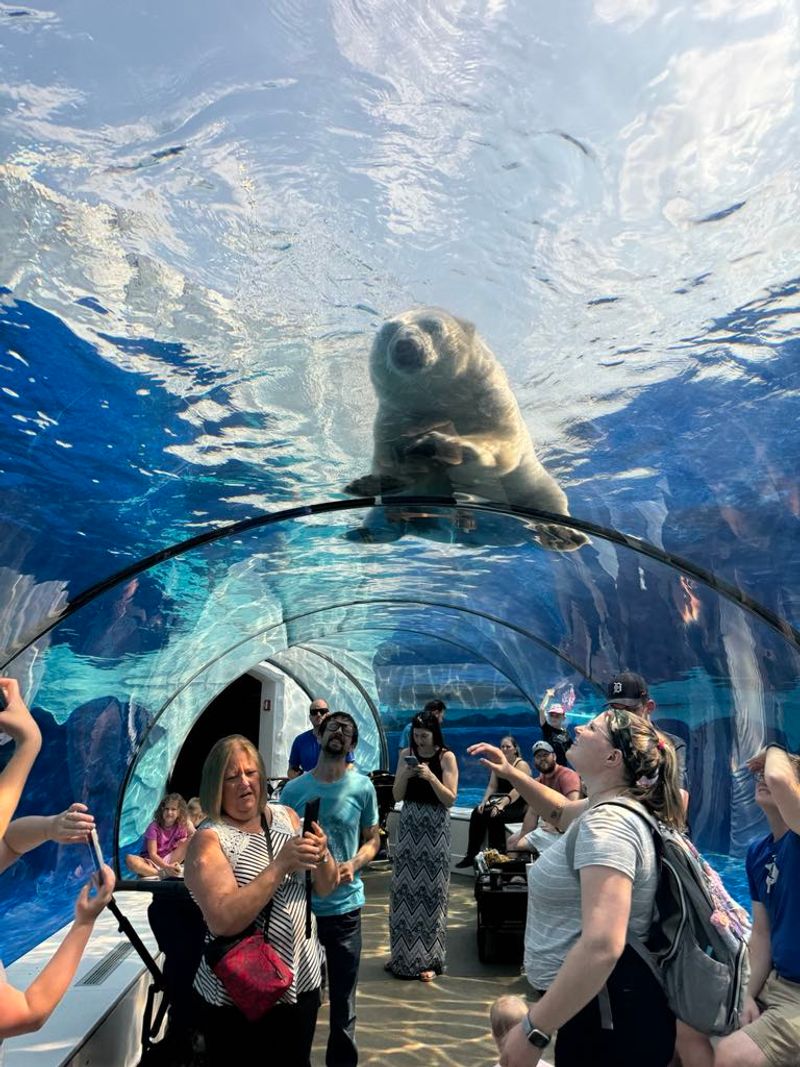
If the penguin center is the headliner, the Arctic Ring of Life is a very close second act. This exhibit is one of the largest polar bear habitats in North America, featuring a 300,000-gallon aquarium and its own underwater viewing tunnel that stretches beneath the bears’ swimming area.
One particular polar bear has developed a habit of sitting directly on top of the tunnel while visitors walk through underneath, which creates a moment of pure absurdity that nobody seems to tire of. The bear seems completely unbothered by the faces staring up at it from below, which somehow makes the whole scene even more entertaining.
The Arctic Ring of Life also houses Arctic foxes and seals, giving the exhibit a layered ecosystem feel rather than a single-animal showcase. Spending time here after the penguin center creates a natural narrative about cold-climate wildlife that makes the whole visit feel cohesive and thoughtfully curated.
And yes, the polar bear on the tunnel is worth waiting for.
125 Acres, 2,000 Animals, and a Mini Railroad to Cover It All
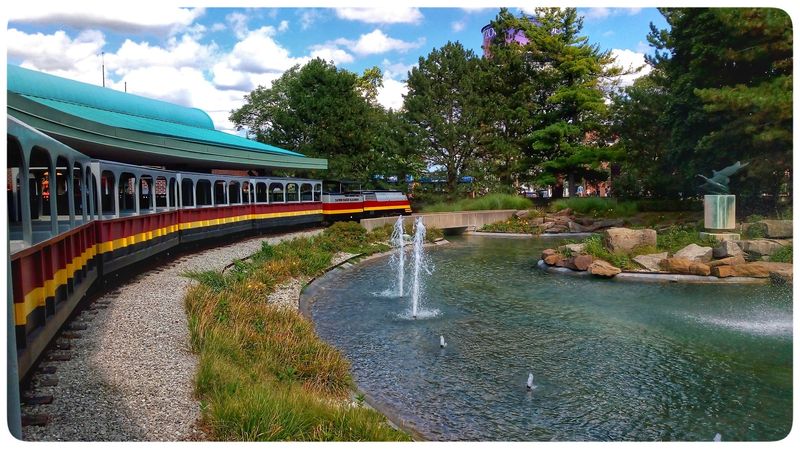
The Detroit Zoo covers 125 acres and houses more than 2,000 animals representing over 200 species. That is a lot of ground to cover, and your feet will remind you of that fact well before you have seen everything.
The Tauber Family Railroad runs through the property and offers a practical and genuinely fun way to travel between the front and back sections of the zoo.
Beyond the penguins and polar bears, the zoo features giraffes you can feed from an 18-foot platform, a reptile house, a butterfly garden, great apes in a four-acre indoor and outdoor habitat, and an Australian Outback section where you can walk among red kangaroos and red-necked wallabies. The Dragon Forest seasonal exhibit draws visitors who make the drive specifically for it.
A carousel adds a classic touch near the center of the property, and shaded benches are scattered throughout the grounds at thoughtful intervals. The zoo is genuinely stroller-friendly, and most animal viewing areas are designed with children at eye level in mind.
Seasonal Events That Keep Families Coming Back Year After Year
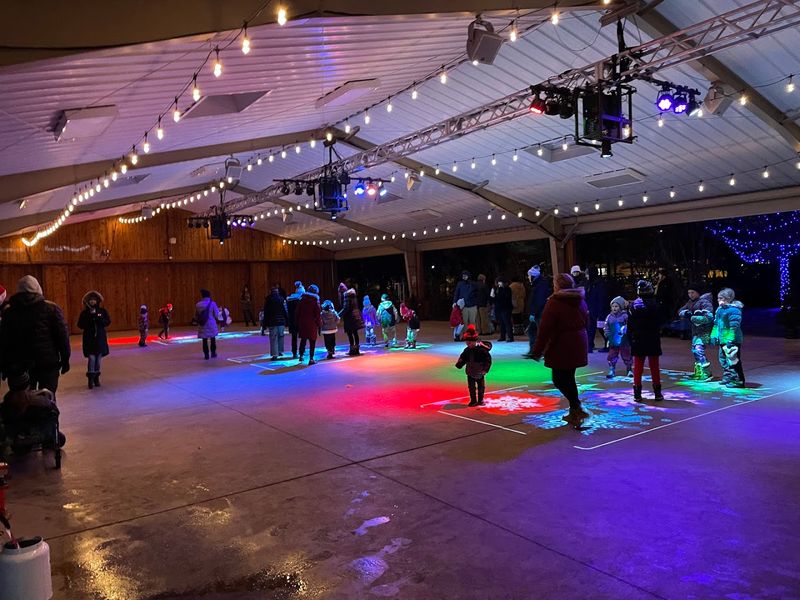
The Detroit Zoo is not a place that goes quiet when summer ends. Its seasonal event calendar runs year-round and has built a genuinely devoted following.
Wild Lights, the winter walk-through light show, transforms the entire zoo into an illuminated landscape that families return to every single year without hesitation.
Spring brings Bunnyville, fall features Zoo Boo, and each event adds new decorations and installations so that repeat visitors always find something fresh. The zoo also hosts sensory-friendly hours for visitors who benefit from a quieter, lower-stimulation environment, and offers free admission days for specific community groups throughout the year.
A backpack donation day and various conservation-focused community events reflect the zoo’s genuine investment in the people who live around it, not just the animals within it. Members who have held their memberships for 20-plus years describe the seasonal events as family traditions, which says everything about the kind of loyalty this place has earned over time.
Animal Welfare and Conservation at the Core of Everything
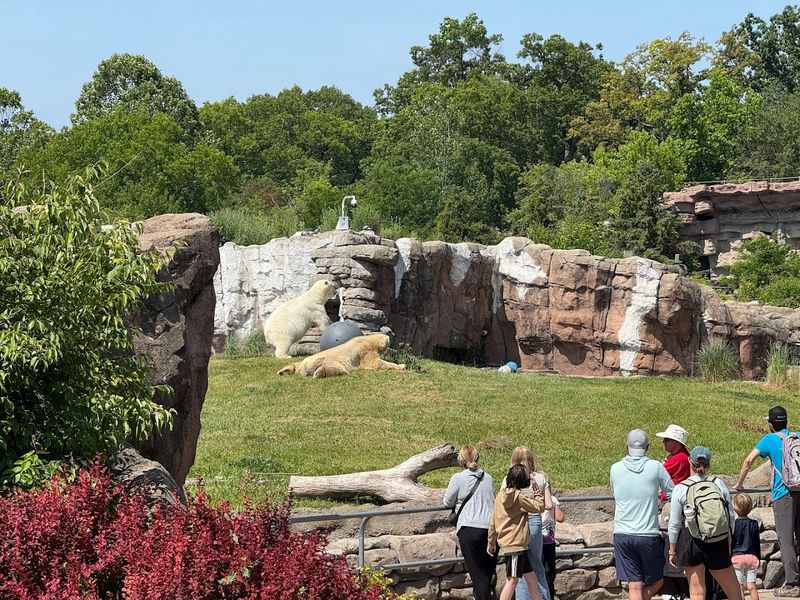
The Detroit Zoological Society has made animal welfare a genuine institutional priority rather than a marketing talking point. Habitats across the zoo are designed with behavioral enrichment in mind, giving animals opportunities to exercise natural instincts rather than simply occupy space for visitors to observe.
The penguin center’s lighting system spans a wide spectrum of wavelengths, including ultraviolet light, to mimic the natural seasonal shifts in daylight that penguins experience in the wild. Nesting areas were engineered specifically to support successful chick-rearing and ease of cleaning, which directly affects breeding outcomes over time.
The zoo also runs the Adopt-A-School initiative and participates in animal rescue programs, extending its conservation mission well beyond its own fences. Volunteers stationed throughout the grounds answer questions and share facts with visitors, creating informal educational moments that stick with kids long after the visit ends.
The zoo is currently developing new Discovery Trails, expected to open in 2026, which promises another round of significant habitat improvements.
Tips for Getting the Most Out of Your Visit

A few practical details can make the difference between a good visit and a great one. Arriving right at the 9 AM opening gives you the best chance of seeing active animals before the midday heat sends them into their sheltered areas.
Morning hours also mean shorter lines at the most popular exhibits, including the penguin center.
Book giraffe feeding tickets in advance online, as they sell out quickly and are limited each day. Bringing snacks from home saves money, though Buddy’s Pizza inside the zoo near the fountain is a solid option if you want a sit-down meal.
Food prices inside are higher than outside, so planning ahead helps.
Parking near the water tower puts you closest to the main entrance, which matters after four or more hours of walking. A zoo membership pays for itself quickly if you plan to visit more than twice in a year, especially given the number of seasonal events on the calendar throughout all four seasons.
Share this story