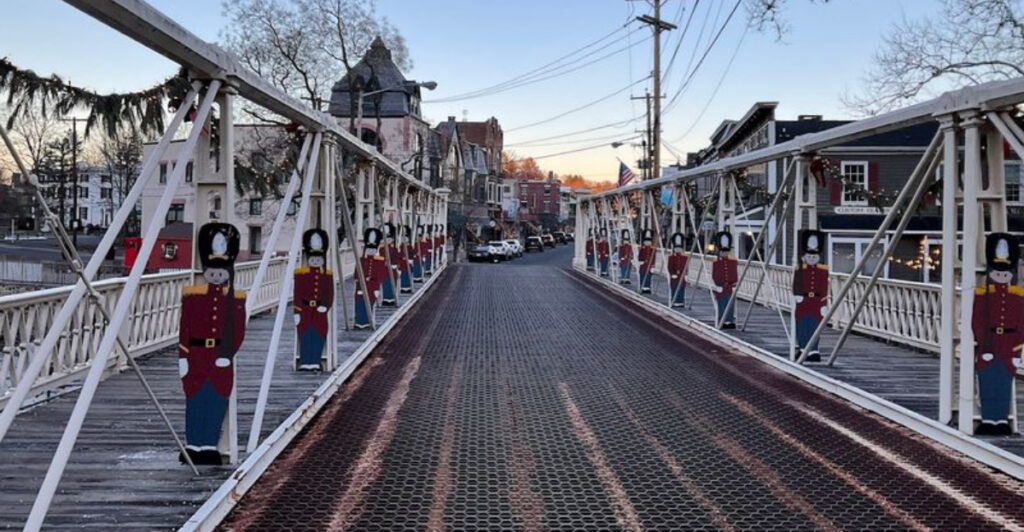
New Jersey has a surprising number of historic bridges still standing, still carrying cars, and still telling stories from centuries past. Some were built before the Civil War, and a few have seen everything from Revolutionary War soldiers to modern-day commuters.
I grew up near one of these old crossings and never thought much about it until I learned just how rare these survivors really are. Whether you love history, road trips, or just a good old story set in steel and stone, this list has something for you.
Stony Brook Bridge In Princeton, New Jersey
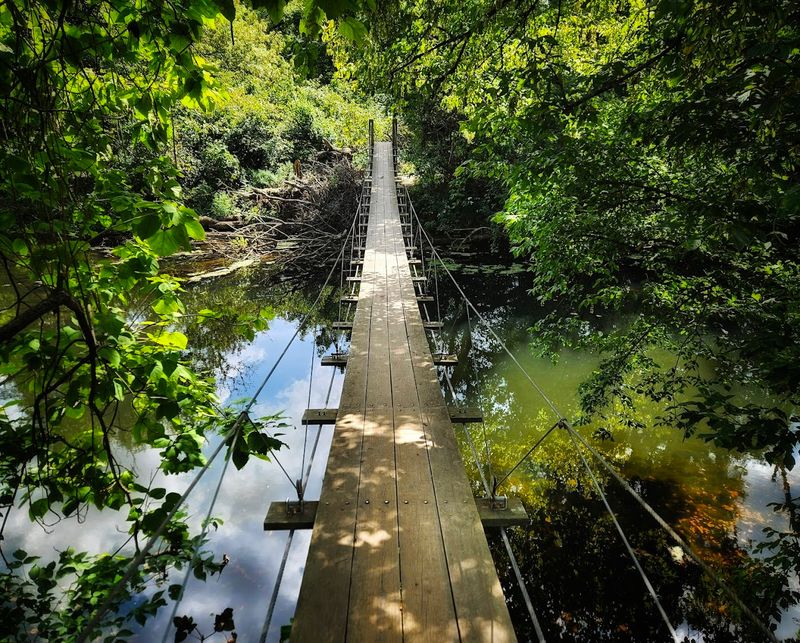
Built in 1792, the Stony Brook Bridge in Princeton holds a title most bridges can only dream about: the oldest state-owned bridge still in use in New Jersey. That is not a small claim.
NJDOT officially recognizes it, and the numbers back it up.
Route 206 still crosses this stone arch bridge every single day. Thousands of drivers roll over it without a second thought, completely unaware they are riding over more than 230 years of history.
After a major rehabilitation project, the bridge came back stronger and ready for more decades of service.
Stone arch bridges like this one were engineering marvels of their time. No steel, no concrete, just carefully cut stone fitted together with precision.
The fact that it still handles modern traffic is genuinely impressive. Next time you drive Route 206 through Princeton, slow down a little and appreciate what is underneath your wheels.
Green Sergeant’s Covered Bridge In Delaware Township, New Jersey
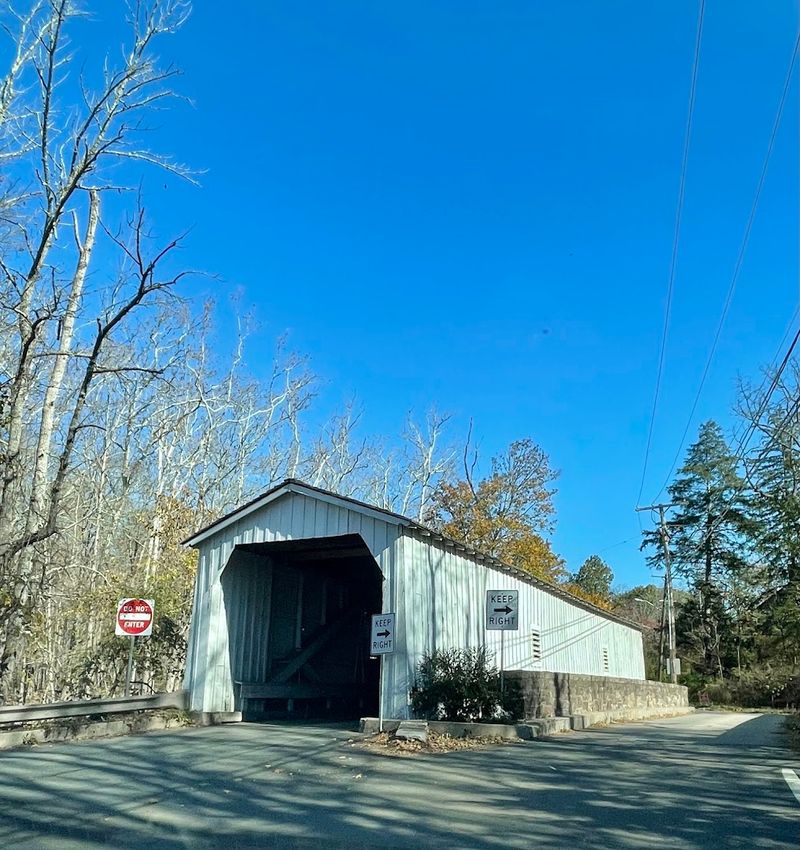
New Jersey once had dozens of covered bridges. Now it has exactly one.
Green Sergeant’s Covered Bridge in Delaware Township is the last of its kind in the entire state, and honestly, that makes it feel a little like meeting a living legend.
Listed on the National Register of Historic Places, the bridge earned its spot for both engineering and transportation significance. Hunterdon County held a ribbon-cutting celebration for its refurbishment in March 2024, so the bridge is freshly restored and ready for visitors.
Covered bridges were covered for a practical reason: the roof protected the wooden structure from rain and extended its lifespan significantly. Without that cover, most wooden bridges rotted away within decades.
This one survived. If you are planning a scenic drive through Hunterdon County, this bridge is an absolute must-stop.
It is quirky, photogenic, and carries the weight of an entire state’s covered bridge history on its old wooden shoulders.
Calhoun Street Bridge In Trenton, New Jersey
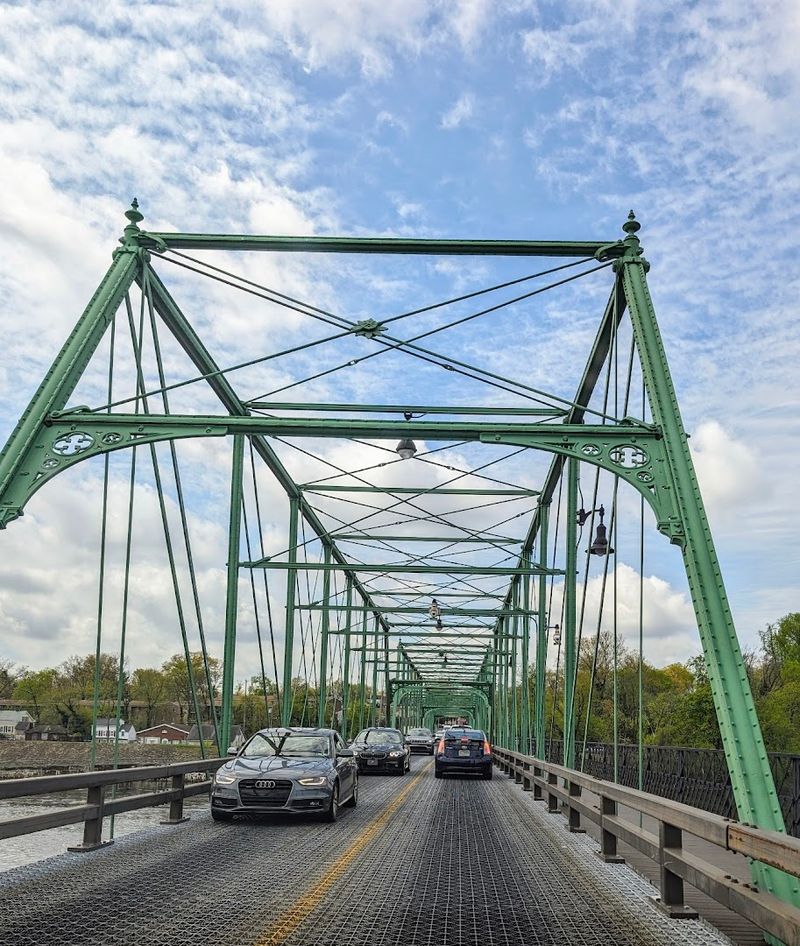
The Calhoun Street Bridge quietly does its job every day, linking Trenton, New Jersey, with Morrisville, Pennsylvania, across the Delaware River. It is an active commuter crossing, which means real people depend on it to get to work, school, and home.
The Delaware River Joint Toll Bridge Commission keeps a close eye on this one. Current restrictions include a three-ton weight limit, eight-foot clearance, and a 15 mph speed limit.
Those numbers are not suggestions.
They are the bridge’s way of saying, “Respect my age.”
I find it fascinating that a bridge this old still carries daily traffic. Most structures from this era have long been retired to museums or demolished entirely.
The Calhoun Street Bridge keeps showing up, day after day, doing the work. It is a sturdy, no-nonsense crossing with a long track record of reliability.
Trenton commuters should give it a little more credit than they probably do.
Washington Crossing Bridge In Hopewell Township, New Jersey
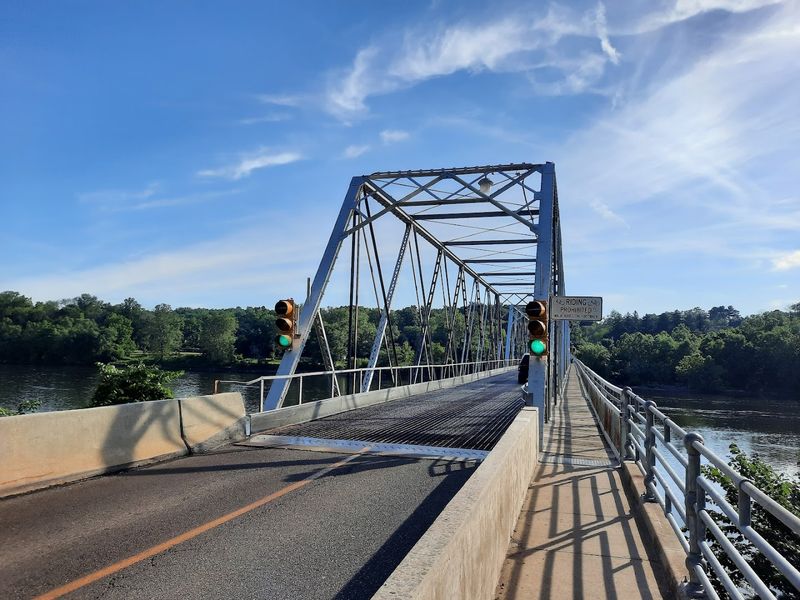
Few bridges in America carry as much historical weight as the Washington Crossing Bridge. It sits near the exact spot where George Washington made his famous crossing on December 26, 1776, before the Battle of Trenton.
That crossing changed the course of the Revolutionary War.
The current superstructure opened to traffic in 1905, and a pedestrian walkway was added in 1926. So while Washington himself never used this particular bridge, the location alone gives it a serious historical atmosphere that is hard to match anywhere else in New Jersey.
The bridge connects Hopewell Township, New Jersey, with Upper Makefield Township, Pennsylvania. Walking across on the pedestrian walkway gives you a great view of the river and a moment to think about what happened here nearly 250 years ago.
It is the kind of spot where history feels genuinely close, not like something locked behind a museum glass case.
Lower Trenton Bridge In Trenton, New Jersey
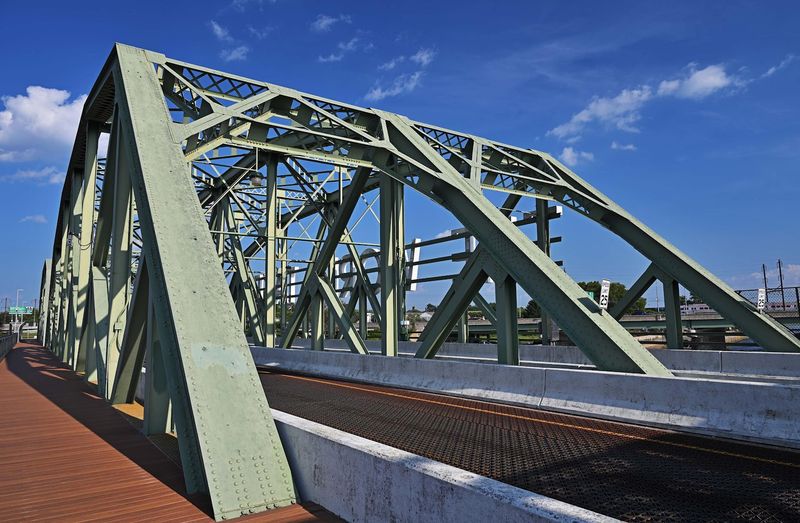
“Trenton Makes, The World Takes.” That slogan has been glowing on the Lower Trenton Bridge for decades, and it might be the most famous sentence ever attached to a bridge in New Jersey. The sign alone makes this crossing one of the most photographed spots in the entire state.
The current bridge fully opened in January 1929, connecting Warren Street in Trenton with East Bridge Street in Morrisville, Pennsylvania. Current restrictions include a five-ton weight limit, ten-foot vertical clearance, and a 25 mph speed limit.
The bridge has personality, rules, and a brand identity most businesses would envy.
Trenton’s industrial history is baked into that slogan. The city once manufactured everything from wire rope to rubber goods for the world market.
The bridge became a symbol of that pride. Today, the sign still lights up the river at night, reminding everyone that Trenton has a story worth telling.
Go see it after dark for the full effect.
Riegelsville Bridge In Pohatcong Township, New Jersey
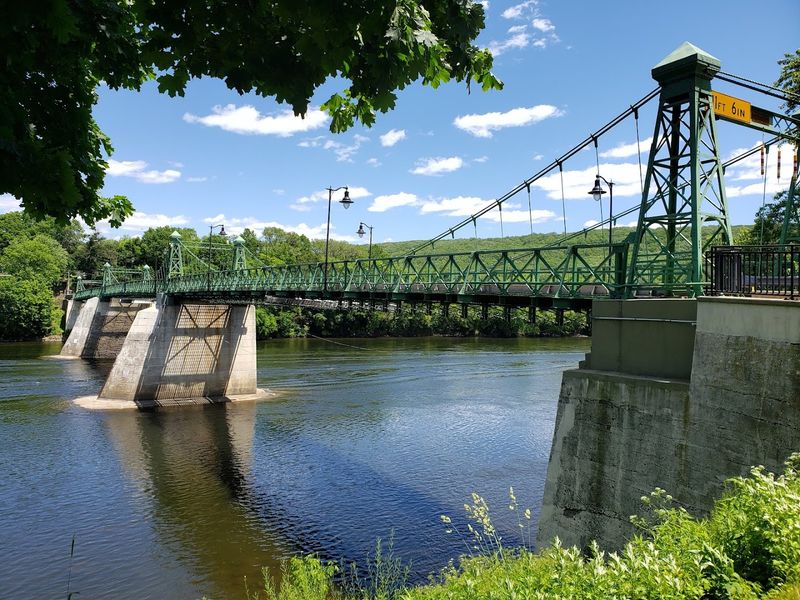
Not many bridges can claim to be the third-oldest existing superstructure in a 20-bridge system, but the Riegelsville Bridge wears that title with quiet confidence. The Delaware River Joint Toll Bridge Commission tracks these things carefully, and Riegelsville ranks high on the age chart.
The bridge links Pohatcong Township, New Jersey, with Riegelsville, Pennsylvania, and sees an average annual daily traffic count of around 3,200 vehicles. That is not rush-hour chaos, but it is steady, reliable use from a community that genuinely depends on this crossing.
There is something charming about a bridge that serves a small, tight-knit community rather than a massive urban corridor. The Riegelsville Bridge is not flashy or famous.
It just works, day after day, connecting neighbors across a river. Warren County has a lot of scenic spots, but this bridge earns extra points for combining historical age with practical, everyday usefulness.
Worth a detour if you are in the area.
Riverton-Belvidere Bridge In Belvidere, New Jersey
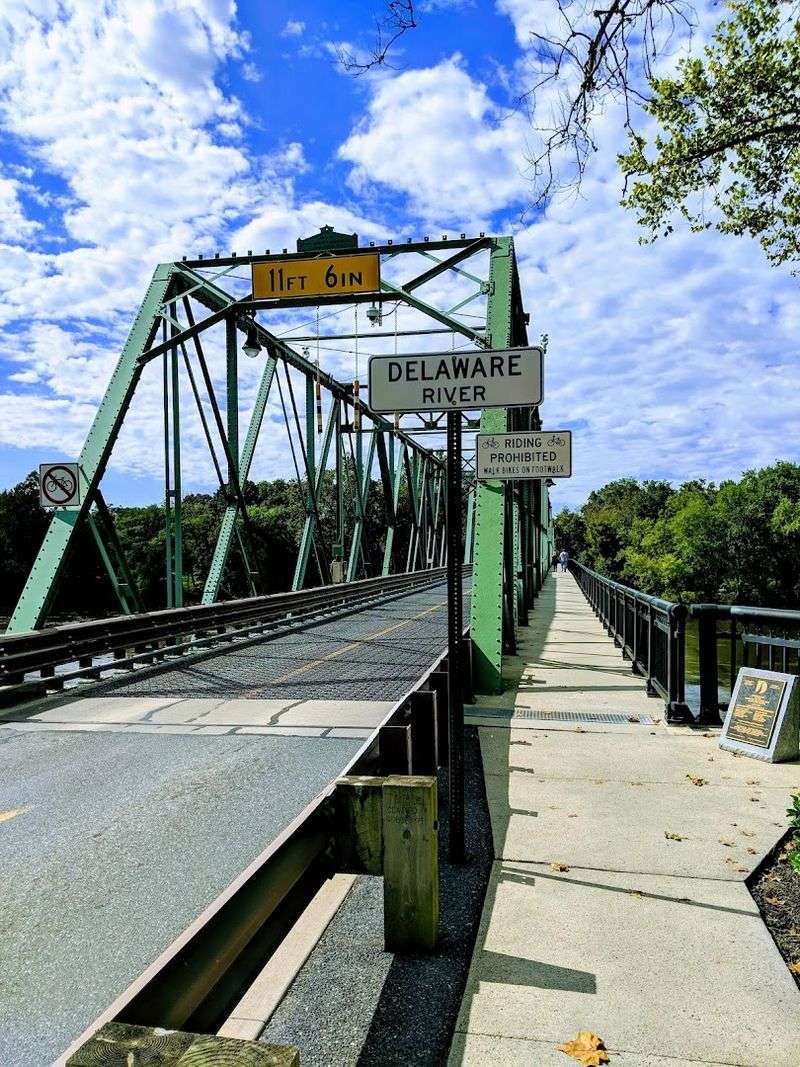
Built in 1904, the Riverton-Belvidere Bridge in Warren County has been carrying Water Street traffic across the Delaware River for well over a century. Steel bridges from this era have a distinctive industrial character that modern concrete crossings simply cannot replicate.
Current restrictions keep things sensible: a 15 mph speed limit and an eight-ton weight limit. Those rules help protect a structure that has already outlived most of its peers from the same construction era.
The bridge connects Belvidere, New Jersey, with Riverton, Pennsylvania, serving a rural corridor that values every crossing it has.
Warren County is one of New Jersey’s most underrated regions for scenic drives and historic exploration. The Riverton-Belvidere Bridge fits right into that landscape.
Pull over, take a look at the steelwork, and appreciate the craftsmanship that went into building a bridge in 1904 without modern equipment or technology. The fact that it is still standing and still useful is a real engineering success story.
Dingmans Ferry Bridge In Sandyston Township, New Jersey
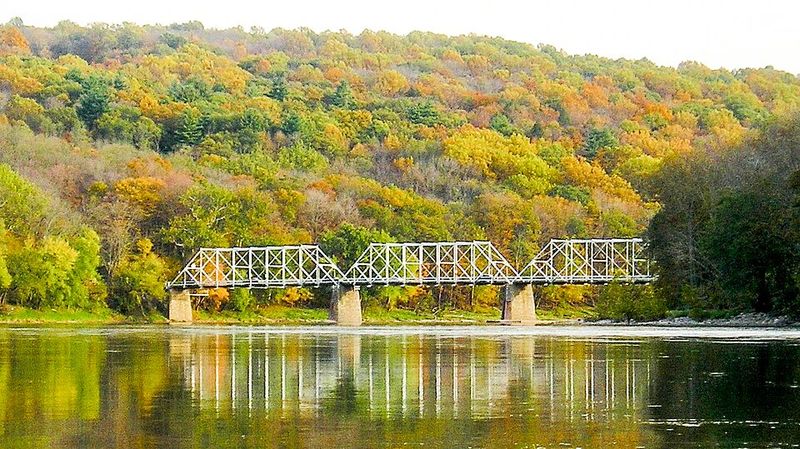
The Dingmans Ferry Bridge has roots stretching back to an 1834 charter, making its history longer than most New Jersey institutions. The current bridge opened for business in August 1900 and has been collecting tolls and carrying traffic ever since.
Current restrictions include a four-ton weight limit, an 11-foot height limit, and no pedestrian access. The toll is still active, making this one of the few privately operated toll bridges left in the northeastern United States.
That alone makes it a genuine curiosity worth seeking out.
Sandyston Township sits in Sussex County, deep in the northern New Jersey woods near the Delaware Water Gap. The bridge fits that remote, rugged setting perfectly.
It is narrow, purposeful, and unapologetically old-school. I have driven across bridges like this one and always get a slight thrill from how different they feel compared to modern highway crossings.
Dingmans Ferry Bridge is a living piece of transportation history that still charges for the privilege.
Main Street Bridge In Clinton, New Jersey
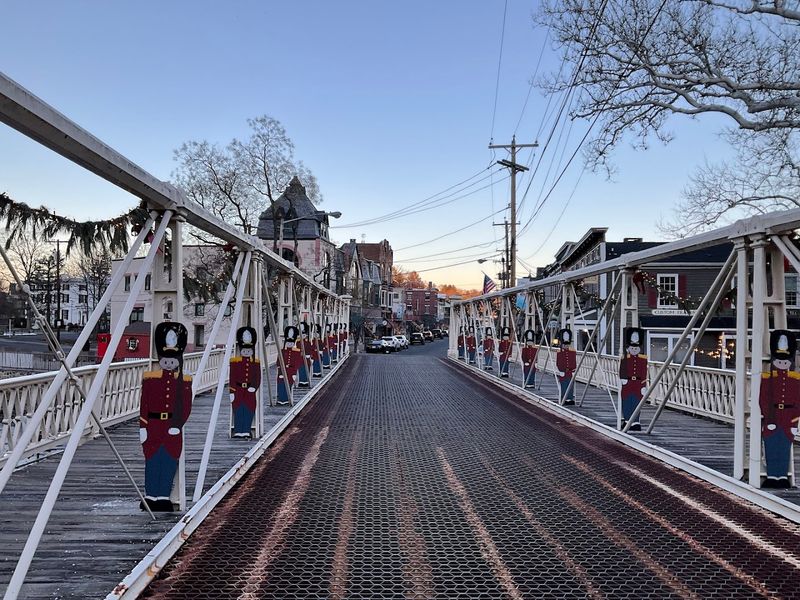
Clinton, New Jersey, is one of those small towns that looks almost too charming to be real. The Main Street Bridge fits that aesthetic perfectly.
Built in 1870, it is a cast and wrought iron Pratt pony truss bridge, which is a fancy way of saying it is old, rare, and genuinely beautiful.
Early iron truss bridges are uncommon survivors in New Jersey. Most were replaced long ago as traffic demands grew beyond what iron could handle.
This one was saved, in part, because it sits near the Red Mill and the Hunterdon Art Museum, two of Clinton’s biggest attractions.
Today the bridge serves as a pedestrian crossing, which actually suits it perfectly. Walking across it gives you a great view of the waterfall and the mill below.
It is the kind of spot that ends up in a lot of Instagram photos and family albums. Clinton’s Main Street Bridge is not just a crossing.
It is a destination.
Share this story