There is a park about an hour outside of Portland, Oregon, where the trees grow tall, the river runs cold and clear, and the parking lots are almost never full. Most people drive right past it on their way to more famous destinations, which is honestly their loss and your gain.
This place has hiking trails, a fishing dock, disc golf, equestrian paths, riverside camping, and views of snow-capped Mount Hood, all packed into one surprisingly massive stretch of Pacific Northwest forest. Read on, because this park deserves a lot more attention than it gets.
Where Exactly You Will Find This Hidden Treasure
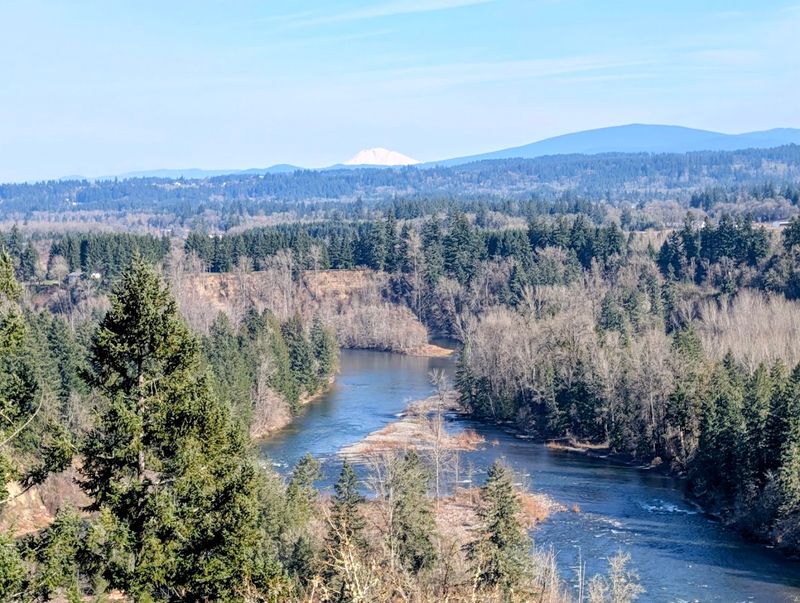
The full name is Milo McIver State Park, and it sits at the end of a winding road in Estacada, Oregon 97023, about 35 miles southeast of Portland. The drive alone is worth the trip, with views of Mount Hood growing larger through your windshield as you leave the city behind.
The park is managed by Oregon State Parks and can be reached by phone at 1-800-551-6949. The official website is oregonstateparks.org, where you can book campsites, check trail conditions, and purchase your parking permit before you arrive.
Gates open at 7 AM every day of the week and close at 9 PM, giving you a generous window to explore. There is a day-use entrance fee, so having a card or some cash on hand is a smart move before you pull up to the fee station.
The park sits along the Clackamas River in the foothills of the Cascade Range, a setting that makes it feel far more remote than it actually is. Unlike parks in Oklahoma or other drier states, this one is wrapped in dense, mossy forest that keeps things cool and green almost year-round.
The Scale of This Place Will Catch You Off Guard
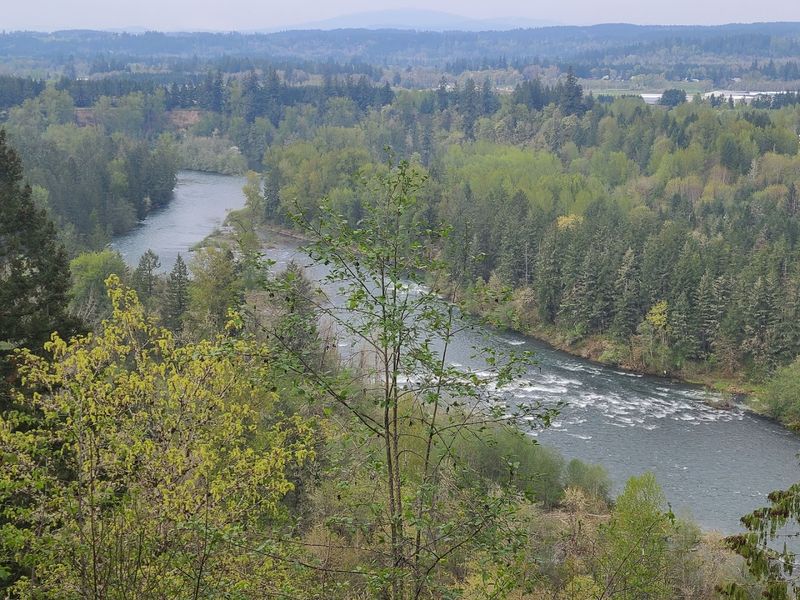
Most people show up expecting a small neighborhood park and leave with sore legs and a jaw that has been dropped for most of the afternoon. Milo McIver covers a massive stretch of land along the Clackamas River, with over 150 acres of maintained trails alone.
You can easily rack up 9 to 10 miles if you hit every trail in a single day. The network includes hiking paths, equestrian routes, and biking trails, so the park genuinely has something for almost every kind of outdoor visitor.
The terrain shifts as you move through different sections. Some areas are flat and shaded, perfect for a casual stroll, while other stretches involve noticeable elevation changes that will get your heart rate up in the best possible way.
One section of the Vortex Loop trail has been closed recently due to landslide activity, so checking the park website before your visit is a good habit. The rest of the trail system is open, well-maintained, and honestly more expansive than most visitors expect from a single state park.
Life Along the Clackamas River
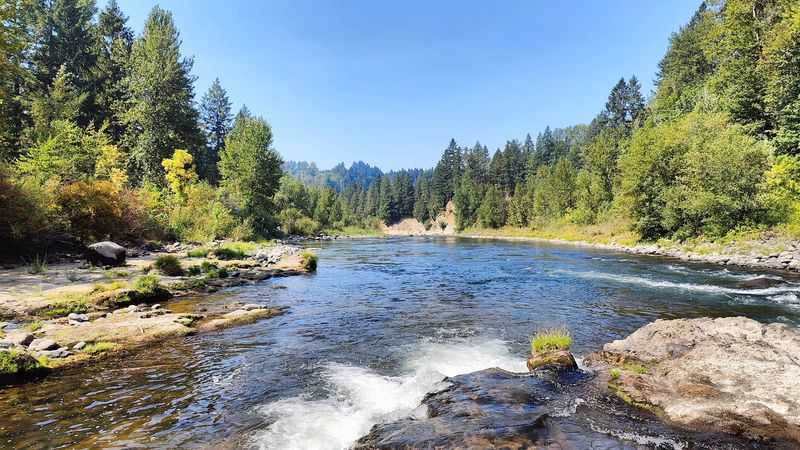
The Clackamas River is the heartbeat of this park, and almost every activity here connects back to it in some way. Cold, fast-moving, and lined with smooth river rocks, it draws anglers, kayakers, and people who just want to sit on the bank and watch the water move.
Below the dam, the river holds Steelhead, Chinook salmon, and Coho salmon, making it a serious destination for fishing enthusiasts. The trails leading down to the riverbank can be rough in spots, but the payoff at the bottom is absolutely worth the scramble.
There are clearly marked put-in and take-out points for floating the river, which makes planning a kayaking or canoeing trip straightforward even for first-timers. Kayak rentals have been available in the park, though checking availability ahead of your visit is always a wise idea.
A boat launch near the river access area makes getting watercraft into the water simple and stress-free. Whether you are casting a line or paddling downstream, the Clackamas River delivers a genuine Pacific Northwest water experience that is hard to find this close to a major city.
Camping Here Feels Like a Real Escape
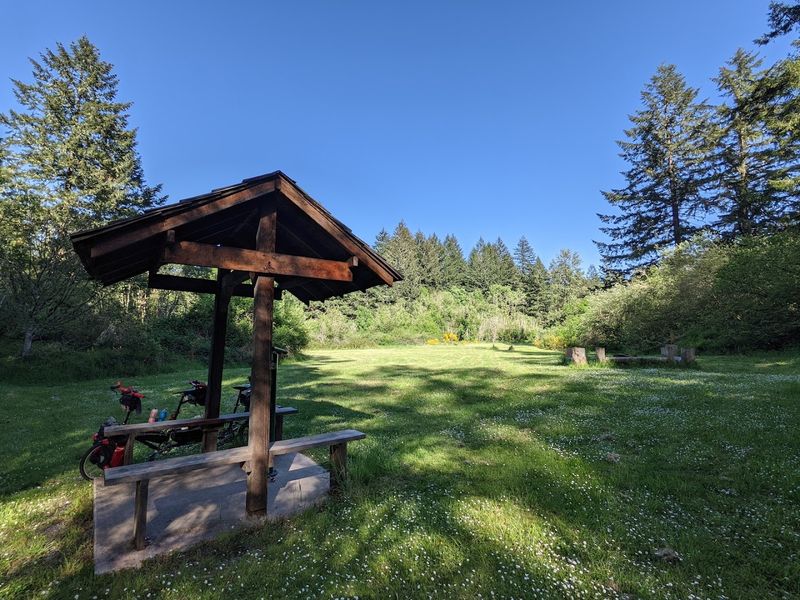
Tent campers, RV travelers, and equestrian visitors all have dedicated areas at this park, which means the campground rarely feels like one big, chaotic crowd. Each site comes with a picnic table and a fire ring, and the spacing between spots gives everyone a sense of privacy that is hard to find at more popular campgrounds.
RV sites come equipped with water and 30-amp electrical hookups, and the sites themselves are generously sized with good shade from tall firs. Evenings here are genuinely peaceful, with the sounds of the river and forest replacing the usual background noise of daily life.
The restrooms and shower facilities are maintained to a standard that surprises most first-time visitors. Clean, paved pathways, flushing toilets, and warm showers make even a multi-night stay feel comfortable rather than rough.
June tends to bring mild weather that is ideal for tent camping, though the park draws visitors in every season. Dogs are welcome in designated areas and on certain trails, so leaving your four-legged travel companion at home is not necessary.
This campground consistently ranks among the best state park camping experiences in the Pacific Northwest.
Disc Golf That Draws Players From Across the Region
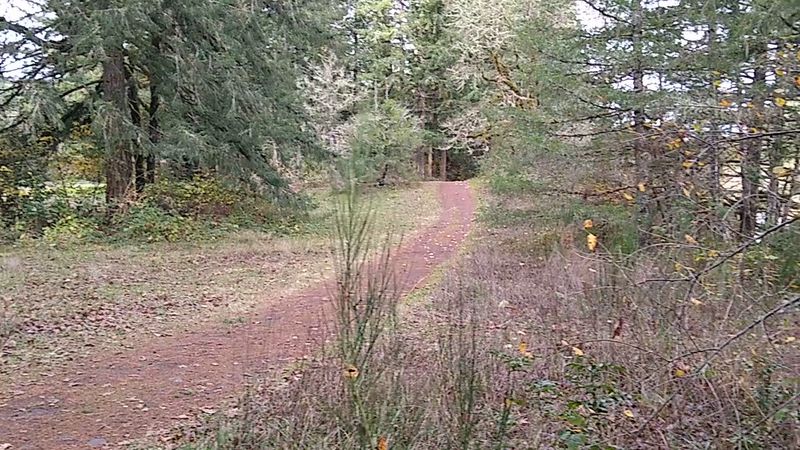
Disc golf at Milo McIver is not an afterthought tacked onto the park map. The course here has built a genuine reputation and draws players who make the trip specifically for it, not just as a side activity during a camping weekend.
The layout winds through the forested terrain, mixing open fairways with tighter wooded shots that test accuracy as much as distance. The natural topography of the park adds elevation changes that make each hole feel distinct rather than repetitive.
It is the kind of course where beginners can have fun without feeling overwhelmed, and experienced players still find enough challenge to keep things interesting. Frisbee players of all skill levels tend to share the course with a relaxed, friendly energy that fits the overall vibe of the park.
Bringing your own discs is the standard approach, though the park staff can point you toward local resources if you need guidance. The course is free to use once you have paid the park entrance fee, which makes it one of the better value activities in the entire region.
Few parks in Oregon combine this level of disc golf quality with everything else Milo McIver offers.
Equestrian Trails That Are Worth the Haul
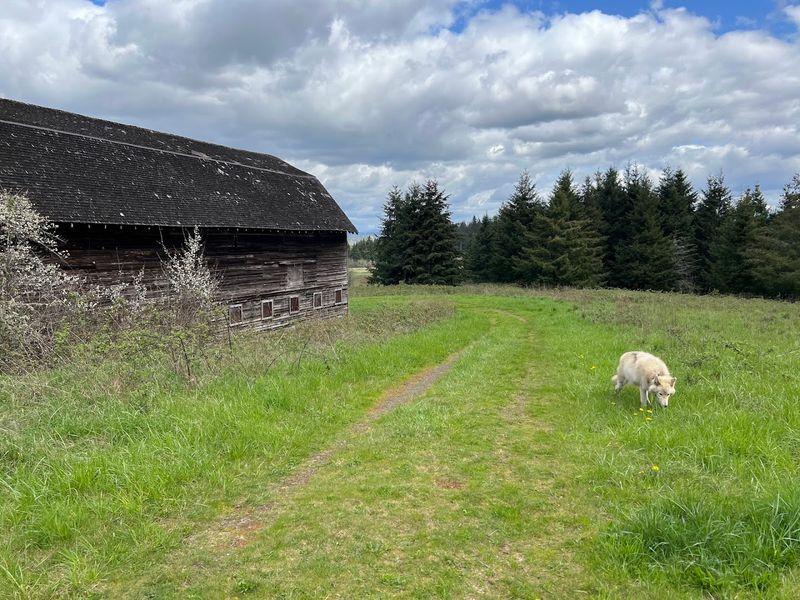
Horse people in the Pacific Northwest talk about Milo McIver the way other outdoor enthusiasts talk about their favorite hidden trail. The equestrian facilities here are genuinely well-developed, with a large graveled trailer parking area, a round pen with sand footing, and an outdoor arena for warming up before hitting the trails.
The trails themselves cover varied terrain, from stretches with enough open ground to pick up speed, to hillier sections with river access and scenic viewpoints. The footing in many spots is firm with embedded rocks, so trail boots or shoes with solid soles are strongly recommended for both horse and rider.
A rinse station near the trailer lot makes post-ride cleanup easy, which is a small detail that experienced equestrians genuinely appreciate. The park maintains over 150 acres of trail space, giving riders enough variety to keep multiple visits feeling fresh.
River access along the Rivermill Trail adds another dimension to the riding experience, especially on warmer days when both horse and rider benefit from a cool-down near the water. For anyone comparing equestrian parks across the Pacific Northwest, this one consistently earns top marks for its combination of facilities, trail quality, and natural scenery.
Estacada Lake and the Fishing Dock
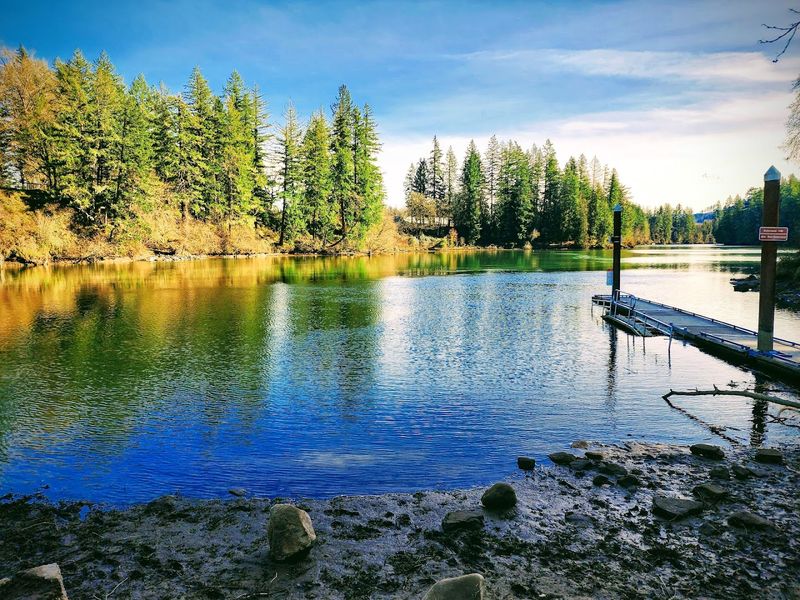
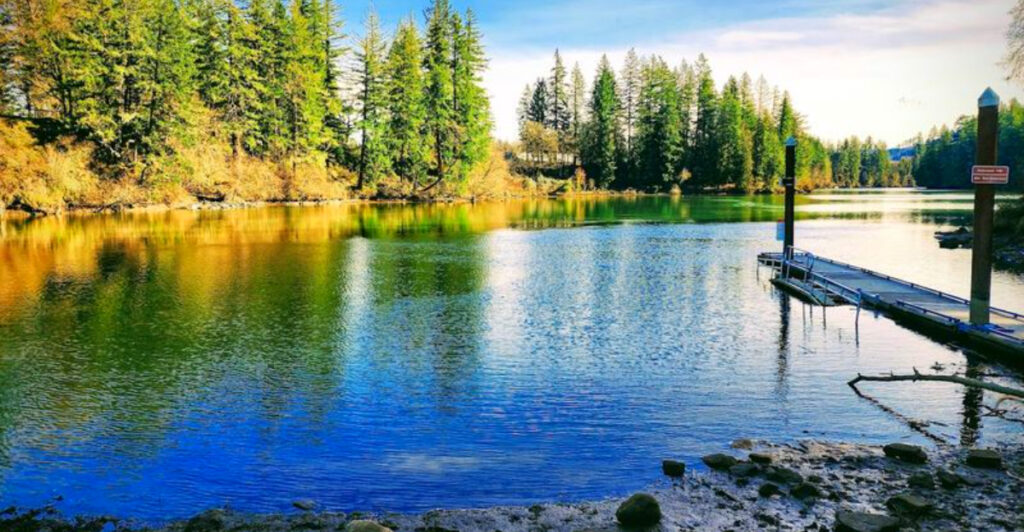
Estacada Lake sits quietly inside the park boundaries, offering a calmer water experience compared to the fast-moving Clackamas River. The lake has a dedicated fishing dock that has become a favorite spot for families, especially those introducing younger kids to the basics of casting a line.
You do not need to catch anything to have a good time here. The dock draws paddle boarders, casual observers, and people who simply want to sit with their feet hanging over the edge while they eat a snack and watch the water.
The atmosphere is unhurried and genuinely relaxing.
Birdwatching along the lake edges is surprisingly rewarding, with a variety of species moving through the reeds and overhanging branches throughout the year. Deer, chipmunks, and bunnies are also regular visitors to the surrounding area, making the lake a natural gathering point for wildlife as well as people.
The views from the dock stretch across the water toward a backdrop of evergreen trees that feel authentically Pacific Northwest in the best possible way. Unlike parks in Oklahoma where open plains dominate the scenery, this lake is tucked into a forested bowl that gives it a sheltered, almost private quality that visitors consistently mention.
The Largest Pacific Yew Tree in Oregon Grows Here
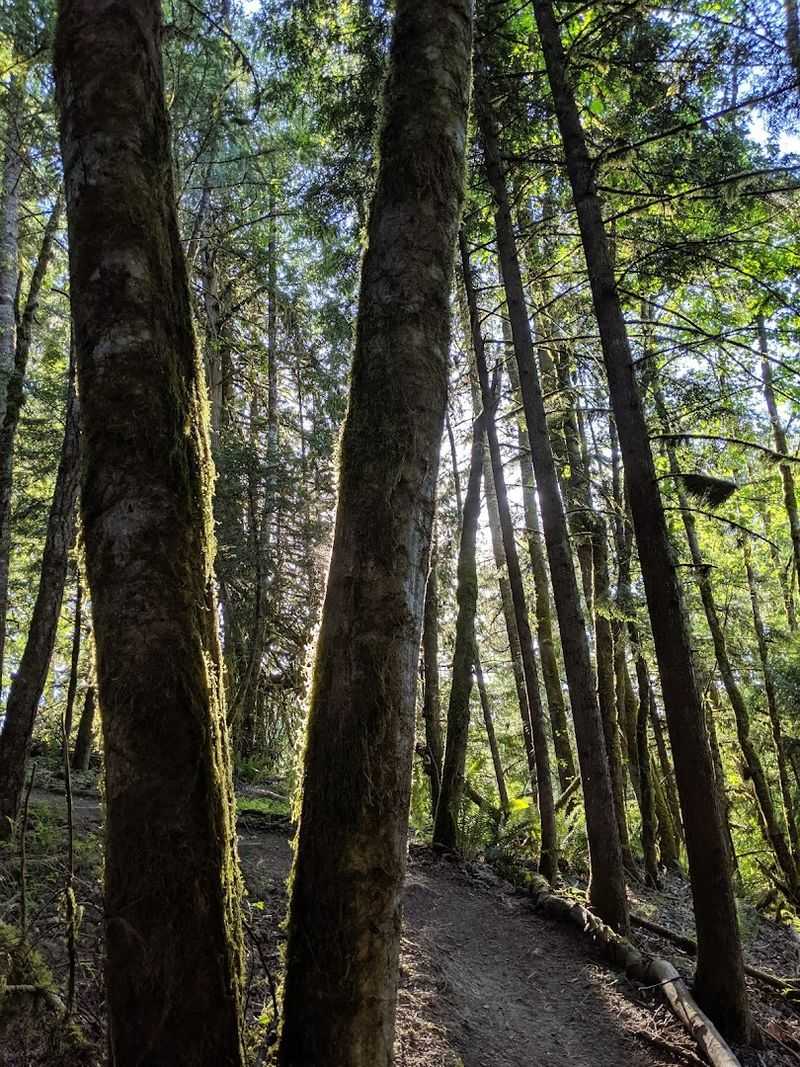
Hidden somewhere along the Deer Creek Trail, without a sign or a marker to announce it, stands the largest Pacific Yew tree in the entire state of Oregon. It also holds the title of second-largest yew tree in the United States, a fact that most visitors walk right past without ever knowing.
Estimated to be several hundred years old, this tree was growing long before Oregon became a state, before Portland existed as a city, and before anyone thought to build a park around it. There is something quietly remarkable about standing near that kind of age.
The Pacific Yew is not a flashy tree by any measure. It does not tower dramatically above the canopy or spread in a way that immediately signals its significance.
The size and girth of the trunk are what give it away once you are close enough to notice.
Finding it requires some attentiveness on the trail, which makes the discovery feel earned rather than handed to you. Ask a park ranger for a general direction if you want a head start, but leave yourself the pleasure of actually spotting it on your own.
Few parks anywhere in the country can claim a living specimen quite like this one.
Picnic Areas That Actually Give You Space to Breathe
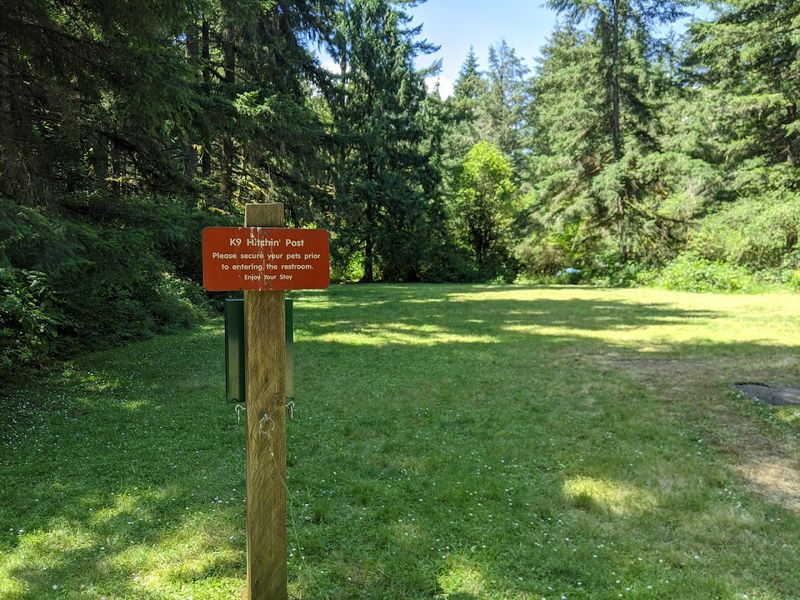
The picnic areas at this park are laid out with enough space between tables that you never feel like you are eating lunch next to strangers. That kind of thoughtful spacing makes a real difference on a busy weekend afternoon, when other parks in the region turn their day-use areas into crowded shoulder-to-shoulder affairs.
Tables are clean and well-maintained, and the surrounding tree cover provides natural shade that keeps things comfortable even when the sun is high. The combination of open lawn space and shaded spots gives families flexibility in how they set up for the day.
Kids have plenty of room to run around between the trees without getting in the way of other visitors. The open green areas near the bathroom facilities double as casual sports space, with enough flat ground for a game of catch or a frisbee toss that does not involve the official disc golf course.
Restrooms near the picnic areas are consistently praised for their cleanliness, which is not something you can say about every state park in the country. Compared to some of the more crowded parks in places like Oklahoma, the breathing room here feels like a genuine luxury that costs almost nothing extra to enjoy.
Tips for Getting the Most Out of Your Visit
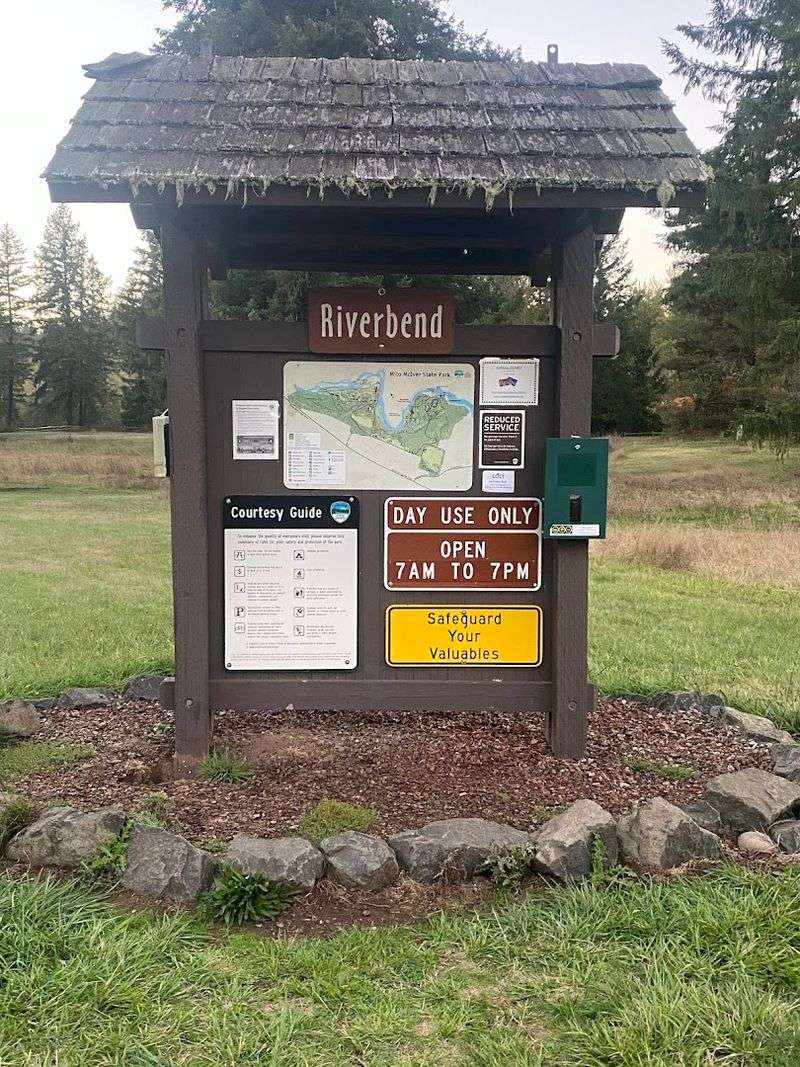
A few practical notes can turn a good visit into a great one at this park. The trail maps available at the fee station are helpful but do not always include every named path, so downloading an offline map or taking a screenshot before you lose cell service is a smart move.
Parking permits for Oregon State Parks are available online and purchasing one ahead of your trip can save you both time and money, especially with permit prices scheduled to increase in 2026. Day-use fees currently run around ten dollars, so having a card ready at the entrance gate keeps things moving smoothly.
The park is open seven days a week from 7 AM to 9 PM, which gives early risers a chance to hit the trails before the day-use crowd arrives. Summer mornings tend to be the quietest and most rewarding time for hiking, with cooler temperatures and better wildlife sightings.
One section of the Vortex Loop is currently closed due to landslide activity, so checking trail conditions on the park website before heading out avoids unnecessary detours. Milo McIver is genuinely one of Oregon’s most complete state parks, and unlike the flat, open parks typical of Oklahoma, this one rewards every extra minute you spend exploring it.
Share this story