There is a spot in southwestern Oklahoma where the water sits so still and clear that you almost feel guilty for tossing a pebble into it. Tucked away near the Wichita Mountains Wildlife Refuge, this dam does not shout for attention, but once you find it, it is hard to look away.
The views stretch across a calm lake with rugged granite peaks rising in the background, and the whole place has this rare, unhurried quality that most outdoor spots have long since lost. Whether you are a hiker, a photographer, or someone who just needs a quiet afternoon away from everything, this place delivers in ways that are hard to put into words.
Finding Quanah Parker Dam: Address and Access
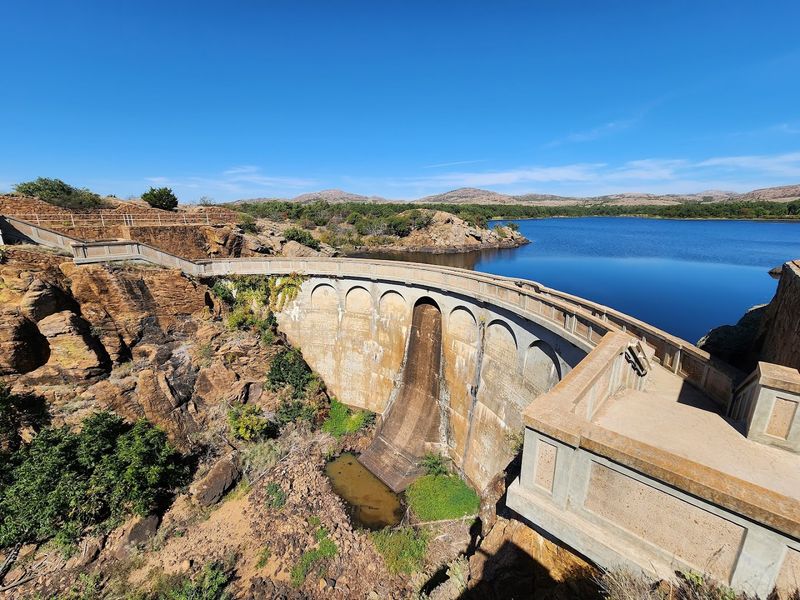
The address for Quanah Parker Dam is Little Baldy Trail, Indiahoma, OK 73552, and it sits within the broader Wichita Mountains Wildlife Refuge in southwestern Oklahoma. Getting there is surprisingly straightforward, and the parking area is easy to find once you follow the refuge roads toward the dam.
The site is open 24 hours a day, every day of the week, which means early morning visits are completely possible. Sunrise over the lake is something that rewards anyone willing to set an alarm.
For questions or general information, the contact number listed is +1 580-429-3222.
There is no entry fee to park or walk around the dam area, which is a detail that never gets old. Free admission to a place this beautiful feels almost too good to be true.
The roads leading in are well-maintained, and standard passenger vehicles handle the route without any trouble at all.
Cell service can be spotty in parts of the refuge, so downloading an offline map before arrival is a smart move. A little preparation goes a long way when the destination is this remote.
The History Behind the Dam
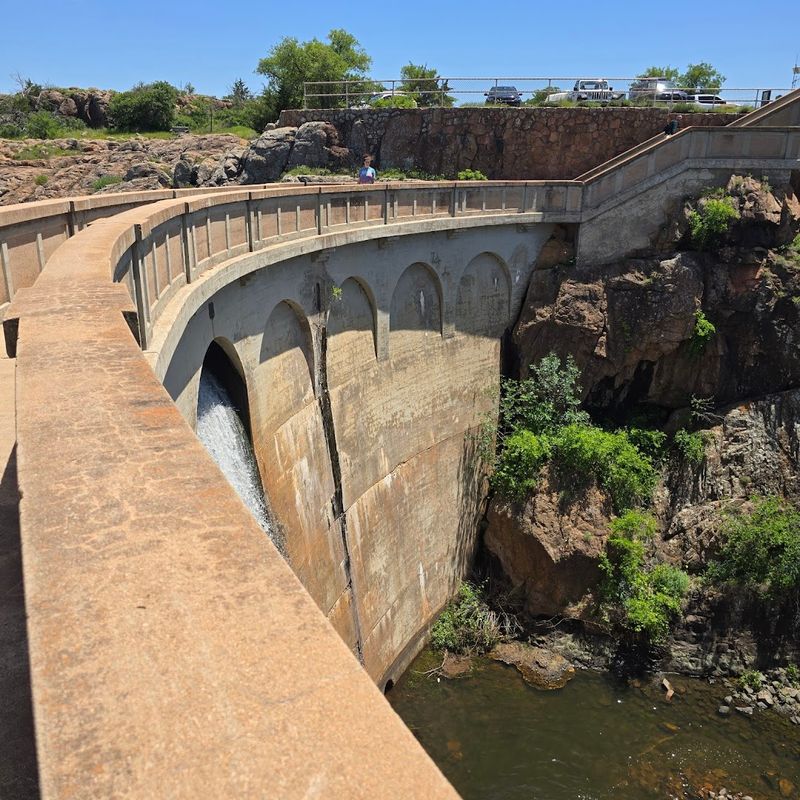
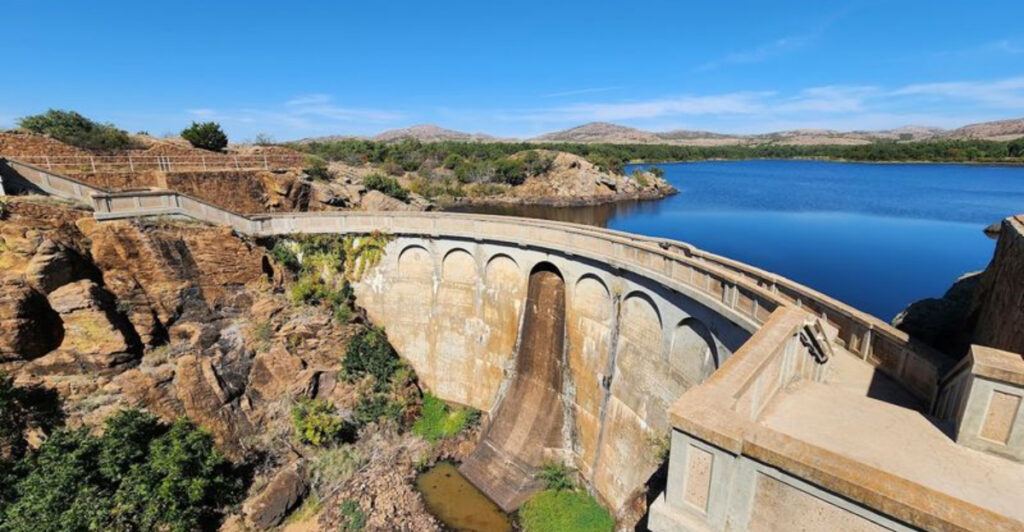
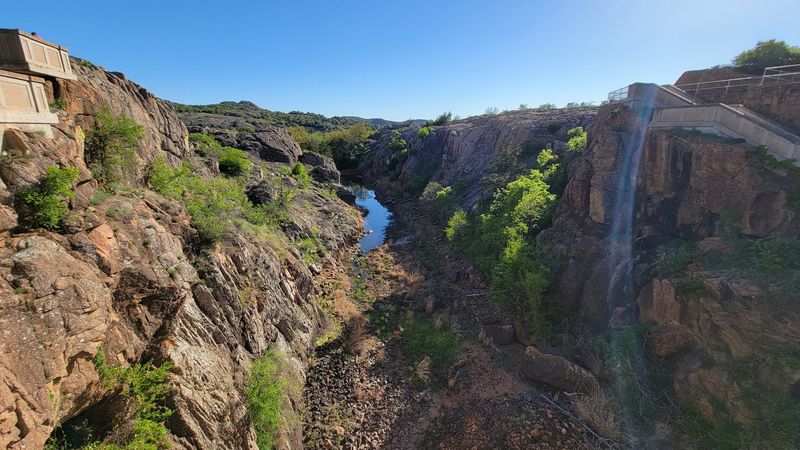
Built in the 1930s, Quanah Parker Dam carries the kind of quiet historical weight that makes you stop and look a little longer. The craftsmanship from that era is visible in the stonework and the overall design, which has aged remarkably well against the wild Oklahoma landscape surrounding it.
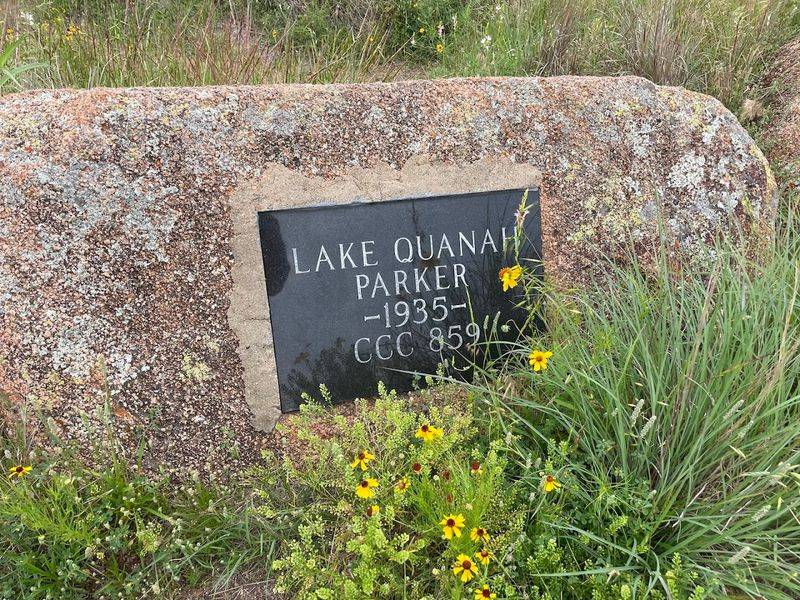
The dam is named after Quanah Parker, the last chief of the Comanche Nation, who was born around 1845 to a Comanche chief and a white captive named Cynthia Ann Parker. He became one of the most significant Native American leaders in Texas and Oklahoma history, known for his ability to bridge two very different worlds.
Naming this dam after him feels fitting. The structure sits quietly in land that the Comanche people once roamed freely, and that connection between past and present is something you can almost feel when you stand on the dam walkway.
The architectural details are worth a close look. The stonework reflects the New Deal-era construction style, built to last and built with care, and that durability shows in how well the structure has held up across nearly a century of use.
Walking Across the Dam at Lake Level
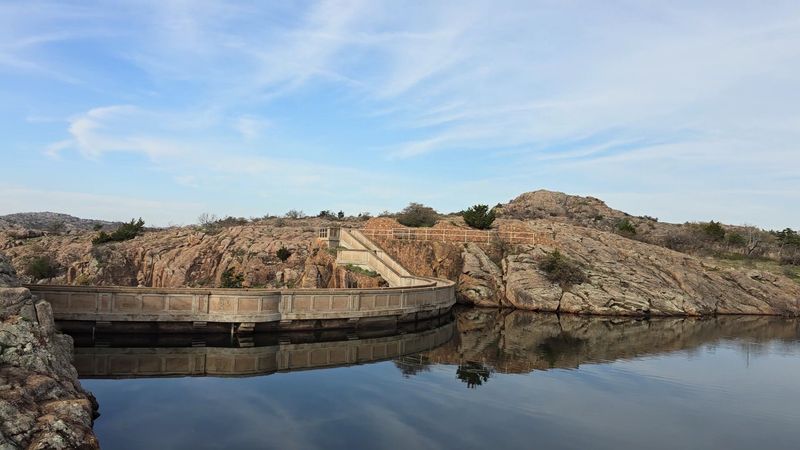
One of the most unusual features of this dam is that you can walk directly across it at nearly lake level. The water sits right beside you as you cross, close enough that you could reach out and touch it on a calm day.
That low, intimate perspective over the water is genuinely rare for a dam of any size.
The walkway is wide enough to feel comfortable, and the crossing itself takes only a few minutes. Most visitors stop multiple times along the way to take photos, and honestly, that is the right call because the views shift as you move across.
On one side, the lake stretches out flat and reflective, catching the sky and the surrounding granite hills. On the other side, the water drops away and you get a different kind of view entirely, one that shows the raw structure of the dam itself.
The surface underfoot can get slippery when wet, so footwear with good grip is worth thinking about before your visit. That small detail aside, the crossing is accessible and enjoyable for most ages and fitness levels, making it one of the most satisfying short walks in the entire refuge.
The Lake Views That Stop You Cold
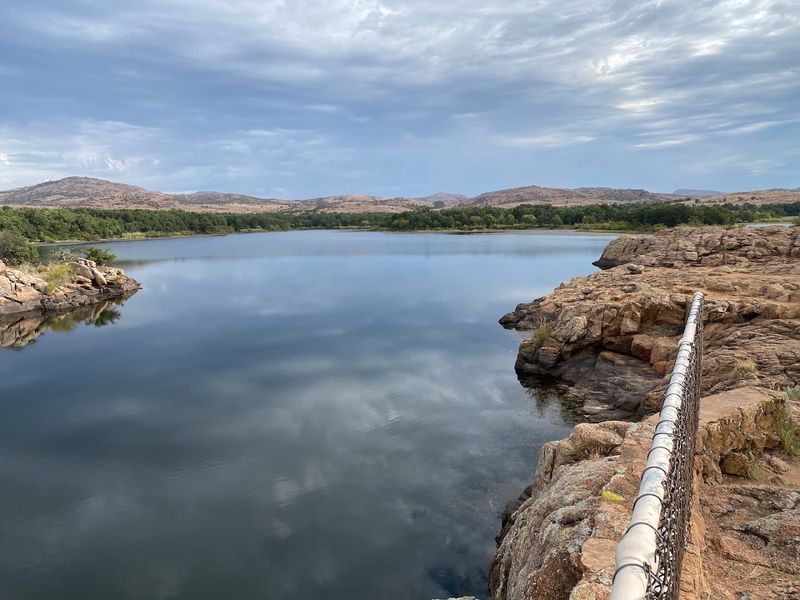
The water north of the dam is genuinely striking. It runs clear enough that you can see the bottom in the shallower sections, and on a calm day the surface mirrors the sky so cleanly that the whole scene looks almost edited.
The granite peaks of the Wichita Mountains rise behind the lake, giving the view a dramatic backdrop that feels more like the American West than most people expect from Oklahoma. That contrast is part of what makes this place so memorable for first-time visitors.
Late afternoon light hits the water and the rock faces in a way that photographers tend to chase. The golden tones that settle across the lake in the hour before sunset are the kind that make you wish you had brought a better camera, or at least charged the one you have.
Mornings offer a different kind of beauty, with mist sometimes sitting low over the water and the light coming in soft and cool. The lake stays calm in the early hours, and the silence is thick enough to feel restorative.
Few places in the state offer a view this layered and this peaceful all in the same glance.
Hiking to the Top of Little Baldy
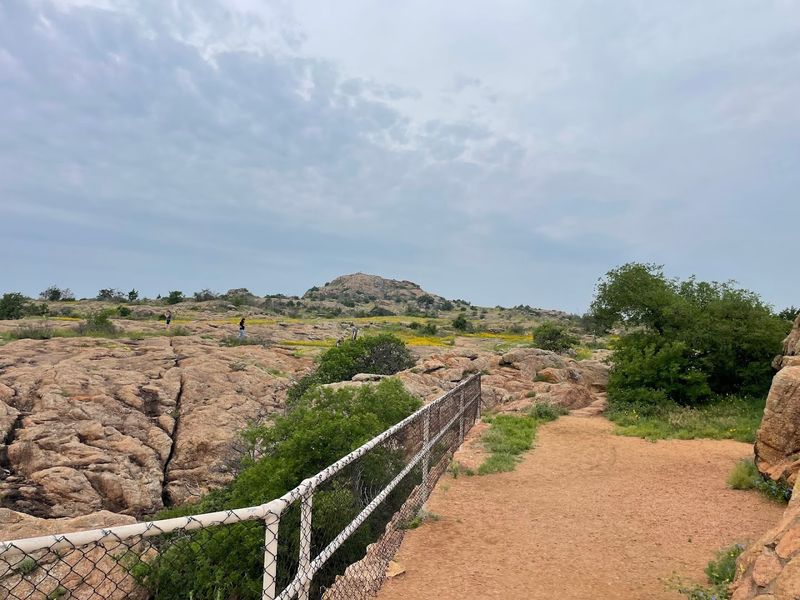
Right next to the dam, the trail to Little Baldy begins, and it is one of those hikes that punches above its weight in terms of the views it delivers relative to the effort required. The climb ranges from easy to moderate depending on your footing and comfort with rocky terrain, but most visitors find it very manageable.
The trail crosses the dam first, then winds up through granite boulders and scrubby vegetation toward the summit. The rock underfoot is rough and grippy in most places, which makes the ascent feel more secure than you might expect from a mountain trail.
From the top of Little Baldy, the dam and the lake spread out below you in a way that reframes the whole landscape. You can see how the water fits into the surrounding terrain, and the views extend across the refuge in multiple directions.
The hike is short enough to complete in under an hour round trip, which makes it a realistic option even for families with younger children. One five-year-old made the full trip and came back beaming, which says something about how approachable this trail really is.
Bring water regardless of the season, because the sun out here is direct and the shade is limited.
Fishing at the Dam
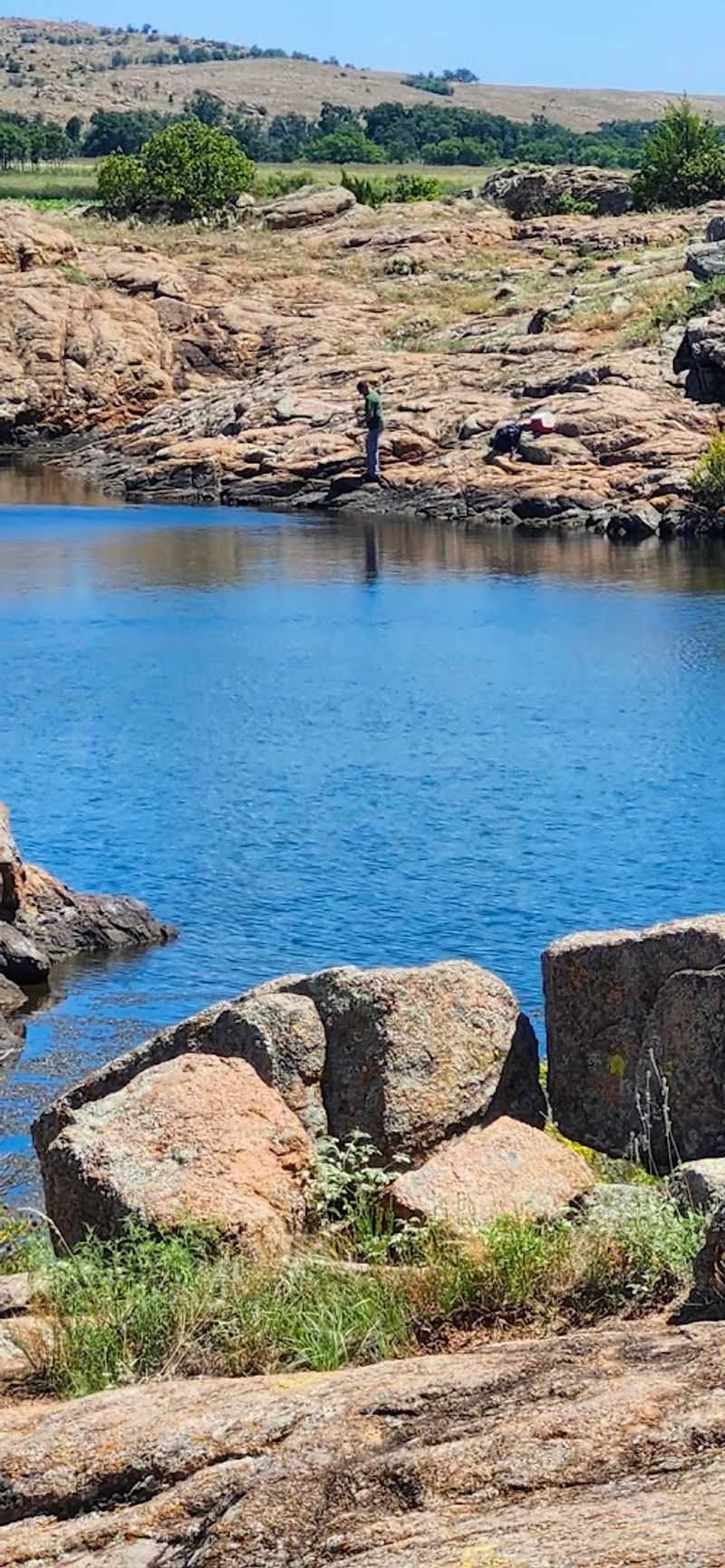
The fishing around Quanah Parker Dam has a reputation that locals are happy to share. The water quality is high, the lake is relatively undisturbed, and the fish population reflects both of those things.
Anglers tend to find this spot rewarding, particularly on weekday mornings when the crowds are thin.
The bank provides several good spots to cast from, and the clear water actually helps with reading where fish might be holding. That visibility is unusual and gives the whole experience a slightly different feel from fishing in murky or stained water.
Families have made good use of the shallower sections near the dam, where kids can wade safely while the adults focus on fishing. The combination of easy wading and solid fishing in the same small area makes it a practical outing for groups with mixed interests and attention spans.
Oklahoma fishing regulations apply here since the dam sits within the Wichita Mountains Wildlife Refuge, so checking current rules before heading out is the responsible move. A valid Oklahoma fishing license is required.
The reward for that small bit of preparation is access to one of the more peaceful fishing spots in the entire southwestern part of the state.
Wildlife You Might Encounter
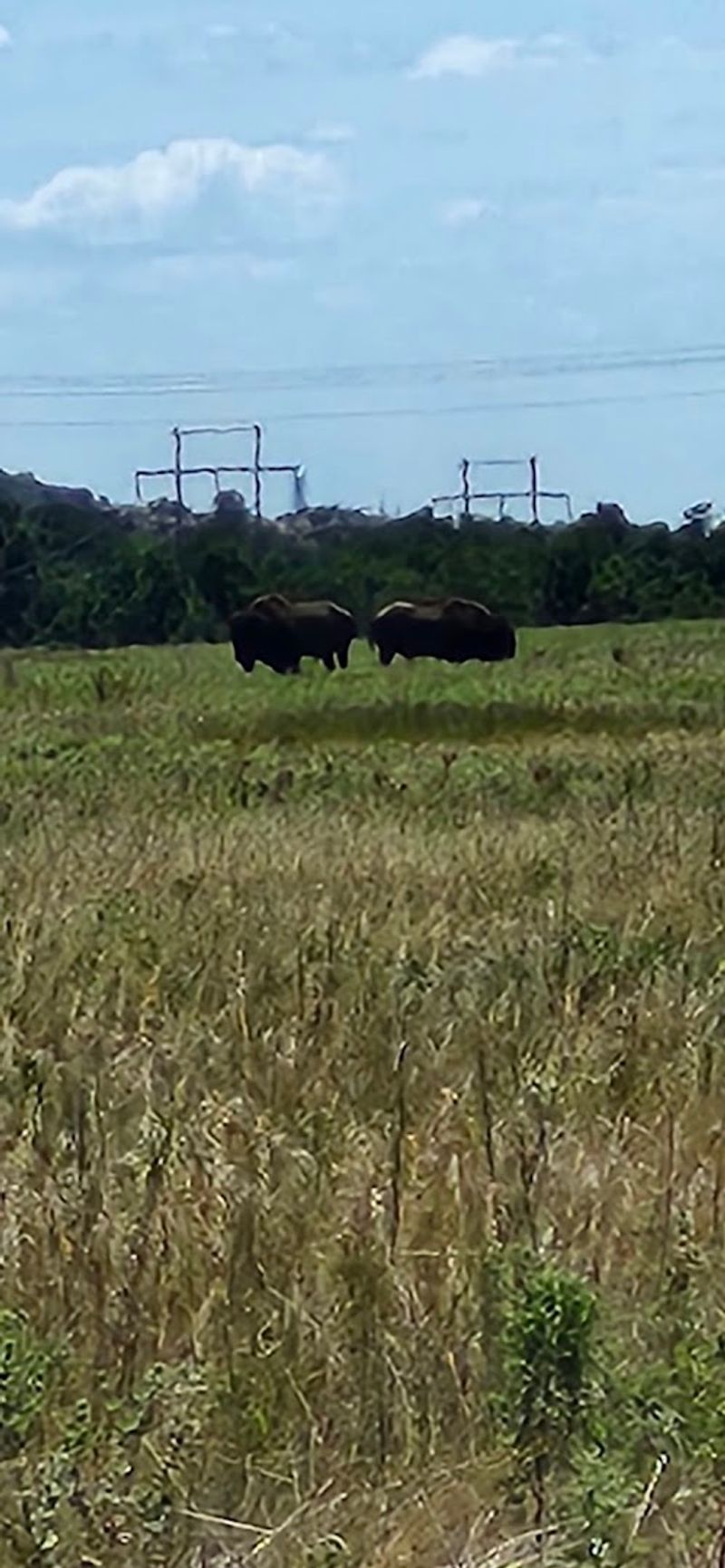
The Wichita Mountains Wildlife Refuge is home to a genuinely impressive range of wildlife, and the area around Quanah Parker Dam is no exception. Bison roam the refuge freely, and it is not unusual to encounter them close to the road or even near the parking area.
They are large, unpredictable animals, and keeping a safe distance is not just a suggestion.
White-tailed deer, elk, longhorn cattle, and wild turkey are also part of the refuge ecosystem, and patient visitors tend to spot several species in a single visit. The early morning and late afternoon hours are the best windows for wildlife activity, which conveniently overlap with the best light for photography.
Bird life around the lake is active and varied. Herons, cormorants, and various shorebirds work the water’s edge throughout the day, and raptors circle overhead with enough regularity to keep birders entertained.
Binoculars are worth the pocket space.
The wildlife here is genuinely wild, which is part of what makes the refuge feel so different from a managed park. You are a visitor in their space, and that dynamic keeps the experience feeling honest and a little bit thrilling.
Every trip out here has the potential to show you something you did not expect.
Kayaking and Paddleboarding on the Lake
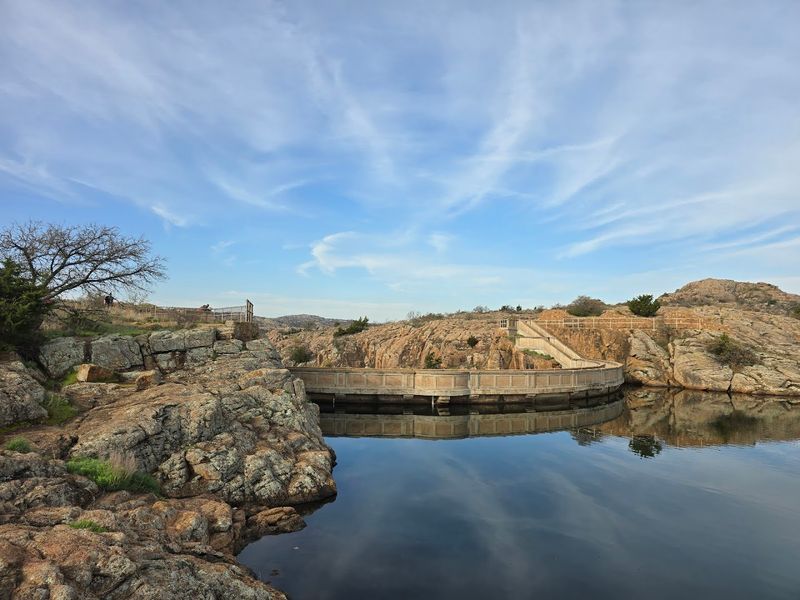
The lake beside Quanah Parker Dam is well suited to non-motorized watercraft, and the calm surface makes it an appealing destination for kayakers and stand-up paddleboard enthusiasts. The water north of the dam is especially clear and smooth, and paddling through it on a quiet morning is a genuinely pleasant experience.
A launch point exists near the Doris Campground, which borders the lake and provides a convenient access spot for those arriving with watercraft. The campground connection also means that overnight visitors can paddle in the early morning before day visitors arrive, which is worth planning around.
The surrounding scenery from water level is different from what you see on shore. The granite hills look taller from a kayak, and the reflection of the mountains on the water surface becomes something you are actually floating through rather than just observing from a distance.
There are no rental facilities directly at the dam, so bringing your own equipment is necessary. Lightweight inflatable kayaks work well here and are easy to transport.
The lake is not large, but it is scenic enough that most paddlers find themselves circling it more than once just to take in the views from different angles.
Best Times to Visit and What to Bring
Spring is widely considered the best season to visit Quanah Parker Dam. The temperatures are comfortable, the vegetation is green, and wildflowers add color to the rocky landscape in ways that make the whole refuge feel more alive.
Weekend crowds do pick up during spring, so arriving early in the morning helps you get the quieter version of the experience.
Summer visits are absolutely doable, but the heat in southwestern Oklahoma can push well past 100 degrees Fahrenheit, and the sun out here is relentless. Carrying more water than you think you need is genuinely important, not just a precaution.
Sunscreen is non-negotiable.
Fall brings cooler air and softer light, and the crowds thin out noticeably after the school year resumes. Winter visits have their own appeal, with the stark landscape taking on a clean, uncluttered quality that some visitors find more interesting than the green months.
The essentials for any visit include water, sunscreen, closed-toe shoes with good grip, and a fully charged phone or camera. The site is open around the clock every day of the year, so timing your visit around golden hour is entirely possible and highly recommended for anyone who enjoys landscape photography.
Why This Place Deserves More Attention
Most people driving through southwestern Oklahoma have no idea this place exists. The Wichita Mountains Wildlife Refuge gets some recognition, but the dam specifically tends to fly under the radar even among Oklahomans who consider themselves outdoors enthusiasts.
That obscurity is part of its charm.
The combination of free admission, 24-hour access, solid hiking, good fishing, paddling opportunities, and views that genuinely surprise people adds up to something that most paid attractions struggle to match. The value here is hard to argue with.
There is also something to be said for the atmosphere. The area around the dam is clean, well-maintained, and quiet in a way that feels earned rather than manufactured.
The refuge management keeps the site in good condition, and visitors generally treat it with respect.
For anyone building a road trip through Oklahoma or looking for a weekend outdoor destination that does not require a long drive from the southwestern part of the state, this dam belongs on the shortlist. The views are real, the access is easy, and the experience of standing on that dam walkway with the lake on one side and the mountains on the other is the kind of thing that stays with you long after the drive home.
Share this story