New Jersey is not usually the first place people think of when they picture the American Revolution, but one landmark in Morris County quietly holds some of the most gripping stories from that era. During the winter of 1779 to 1780, the Continental Army faced conditions so brutal that the survival of the entire revolutionary effort was genuinely in doubt.
The park that preserves this history is spread across several sites, each one telling a different part of the same remarkable story. From a Georgian mansion to reconstructed soldier huts buried in the woods, this place makes the past feel surprisingly close and unexpectedly urgent.
Where Washington Slept and Strategy Was Born
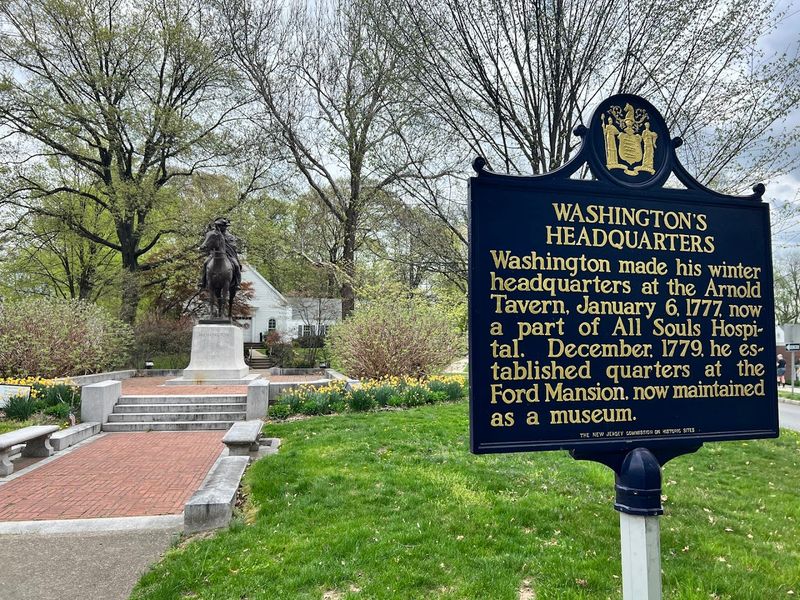
At 30 Washington Place in Morristown, New Jersey 07960, the Ford Mansion stands as the official headquarters of George Washington during the winter of 1779 to 1780. This two-story Georgian home belonged to the widow of Jacob Ford Jr., a patriot herself who opened her doors to the general and his staff during one of the most critical periods of the Revolutionary War.
Washington used the mansion not just as a place to rest but as a command center where key decisions about the war were made. Alexander Hamilton worked here as Washington’s aide-de-camp, and the mansion buzzed with military planning throughout the long winter.
Tours of the Ford Mansion are offered on a first-come, first-served basis, with free tickets distributed at the museum. The interior has been carefully preserved, and each room tells a specific part of the story of what life looked like inside Washington’s wartime household.
The Winter That Almost Broke the Revolution
The winter of 1779 to 1780 was, by most historical records, the coldest winter of the eighteenth century in the northeastern United States. Snowfall reached up to six feet in some areas, and temperatures plunged well below freezing for weeks at a time.
The Continental Army, already stretched thin by lack of supplies and delayed pay, was pushed to an extreme that even Valley Forge did not match.
Soldiers at Morristown endured frostbite, hunger, and tattered clothing while trying to maintain the discipline of an active fighting force. Supply chains had broken down, and morale was dangerously low.
Some regiments came close to mutiny.
What makes this chapter of American history so striking is that the army held together despite everything working against it. The Morristown encampment is often called the forgotten winter, but the story preserved at this park makes it clear that this season was anything but forgettable.
Washington’s Headquarters Museum and Its Remarkable Collection
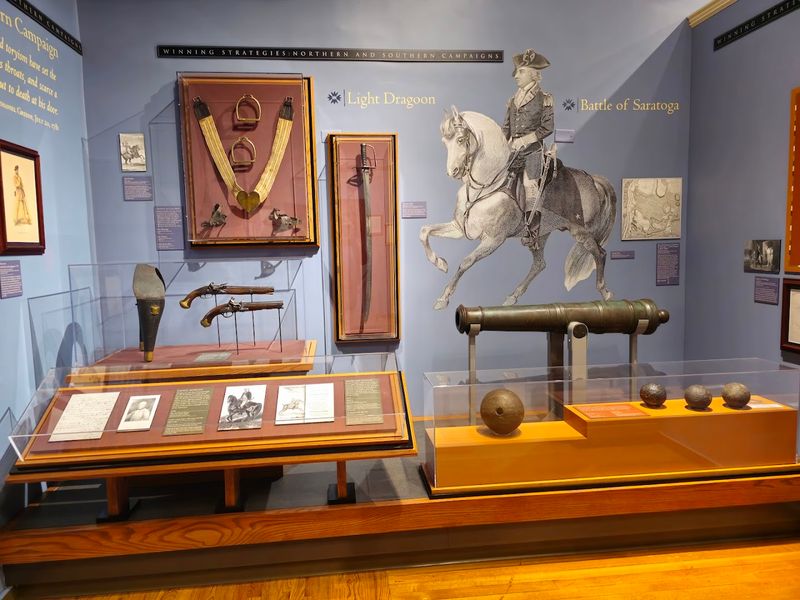
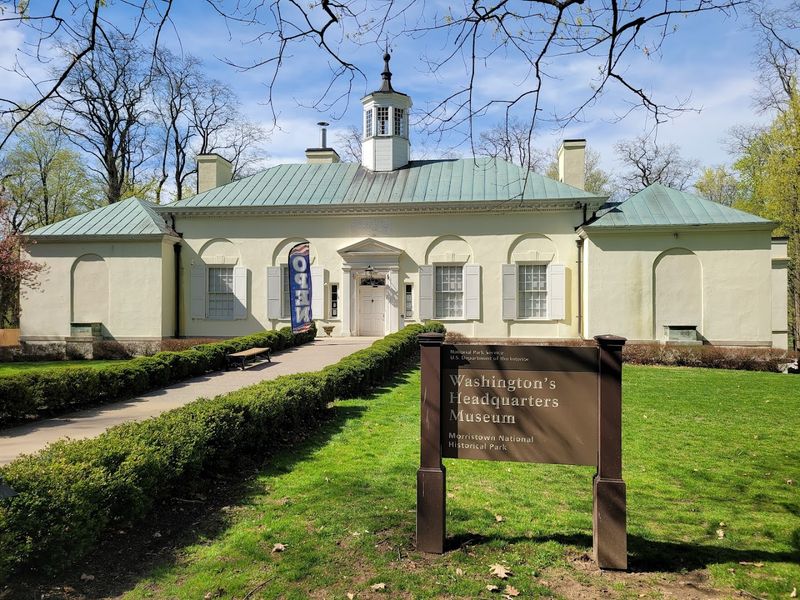
The Washington’s Headquarters Museum, located adjacent to the Ford Mansion, holds one of the most impressive collections of Revolutionary War artifacts in the country. Among the standout pieces is George Washington’s inaugural sword, which draws attention for its craftsmanship and its direct connection to the man who led the Continental Army.
The museum also houses rare books from the colonial era, a harpsichord, military equipment from the Revolutionary War period, and objects that reflect everyday life in eighteenth-century America. The exhibits are arranged in a way that guides the visitor logically through the timeline of the Morristown encampment and its place in the broader war effort.
One particularly engaging interactive exhibit asks visitors to make decisions as if they were Washington himself, weighing advice from different officers. The museum also shows a fifteen-minute introductory film that provides excellent context before exploring the rest of the park’s four sites.
Jockey Hollow and the Soldiers Who Survived the Unthinkable
A few miles from the Ford Mansion, Jockey Hollow is where the bulk of the Continental Army actually camped during the brutal winter. Thousands of soldiers built log huts in this forested area, constructing a temporary city that stretched across the hills and valleys of what is now a preserved woodland in Morris County.
Today, reconstructed soldier huts stand in the park, giving a tangible sense of just how cramped and cold those conditions were. Each hut was shared by multiple men, with little insulation and a small fireplace as the only source of heat against record-breaking cold.
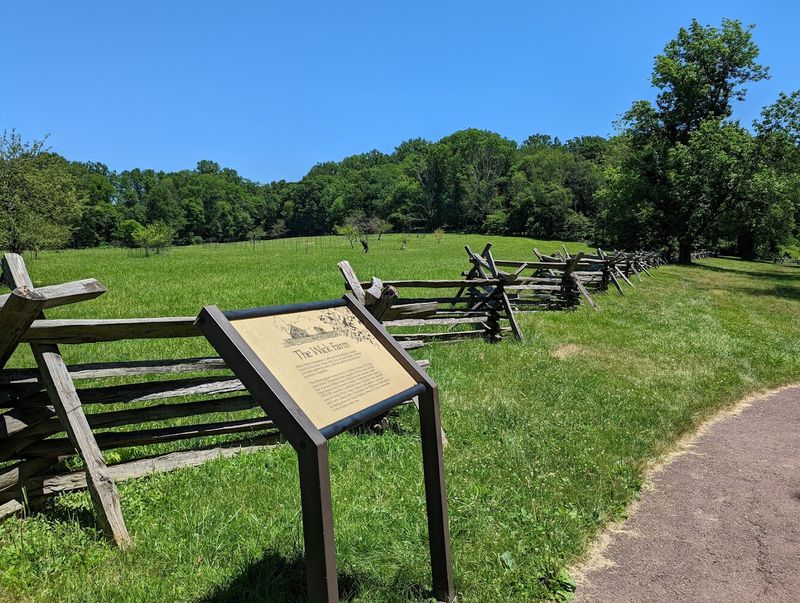
Jockey Hollow also features several hiking trails that wind through the same terrain the soldiers once occupied. Historical markers are placed throughout the area, and the Wick Farmhouse offers additional guided tours with park rangers.
The combination of natural surroundings and historical depth makes Jockey Hollow one of the most layered parts of the entire park.
The Wick House and Its Slice of Colonial Farm Life
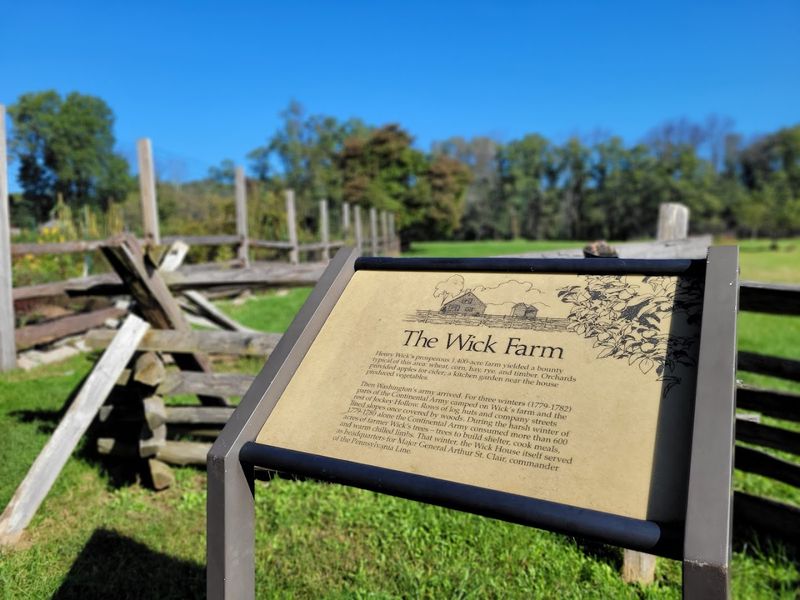
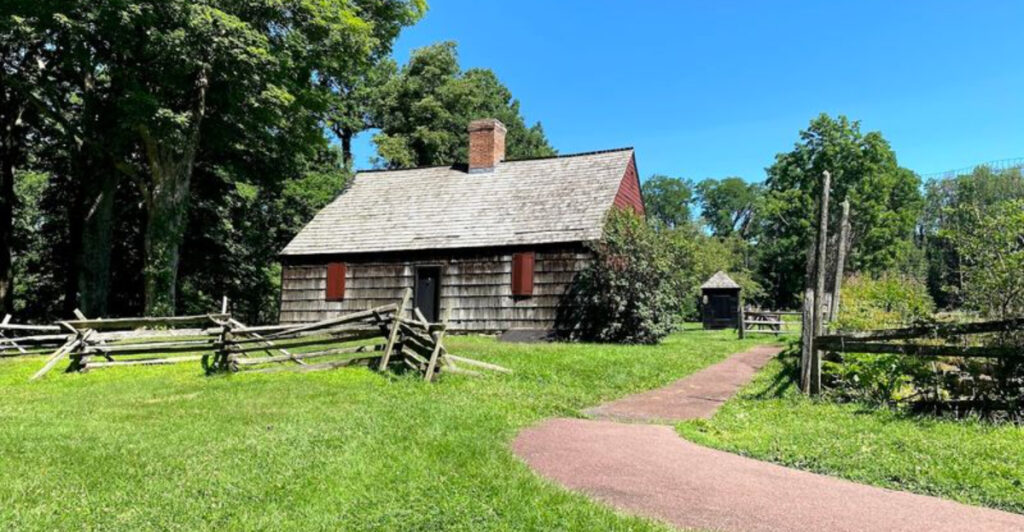
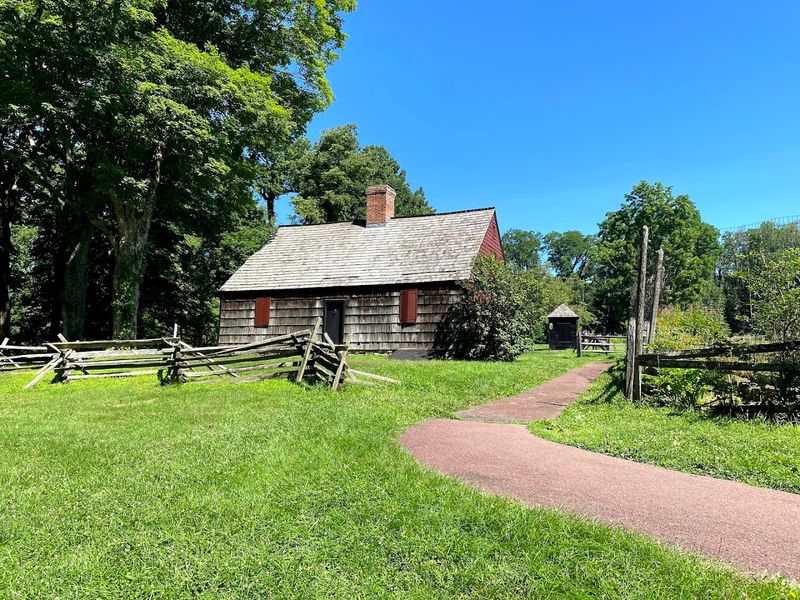
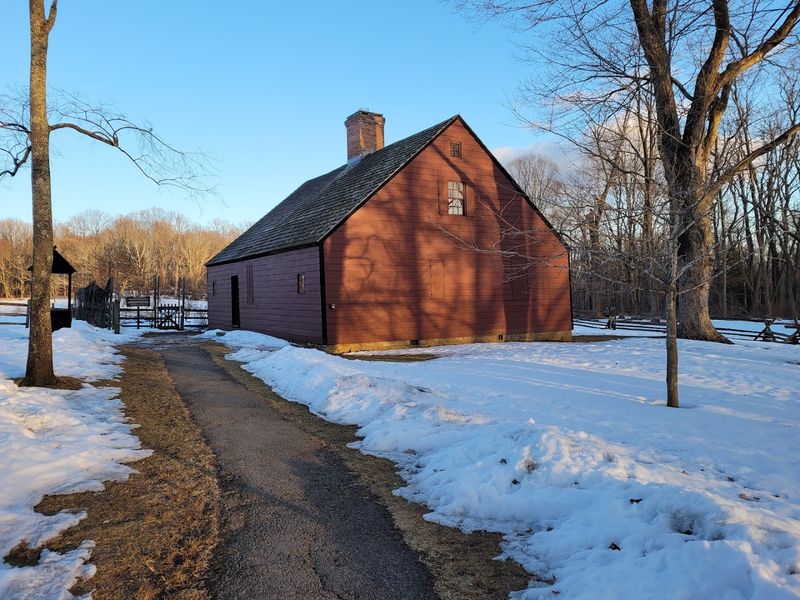
Tucked within the Jockey Hollow section of the park, the Wick House is a well-preserved colonial farmhouse that belonged to Henry Wick and his family during the Revolutionary War period. Unlike the Ford Mansion, which served as Washington’s headquarters, the Wick House represents the civilian experience during the encampment years.
The Wick family continued to live on their property even as thousands of soldiers set up camp in the surrounding woods. Their home became a window into the daily routines, challenges, and quiet resilience of ordinary colonial families caught up in the middle of a war they had not started.
Park rangers lead free guided tours of the Wick House, and the experience is notably different from the Ford Mansion tour in tone and detail. The farmhouse setting, surrounded by mature trees and open fields, adds to the authenticity of the visit and rounds out the picture of life at Morristown during this pivotal period.
Fort Nonsense and the View That Earned Its Name
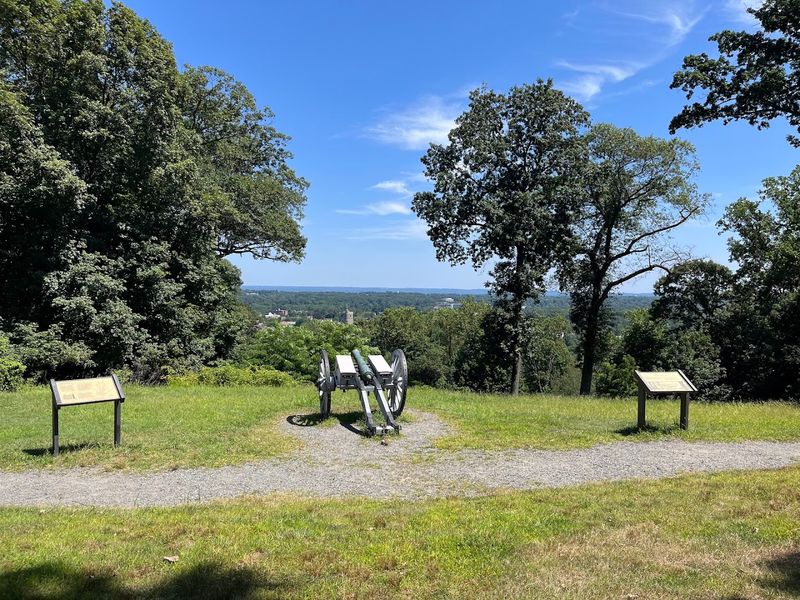
Fort Nonsense is one of the more quirky-named landmarks in American military history, and it sits on a hill in Morristown with a view that stretches toward New York City on a clear day. Washington ordered the construction of this earthwork fortification in 1777, and the name reportedly came from soldiers who thought the project was pointless busy work meant to keep them occupied and out of trouble.
Whether or not that story is entirely accurate, the fort’s outline is still visible today, and historical plaques around the site explain its strategic purpose and construction history. On a clear day, the tops of some of New York City’s tallest buildings, including One World Trade Center, are visible from the overlook.
The site is also a pleasant spot for a short walk or a picnic, and the elevation gives it a different character from the wooded trails of Jockey Hollow. It is a quick but worthwhile stop on any full-day visit to the park.
Free Admission and What That Really Means for Families
Entry to Morristown National Historical Park is free, which is one of the more pleasant surprises for families planning a day out in New Jersey. The Ford Mansion tours are also free, with tickets distributed at the museum on a first-come, first-served basis, so arriving early during peak season is a smart move.
For families with children, the museum offers a dedicated children’s section that brings the history to life through hands-on and interactive elements. The fifteen-minute introductory film is accessible to younger audiences and sets up the broader story in a way that holds attention without overwhelming detail.
The park’s multiple sites mean families can tailor their visit based on age and interest. The hiking trails at Jockey Hollow work well for active kids, while the museum and mansion tours suit those who prefer a more structured experience.
The combination of no admission cost and genuine educational value makes this one of the better free outings in the state.
Hiking Trails That Double as History Lessons
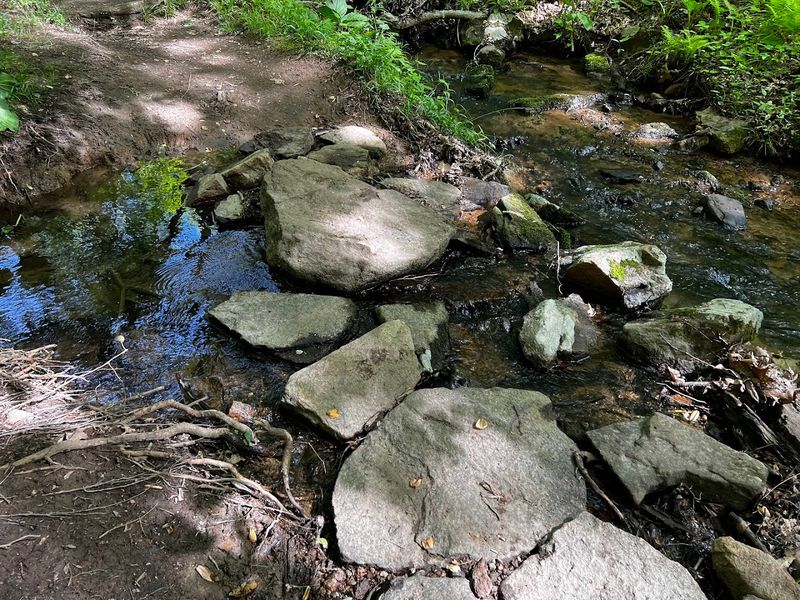
Beyond the museum and mansion, Morristown National Historical Park offers a network of hiking trails that run through the same landscape where Continental Army soldiers once camped, drilled, and endured the worst winter of the eighteenth century. The trails are well-maintained and clearly marked, with maps available at the visitor center.
Most of the trails at Jockey Hollow range from moderate to easy, making them accessible to a wide range of fitness levels. The outer loop is one of the more popular routes, passing through mature forest with small creeks and ponds along the way.
Benches at several viewpoints offer places to stop and take in the surroundings.
Historical markers are placed at regular intervals throughout the trail system, so a simple hike becomes an outdoor history lesson without any extra effort. The trail leading to the reconstructed soldier huts involves a steeper grade and an unpaved surface, so sturdy footwear is recommended for that particular route.
Special Events and Why the Fourth of July Hits Different Here
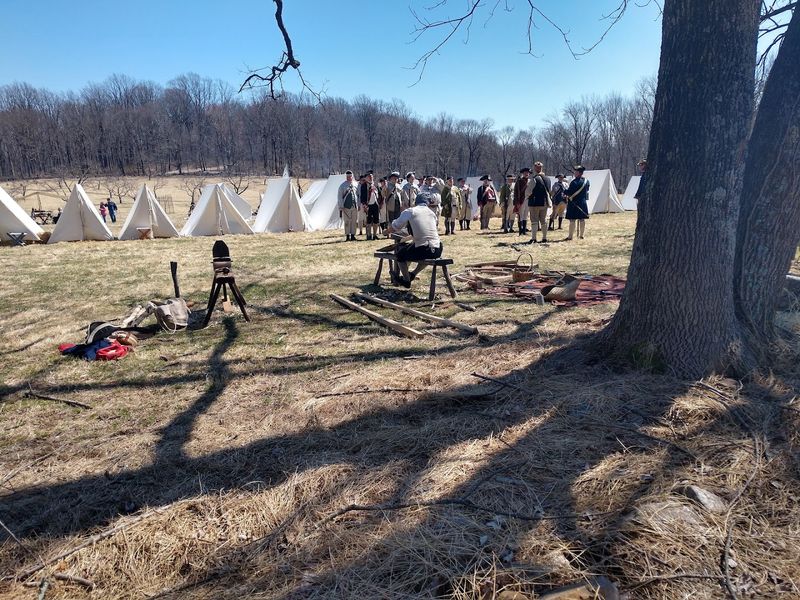
On certain holidays and special dates, Morristown National Historical Park transforms into something closer to a living history experience. The Fourth of July is one of the most notable days to visit, with reenactments, readings of the Declaration of Independence, and musket firing demonstrations that bring the eighteenth century to life in a way that static exhibits simply cannot.
Washington’s Birthday in February is another occasion marked with special programming at the park, connecting the date to the man whose presence defined this place. These events draw larger crowds than typical weekdays, so planning ahead and arriving early helps make the most of the experience.
The park’s ranger-led tours are consistently noted for being engaging, interactive, and informative rather than just a recitation of dates and names. Rangers across all three main sites, including the Ford Mansion, the Wick House, and Jockey Hollow, bring genuine enthusiasm to their presentations, which makes a considerable difference in how the history lands with visitors.
What the Museum Gets Right About Storytelling
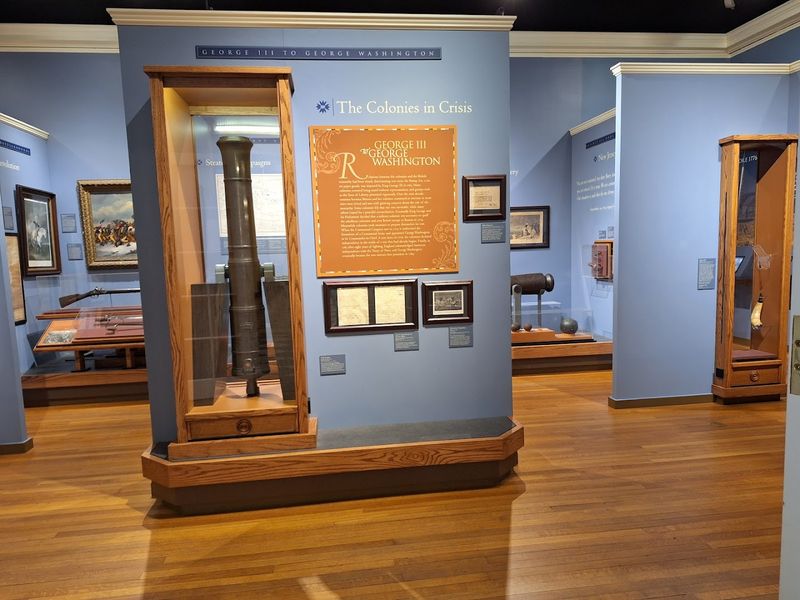
History museums can sometimes feel like a parade of glass cases and long text panels, but the Washington’s Headquarters Museum at Morristown takes a different approach. The exhibits are designed to pull visitors into the decision-making process of the Revolutionary War rather than just presenting facts at a distance.
One of the standout interactive features puts visitors in Washington’s position, presenting them with competing advice from different officers and asking them to choose a course of action. This format works for adults and older children alike, making the strategic complexity of the war accessible without oversimplifying it.
The museum also benefits from the quality of its actual artifact collection, which includes Washington’s inaugural sword, colonial-era books, and everyday objects from the eighteenth century. The combination of strong physical artifacts and thoughtful interactive design gives the museum a depth that rewards both casual visitors and those with a deeper interest in the Revolutionary period.
Practical Tips for Planning Your Visit
The park is open Thursday through Sunday from 10 AM to 4 PM, and it is closed Monday through Wednesday. Arriving close to opening time on weekends is advisable, especially if a Ford Mansion tour is on the agenda, since tickets are distributed on a first-come, first-served basis and tours fill up faster than expected during busy periods.
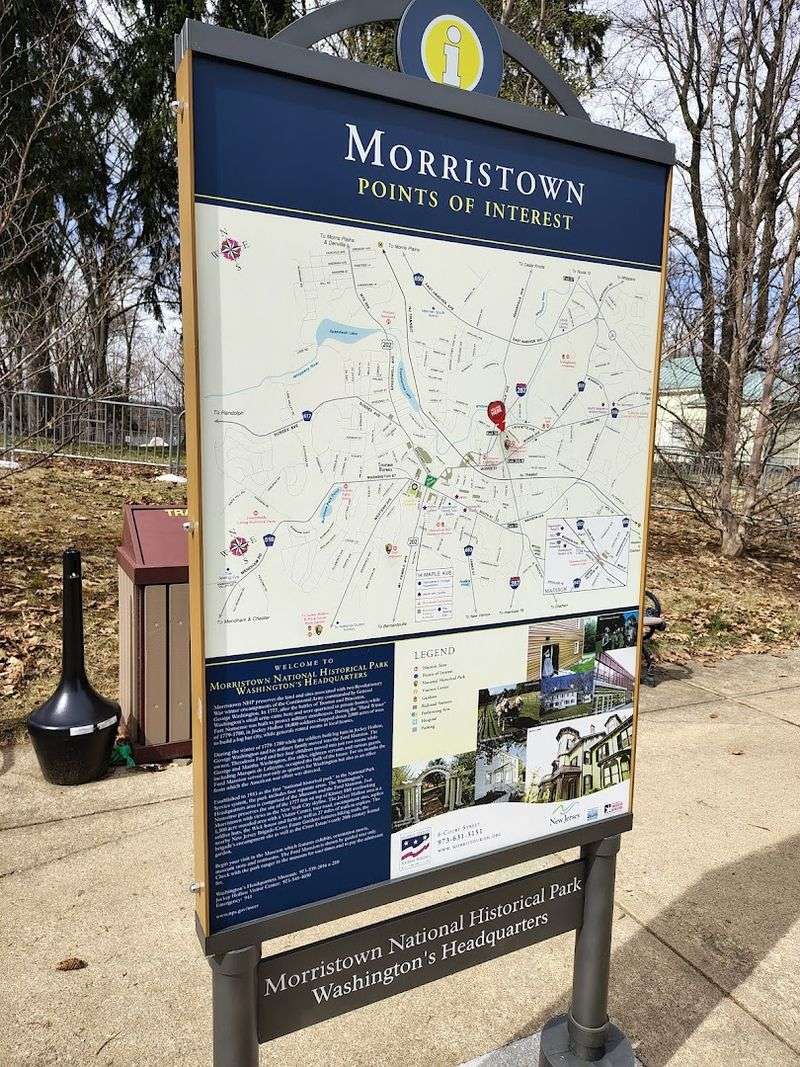
The park’s four main sites, the Washington’s Headquarters Museum, the Ford Mansion, Fort Nonsense, and Jockey Hollow, are spread across different locations in and around Morristown, so driving between them is necessary. Allocating at least three to four hours for a full visit covering all sites is a reasonable estimate.
The trail to the reconstructed soldier huts at Jockey Hollow involves a steep, unpaved path that is not accessible for everyone, so checking trail conditions in advance is a good idea. The park’s official website through the National Park Service provides updated information on hours, events, and any ongoing construction or closures.
Why This Park Deserves More Attention Than It Gets
Valley Forge gets most of the attention when people talk about the hardships of the Continental Army, but the winter at Morristown was, by historical measures, more severe. The snowfall was deeper, the temperatures were lower, and the supply situation was arguably worse.
Yet Morristown remains far less known outside of New Jersey and among dedicated history enthusiasts.
Part of what makes this park worth a closer look is exactly that gap between its historical significance and its public profile. The story it tells is not a comfortable or triumphant one; it is about an army on the edge of collapse finding a way to hold together through sheer persistence.
That kind of story does not always make it into the highlight reel of American history education, which is what makes a visit here feel genuinely revelatory. The park earns its place among the country’s most important Revolutionary War sites, and the combination of free admission, strong exhibits, and layered outdoor experiences makes it easy to recommend without reservation.
Share this story