Barcelona is one of Europe’s most thrilling cities, packed with stunning architecture, delicious food, and vibrant street life. But even the best vacations can go sideways fast when you walk into common tourist traps.
Knowing what to avoid before you arrive can save you time, money, and a whole lot of headaches. Here are the biggest mistakes to skip so your Barcelona trip stays smooth, fun, and memorable.
Don’t Keep Your Phone in Your Back Pocket
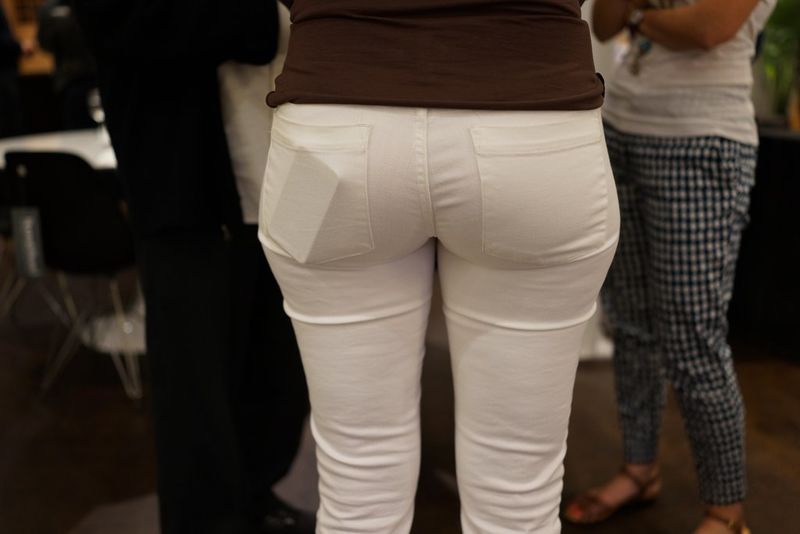
Barcelona’s pickpocketing reputation is not just a rumor. The city consistently ranks among Europe’s top spots for petty theft, and La Rambla is practically the pickpocket Olympics.
Thieves work in well-practiced teams, using bumps, distractions, or fake arguments to lift your valuables in seconds flat.
Your back pocket is basically a gift-wrapped invitation. Phones, wallets, and passports disappear there faster than your tapas order.
Switching to a front zip pocket or a crossbody bag with a secure clasp makes a huge difference in keeping your belongings safe.
Metro stations, crowded markets, and busy tourist attractions are especially high-risk zones. A money belt worn under your clothing is one of the smartest investments you can make before the trip.
Staying aware of your surroundings and keeping bags in front of you at all times dramatically lowers your chances of becoming a statistic on a travel forum warning post.
Don’t Eat Right on La Rambla
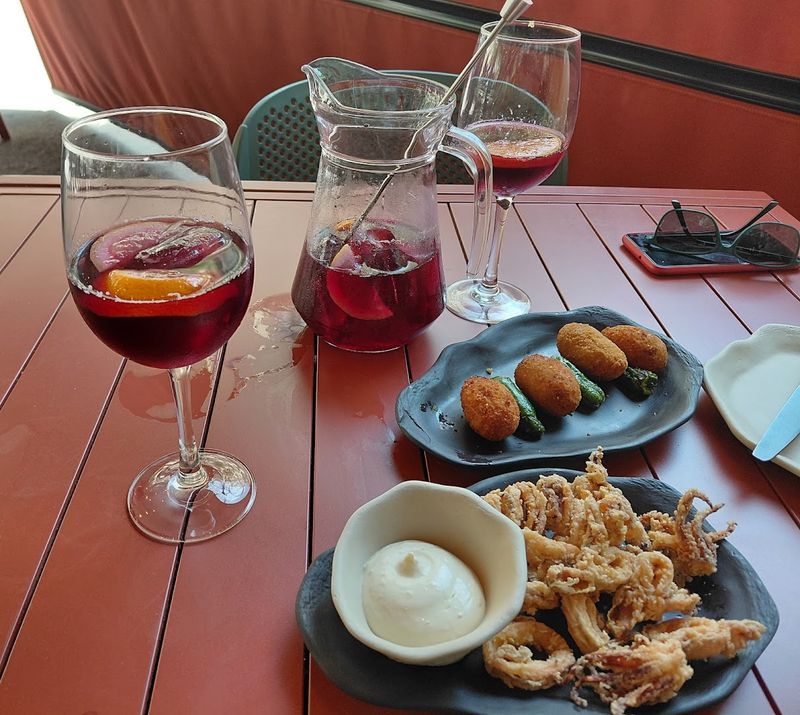
Eating on La Rambla feels like the obvious choice when you first arrive. The boulevard is lively, the tables look inviting, and the menus are conveniently written in six languages.
That last detail should actually be your first warning sign.
Restaurants lining La Rambla are almost entirely built for tourists who do not know better yet. Prices are inflated, portions are disappointing, and the food rarely reflects authentic Catalan or Spanish cooking.
Many locals would not be caught dead dining there on a regular Tuesday.
A five-minute walk into El Born, Poble-sec, or Gràcia opens up a completely different world of eating. Smaller restaurants with handwritten menus and mostly local customers are where the real flavor lives.
Look for a good-value lunch menu called the menu del dia, which usually includes multiple courses, bread, and a drink for a very reasonable price. Your stomach and your wallet will both thank you for making the extra effort to explore just a little further off the main drag.
Don’t Buy Attraction Tickets From Street Sellers
Fake tickets near Barcelona’s top attractions are shockingly convincing. Outside Sagrada Familia and Park Guell, you will find confident sellers offering tickets that look completely legitimate until you try scanning them at the entrance and nothing happens.
Street sellers often claim they have spare tickets from canceled plans or group bookings. The prices sound reasonable, which is exactly the point.
Some scammers charge more than the official price while delivering a useless QR code that gets you nothing but embarrassment at the gate.
Always buy tickets directly through the official websites of each attraction. Sagrada Familia in particular sells out weeks in advance during peak season, so booking early online is genuinely necessary rather than just a good idea.
Park Guell also requires timed entry tickets for the monumental zone, and these sell out too. Purchasing through the official channels guarantees valid entry, correct timing, and often a smoother overall experience.
If a deal sounds suspiciously convenient on a crowded street corner, trust that instinct completely and walk past without stopping.
Don’t Assume Every Taxi Is Honest
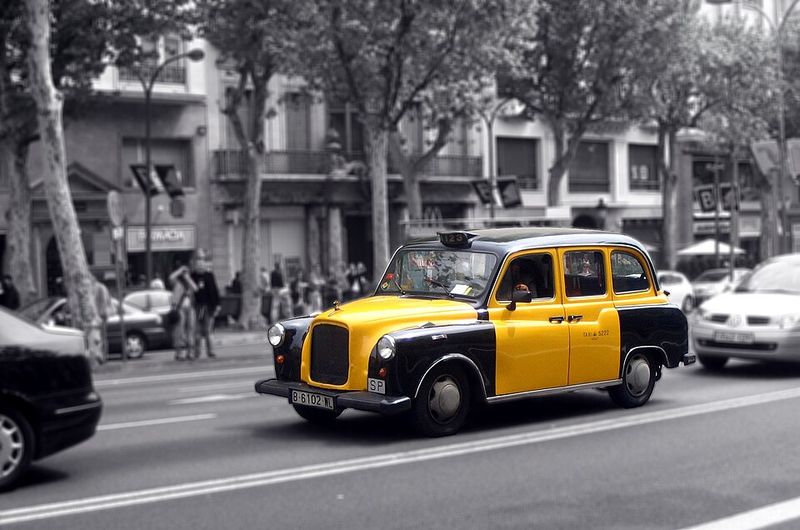
Most Barcelona taxi drivers are perfectly honest, hardworking professionals. But the ones who are not tend to cluster near the airport, cruise terminals, and major tourist landmarks where confused newcomers are easiest to spot and overcharge.
Common tricks include conveniently forgetting to start the meter, taking scenic detours that add several euros to the fare, or quoting a flat rate that sounds fair but is actually double what the meter would show. Official Barcelona taxis are always black and yellow, which at least helps you spot unlicensed vehicles.
Rideshare apps like Cabify or Bolt are popular alternatives because the fare is calculated and displayed before you even get in the car. If you do take a taxi, politely confirm the meter is running right after you get in.
Knowing the approximate fare beforehand using Google Maps gives you a useful reference point. Airport trips have regulated fixed rates to central Barcelona, so ask your hotel about the expected cost before you land to avoid any awkward surprises at the end of a long flight.
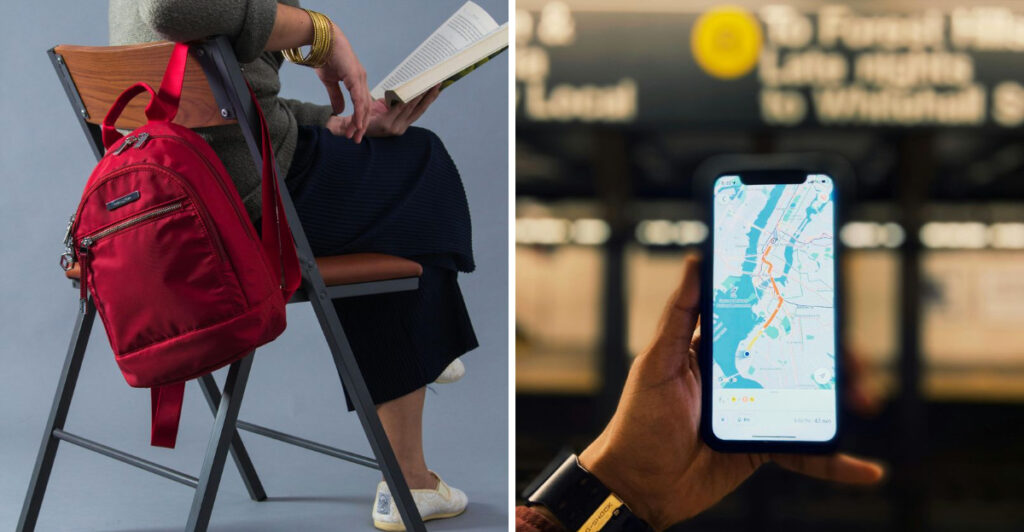
Don’t Leave Your Bag Hanging on a Chair
Outdoor cafe culture in Barcelona is genuinely wonderful. The coffee is strong, the people-watching is excellent, and the sunshine is usually glorious.
Unfortunately, those charming open-air terraces are also a favorite hunting ground for bag snatchers.
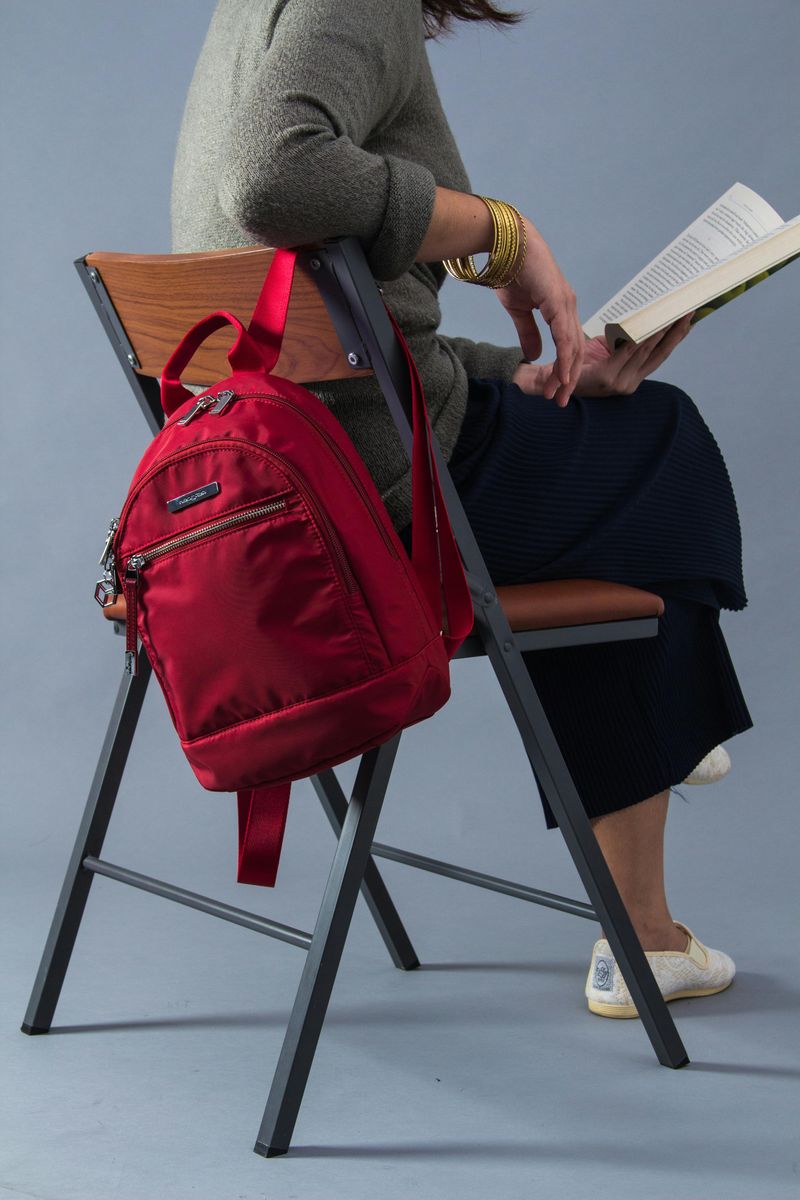
Hanging your bag on the back of a chair is one of the most common mistakes tourists make. Thieves can grab it and be gone before you even register what happened.
A bag on an empty seat beside you is equally vulnerable, especially when you are deep in conversation or distracted by your food.
The simple fix is to loop your bag strap around your leg or keep it on your lap where you can feel it at all times. Some travelers use small carabiner clips to attach their bag to the chair frame, which at least slows a thief down.
Being seated does not mean being safe in busy tourist areas. A quick moment of distraction is genuinely all it takes.
Staying slightly alert even during relaxed moments is the kind of low-effort habit that pays off every single time you sit down somewhere new.
Don’t Visit Only the Gothic Quarter
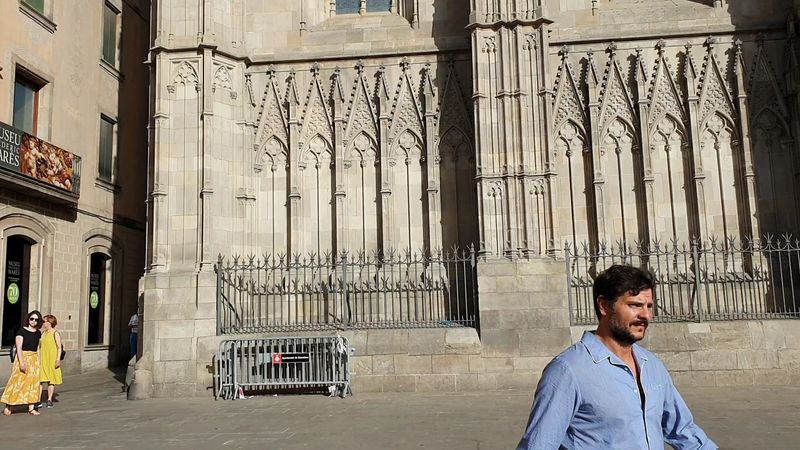
The Gothic Quarter deserves its fame. Ancient Roman walls, narrow medieval lanes, and atmospheric plazas make it genuinely impressive.
But spending your entire Barcelona trip there is a bit like visiting Paris and never leaving the Eiffel Tower plaza.
Neighborhoods like Gracia feel like a village tucked inside a big city, full of independent bookshops, local bars, and residents who actually live there year-round. Sant Antoni has become one of the coolest spots in the city, with a beautifully renovated market and a buzzing weekend scene that locals genuinely love.
Poblenou, once an industrial district, now hosts creative studios, excellent restaurants, and a relaxed beach area without the chaos of Barceloneta. El Born sits right next to the Gothic Quarter but feels noticeably calmer and more stylish.
Exploring beyond the obvious zones transforms Barcelona from a postcard into a real, breathing city. You will eat better, spend less, and interact with people who are not reading from the same tourist guidebook as everyone else around you.
Give yourself permission to get a little lost in the less-charted streets.
Don’t Ignore Local Dining Hours
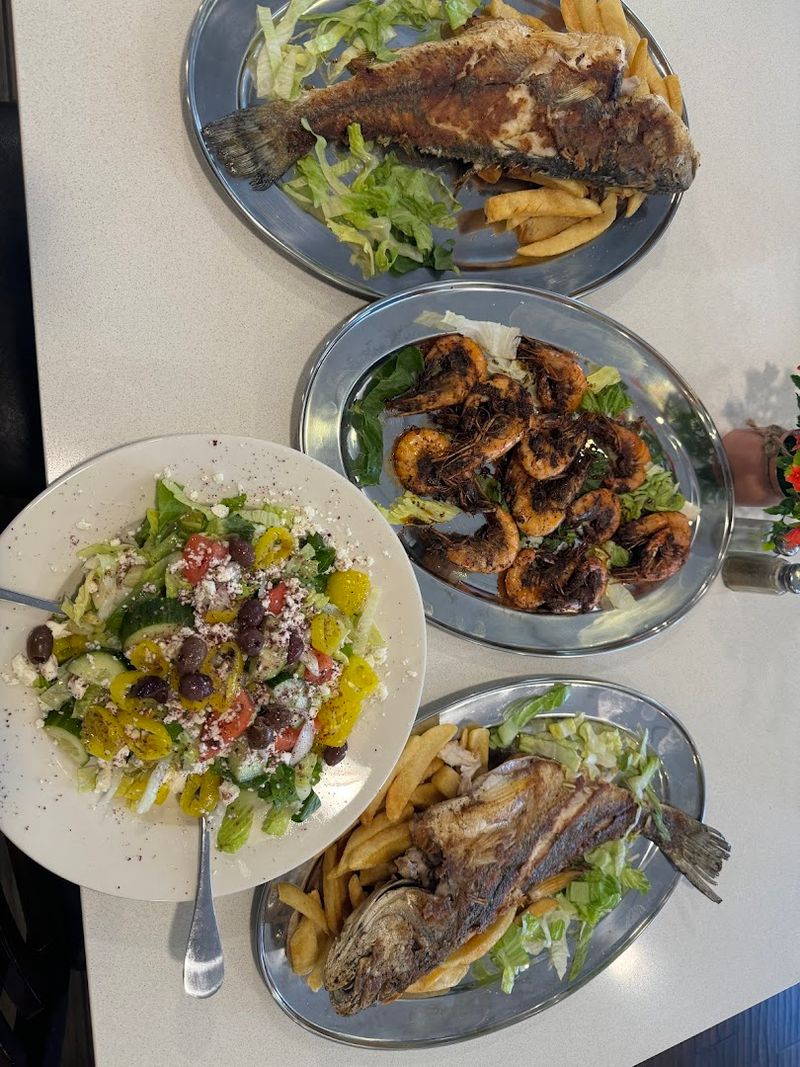
Showing up hungry at a Barcelona restaurant at 6 p.m. is a reliable way to find locked doors and confused looks from staff setting up for the evening. Spain runs on a schedule that feels almost rebelliously late to visitors from northern Europe or North America.
Lunch is the main meal of the day and typically runs from around 2 p.m. to 4 p.m. Dinner rarely gets going before 9 p.m., and restaurants that open at 8 p.m. are considered early by local standards.
Kitchens that open at 7 p.m. usually cater exclusively to tourists and often charge accordingly.
Adapting to Barcelona’s rhythm makes the whole trip more enjoyable. Have a late breakfast, enjoy a proper long lunch, snack on pintxos or a bocadillo in the early evening, and then settle in for dinner when the city actually comes alive.
The midday menu del dia is one of the best deals in any Spanish city, offering multiple courses at a fraction of dinner prices. Fighting the local schedule only leads to frustration and mediocre meals eaten in half-empty tourist restaurants that never really close.
Don’t Walk Around Distracted With Google Maps
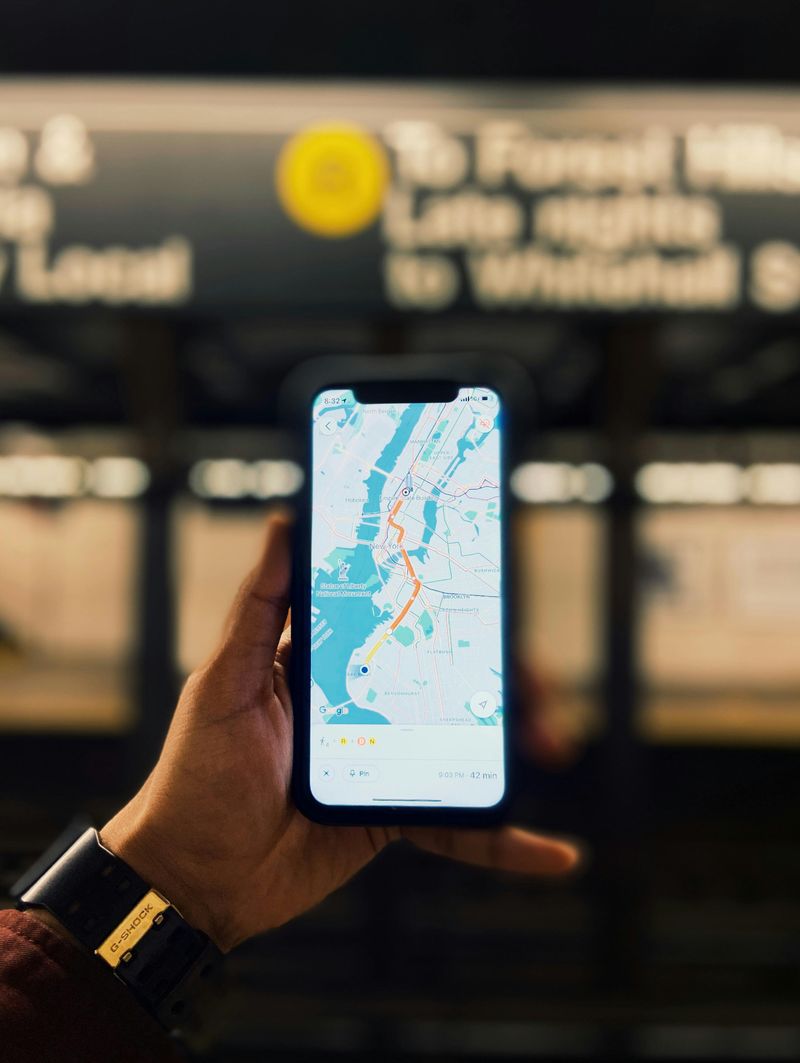
Nothing announces “I have no idea where I am” quite like standing frozen on a busy Barcelona pavement, phone held at arm’s length, slowly rotating to figure out which direction is north. It is also one of the clearest signals a pickpocket could ever hope to receive.
Thieves specifically look for distracted walkers. Stopping suddenly in a crowd, staring at your screen, or holding your phone loosely while navigating all create easy opportunities for a quick snatch-and-run.
The busiest areas near La Rambla and the Gothic Quarter are where this happens most often.
A smarter approach is to check your route before leaving a cafe or shop, memorize the next few turns, and pocket your phone before stepping back onto the street. Downloading offline maps through Google Maps or Maps.me means you can navigate without burning data and without waving a glowing rectangle at every potential thief nearby.
A small printed map from your hotel works surprisingly well too. Confident, purposeful walking with your phone tucked away makes you look like someone who belongs there, which is genuinely the best theft deterrent available.
Don’t Wear Beach Clothes Everywhere

Barceloneta Beach is fantastic, and no one will bat an eye at swimwear there. The moment you wander more than a few blocks inland wearing nothing but a bikini top and flip flops, however, the atmosphere shifts noticeably and not in your favor.
Barcelona has actually introduced fines for people wearing swimwear in city areas away from the beach. The rules target the commercial streets, markets, and public transport rather than the waterfront zone itself.
Beyond the legal side, locals find it genuinely disrespectful and it contributes to the growing tension between residents and mass tourism in the city.
Throwing a light dress, shorts, or a linen shirt over your swimwear takes about four seconds and immediately changes how you are perceived. It also helps you blend in rather than advertising your tourist status to every scammer in the vicinity.
Barcelona is a stylish city where people take their appearance seriously even on casual days. Matching that energy even slightly earns you more respect, better service in restaurants, and a much warmer reception from the locals you interact with throughout the day.
Don’t Underestimate the Summer Heat
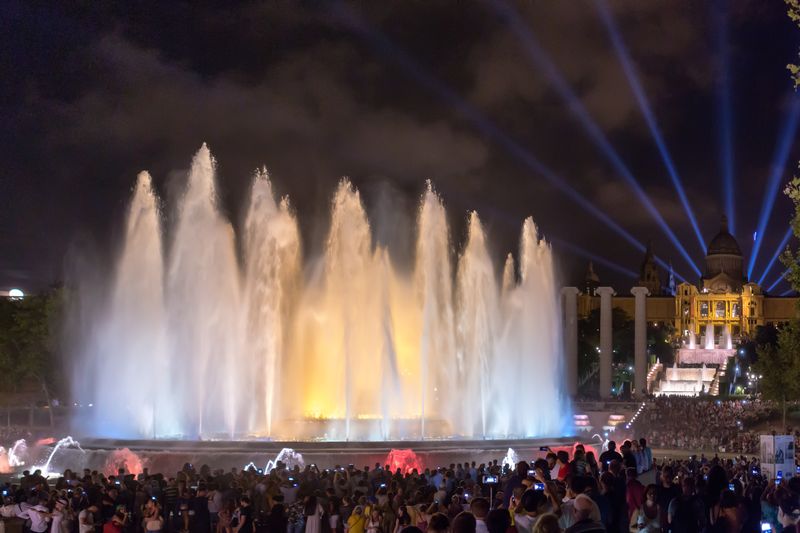
July and August in Barcelona are not just warm. They are the kind of hot that makes you question every life choice that led you to stand in a queue outside a stone cathedral at noon without water.
The humidity rolls in from the Mediterranean and makes the heat feel even heavier than the thermometer suggests.
Midday sightseeing during peak summer is genuinely exhausting and potentially risky for children and older travelers. Long lines at Sagrada Familia or Park Guell become almost unbearable when the sun is directly overhead and there is no shade in sight.
Many experienced travelers plan outdoor sightseeing for early morning or early evening when temperatures drop and the golden light makes everything look better anyway.
Carrying a reusable water bottle is essential. Barcelona has hundreds of public drinking fountains scattered throughout the city that offer free, clean, cold water.
Wearing light-colored, breathable fabrics and applying sunscreen generously are basics that tourists frequently skip in the excitement of arrival day. A midday break back at the hotel or in an air-conditioned museum is not laziness.
It is the kind of smart pacing that keeps you energized enough to actually enjoy the evenings, which are when Barcelona truly comes alive.
Don’t Try to See Everything in One Day
Some travelers arrive in Barcelona with a list that includes Sagrada Familia, Park Guell, the Gothic Quarter, Barceloneta Beach, the Picasso Museum, Montjuic, and a flamenco show, all before dinner on day one. This is not a travel plan.
It is a stress test.
Rushing between landmarks means you never actually experience any of them properly. You end up with blurry photos, sore feet, and the nagging feeling that you saw everything without feeling anything.
Barcelona is a city that genuinely rewards slowing down and letting things unfold at a human pace.
A more satisfying approach is to pick two or three highlights per day and leave breathing room between them. Wander into a neighborhood without a specific goal.
Sit at a terrace and watch the city move around you. Discover a bakery by smell alone.
Some of the best Barcelona memories come from completely unplanned moments that could only happen when you were not sprinting toward the next scheduled attraction. Booking major sites in advance and spreading them across multiple days makes each one feel special rather than just another checkbox on an increasingly exhausting list.
Don’t Stay Only Near La Rambla
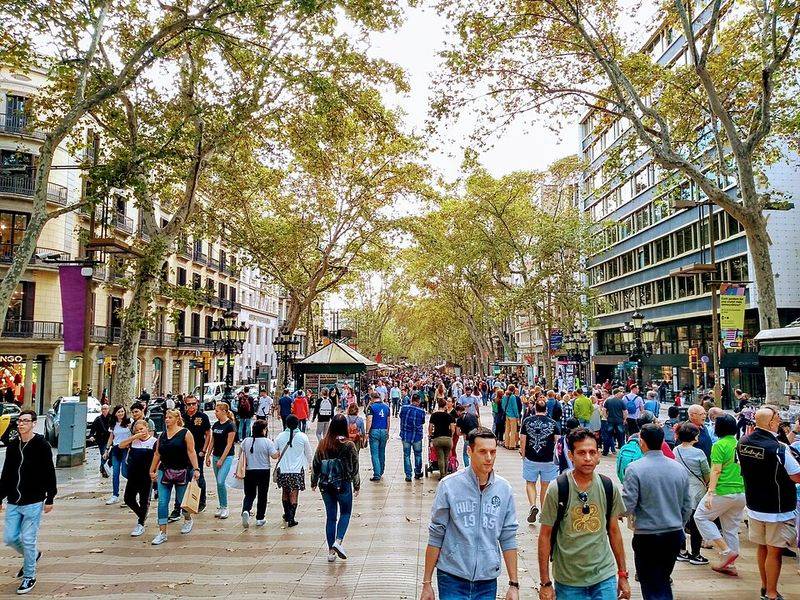
Booking accommodation right on or near La Rambla seems like the ultimate central location until you are trying to sleep through the noise at 2 a.m. while someone directly below your window argues about something in four different languages.
The area around La Rambla is undeniably convenient, but it is also one of the noisiest, most heavily scammed, and most crowded stretches of real estate in the entire city. Hotels there often charge premium prices for the privilege of being surrounded by tourist shops selling the same ceramic tiles and FC Barcelona jerseys in every single window.
Neighborhoods like Eixample offer wide, walkable boulevards, excellent transport connections, and some of the city’s best restaurants and bars at more reasonable prices. El Born puts you close to the Gothic Quarter and Barceloneta without the constant noise and crowd density.
Gracia feels like a proper neighborhood where you can buy groceries, chat with locals, and forget you are in one of Europe’s most visited cities. Staying slightly off the main tourist corridor does not mean sacrificing convenience.
It usually means gaining a far more authentic and enjoyable version of Barcelona that most visitors never actually get to experience.
Share this story