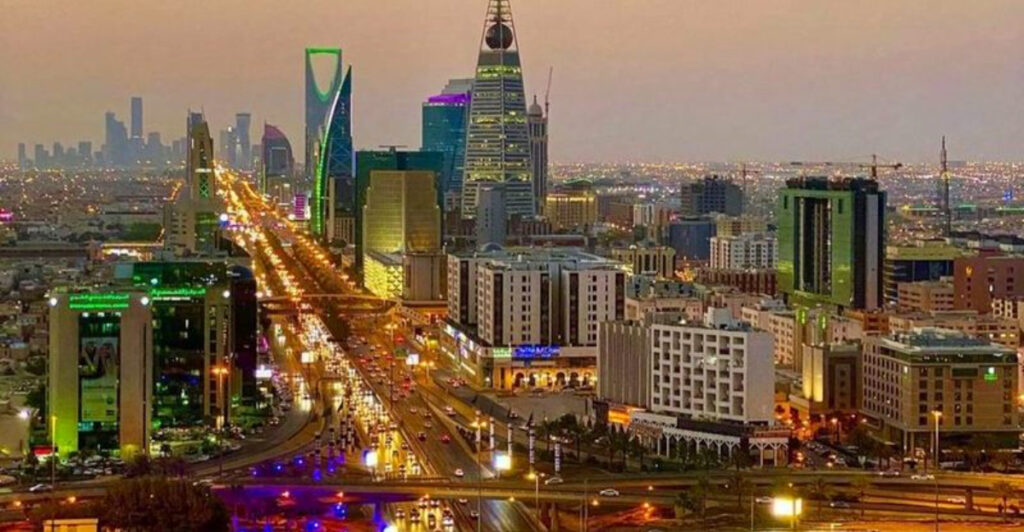
Some cities just have a way of making you feel alive the moment you step off the plane. Whether it’s the smell of street food, the buzz of a packed nightlife district, or the sight of a skyline that looks like the future, these places have something magnetic going on.
Right now, in 2026, a handful of cities around the world are pulling in travelers at record levels. From reinvented classics to fast-rising newcomers, here are the hottest travel cities on the planet right now.
Tokyo, Japan
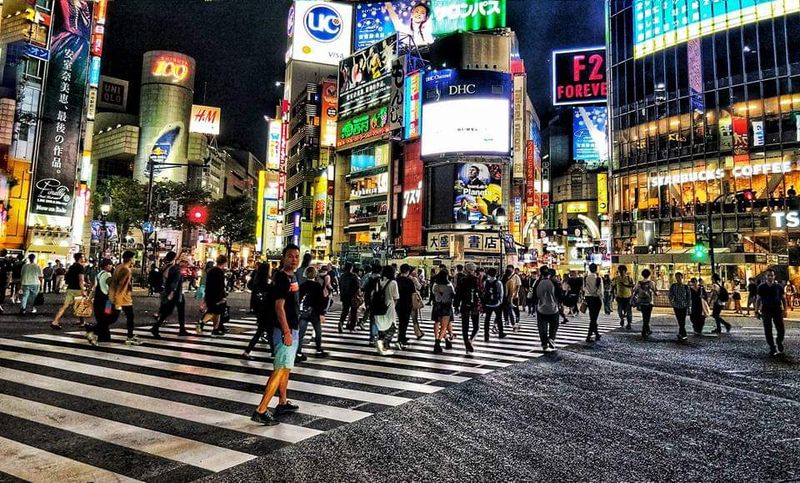
Nobody does sensory overload quite like Tokyo, and somehow it still feels completely manageable. The city runs like clockwork, the food is extraordinary at every price point, and there is always a new neighborhood waiting to surprise you.
Shibuya, Shinjuku, and Harajuku each feel like entirely different cities packed into one massive, endlessly fascinating metropolis.
Japan’s tourism boom has pushed Tokyo back to the very top of global travel wish lists. Travelers are not just chasing cherry blossoms anymore.
They are booking for anime districts, robot restaurants, world-class ramen spots, and quiet temple gardens tucked between skyscrapers.
First-timers are often shocked by how easy it is to get around despite the language barrier. The subway system is famously precise, convenience stores sell better food than most restaurants back home, and locals are genuinely helpful.
Tokyo rewards curious travelers who wander off the tourist trail, and honestly, getting a little lost here is half the fun. Budget smartly and you can eat like royalty without spending a fortune.
Mexico City, Mexico
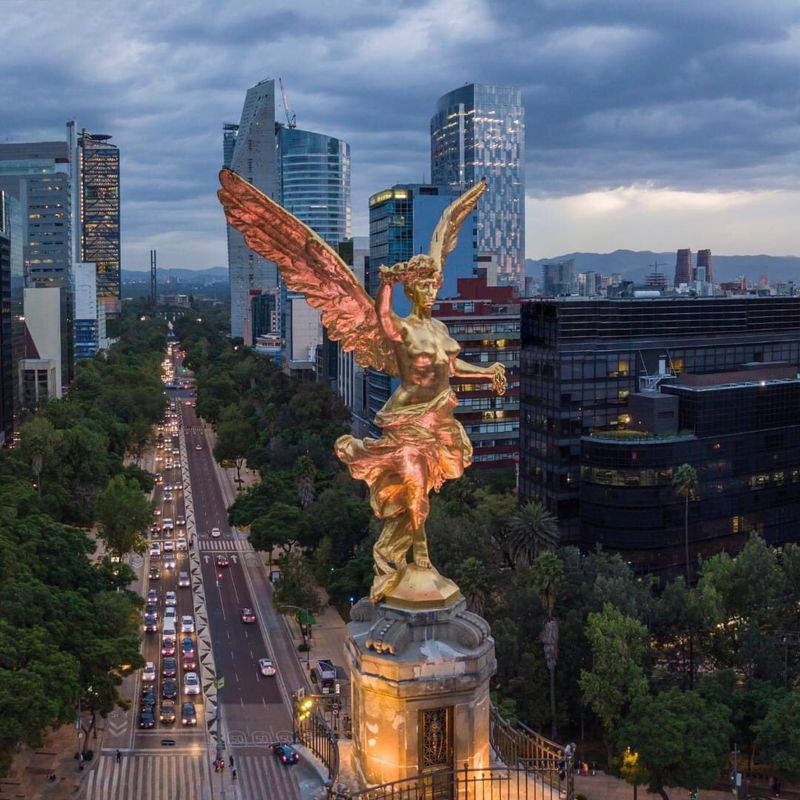
Locals call it CDMX, and right now it might be the most talked-about food city on Earth. Tacos at 2 a.m., rooftop mezcal bars, world-class fine dining, and street markets overflowing with color are all part of a typical day here.
Mexico City has quietly become the destination that food-obsessed travelers everywhere are racing to visit.
Beyond the food, the city’s art and culture scene is genuinely world-class. The Museo Frida Kahlo, the murals of Diego Rivera, and the ancient ruins of Teotihuacan sit within easy reach of trendy neighborhoods like Roma Norte and Condesa.
The 2026 FIFA World Cup has only accelerated the city’s already surging international profile.
Younger travelers especially love Mexico City for its authenticity and energy. It feels like a city that is fully itself, not performing for tourists.
Accommodation ranges from budget hostels to stunning boutique hotels, and the exchange rate remains favorable for many international visitors. The only real challenge is deciding what to eat first.
Spoiler: start with the tacos al pastor and work your way forward from there.
Seoul, South Korea
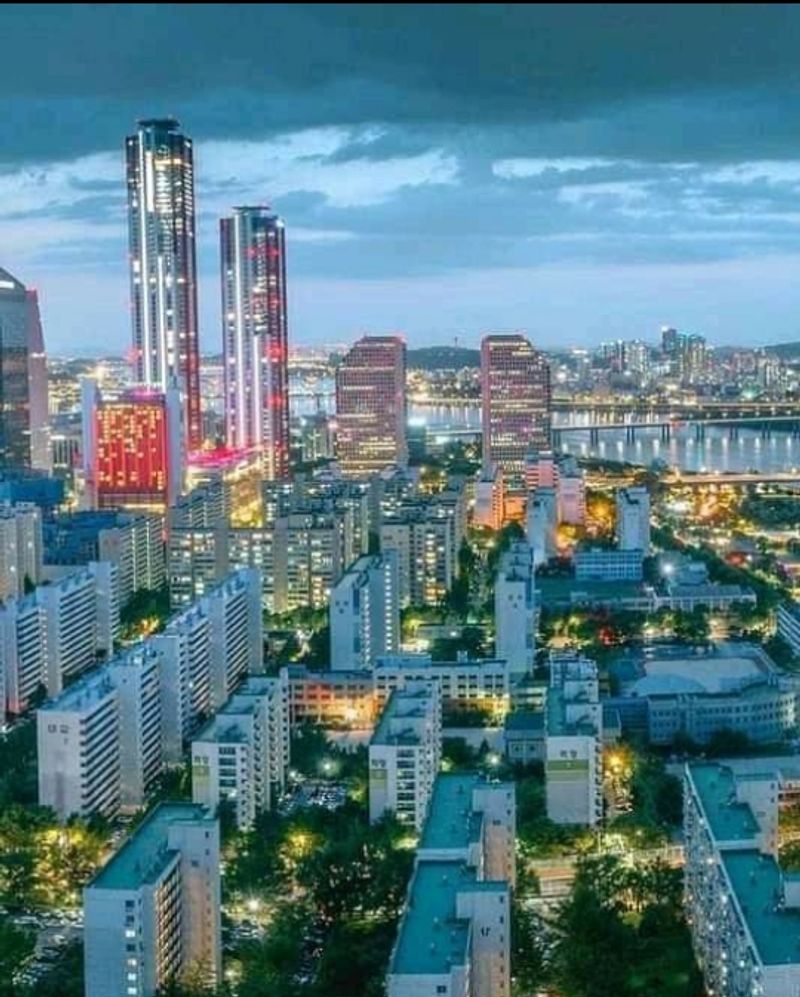
K-pop put Seoul on the map for millions of fans worldwide, but the city has so much more going on beneath the surface. From cutting-edge skincare clinics to centuries-old palaces, Seoul manages to feel simultaneously ancient and futuristic in a way that genuinely few cities can pull off.
The energy here is contagious and completely unique.
Street food in Seoul deserves its own travel itinerary. Tteokbokki, Korean fried chicken, hotteok pancakes, and corn dogs piled high with toppings are available at nearly every corner market.
Neighborhoods like Hongdae pulse with live music and late-night creativity, while Insadong offers a calmer, more traditional atmosphere just minutes away.
Beauty tourism has become a massive draw, with travelers flying in specifically for skincare consultations, cosmetic treatments, and shopping at massive beauty stores. The fashion scene rivals Tokyo and Paris in its creativity and confidence.
Practical tip: grab a T-money transit card the moment you land, as Seoul’s public transportation system is fast, cheap, and covers virtually every corner of the city. Budget travelers and luxury seekers alike find plenty to love here.
Lisbon, Portugal
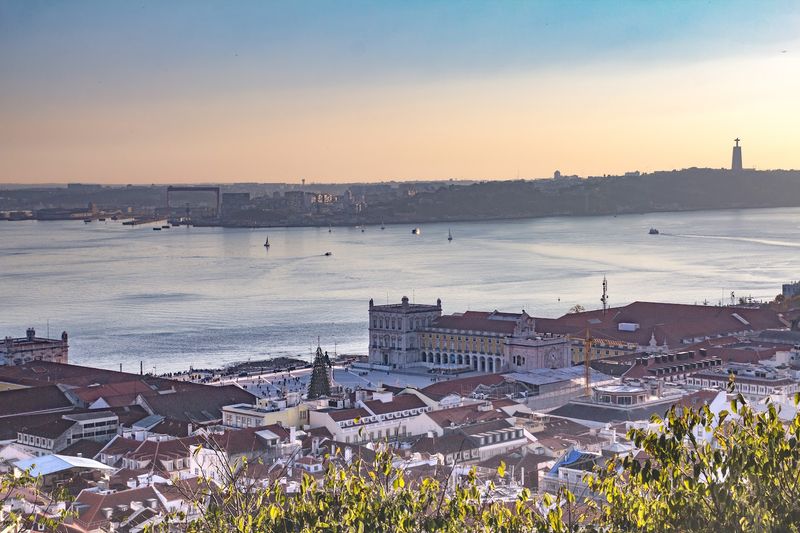
Riding a rattling yellow tram through Lisbon’s steep, sun-drenched streets is the kind of travel moment that gets burned into your memory permanently. The city has a warmth to it that goes beyond the climate.
Locals are welcoming, the pace is relaxed, and the pastéis de nata from a neighborhood bakery taste like something you will think about for years afterward.
Lisbon has become Europe’s favorite city for digital nomads, young travelers, and food lovers who want authenticity without the eye-watering price tags of Paris or London. Neighborhoods like Alfama, Bairro Alto, and LX Factory each bring a completely different vibe.
The city shifts effortlessly from historic charm to modern cool depending on which street you wander down.
Fado music performances in small, dimly lit restaurants are an absolute must. The melancholy beauty of the music paired with grilled fish and local wine is one of those experiences that feels genuinely irreplaceable.
Lisbon also works brilliantly as a base for day trips to Sintra’s fairytale palaces and the coastal town of Cascais. Affordable, beautiful, and endlessly photogenic, Lisbon keeps earning its spot on every serious traveler’s shortlist.
Bangkok, Thailand
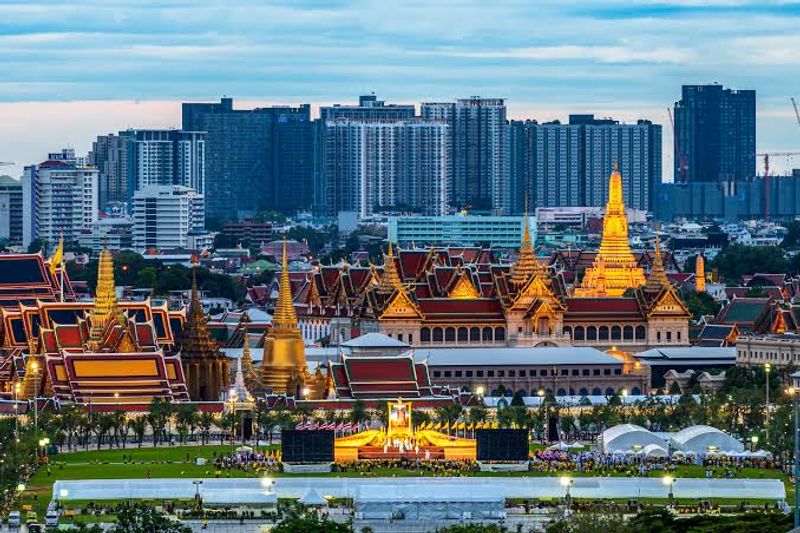
Bangkok hits you all at once and somehow you end up loving every chaotic second of it. The smells of lemongrass and chili drift through street markets, golden temples gleam between modern shopping malls, and the nightlife stretches from rooftop cocktail bars to legendary street-level food stalls that never seem to close.
This city simply does not slow down.
Street food here is legitimately among the best on Earth. Pad thai, mango sticky rice, boat noodles, and green curry are available at prices that feel almost impossibly low compared to what you would pay elsewhere.
Chatuchak Weekend Market alone could keep a determined shopper busy for an entire day without running out of things to discover.
Bangkok also punches well above its weight in the luxury hotel department. World-class properties along the Chao Phraya River offer stunning views and exceptional service at prices far below equivalent hotels in Western cities.
Getting around has become much easier since the BTS Skytrain and MRT metro expanded their networks significantly. Travelers who come expecting chaos often leave genuinely surprised by how navigable and rewarding Bangkok turns out to be.
It earns every bit of its global reputation.
Dubai, United Arab Emirates
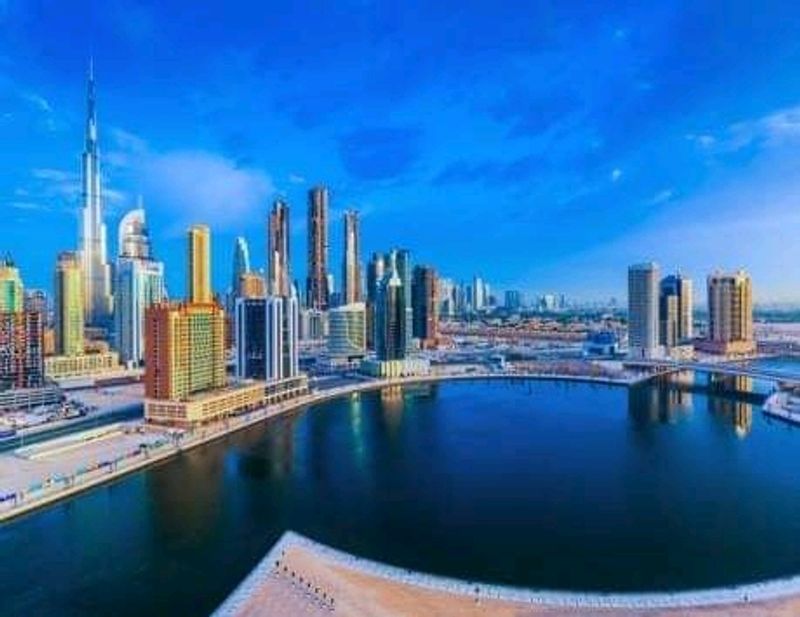
Standing at the base of the Burj Khalifa and craning your neck upward is one of those genuinely jaw-dropping travel moments that no photograph fully prepares you for. Dubai has built itself into a global tourism powerhouse through sheer ambition, and the results are hard to argue with.
The city is constantly adding new attractions, events, and experiences at a pace that keeps even repeat visitors finding fresh reasons to return.
Shopping here is practically a sport. The Dubai Mall alone contains an indoor ski slope, an aquarium, and hundreds of stores ranging from affordable high street brands to ultra-luxury boutiques.
Beyond retail therapy, the city offers desert safari experiences, world-class dining, and some of the most architecturally dramatic hotels anywhere on Earth.
Year-round sunshine and a major international airline hub make Dubai one of the easiest cities in the world to reach from almost anywhere. The food scene has evolved dramatically and now reflects the city’s genuinely multicultural population.
Travelers who dismissed Dubai as purely a luxury playground are increasingly discovering a more layered city with genuine cultural depth in historic neighborhoods like Al Fahidi. It is a city that consistently surprises people who think they already know what to expect.
São Paulo, Brazil
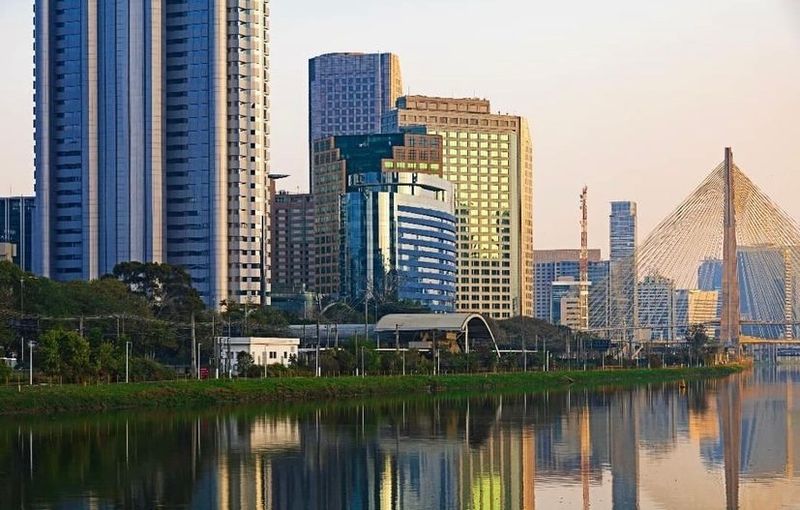
São Paulo does not have beaches or postcard scenery, and it absolutely does not care. What it has instead is an arts scene that rivals New York, a food culture that has earned serious global respect, and a nightlife that runs until the birds start singing.
Brazil’s largest city rewards travelers who are willing to look past the surface and actually explore.
The restaurant scene here is staggering in its diversity and quality. Japanese-Brazilian fusion, traditional churrascarias, innovative contemporary Brazilian cuisine, and some of the world’s best coffee are all within easy reach.
The Vila Madalena neighborhood is famous for its street art and bohemian energy, while Pinheiros and Jardins offer upscale dining and boutique shopping.
Brazil’s growing international profile heading into 2026 has brought a surge of new flight routes into São Paulo’s Guarulhos airport, making the city more accessible than ever from North America and Europe. The exchange rate currently favors international visitors significantly.
Art lovers should not miss the São Paulo Museum of Art, known as MASP, with its iconic suspended building design over Avenida Paulista. São Paulo rewards curiosity generously and punishes assumptions about what Brazilian cities are supposed to look like.
Barcelona, Spain
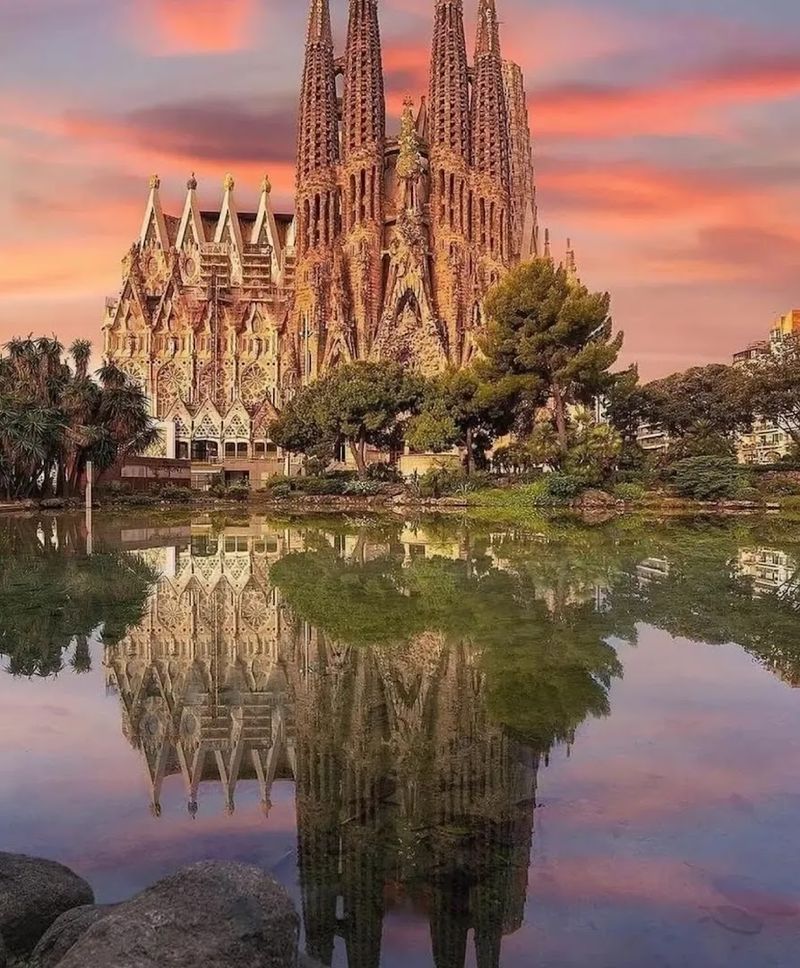
Gaudí designed buildings that look like they grew out of the earth rather than being constructed by human hands, and standing in front of La Sagrada Familia for the first time is a moment that rarely disappoints even the most seasoned traveler. Barcelona has been a top-tier destination for decades, and it shows absolutely no signs of losing its grip on the global travel imagination.
The city’s combination of Mediterranean beach life, world-class architecture, incredible food, and electric nightlife is nearly impossible to beat. La Boqueria market overflows with fresh produce, jamón, and local cheeses.
The Gothic Quarter’s narrow medieval lanes hide excellent tapas bars at every turn. Barceloneta beach brings a completely different, sun-soaked energy just minutes from the historic center.
Overtourism has become a genuine conversation in Barcelona, and the city is actively working to manage visitor numbers in certain hotspots. Travelers who explore beyond the main tourist circuit find quieter neighborhoods like Gràcia and Poblenou that feel genuinely local and surprisingly uncrowded.
Booking accommodation and major attractions well in advance is strongly recommended, especially during summer months. Despite the crowds, Barcelona consistently delivers experiences that justify the hype and keep millions of travelers coming back for more.
Marrakech, Morocco
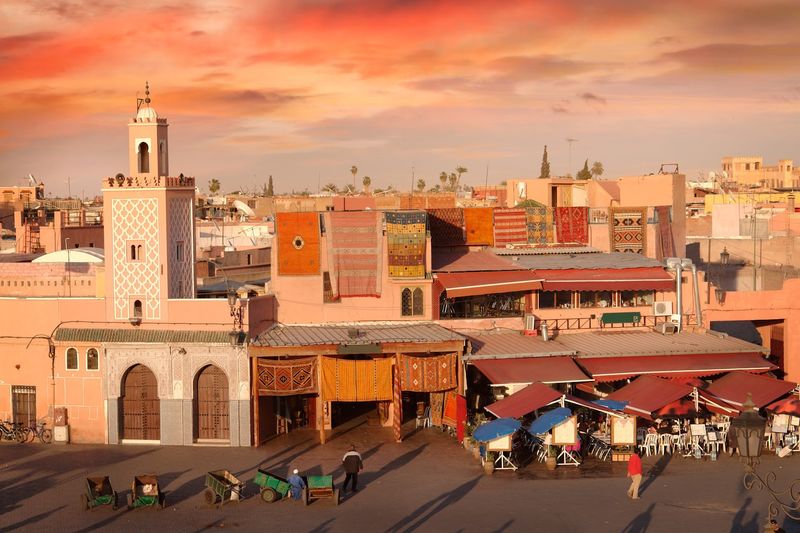
The moment you step through the gates of Marrakech’s medina, your senses get completely rearranged in the best possible way. Spice stalls overflow with vivid colors, the call to prayer echoes over rooftop terraces, and the labyrinthine souks sell everything from handwoven carpets to hand-hammered copper lanterns.
Marrakech is genuinely unlike anywhere else on Earth.
Luxury riad hotels hidden behind plain medina walls have become one of travel’s most delightful surprises. You push open an unmarked door and suddenly find yourself in a stunning courtyard with a mosaic fountain, orange trees, and impeccable service.
This contrast between humble exterior and breathtaking interior is part of what makes Marrakech so endlessly fascinating to first-time visitors.
Day trips into the Atlas Mountains and overnight desert experiences in the Sahara are easily arranged from the city, adding serious adventure potential to what might otherwise be a purely urban trip. Moroccan food deserves far more international recognition than it currently gets.
Tagines slow-cooked with preserved lemon and olives, fresh-baked bread, and mint tea poured from great heights are highlights of any visit. Marrakech offers a deeply immersive cultural experience at price points that remain very accessible for most international travelers in 2026.
Singapore
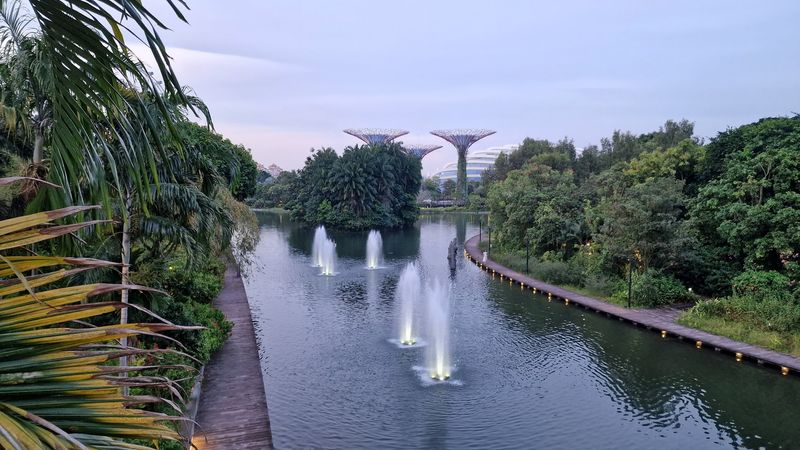
Singapore has figured out something that most cities are still desperately trying to crack: how to be world-class in almost every category simultaneously. The food is phenomenal, the infrastructure is flawless, the green spaces are beautifully maintained, and the hotel options range from budget-friendly hostels to some of the most legendary luxury properties in all of Asia.
Impressive does not quite cover it.
Hawker centers are the real stars of Singapore’s food scene, and no visit is complete without sitting down at a plastic stool in one and working through plates of chicken rice, laksa, char kway teow, and chili crab. These open-air food halls have been recognized by UNESCO for their cultural significance, which tells you everything you need to know about how seriously Singapore takes its culinary heritage.
The city functions brilliantly as both a standalone destination and a launchpad for broader Southeast Asia exploration. Changi Airport consistently ranks as one of the world’s best airports, making connections smooth and even enjoyable.
Jewel Changi, the indoor waterfall complex inside the airport, is worth arriving early just to explore. Gardens by the Bay remains one of the most visually striking urban attractions anywhere in the world.
Singapore is proof that small cities can dream extraordinarily large.
Athens, Greece
For years, travelers treated Athens as a quick stopover before island-hopping, but that narrative has completely changed. The city has reinvented itself into one of Europe’s most dynamic urban destinations, with a food scene, nightlife, and cultural energy that now justify a dedicated trip entirely on their own merits.
The Acropolis is still magnificent, obviously, but Athens has become so much more than ancient ruins.
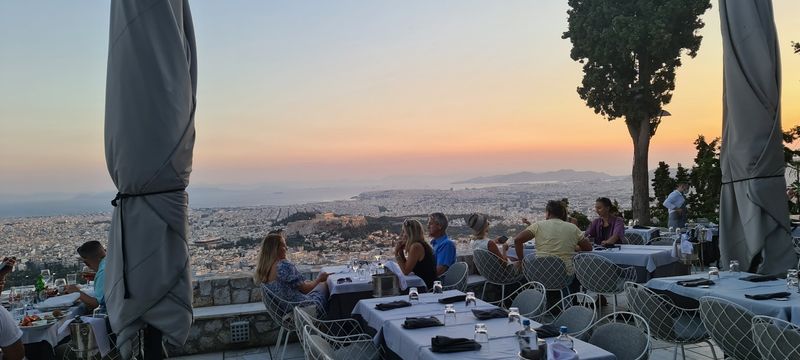
The neighborhoods of Monastiraki, Psyrri, and Koukaki buzz with excellent restaurants, independent coffee shops, and creative spaces that reflect a younger, more confident Athens. Rooftop bars with direct Acropolis views have become a signature experience of any visit, especially at sunset when the Parthenon turns an extraordinary shade of gold.
Greek food, from fresh grilled octopus to creamy tzatziki, is deeply satisfying at almost every price level.
Island day trips from Athens are remarkably easy and affordable, with ferries to Hydra, Aegina, and Poros departing regularly from Piraeus port. Accommodation options have expanded significantly, with boutique hotels in converted neoclassical buildings becoming increasingly popular.
Athens also benefits from excellent flight connections across Europe. Travelers who previously skipped the city in favor of Santorini are increasingly discovering that the capital deserves serious time and genuine attention.
Riyadh, Saudi Arabia
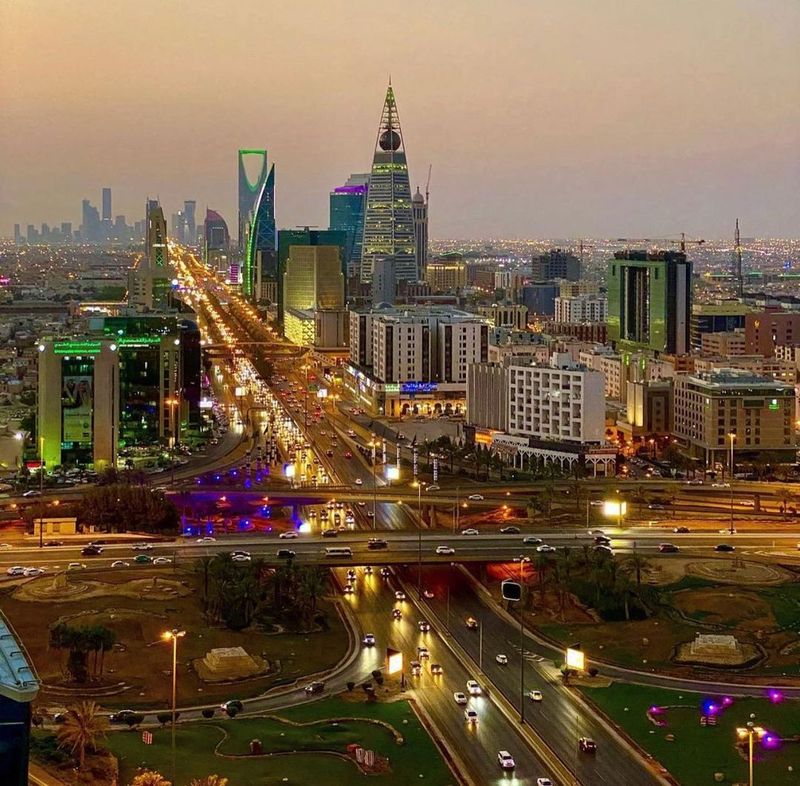
Five years ago, Riyadh barely registered on most international travelers’ radar. Today it is one of the fastest-transforming cities in the entire world, and the pace of change is genuinely staggering to witness firsthand.
Saudi Arabia’s Vision 2030 initiative has poured enormous investment into entertainment, hospitality, and tourism infrastructure, and the results are becoming impossible to ignore.
Diriyah, the historic mud-brick city on Riyadh’s outskirts, has been beautifully restored into a cultural destination that offers a fascinating window into Saudi history and heritage. The city’s restaurant scene has exploded with options ranging from traditional Saudi cuisine to international fine dining.
Major concerts, sporting events, and cultural festivals now fill Riyadh’s calendar year-round, giving travelers strong reasons to visit beyond pure sightseeing.
Visa access for international tourists has been dramatically simplified in recent years, removing one of the biggest previous barriers to visiting. Luxury hotel brands from around the world have opened or announced properties in the city.
Travelers who go with an open mind and genuine curiosity tend to come away genuinely surprised by the warmth of local hospitality and the scale of what is being built. Riyadh is not a finished destination yet, and that is arguably part of what makes visiting right now feel so exciting and historically interesting.
Buenos Aires, Argentina
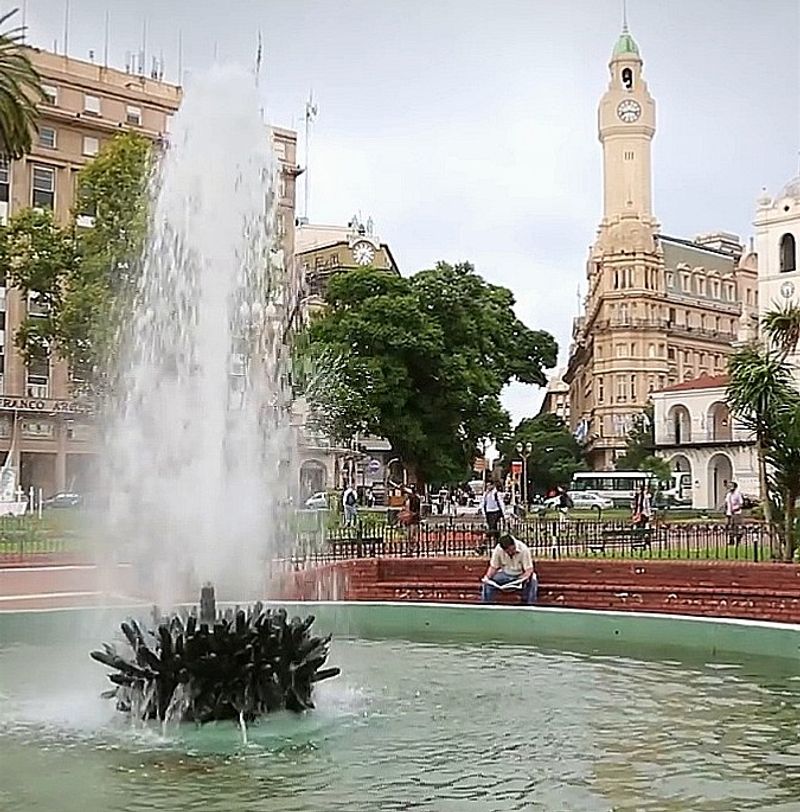
Buenos Aires has a European soul with a Latin American heartbeat, and that combination produces one of the most seductive city atmospheres anywhere in the world. Wide tree-lined boulevards, ornate architecture, passionate football culture, and late-night dinners that do not begin until 10 p.m. give the city a rhythm that quickly gets under your skin.
Visitors frequently arrive planning a week and start looking for apartments to rent instead.
The food scene is anchored by legendary parrillas serving perfectly grilled beef, but Buenos Aires has evolved well beyond steak and Malbec. Palermo Soho and Palermo Hollywood are packed with creative restaurants, cocktail bars, and independent boutiques that reflect a city with genuine cosmopolitan confidence.
Sunday afternoon visits to the San Telmo antique market are a beloved local ritual that travelers quickly adopt as their own.
Argentina’s currency dynamics currently make Buenos Aires an exceptional value destination for international visitors carrying dollars or euros. World-class steak dinners, tango shows, and boutique hotel stays cost a fraction of what equivalent experiences would run in European capitals.
Tango itself is best experienced in a milonga, a local dance hall, rather than a tourist show. The real thing, danced by locals who have been practicing since childhood, is something genuinely extraordinary to witness up close.
Copenhagen, Denmark
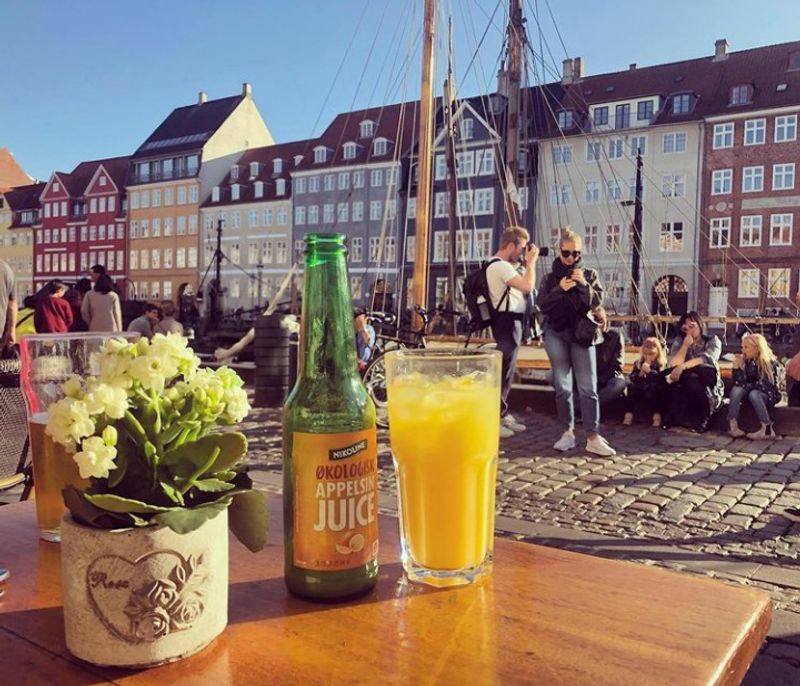
Copenhagen makes sustainable city living look so effortlessly stylish that you immediately want to move there. Cyclists outnumber cars, the architecture is clean and thoughtful, and the city’s relationship with nature feels genuinely integrated rather than performative.
Denmark’s capital has become the benchmark that other European cities measure their urban ambitions against, and for good reason.
The food scene here is world-famous and genuinely deserving of the reputation. Noma may have closed its original format, but Copenhagen’s dining culture continues thriving with innovative restaurants that have made New Nordic cuisine a global movement.
Even casual lunch spots and bakeries operate at a level of quality that would be considered exceptional in most other cities. The smørrebrød open-faced sandwiches alone justify a dedicated food tour.
Nyhavn’s colorful canal-front is the city’s most photographed spot, and it earns every Instagram appearance. Beyond the waterfront, neighborhoods like Vesterbro and Nørrebro offer a grittier, more local atmosphere with excellent coffee, vintage shops, and neighborhood restaurants.
Copenhagen is not a budget destination by any stretch, but travelers consistently report that the quality of experience justifies the higher price point. The city’s relaxed confidence and genuine livability make it one of the most satisfying urban trips in all of Europe.
Istanbul, Turkey
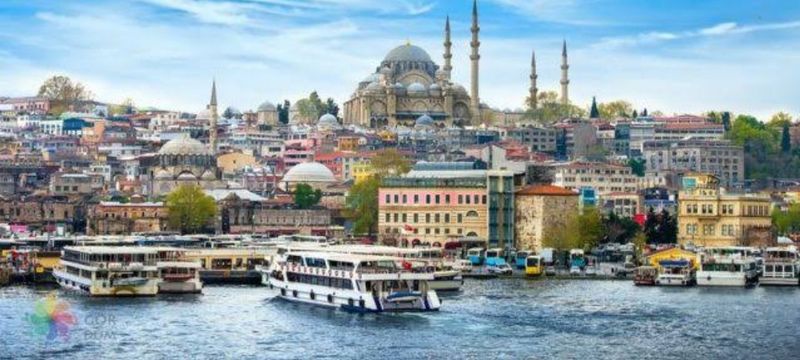
Straddling two continents is not just a geographic fact for Istanbul, it is the city’s entire personality. The call to prayer drifting over the Bosphorus at dawn while ferries chug between the European and Asian shores is one of those travel moments that sounds clichéd until you actually experience it.
Then it becomes one of the most beautiful things you have ever witnessed in your life.
The Grand Bazaar is genuinely one of the world’s great retail experiences, a covered labyrinth of over 4,000 shops selling spices, ceramics, jewelry, textiles, and tea. Hagia Sophia, which has functioned as a church, a mosque, and a museum across its 1,500-year history, is a building that carries the weight of civilizations within its walls.
Turkish cuisine, from slow-cooked lamb to freshly baked simit bread sold by street vendors, is deeply satisfying and surprisingly underrated internationally.
Istanbul’s affordability compared to Western European capitals has been a major driver of its recent tourism surge. The city rewards slow exploration, particularly in neighborhoods like Karaköy, Cihangir, and Balat, where independent cafés, art galleries, and local restaurants thrive away from the main tourist circuits.
Travelers who take a Bosphorus ferry from Eminönü for just a few lira get one of the world’s great scenic journeys at an almost laughably low price.
Ho Chi Minh City, Vietnam
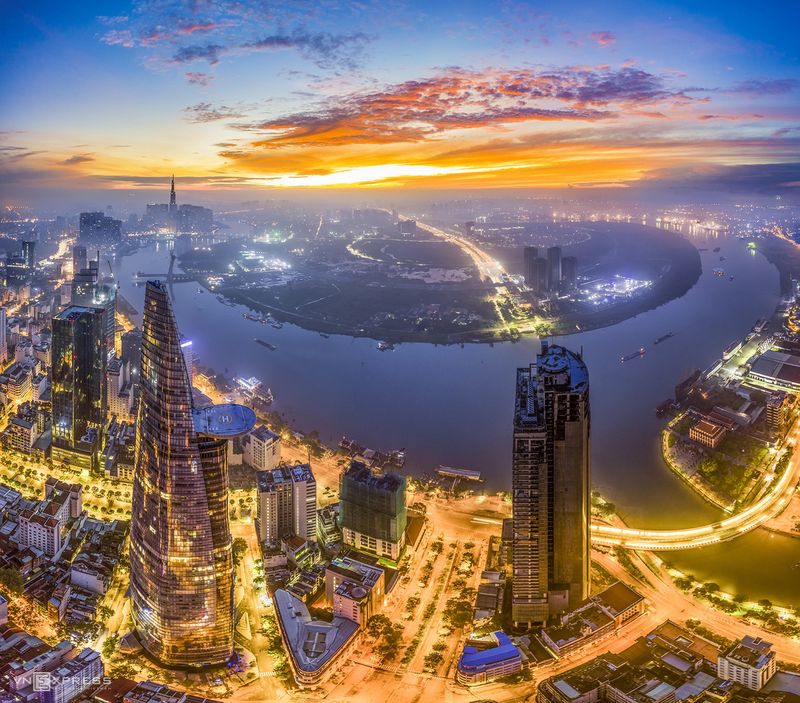
Crossing a street in Ho Chi Minh City requires a specific kind of calm surrender to the flow of motorbikes, and once you master it, something clicks and the city suddenly makes perfect sense. This is a place of extraordinary energy, hustle, and warmth, where French colonial architecture sits beside gleaming skyscrapers and a bowl of pho costs less than a dollar at the right street stall.
The food culture here is arguably Vietnam’s greatest gift to the world. Bánh mì sandwiches, fresh spring rolls, broken rice plates, and intensely flavorful soups are available at almost every hour.
Ben Thanh Market is a useful starting point for orientation, but the real culinary treasures are found in the narrow alleyways of Districts 1, 3, and 4. Local coffee culture, particularly the famous egg coffee and iced Vietnamese drip coffee, deserves its own dedicated exploration.
Digital nomads and younger travelers have been flocking to Ho Chi Minh City for its combination of high-speed internet, affordable coworking spaces, excellent food, and genuinely vibrant social scene. The War Remnants Museum provides a sobering and important historical perspective that every visitor should experience.
Rooftop bars in the Bui Vien backpacker area offer chaotic, memorable nights out. Vietnam’s expanding visa accessibility has made the city easier than ever to reach for travelers from North America, Europe, and Australia.
Cape Town, South Africa
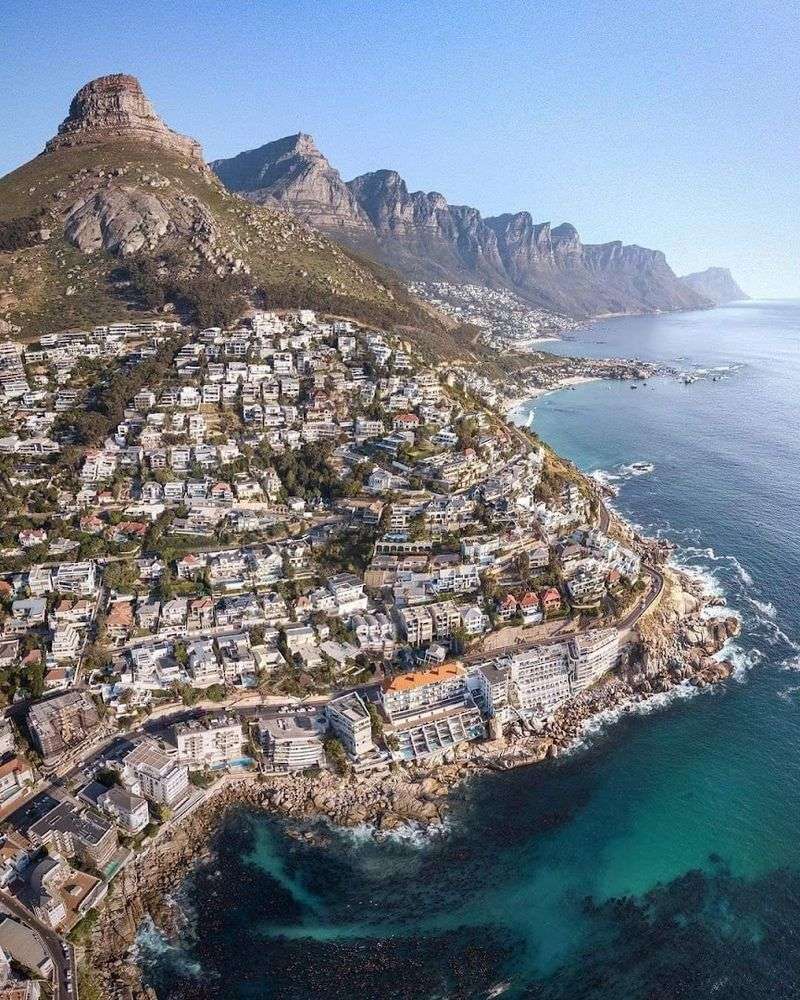
Table Mountain does not ease you in gently. You round a bend on the highway from the airport, and there it is, an enormous flat-topped mountain rising dramatically above a sparkling ocean city, and your jaw drops involuntarily.
Cape Town is one of those places that looks almost too beautiful to be real, and then you arrive and discover it somehow manages to exceed the photographs.
The food and wine scene here has reached genuine world-class status. The Cape Winelands, just 45 minutes from the city center, produce exceptional wines in a setting of mountain-framed vineyards that rival anything in France or Napa.
Back in the city, the V&A Waterfront and the emerging Woodstock neighborhood offer excellent restaurant options across every budget and cuisine style imaginable.
Adventure activities are built into Cape Town’s DNA. Hiking up Lion’s Head at sunrise, cage diving with great white sharks, surfing at Long Beach, or cycling through the Cape Peninsula to the Cape of Good Hope are all within easy reach.
The Bo-Kaap neighborhood’s brightly painted houses have become one of Africa’s most photographed urban scenes. Travelers should be aware of safety considerations and stick to recommended areas, but those who navigate the city thoughtfully are consistently rewarded with one of the most memorable travel experiences available anywhere on Earth.
Christchurch, New Zealand
Christchurch has been quietly pulling off one of the most remarkable urban reinventions in recent travel history. Following the devastating 2011 earthquake, the city essentially rebuilt itself from scratch, and the result is a bold, creative, and surprisingly cool destination that has started appearing at the top of 2026 flight-search trend reports from North America and Europe.
People are genuinely curious, and for good reason.
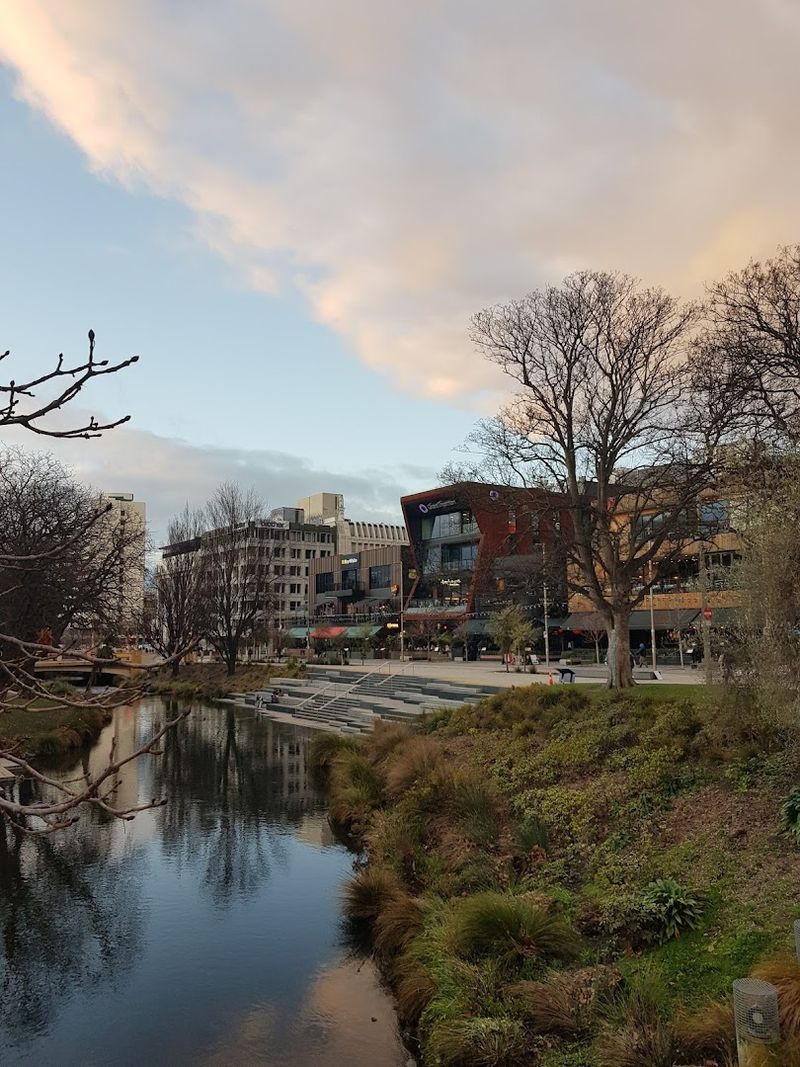
The rebuilt city center is full of architectural surprises, including the famous Cardboard Cathedral, a temporary church made from cardboard tubes that became such a beloved landmark it may become permanent. The Avon River Precinct, with its punting boats and riverside gardens, gives the city a gentle, unhurried charm.
Street art installations, independent galleries, and innovative restaurants reflect a community that embraced creativity as part of its recovery.
Christchurch’s greatest selling point for many travelers is its position as the perfect gateway to New Zealand’s South Island. Aoraki Mount Cook, the Mackenzie Basin, Kaikoura’s whale watching, and the Banks Peninsula’s dramatic coastal scenery are all within a few hours’ drive.
The city’s international airport has seen significant route expansion, making it increasingly accessible. For travelers who want natural beauty, outdoor adventure, and genuine local character without the crowds of better-known destinations, Christchurch in 2026 is a genuinely exciting discovery.
Milan, Italy
Milan is the city that decides what the world will be wearing six months from now, and spending time here during fashion week or design week feels like watching the future being assembled in real time. But Milan’s appeal has expanded well beyond its legendary fashion and design credentials.
A younger, more globally curious generation of travelers is discovering that Italy’s financial capital has serious food, nightlife, and cultural credentials too.
The Navigli canal district comes alive after dark with aperitivo culture, a deeply civilized Milanese tradition where bars serve free snacks alongside your drinks during early evening hours. Brera’s art galleries and cobblestone streets offer a quieter, more reflective side of the city.
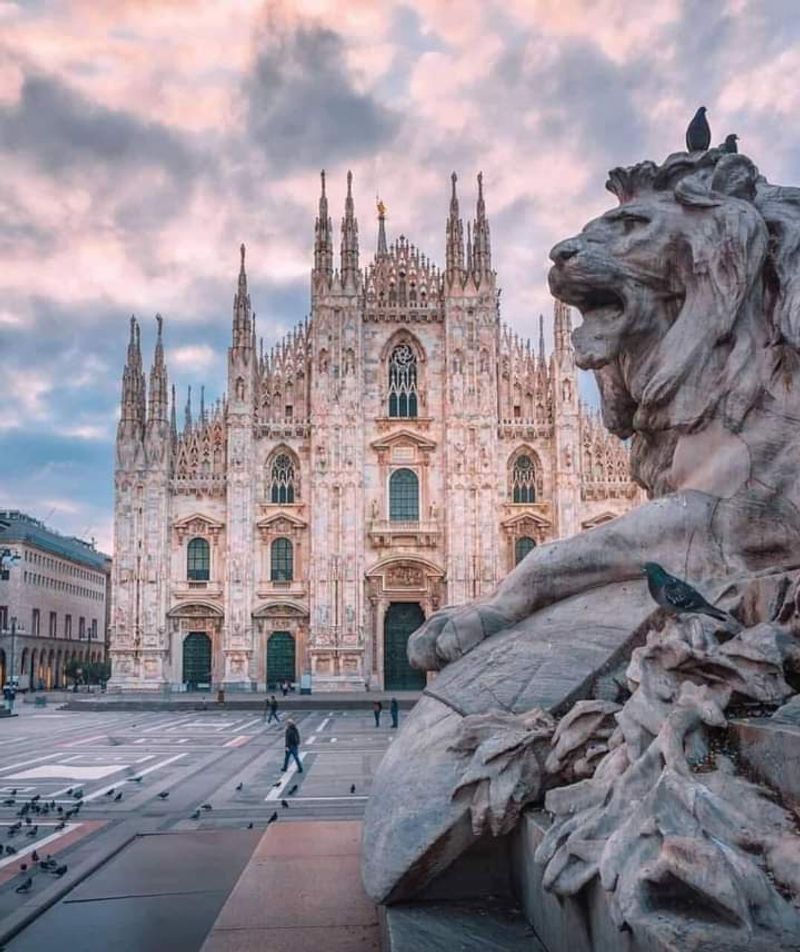
The Duomo cathedral, one of the largest Gothic churches in the world, rewards visitors who climb to the rooftop terraces for extraordinary views across the city toward the Alps on clear days.
Leonardo da Vinci’s Last Supper, housed in the refectory of Santa Maria delle Grazie, requires advance booking but is absolutely worth the effort. Milan’s food scene has diversified dramatically and now offers exceptional options well beyond traditional Lombard cuisine.
Day trips to Lake Como and Lake Maggiore are popular and easily managed by train. International flight connections into Malpensa airport have expanded, making Milan an increasingly logical European city-break choice for travelers from North America and Asia.
New Orleans, United States
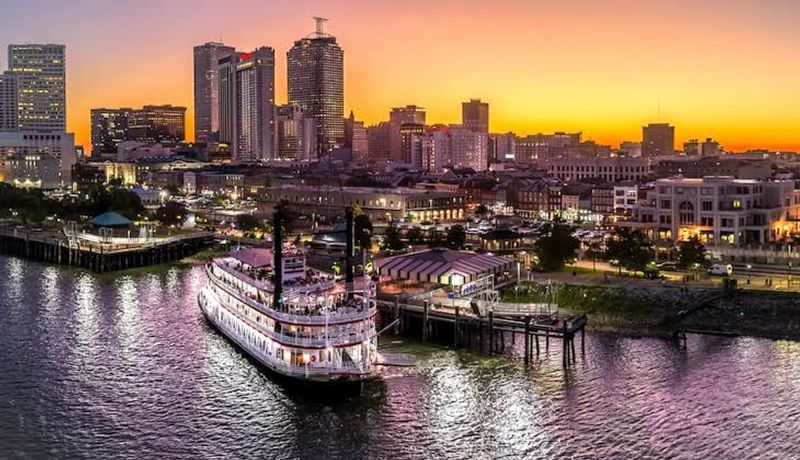
There is no other city in America that sounds, smells, and tastes quite like New Orleans. Live jazz spills out of open doors on Frenchmen Street at midnight, the smell of beignets and chicory coffee drifts through the French Quarter at dawn, and somewhere in between, a second line parade materializes on a random street corner just because it is Tuesday.
New Orleans does not follow normal city rules, and that is precisely the point.
The food culture here is one of America’s most distinctive and deeply rooted. Gumbo, jambalaya, crawfish étouffée, po-boys, and charbroiled oysters are not just menu items but expressions of a cultural identity that has been layered and refined over centuries of French, Spanish, African, and Caribbean influence.
The restaurant scene ranges from legendary institutions like Dooky Chase to exciting new chefs reinterpreting Creole traditions with fresh creativity.
Mardi Gras gets all the headlines, but New Orleans rewards visitors year-round. The Jazz and Heritage Festival in spring draws enormous crowds and world-class performers.
Halloween in the city is a legendary experience. Expanded hotel options, renovated historic properties, and new direct flight routes have made the city more accessible than ever entering 2026.
Visitors who look beyond Bourbon Street consistently discover a city of genuine depth, history, and soulful beauty that earns its devoted global following many times over.
Share this story