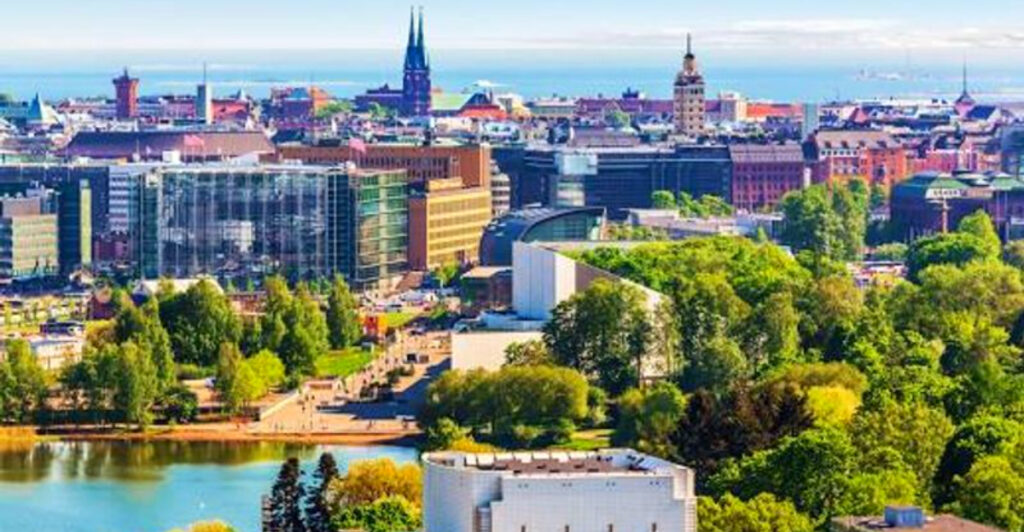
Moving abroad is a big decision, and for most expats, feeling safe in their new home is non-negotiable. From low crime rates to stable governments and reliable healthcare, some countries simply do a better job of making foreigners feel secure and welcome.
Whether you are retiring, working remotely, or raising a family overseas, choosing the right destination can make all the difference. These ten countries have earned their reputations as the world’s safest and most livable places for expats in 2026.
Iceland

Ranked number one on the Global Peace Index for over a decade, Iceland is basically the gold standard of safe countries. Crime is so rare that locals joke about leaving their front doors unlocked, and many actually do.
For expats, this level of trust in everyday life is genuinely refreshing.
The country’s healthcare system is publicly funded and highly rated, meaning residents get solid medical care without financial panic. Reykjavik, the capital, is small enough to feel like a community but modern enough to offer everything you need.
The quality of life here is consistently ranked among the highest anywhere on earth.
Yes, winters are long and dark, and the cost of living is steep. But expats who settle in Iceland often say the trade-off is absolutely worth it.
Clean air, jaw-dropping landscapes, and a society built on mutual respect make Iceland a truly remarkable place to call home.
Switzerland
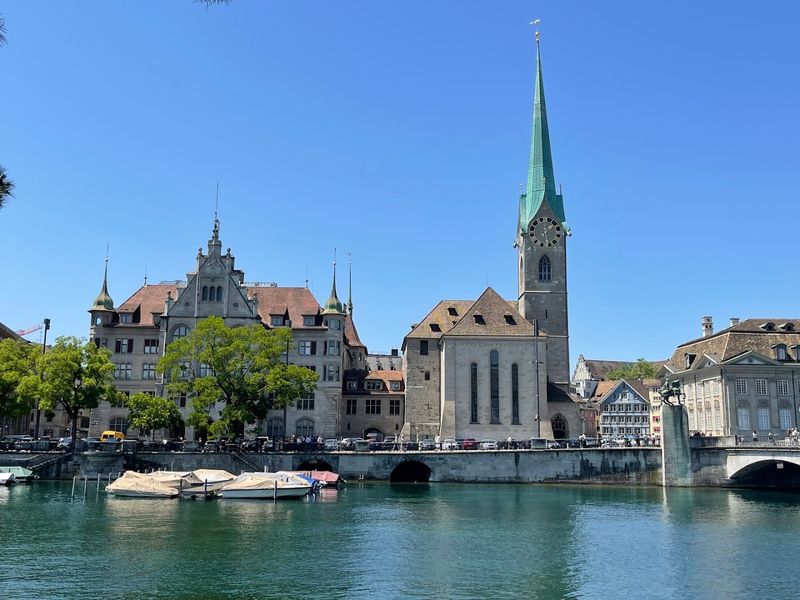
Switzerland has been quietly perfecting the art of stability for centuries, and expats are taking full advantage. Zurich and Geneva regularly top global livability rankings, and it is not hard to see why.
Pristine cities, punctual trains, and a political culture rooted in neutrality create an environment that feels almost impossibly calm.
Crime rates are extremely low, and the rule of law is taken seriously by both citizens and government alike. The healthcare system is world-class, though expats should budget carefully since private insurance is mandatory.
Still, the quality of care you receive makes it a worthwhile investment.
Switzerland attracts a huge international community, particularly in Geneva, which hosts dozens of global organizations and embassies. The country’s central location in Europe makes weekend travel to neighboring countries effortless.
High salaries in many sectors help offset the notoriously high cost of living, making Switzerland a genuinely smart long-term choice for career-focused expats.
Portugal

Portugal has been quietly stealing hearts for years, and the expat community here has exploded for good reason. Lisbon and Porto offer a rare combination of old-world charm, modern amenities, and a pace of life that actually lets you breathe.
Ranked consistently in the top ten of the Global Peace Index, Portugal punches well above its weight in the safety department.
Healthcare is solid, the climate is one of Europe’s most enviable, and the cost of living remains more affordable than most Western European nations. Locals are famously warm toward foreigners, which makes the transition far less stressful than in many other countries.
The Portuguese government has also introduced visa programs specifically designed to attract remote workers and retirees.
Street crime exists in tourist-heavy areas, as it does anywhere, but violent crime is genuinely uncommon. Expats often describe Portugal as a place where they finally stopped looking over their shoulder.
For families, retirees, and digital nomads alike, it offers a lifestyle that feels both secure and deeply enjoyable.
New Zealand

Few countries inspire the kind of genuine affection that New Zealand does among its expat residents. Something about the combination of spectacular scenery, friendly locals, and relaxed pace just works.
It ranks consistently among the top five safest countries globally, and expats who arrive rarely seem to want to leave.
Political stability is strong, corruption is low, and the government is generally trusted by its citizens, which creates a refreshing social atmosphere. Healthcare is publicly funded and accessible, though wait times can be long in the public system.
Many expats opt for a mix of public and private care to get the best of both worlds.
The outdoor lifestyle is a genuine drawcard, with hiking, surfing, skiing, and sailing all within reach depending on where you settle. Auckland is the most international city, while Wellington offers a vibrant arts scene in a compact and walkable setting.
New Zealand is not the cheapest destination, but the quality of life and safety it delivers make the price tag feel entirely reasonable.
Finland
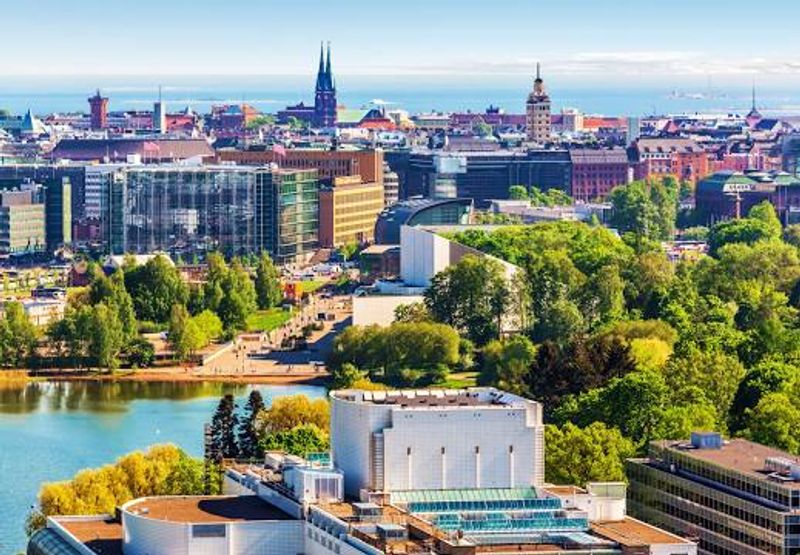
Finland has been named the world’s happiest country multiple times, and expats who move there quickly understand why. Life here is built around balance, nature, and a social contract that actually functions.
Crime rates are among the lowest in Europe, and trust in public institutions is remarkably high.
The education system is world-renowned, making Finland an especially attractive destination for families with school-age children. Public healthcare is excellent and largely free for residents, which removes a huge source of financial anxiety.
Work-life balance is taken seriously here, with generous parental leave and vacation policies being the norm rather than the exception.
Finnish winters require some mental preparation since they are genuinely long and dark. However, the summer months are magical, with nearly endless daylight and a culture that revolves around lakes, forests, and the beloved sauna.
Helsinki is modern and well-connected internationally, but smaller cities like Tampere and Turku also offer a high standard of living. Finland rewards expats who embrace its quieter, more introspective culture with remarkable peace of mind.
Denmark
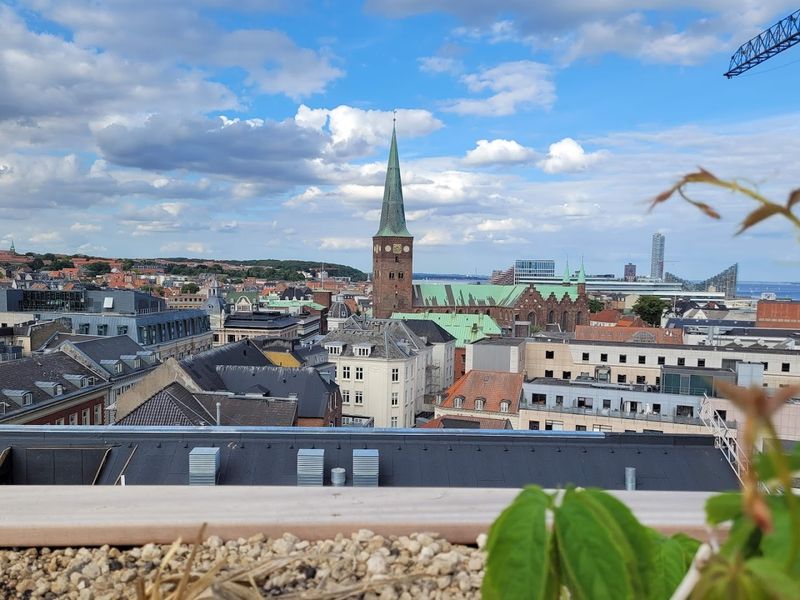
Copenhagen has a way of making you feel like city living was never supposed to be stressful. Wide cycling lanes, clean streets, and a culture that genuinely values leisure time create a daily rhythm that expats often describe as transformative.
Denmark consistently ranks among the world’s safest and most equal societies, and that reputation is well earned.
The social safety net is extensive, covering healthcare, education, and unemployment support at a high standard. Expats who become tax residents contribute significantly but also benefit enormously from public services that actually deliver.
Family-friendly policies are exceptional, with subsidized childcare and generous parental leave making Denmark a top pick for expats raising children.
English proficiency is near-universal among Danes, which removes a significant barrier for newcomers adjusting to daily life. The food scene has evolved dramatically, with Copenhagen now recognized as one of Europe’s great culinary cities.
Winters are grey and cold, but the Danish concept of hygge, that cozy sense of contentment found in warm spaces and good company, makes even the darkest months feel genuinely pleasant.
Singapore
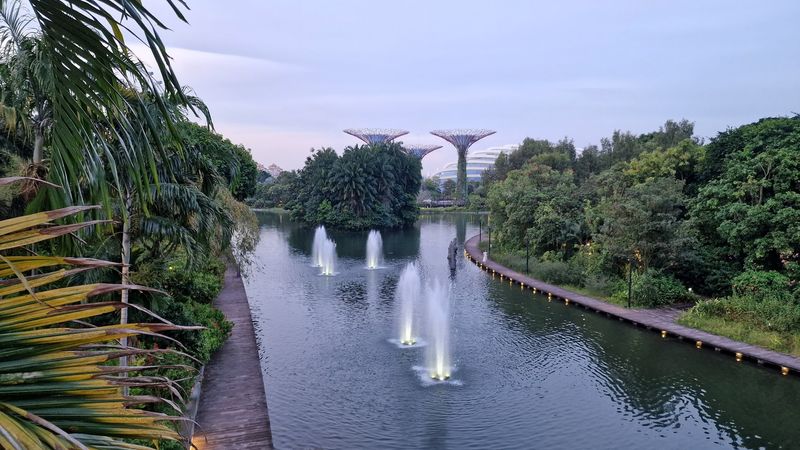
Walking through Singapore at midnight feels safer than most cities feel at noon, and that is not an accident. The city-state has built its identity around order, cleanliness, and strict law enforcement, creating one of the lowest crime rates anywhere in the world.
For expats who prioritize personal safety above all else, Singapore is almost unbeatable.
The infrastructure is extraordinary. Public transport runs with clock-like precision, hospitals are internationally accredited, and the business environment is one of the most efficient on the planet.
Expats in finance, tech, and trade find Singapore particularly compelling as a professional base.
The food culture alone could justify a move here. Hawker centres serve incredible meals at wallet-friendly prices, blending Chinese, Malay, Indian, and Western influences into something uniquely Singaporean.
The cost of housing and international schooling can be high, so financial planning matters. However, the combination of safety, career opportunity, and urban convenience makes Singapore a consistently top-ranked expat destination across virtually every major global survey.
Austria
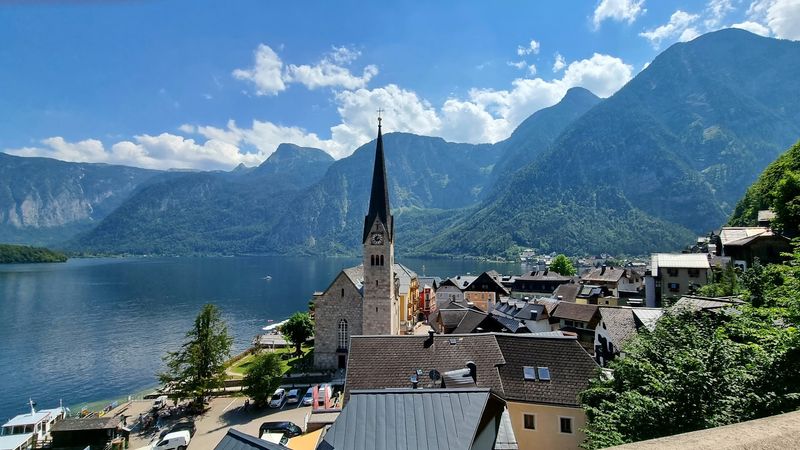
Vienna has topped the Economist Intelligence Unit’s Most Livable Cities index so many times that it practically owns the category. Expats arriving here find a city that blends imperial grandeur with modern efficiency in a way that feels almost theatrical.
Safety is exceptional, with violent crime being genuinely uncommon even in the city center late at night.
Austria’s healthcare system is highly regarded, and public transport in Vienna is among the best in the world, making car ownership optional rather than essential. The country’s central location in Europe means weekend trips to Prague, Budapest, or Munich are entirely manageable by train.
That kind of geographic freedom is a meaningful perk for expats who love to travel.
The cultural life in Vienna is rich and accessible, with opera, classical music, art museums, and coffee house culture woven into everyday life. Austrians have a reputation for being reserved at first, but expats who invest time in building local connections often find deep and lasting friendships.
The combination of security, beauty, and quality infrastructure makes Austria a quietly brilliant choice for long-term expat living.
Netherlands
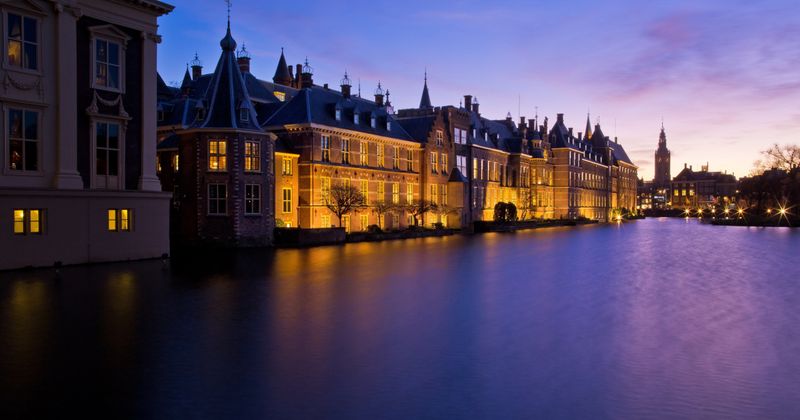
The Netherlands has a particular talent for making expats feel at home almost immediately. English is spoken so widely that newcomers can navigate daily life, work, and social situations without learning Dutch right away, though picking up some phrases definitely earns appreciation from locals.
The country consistently ranks among the safest and most open societies in the world.
Healthcare is excellent and organized through a mandatory private insurance system that covers a broad range of services. Cities like Amsterdam, Rotterdam, and Utrecht are all highly livable, each offering a distinct personality while maintaining the same high standards of safety and infrastructure.
Cycling culture is deeply embedded in daily life, making commutes healthier and more enjoyable than in most countries.
The Dutch work culture tends to value efficiency and direct communication, which many expats find refreshing after navigating more hierarchical environments elsewhere. Expat communities are large and well-established, particularly in Amsterdam and The Hague, so building a social network is relatively straightforward.
The Netherlands rewards those who engage with it openly, offering a stable, progressive, and genuinely welcoming environment for international residents.
United Arab Emirates
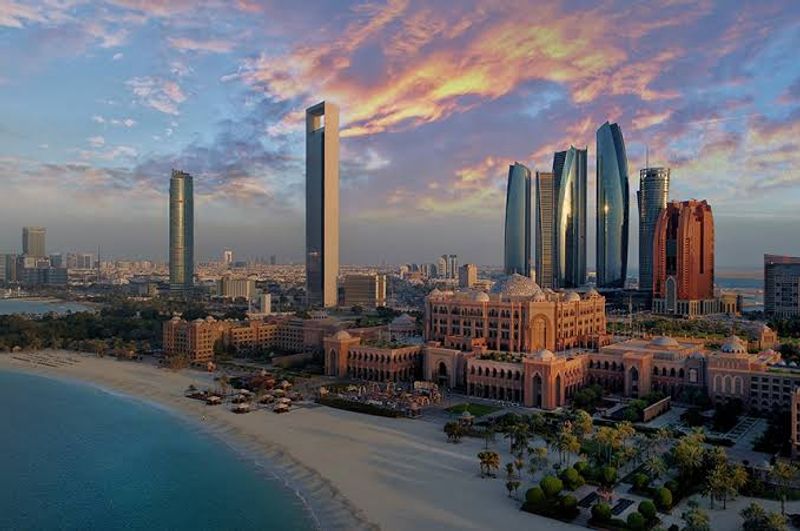
Abu Dhabi has held the title of the world’s safest city for ten consecutive years, which is the kind of track record that makes expats pay serious attention. The UAE has invested heavily in security infrastructure, and the results speak clearly.
Walking alone at night, leaving valuables in a cafe, or using public transport at any hour feels genuinely comfortable here.
Dubai and Abu Dhabi both offer world-class hospitals, international schools, and modern infrastructure that rivals any city on earth. The tax-free income structure is a major financial draw, allowing expats to save and build wealth at a pace that would be difficult in high-tax Western countries.
Professional opportunities are abundant, particularly in finance, construction, hospitality, and technology sectors.
The UAE is not for everyone. Summers are brutally hot, and cultural expectations differ significantly from Western norms, requiring expats to adapt thoughtfully.
However, the country has been steadily modernizing its social policies and opening up to a broader international lifestyle. For those who can embrace the trade-offs, the UAE delivers a uniquely secure and financially rewarding expat experience that is hard to match anywhere else in the region.
Share this story