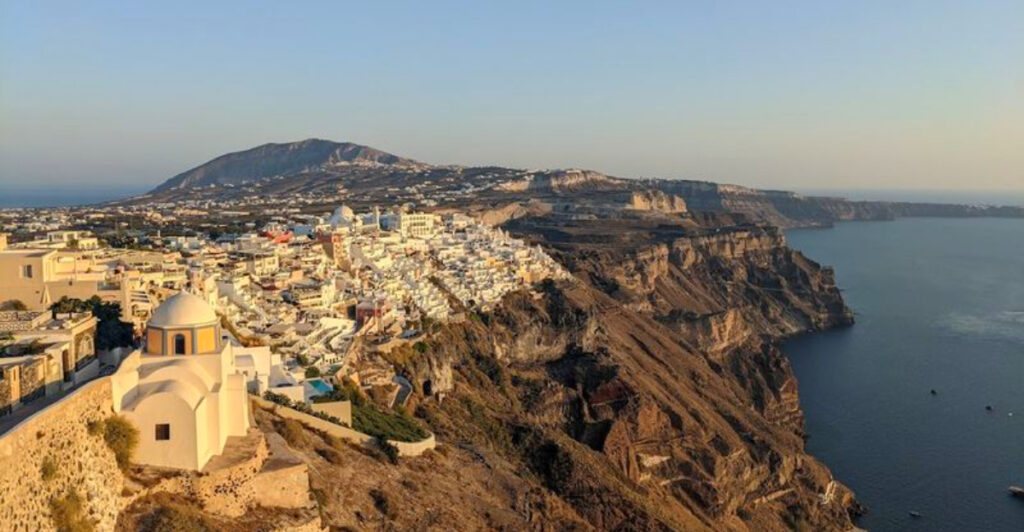
Greece has a way of making you forget the rest of the world exists. From volcanic cliffs dropping into electric-blue water to medieval streets that feel frozen in time, the country’s islands offer something truly special for every kind of traveler.
Whether you crave adventure, history, romance, or simply a sun-soaked beach with cold lemonade in hand, Greece delivers. These ten islands are the ones travelers keep dreaming about long after the trip is over.
Crete
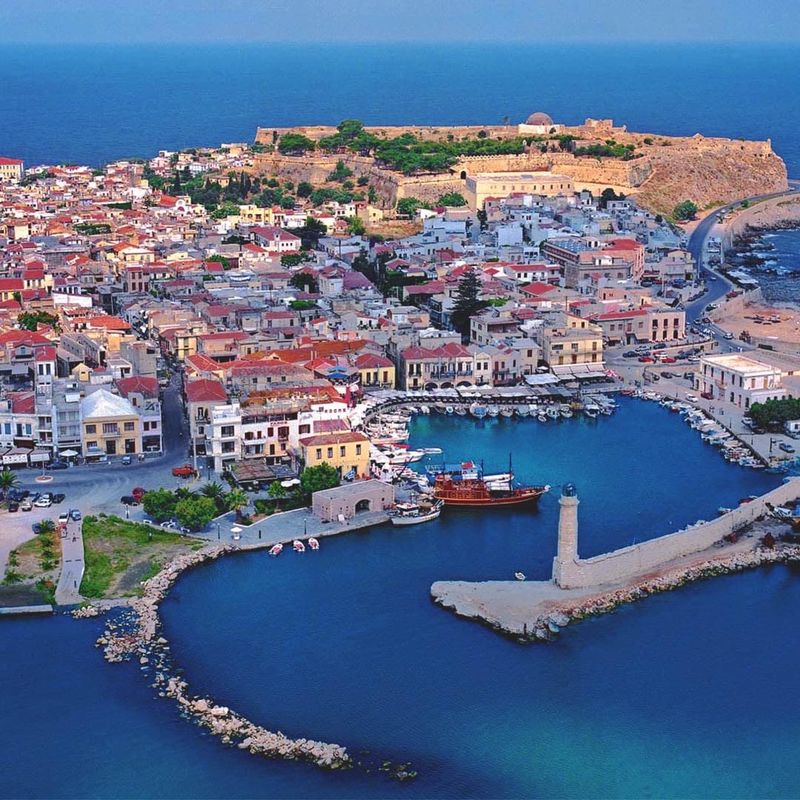
Crete does not ask you to choose between beach days and history lessons because it happily gives you both. Greece’s largest island packs in ancient Minoan ruins, dramatic mountain gorges, pink-sand beaches, and some of the tastiest food in the entire country.
Travelers who only plan three days often end up staying for two weeks.
The Palace of Knossos near Heraklion is one of Europe’s oldest and most fascinating archaeological sites, dating back over 3,500 years. Walking through its ruins gives a real sense of just how advanced the Minoan civilization actually was.
History fans could spend an entire trip exploring the island’s ancient sites alone.
Elafonissi Beach in the southwest draws crowds for good reason. Its shallow lagoon-like waters and pinkish sand from crushed shells create a scene that looks completely unreal in photographs.
Arrive early in summer to claim a good spot before the tour buses roll in.
Cretan cuisine deserves its own spotlight entirely. Dishes like dakos, fresh grilled lamb, and local olive oil drizzled over everything reflect a food culture built on centuries of tradition.
Markets in Chania’s old town are the perfect place to stock up on local cheeses, herbs, and honey.
Milos
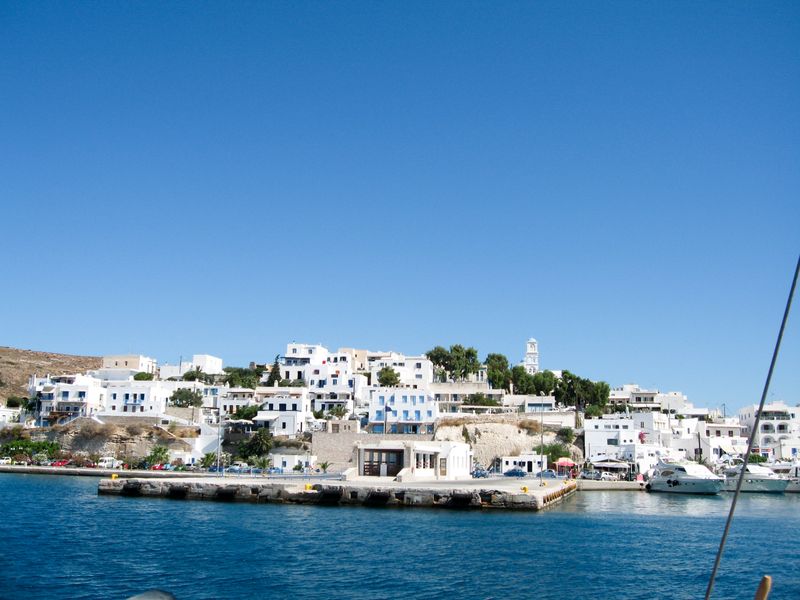
Sarakiniko Beach looks like someone dropped a piece of the moon into the middle of the Aegean Sea. The bleached white volcanic rock formations curve and swirl around crystal-clear water in shapes that seem almost impossible.
It is genuinely one of the most photographed beaches in Greece, and every single photo still fails to do it justice.
Milos sits in the Cyclades but feels refreshingly different from its more famous neighbors. The island has over 70 beaches, each with its own distinct character shaped by centuries of volcanic activity.
Colorful fishing villages like Klima, with their boathouses painted in bold reds and yellows, add a charming contrast to the dramatic natural scenery.
Boat tours are the best way to explore Milos properly. Hidden sea caves, remote swimming coves, and dramatic coastal cliffs are only reachable by water.
Renting a small boat for the day gives you the freedom to stop wherever catches your eye.
The island also holds a quiet historical claim to fame. The famous Venus de Milo statue, now displayed in the Louvre in Paris, was discovered on this island in 1820.
A replica stands in the local archaeological museum for those who want to see where it all began.
Corfu
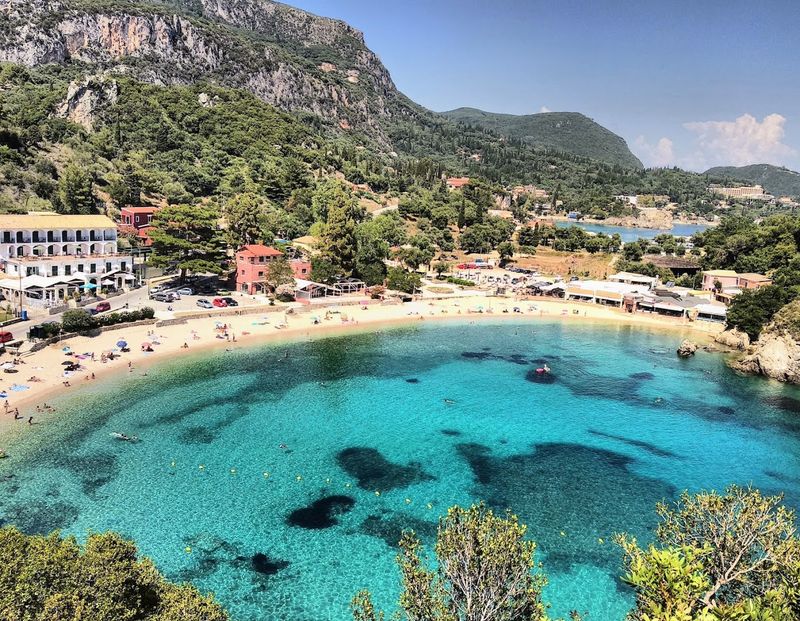
Corfu smells like olive trees and sea salt, which is honestly a combination that should be bottled and sold. The island is covered in over four million olive trees, many of them centuries old, giving the landscape a lush green quality that sets it apart from the drier Cyclades islands.
It feels more like the Italian coast than the typical Greek island postcard.
That Italian feeling makes sense historically. Venice controlled Corfu for over four centuries, leaving behind a stunning architectural legacy in the island’s UNESCO-listed Old Town.
Elegant arcades, crumbling fortresses, and colorful shuttered windows line streets that feel more like a film set than a real place. The British and French also left their marks, creating a cultural blend found nowhere else in Greece.
The island’s calm Ionian waters are ideal for families and swimmers of all ages. Paleokastritsa, a bay surrounded by green cliffs and a historic monastery, ranks among the most beautiful spots on the island.
The water there shifts from light green to deep blue depending on where you look.
Corfu Town’s evening stroll along the Liston promenade, lined with cafes and lit up after dark, is a tradition locals and visitors share equally. Grab a glass of local ginger beer and enjoy the slow pace.
Santorini
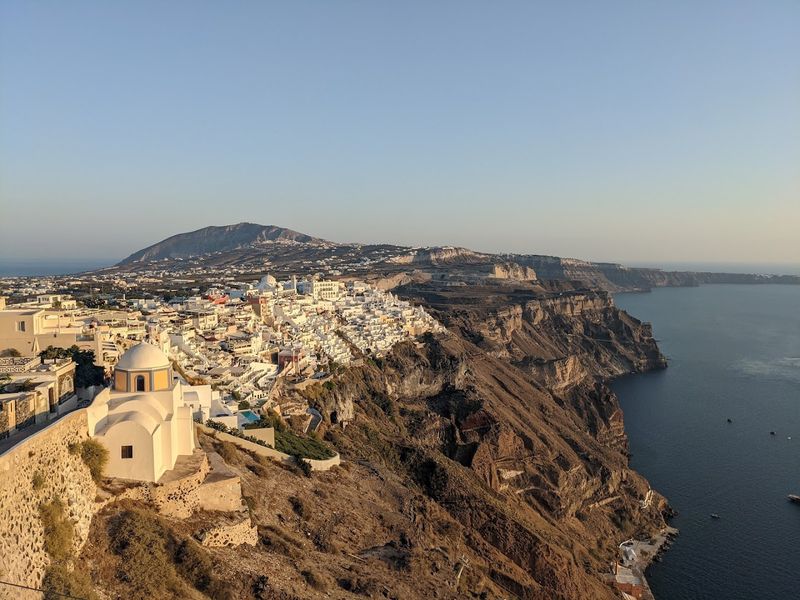
Few places on Earth have a sunset that literally stops people mid-sentence. Santorini’s famous caldera views from the village of Oia draw crowds every evening, and honestly, the fuss is completely justified.
The orange and pink skies reflecting off the water below feel almost too beautiful to be real.
The island sits atop a submerged volcano, which explains its dramatic horseshoe shape and those jaw-dropping cliff-top villages. Cave hotels carved directly into the volcanic rock offer some of the most unique accommodation experiences in Europe.
Waking up to a caldera view from your private terrace is the kind of morning that ruins ordinary hotel rooms forever.
Beyond the famous views, Santorini has excellent local wine produced from grapes grown in volcanic soil. The Assyrtiko white wine is crisp, mineral-rich, and pairs perfectly with fresh seafood.
Local restaurants along the caldera edge serve grilled octopus and tomato fritters that taste even better with a glass in hand.
Fira, the island’s capital, offers great shopping, lively bars, and easy access to boat tours of the caldera. First-time visitors often underestimate how much there is to explore beyond the iconic postcard views.
Mykonos
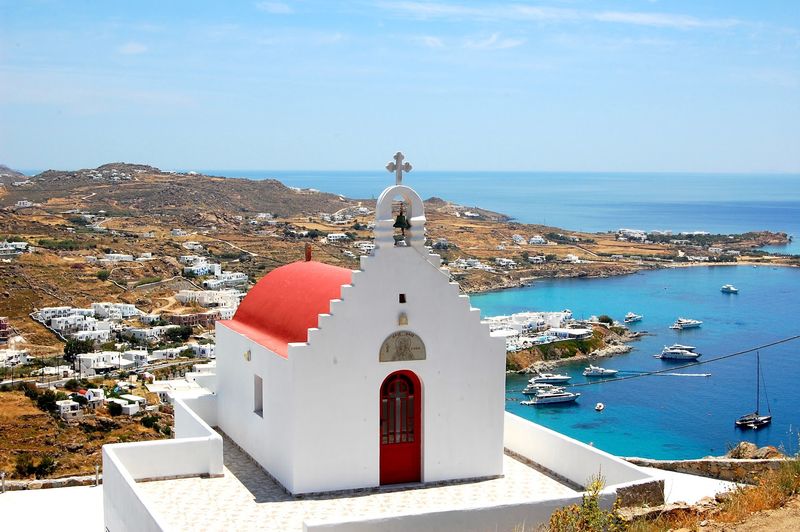
Mykonos has a reputation that precedes it by about a thousand miles. The island is famous worldwide for its beach clubs, all-night parties, and celebrity sightings, but there is genuinely more going on beneath the glamorous surface.
Travelers who arrive expecting only nightlife often leave surprised by how charming and photogenic the quieter corners actually are.
The famous windmills overlooking Mykonos Town are one of Greece’s most recognizable landmarks. Built by the Venetians in the 16th century to mill wheat, they now stand as beautiful symbols of the island’s history.
Watching the sunset from the hill near Kato Mili is far more peaceful than the clubs below might suggest.
Little Venice, a row of colorful buildings built directly over the water, is another highlight that deserves more attention than it gets. Sitting at a waterfront bar there as waves splash beneath your feet feels genuinely magical.
It is one of those spots that makes you completely forget what time it is.
Beyond the main town, beaches like Agios Sostis offer calm, uncommercial stretches of sand with no sun loungers or beach bars in sight. Packing a picnic and heading there early rewards travelers with a completely different side of Mykonos that most visitors never see.
Naxos
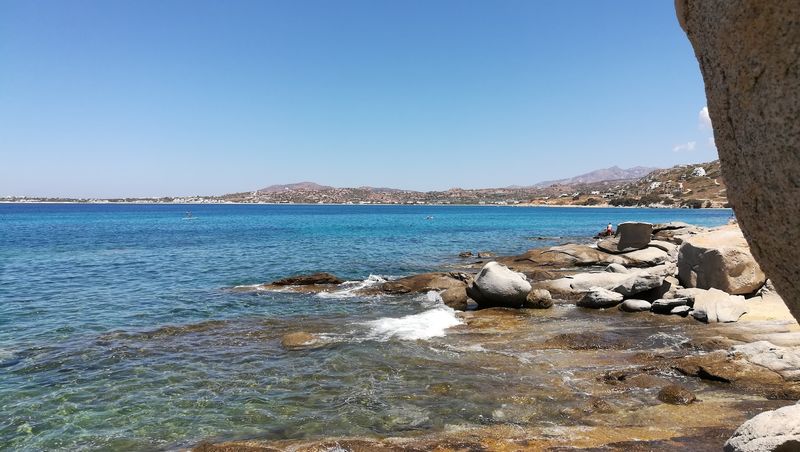
Standing in front of the Portara at sunset, a massive ancient marble gateway rising from a rocky peninsula, you get the feeling that Naxos has been quietly impressing visitors for about 2,500 years. It is one of Greece’s most underrated landmarks, and the fact that it is free to visit makes it even better.
The Cyclades’ largest island has a habit of delivering big experiences without the big price tag.
Naxos grows much of its own food, which explains why the local cuisine consistently ranks among the best in the Cyclades. The island produces excellent potatoes, cheese, citrus, and olive oil, and local restaurants take full advantage of these ingredients.
A simple plate of Naxian graviera cheese with local honey is worth the trip alone.
Mountain villages like Halki and Apeiranthos sit inland and offer a completely different atmosphere from the coastal resorts. Stone streets, Byzantine churches, and traditional kafeneions where older locals play backgammon create a sense of stepping into a much earlier era of Greek life.
Beaches on the western coast stretch for kilometers, with Agios Prokopios and Plaka ranking among the finest in the Cyclades. The water is shallow, warm, and calm enough for children, making Naxos one of the best family-friendly island choices in all of Greece.
Rhodes
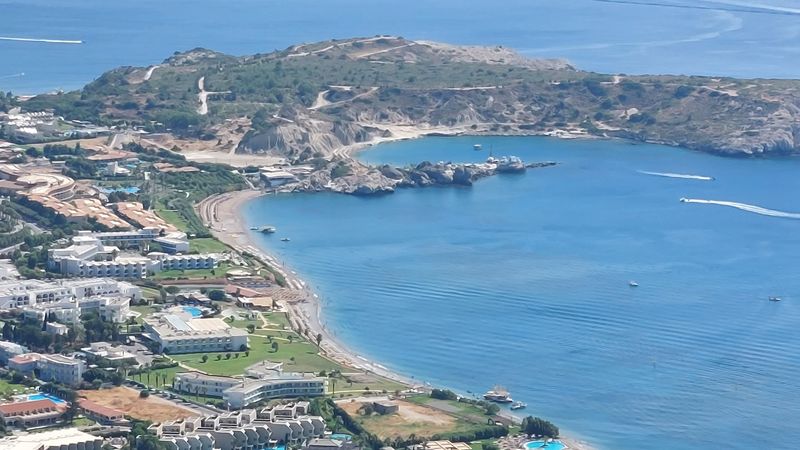
Walking through the Street of the Knights in Rhodes Old Town feels like stepping directly into the Middle Ages, except with better coffee shops nearby. The UNESCO-listed medieval city is one of the best-preserved in all of Europe, with massive stone walls, a functioning moat, and a Grand Master’s Palace that looks straight out of a fantasy novel.
History fans will burn through an entire camera roll before lunch.
Rhodes has been ruled by Greeks, Romans, Crusaders, Ottomans, and Italians, and each group left something interesting behind. The architectural mix across the island is genuinely unlike anything else in Greece.
Mosques, medieval churches, ancient temples, and Italian-era government buildings coexist within walking distance of each other.
Lindos, a whitewashed village about an hour south of Rhodes Town, deserves a separate trip on its own. Its ancient acropolis sits dramatically above the village, overlooking two turquoise bays that look almost impossibly beautiful from above.
The climb up the hill is steep, but the view from the top is the kind that people frame and hang in their living rooms.
The island also enjoys more sunshine hours than almost anywhere else in Greece. With around 300 sunny days per year, Rhodes works well as a destination in both spring and early autumn when crowds thin and prices drop significantly.
Zakynthos
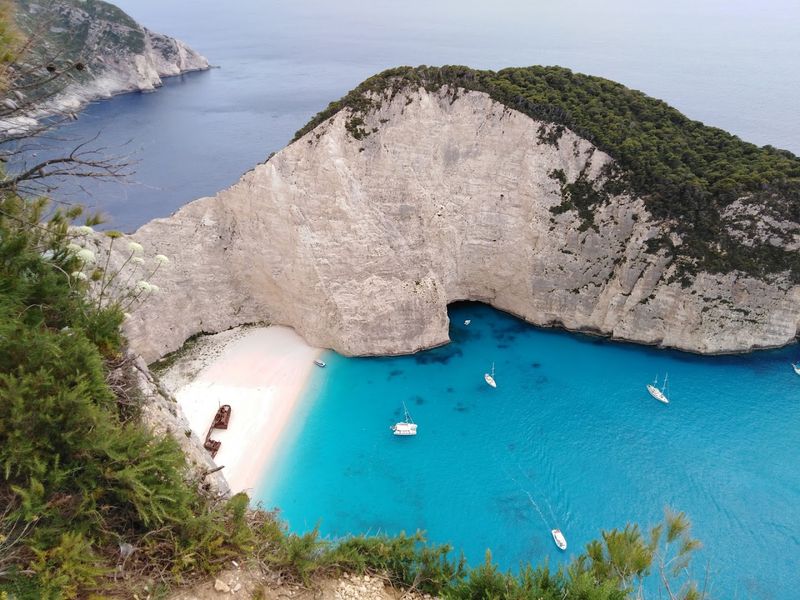
Navagio Beach, also called Shipwreck Beach, looks like it was designed specifically to break the internet. A rusting cargo ship sits abandoned on brilliant white sand, surrounded by towering limestone cliffs and water so blue it barely looks real.
Getting there requires a boat, which somehow makes arriving feel even more dramatic and rewarding.
The story behind the shipwreck adds an entertaining layer to the visit. The MV Panagiotis ran aground in 1980 after allegedly smuggling cigarettes before getting caught in a storm.
Whether that story is entirely accurate remains debatable, but locals seem quite happy to keep telling it.
Beyond the famous beach, Zakynthos has excellent sea turtle nesting sites around Laganas Bay. The loggerhead sea turtles, known locally as caretta-caretta, nest on the beaches between June and August, and responsible tour operators offer boat trips to spot them without disturbing the nesting areas.
It is one of the most memorable wildlife experiences available anywhere in the Greek islands.
The Blue Caves on the northern tip of the island glow with an otherworldly turquoise light when sunlight filters through the water. Morning visits offer the best lighting conditions.
Zakynthos manages to pack an impressive number of genuinely bucket-list experiences into one relatively compact island.
Hydra
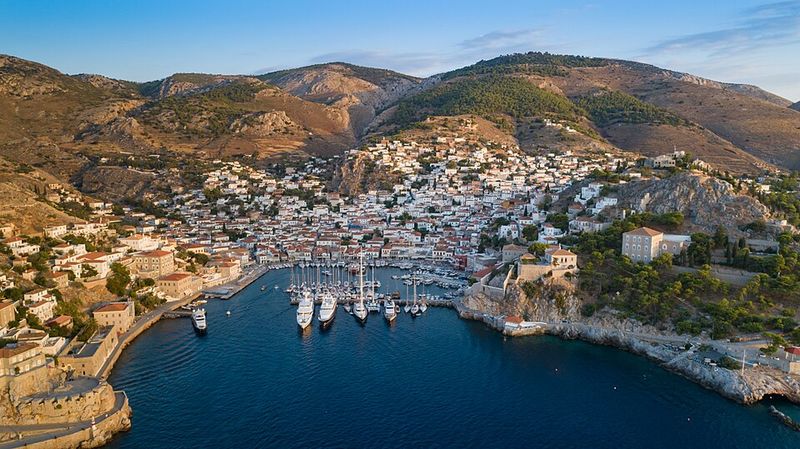
There are no cars on Hydra. No motorbikes, no scooters, and no traffic noise.
The island banned motor vehicles decades ago, and the result is one of the most peaceful travel experiences available anywhere in the Mediterranean. Getting around means walking, riding a donkey, or hopping on a water taxi, and somehow that limitation makes everything feel more enjoyable.
Hydra sits just two hours by ferry from Athens, making it one of the most accessible island escapes from the capital. Despite this convenience, it never feels touristy in the way that Mykonos or Santorini can during peak summer.
The island attracts a quieter, more thoughtful crowd of artists, writers, and travelers who prefer conversation over club music.
Leonard Cohen lived on Hydra for years in the 1960s, and the island clearly influenced his work. Walking the same stone streets and harbor paths he once wandered gives the place an unexpectedly romantic and creative atmosphere.
Several local spots still celebrate his connection to the island with genuine warmth.
The architecture is stunning in a restrained, elegant way. Stone mansions climb the hillsides above the harbor, and the absence of modern development means the view has barely changed in over a century.
Hydra is proof that sometimes taking things away creates something far more extraordinary.
Paros
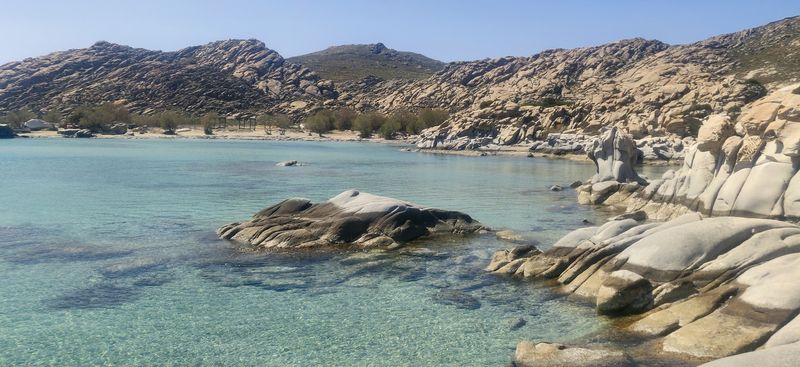
Paros has quietly become the island that experienced Greek travelers recommend to each other when they want something better than the obvious choices. It has beaches that rival anything in the Cyclades, a charming capital in Parikia, and a harbor village in Naoussa that earns its reputation as one of the prettiest in all of Greece.
The island manages to be stylish without feeling pretentious about it.
Naoussa draws food lovers with a restaurant scene that punches well above its size. Fresh fish pulled straight from the harbor, local wines, and creative modern Greek cooking fill menus that keep visitors coming back night after night.
The town is small enough to explore in an afternoon but interesting enough to fill an entire week.
Paros is also one of Greece’s top windsurfing destinations. The bay of Pounta on the western coast catches consistent winds that attract experienced riders and beginners taking lessons alike.
Even non-surfers enjoy watching the colorful sails zip across the water from the beach.
The Panagia Ekatontapiliani, a Byzantine church in Parikia dating back to the 4th century, is one of the oldest and most beautifully preserved Christian churches in Greece. It is a quiet, genuinely moving place that offers a meaningful break from beach days and restaurant hopping.
Share this story