Home prices across the United States have been climbing fast, and some cities are rising quicker than others. Realtors are now warning buyers that certain booming cities could soon price out average families and first-time buyers.
If you have been thinking about moving to one of these popular spots, the window of affordability may be closing sooner than you think. Here are nine cities that experts say could become out of reach in the near future.
1. Austin, Texas
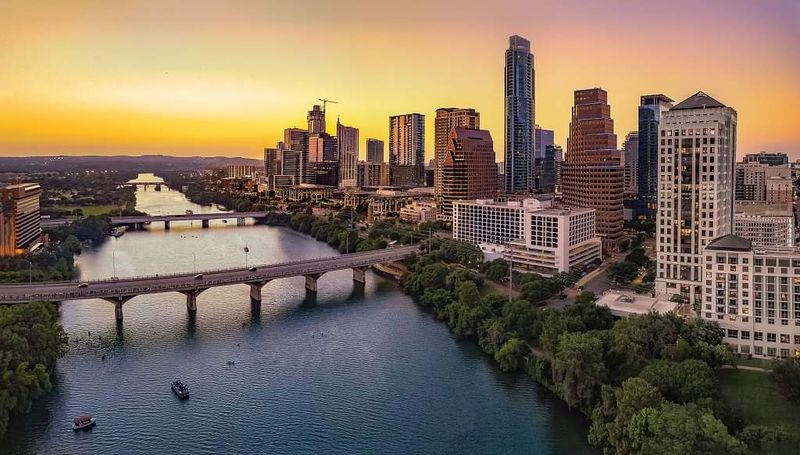
Austin has become one of the hottest real estate markets in the entire country, and the numbers back that up. The city attracted a massive wave of tech companies and remote workers over the past several years, pushing demand for housing through the roof.
Home prices in Austin shot up dramatically, and even with some recent cooling, the market remains competitive. Realtors warn that inventory is still tight, meaning prices could climb again as more people relocate here for jobs and lifestyle.
The city offers live music, outdoor activities, and a strong job market, making it highly desirable. If buying in Austin is on your radar, acting sooner rather than later could save you tens of thousands of dollars.
The longer you wait, the steeper the price tag may become.
2. Nashville, Tennessee
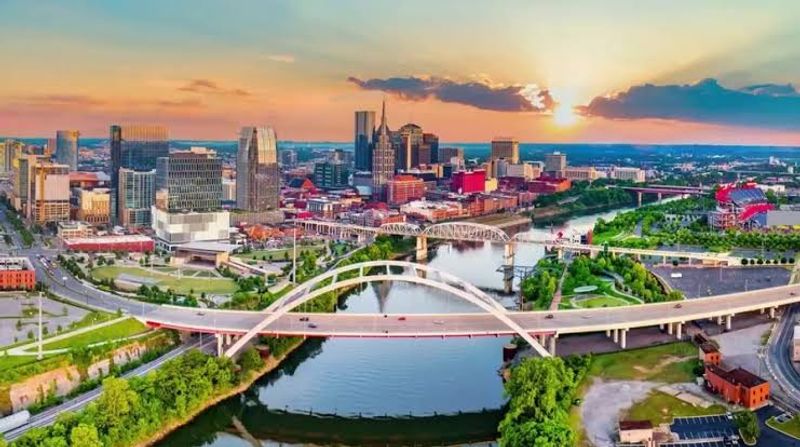
Known for its country music roots and buzzing entertainment scene, Nashville has transformed into one of the South’s most sought-after cities. New residents have been pouring in from expensive coastal cities, bringing their budgets and pushing local home prices upward.
Realtors in the area report that affordable neighborhoods are shrinking fast. Areas that were once considered starter-home territory have seen prices jump significantly, leaving many longtime locals feeling squeezed out of their own community.
Beyond music and nightlife, Nashville boasts a growing healthcare and tech industry that keeps attracting well-paying jobs. That economic pull shows no sign of slowing down.
Buyers who act now may still find pockets of value, but those windows are narrowing quickly. Nashville is a city very much in transition, and the price of entry is rising with every passing season.
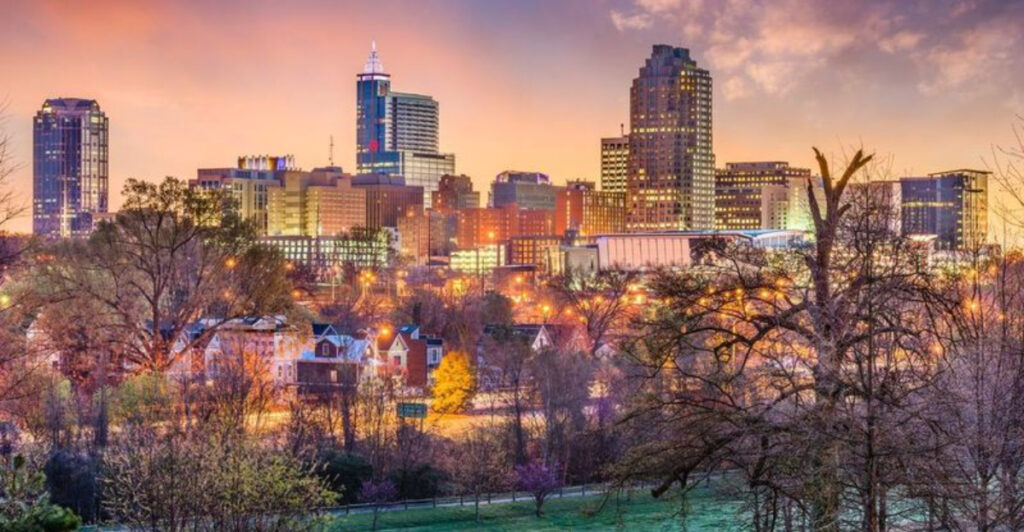
3. Raleigh, North Carolina
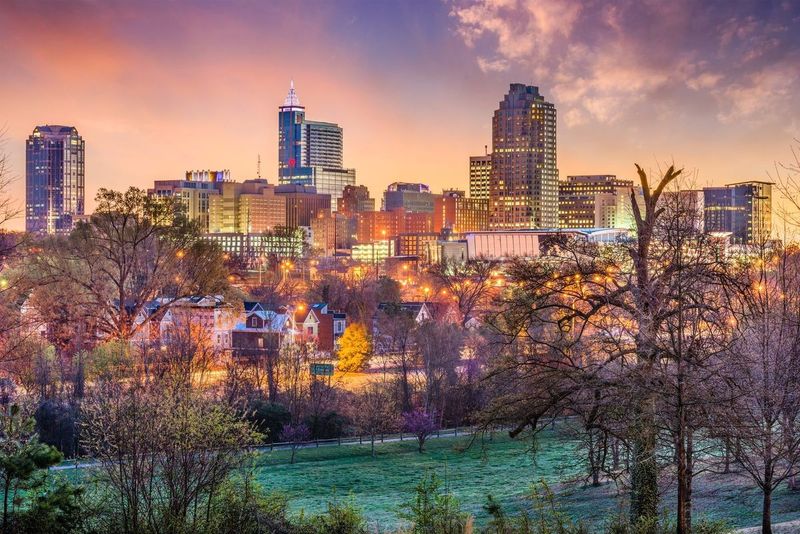
Raleigh sits at the heart of North Carolina’s Research Triangle, a region packed with universities, biotech firms, and tech companies. That combination has made it a magnet for educated professionals and growing families looking for a smarter, more affordable alternative to cities like New York or San Francisco.
The problem is that word got out. Home prices in Raleigh have climbed steadily, and realtors are flagging it as a market that could tip into unaffordability faster than most people expect.
New construction is happening, but it has not kept pace with demand.
The city still offers a lower cost of living compared to major metros, but that gap is closing. Schools are strong, neighborhoods are walkable, and job opportunities are plentiful.
Buyers eyeing Raleigh should move with purpose because affordable options in desirable zip codes are disappearing at a surprising rate.
4. Boise, Idaho
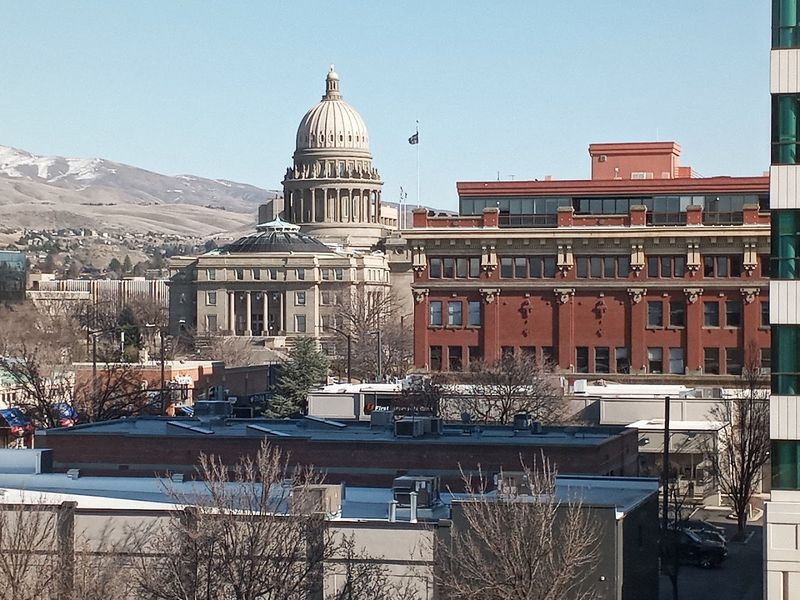
A few years ago, Boise was a quiet Western city that most people outside Idaho barely knew existed. Then the pandemic changed everything.
Remote workers from California and the Pacific Northwest discovered Boise’s clean air, outdoor lifestyle, and lower home prices, and they moved in by the thousands.
That migration sent the local housing market into a frenzy. Prices surged faster in Boise than in almost any other mid-sized American city during that stretch.
While the market has cooled slightly from its peak, realtors still caution that Boise is far from cheap anymore.
The city’s charm, outdoor access, and relatively strong economy continue to attract newcomers. Long-term residents who once enjoyed affordable living are now facing a very different reality.
Anyone considering a move to Boise should understand that the era of bargain prices has largely passed, and the trend line still points upward.
5. Tampa, Florida
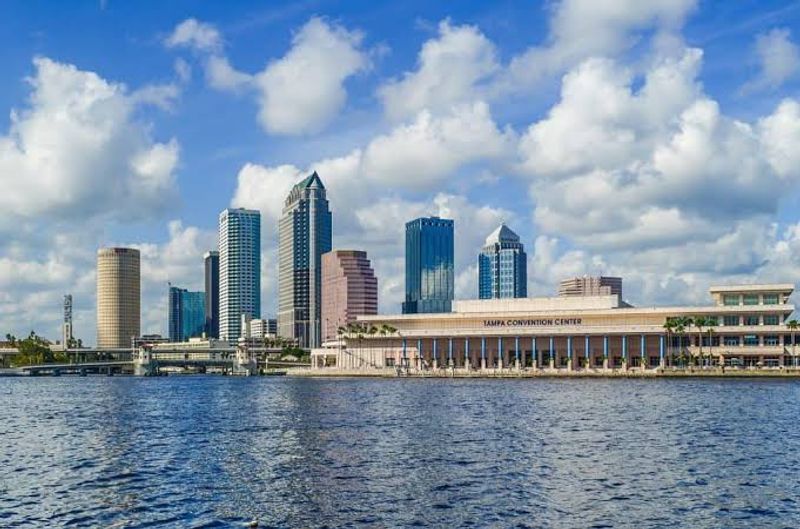
Florida has been the destination of choice for millions of Americans fleeing high taxes and cold winters, and Tampa has been one of the biggest beneficiaries of that trend. The city offers beaches, warm weather, no state income tax, and a surprisingly vibrant urban core.
All of that appeal has pushed home prices to levels that would have seemed unthinkable just a decade ago. Realtors in Tampa are now fielding calls from buyers who are shocked by what their budgets can actually get them.
The entry-level market has tightened considerably.
Insurance costs have also risen sharply due to hurricane risks, adding another layer of financial pressure for homeowners. Even so, demand keeps coming.
Tampa’s job market, port economy, and sports culture make it a city people genuinely want to live in. That sustained desire is exactly what keeps prices climbing higher each year.
6. Phoenix, Arizona
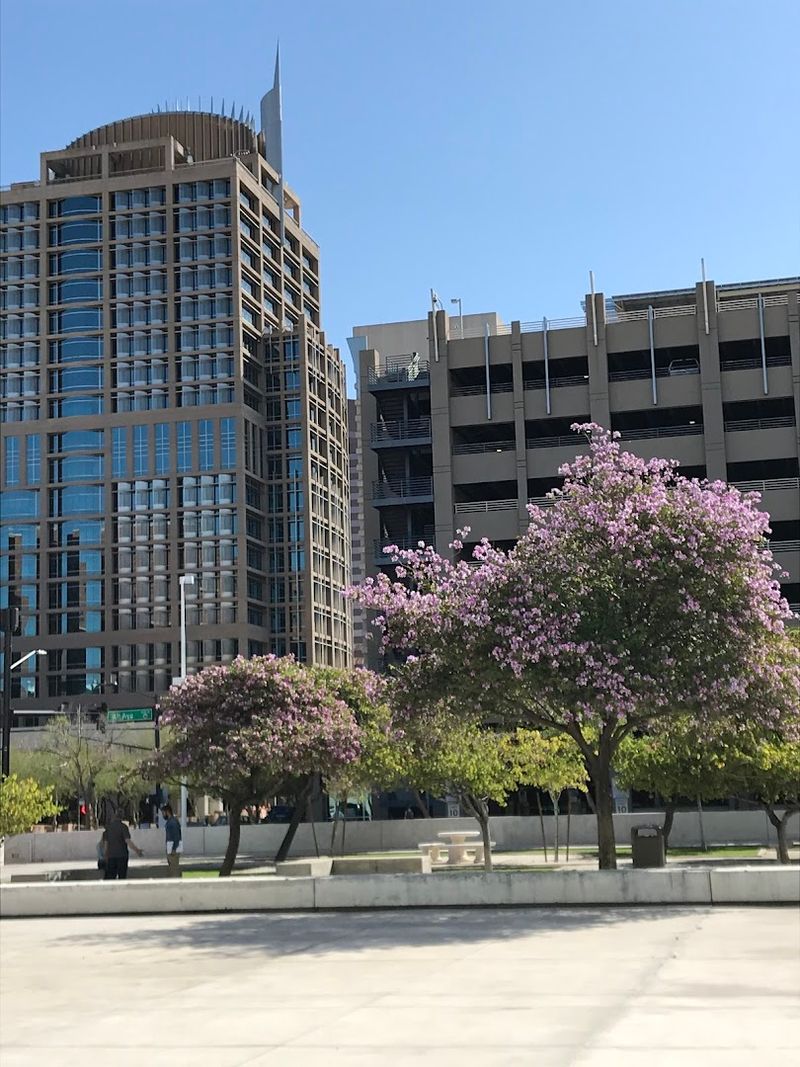
Phoenix grew faster than almost any other major American city over the past decade, and realtors say that growth shows little sign of stopping. The metro area’s warm climate, relatively lower taxes, and wide-open spaces have drawn retirees, young professionals, and entire companies looking to escape pricier states.
Home values in Phoenix climbed sharply during the pandemic era and, while prices adjusted somewhat after interest rates rose, the market has remained resilient. New residents continue arriving, keeping demand firm and making truly affordable options harder to find.
The city’s infrastructure and job market have grown alongside its population, which adds economic stability to the mix. Neighborhoods that were considered affordable just five years ago now carry price tags that surprise even seasoned buyers.
Realtors advise anyone serious about Phoenix to get pre-approved and act decisively, because hesitation in this market often means missing out entirely.
7. Charlotte, North Carolina
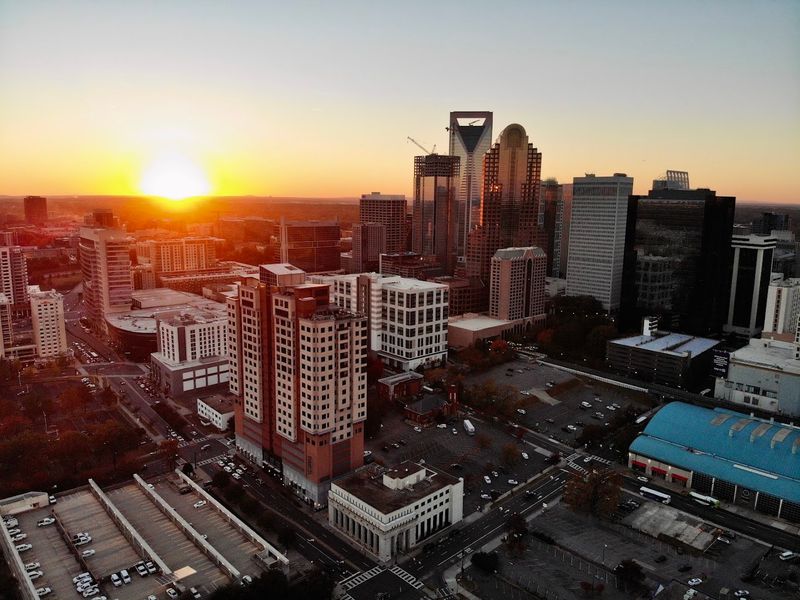
Charlotte has quietly become one of the most financially powerful cities in the Southeast, home to major banking institutions and a fast-expanding tech sector. That economic muscle attracts well-compensated professionals who are willing to pay a premium for housing, gradually pushing prices beyond what local median incomes can comfortably support.
Realtors in Charlotte note that neighborhoods once known for affordability have been redeveloped and repriced at a rapid pace. Buyers who waited even two years have found themselves priced out of areas they previously considered within reach.
The city still compares favorably to coastal giants like Boston or Los Angeles in terms of overall cost of living. But that gap is narrowing every year.
Charlotte’s combination of career opportunities, mild weather, and growing cultural scene makes it a genuinely attractive place to live, and that attractiveness is precisely what is pushing prices higher.
8. Salt Lake City, Utah
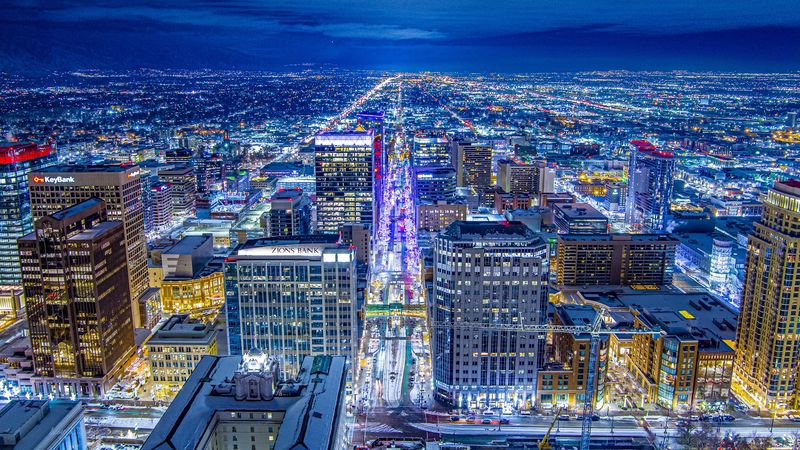
Nestled against the stunning Wasatch Mountains, Salt Lake City offers something rare: urban conveniences paired with world-class outdoor recreation. Skiing, hiking, and mountain biking are practically in the backyard, and that lifestyle premium has not gone unnoticed by homebuyers from across the country.
Tech companies have established a strong presence in the region, earning it the nickname Silicon Slopes. That influx of higher-paying jobs has pushed housing demand well beyond what the local supply can easily absorb.
Prices have climbed steeply, and realtors warn that the trend is far from over.
First-time buyers in particular are finding Salt Lake City increasingly difficult to break into. The combination of limited land for development, geographic constraints from surrounding mountains, and persistent in-migration creates a pressure cooker for prices.
Acting before the next wave of growth arrives could make a meaningful difference in what buyers ultimately pay.
9. Greenville, South Carolina
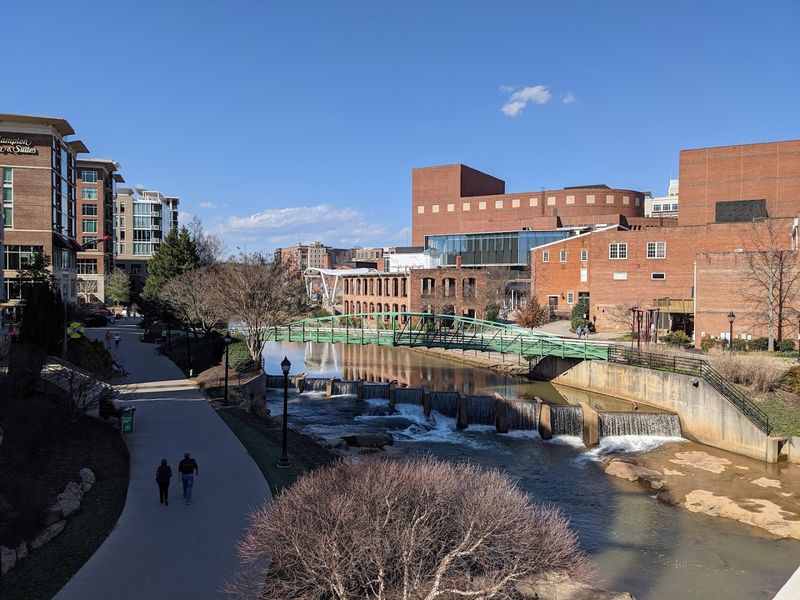
Greenville might be the most under-the-radar city on this list, but realtors are paying close attention. This charming South Carolina city has been quietly winning national recognition for its revitalized downtown, outdoor spaces, and welcoming community vibe.
Word has spread, and buyers are showing up in increasing numbers.
Home prices in Greenville were genuinely affordable not long ago, making it a favorite among remote workers and retirees seeking a slower pace without sacrificing quality of life. That reputation has driven demand to a point where inventory struggles to keep up.
Manufacturing and advanced industry have also expanded in the region, bringing steady employment and attracting younger workers with real purchasing power. Realtors say Greenville is at a tipping point where affordability could shift dramatically within just a few years.
Buyers who discover Greenville now may be catching it at exactly the right moment before prices fully reflect its growing appeal.
Share this story