Some streets do more than connect point A to point B. A handful of roads across America have become full-blown destinations, drawing millions of visitors who come just to walk, eat, shop, and soak up the scene.
From jazz-soaked New Orleans to the glittering Las Vegas Strip, these streets carry their own legends. Pack your walking shoes, because this list is seriously worth the stroll.
Bourbon Street, New Orleans, Louisiana
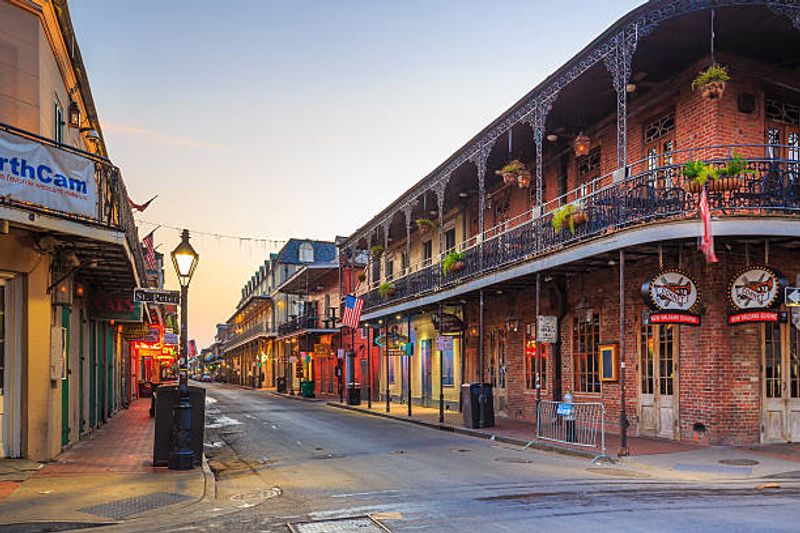
Nobody goes to Bourbon Street by accident. You go on purpose, knowing full well it will be loud, a little chaotic, and absolutely unforgettable.
The neon signs alone deserve their own fan club.
The French Quarter wraps around this street like a stage set that never gets torn down. Wrought iron balconies drip with beads, live bands spill sound onto the sidewalks, and every bar seems to be competing for the title of Most Enthusiastic.
The architecture is stunning even when you are trying to dodge a crowd.
First-timers often underestimate how much ground there is to cover here. The street stretches thirteen blocks, and each one has a different personality.
Go during the day for a calmer, more photogenic version. Come back at night if you want the full, unfiltered Bourbon Street experience that locals both love and lovingly complain about.
Royal Street, New Orleans, Louisiana
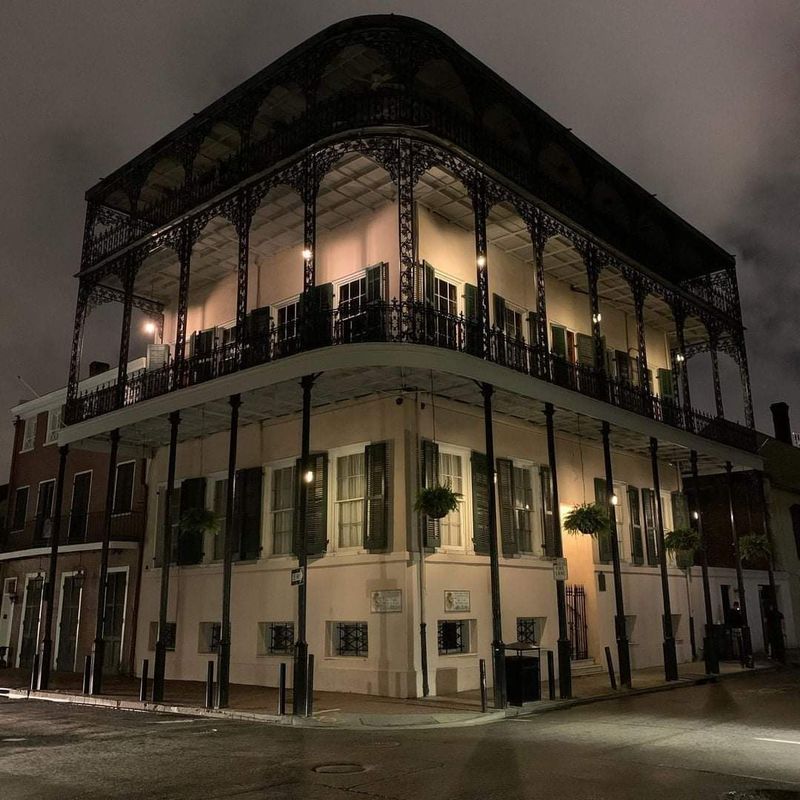
Royal Street is Bourbon Street’s quieter, more sophisticated sibling, and honestly, it might be the better pick for a first morning in New Orleans. Art galleries line both sides, antique shops overflow with curiosities, and the architecture is jaw-dropping at every turn.
I wandered down Royal Street on a weekday morning and somehow spent two hours without even trying. A violinist was playing near one gallery.
A shop window had a mirror that looked like it belonged in a French chateau. The whole block felt like a living museum that also happened to sell things.
Running parallel to Bourbon Street, Royal Street attracts a different crowd. Shoppers, art collectors, history buffs, and anyone who prefers their New Orleans experience with a side of elegance rather than a hurricane cocktail.
The wrought iron balconies here are some of the finest in the entire city. Do not skip this one.
Ocean Drive, Miami Beach, Florida
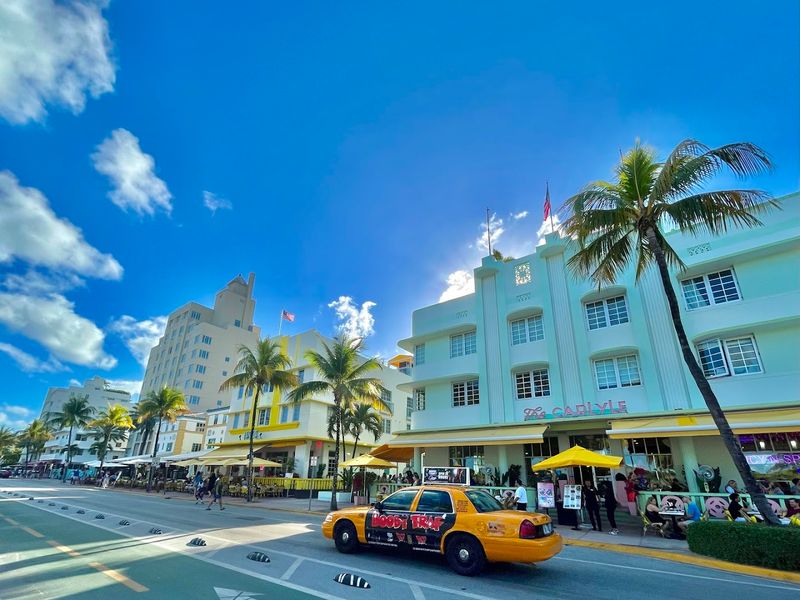
Ocean Drive looks like it was designed specifically to be photographed, and honestly, that theory is hard to argue with. Pastel Art Deco buildings line one side, the beach and palm trees line the other, and the whole scene practically glows on a sunny afternoon.
The Art Deco Historic District centers along Ocean Drive between 5th and 23rd Streets, making it one of the largest collections of Art Deco architecture in the world. The Art Deco Welcome Center at 1001 Ocean Drive is a great starting point for anyone who wants the full backstory on why these buildings look so magnificently retro.
Outdoor restaurants spill onto wide sidewalks, neon signs flicker even in daylight, and the energy here never really drops below a seven out of ten. This street has appeared in so many films and music videos that visiting feels strangely familiar even on a first trip.
Miami Beach packaged itself beautifully here.
Duval Street, Key West, Florida
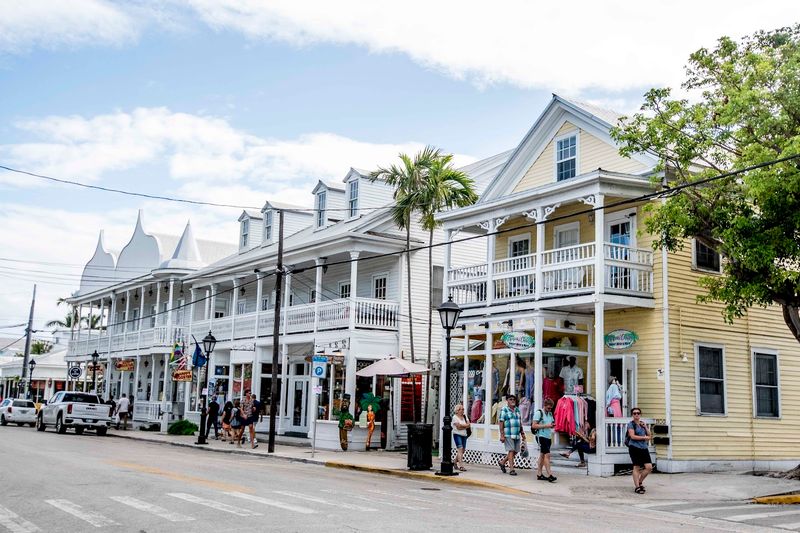
Key West has exactly one main street, and it pulls absolutely no punches. Duval Street stretches through Old Town with the kind of colorful, tropical confidence that only an island at the end of a highway can pull off.
Restaurants, pubs, quirky shops, and landmarks crowd both sides of the street from end to end. The Old Town Trolley rolls through regularly, which is a solid option if your feet need a break from all the exploring.
Key West Attractions Association keeps the promotions going year-round, and for good reason.
The architecture here has its own personality, painted in shades that would look wild anywhere else but feel completely right in Key West. Ernest Hemingway’s house sits just off Duval, and the Southernmost Point buoy is a short walk away.
The street has a laid-back island vibe that makes it easy to lose track of time entirely. That is not a complaint.
River Street, Savannah, Georgia
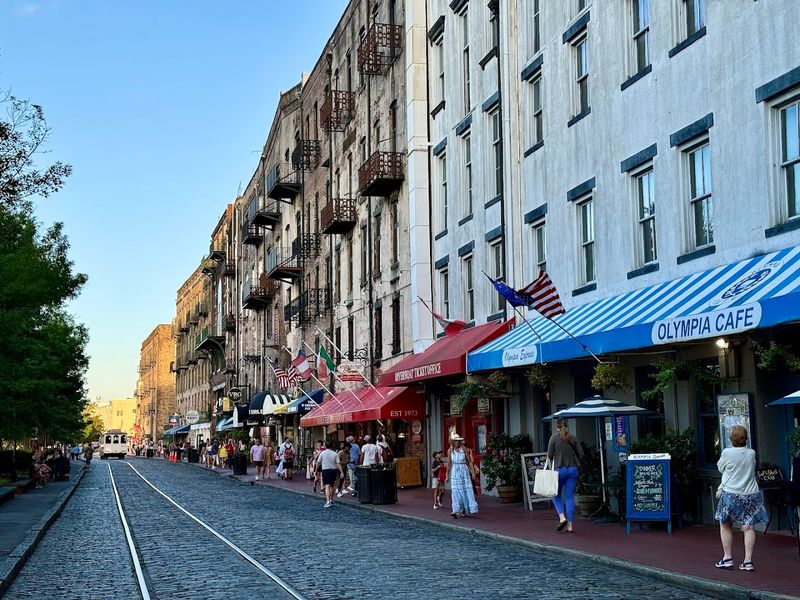
Cobblestones, river views, and buildings that have been standing since before the Civil War. River Street in Savannah is the kind of place that makes you want to slow down and actually look at where you are walking.
The preserved historic buildings that line the waterfront were originally cotton warehouses, which explains their thick walls and dramatic brick facades. Today they house restaurants, shops, galleries, and bars that draw visitors all year long.
Savannah’s Waterfront describes the street as a destination for food, shopping, and nightlife, and it earns that description honestly.
The River Street Visitor Information Center is open 363 days a year, which says everything about how seriously Savannah takes this street as an attraction. Watching the massive cargo ships drift past on the Savannah River while eating fresh seafood on a patio is a genuinely special experience.
The street has a relaxed Southern pace that feels like a welcome exhale after a busy travel day.
King Street, Charleston, South Carolina
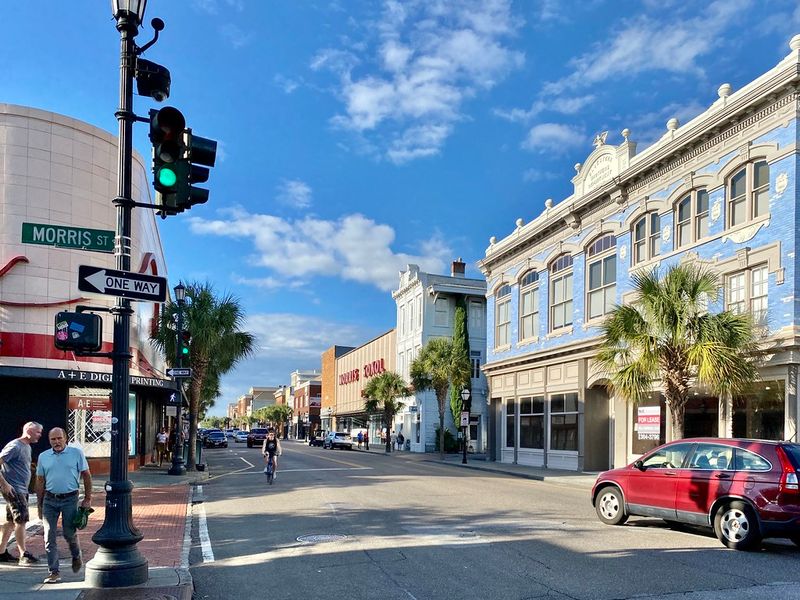
King Street is one of those rare streets that changes its entire personality depending on which block you are standing on. Lower King deals in antiques and history.
Middle King brings fashion and boutiques. Upper King is where the restaurants and nightlife take over.
Three streets in one, basically.
Charleston visitor guides have highlighted King Street for years, and the street keeps earning that attention. Historic architecture runs the entire length, giving even the trendiest new restaurant a backdrop that looks centuries old.
That combination of old bones and new energy is genuinely hard to find elsewhere.
Walking King Street from end to end takes about thirty minutes at a casual pace, but realistically, plan for two hours minimum. The shops are too interesting to rush past, and the food stops will slow you down in the best possible way.
King Street rewards the kind of visitor who is willing to wander without a strict agenda.
Fifth Avenue, New York City, New York
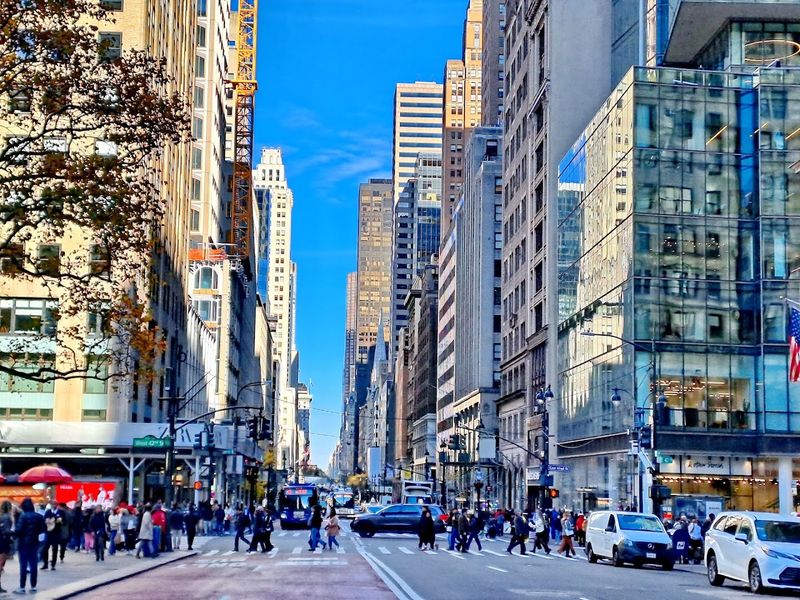
Fifth Avenue is less a street and more a greatest hits collection of Manhattan packed into one corridor. You can walk from Central Park’s edge past St. Patrick’s Cathedral, Rockefeller Center, flagship luxury stores, and world-class museums without ever turning a corner.
The holiday window displays alone draw massive crowds every winter, and they are worth every bit of the hype. Bergdorf Goodman, Saks, and Tiffany treat their windows like competitive art installations.
Fifth Avenue visitor resources describe it as a corridor of luxury shopping, cultural landmarks, and major attractions, which is technically accurate but undersells the experience significantly.
The sheer density of recognizable things on this one street is almost unreasonable. It took me three separate visits before I stopped walking past landmarks with my mouth slightly open.
Even New Yorkers who claim to be too cool for tourists secretly appreciate what Fifth Avenue delivers. It is genuinely one of the world’s great streets, and it knows it.
Las Vegas Boulevard, Las Vegas, Nevada
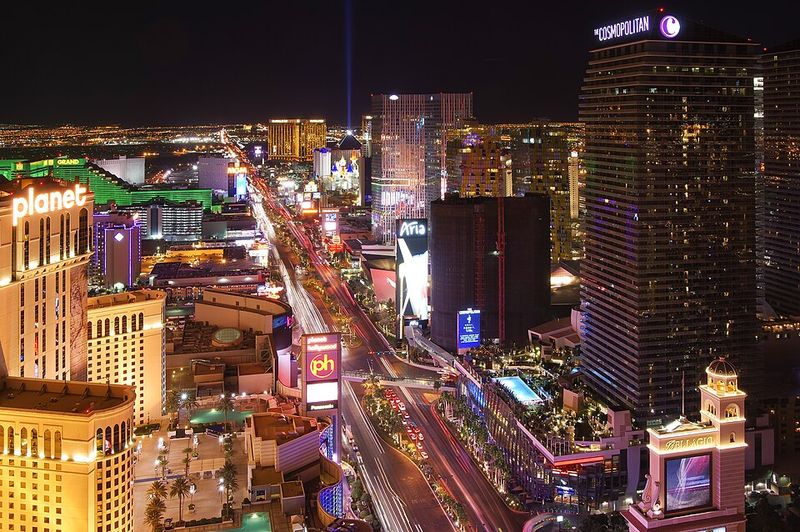
Las Vegas Boulevard was engineered to make your jaw drop, and the engineering department clearly nailed the brief. The Strip is not subtle, and that is precisely the point.
Walking the Strip means passing the Bellagio fountains, replicas of the Eiffel Tower and the Statue of Liberty, massive resort hotels, and more flashing lights than your phone camera can handle. Visit Las Vegas promotes shows, hotels, casinos, and restaurants with the enthusiasm of someone who has clearly been there and had a very good time.
The Strip is the core sightseeing corridor of the city, and that is not an exaggeration.
The sidewalks here are surprisingly entertaining even before you enter a single casino. Street performers, themed architecture, outdoor attractions, and the general spectacle of thousands of people all having their own version of a big night out creates a constant background buzz.
Las Vegas Boulevard is, without question, one of America’s most theatrical streets.
Lombard Street, San Francisco, California
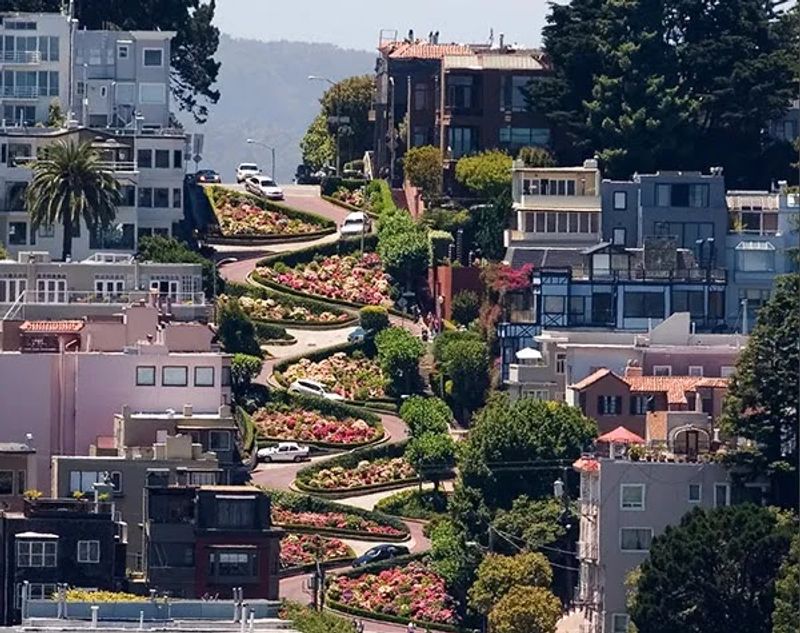
A street does not need bars or boutiques to become one of the most photographed spots in America. Lombard Street proved that with nothing more than a steep hill, eight hairpin turns, and some very committed gardeners.
San Francisco Travel lists Lombard Street as one of the city’s most famous landmarks, and it earns that status purely on visual merit. The brick-paved one-way block winds down the hill surrounded by hydrangeas and manicured hedges, with views of the bay in the background.
It is genuinely beautiful in a way that photos never fully capture.
Worth noting: people still live on this block. Visit California specifically points out that respectful visiting matters, so keeping noise down and staying on designated areas is important.
The best view of the famous curves comes from the bottom of the hill looking up. Plan to arrive early in the morning on weekdays to avoid the thickest crowds.
Parking nearby is notoriously difficult.
Rodeo Drive, Beverly Hills, California
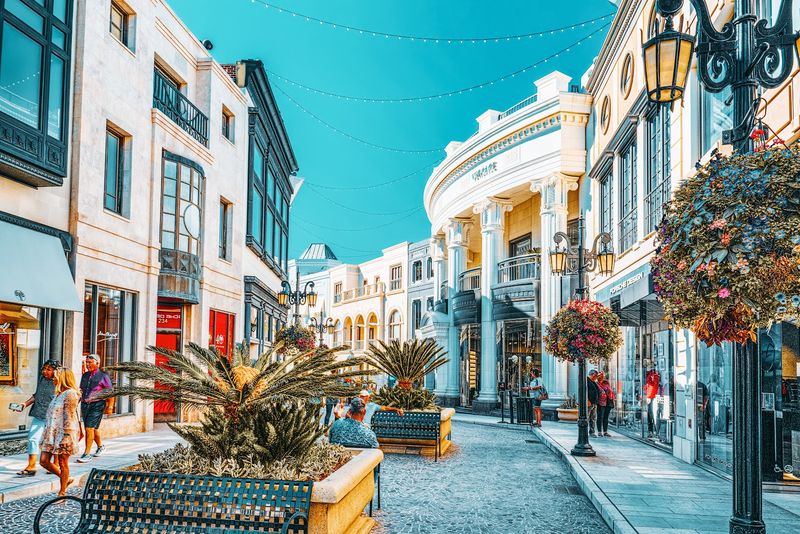
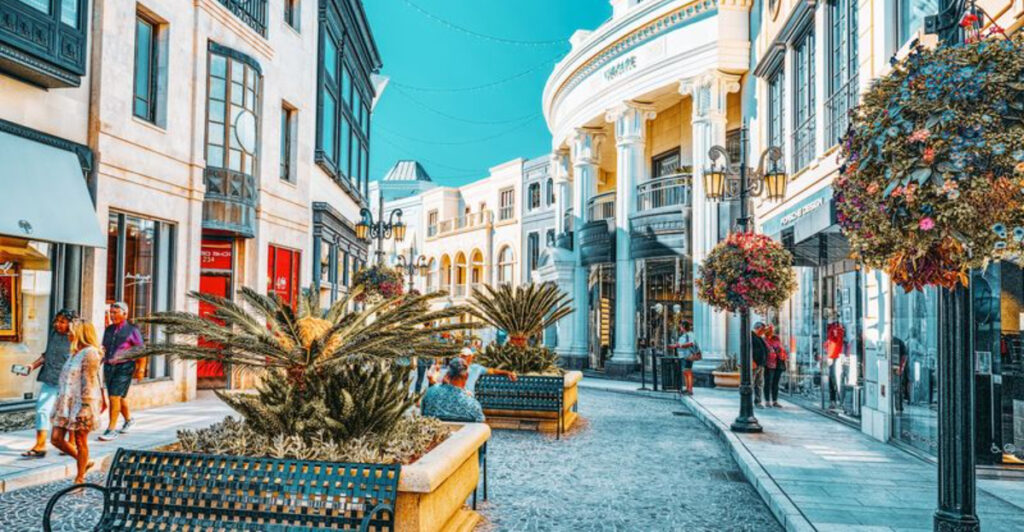
Rodeo Drive charges no admission fee, which feels like a minor miracle given how much everything else on the street costs. The palm-lined stretch through Beverly Hills is a full sensory experience of wealth, fashion, and cinematic glamour.
Luxury fashion houses like Gucci, Chanel, Prada, and Louis Vuitton line both sides, their storefronts polished to a level that makes ordinary retail look embarrassing by comparison. The official Rodeo Drive site invites visitors to experience fashion houses, hotels, and restaurants, and Visit California backs that up by calling it a top luxury shopping and dining destination in the state.
Even window shopping here feels like an event. The street has appeared in countless films, most famously in Pretty Woman, which gave it a pop culture status that goes beyond fashion.
Fine dining options nearby make it easy to turn a Rodeo Drive stroll into a full afternoon. Dress however you like.
The street welcomes everyone, even those just there for the photos.
Pearl Street Mall, Boulder, Colorado
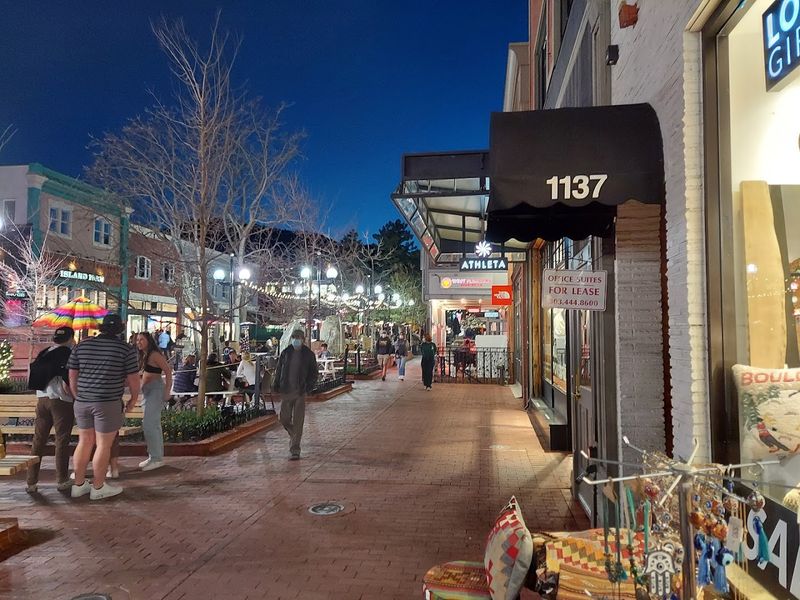
Pearl Street Mall in Boulder has the rare quality of feeling genuinely local and genuinely welcoming to visitors at the same time. Most pedestrian malls feel like they were built for tourists.
This one feels like it grew organically from the community around it.
Colorado.com describes it as a red brick, pedestrian-only thoroughfare filled with hundreds of businesses, and the Pearl Street Mall directory counts more than 200 stores lining the street. Street performers add a lively layer to the whole scene, and on a good weekend, you might catch jugglers, musicians, and magicians all within the same block.
The mountain backdrop behind Boulder gives the whole street an outdoor, fresh-air energy that feels different from urban pedestrian malls elsewhere. Restaurants with outdoor seating make it easy to sit and watch the parade of locals, students, hikers, and visitors all sharing the same bricks.
Pearl Street Mall is the kind of place you visit for an hour and stay for three.
Church Street Marketplace, Burlington, Vermont
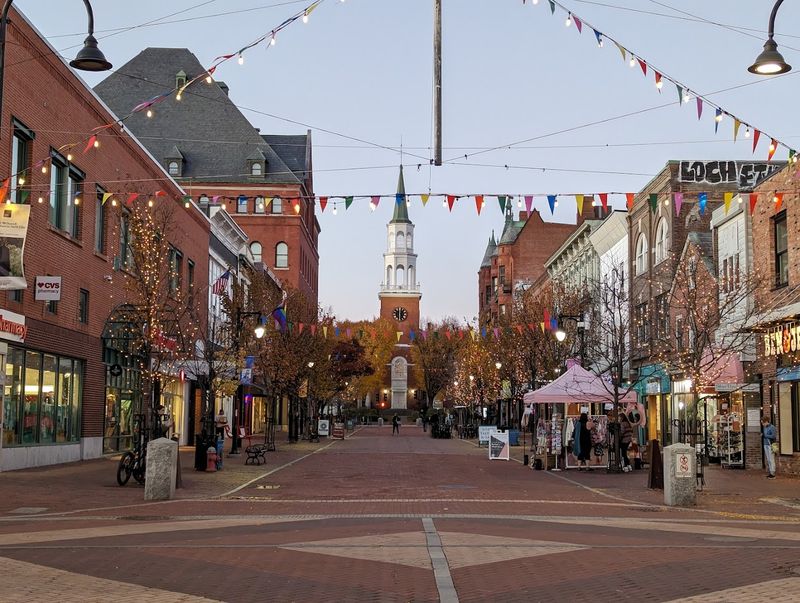
Burlington, Vermont is not a city most people associate with a buzzing pedestrian scene, but Church Street Marketplace has been quietly proving that assumption wrong for decades. Four blocks of pedestrian-only New England charm, packed with more than 100 stores and restaurants.
Vermont.com notes that the four blocks host festivals, concerts, parades, street entertainers, and vendors throughout the year, which means Church Street is genuinely lively in every season. The outdoor seating fills up fast on warm days, and the brick walkways give the whole stretch a classic New England aesthetic that photographs extremely well.
Winter on Church Street has its own appeal. Holiday lights, seasonal events, and the crisp Vermont air create a completely different but equally enjoyable atmosphere.
Local shops mix comfortably with national brands, keeping the street from feeling generic. If you are visiting Burlington for the first time, Church Street Marketplace is the obvious starting point.
It sets the tone for the whole city beautifully.
Canyon Road, Santa Fe, New Mexico
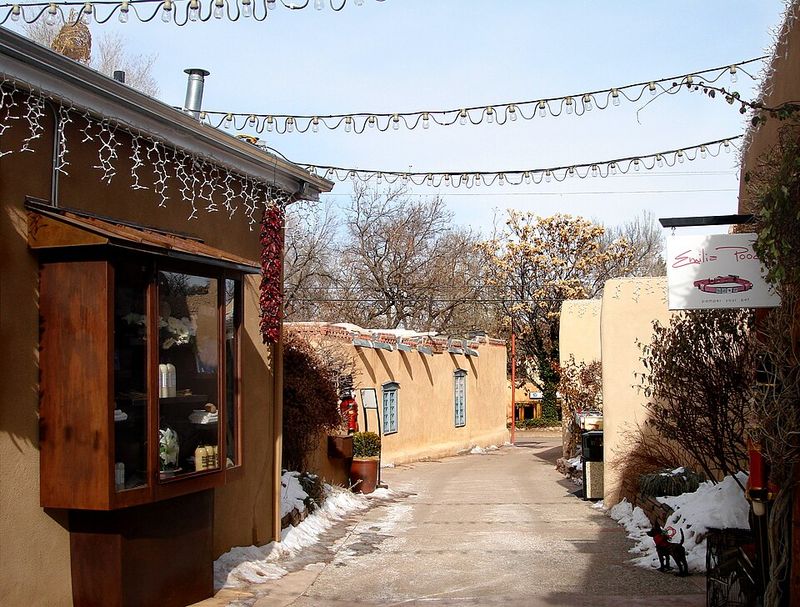
Canyon Road might be the only street in America where you can spend an entire afternoon gallery-hopping without repeating yourself once. Tourism Santa Fe counts more than 100 galleries packed into a half-mile pedestrian-friendly stretch.
That is a serious density of art for one road.
The adobe buildings that house these galleries have been standing for centuries, giving Canyon Road a character that no modern art district can replicate. Most galleries are open daily from 10 to 5, though Visit Canyon Road wisely suggests checking individual hours before making specific plans.
The street also hosts popular gallery walks on Friday evenings, when the neighborhood comes especially alive.
Santa Fe’s high desert light is famous among painters and photographers for its clarity and warmth, and Canyon Road sits right in the middle of that tradition. Even if buying art is not on your agenda, the sculptures displayed outdoors along the street make the walk worthwhile on their own.
Canyon Road rewards slow, unhurried exploration.
State Street, Santa Barbara, California
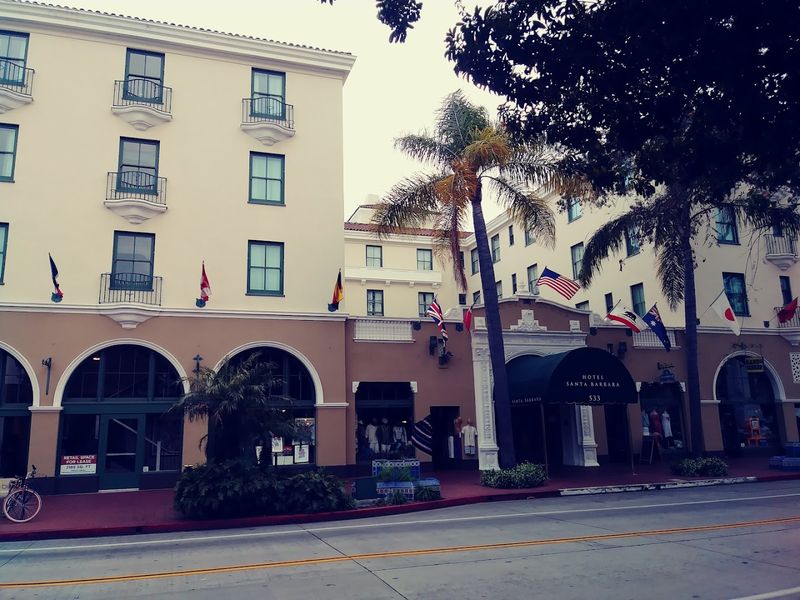
State Street in Santa Barbara is what happens when a city decides that its main street should feel like a permanent vacation. Spanish Colonial Revival architecture runs the full length, the weather is almost offensively perfect, and the whole setup tilts toward outdoor dining and leisurely browsing.
Visit Santa Barbara describes the State Street Promenade as a 10-block, pedestrian-only area featuring restaurants, farmers markets, and artisan shops. Visit California expands that picture by highlighting the broader street as a lively shopping and dining corridor leading toward the waterfront.
Both descriptions are accurate, and neither fully captures how pleasant it actually is.
Wine bars, galleries, and independent boutiques give State Street a local flavor that keeps it from feeling like every other shopping corridor in California. The farmers market days bring fresh energy and local produce to the mix.
Walking State Street toward the harbor at golden hour, with the Santa Ynez Mountains behind you, is one of those travel moments that sticks around long after the trip ends.
Share this story