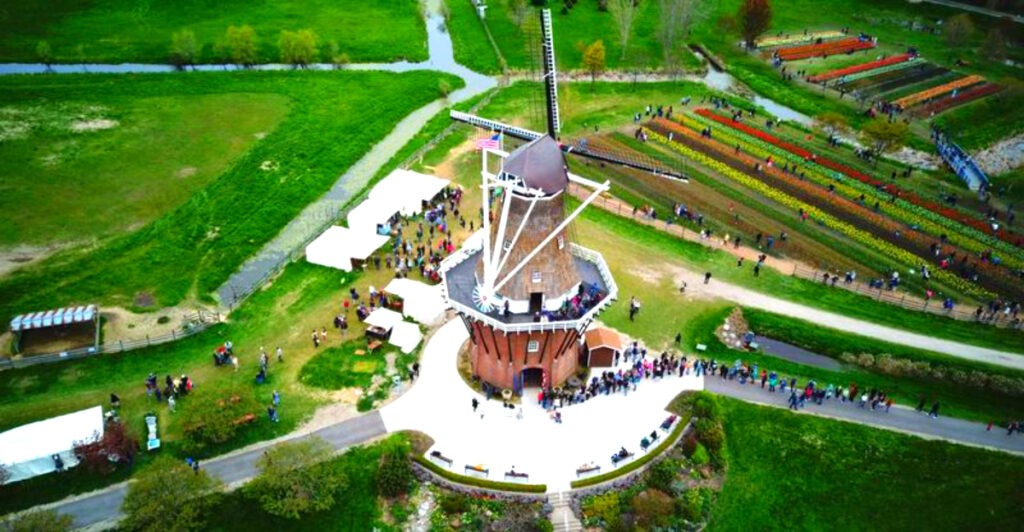
A 125-foot Dutch windmill shipped to Michigan from the Netherlands is already unusual. The fact that it still grinds grain today makes this park stand out even more.
Windmill Island Gardens in Holland, Michigan, combines working history, massive tulip displays, and authentic Dutch attractions in a way few U.S. destinations can match.
Spread across 36 acres, the park includes canals, gardens, a hand-painted antique carousel, and a traditional street organ gifted by the City of Amsterdam. Spring brings the famous tulip blooms that draw visitors from across the country, but the park remains active and colorful well beyond tulip season.
It’s the kind of stop that feels far more unique than most roadside attractions people expect to find in the Midwest.
Where You Will Find This Dutch Corner of Michigan
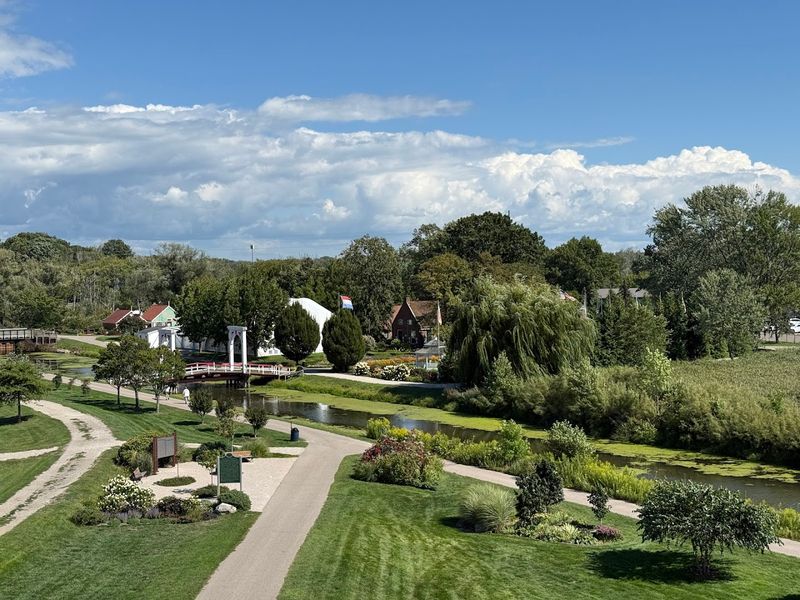
The address is 1 Lincoln Ave, Holland, MI 49423, and the moment you pull into the parking lot, the scale of what you are about to see becomes clear. Windmill Island Gardens sits in Holland, Michigan, a small city on the eastern shore of Lake Michigan with deep Dutch roots.
The park covers 36 acres and operates as an official department of the City of Holland. That civic ownership shows in how well everything is maintained, from the trimmed hedgerows to the painted fences.
The gardens are open seasonally, generally from mid-April through early October, Tuesday through Sunday, with hours running from 9:30 AM to 5 PM. Admission runs around $13 to $16 per adult depending on the season, and parking on site is free.
The phone number is 616-355-1030, and more details are available at windmillisland.org. Getting here from downtown Holland is easy enough to walk, and many visitors do exactly that.
De Zwaan: The Only Authentic Operating Dutch Windmill in the United States
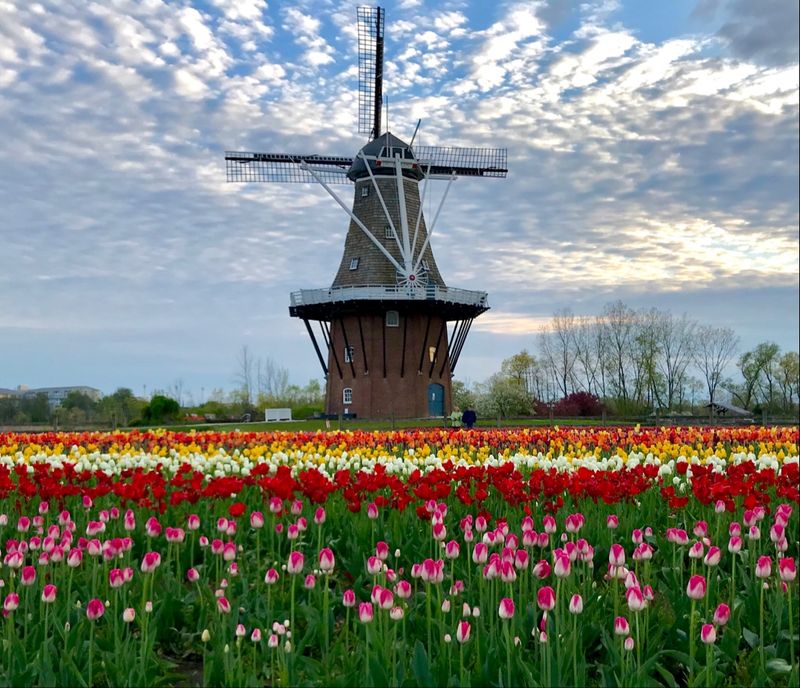
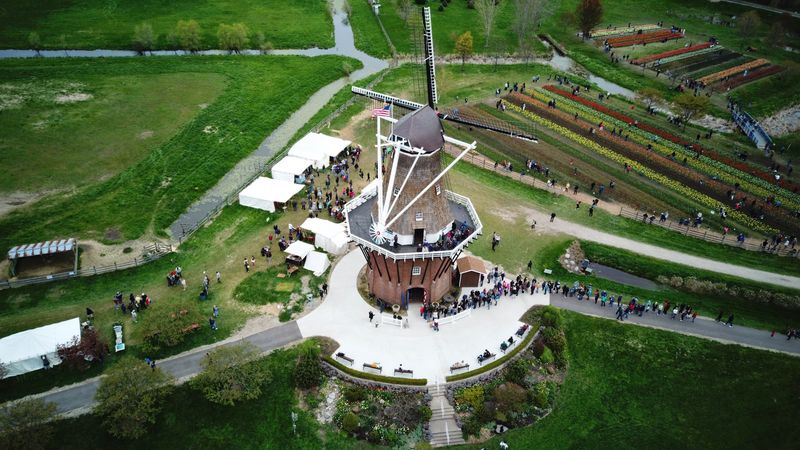
Built in 1761 in Krommenie, Netherlands, De Zwaan has had a longer and more interesting life than most buildings you will ever visit. The name translates to “The Swan” or “Graceful Bird,” and once you see those enormous sails turning against a Michigan sky, the name starts to make sense.
What makes De Zwaan genuinely rare is its status as the only authentic, operating Dutch windmill in the entire United States. After World War II, the Netherlands placed a ban on exporting windmills to preserve its heritage.
De Zwaan was the last one permitted to leave, shipped to Holland, Michigan, in 1964 and dedicated the following year.
A Dutch-certified miller still operates the mill today, grinding grain into flour the same way it was done centuries ago. The mill stands five stories tall, and visitors can tour every level.
That outside viewing deck near the blade level offers a sweeping look across the gardens that is worth every step of the climb.
Climbing Five Stories Inside a 260-Year-Old Working Mill
Most historic structures let you look but not touch. De Zwaan is refreshingly different.
Visitors can walk through all five floors of this working mill, and each level tells a different part of the story of how windmill power shaped everyday Dutch life.
One floor focuses on clog carving, another on flour milling, and the mechanical components on display are original, not reproductions. The wooden gears and massive millstones are genuinely old, and staff members stationed throughout the mill are happy to explain how everything works.
The stairways are steep and narrow in the way that centuries-old structures tend to be, so comfortable shoes are a practical necessity. At the top, an outdoor viewing deck wraps around the mill just below the rotating sails.
On a clear day, the view stretches across the entire 36-acre park and beyond toward the Michigan horizon. Watching those massive blades sweep past while you stand on the platform is a surprisingly exhilarating experience that photos can only partially capture.
100,000 Tulips and the Spring Season That Stops Traffic
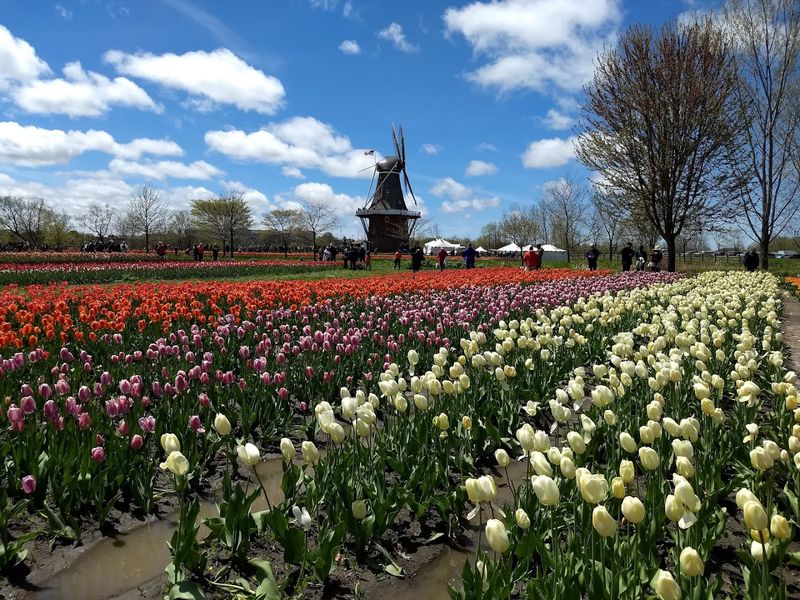
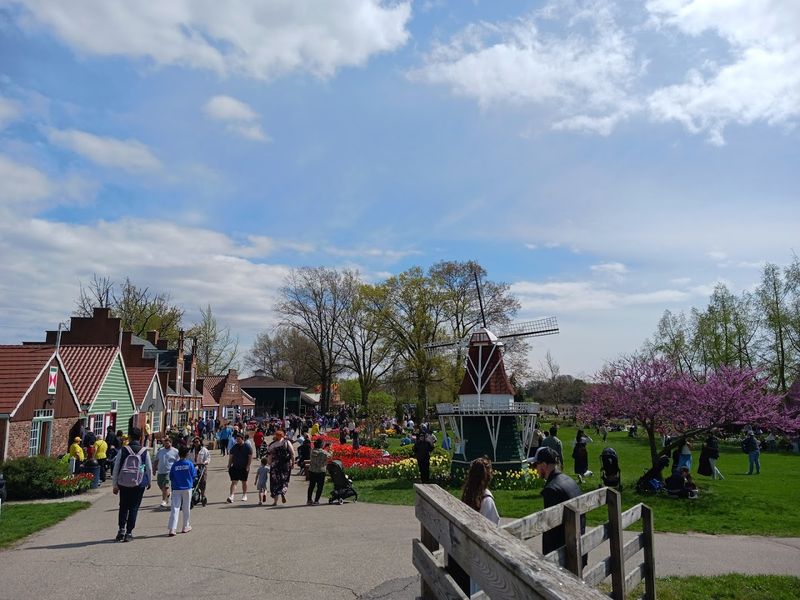
Spring at Windmill Island Gardens is a spectacle that earns its reputation. The park plants anywhere from 100,000 to 175,000 tulip bulbs each year, and when they peak in late April or early May, the effect is genuinely breathtaking.
The tulip displays are arranged in color-coordinated beds that frame the windmill and line the pathways throughout the park. Red, yellow, pink, purple, and white varieties bloom in waves, and the combination of those colors against the green lawns and blue sky makes for some of the most photographed scenery in Michigan.
Peak week draws large crowds, and the park has reported record-breaking attendance in recent years. Arriving right at the 9:30 AM opening on a weekday gives you the best chance of finding parking and enjoying the gardens without shoulder-to-shoulder company.
Visiting the weekend before peak bloom is another smart move, since the crowds are smaller and plenty of tulips are still showing color. The gift shop line at peak season is worth knowing about too, so shop early.
What Happens After the Tulips Are Gone
A common assumption is that once the tulips fade, the park has nothing left to offer. That assumption is wrong.
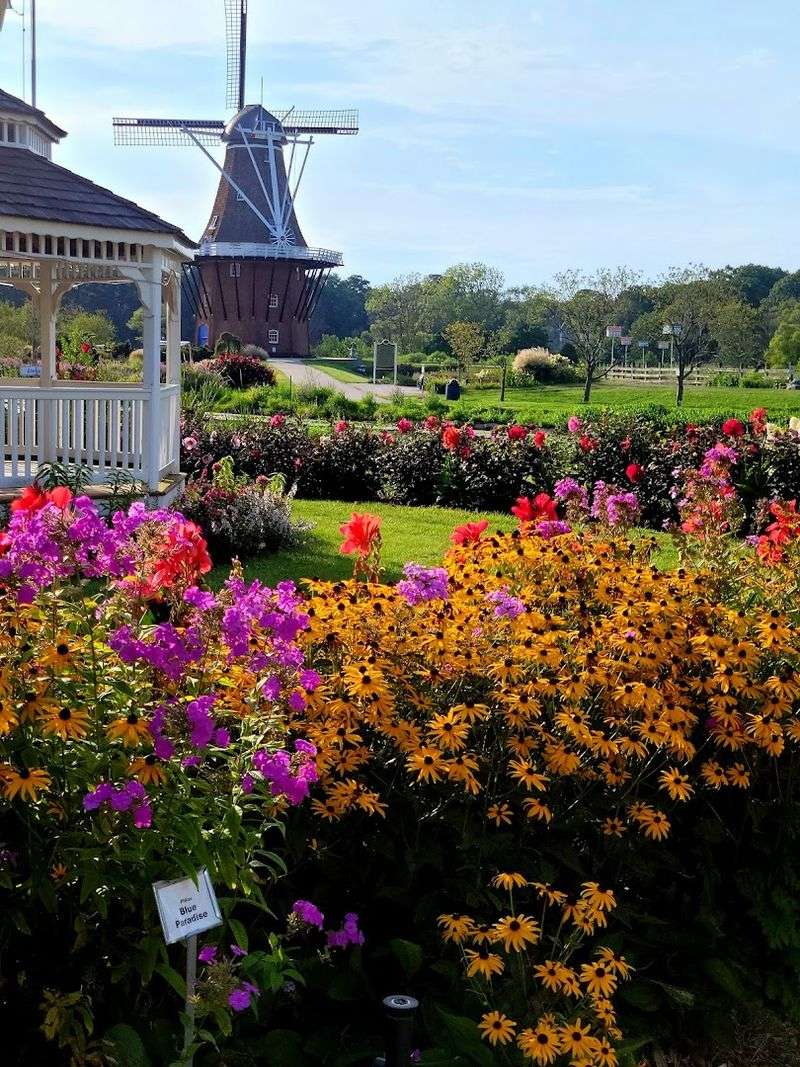
After the spring bulbs finish, the garden crews replant the beds with thousands of annual and perennial flowers that carry the color through summer and into fall.
Sunflowers, dahlias, marigolds, and other warm-season blooms take over the same beds that held tulips just weeks earlier. The transformation is gradual but consistent, and by midsummer the gardens look entirely different while staying just as photogenic.
Fall brings its own quieter appeal. The crowds thin out considerably, and the pace of a visit in September or October feels more relaxed.
Monarch butterflies passing through on their migration have been spotted moving through the flower beds, which adds an unexpected layer of natural interest to an autumn visit.
The park remains well maintained throughout the entire season, and the 36 acres of green space feel just as welcoming in August as they do in April. There is no bad time to visit, just different versions of the same beautiful place.
The Street Organ That Plays on the Quarter Hour
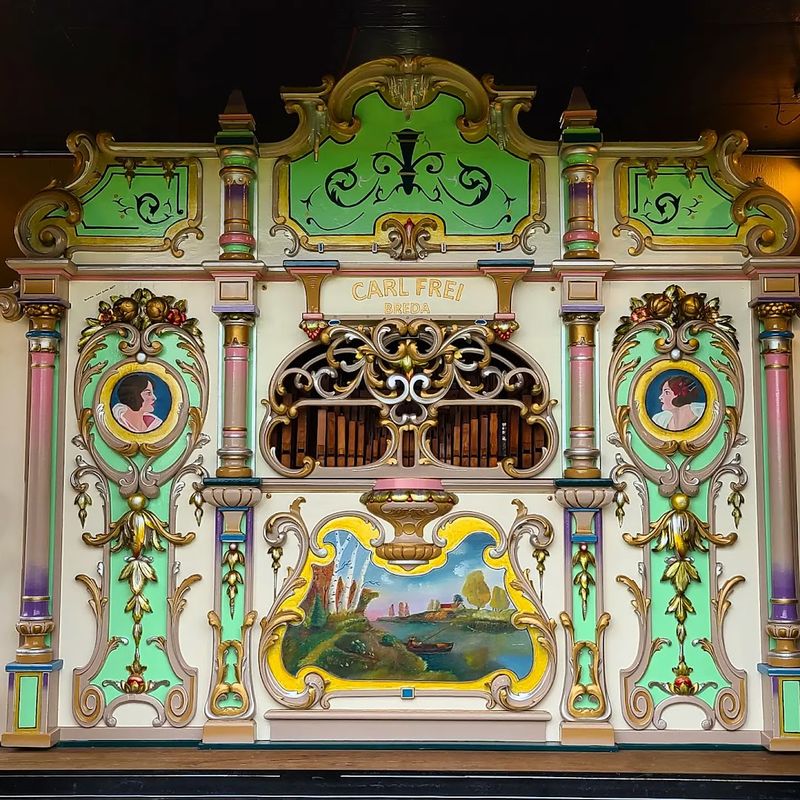
Not many parks can say they own an antique street organ gifted directly by the City of Amsterdam, but this one can. The instrument stands in an open area of the park and performs at quarter past and quarter to the hour, drawing small crowds of curious visitors every time it starts up.
The music plays from original cardboard book notation, which is the traditional format for these organs rather than digital programming or recorded tracks. Watching the cardboard sheets feed through the mechanism while the pipes produce that distinctly European sound is a small moment of genuine wonder.
The organ is ornately decorated with painted panels in the Dutch tradition, and its craftsmanship alone makes it worth a close look even when it is not playing. Staff members sometimes give informal demonstrations that explain how the instrument works and where it came from.
It is one of those details that separates Windmill Island Gardens from a simple flower park and gives the visit a cultural dimension that lingers in the memory long after you have driven home.
The Hand-Painted Carousel That Kids Cannot Resist
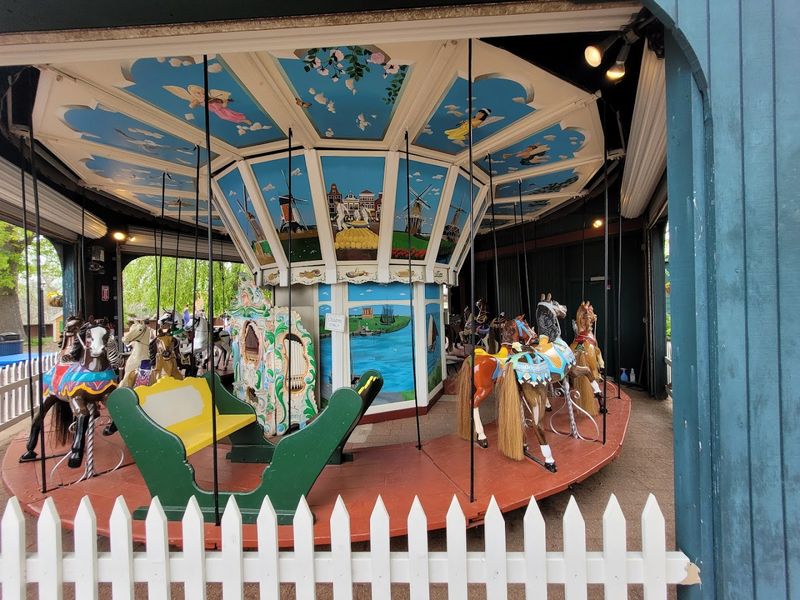
There is something about an antique carousel that makes both children and adults stop walking and just stare for a moment. The hand-painted carousel at Windmill Island Gardens has that exact effect, with its intricate decorative panels and traditionally styled horses that feel pulled from a different era entirely.
For families visiting with younger children, the carousel is often the highlight of the trip. It operates within the park grounds and is included with admission, making it a genuinely fun bonus rather than an add-on cost.
The carousel area sits near a small playground, so there is a natural gathering spot for families to let kids burn some energy between garden walks and windmill tours. The combination of open green space, the carousel, and the playground makes the park exceptionally kid-friendly without feeling like it has been designed only for children.
On quieter visiting days outside of peak tulip season, the wait for a carousel ride is minimal. During busy spring weekends, the line moves quickly, and the ride itself is short but cheerful enough to leave younger visitors asking to go again.
Little Netherlands: A Miniature Village With a Surprising Film Connection
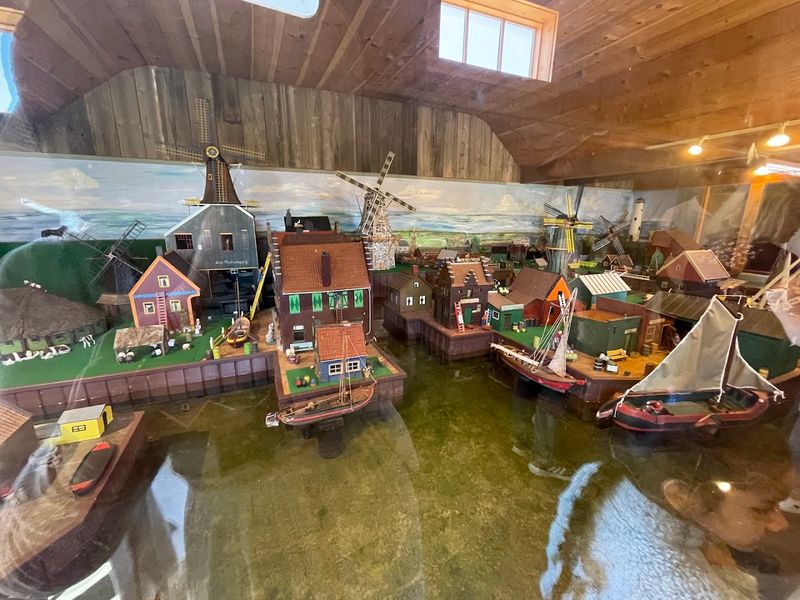
Tucked inside the park is a miniature village display called Little Netherlands, featuring detailed scale models of Dutch architecture and canal scenes crafted in the 1930s. The level of detail in these models is remarkable, and the display offers a condensed visual history of traditional Dutch town life that both adults and children find genuinely engaging.
What gives the display an unexpected pop-culture twist is its connection to a film called Holland, starring Emily Bruhn, which is set in Holland, Michigan. The movie features shots of the actual De Zwaan windmill and includes a scene involving a miniature Dutch town displayed in a basement, widely believed to be inspired by or referencing the Little Netherlands exhibit.
Visitors who have seen the film before arriving at the park tend to get a kick out of recognizing the connection in person. Those who discover it afterward often end up watching the movie specifically because of their visit.
Either way, the exhibit adds a storytelling dimension to the park that goes beyond flowers and architecture, making it a conversation piece long after the visit ends.
Dikes, Canals, and the Dutch Landscape Built Into the Park Design
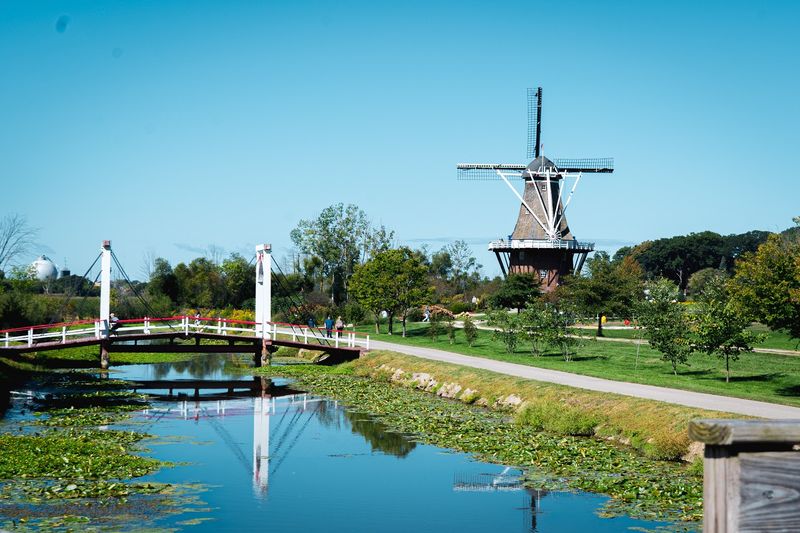
The Dutch did not just bring a windmill to Michigan. They brought a landscape philosophy with them, and it shows in the way Windmill Island Gardens was designed from the ground up.
The park incorporates dikes and canals that reflect the traditional Dutch approach to managing land and water.
A small bridge over one of the waterways is a favorite photo spot, and the reflection of the surrounding gardens and windmill in the calm canal water makes for some of the most striking images visitors take home. The water features are not just decorative; they give the park a layered, dimensional feel that a flat garden simply would not have.
The overall layout encourages a leisurely loop walk around the grounds, with the water features, garden beds, open lawns, and windmill creating a naturally flowing path from one area to the next. The entire loop is very manageable for most visitors, including those with strollers.
Wheelchairs are available for use within the park, and most of the grounds are accessible, though the upper floors of the windmill do require stair climbing to reach.
The Gift Shop: Dutch Treats, Local Cheese, and Souvenirs Worth Buying
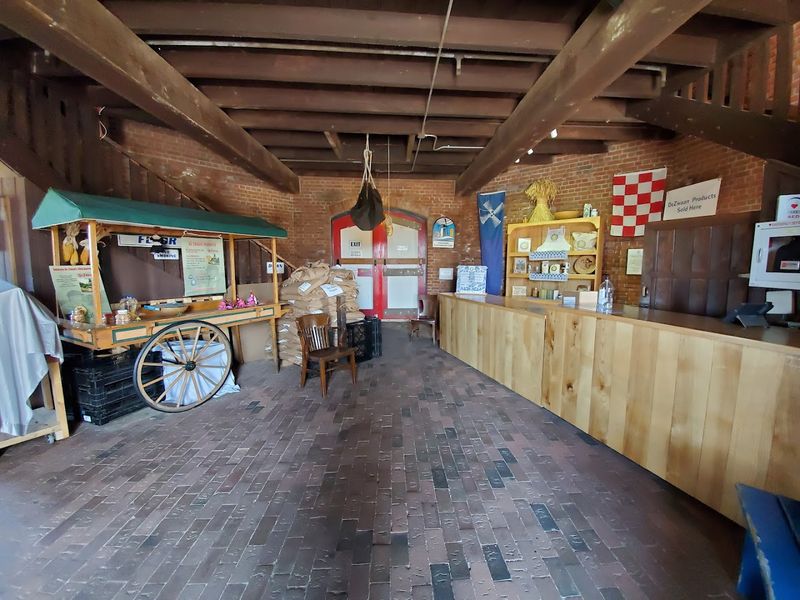
The gift shop at Windmill Island Gardens is genuinely good, and that is not something you can say about every tourist attraction’s retail space. The selection covers Dutch treats, traditional souvenirs, Delftware pottery, wooden clogs, and specialty items that feel specific to this place rather than generic airport-style merchandise.
One detail that stands out is the free cheese samples. Local cheese is available for tasting, and it has a way of turning a quick browse into a longer and more satisfying stop.
The cheese on offer is locally sourced rather than imported, which gives it a distinctly Michigan character despite the Dutch setting.
During peak tulip season, the shop gets extremely busy toward the end of the day. Visitors who wait until after touring the windmill and gardens sometimes find the line extending out the door.
Shopping earlier in your visit, or arriving during a quieter weekday, saves time and frustration.
The paper shopping bags even mirror those found in Amsterdam gift shops, which is either a charming detail or a funny coincidence depending on how you look at it.
Practical Tips for Getting the Most Out of Your Visit
A few practical notes can make the difference between a good visit and a great one. First, wear comfortable walking shoes.
The park covers 36 acres, the grounds involve uneven terrain in places, and the windmill stairs are steep. Staff members who wear traditional wooden clogs up and down those stairs deserve genuine respect.
Arriving at opening time, 9:30 AM, is the smartest move during tulip season. Parking fills up quickly on busy spring weekends, and the line for entry can stretch significantly by midmorning.
Coming early means you get the gardens at their quietest and most photogenic, with better light for photos as a bonus.
Outside of peak season, admission tends to be around $13 per adult, and parking is free on site. AHS Garden Network members get in free, which is worth checking before you go.
The park is also pet-friendly, so four-legged companions are welcome on the grounds.
The full visit, including the windmill tour, the organ performance, the carousel, and a walk around the entire loop, fits comfortably into two to three hours for most visitors.
Share this story