A Michigan arts complex where you can see a touring musical, explore dinosaur fossils, and test hands-on science exhibits in the same afternoon is not something most visitors expect to find. But this massive entertainment and education center has become one of the state’s biggest cultural attractions for exactly that reason.
Designed by a nationally recognized architect, the complex combines theaters, museums, and interactive science spaces under one roof. Visitors can move from Broadway-style performances to exhibits focused on electricity, health, engineering, and natural history without leaving the building.
The mix of live entertainment and family-friendly learning makes it a standout stop for both day trips and longer visits.
A Landmark Address Worth the Drive
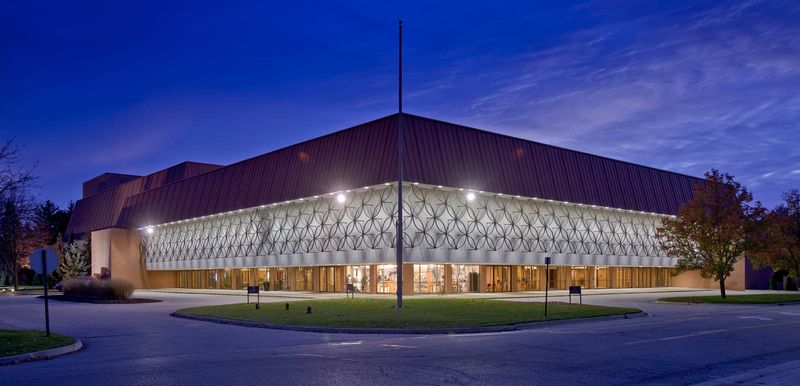
The Midland Center for the Arts sits at 1801 W St Andrews Rd, Midland, MI 48640, right in the heart of mid-Michigan, and the building itself makes a statement before you even walk through the door.
Architect Alden B. Dow designed the complex in 1968, and his vision was bold.
The structure blends clean modernist lines with an openness that feels welcoming rather than intimidating, which is rare for a building of this scale.
Midland is a small city with a surprisingly deep cultural identity, and this center is the clearest proof of that. Visitors from Detroit, Lansing, and even further north make the trip regularly, and many say the drive is completely worth it.
The parking lot was recently redone and is noticeably easy to navigate. First-time visitors often comment on how stress-free the arrival experience is, which sets a great tone for everything that follows inside.
The Architect Behind the Vision
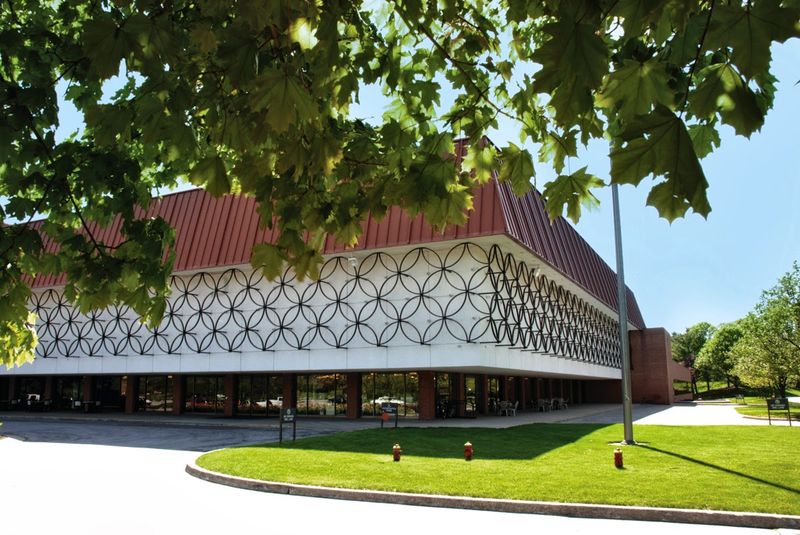
Not every arts complex can claim it was designed by a Frank Lloyd Wright apprentice, but Midland Center for the Arts can. Alden B.
Dow studied under Wright and went on to develop his own distinctive style rooted in harmony between structure and nature.
Dow was a Midland native, and his fingerprints are all over this city. His studio, his home, and several other buildings in the area carry his signature aesthetic.
Designing the arts center in 1968 was, in many ways, a love letter to the community that raised him.
The building reflects his philosophy that spaces should feel alive and purposeful. High ceilings, natural light, and thoughtful flow between areas make the complex feel curated rather than crowded, even when multiple events are happening simultaneously.
Understanding who built this place adds a layer of appreciation that most visitors do not expect. The architecture is not just a backdrop; it is part of the experience itself.
Two Theaters, One Roof, Zero Bad Seats
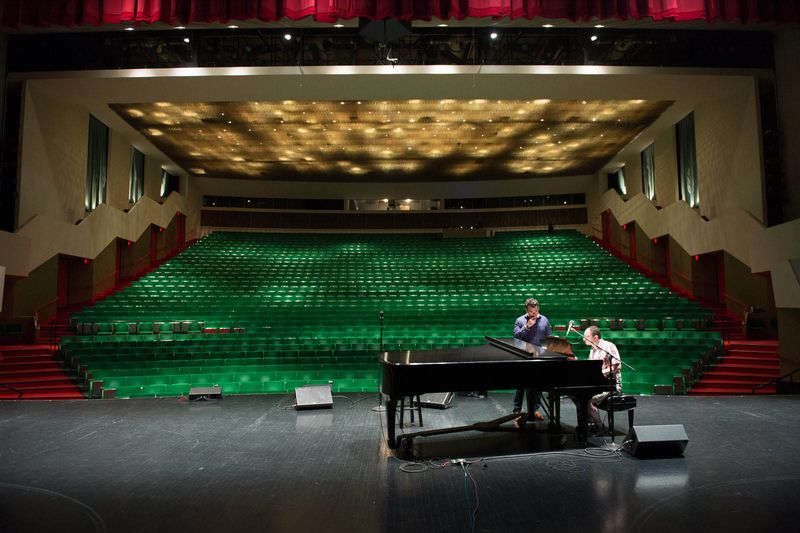
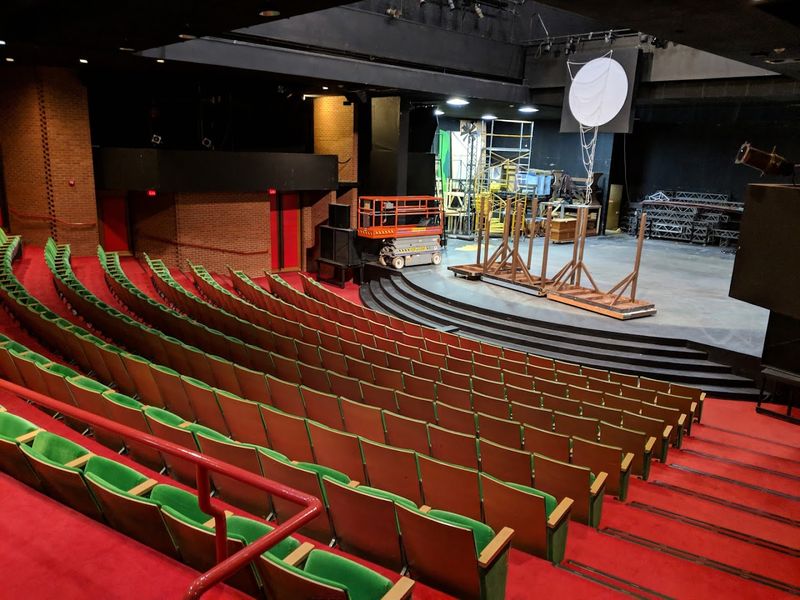
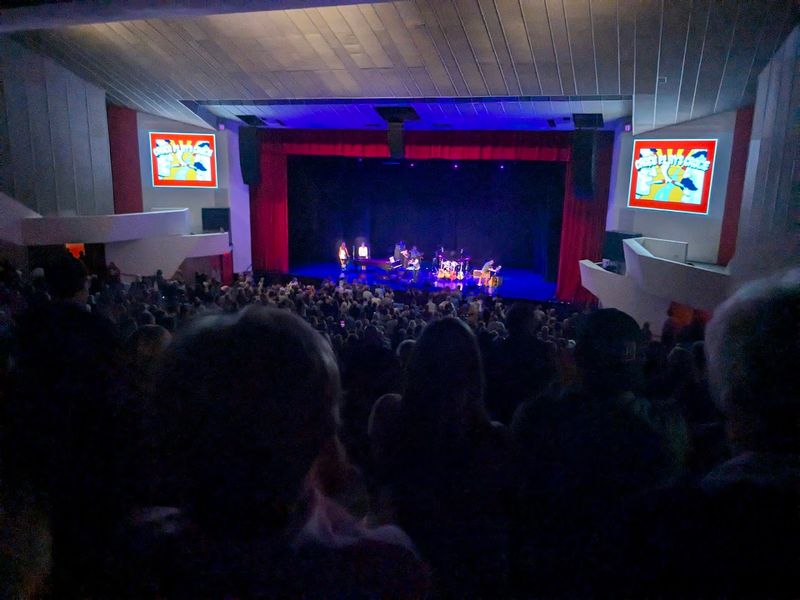
The main auditorium holds 1,500 seats, and the Little Theater adds another 400, giving the center serious versatility when it comes to programming. Broadway touring productions, orchestral concerts, and intimate dramatic performances all find a home here.
What stands out most is the sightline quality. Even seats in the back rows of the main auditorium offer a clear, unobstructed view of the stage, which is something larger urban venues often fail to deliver.
The sound system is equally impressive, with crisp audio that carries cleanly across the entire space.
Recent productions like SIX and Blue Man Group have drawn audiences from across Michigan, and the feedback is consistently enthusiastic. The staff guides guests to their seats efficiently, and the overall flow from parking to curtain call is smooth and well-organized.
The Little Theater is perfect for smaller, more intimate shows where the connection between performer and audience feels immediate. Both venues carry the same high standard of comfort and care.
The Midland Symphony Orchestra and Center Stage Theatre
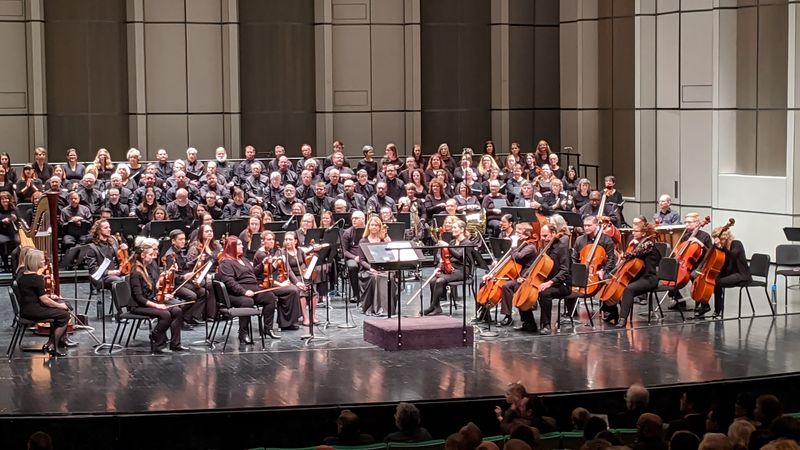
Two resident arts groups call this complex home, and both have built strong reputations over the years. The Midland Symphony Orchestra brings classical and contemporary concert programming to the main auditorium, drawing loyal audiences from across the region season after season.
Center Stage Theatre handles dramatic productions, and the range is impressive. From family-friendly shows to more mature dramatic works, the company commits to quality in every production.
A recent staging of A Raisin in the Sun drew passionate responses from audiences who described the performances as genuinely moving.
Having resident companies means the center is not just a rental venue. It is a living arts institution with ongoing creative energy, year-round rehearsals, and a community of performers who are deeply invested in what they do.
For locals, catching a Symphony or Center Stage production is a regular tradition. For first-time visitors, it is often the moment they realize this small Michigan city punches well above its weight in the performing arts world.
The Hall of Ideas: Science That You Can Touch
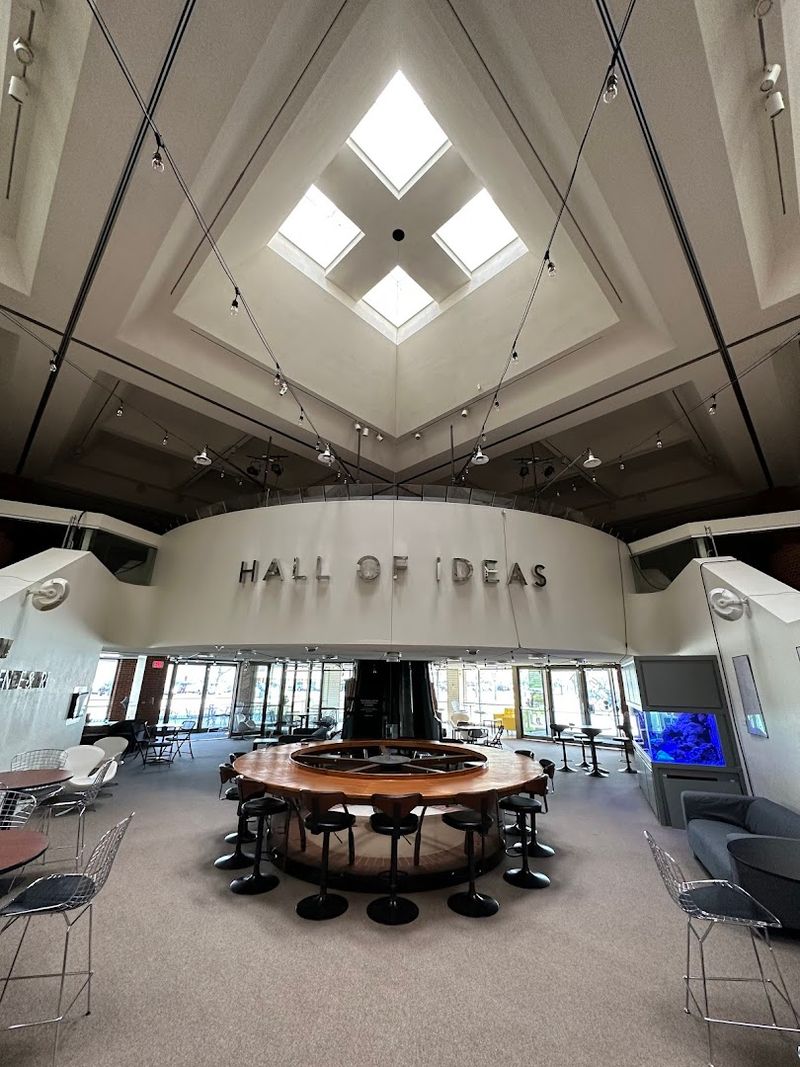
Three full levels of permanent interactive science exhibits fill the Hall of Ideas inside the Alden B. Dow Museum of Science and Art, and the range of topics covered is genuinely broad.
Electricity, simple machines, microbes, and more are presented in ways that invite hands-on exploration rather than passive observation.
The exhibits are designed with kids in mind, but adults tend to get just as absorbed. There is something about being able to pull a lever, press a button, or peer through a microscope that short-circuits the part of your brain that wants to just read a label and move on.
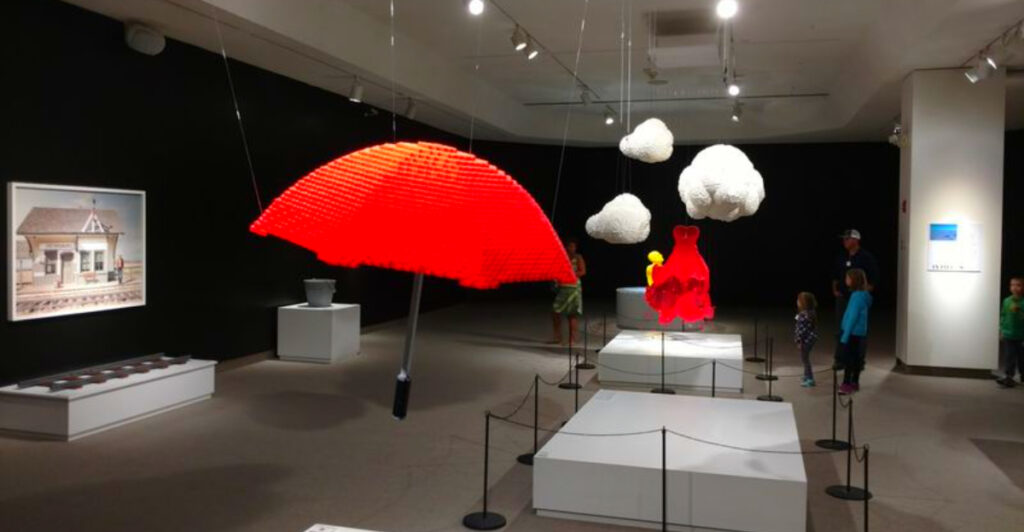
A fourth level hosts rotating visual art and science exhibitions, which keeps the museum fresh for repeat visitors. The combination of permanent and changing content means no two visits feel exactly the same.
The museum is currently undergoing renovation to introduce new galleries, including the Hall of Innovations and Hall of Materials. What is already there is impressive; what is coming sounds even better.
Art and Science Living Side by Side
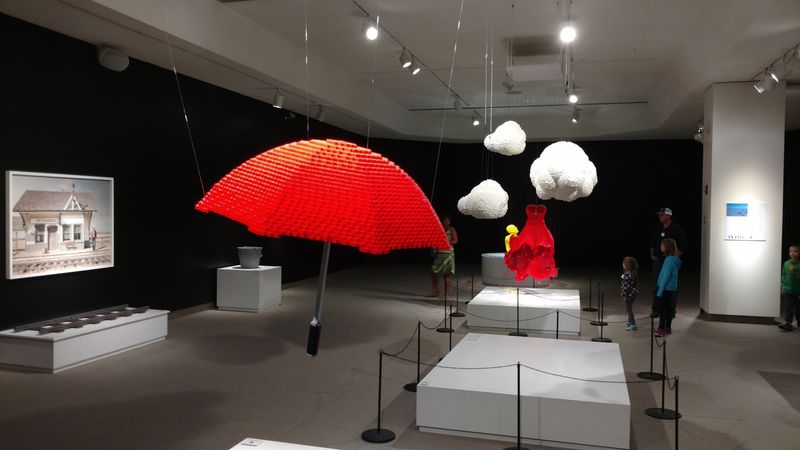
Most museums pick a lane: art or science. The Alden B.
Dow Museum of Science and Art refuses to choose, and the result is a space that feels genuinely unlike anything else in Michigan. Visual art and scientific inquiry share the same walls, and somehow the pairing works beautifully.
The fourth-floor gallery rotates exhibitions regularly, covering everything from fine art photography to displays about natural phenomena. Past exhibits have drawn crowds who came for the art and stayed for the science, or the other way around.
This cross-disciplinary approach reflects the spirit of Alden B. Dow himself, who believed that creativity and scientific thinking were not opposites but partners.
His architectural work demonstrated that philosophy, and the museum named after him continues it.
Visitors who expect a typical museum experience often leave pleasantly disoriented in the best way. The blend of disciplines creates conversations between exhibits that you would never anticipate, and that unpredictability is part of what makes the museum so memorable.
The Infinite and Other World-Class Traveling Exhibits
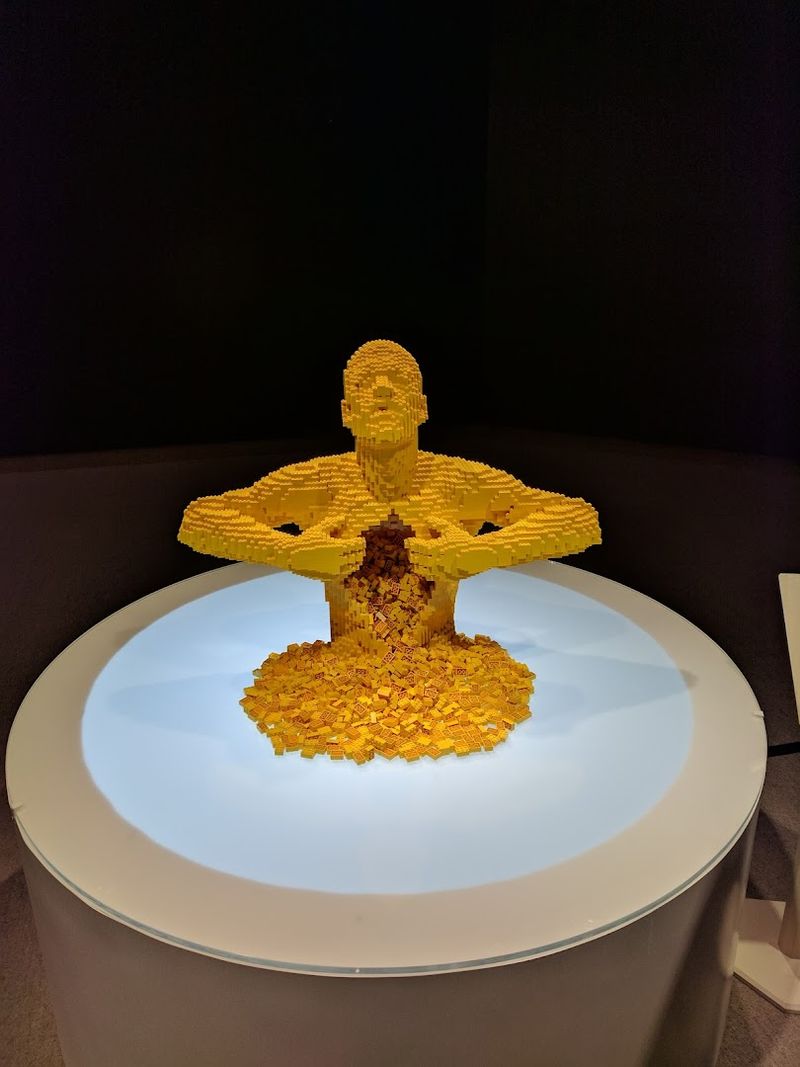
One of the most talked-about recent exhibits at the center was The Infinite, an immersive experience built around footage captured aboard the International Space Station. Visitors entered a fully enveloping environment where the boundaries between museum and outer space genuinely blurred.
The experience drew visitors who had never set foot in the center before, and many left saying it was unlike anything they had encountered in Michigan. NASA merchandise was available, adding a fun souvenir angle to an already memorable outing.
The center has a track record of securing internationally recognized traveling exhibits, which is a significant achievement for a city of Midland’s size. Past programming has included dinosaur exhibits with hands-on crafts and interactive components that kept families engaged for hours.
Each new exhibit brings a fresh wave of visitors and gives regulars a reason to return. The combination of permanent galleries and rotating world-class shows keeps the programming calendar exciting and unpredictable, which is exactly the kind of energy a great arts complex should generate.
Midland County History Told in Three Buildings
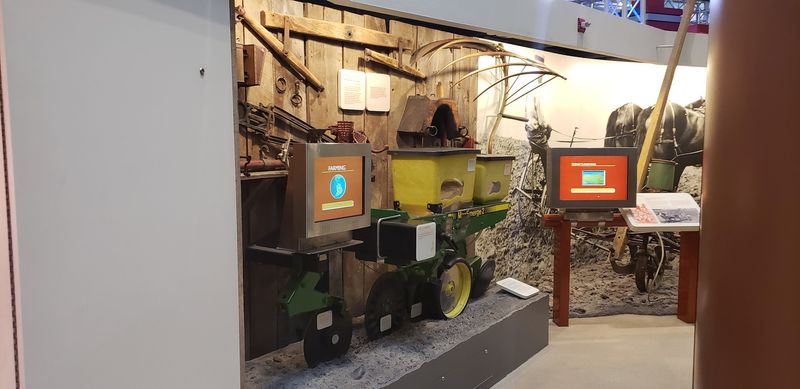
History gets its own dedicated corner of the complex through the Midland County Historical Society, which oversees three distinct sites. The 1874 Bradley Home, the Herbert H.
Dow Historical Museum, and the Doan History Center each offer a different window into the region’s past.
The Doan History Center is the most interactive of the three, featuring exhibits on Midland County history alongside a research library and archival collections. For anyone tracing family roots or studying local heritage, it is an invaluable resource that goes well beyond a typical small-town history display.
The Herbert H. Dow Historical Museum connects the city’s industrial and scientific legacy to its cultural identity.
Herbert H. Dow founded the Dow Chemical Company in Midland, and understanding his influence helps explain why this relatively small city has such a remarkably well-funded and ambitious arts complex.
Together, the three sites create a layered portrait of Midland that surprises most visitors. The history here is richer and more consequential than the city’s modest size would suggest.
Educational Programs for Every Age and Interest
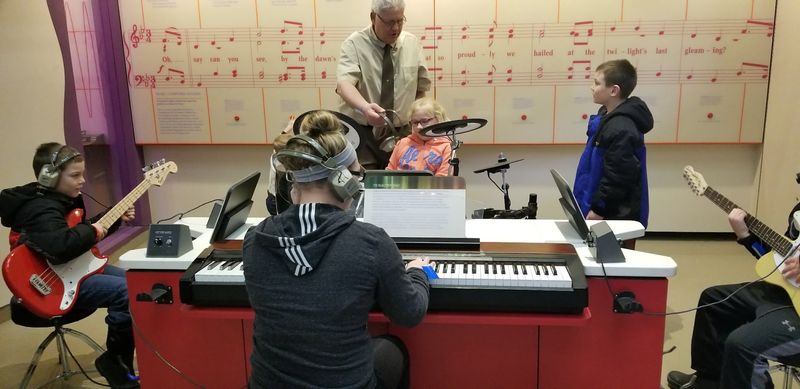
Beyond performances and exhibits, the center runs a wide range of educational classes and camps covering visual arts, performing arts, history, and science. The programming spans age groups from young children to adults, making it a genuine community learning hub rather than just an entertainment venue.
Summer camps are especially popular, drawing kids who want hands-on creative and scientific experiences outside the traditional school setting. The combination of disciplines under one roof means a child can spend a morning painting and an afternoon learning about circuits without ever leaving the building.
Adult classes in visual arts attract hobbyists and serious students alike. The instruction quality reflects the center’s broader commitment to excellence, and many participants return semester after semester to continue developing their skills.
For families looking for enrichment activities that go beyond screen time, the educational calendar here is worth bookmarking. The variety is broad enough that almost anyone can find something that clicks, and the quality is consistently high across all program areas.
Practical Tips for Your Visit
The center is open Tuesday through Saturdayday from 10 AM to 5 PM, and Sunday and Monday from 12 PM, though hours for specific events may vary. Calling ahead at 989-631-5930 or checking midlandcenter.org before your visit is always a smart move.
Parking is free and the lot was recently resurfaced, making arrival genuinely painless. The building is accessible, with an elevator added during recent renovations and a growing number of accessible seating options in both theaters.
Will-call ticket pickup is fast and well-organized, and staff members are stationed throughout the building to help guests find their seats or navigate between the theater and museum areas. The bathrooms were also recently updated and are consistently praised for their cleanliness.
One practical note: some tickets for popular touring productions can run on the pricier side, so booking early often gets you better options. The experience consistently justifies the cost, but planning ahead gives you the most flexibility.
Why This Place Matters to Mid-Michigan
For a city of roughly 40,000 people, Midland sustains a cultural institution that most cities twice its size would envy. The center draws audiences from across the state, contributes to local economic activity, and gives residents access to world-class arts programming without traveling to a major metro area.
The 4.7-star rating across nearly 1,800 reviews is not just a number; it reflects a sustained pattern of positive experiences that spans years and a wide variety of events. From Christmas concerts to touring Broadway productions to immersive science exhibits, the quality bar stays remarkably consistent.
The ongoing renovation work signals that the center is not resting on its reputation. New galleries, improved accessibility features, and a commitment to expanding the museum experience show an institution actively investing in its future rather than simply maintaining what already works.
Places like this remind you that great arts experiences are not exclusive to big cities. Sometimes the most rewarding cultural destinations are the ones you did not expect to find in a small town in Michigan.
Share this story