Germany is one of those countries where the past never quite packed its bags and left. From the foothills of the Alps to the windswept North Sea coast, regional customs, dialects, and centuries-old crafts are not museum exhibits but actual parts of everyday life.
A farmer in the south might still wear traditional clothing on a Tuesday, and a family in the east might celebrate festivals rooted in Slavic heritage that predate modern Germany entirely. What makes this country fascinating is how fiercely its regions hold onto their own identities, sometimes even pushing back against the idea of being lumped into one national story.
The 12 regions covered here each have something genuinely distinct to offer, whether that is a unique language, a food tradition passed down through generations, or a craft that has survived centuries of change. Keep reading to find out which regions are keeping the old ways alive in surprisingly modern ways.
1. Bavaria (Bayern)
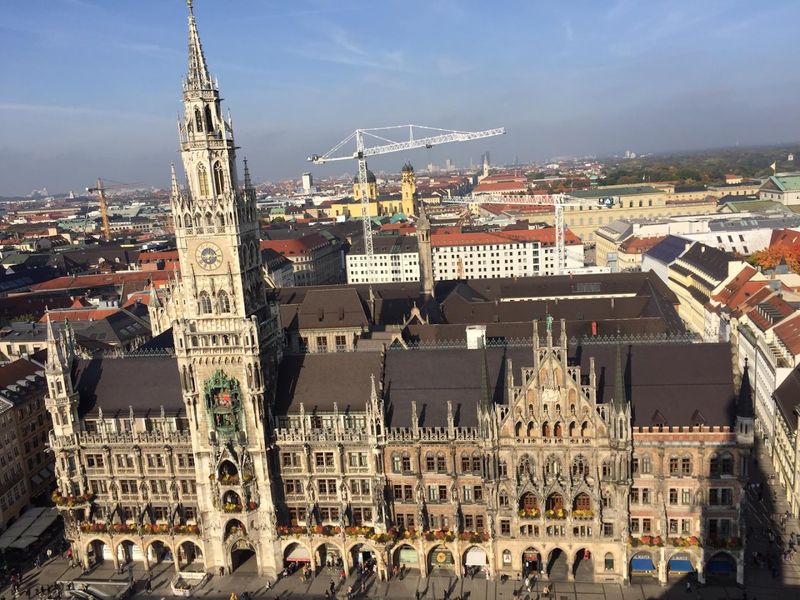
Few places on Earth wear their traditions as literally as Bavaria, where lederhosen and dirndls are not costumes but regular wardrobe choices for many locals.
Oktoberfest is the world-famous headline act, but the real story runs deeper than any single festival. Volksmusik, a regional folk music style sung in Bavarian dialects, fills community halls throughout the year, particularly in the Alpine villages where it has been performed for generations.
Bavarian cuisine is built around tradition too. Weisswurst, a white veal sausage eaten before noon by local custom, is taken seriously enough that ordering it in the afternoon raises eyebrows in the right kind of way.
Goldsmithing inspired by Alpine landscapes has been practiced here for centuries and still draws apprentices today. Bavaria does not preserve its culture behind glass.
It lives it out loud, with a stubbornness that most visitors find either charming or slightly intimidating, and usually both.
2. Upper Lusatia (Oberlausitz)
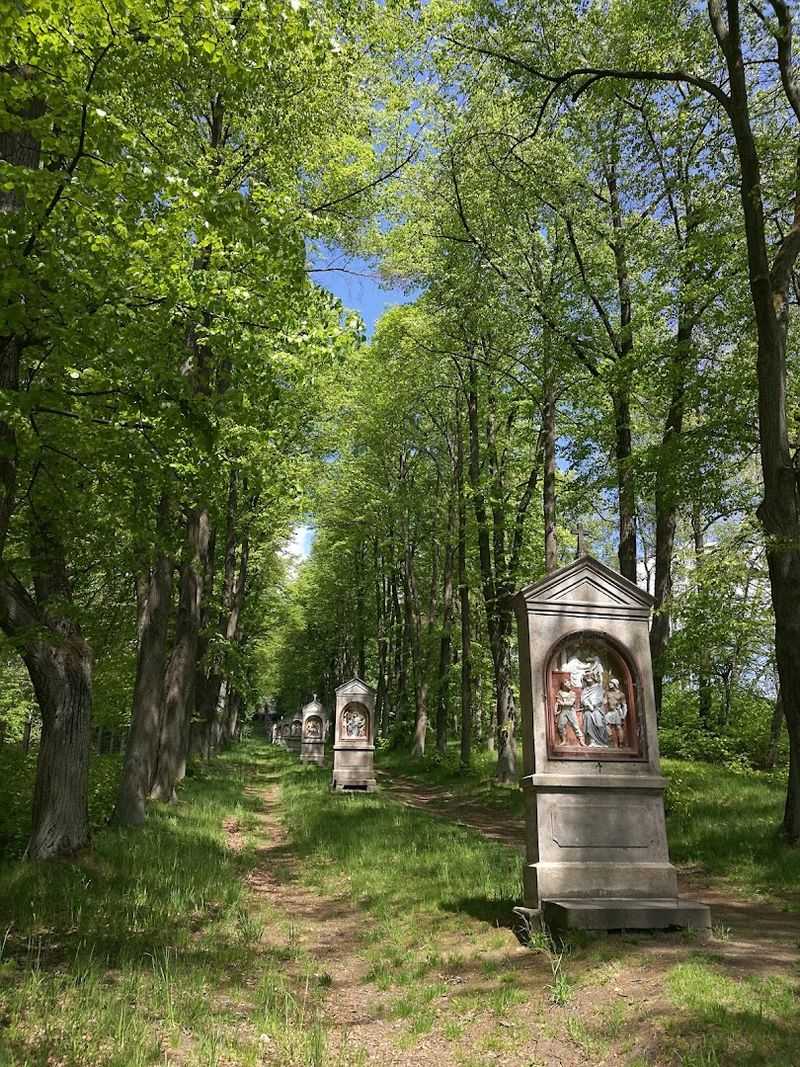
Upper Lusatia holds a quiet but remarkable distinction: it is home to the Sorbian people, one of the oldest Slavic minorities in Europe, who have maintained their language and customs despite centuries of pressure to assimilate.
The Sorbian language, which actually comes in two distinct versions, Upper and Lower Sorbian, is still taught in local schools and spoken in homes and churches across the region. Road signs appear in both German and Sorbian, a visible reminder that this corner of eastern Germany has its own cultural logic.
Annual traditions like the Zapust carnival and Easter egg painting rituals draw both locals and curious visitors. The Easter eggs here are not your average grocery store variety.
They are hand-decorated using a wax-resist technique that can take hours per egg.
Upper Lusatia proves that a community does not need political independence to preserve its identity. It just needs the determination to keep speaking its own language, literally and figuratively.
3. Franconia (Franken)
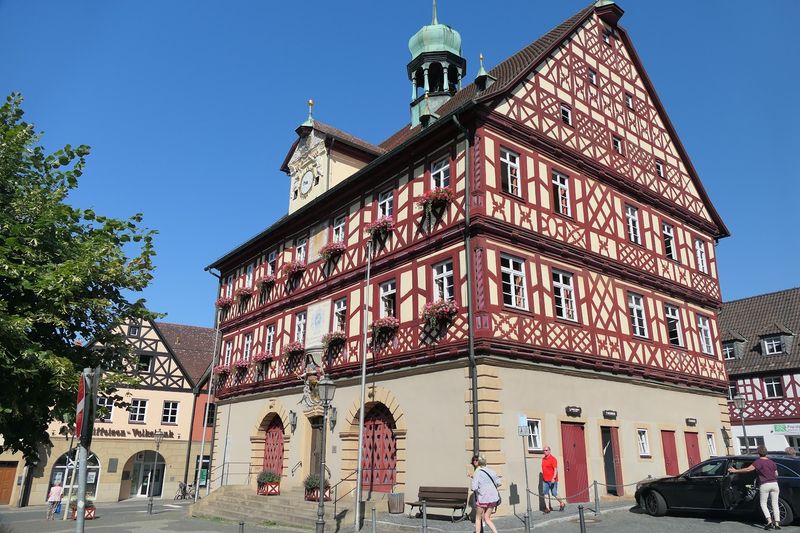
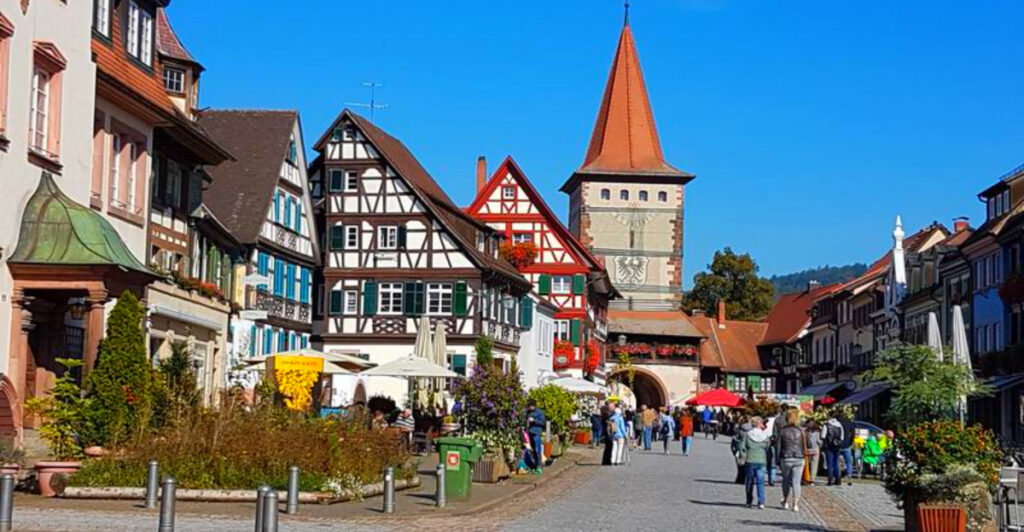
Franconians will be the first to tell you they are not quite Bavarian, and they mean it with full conviction. Despite being administratively part of Bavaria, Franconia has spent centuries cultivating a distinct cultural identity built around wine, half-timbered architecture, and a local pride that borders on competitive sport.
The region’s wine villages, particularly along the Main River, produce Franconian wine in the distinctive flat Bocksbeutel bottle, a shape that has been protected by law since the 18th century. Wine festivals here are not tourist events but community occasions where local families have been gathering for generations.
Towns like Rothenburg ob der Tauber and Bamberg showcase some of Germany’s best-preserved medieval architecture, and residents treat these streetscapes as backgrounds to ordinary life rather than backdrops for photographs. Local dialects in Franconia also differ noticeably from standard Bavarian German, adding another layer to a region that has always preferred doing things its own way.
4. Allgäu
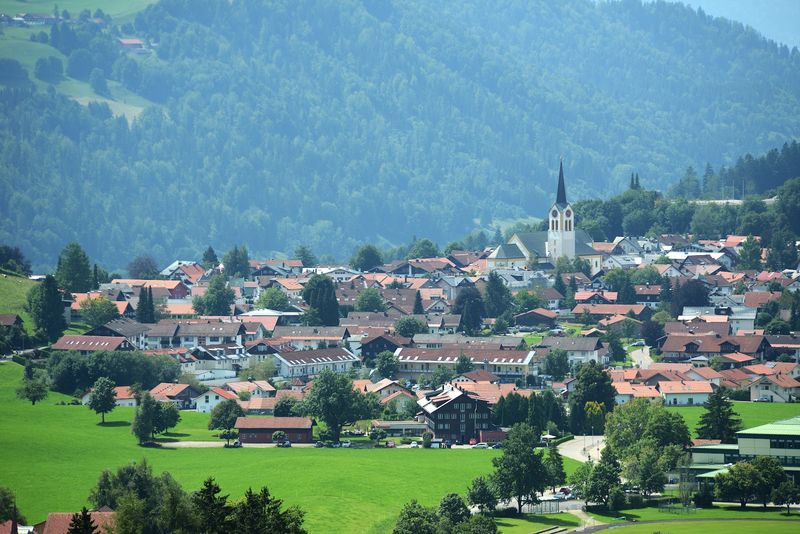
Allgäu is where the Alps meet the dairy aisle, and locals would not have it any other way. This southern region has built its identity around Alpine farming, and the cheese-making traditions here stretch back so many generations that some families measure their heritage in wheels of Bergkase rather than years.
Mountain festivals, known locally as Almabtrieb, mark the seasonal movement of cattle between high pastures and valley farms. Cows return to the village decorated with flowers and bells, and the event draws entire communities together in a celebration that is equal parts practical and ceremonial.
The craftsmanship tied to farming life, from woodworking to embroidery on traditional jackets called Janker, continues to be practiced and taught. Allgäu cheese is not just a regional product but a source of serious local pride, with varieties like Emmental and Limburger produced using methods that have changed very little over the past two centuries.
5. Black Forest (Schwarzwald)
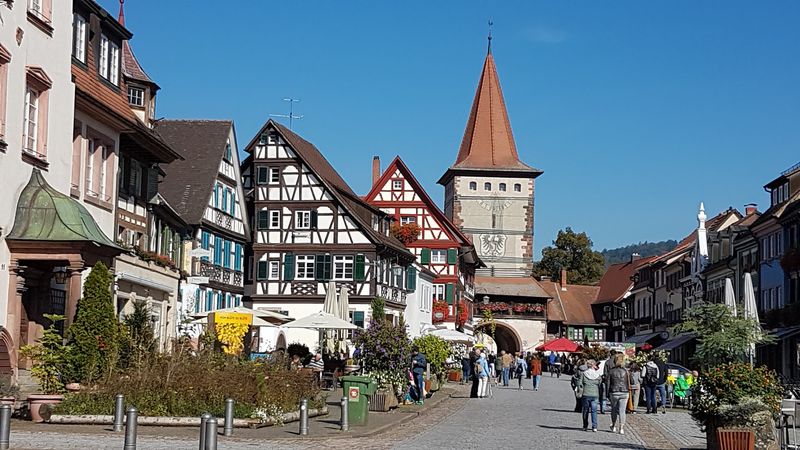
The Black Forest takes its identity seriously, and it has the hats to prove it. The Bollenhut, a folk headpiece featuring large red or black pom-poms, is one of the most recognizable regional symbols in all of Germany, still worn by women in certain villages during festivals and celebrations.
Beyond the fashion statement, the region is home to one of Germany’s most enduring craft traditions: cuckoo-clock making. Families in towns like Triberg have been carving and assembling these clocks for over 300 years, and workshops still pass the craft from parent to child.
Traditional farmhouses with their dramatically wide, sloping roofs dot the landscape and many remain lived-in family homes rather than tourist attractions. Regional food holds its ground here too, with hearty dishes rooted in farming life dominating local menus.
The Black Forest is a region that has decided modernity is fine, as long as it does not interfere with the important stuff.
6. East Frisian Coast (Ostfriesland)
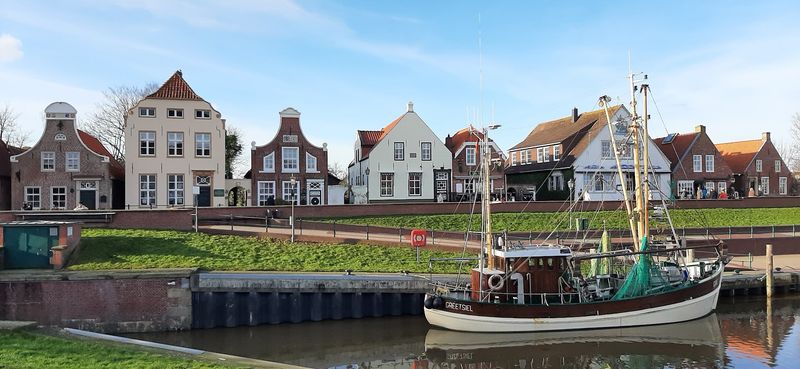
East Frisia holds a record that its residents guard with genuine pride: the highest per-capita tea consumption in Germany, and it is not even close. Tea culture here is not a casual habit but a structured ritual with its own rules, tools, and etiquette that locals take as seriously as any formal tradition.
The East Frisian tea ceremony involves a specific sequence: rock candy placed in the cup first, then tea poured over it, then a spoonful of cream added without stirring. Mixing it is considered a breach of protocol.
This tradition has been recognized as part of Germany’s intangible cultural heritage.
Beyond tea, the region holds onto its Low German dialect, known as Plattdeutsch, which is still spoken by older generations and taught in some schools. Seafaring history runs through community identity here, with fishing villages along the North Sea maintaining customs tied to tidal rhythms and maritime life that predate modern borders by centuries.
7. Swabia (Schwaben)
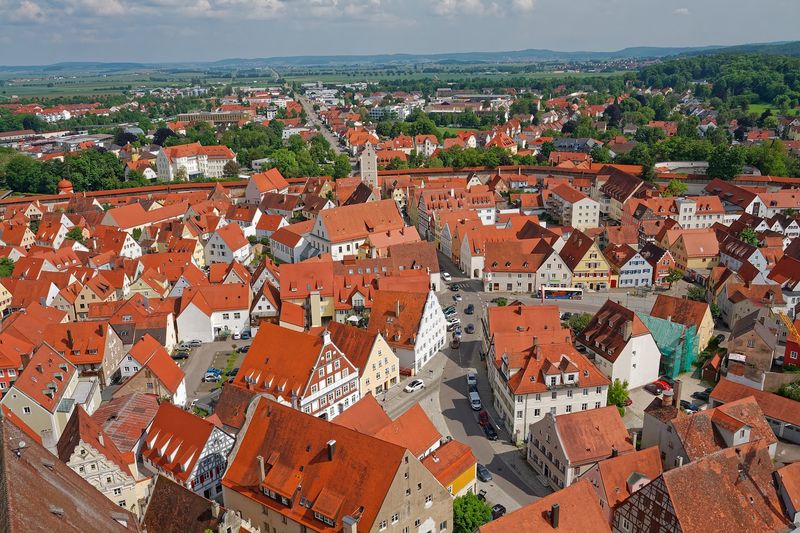
Swabians have a reputation across Germany for two things: making things by hand and not spending money they do not have to. Both qualities are worn as badges of honor in this southwestern region, where thriftiness is considered a virtue and handcrafted food is a daily practice rather than a weekend project.
Spaetzle, the soft egg noodle that has become one of Germany’s most recognized dishes, originates here and is still made from scratch in Swabian households using wooden boards and metal scrapers. The technique varies slightly from family to family, and those variations matter enormously to the people involved.
Community life in Swabia is shaped by strong local associations, from choral groups to traditional craft guilds, that have maintained consistent membership for generations. The Swabian dialect is another point of pride, distinct enough from standard German that outsiders sometimes struggle to follow conversations.
Regional identity here is not performed for visitors. It is simply how things are done.
8. The Moselle Valley
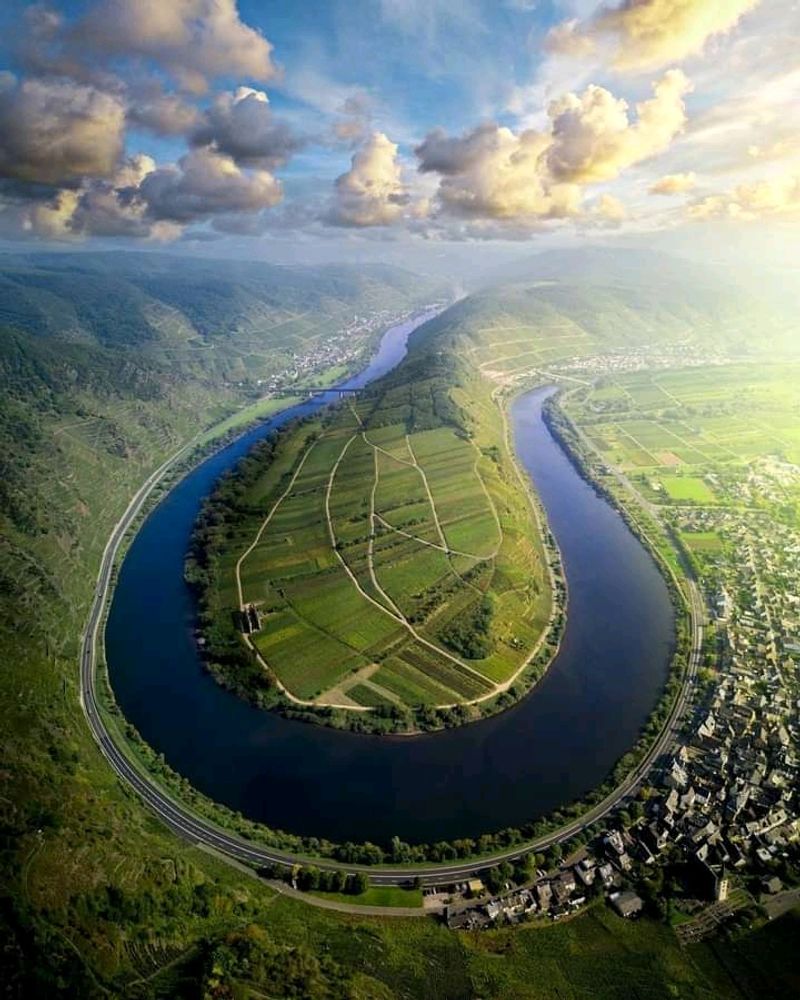
The Moselle Valley operates on a schedule set by grapevines, and everything else arranges itself accordingly. The vineyards here are not flat, easy-to-manage fields but near-vertical slate slopes that require hand-harvesting because no machine has been built to manage the gradient.
That fact alone explains a lot about the people who have farmed them for generations.
Multigenerational winemaking families are the backbone of this region, with estates that have passed from parent to child for centuries. Wine festivals run from late summer through autumn, and these are not tourist productions but genuine community gatherings where local families celebrate the harvest together.
The villages along the Moselle, places like Bernkastel-Kues and Cochem, have maintained their medieval layouts and half-timbered architecture because the land and the culture surrounding it have remained largely unchanged. River life also shapes tradition here, with boat festivals and waterfront markets tied to seasonal patterns that locals have followed for as long as anyone can remember.
9. The Ore Mountains (Erzgebirge)
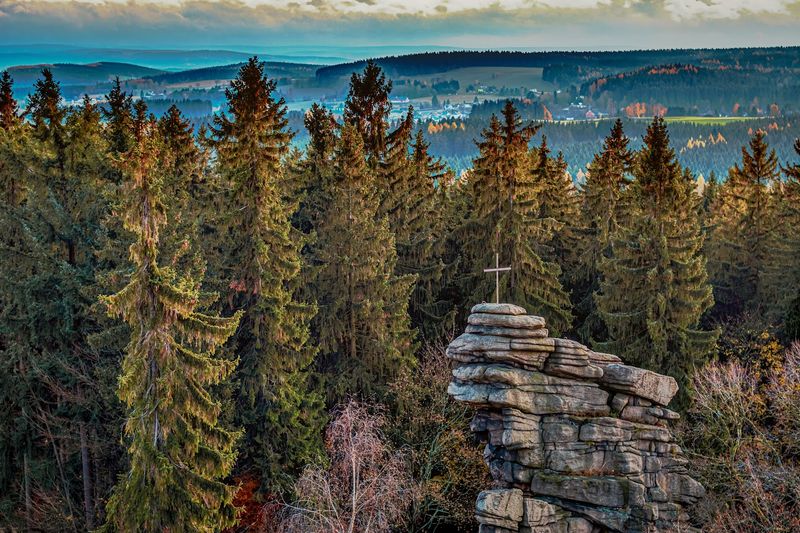
Christmas comes early in the Ore Mountains, and by early, the locals mean it never really leaves. This region of Saxony has built an entire cultural identity around Christmas traditions so deeply rooted that UNESCO added Erzgebirge wooden craft to its intangible cultural heritage list in 2021.
The tradition began in the mining communities of the 16th century, when miners carved wooden figures and candle pyramids during the long winter months when underground work slowed. Nutcrackers, incense smokers, and the iconic Schwibbogen candle arch all originated here and are still produced by hand in family workshops scattered across the mountain villages.
Mining heritage shapes identity in other ways too. Historical mining festivals, complete with traditional uniforms, take place in towns like Annaberg-Buchholz and draw participants whose families have been involved for generations.
The Erzgebirge is proof that an industry can end while the culture it created carries on, carved carefully into wood and passed down with intention.
10. The Spreewald
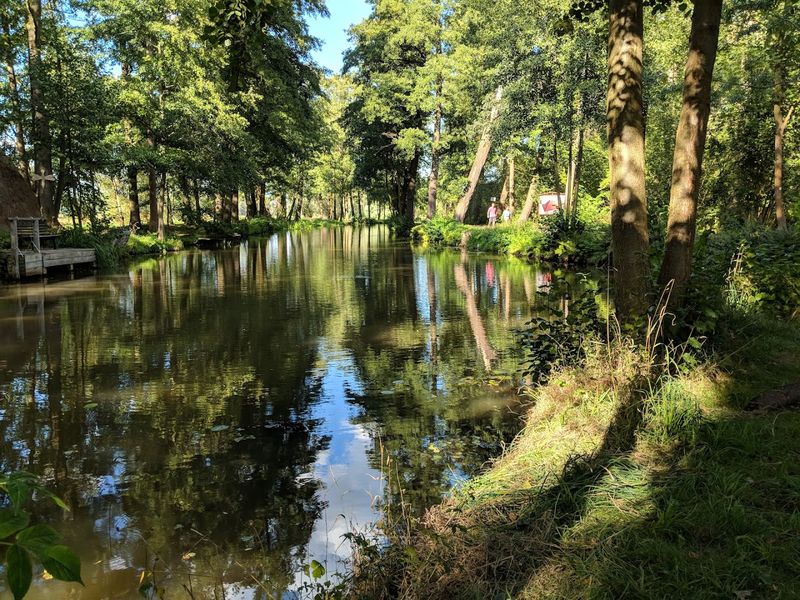
About an hour southeast of Berlin, there is a place where the main roads are canals and the preferred mode of transport is a flat-bottomed wooden boat called a Kahn. The Spreewald is a network of over 300 waterways, and for many residents, navigating them is not a leisure activity but a practical daily necessity.
The region is also Sorbian territory, sharing cultural roots with Upper Lusatia, and traditional festivals, folk dress, and the Sorbian language remain active parts of community life here. One of the most famous local products, Spreewald pickled cucumber, has protected geographic status in the European Union, meaning only cucumbers prepared in this region can officially carry the name.
Farmers here have been growing and pickling cucumbers using traditional methods for centuries, and the industry remains a point of local pride rather than just an economic footnote. The Spreewald biosphere reserve status adds a layer of environmental responsibility to the cultural one, keeping both the landscape and the traditions that depend on it intact.
11. Northern Schleswig-Holstein
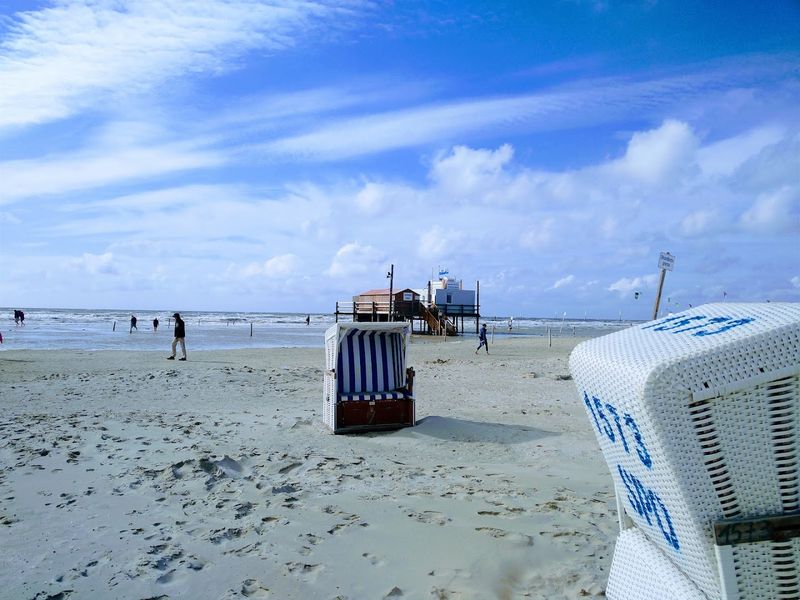
Northern Schleswig-Holstein sits at the edge of Germany in more ways than one. Geographically, it borders Denmark, and culturally, the line between the two countries has always been more of a suggestion than a boundary.
The Danish minority living in this region, known as the Danes of South Jutland, have maintained their language, schools, and cultural organizations continuously since the region became part of Germany after World War One.
Danish-language newspapers are still published here, Danish schools operate alongside German ones, and community organizations tied to Danish cultural heritage remain active. This is not a revival or a heritage project.
It is an unbroken continuation.
Maritime traditions also run deep along the coastline, where fishing communities have followed tidal patterns and seasonal rhythms for generations. The North Frisian Islands, part of this region, have their own distinct Frisian cultural identity layered on top of everything else, making Northern Schleswig-Holstein one of the most culturally layered border regions in all of Europe.
12. The Rhine Valley
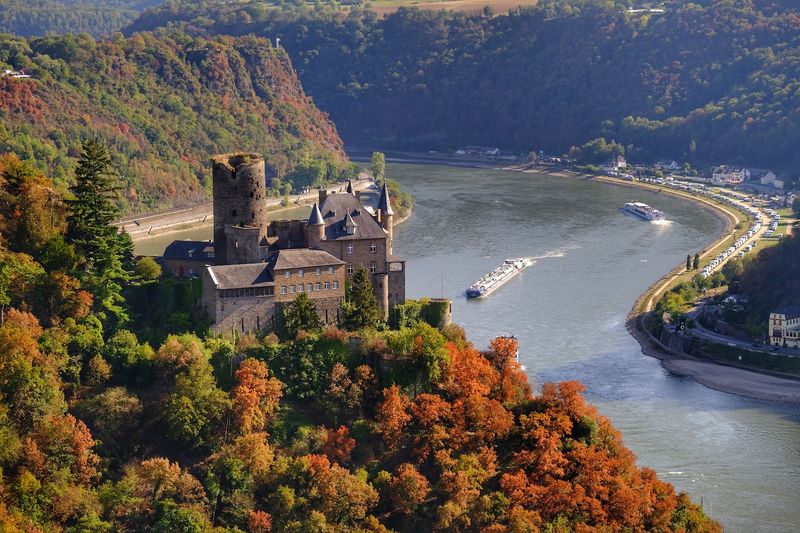
The Rhine Valley has been doing the same things for a very long time, and the results speak for themselves. Castle-topped hills, terraced vineyards, and riverside villages that have barely shifted their layouts since the medieval period form the physical backdrop to a region where seasonal traditions remain embedded in community life.
Wine festivals along the Rhine are among the oldest continuously held public celebrations in Germany. Towns like Rudesheim and Bacharach host harvest festivals that follow the same general structure they have followed for centuries, drawing local families as participants rather than just audiences.
The Rhine has also shaped practical traditions tied to river life, including ferry crossings, flood management customs, and fishing practices that predate modern infrastructure. Half-timbered architecture in the valley’s towns is not preserved as a novelty but maintained as functional housing.
The Rhine Valley earned UNESCO World Heritage status in 2002, but the communities along its banks were already doing the conservation work long before any official designation arrived.
Share this story