Rock history is full of songs that never got the radio treatment but earned fierce loyalty from the fans who found them anyway. From the mid-1960s through the 1980s, album-oriented rock gave bands the freedom to stretch out, experiment, and take real risks on tracks that radio programmers would never touch.
Those risks produced some of the most technically brilliant and emotionally powerful music ever recorded. This list spotlights 20 tracks that serious rock fans consider essential listening, the kind of songs that separate casual listeners from true believers.
Whether you already know half of these or are discovering them fresh, each one has a story worth knowing.
1. The Rover, Led Zeppelin
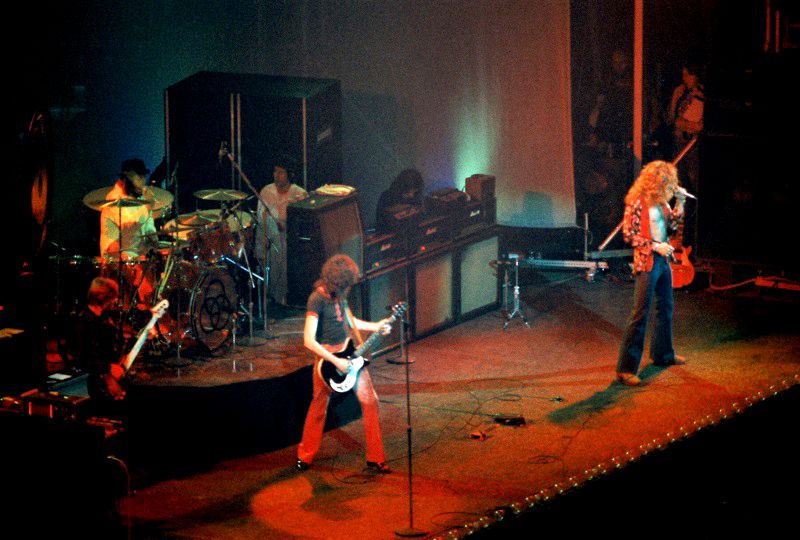
Physical Graffiti arrived in 1975 as a double album packed so densely with material that several tracks got buried simply by volume. “The Rover” was one of them, sitting quietly while “Kashmir” collected all the attention.
Jimmy Page built the riff over multiple recording sessions, and the final version carries a confident, rolling swagger that few tracks in the Zeppelin catalog can match. The song was actually recorded during the Led Zeppelin IV sessions but held back for years.
Hardcore fans treat it as proof that even Zeppelin’s overlooked material sits above most bands’ best work.
2. Child in Time, Deep Purple
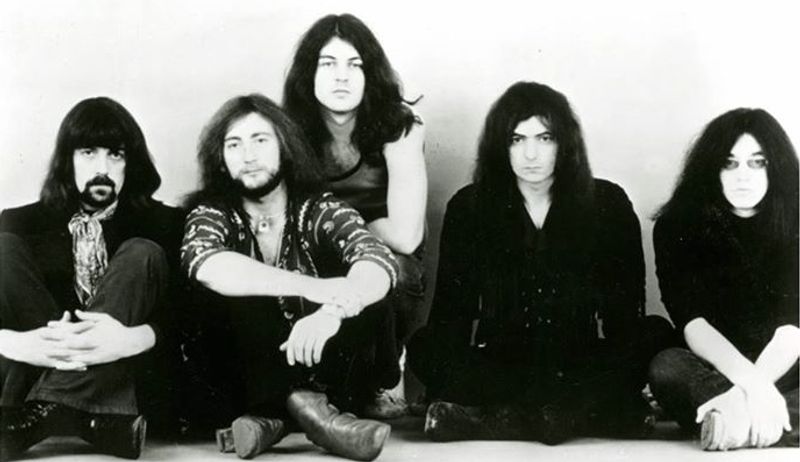
Released on Deep Purple’s 1970 album Deep Purple in Rock, this track runs over ten minutes and builds from a near-whisper into one of the most intense vocal performances in classic rock history.
Ian Gillan’s upper-register screams were not studio tricks. He performed them live consistently throughout the early 1970s, and recordings from that era confirm the range was genuine and repeatable.
The song also features Jon Lord’s organ work weaving through Ritchie Blackmore’s guitar in a way that feels more like a conversation than a backing track. Serious rock fans consider it a benchmark.
3. Achilles Last Stand, Led Zeppelin
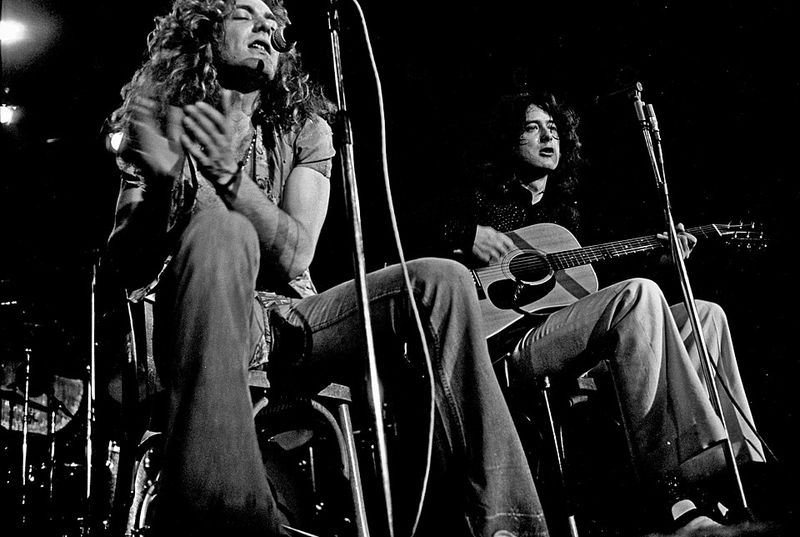
Presence was recorded in just 18 days in 1976, and “Achilles Last Stand” opens the album with nearly 11 minutes of uninterrupted intensity. Robert Plant wrote the lyrics while recovering from a serious car accident, which gave the song an urgent, forward-driving energy.
Jimmy Page overdubbed multiple guitar parts to create an orchestral wall of sound, a technique that took considerable planning given the short recording window. The result is layered in a way that reveals new details on repeated listens.
Among hardcore Zeppelin fans, this track consistently ranks as the band’s most underrated masterpiece.
4. Astronomy, Blue Oyster Cult
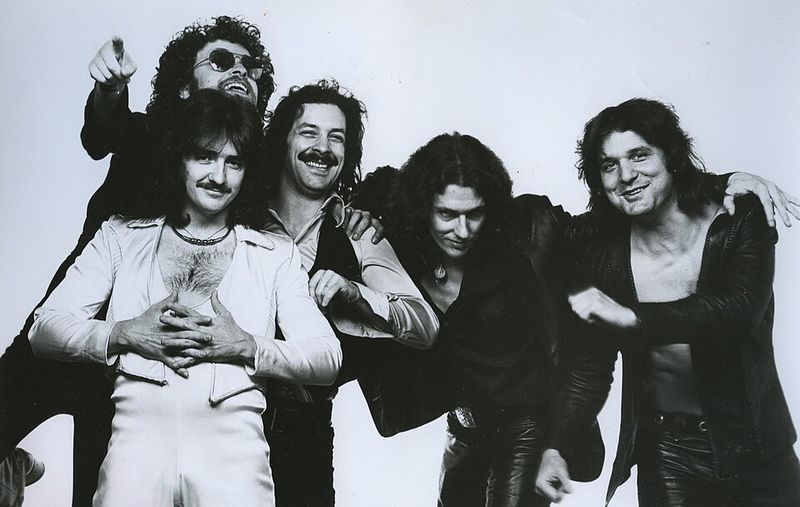
Written by the Bouchard brothers and first appearing on the 1974 album Secret Treaties, “Astronomy” is a genuinely strange piece of rock music that somehow holds together through sheer conviction.
The lyrics reference cosmic themes and cryptic imagery that were unusual even by the standards of early 1970s rock, and the arrangement shifts tempo and mood in ways that challenge casual listening.
Metallica covered the song in 1998 for their Garage Inc. album, which introduced it to a new generation of heavy music fans. Blue Oyster Cult’s original version remains the definitive one for longtime devotees.
5. Sheep, Pink Floyd
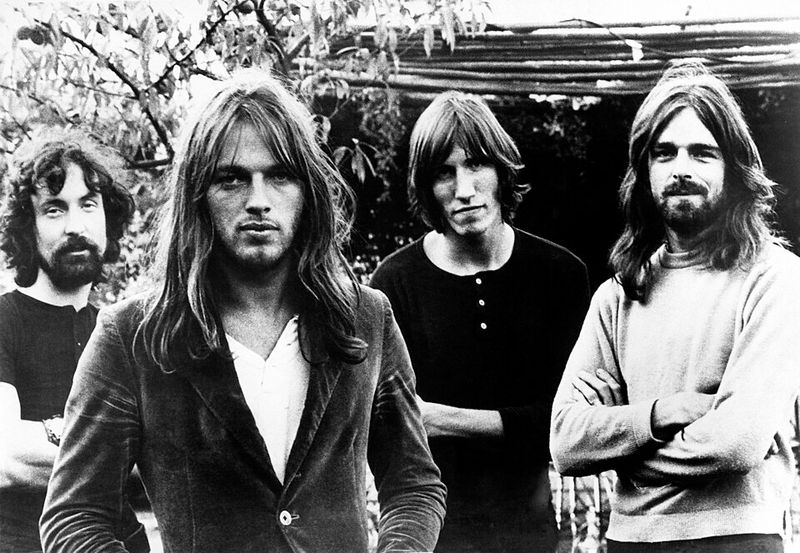
Animals came out in January 1977 and represented a sharp turn toward political commentary for Pink Floyd. “Sheep,” the album’s closing track, runs over ten minutes and uses the biblical imagery of docile sheep as a pointed critique of passive conformity.
Roger Waters wrote the lyrics with specific social targets in mind, and the song’s structure reflects that focus, building from calm organ passages into abrasive guitar work before settling back down.
Fans who prefer Floyd’s harder, more confrontational side consistently point to Animals and specifically “Sheep” as the band’s most underappreciated stretch of work.
6. Into the Void, Black Sabbath
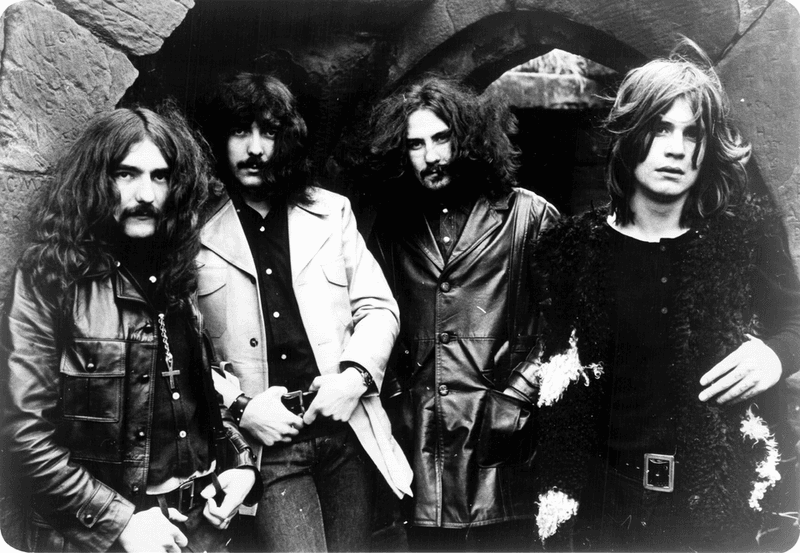
Masters of Reality was Black Sabbath’s third album, released in 1971, and “Into the Void” closes it with one of the heaviest riffs Tony Iommi ever committed to tape. The song shifts between a grinding, slow-tempo opening and a faster mid-section in a way that influenced countless metal bands through the 1970s and beyond.
Lyrically, Ozzy Osbourne sings about escaping a dying Earth, which fit neatly into the early 1970s cultural anxiety around environmental collapse.
Proto-metal historians frequently cite this track as one of the clearest blueprints for what doom metal would eventually become decades later.
7. Hallowed Be Thy Name, Iron Maiden
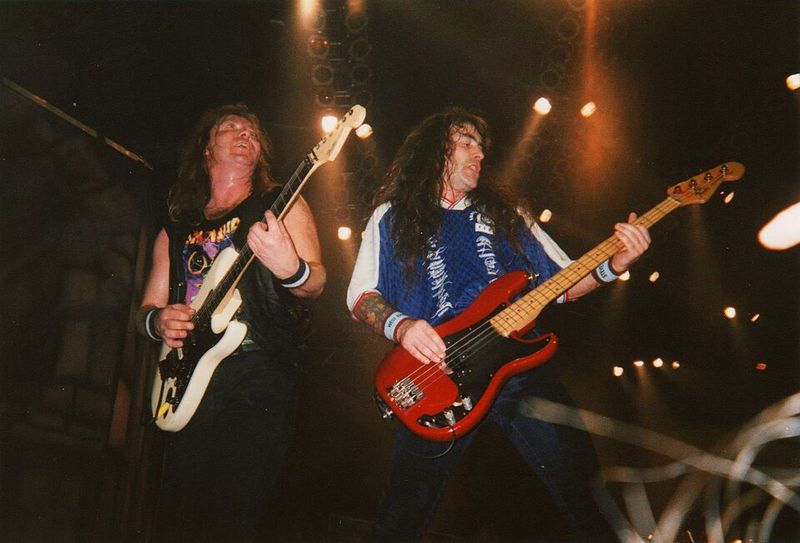
The Number of the Beast arrived in 1982 and established Iron Maiden as the defining band of the New Wave of British Heavy Metal. “Hallowed Be Thy Name” closes the album with a seven-minute narrative told from the perspective of a prisoner facing execution.
Bruce Dickinson had just joined the band when the song was recorded, and the track became an immediate showcase for his range and dramatic control. The galloping rhythm section, driven by Nicko McBrain’s predecessor Clive Burr, has been analyzed by drummers for decades.
Iron Maiden fans consistently rank it among the finest metal compositions ever recorded, regardless of era.
8. Sails of Charon, Scorpions
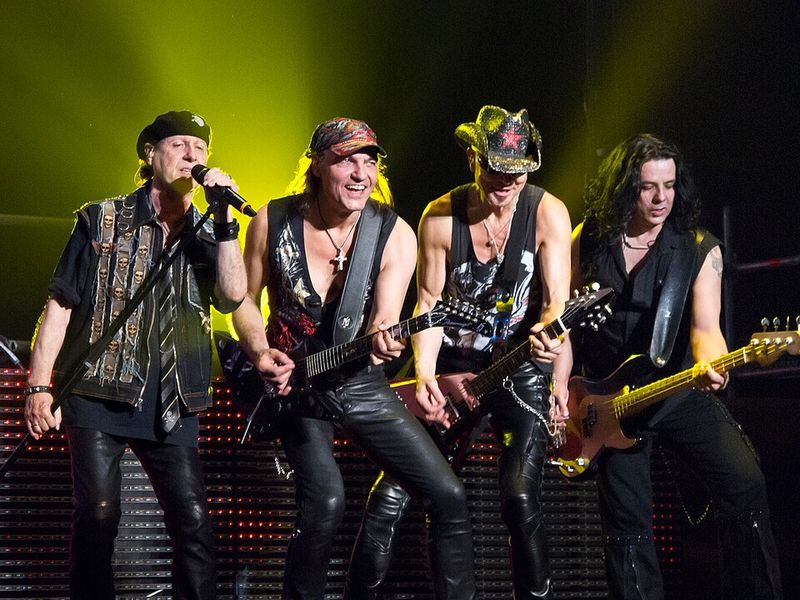
Uli Jon Roth left the Scorpions after 1978’s Tokyo Tapes live album, and his departure meant that “Sails of Charon” from the 1977 Taken by Force album became one of his final statements with the band. The song opens with a guitar intro that serious players have studied and transcribed for decades.
Roth had developed a playing style influenced by classical violin technique, and this track put that approach into a hard rock framework more directly than anything he had recorded before. The solo section is technically demanding even by professional standards.
Among guitar-focused rock fans, this track is considered essential catalog knowledge.
9. The Prophet’s Song, Queen
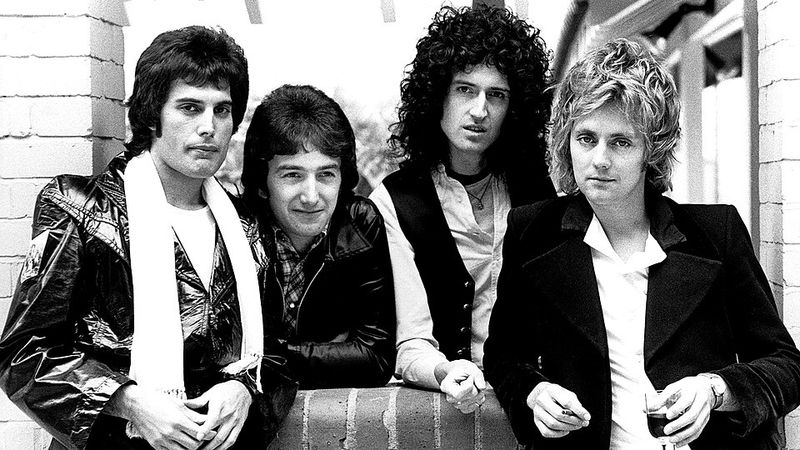
A Night at the Opera is often discussed entirely in terms of “Bohemian Rhapsody,” but the album’s longest track, “The Prophet’s Song,” runs over eight minutes and contains one of the most elaborate a cappella sections in rock history.
Brian May wrote the song after a vivid dream, and the middle section features layered vocal harmonies built using early tape delay techniques that May developed specifically for the recording. The harmonic complexity rivals anything the band attempted elsewhere.
Fans who study Queen’s catalog beyond the singles treat this track as evidence of how ambitious the band’s actual artistic goals were during the mid-1970s.
10. 2112, Rush
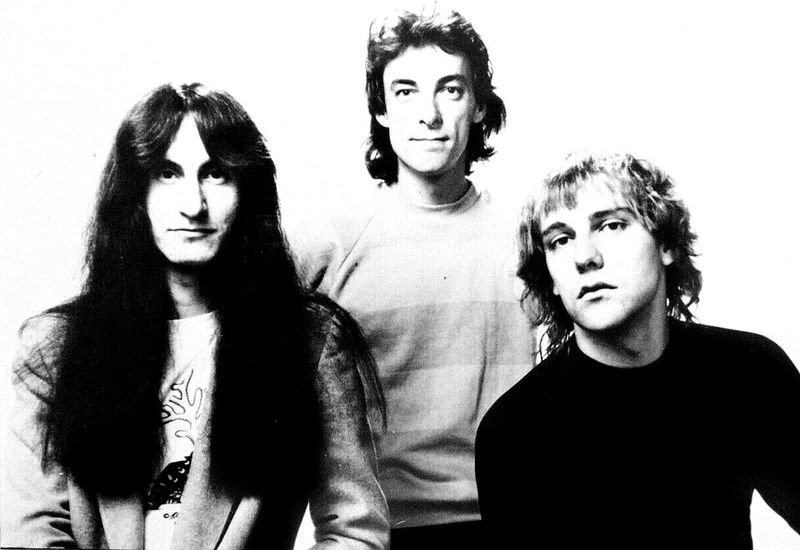
Rush released 2112 in April 1976 after their label pressured them to produce more commercially accessible music. The band pushed back and filled the entire first side of the album with a single 20-minute sci-fi concept suite about a dystopian future where music has been banned.
Neil Peart wrote the story partially inspired by Ayn Rand’s novella Anthem, though he later distanced himself from the philosophical implications that some listeners drew from that connection. The suite is divided into seven distinct sections, each with its own tempo and mood.
For prog and hard rock fans, completing a first full listen to 2112 remains something of a rite of passage.
11. Tornado of Souls, Megadeth
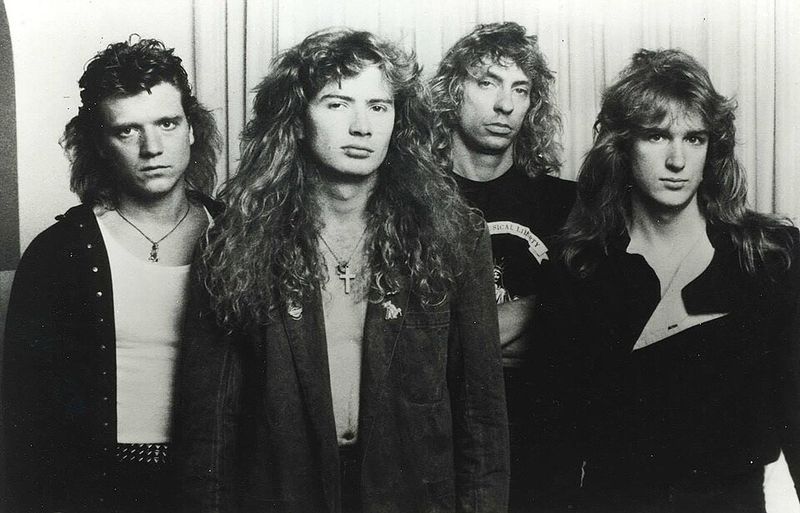
Rust in Peace came out in September 1990 and is widely considered Megadeth’s technical peak. “Tornado of Souls” sits in the middle of the album and builds toward a guitar solo that Marty Friedman has described as one of the most emotionally direct performances of his career.
Friedman recorded the solo largely improvised, and the final take captured a melodic quality that contrasted sharply with the aggressive thrash framework of the verses. Dave Mustaine’s rhythm guitar work underneath the solo is equally precise.
Metal purists frequently cite this track when arguing that Megadeth’s technical craft matched or exceeded any of their contemporaries during that period.
12. Tea for One, Led Zeppelin
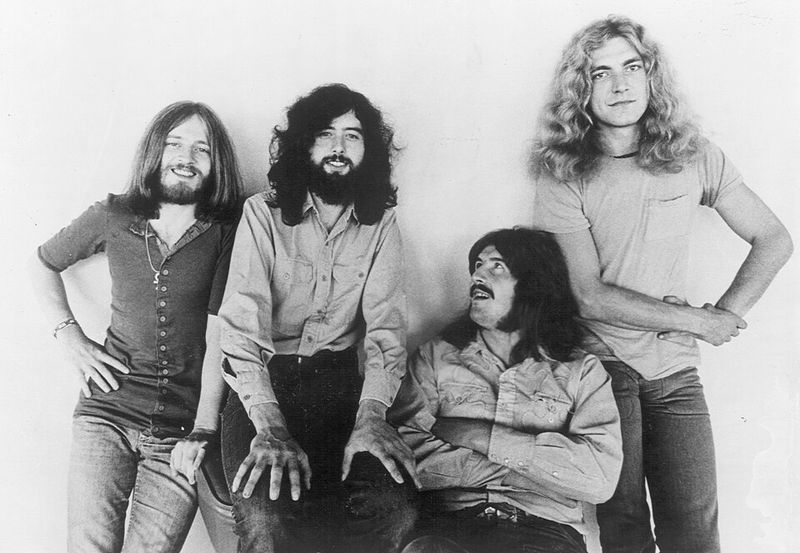
Presence was a difficult album made under difficult circumstances, and “Tea for One” reflects that weight without ever becoming self-indulgent. The track is a slow blues built on a structure similar to “Since I’ve Been Loving You” from Led Zeppelin III, but the emotional register here is noticeably more restrained.
Jimmy Page’s guitar lines move carefully around Robert Plant’s vocal instead of competing with it, which gives the song an unusual intimacy for a band known for large-scale arrangements. The solo section builds gradually rather than erupting.
Zeppelin fans who prioritize the band’s blues roots consistently name this track as one of their most underappreciated performances.
13. Diary of a Madman, Ozzy Osbourne

Randy Rhoads had studied classical guitar formally before joining Ozzy Osbourne’s band, and “Diary of a Madman” is the clearest demonstration of how that training shaped his approach to heavy metal. The track closes the 1981 album of the same name with an arrangement that shifts between classical-influenced passages and full hard rock intensity.
Rhoads recorded the acoustic intro using a guitar he borrowed specifically for the session, and the contrast between that delicate opening and the heavier sections was entirely intentional. The song’s structure reflects careful compositional planning rather than improvisation.
Fans of early 1980s metal treat this track as an essential document of Rhoads’ brief but significant career.
14. Firth of Fifth, Genesis
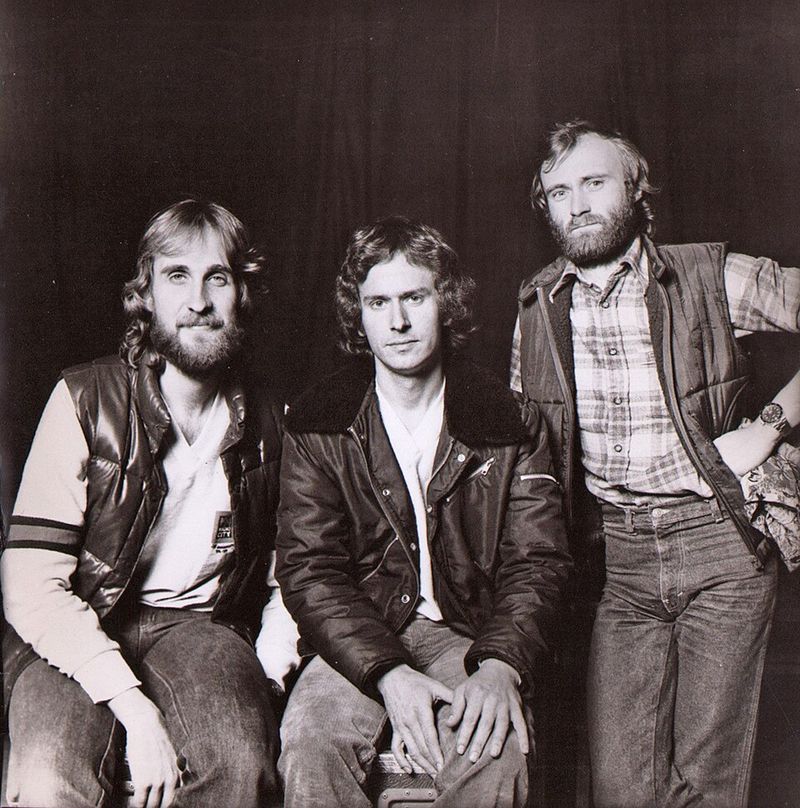
Selling England by the Pound was released in October 1973 and is widely considered Genesis’s finest album from the Peter Gabriel era. “Firth of Fifth” contains a piano introduction that Tony Banks composed as a standalone piece before the band built a full song around it.
Steve Hackett’s guitar solo arrives in the final third of the track and has been cited by guitarists across multiple genres as one of the most melodically complete solos in rock history. Phil Collins’s drumming throughout the track matches the complexity of the instrumental passages without overwhelming them.
Progressive rock listeners consistently place this song at the center of any serious conversation about the genre’s peak period.
15. Saint Vitus Dance, Black Sabbath
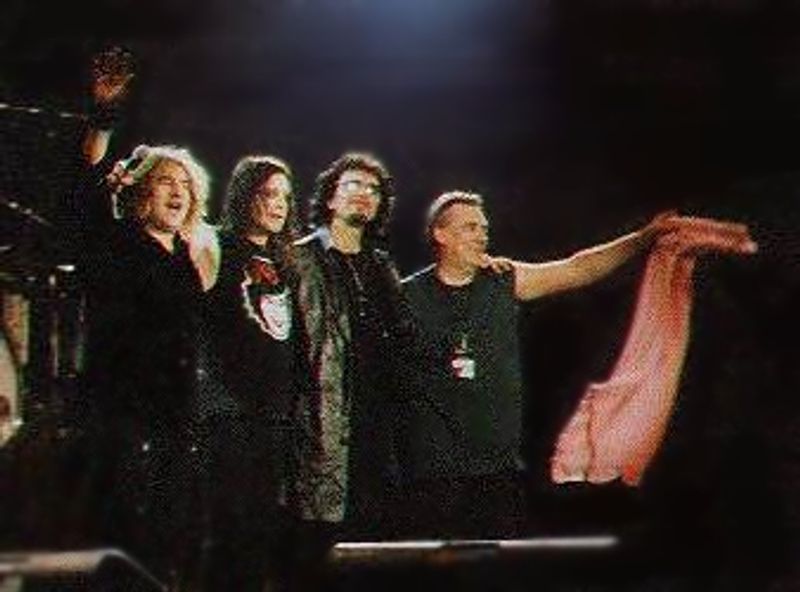
Vol. 4 came out in 1972 and is one of the more unpredictable entries in Black Sabbath’s early catalog. “Saint Vitus Dance” is barely two minutes long, which makes it an oddity on an album full of extended heavy tracks.
The song has a bouncy, almost playful quality that sits in sharp contrast to the doom-laden material surrounding it. Tony Iommi’s riff is deceptively simple, and the song’s brevity was a deliberate choice by the band rather than an unfinished idea.
Sabbath fans who know the catalog deeply tend to have strong affection for this track precisely because it shows a side of the band that rarely appeared on their more celebrated recordings.
16. Stranglehold, Ted Nugent
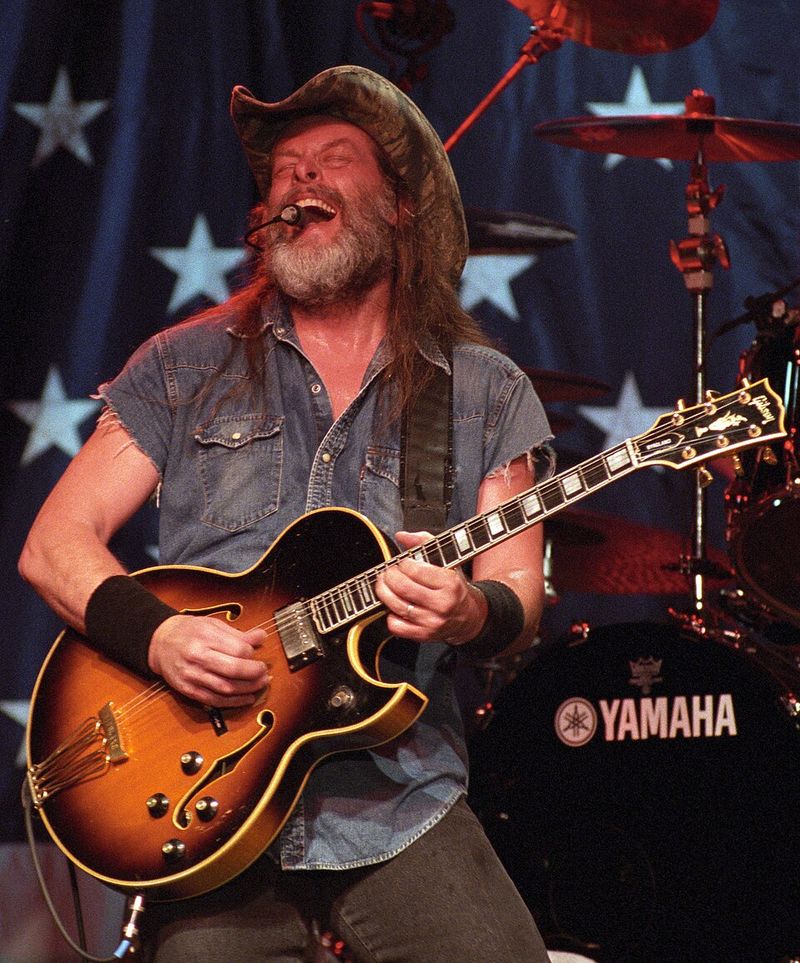
Ted Nugent’s self-titled debut album came out in 1975, and “Stranglehold” opens it with eight minutes of slow, hypnotic guitar work that bears almost no resemblance to the aggressive hard rock Nugent would become famous for in later years.
The track was built around a single repeating riff that Nugent and the band stretched into a full extended jam, with wah-pedal guitar lines layered over a locked-in rhythm section. Producer Tom Werman kept the arrangement minimal to let the guitar carry the full weight.
Even listeners unfamiliar with Nugent’s broader catalog tend to respond to this track, which has kept it in rotation among classic rock fans for five decades.
17. Lazy, Deep Purple
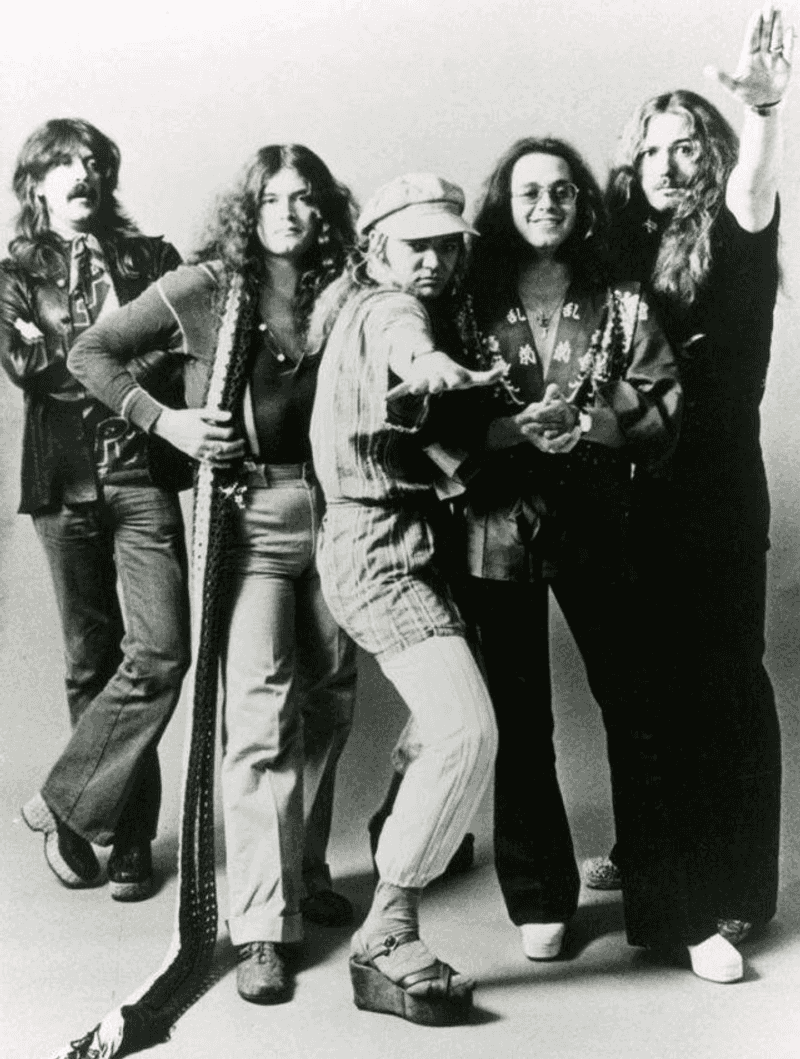
Machine Head is the Deep Purple album most people know, largely because of “Smoke on the Water.” But “Lazy” is the track that showcases the full range of the band’s improvisational ability across its seven-plus minutes.
Jon Lord’s Hammond organ takes the lead for extended passages, and the track shifts through blues, jazz, and hard rock without losing coherence. Ritchie Blackmore’s guitar contributions are notably restrained compared to his usual approach, which gives Lord more space than usual.
The song was developed primarily as a live showcase and was recorded during the same sessions at the Montreux Casino that gave the world its most famous rock lyric.
18. The Camera Eye, Rush
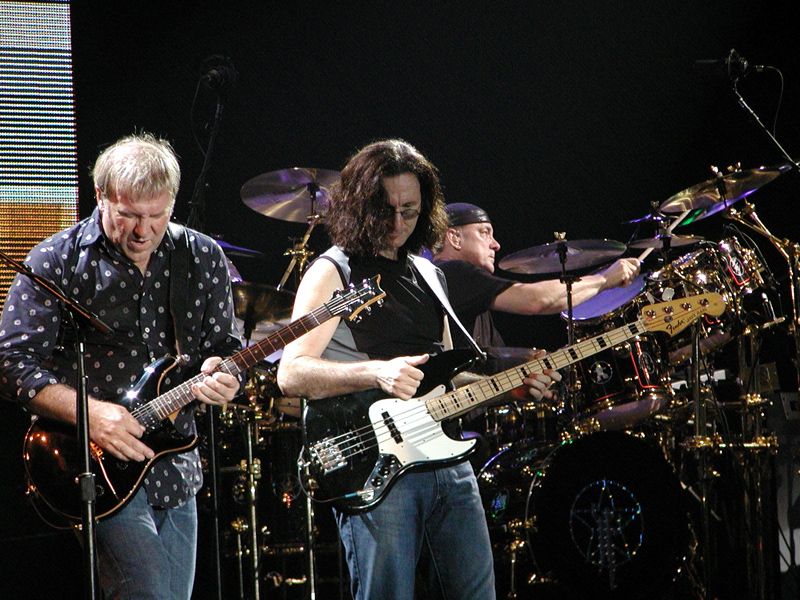
Moving Pictures is Rush’s most commercially successful album, and “The Camera Eye” is its longest track at nearly eleven minutes. Released in 1981, the song documents street-level observations from New York City and London, with Geddy Lee’s lyrics focusing on specific details of urban life rather than broad themes.
The instrumental passages are among the most technically precise the band recorded during that period, with Alex Lifeson’s guitar work covering a wide dynamic range across the song’s shifting sections. Neil Peart’s drumming stays compositionally focused throughout rather than defaulting to showmanship.
Fans who know Moving Pictures beyond its radio singles consistently single out this track as the album’s most rewarding extended listen.
19. A National Acrobat, Black Sabbath
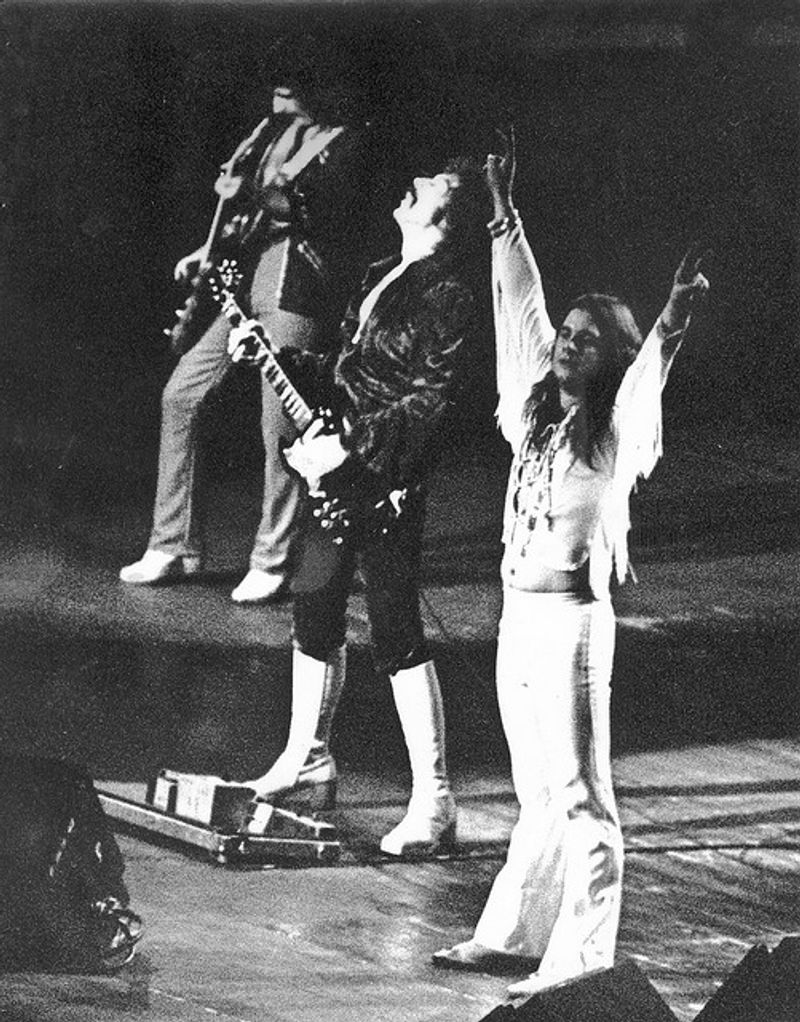
Sabbath Bloody Sabbath came out in December 1973 and marked a shift toward more varied arrangements for Black Sabbath. “A National Acrobat” sits in the middle of the album and moves between a heavy, mid-tempo groove and more melodic passages in a way that reflects the band’s growing confidence as composers.
Geezer Butler wrote the lyrics around themes of human consciousness and existence, which was a step beyond the more straightforward occult imagery of earlier Sabbath records. Tony Iommi’s riff construction here favors groove over pure weight.
Fans who regard Sabbath Bloody Sabbath as the band’s most complete artistic statement often point to this track as the album’s emotional center.
20. In My Time of Dying, Led Zeppelin
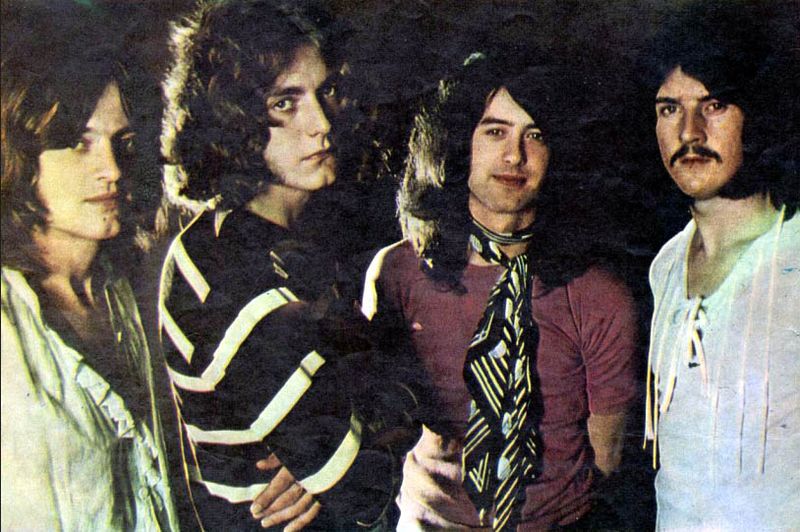
Physical Graffiti is a sprawling double album, and “In My Time of Dying” is one of its most demanding tracks at over eleven minutes. The song traces back to a traditional gospel blues recorded by Blind Willie Johnson in 1927, and Zeppelin’s version transforms that source material into something almost unrecognizable in terms of scale and intensity.
Jimmy Page played the slide guitar parts using a metal object rather than a conventional glass slide, which gave the tone a harder, more abrasive quality. John Bonham’s drumming throughout the track is widely studied for its combination of power and rhythmic precision.
Among fans who know Physical Graffiti in full, this track is regularly cited as the album’s most physically commanding performance.
Share this story