Most people assume big cities come with crowded streets, smoggy air, and overflowing trash cans. But some capital cities around the world completely shatter that expectation.
From bike-friendly Scandinavian streets to spotless Asian megacities, these capitals prove that urban life and cleanliness can absolutely coexist. Get ready to be genuinely impressed by these 15 remarkably clean capitals from every corner of the globe.
Copenhagen, Denmark
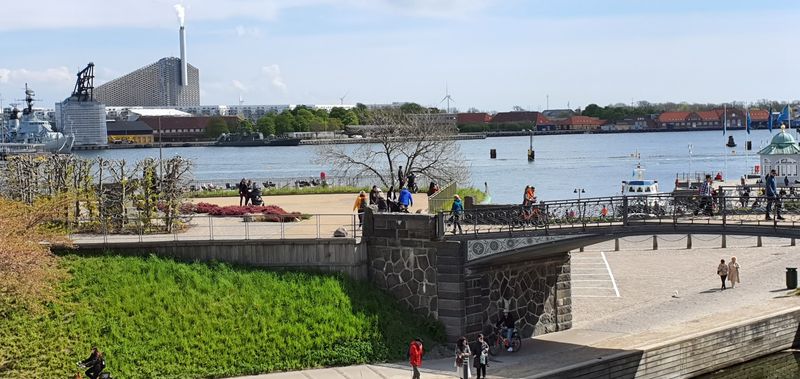
Cycling is practically a religion in Copenhagen, and the city’s streets reflect that devotion beautifully. Bike lanes are smooth, wide, and spotlessly maintained, while sidewalks stay refreshingly free of litter throughout the day.
Locals treat public spaces with genuine pride, making cleanliness feel less like a rule and more like a shared value.
Copenhagen runs on an impressive commitment to green energy, with wind power supplying a massive portion of the city’s electricity. Waste sorting and recycling programs are deeply embedded in everyday life here.
Even restaurants and cafes participate enthusiastically in sustainability efforts, making eco-conscious choices feel completely normal.
Visitors often remark that the city smells cleaner than most European capitals. Parks are carefully tended, waterways sparkle, and public transport feels almost luxury-grade in its cleanliness.
Copenhagen is aiming to become the world’s first carbon-neutral capital by 2025, and walking through its tidy streets, that goal feels entirely believable.
Singapore
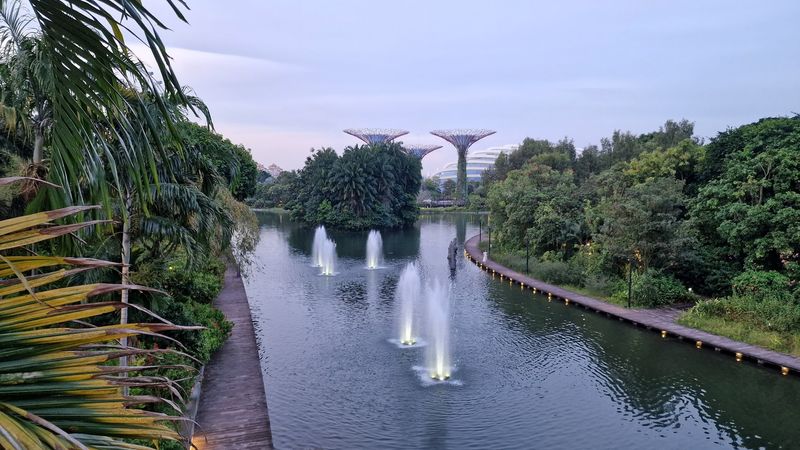
Dropping a gum wrapper in Singapore can cost you a fine of up to $1,000 SGD. That fact alone tells you everything about how seriously this city-state takes cleanliness.
Anti-littering laws here are famously strict, and enforcement is consistent, creating streets that genuinely sparkle from morning to midnight.
Beyond the laws, Singapore has built an entire culture around civic pride and public hygiene. Hawker centers, which serve hundreds of thousands of meals daily, are cleaned multiple times throughout the day.
Subway stations look more like airport terminals than underground train stops, with polished floors and zero visible grime.
First-time visitors almost universally react with wide-eyed surprise when they arrive. The tropical heat could easily make the city feel stuffy and unpleasant, yet lush greenery, constant maintenance crews, and sophisticated waste management keep everything fresh.
Singapore has even earned the nickname Garden City, and one stroll through its immaculate streets makes that title feel completely earned and well deserved.
Vienna, Austria
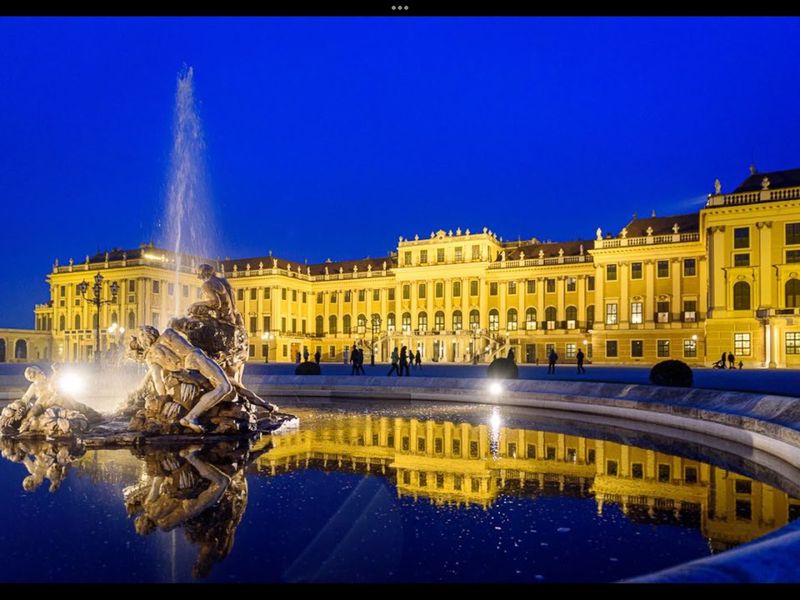
Vienna has been pulling off the rare trick of being both breathtakingly historic and impressively spotless for decades. Cobblestone streets in the old districts look freshly swept every single morning.
Baroque fountains, grand museums, and ornate palaces sit surrounded by manicured gardens that feel almost too perfect to be real.
Public transport in Vienna is a masterclass in cleanliness and efficiency. Trams, subways, and buses arrive on time and in pristine condition, with interiors that are regularly cleaned and well maintained.
Commuters rarely encounter sticky seats or graffiti-covered windows, which is genuinely refreshing for a city of nearly two million people.
Vienna’s waste management system is one of the most sophisticated in Europe, with color-coded bins lining nearly every street corner. Recycling rates here rank among the continent’s highest, and the city government actively funds programs to keep parks and riverfronts beautiful.
Vienna has topped global livability rankings multiple times, and its commitment to cleanliness is a huge reason why residents and tourists keep falling in love with it.
Helsinki, Finland
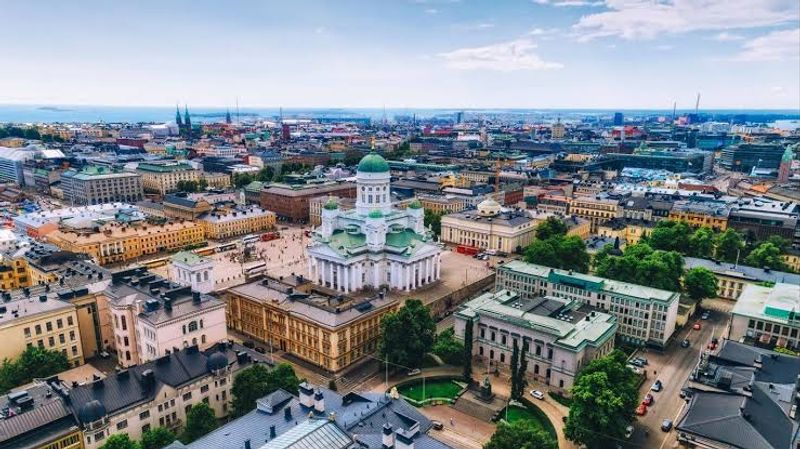
Fresh air hits you the moment you step outside in Helsinki, and it is not just the Baltic breeze doing the work. Finland’s capital has some of the cleanest urban air quality recorded anywhere in Europe, thanks to strict emission controls and a city layout that prioritizes green space over concrete sprawl.
Helsinki’s public transport network is famously orderly, covering the city with trams, buses, and a metro system that stays remarkably clean even during peak hours. Passengers rarely encounter litter or vandalism, which reflects how much residents respect shared spaces.
The city also encourages walking and cycling with well-planned routes that feel safe and pleasant year-round.
Sustainability runs deep in Helsinki’s identity. The city has pledged to become carbon-neutral by 2030, and local government backs that promise with real investment in renewable energy and eco-friendly urban development.
Neighborhoods feel calm, organized, and genuinely comfortable to explore on foot. Even the market squares along the harbor, busy with vendors and tourists, manage to stay impressively tidy throughout the entire day.
Reykjavik, Iceland
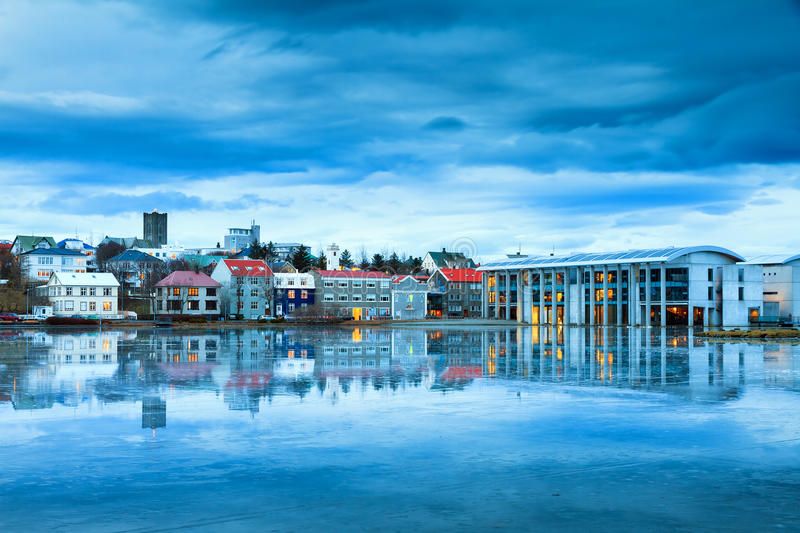
Reykjavik might just be the freshest-smelling capital city on the planet. Geothermal energy powers nearly everything here, meaning almost no fossil fuel pollution lingers in the air.
The result is a city that genuinely smells like clean cold air, even in the middle of downtown during the busiest tourist months.
The city is compact enough to walk almost everywhere, which naturally cuts down on traffic congestion and vehicle emissions. Colorful houses line tidy streets, and the harbor area stays remarkably clean despite being a popular gathering spot for locals and visitors alike.
Reykjavik’s small population helps, but strong civic pride does most of the heavy lifting when it comes to maintaining public spaces.
Iceland’s environmental standards are among the strictest in the world, and Reykjavik reflects that national attitude at every corner. Recycling programs are thorough, public bins are plentiful, and littering is genuinely rare.
Visiting feels a bit like stepping into a very stylish, very clean small town that somehow also functions as a dynamic national capital. The combination of natural beauty and urban tidiness makes Reykjavik almost unfairly charming.
Canberra, Australia
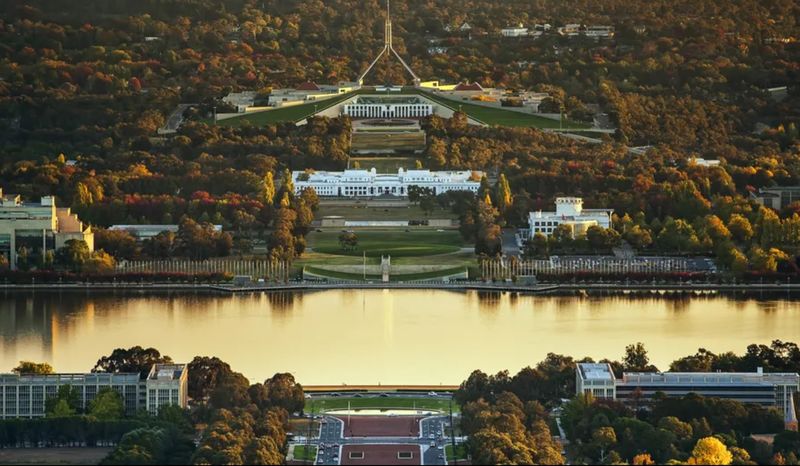
Canberra was literally designed from scratch to be a model city, and it shows in every carefully planned boulevard and perfectly spaced roundabout. Built in the early 20th century to settle the rivalry between Sydney and Melbourne, Australia’s capital emerged as one of the most thoughtfully laid-out cities in the world.
That planning heritage still shapes how clean and organized the city feels today.
Air quality in Canberra regularly ranks among the best of any capital globally. Low population density, enormous surrounding nature reserves, and minimal heavy industry keep pollution levels impressively low throughout the year.
Lake Burley Griffin, the stunning artificial lake at the city’s center, is carefully maintained and serves as both a recreational hub and a symbol of the city’s environmental standards.
Green space makes up a remarkable portion of Canberra’s total area, with parks, nature corridors, and gardens woven throughout residential and commercial zones. Visitors expecting a typical busy capital are often caught off guard by how quiet, open, and clean everything feels.
Canberra rewards slow exploration, offering a surprisingly pleasant urban experience that many travelers overlook entirely.
Wellington, New Zealand
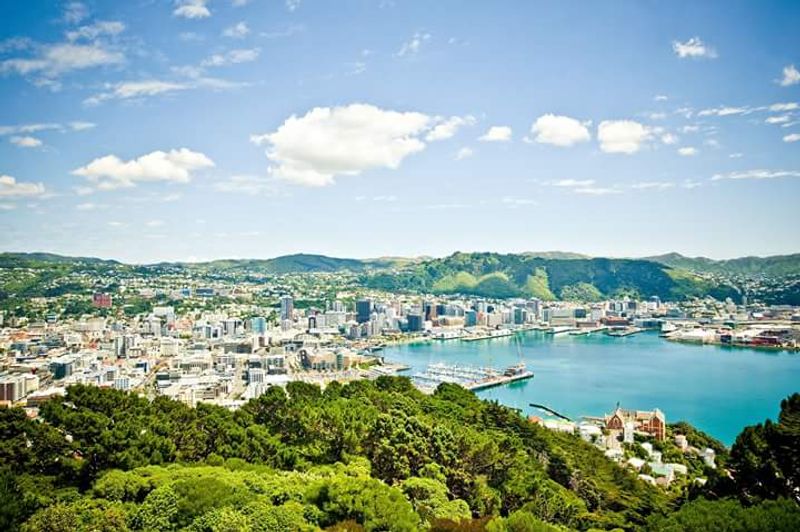
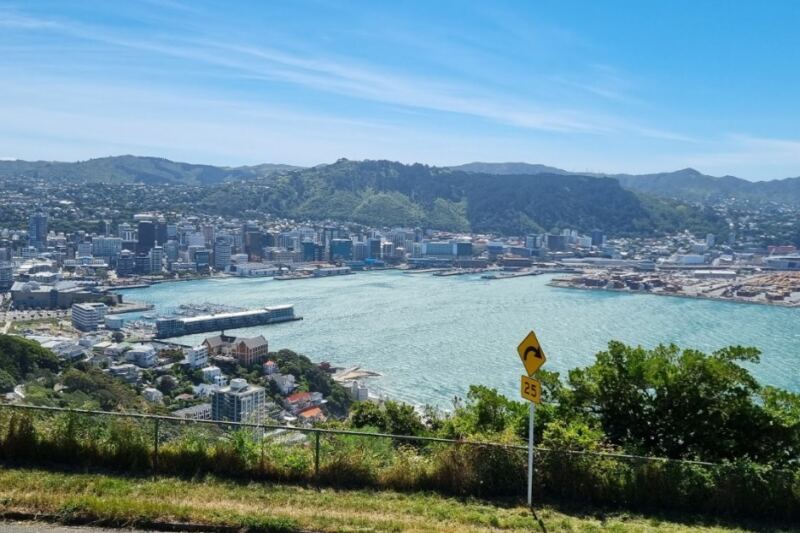
Wellington smells like the ocean on most days, and that fresh coastal breeze sets the tone for the entire city. Sitting at the southern tip of New Zealand’s North Island, the capital is compact, walkable, and genuinely proud of its clean public spaces.
The waterfront promenade is one of the city’s most beloved areas, kept tidy and welcoming year-round despite heavy foot traffic.
New Zealand’s environmental regulations are among the toughest in the Pacific region, and Wellington benefits from that national commitment. Recycling programs are thorough, single-use plastic restrictions are actively enforced, and community groups regularly organize clean-up events throughout the city’s neighborhoods.
Locals take visible pride in keeping their city looking sharp.
Wellington’s hilly terrain and compact layout mean that green spaces are never far away, no matter where you are in the city. The famous Te Papa museum sits right on the clean harbor edge, and the surrounding area stays impressively well maintained.
For a capital city, Wellington punches well above its weight in livability, cleanliness, and overall quality of urban life. Travelers who visit often wish they had stayed much longer.
Tallinn, Estonia
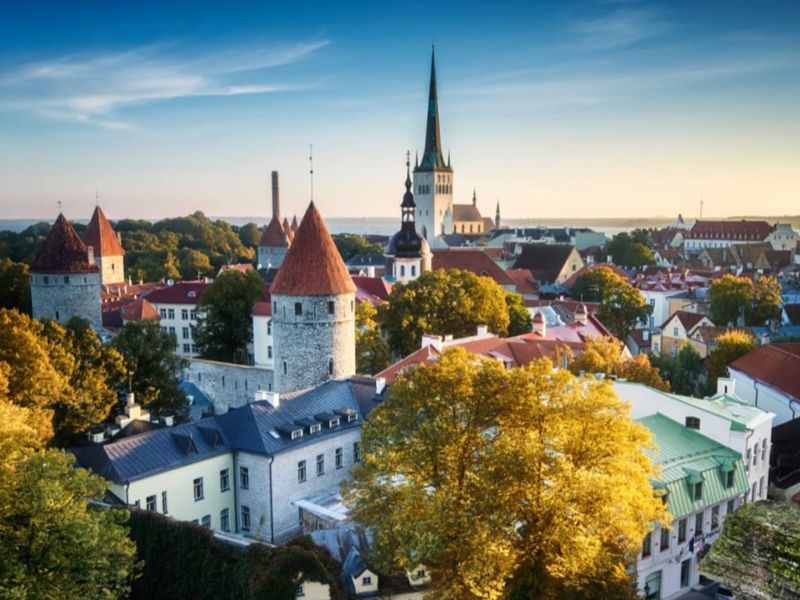
Tallinn is the kind of place that makes you feel like you have accidentally walked onto a perfectly preserved movie set. The medieval Old Town, a UNESCO World Heritage Site, features cobblestone streets that are swept and maintained with genuine care, despite welcoming millions of tourists every single year.
It is a small miracle of upkeep that deserves far more recognition.
Estonia has built one of the most digitally advanced societies in the world, and that tech-forward mindset extends directly into how the capital manages its urban environment. Smart waste collection systems, real-time public transport tracking, and digital civic services make city management more efficient and less wasteful than in many larger European capitals.
Beyond the Old Town, Tallinn’s modern districts feature clean parks, well-maintained cycling paths, and tidy residential neighborhoods that reflect the city’s broader commitment to quality public spaces. Estonia’s environmental ambitions are serious, with strong recycling infrastructure and growing investment in renewable energy.
Tallinn quietly earns its reputation as one of Europe’s most surprisingly clean and well-organized capital cities, offering visitors a refreshing contrast to busier, messier urban destinations.
Bern, Switzerland
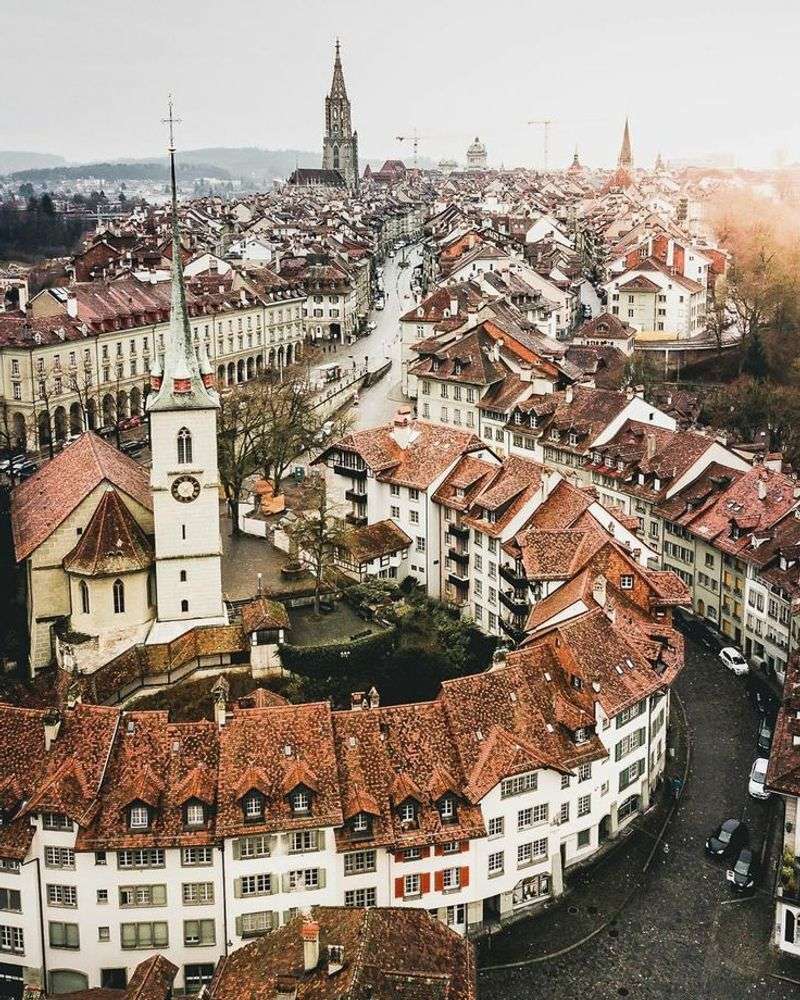
Bern is Switzerland’s official capital, and it carries that responsibility with quiet, understated perfection. The city’s famous arcaded walkways, known locally as Lauben, stretch for miles through the old town, keeping pedestrians sheltered while also creating a naturally clean and organized street environment.
Bern’s historic center is a UNESCO World Heritage Site, and every stone looks like it was polished last Tuesday.
Switzerland’s obsession with precision extends fully into waste management and public cleanliness. Bern residents follow strict recycling rules, pay for garbage collection by the bag to discourage excess waste, and treat public spaces with a level of care that borders on impressive.
The River Aare, which wraps dramatically around the old town, stays clean enough that locals swim in it during summer months.
Public transport in Bern runs on time, stays spotless, and connects the city efficiently without creating the chaotic congestion seen in many other capitals. Trams glide quietly through clean streets lined with flower boxes and carefully maintained facades.
Bern rewards visitors who pay attention to the details, because in this Swiss capital, every single detail has clearly been attended to with great thought and consistent effort.
Stockholm, Sweden
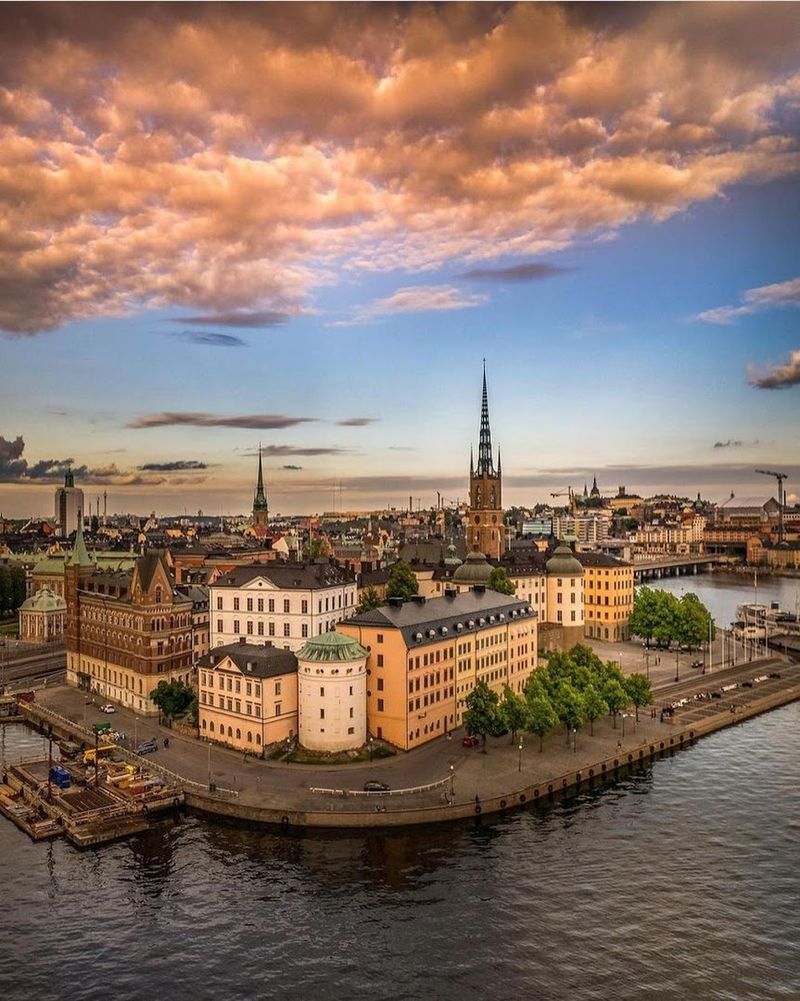
Stockholm sits across fourteen islands connected by bridges, and somehow every single one of those islands manages to look immaculate. The city’s relationship with water is central to its identity, and maintaining clean waterways is treated as a civic priority rather than an afterthought.
Swimming in the city’s inner waterways is actually permitted and popular, which tells you exactly how clean the water is.
Sweden’s recycling culture is legendary for good reason. Stockholm residents sort waste into categories most cities do not even consider, and the city’s waste-to-energy program means that very little actually ends up in landfills.
Public spaces benefit directly from this environmental discipline, staying tidy and well resourced throughout all four seasons.
Stockholm’s metro system, often called the world’s longest art gallery because of its decorated station walls, is also one of Europe’s cleanest underground networks. Trains run smoothly, stations are regularly cleaned, and commuters generally respect the shared space.
The Swedish capital manages to feel both vibrant and orderly simultaneously, which is a balance many cities attempt but very few actually achieve. Stockholm makes it look effortless, which is perhaps its greatest trick.
Oslo, Norway
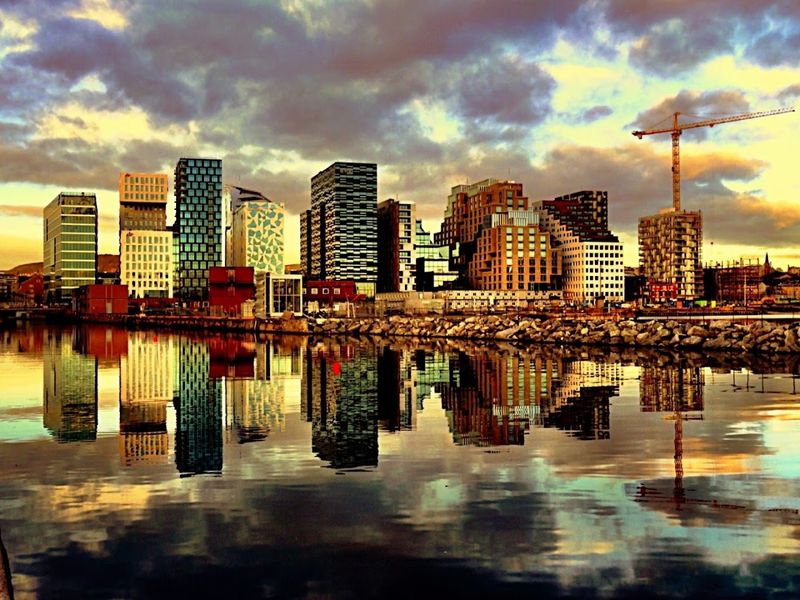
Oslo has gone electric in a way that no other capital city has matched yet. More electric vehicles per capita drive through Oslo’s streets than almost anywhere else on Earth, and the city’s public ferry system is rapidly converting to battery power.
The result is a noticeably quieter, fresher urban atmosphere that feels genuinely different from most European capitals.
The city’s waterfront redevelopment has transformed former industrial docklands into clean, beautiful public spaces that residents use constantly. The Oslo Opera House, with its sloping white marble roof that visitors can walk across, sits right at the harbor’s edge and anchors a remarkably well-maintained stretch of public waterfront.
Cleanliness is built into the design of these spaces, not just enforced afterward.
Norway’s oil wealth has been channeled into environmental initiatives with impressive consistency, and Oslo reflects that investment at street level. Green roofs appear on new buildings throughout the city, cycling infrastructure keeps expanding, and air quality monitoring stations confirm what visitors already sense: Oslo’s air is notably clean.
The city earned the European Green Capital title in 2019, a recognition that anyone who spends a few days exploring its tidy streets will immediately understand and appreciate.
Tokyo, Japan
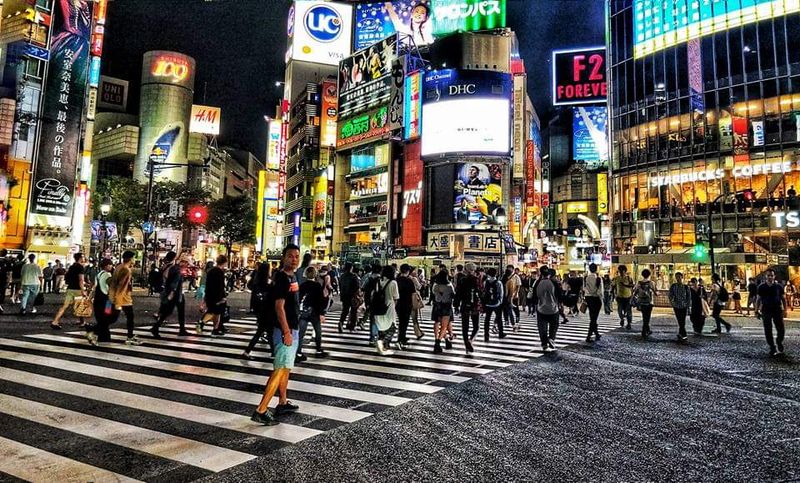
Tokyo has roughly 14 million people living within its city limits, and somehow the streets manage to look cleaner than most towns with a fraction of that population. Public trash cans are actually quite rare in Tokyo, yet litter is almost nonexistent.
Japanese social norms around carrying your own waste until you find a proper bin are so deeply ingrained that they function better than any enforcement system ever could.
Train stations in Tokyo handle millions of passengers daily with remarkable efficiency and cleanliness. Cleaning crews work in precise, choreographed routines between train arrivals, ensuring platforms and carriages stay spotless around the clock.
Watching a Tokyo station cleaning team work is genuinely impressive, almost like watching a very dedicated and fast-moving performance.
Neighborhoods across the city, from the neon-lit streets of Shinjuku to the quiet residential lanes of Yanaka, share the same commitment to tidiness. Community associations called chonaikai organize regular neighborhood clean-up efforts, reinforcing the cultural expectation that everyone contributes to shared cleanliness.
Tokyo proves definitively that city size and urban cleanliness are not mutually exclusive, completely rewriting expectations for what a megacity can and should look like.
Amsterdam, Netherlands
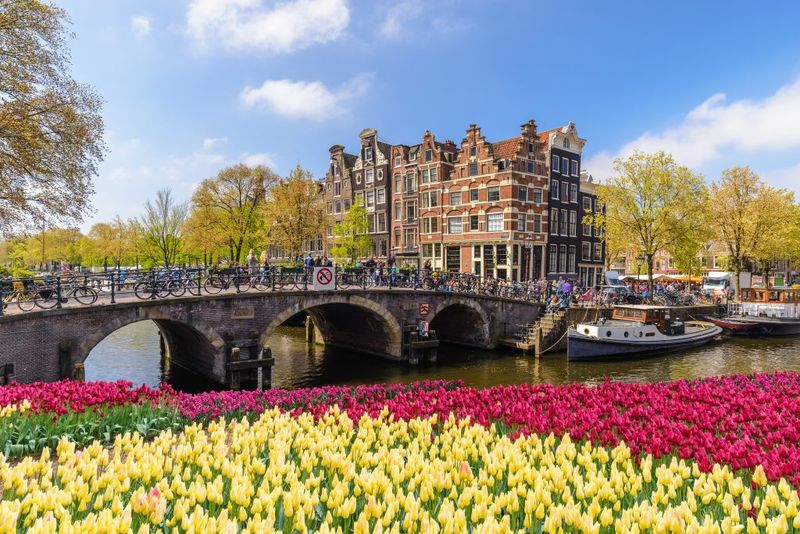
Amsterdam handles more tourists per square kilometer than almost any city in Europe, and yet the canals still shimmer and the streets still look remarkably put together. That balance between massive visitor numbers and consistent cleanliness is no accident.
The city employs dedicated cleaning teams that work through the night, ensuring that what millions of people enjoy during the day stays presentable for the next morning.
Cycling is the dominant mode of transport in Amsterdam, and that cultural choice has enormous environmental benefits. Fewer cars mean less exhaust, less road damage, and quieter streets that feel more pleasant to walk through.
Bike infrastructure is carefully maintained, with lanes regularly swept and kept clear of debris, reflecting the city’s broader attitude toward public space management.
Amsterdam’s canal system, which dates back to the 17th century, is actively monitored for water quality and regularly cleaned. Environmental policies in the Netherlands are among the strongest in Europe, pushing the city toward greater sustainability year after year.
Despite the famously lively nightlife and busy tourist districts, Amsterdam maintains a level of daytime cleanliness that surprises most first-time visitors. The city manages to be fun and fastidious at the same time, which is quite the achievement.
Ljubljana, Slovenia
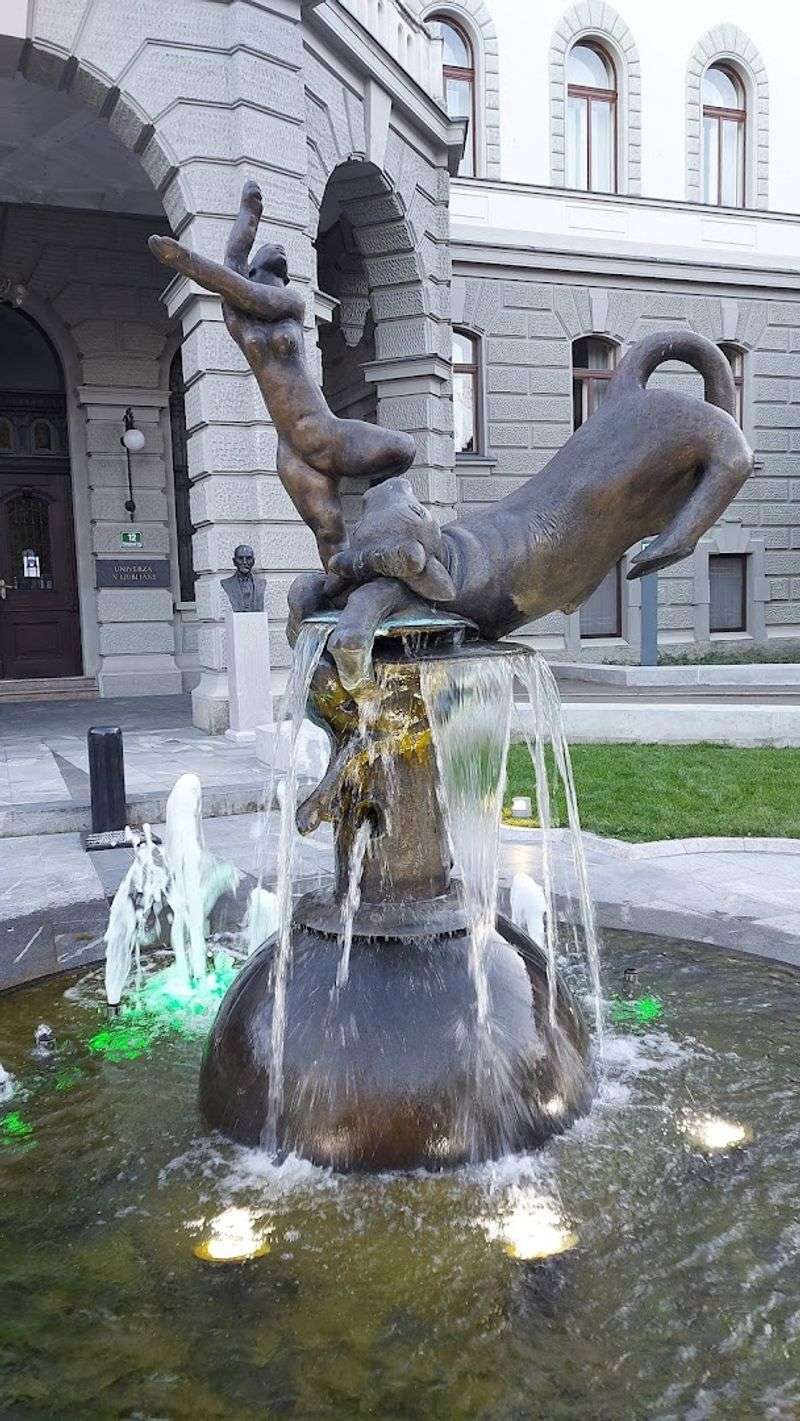
Ljubljana is Europe’s best-kept secret when it comes to clean, livable capital cities. The entire city center is car-free, which transforms the atmosphere completely.
Without exhaust fumes and traffic noise, the air feels noticeably cleaner and the streets stay tidier, creating a walking environment that feels almost utopian by capital city standards.
Slovenia’s capital won the European Green Capital Award in 2016, recognizing its outstanding achievements in sustainability, urban planning, and environmental management. The city has invested seriously in pedestrian infrastructure, cycling routes, and zero-waste programs that have dramatically reduced landfill usage across the municipality.
Ljubljana’s recycling rate is one of the highest in all of Europe.
The Ljubljanica River runs gently through the city center, lined with clean riverside promenades, outdoor cafes, and carefully maintained green banks. Markets along the riverfront stay organized and litter-free even on the busiest weekend mornings.
Ljubljana punches far above its weight for a city of just 300,000 people, delivering a quality of urban environment that much larger capitals genuinely struggle to match. Travelers who discover Ljubljana tend to leave wondering why it took them so long to find such a beautifully maintained gem of a city.
Ottawa, Canada
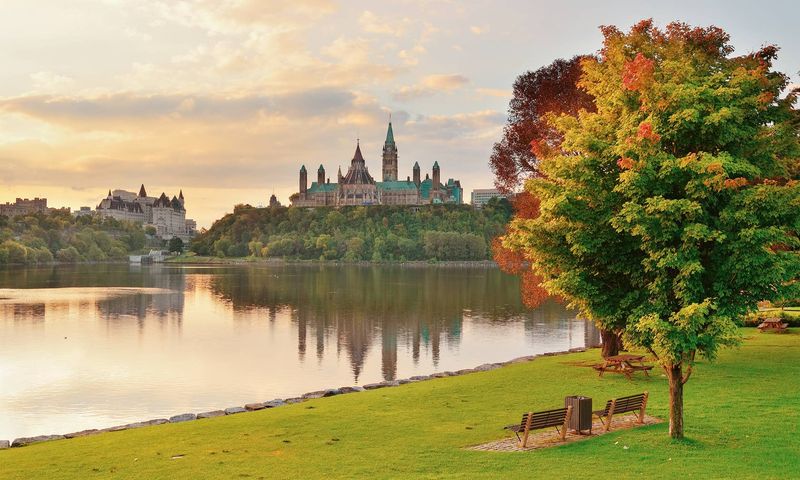
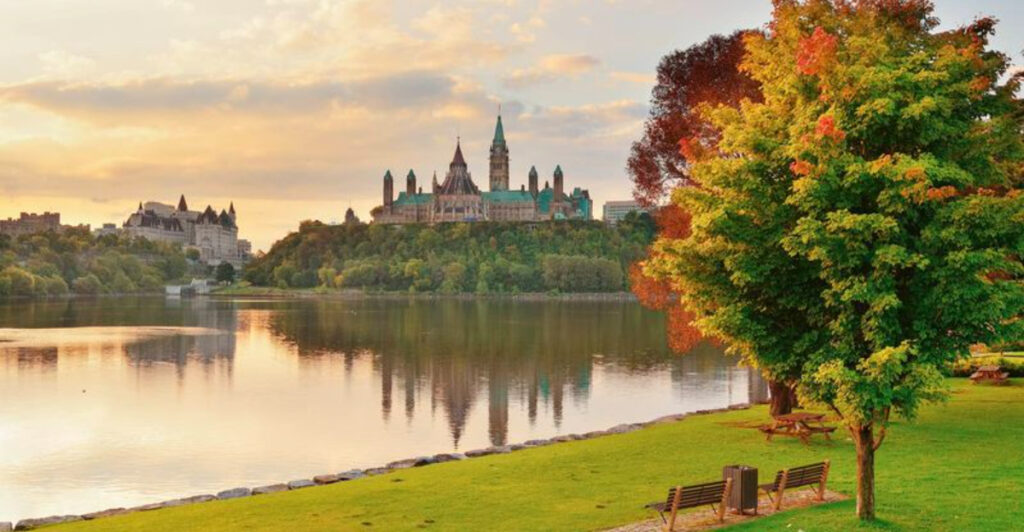
Ottawa keeps its streets cleaner than you might expect from a city that spends half the year buried under snow and ice. Seasonal maintenance crews work aggressively to manage winter debris, road salt residue, and post-thaw litter, ensuring that spring reveals a city that looks genuinely cared for rather than beaten up by the cold.
That seasonal dedication to upkeep says a lot about Ottawa’s civic culture.
The Rideau Canal, which runs right through the heart of the city and transforms into the world’s largest naturally frozen skating rink each winter, is maintained to an impressive standard year-round. Banks along the canal stay green and clean during warmer months, while the waterway itself benefits from active environmental monitoring and protection programs funded by both federal and municipal government.
Ottawa’s lower population density compared to Toronto or Vancouver means traffic congestion stays manageable and air quality remains consistently good. Large parks, including Gatineau Park just across the river in Quebec, give residents enormous green breathing room.
The city’s strong infrastructure investment keeps public areas looking sharp across all four seasons. Ottawa is proof that Canada’s capital deserves far more credit than it typically receives from travelers focused on flashier Canadian destinations.
Share this story