The Côte d’Azur, or French Riviera, has been pulling in artists, royalty, celebrities, and curious travelers for well over a century. Stretching along France’s sun-soaked Mediterranean coastline, it packs glamorous resorts, ancient hilltop villages, shimmering turquoise water, and world-famous events into one unforgettable stretch of Europe.
Whether you dream of strolling past mega yachts or sipping rosé at a cliffside café, this region delivers. Here are 15 highlights that explain exactly why the Côte d’Azur remains one of the most talked-about destinations on the planet.
Nice and the Promenade des Anglais
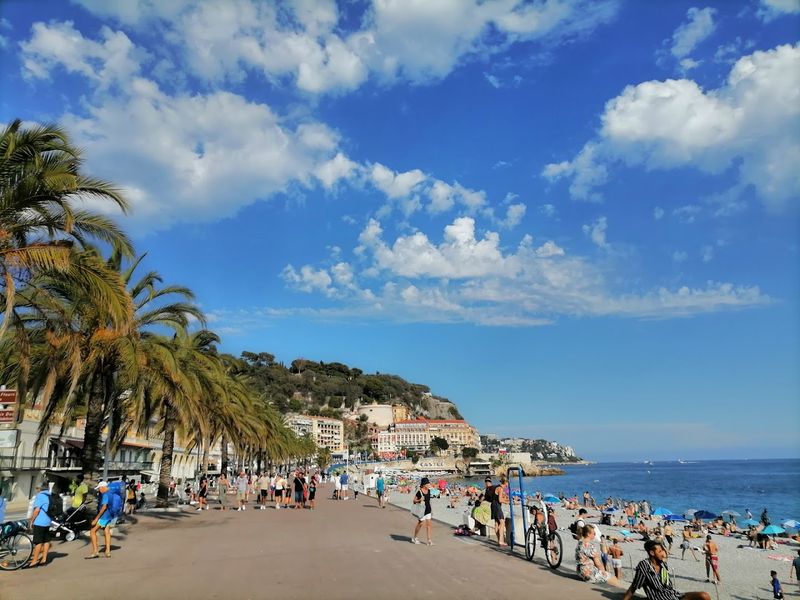
Walk the Promenade des Anglais on a sunny morning and you will quickly understand why Nice has been stealing hearts for generations. This sweeping 7-kilometer boulevard hugs the Mediterranean coast, lined with swaying palm trees, pastel hotels, and pebble beaches packed with sunbathers.
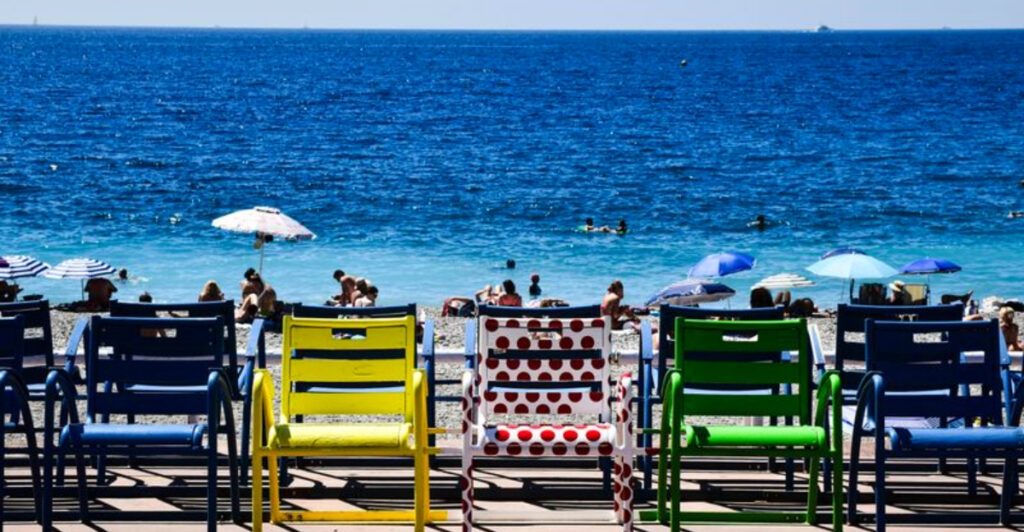
The famous blue chairs scattered along the promenade have become a symbol of the city itself.
Old Nice, tucked just behind the seafront, is a completely different world. Narrow alleyways burst with color, street markets sell local olives and socca flatbreads, and the smell of fresh flowers drifts from the Cours Saleya market every morning.
The neighborhood has a buzzy, lived-in energy that feels refreshingly real compared to the polished glamour found elsewhere on the Riviera.
Nice is also the region’s most accessible base for exploring the coast. Trains connect the city to Monaco, Cannes, and Antibes in under an hour, making day trips genuinely easy.
The city’s airport is one of France’s busiest, welcoming millions of visitors annually. Whether you are visiting for a weekend or a full week, Nice rewards every type of traveler with something genuinely memorable.
Cannes and the Film Festival
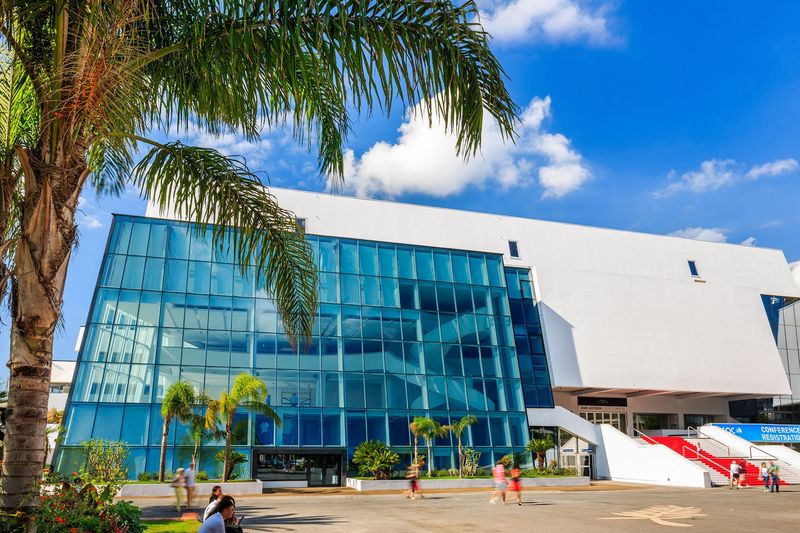
Every May, Cannes transforms into the undisputed center of the global film world. The Cannes Film Festival draws directors, actors, journalists, and fans from every corner of the planet, turning the city’s Boulevard de la Croisette into a parade of glamour, flashbulbs, and designer outfits.
Winning the Palme d’Or here is considered one of cinema’s highest honors.
Outside of festival season, Cannes is still an extremely rewarding place to visit. The Croisette promenade is lined with luxury hotels, boutiques, and outdoor cafés overlooking the sea.
Sandy beaches stretch alongside the boulevard, which is unusual for this part of the Riviera where pebble beaches are more common. The old quarter of Le Suquet sits on a hilltop above the port, offering quieter streets and excellent views over the bay.
The nearby Lérins Islands are a short ferry ride from the harbor and offer a peaceful escape from the city buzz. One of the islands, Île Saint-Honorat, is home to a working monastery that has been producing wine for centuries.
Cannes genuinely has more layers than its celebrity reputation suggests, and visitors who explore beyond the red carpet are rarely disappointed.
Saint-Tropez
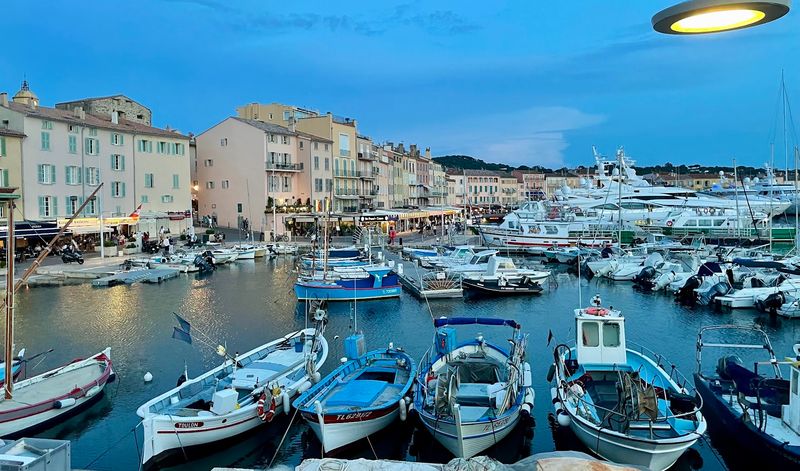
Back in the 1950s, Brigitte Bardot filmed a movie here and essentially turned Saint-Tropez from a sleepy fishing village into an international symbol of sun-soaked glamour. That transformation never really stopped.
Today, the harbor is packed with some of the most impressive mega yachts on the planet during summer, and the beach clubs along Pampelonne Beach are legendary for their all-day parties and eye-watering prices.
Yet Saint-Tropez has a charming side that the glossy magazine covers rarely show. Wander away from the port into the old town and you find narrow Provençal streets painted in warm terracotta and yellow tones, local bakeries, and the beautiful Place des Lices where locals still play pétanque on weekend mornings.
The weekly market on that same square is one of the best in the region.
The Musée de l’Annonciade, housed in a converted chapel near the harbor, holds an impressive collection of Post-Impressionist paintings by artists who worked in Saint-Tropez during the early 20th century. The town genuinely rewards travelers who look beyond the yachts and VIP beach clubs.
Saint-Tropez is louder and pricier than most Riviera towns, but it is also unlike anywhere else on earth.
Monaco
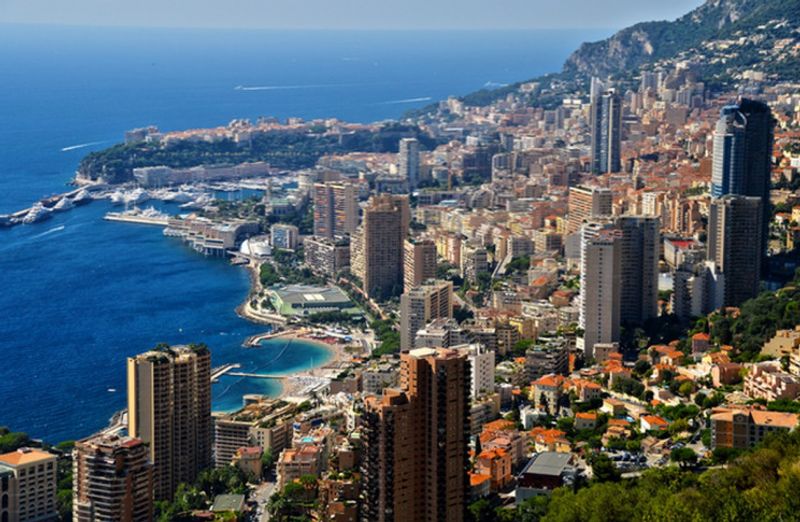
Monaco packs more wealth, spectacle, and sheer audacity into 2 square kilometers than most countries manage across thousands. This tiny principality wedged between France and the sea has built a global reputation on casinos, Formula 1 racing, royal glamour, and the kind of luxury that makes your eyes water slightly.
The Monte Carlo Casino alone is worth visiting just to stand in its ornate lobby and appreciate the excess.
The Monaco Grand Prix, held each May, is one of the most thrilling events in world motorsport. Drivers navigate the city’s actual streets at terrifying speeds, passing the harbor, the casino, and the royal palace in a single lap.
Even if you cannot get race-day tickets, visiting the circuit route during the week before the event is genuinely exciting.
Beyond the casinos and race circuit, Monaco has surprisingly charming corners. The old town of Monaco-Ville sits on a rocky outcrop above the harbor, home to the royal palace, a beautiful cathedral, and quiet streets that feel almost medieval.
The Oceanographic Museum, founded by Prince Albert I in 1910, houses one of Europe’s finest collections of marine life and ocean science exhibits. Monaco is small but endlessly fascinating.
Crystal-Clear Mediterranean Beaches
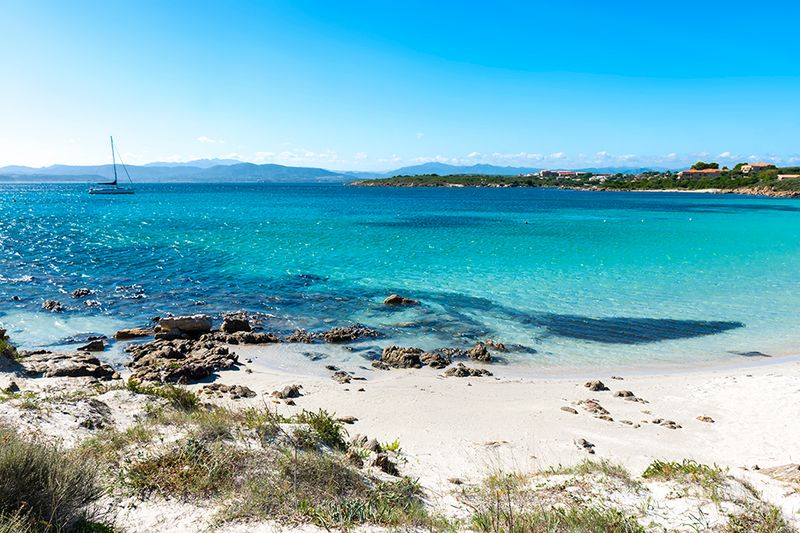
The color of the water along the Côte d’Azur is the kind of thing that makes people stop mid-sentence. That particular shade of electric blue-green is caused by the Mediterranean’s depth, clarity, and the way sunlight hits limestone seabeds.
Photographs genuinely do not do it full justice, which is why so many visitors say seeing it in person feels almost unreal.
Beaches along this coastline vary enormously in character. Cannes offers wide, sandy stretches lined with glamorous beach clubs charging serious money for a sunbed.
Villefranche-sur-Mer has a calm, sheltered bay perfect for snorkeling. Cap Ferrat hides several small rocky coves that feel completely secluded even in peak summer.
The variety means there is genuinely a beach for every type of traveler.
Sailing and water sports are central to the Riviera beach experience. Paddleboarding, kayaking, and boat rentals are available at most beach towns, and day-trip boat tours to hidden coves are extremely popular.
Even simply floating in the warm, clear water on a calm afternoon qualifies as one of the finest experiences the region offers. The Mediterranean here is reliably warm from June through September, making it ideal for extended coastal exploration.
Èze Village
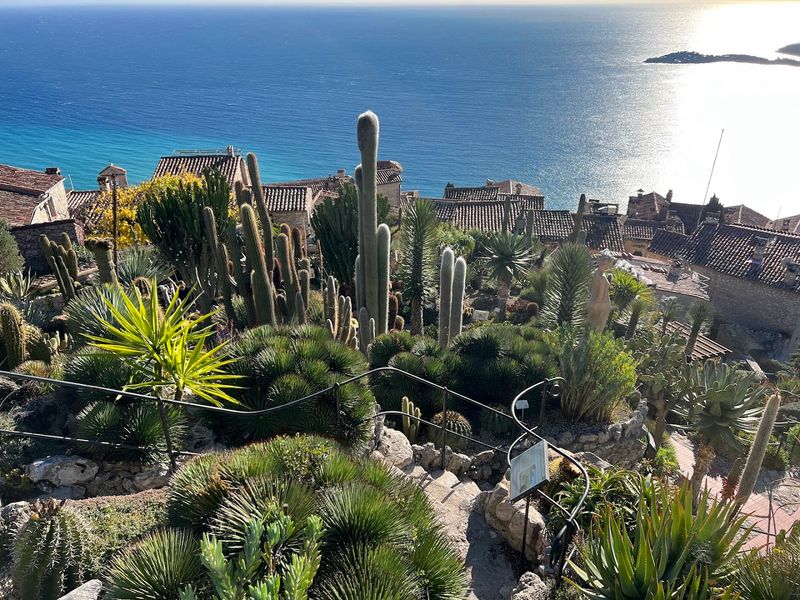
Sitting 427 meters above the sea on a jagged rocky peak, Èze has one of the most dramatic locations of any village in Europe. The medieval stone buildings seem to grow straight out of the clifftop, and the view from the summit garden stretches from the Italian Alps all the way along the coastline toward Nice.
Friedrich Nietzsche reportedly walked the steep path below the village while developing some of his most famous philosophical ideas.
The village itself is tiny but packed with atmosphere. Cobblestone lanes wind between ancient stone walls, passing art galleries, perfume boutiques, and small restaurants with terraces overlooking the sea.
The exotic garden at the very top, built among the ruins of a medieval castle, is filled with unusual cacti and succulents that somehow thrive in the rocky soil.
Getting to Èze requires some effort. Drivers can reach the upper village by car, but the walk up from the coastal road is steep and takes around 45 minutes.
Many visitors combine Èze with a drive along the Grande Corniche road, which passes through the mountains above Nice and Monaco. The combination of medieval architecture, dizzying views, and artistic character makes Èze one of the Riviera’s most rewarding stops for any traveler.
Luxury Hotels and Resorts
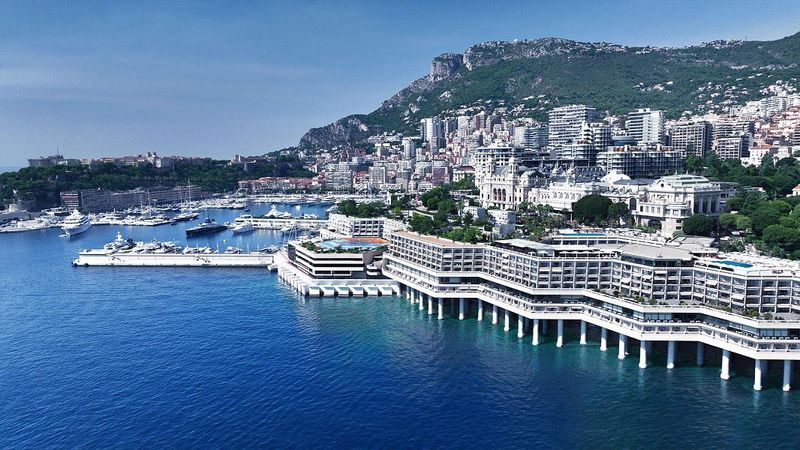
The Côte d’Azur essentially invented the concept of the luxury seaside hotel, and it has never stopped refining it. The Hôtel du Cap-Eden-Roc on Cap d’Antibes has been hosting Hollywood royalty since F.
Scott Fitzgerald wrote about it in the 1920s. Its pool carved directly into the coastal rocks remains one of the most photographed hotel features in the world.
Grand-Hôtel du Cap-Ferrat, set within seven acres of Mediterranean gardens on a private peninsula, regularly appears on lists of the world’s finest hotels. The Hôtel Negresco in Nice, with its iconic pink dome visible from the Promenade des Anglais, is a French national monument and an extraordinary place to stay.
These properties are not just hotels but living pieces of Riviera history.
Even travelers not staying in these legendary addresses can enjoy them to some degree. Several offer public dining, afternoon tea, or bar access that provides a genuine taste of Riviera luxury without requiring a five-figure room rate.
The architecture and gardens of many grand Riviera hotels are worth admiring from outside too. The sheer concentration of beautiful historic hotel buildings along this coastline reflects just how long the world’s most discerning travelers have been choosing this destination.
Art and Cultural Heritage
Something about the Riviera light has always driven artists slightly wild with inspiration. Henri Matisse spent much of his later life in Nice, producing some of his most celebrated work including the famous paper cutouts.
Pablo Picasso lived and worked in Antibes after World War II, leaving behind an entire museum’s worth of paintings, ceramics, and drawings created during his time there.
Marc Chagall made his home in Saint-Paul-de-Vence, a perfectly preserved medieval village perched above the coastline that still draws artists and collectors from around the world. The Fondation Maeght there is considered one of Europe’s finest modern art foundations, set within beautiful gardens dotted with sculptures by Miró, Giacometti, and Calder.
Visiting on a quiet weekday morning is an experience that stays with you.
The Côte d’Azur also has a deep connection to Impressionism and Post-Impressionism, with artists like Renoir and Signac capturing the region’s colors on canvas decades before it became a tourist hotspot. Renoir’s home in Cagnes-sur-Mer is now a museum where his olive trees still grow in the garden.
For art lovers, this stretch of coastline is essentially an open-air museum with excellent weather attached.
Antibes and Juan-les-Pins
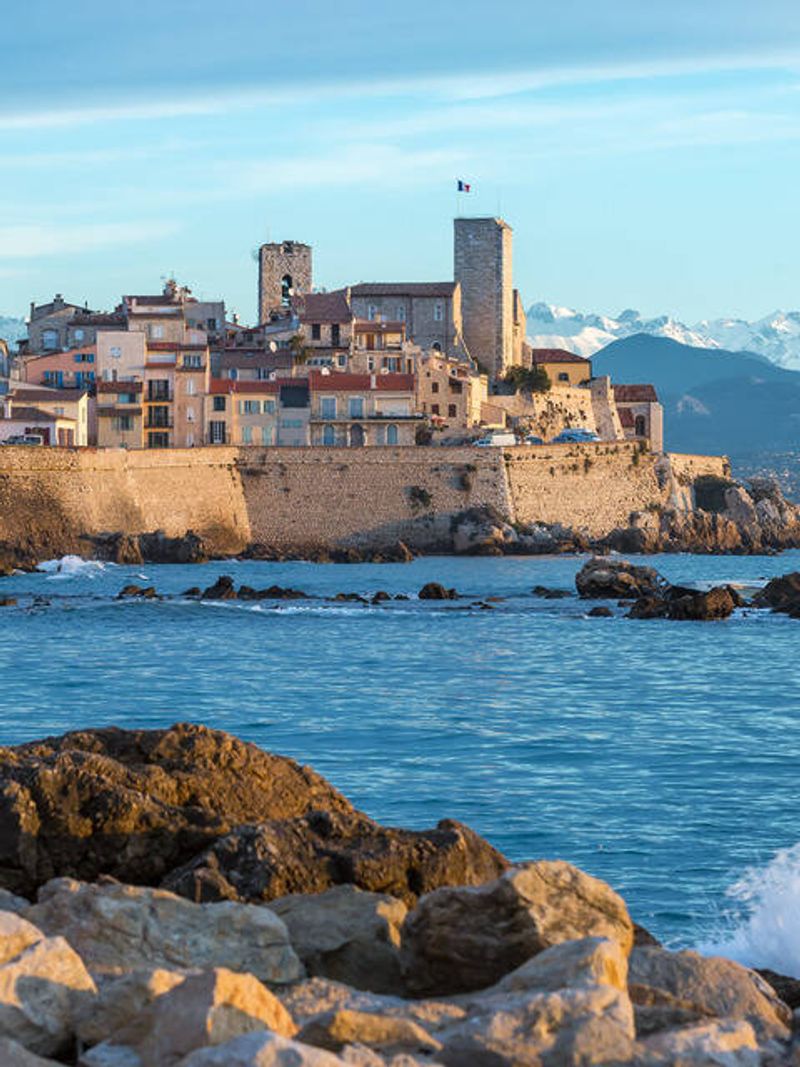
Antibes sits roughly halfway between Nice and Cannes, and it manages to combine the best qualities of both without fully becoming either. The old town is enclosed by 16th-century Vauban ramparts that drop straight into the sea, creating one of the most photogenic waterfronts on the entire Riviera.
The covered Marché Provençal inside the old walls is one of the region’s finest food markets, selling local cheeses, olives, honey, and fresh herbs every morning.
The Picasso Museum occupies the Château Grimaldi, where the artist was given a studio in 1946 and produced an extraordinary burst of creative work in just a few months. The collection is remarkable and the setting, inside a medieval castle overlooking the sea, makes it one of the most memorable art experiences anywhere in southern France.
Cap d’Antibes, the pine-covered peninsula stretching south of the town, is home to some of the most exclusive private villas and estates on the Riviera. A coastal walking path circles the cape, offering spectacular views of the bay and the Alps beyond.
Juan-les-Pins, on the other side of the peninsula, was once the jazz capital of Europe and still hosts a well-regarded international jazz festival every July. Antibes rewards visitors who take their time exploring its layers.
Grasse: Perfume Capital of the World
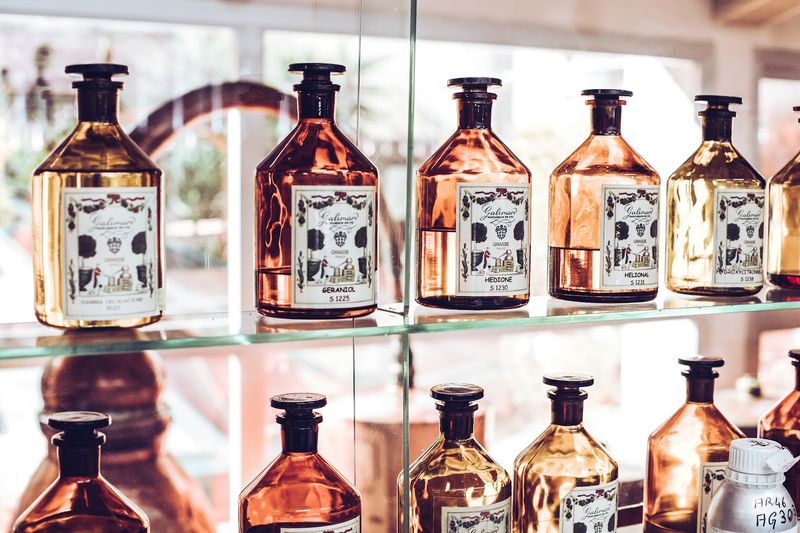
Grasse smells like nowhere else on earth, and that is entirely intentional. Perched in the hills above Cannes, this medieval town has been the center of the global perfume industry since the 17th century, supplying fragrance ingredients and expertise to houses like Chanel, Dior, and Guerlain for generations.
The nose-masters trained here, known as parfumeurs, spend years developing the ability to identify thousands of individual scents.
Three major historic perfume houses in Grasse, including Fragonard, Galimard, and Molinard, offer fascinating factory tours that walk visitors through the entire perfume-making process. You can smell raw ingredients, watch technicians blend compositions, and even create your own personalized fragrance in hands-on workshops.
These experiences are genuinely memorable and surprisingly affordable for what they offer.
The surrounding countryside around Grasse is famous for its flower fields. May brings the jasmine and rose harvests, and the sight of workers picking blooms at dawn is something that feels timeless.
The town itself has a charming old quarter with steep cobblestone streets, a beautiful cathedral, and panoramic views over the Riviera coastline below. Grasse is often overlooked by travelers rushing between coastal resorts, but it offers one of the most distinctive and sensory experiences in the entire region.
Mediterranean Cuisine

Socca is the first thing serious food lovers should eat in Nice. This crispy chickpea pancake, cooked in a wood-fired oven and sold by street vendors in Old Nice, tastes smoky, salty, and completely addictive.
It costs almost nothing and tells you more about local food culture than any fancy restaurant ever could. Riviera cuisine is rooted in simplicity, fresh ingredients, and centuries of Mediterranean tradition.
The Niçoise salad, made properly with local tuna, hard-boiled eggs, olives, anchovies, and green beans, is one of France’s most internationally recognized dishes. Pan bagnat, a pressed sandwich version of the same ingredients, is the classic Riviera packed lunch.
Pissaladière, a caramelized onion tart topped with anchovies and olives, is another local specialty that deserves far more global attention than it currently receives.
Rosé wine from Provence is the natural drink of choice throughout the region, and the quality has risen dramatically over the past two decades. Pale, dry, and crisp, it pairs effortlessly with seafood, salads, and the long warm evenings the Riviera delivers so reliably.
Outdoor markets throughout the region sell local produce year-round, and cooking a simple meal with ingredients from a Provençal market is one of the most satisfying things a visitor can do here.
The Scenic Corniches
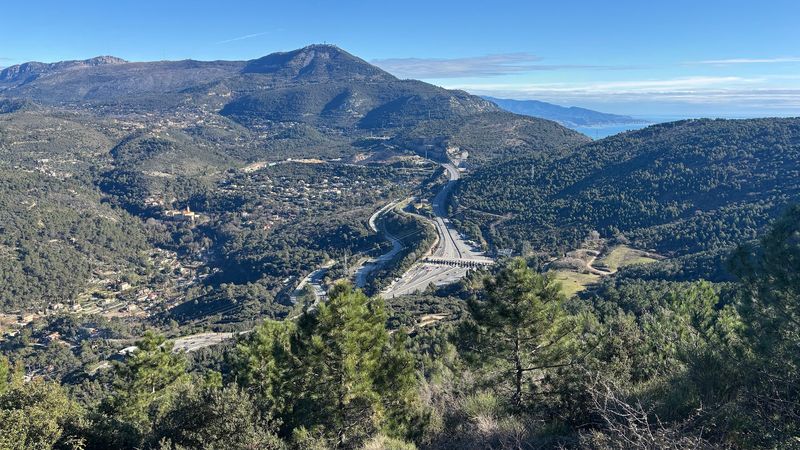
Three roads connect Nice to Monaco, stacked at different heights above the sea like shelves on a cliff face, and each one offers a completely different perspective on the same spectacular coastline. The Basse Corniche hugs the shoreline and passes through glamorous seaside towns.
The Moyenne Corniche cuts through the middle and passes directly through Èze village. The Grande Corniche runs highest of all, following the route of an ancient Roman road with views that stretch for miles in every direction.
These roads have appeared in so many films and car commercials that driving them feels oddly familiar even on a first visit. Alfred Hitchcock filmed scenes from To Catch a Thief on the Grande Corniche in the 1950s, and the road has been a symbol of cinematic freedom and elegance ever since.
Convertibles, motorcycles, and cyclists all tackle the routes, especially during summer mornings before traffic builds up.
The best strategy is to drive one corniche in each direction on the same day, combining the low coastal road heading toward Monaco with the high mountain road on the return. Stopping at viewpoints along the Grande Corniche reveals panoramas of the entire coast that make you genuinely understand why people fall so deeply in love with this part of the world.
These drives are free, accessible, and completely unforgettable.
Villefranche-sur-Mer
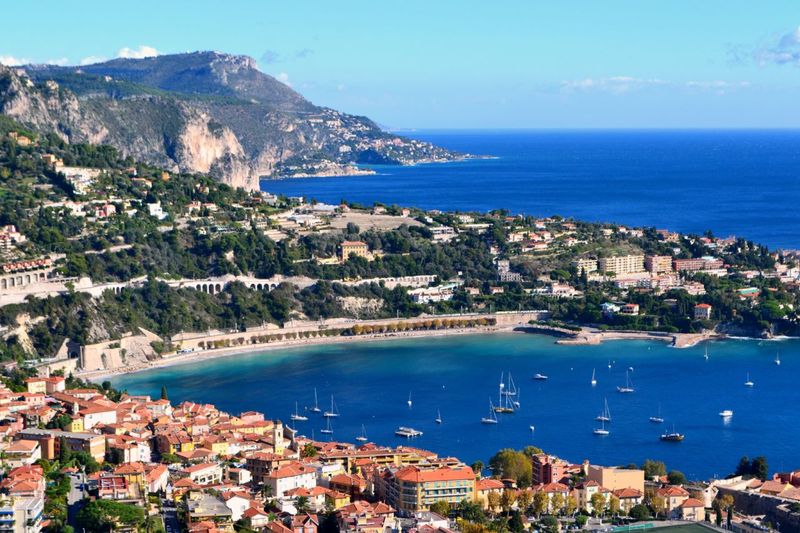
Tucked into one of the deepest natural harbors on the entire Mediterranean coast, Villefranche-sur-Mer has a warmth and authenticity that larger Riviera towns sometimes struggle to maintain. The waterfront is lined with buildings painted in shades of orange, yellow, and terracotta that glow beautifully in the late afternoon light.
The harbor is calm enough for swimming and snorkeling directly from the shore, which is a genuine rarity along this stretch of coast.
The Rue Obscure is one of the most remarkable streets on the Riviera. This covered medieval lane runs beneath the town’s buildings, completely sheltered from sun and rain, and dates back to the 13th century.
It was used as a shelter during bombardments in World War II and still carries an eerie, atmospheric quality that makes it one of the most memorable short walks in the region.
Jean Cocteau, the French artist and filmmaker, decorated the interior of the harbor’s chapel with vivid murals in 1957, creating a small but genuinely extraordinary piece of art that is free to visit. Villefranche sits just a few kilometers from Nice and is easily reached by train or bus.
Spending a half-day here, eating fresh seafood at a harbor restaurant and swimming in the bay, represents the Riviera at its most relaxed and honest best.
Riviera Events and Festivals
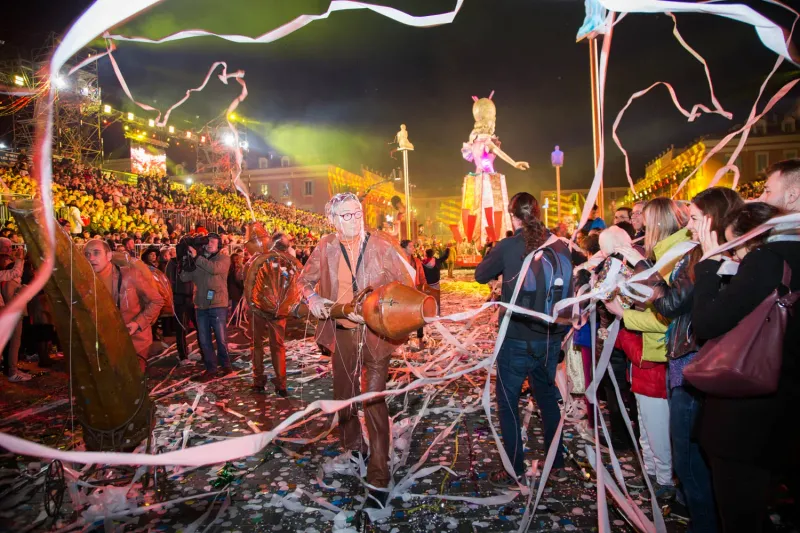
The Côte d’Azur runs on a calendar of events that would exhaust a more modest destination. The Cannes Film Festival in May fills the city with cameras, celebrities, and the particular electricity that only comes from the world’s greatest directors competing for cinema’s most coveted prize.
A few weeks later, Monaco’s streets fill with the deafening roar of Formula 1 engines for the Grand Prix, arguably the most glamorous race in motorsport.
Nice hosts one of Europe’s most spectacular carnivals each February, a tradition dating back to the 13th century, featuring enormous papier-mâché floats, flower parades, and street performances that draw hundreds of thousands of visitors. The Nice Jazz Festival, held in July, brings world-class musicians to an open-air stage near the Promenade des Anglais and has a wonderfully relaxed atmosphere that suits the city perfectly.
The Monaco Yacht Show each September gathers the most extraordinary collection of superyachts on the planet in a single harbor, and even non-billionaires can walk the docks and appreciate the engineering involved. Antibes hosts its own jazz festival in July, and Menton celebrates its famous lemon harvest with a spectacular citrus sculpture festival every February.
The sheer variety of events means the Riviera genuinely never runs out of reasons to visit at any time of year.
The Riviera Lifestyle
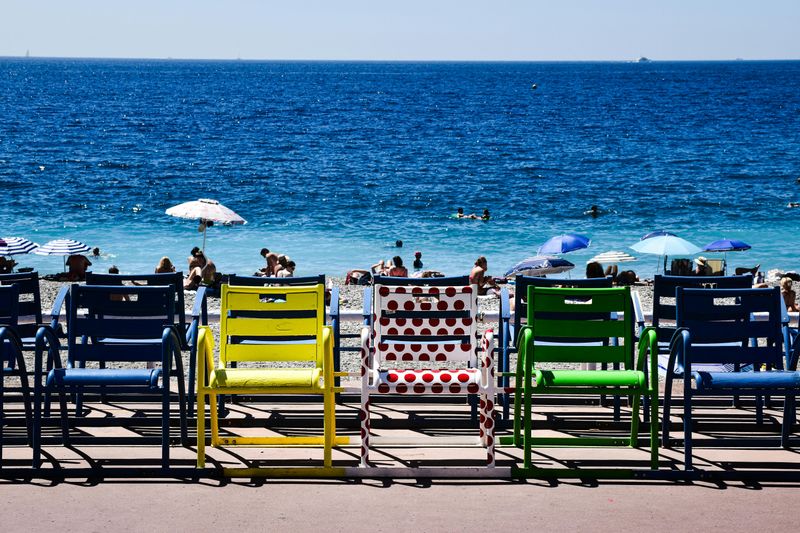
Nobody does effortless elegance quite like the French Riviera on a slow Tuesday afternoon. The lifestyle here is built around small pleasures stacked on top of each other: a long lunch at a harbor café, a slow walk through an outdoor market, an afternoon swim followed by a cold glass of rosé, and an evening stroll along a promenade as the sun turns the sea golden.
There is a particular rhythm to daily life on the Riviera that feels both luxurious and completely natural at the same time.
The region attracts a fascinating mix of people. Billionaires moor their yachts alongside retired schoolteachers from Lyon who have been renting the same apartment in Antibes every August for thirty years.
Artists, writers, chefs, and designers all find something here that keeps drawing them back. The Riviera has never belonged exclusively to the ultra-wealthy, despite what its glossiest images suggest.
What makes the lifestyle so appealing is the combination of natural beauty and human creativity packed into a relatively small area. World-class food, extraordinary art, warm weather, clear water, and some of Europe’s most beautiful architecture are all within easy reach.
The Côte d’Azur does not just offer a place to visit. It offers a way of living that most people find extremely difficult to leave behind once they have properly experienced it.
Share this story